




Interactive Floor Projection for Therapy and Special Needs
- Interactive Floor Projection for Therapy and Special Needs
- What is an interactive floor projection game and how is it used in therapy?
- How does an interactive floor projection game improve engagement and outcomes?
- Which populations benefit most from interactive floor projection game interventions?
- What therapy goals are best suited to an interactive floor projection game?
- How to design effective sessions using an interactive floor projection game?
- What safety and accessibility considerations apply to interactive floor projection game installations?
- What evidence supports the use of interactive floor projection game systems in therapy?
- How cost-effective is an interactive floor projection game compared to traditional therapy tools?
- Comparing systems: interactive floor projection game options and features
- How to measure progress when using an interactive floor projection game?
- What are practical examples of interactive floor projection game use in clinics and schools?
- Why choose Kyda for your interactive floor projection game and activate interactive games?
- What products does Kyda offer and what are their advantages for therapy settings?
- How to implement an interactive floor projection game in your facility: a practical checklist
- What are the common questions about interactive floor projection game systems?
- FAQ: How long does it take to set up an interactive floor projection game?
- FAQ: Can an interactive floor projection game be used for wheelchair users?
- FAQ: How durable are interactive floor projection game systems in high-use clinical settings?
- FAQ: Do interactive floor projection game systems support data export for clinical documentation?
- FAQ: How can I justify the investment in an interactive floor projection game?
- Conclusion: Making interactive floor projection game part of effective, humane therapy
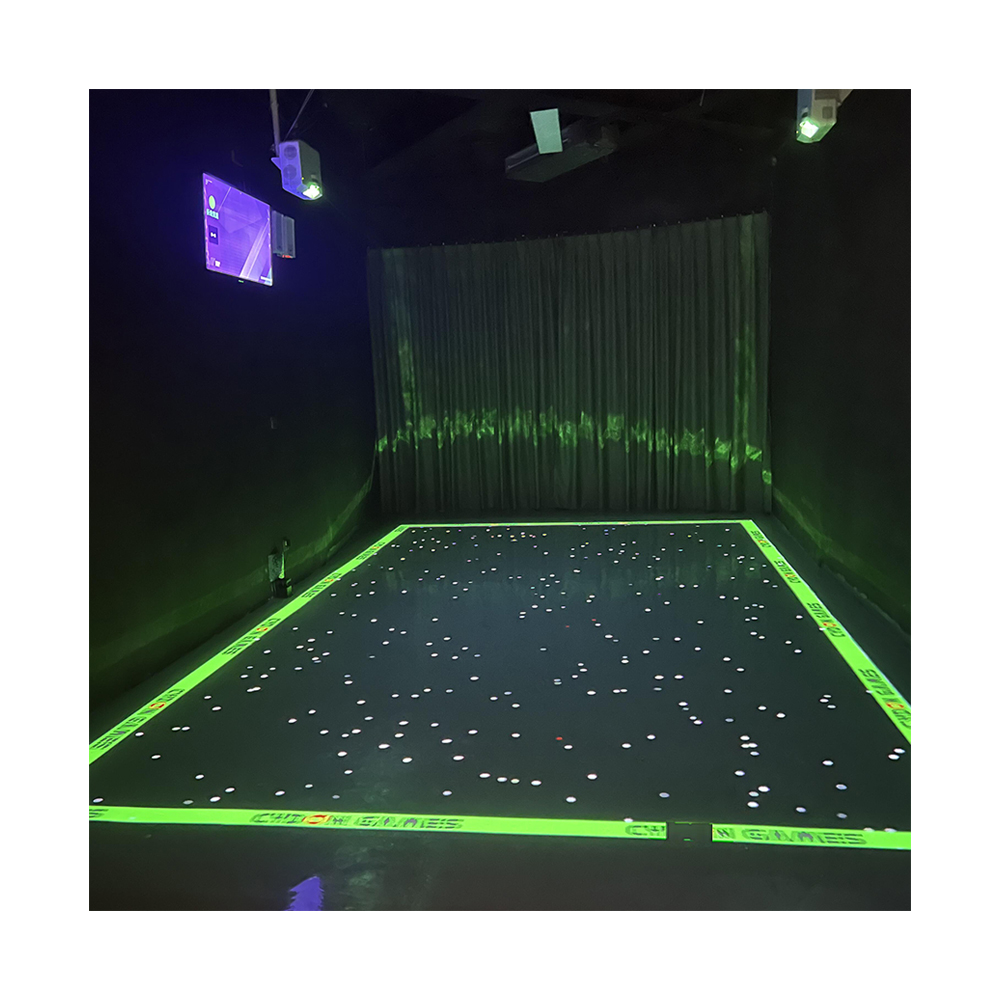
Interactive Floor Projection for Therapy and Special Needs
What is an interactive floor projection game and how is it used in therapy?
An interactive floor projection game is a system that projects responsive visuals onto floors and reacts to movement, touch, or sound to create game-like experiences that support therapeutic goals. In therapy settings, an interactive floor projection game encourages physical activity, cognitive engagement, balance training, and social interaction by turning exercises into motivating tasks. These systems are increasingly adopted in pediatric clinics, rehabilitation centers, special education classrooms, and elder-care facilities because the playful format reduces resistance and increases participation.
How does an interactive floor projection game improve engagement and outcomes?
Therapists use an interactive floor projection game to convert routine therapy tasks into dynamic activities that capture attention. The combination of bright visuals, immediate feedback, and varied challenges supports longer session engagement and stronger adherence to therapy plans. For many people with special needs, motivation is a major barrier; an interactive floor projection game lowers that barrier by making therapy feel like play instead of a chore. This leads to more repetitions, which are critical for motor learning and cognitive rehabilitation.
Which populations benefit most from interactive floor projection game interventions?
Children with developmental delays, learners with autism spectrum conditions, adults recovering from stroke, and older adults with mobility challenges or early dementia can all benefit from an interactive floor projection game. In pediatrics, these games help with gross motor skills, balance, and social-play skills. In neurorehabilitation, they provide controlled, repetitive tasks for gait and balance retraining. For older adults, an interactive floor projection game stimulates physical activity and cognitive engagement, which can help reduce fall risk and slow cognitive decline when integrated into a holistic program.
What therapy goals are best suited to an interactive floor projection game?
Clinicians commonly use an interactive floor projection game to target balance, coordination, reaction time, visual perception, selective attention, and social interaction. Because content can be customized, therapists can design activities that focus on specific muscle groups, dual-tasking (combining cognitive tasks with movement), or graded difficulty to match a patient’s progress. This adaptability makes an interactive floor projection game a versatile tool across multiple therapeutic goals.
How to design effective sessions using an interactive floor projection game?
Designing sessions with an interactive floor projection game starts with a clear assessment of functional goals. Begin with short, simple tasks to build familiarity, then increase complexity with multi-step activities or timed challenges. Integrate objective measures like repetitions completed, reaction times, and balance duration to track progress. Rotating game modes and visuals helps maintain interest; for children, use story-based or themed games, while adults may prefer goal-oriented tasks. Always document progress so the interactive floor projection game activities tie directly to therapy outcomes.
What safety and accessibility considerations apply to interactive floor projection game installations?
Safety is essential when using an interactive floor projection game. Ensure floor surfaces are non-slip, remove trip hazards, and provide appropriate lighting to avoid glare. Calibrate sensors so the system accurately detects movement without causing frustration. For accessibility, position the interactive floor projection game to accommodate wheelchairs and assistive devices and select game modes that allow seated participation. Regular maintenance and hygiene protocols—especially important in clinical environments—help keep the system reliable and safe for vulnerable users.
What evidence supports the use of interactive floor projection game systems in therapy?
Research and clinical reports consistently note improved patient engagement, increased repetitions of therapeutic movements, and positive satisfaction scores from patients and caregivers when interactive floor projection game systems are used. Many facilities report qualitative gains in motivation and adherence; in rehabilitation settings, therapists often observe faster skill reacquisition when exercises are embedded in interactive tasks. While specific effect sizes vary by population and protocol, the consensus in peer-reviewed and clinical literature supports the interactive floor projection game as an effective adjunct to standard therapy.
How cost-effective is an interactive floor projection game compared to traditional therapy tools?
An interactive floor projection game often has higher upfront costs than simple physical therapy tools but can be cost-effective over time by increasing throughput, patient retention, and program differentiation. Facilities that use an interactive floor projection game to attract families, provide engaging group sessions, or offer specialized services commonly report higher utilization rates and improved client satisfaction, which supports return on investment. For many clinics, the interactive element also enables semi-supervised group sessions that expand service capacity.
Comparing systems: interactive floor projection game options and features
Choosing between an interactive floor projection game, LED interactive floors, or other technologies depends on goals, space, and budget. The table below compares common options across practical criteria so decision-makers can match technology to clinical needs.
| System Type | Typical Cost | Space Needs | Durability & Maintenance | Best Use Cases |
|---|---|---|---|---|
| Standard Interactive Floor Projection Game | Moderate | Requires clear floor area; flexible size | Low–Moderate; projector bulbs and sensors require upkeep | Pediatrics, neurorehab, group therapy, special education |
| Interactive LED Floor | Higher | Installs into floor; needs structural planning | Moderate–High; durable surface but higher installation costs | High-traffic centers, permanent installations, commercial therapy spaces |
| Interactive LED Wall | Higher | Wall-mounted; minimal floor changes | Moderate; robust but requires professional install | Visual engagement, upper-limb rehab, interactive learning |
| Laser Interactive Game | Low–Moderate | Small footprint; often tabletop or floor-mounted | Low; simple hardware | Quick setup demos, small-group engagement, mobile therapy |
How to measure progress when using an interactive floor projection game?
Use a mix of objective and subjective metrics with an interactive floor projection game: track repetitions, reaction times, balance duration, and game scores for objective data; collect patient-reported measures for enjoyment and perceived difficulty. Many interactive floor projection game platforms include built-in analytics to export session data. Pair the system data with standardized clinical assessments (e.g., timed up-and-go, balance scales) to document functional gains and support reimbursement where applicable.
What are practical examples of interactive floor projection game use in clinics and schools?
In pediatric clinics, therapists use an interactive floor projection game to practice hopping, stepping, and direction changes through themed games. Special education classrooms leverage interactive floor projection game activities to teach turn-taking, spatial awareness, and following instructions. In rehab centers, clinicians design gait drills and balance challenges with graded difficulty using an interactive floor projection game. Senior centers adopt low-impact game modes to encourage gentle movement, coordination, and social stimulation while tracking participation rates.
Why choose Kyda for your interactive floor projection game and activate interactive games?
Kyda is a one-stop provider specializing in custom active game rooms and Activate gaming centers, offering development, production, and sales of interactive recreational products and amusement equipment. Kyda’s strengths include a multidisciplinary team—electronic engineers, software programmers, game and animation designers, product designers, and interior specialists—and manufacturing partnerships across Guangzhou, Zhongshan, Zhengzhou, and Beijing. These partnerships with LED, sheet metal, electronics, 3D printing, and multimedia suppliers enable Kyda to deliver customized interactive floor projection game solutions tailored to local needs, ensuring practical, cost-effective installations with ongoing support.
What products does Kyda offer and what are their advantages for therapy settings?
Kyda’s main products that are well-suited to therapy and special needs environments include interactive projection games, activate interactive games, interactive LED floors, interactive LED walls, and laser interactive games. Advantages include customizable game content to meet therapeutic goals, robust hardware designed for frequent clinical use, scalable solutions from portable projection systems to permanent LED floors, and strong after-sales manufacturing support. Kyda’s integrated design and production approach helps clinics get tailored, durable systems that maximize engagement and long-term value.
How to implement an interactive floor projection game in your facility: a practical checklist
To implement an interactive floor projection game, start by defining therapy goals and the intended user groups. Check space dimensions and flooring suitability, determine power and mounting needs, and select a system that supports desired game modes and analytics. Plan for staff training, hygiene and maintenance routines, and data tracking. Trial the interactive floor projection game with a small cohort, gather feedback, and refine game settings to match clinical needs before scaling to more patients or group sessions.
What are the common questions about interactive floor projection game systems?
FAQ: How long does it take to set up an interactive floor projection game?
Setup time depends on system type: portable projection-based interactive floor projection game systems can be installed in hours, while LED floors with permanent installation require days to weeks for construction and calibration. Kyda can assist with turnkey installation for both temporary and permanent solutions.
FAQ: Can an interactive floor projection game be used for wheelchair users?
Yes. Many interactive floor projection game platforms include modes that respond to hand-held controllers, foot motion from pedals, or proximity detection, enabling seated or wheelchair-accessible activities. Design choices and calibration ensure inclusive participation.
FAQ: How durable are interactive floor projection game systems in high-use clinical settings?
Durability varies by product. Projection-based interactive floor projection game systems require regular projector maintenance (filters, bulbs) but have minimal floor wear. LED floors are built for high use and provide robust surfaces but involve higher installation and maintenance costs. Kyda offers solutions across this spectrum to match clinic usage patterns.
FAQ: Do interactive floor projection game systems support data export for clinical documentation?
Yes. Modern interactive floor projection game platforms often include analytics and reporting tools to export session statistics like reaction times, scores, and duration. This supports clinical documentation and progress tracking.
FAQ: How can I justify the investment in an interactive floor projection game?
Justify the investment by documenting increases in client engagement, retention, and referrals, and by tracking how interactive floor projection game usage allows for higher throughput or group sessions. Consider patient satisfaction and program differentiation as part of the value proposition; many clinics recover costs through expanded services and improved outcomes.
Conclusion: Making interactive floor projection game part of effective, humane therapy
An interactive floor projection game can transform therapy for people with special needs by increasing motivation, enabling repetitive practice, and supporting measurable outcomes in a playful format. When selected and implemented thoughtfully—paying attention to safety, accessibility, data tracking, and customization—an interactive floor projection game becomes a powerful adjunct to traditional therapy. Kyda’s integrated capabilities and range of products make it a practical partner for clinics and centers seeking customizable, durable, and engaging interactive systems that meet therapeutic needs and business goals.
How to Choose the interactive light up floor game manufacturer and supplier ?
The interactive led floor games Cost Guide
Top 10 floor light up game Manufacturers and Supplier Brands in us
Activate Games for Kids: Safe and Fun Offline Party Activities
For Games Grid Floor is Lava
Can we just buy one game room of grid floor is lava?
Yes, If you start the activate game at the first time. We have more than above 50 different activate interactive challenge game rooms for options.
For Company
How many places(country or city) already installed? Where are they?
Above 100 places in the whole world market:
Already installed in Saudi Arabic, New Zealand, Indonesia ,Malaysia, Singapore, Australia, United Kingdom, Netherlands ,France, India, Poland, Greece, Hungary etc in the world market; Shenzhen, Beijing, Zhengzhou,Taiwan etc in the Chinese market.
Where is your factory?
Kydaplay office in Beijing, Guangzhou, Shenzhen;
Kydaplay workshop in Shenyang, Zhongshan.
Can you make CAD design for buyer’s space room?
Yes, we can make CAD design as exact space room size.
For Led Floor for Dance Pixel Grid Room
What is the difference of Grid and Mega Grid, Pixel Grid?
Grid just interactive floor game, smaller room size can start, Add the wall LED tile call Pixel Grid;
Mega Grid add 20pcs Digital screen with 20pcs wall buttons , also need suggest bigger room size, more activate interesting games than Grid, add the wall LED tile call Pixel Grid;
Kyda accept personal customization as requirements; Grid, Mega Grid, Pixel Grid, Floorislava, Arena game, Active LED floor game, Interactive floor LED game etc that different name in different place.
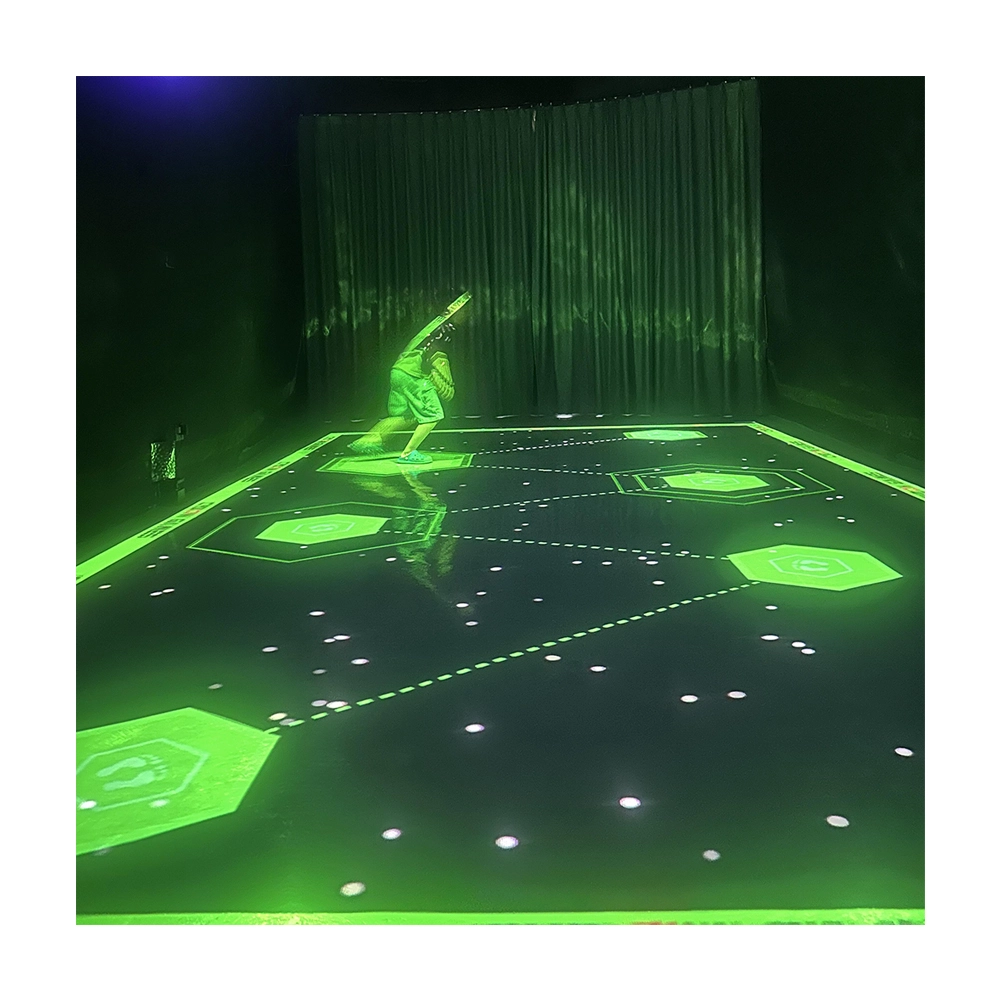
Photon – Interactive Floor Projection Game System for Sensory Rooms & Active Play Areas

Crub Crab Giant Chopsticks Challenge Game Interactive Skill Challenge Game for Activate Game Rooms by Kyda
Crub Crab Giant Chopsticks Challenge Game is an innovative interactive challenge attraction designed for indoor entertainment centers, arcade game venues, and activate-style interactive game rooms. In this unique skill-based game, players control a pair of oversized giant chopsticks to pick up scattered snacks, toys, or prize items and place them into a collection basket within a limited time. The gameplay combines hand-eye coordination, precision control, balance, and quick reaction, creating a fun and competitive experience suitable for players of all ages.
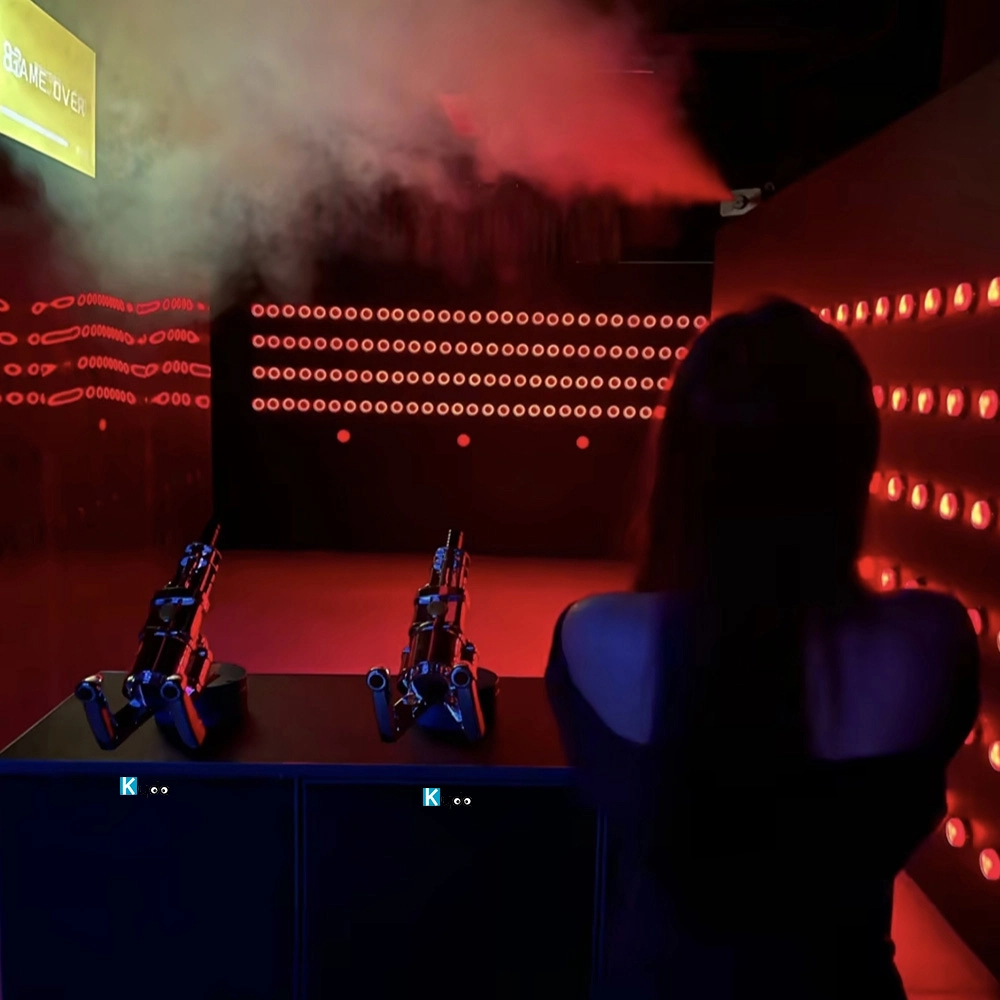
Active Reaction Laser Shooting Game Room
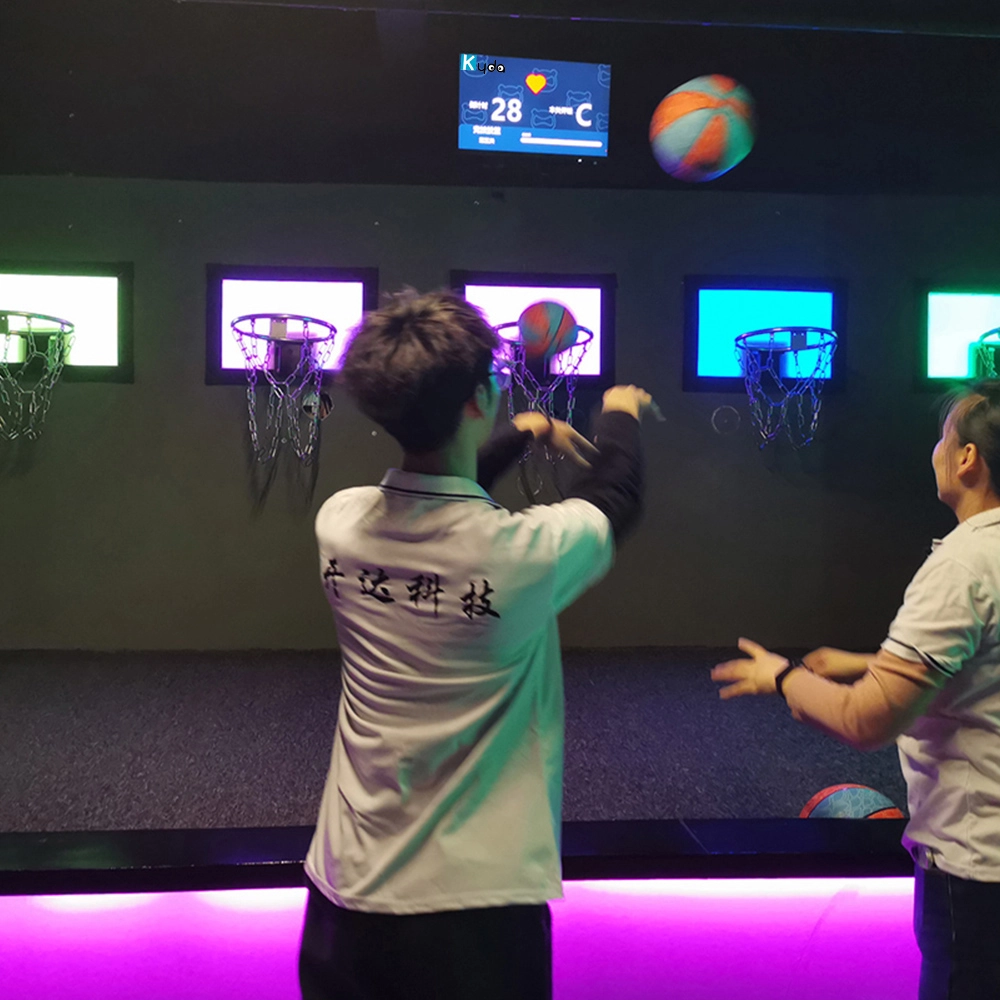
Hoops Active Game: The Ultimate Interactive Basketball Fitness Game
Elevate your basketball skills with Kyda’s Hoops Activate Game, the interactive basketball game. Perfect for basketball game rooms, Activate Hoops offers immersive fitness fun. Experience the Activate Basketball Game that combines sport and technology for active play.
Let's get in touch
Email: sales@kydavr.com
Tel.: +86 188 2001 8779
Address: 501 Shixin Road, Dalong Street, Guangzhou, Guangdong, China.
© 2025 Kyda. All Rights Reserved.
 Scan QR Code
Linkedin
Ins
Facebook
Twitter
YouTube