




Best Active Games for Kids to Boost Physical Activity
- Why Movement Matters: Physical Activity Guidelines for Children — active games
- How much activity is needed and why active games work — active games, active fitness games
- Best Active Games for Kids: Indoor and Outdoor Options — active interactive games
- 1. Tag variants (Freeze Tag, Blob Tag, Laser Tag) — active games, laser interactive game
- 2. Obstacle courses and circuit stations — active fitness games, active reaction games
- 3. Dance and rhythm games (Just Dance, interactive projection games) — interactive projection games, interactive led floor
- 4. Active video games / exergames (Ring Fit, Nintendo Switch) — active fitness games
- 5. Reaction and memory movement games (Simon Says, reaction pads, interactive LED wall) — active reaction games, interactive led wall
- Comparing active games: intensity, space, cost, and ROI — active games, activate interactive games
- Data and verification
- Designing safe, inclusive active games — active games, active fitness games
- How to measure outcomes and prove impact — active games, activate interactive games
- Partnering with Kyda for Active Game Rooms and Activate Interactive Games — interactive projection games, interactive led floor
- Why choose Kyda — activate interactive games, interactive led wall, laser interactive game advantages
- Implementation tips for commercial operators — active games, activate interactive games
- Frequently Asked Questions (FAQ) — active games
- 1. What are the best active games to get children moving for 60 minutes a day?
- 2. Are interactive LED floors and projection games worth the investment?
- 3. How can I measure whether active games improve fitness?
- 4. How do I make active games safe for mixed-ability groups?
- 5. What is the typical ROI timeline for installable active game equipment?
- 6. How often should game content be updated to keep kids engaged?
- References and further reading
Why Movement Matters: Physical Activity Guidelines for Children — active games
Regular physical activity is essential for children’s physical, cognitive, and emotional development. Leading public health authorities recommend at least 60 minutes of moderate-to-vigorous physical activity daily for children aged 5–17 to support cardiovascular health, healthy weight, bone strength, and mental wellbeing. Active games are one of the most effective and enjoyable ways to reach that target because they combine play, social interaction, and purposeful movement.
As an experienced consultant in activate interactive games and active game rooms, I have worked with schools, family entertainment centers, and municipal programs to design play experiences that reliably increase children's activity time while remaining safe, inclusive, and scalable. This article provides research-backed game ideas, practical implementation guidance, and purchasing considerations for operators and parents who want measurable increases in physical activity through active games.
How much activity is needed and why active games work — active games, active fitness games
Public health guidance (WHO, CDC) sets clear activity targets for children — roughly 60 minutes of moderate-to-vigorous activity daily. Active games work because they lower behavioral barriers (boredom, lack of structure) and make movement intrinsically rewarding. In practice, well-designed active games can convert sedentary screen time into sustained movement, help children practice motor skills, and create repeatable programming suitable for different age ranges and facility sizes.
Best Active Games for Kids: Indoor and Outdoor Options — active interactive games
Below are tested active games grouped by setting and typical equipment needs. Each entry includes why it boosts physical activity, best age range, and a simple implementation tip.
1. Tag variants (Freeze Tag, Blob Tag, Laser Tag) — active games, laser interactive game
Why it works: Tag promotes continuous running, acceleration, and agility. Laser tag and laser interactive games add gamified goals and scoring, increasing engagement and session length.
- Best age: 4–14
- Space: Small to large outdoor or indoor arena
- Tip: Rotate roles (chaser/prey) to control intensity and include rest breaks for younger kids.
2. Obstacle courses and circuit stations — active fitness games, active reaction games
Why it works: Obstacle courses combine running, crawling, balancing, and jumping for full-body exertion. Circuit stations (jump rope, hop, agility ladder, reaction pad) create interval-style activity that raises heart rate and improves coordination.
- Best age: 3–12
- Space: Flexible — can be set in classrooms, gym halls, or backyards
- Tip: Use progressive difficulty and time-limited rounds to keep motivation high.
3. Dance and rhythm games (Just Dance, interactive projection games) — interactive projection games, interactive led floor
Why it works: Dance games are high-energy and accessible to mixed-ability groups. Interactive projection games that respond to feet or hand movements increase feedback and encourage longer play.
- Best age: 4–16
- Space: Small indoor space; interactive LED floor enhances immersion
- Tip: Choose age-appropriate tracks and short songs to maintain intensity and attention.
4. Active video games / exergames (Ring Fit, Nintendo Switch) — active fitness games
Why it works: Structured levels, instant feedback, and progress tracking make exergames a sustainable option for daily activity. They translate screen-time into movement and can be tailored to fitness level.
- Best age: 6–14
- Space: Small living room or dedicated gaming area
- Tip: Pair with wearable trackers to ensure required intensity is met.
5. Reaction and memory movement games (Simon Says, reaction pads, interactive LED wall) — active reaction games, interactive led wall
Why it works: Reaction games emphasize quick bursts of movement and cognitive engagement, improving both fitness and executive function. LED floors and walls that react to touch substantially increase participation.
- Best age: 3–10
- Space: Indoor classroom or game center
- Tip: Use progressive levels and team formats to sustain interest across age groups.
Comparing active games: intensity, space, cost, and ROI — active games, activate interactive games
Choosing the right active games requires balancing intensity, footprint, budget, and expected returns (for commercial operators). The table below summarizes common options.
| Game Type | Best Age | Space Required | Intensity | Typical Cost Range | Key Benefit |
|---|---|---|---|---|---|
| Tag / Laser Tag | 6–16 | Large indoor/outdoor | High | Moderate–High (commercial systems higher) | High engagement, repeat visits |
| Obstacle Course / Circuits | 3–12 | Flexible | Medium–High | Low–Moderate | Scalable, skill development |
| Interactive LED Floor / Projection | 3–14 | Fixed indoor space | Low–High (configurable) | High (installation) | Immersive, measurable engagement |
| Dance / Exergaming | 5–16 | Small indoor | Medium | Low–Moderate | Accessible, appeals to mixed groups |
| Reaction Pad / LED Wall Games | 3–12 | Small–Medium indoor | Low–High | Moderate–High | Cognitive + physical benefits |
Data and verification
Intensity descriptors align with metabolic equivalents and observed exertion in published guidelines; facility owners should measure outcomes with objective tools (step counters, heart-rate monitors, session duration logs) to validate that games reach moderate-to-vigorous intensity levels consistent with WHO recommendations.
Designing safe, inclusive active games — active games, active fitness games
Safety and inclusion are non-negotiable. Use these practical rules when implementing active games:
- Age-appropriate rules: Younger children need shorter rounds and more supervision.
- Surface and equipment safety: Use impact-absorbing mats and non-slip surfaces for indoor setups.
- Inclusive modification: Offer seated or reduced-speed alternatives and multi-sensory cues for children with motor or sensory differences.
- Staff training: Teach staff to manage pacing, de-escalate conflicts, and monitor exertion.
How to measure outcomes and prove impact — active games, activate interactive games
Operators and parents should track a small set of metrics to confirm that active games are increasing activity:
- Active minutes per session and per day (target: contributing toward the 60-minute daily goal)
- Heart rate zones or perceived exertion (Borg scale) for older children
- Session repeat rate and dwell time (for commercial centers)
- Skill progression or levels completed (for interactive systems)
Wearables, interactive system logs (LED floor/ wall analytics), and simple sign-in sheets are pragmatic measurement tools. For evidence-based programs, pre/post assessments of fitness (e.g., shuttle run, timed runs) can show longitudinal benefits.
Partnering with Kyda for Active Game Rooms and Activate Interactive Games — interactive projection games, interactive led floor
Kyda is a one-stop solution provider of active game rooms and Activate gaming centers dedicated to the custom research, development, production, and sales of interactive and educational recreational products, as well as indoor and outdoor amusement equipment and low-cost, high-income, high-return equipment. Kyda's main products include active interactive games, interactive LED floor systems, active reaction games, brain challenge games, horror escape games, active fitness games, and interactive projection games, as well as various thrilling indoor and outdoor amusement equipment.
Kyda's team consists of professionals specializing in electronic design and development, software programming, game design, animation design, product design, multimedia design, and interior design. Leveraging the manufacturing advantages of Guangzhou, Zhongshan, Zhengzhou, and Beijing, we maintain long-term partnerships with LED light factories, advertising production factories, sheet metal factories, paint factories, electronic assembly factories, 3D plastic printing factories, and multimedia resource companies. This allows us to produce customized projects or products to meet various local needs. Our team is committed to using evolving technology, design, and execution capabilities to meet our customers' ever-changing, personalized customization needs.
Our vision is to become the world's leading active game room manufacturer.
Why choose Kyda — activate interactive games, interactive led wall, laser interactive game advantages
Kyda’s competitive strengths include:
- End-to-end customization: From game logic and multimedia assets to hardware and interior fit-out, Kyda offers turnkey solutions tailored to client goals—education, fitness, or entertainment.
- Manufacturing partnerships: Strong supply-chain relationships across multiple Chinese manufacturing hubs reduce lead times and cost, improving ROI for buyers.
- Technical breadth: Cross-disciplinary teams (software, electronics, animation, product design) allow Kyda to integrate cutting-edge interactive projection games, interactive LED floor/wall systems, and laser interactive game mechanics into cohesive experiences.
- Product portfolio: Kyda covers a wide range of products—interactive projection games, activate interactive games, interactive LED floors and walls, and laser interactive games—allowing multi-attraction centers to bundle experiences that increase dwell time and revenue per visitor.
Implementation tips for commercial operators — active games, activate interactive games
When choosing equipment and a partner, prioritize modularity (ability to update software and game content), support contracts (maintenance and spare parts), and measurable analytics (user counts, active minutes, repeat rate). Kyda’s product approach emphasizes low-cost, high-income equipment and customization capabilities that can reduce initial capex while increasing long-term yields.
Frequently Asked Questions (FAQ) — active games
Below are common questions parents, educators, and operators search for when selecting active games.
1. What are the best active games to get children moving for 60 minutes a day?
Mix high-energy games (tag, dance, obstacle courses) with lower-intensity active play (free play, skill stations). Scheduling multiple shorter sessions (3×20 minutes) or one sustained 60-minute block depending on age and attention span works well. Use games that children find intrinsically motivating to ensure adherence.
2. Are interactive LED floors and projection games worth the investment?
For commercial centers and schools that need durable, high-engagement attractions, interactive LED floors and projection systems are highly effective. They command High Quality visits and are flexible for different programs. Verify supplier warranties, content update options, and analytics capabilities before purchase.
3. How can I measure whether active games improve fitness?
Use objective measures: active minutes logged per day, heart-rate monitoring during sessions, or periodic fitness tests (e.g., shuttle run). For commercial venues, track session frequency, average dwell time, and content-level engagement metrics via the interactive system’s analytics.
4. How do I make active games safe for mixed-ability groups?
Design scalable rules: provide seated alternatives, slower-paced challenges, or collaborative team formats where abilities complement each other. Ensure surfaces are non-slippery and that staff is trained in supervision and first aid.
5. What is the typical ROI timeline for installable active game equipment?
ROI depends on location, pricing, and utilization. Low-cost modular attractions can break even within months in high-traffic locations; larger LED or laser interactive systems may require 12–36 months. Working with a supplier that offers customization and local supply advantages—like Kyda—can shorten payback by reducing upfront cost and increasing revenue potential.
6. How often should game content be updated to keep kids engaged?
Monthly or seasonal content updates are ideal to maintain novelty. Many successful centers refresh weekly event programming and rotate featured games every 4–8 weeks.
If you'd like expert help selecting or custom-designing active game solutions—whether for a school, family entertainment center, or community program—contact Kyda for a consultation, product catalog, or a site assessment. Request a quote or product brochure to explore interactive projection games, activate interactive games, interactive LED floors and walls, and laser interactive game options tailored to your needs.
References and further reading
- World Health Organization. Physical activity. WHO fact sheet. Updated 21 April 2020. https://www.who.int/news-room/fact-sheets/detail/physical-activity (accessed 2025-12-18).
- Centers for Disease Control and Prevention. How much physical activity do children need? Accessed 2025-12-18. https://www.cdc.gov/physicalactivity/basics/children/index.htm
- World Health Organization. Guidelines on physical activity and sedentary behaviour. 2020. https://www.who.int/publications/i/item/9789240015128 (accessed 2025-12-18).
- American Academy of Pediatrics. Children, Adolescents, and Screens: Health Risks and Benefits. Policy statement and guidance. https://publications.aap.org/ (accessed 2025-12-18).
Author: Senior SEO content strategist and interactive games consultant with practical experience designing active game rooms for schools and commercial centers. For project inquiries, product demos, or custom designs, contact Kyda to explore turnkey active game solutions.
Interactive Wall Projection Games Installation Guide for Commercial Spaces
LED interactive game floor designs for schools and museums
Measuring Reaction Time: Tools and Best Practices
Everything You Need to Know About interactive led floor games
For Company
Can you make CAD design for buyer’s space room?
Yes, we can make CAD design as exact space room size.
Do you support different language of the game and management system?
Standard version is English and Chinese, accept customization different language.
How large room space need every game room?
Normally 10-50 square meters, also can customize as space room.
How much need invest?
Normally can choose one Grid game only or different rooms.
Please contact with Kydaplay sales manager to get the exact cost.
For Led Floor for Dance Pixel Grid Room
Can we just buy one game room of Pixel Grid?
Yes, If you start the activate game at the first time. We have more than above 50 different activate interactive challenge game rooms for options.
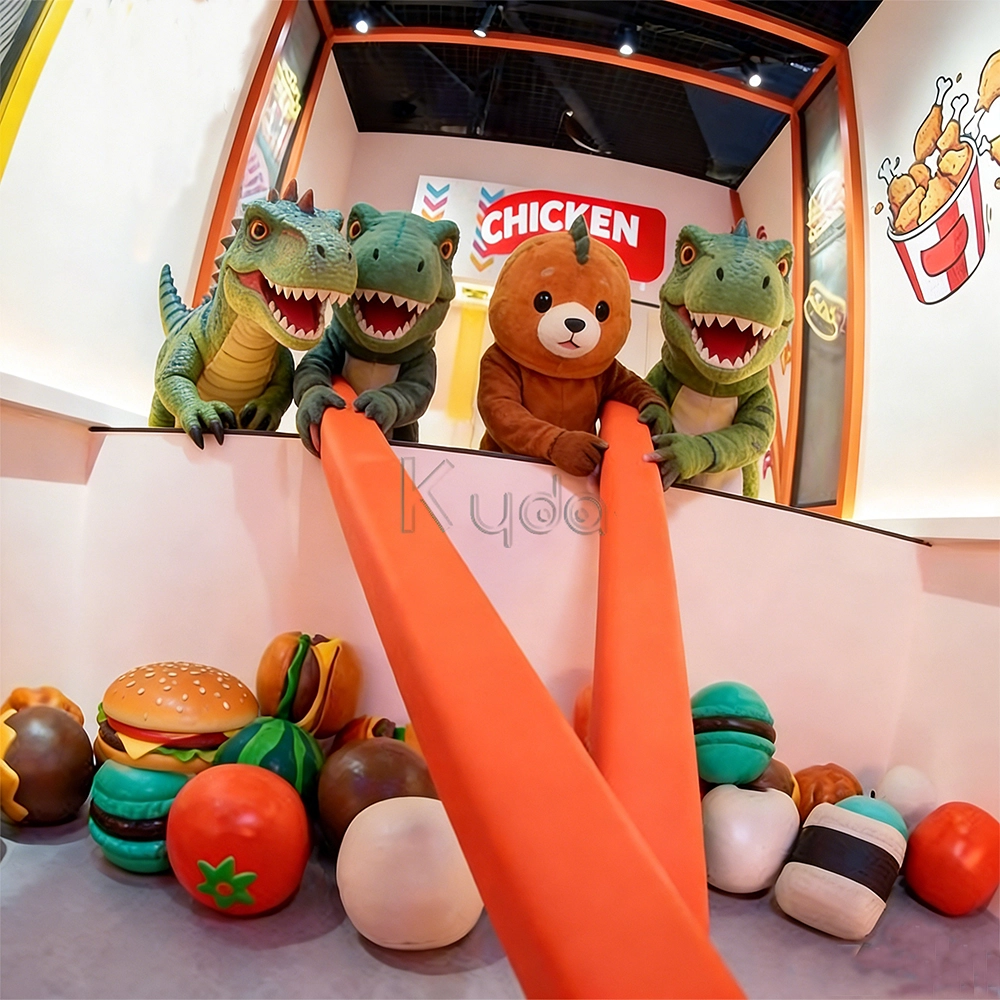
Crub Crab Giant Chopsticks Challenge Game Interactive Skill Challenge Game for Activate Game Rooms by Kyda
Crub Crab Giant Chopsticks Challenge Game is an innovative interactive challenge attraction designed for indoor entertainment centers, arcade game venues, and activate-style interactive game rooms. In this unique skill-based game, players control a pair of oversized giant chopsticks to pick up scattered snacks, toys, or prize items and place them into a collection basket within a limited time. The gameplay combines hand-eye coordination, precision control, balance, and quick reaction, creating a fun and competitive experience suitable for players of all ages.
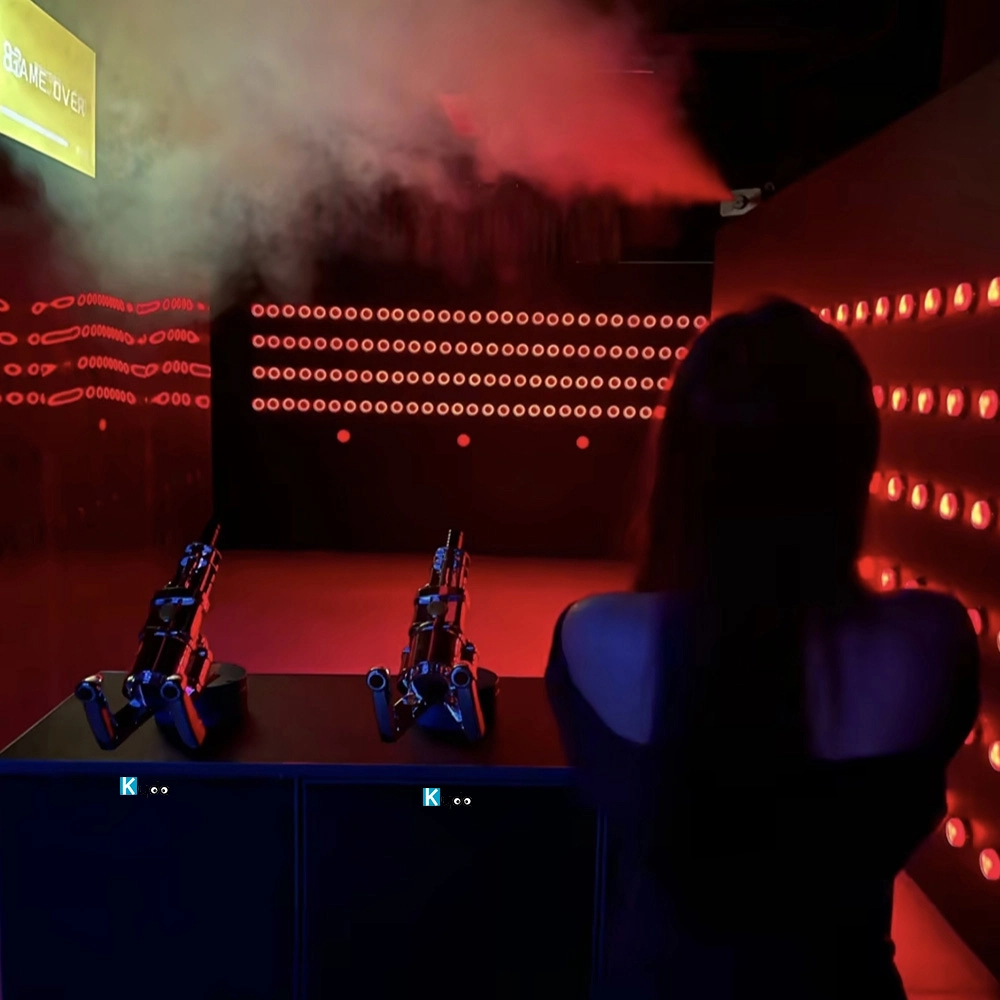
Active Reaction Laser Shooting Game Room
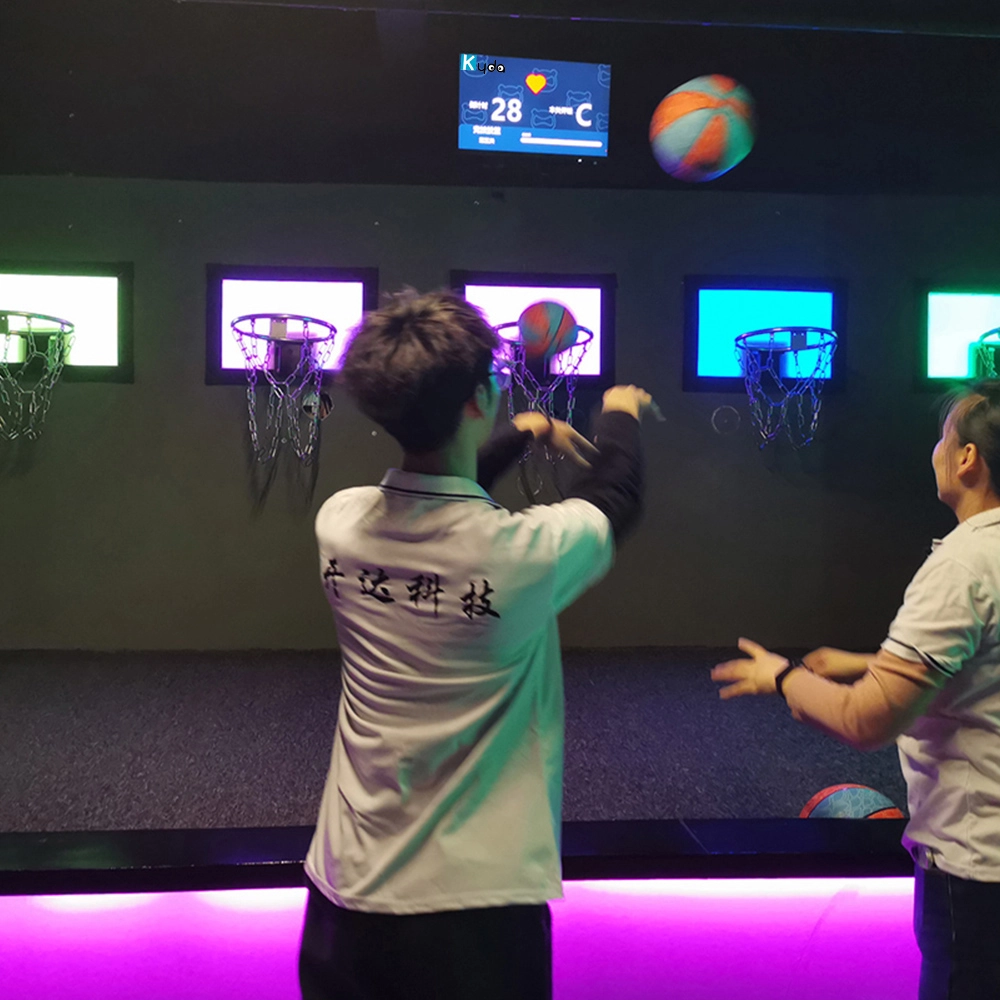
Hoops Active Game: The Ultimate Interactive Basketball Fitness Game
Elevate your basketball skills with Kyda’s Hoops Activate Game, the interactive basketball game. Perfect for basketball game rooms, Activate Hoops offers immersive fitness fun. Experience the Activate Basketball Game that combines sport and technology for active play.
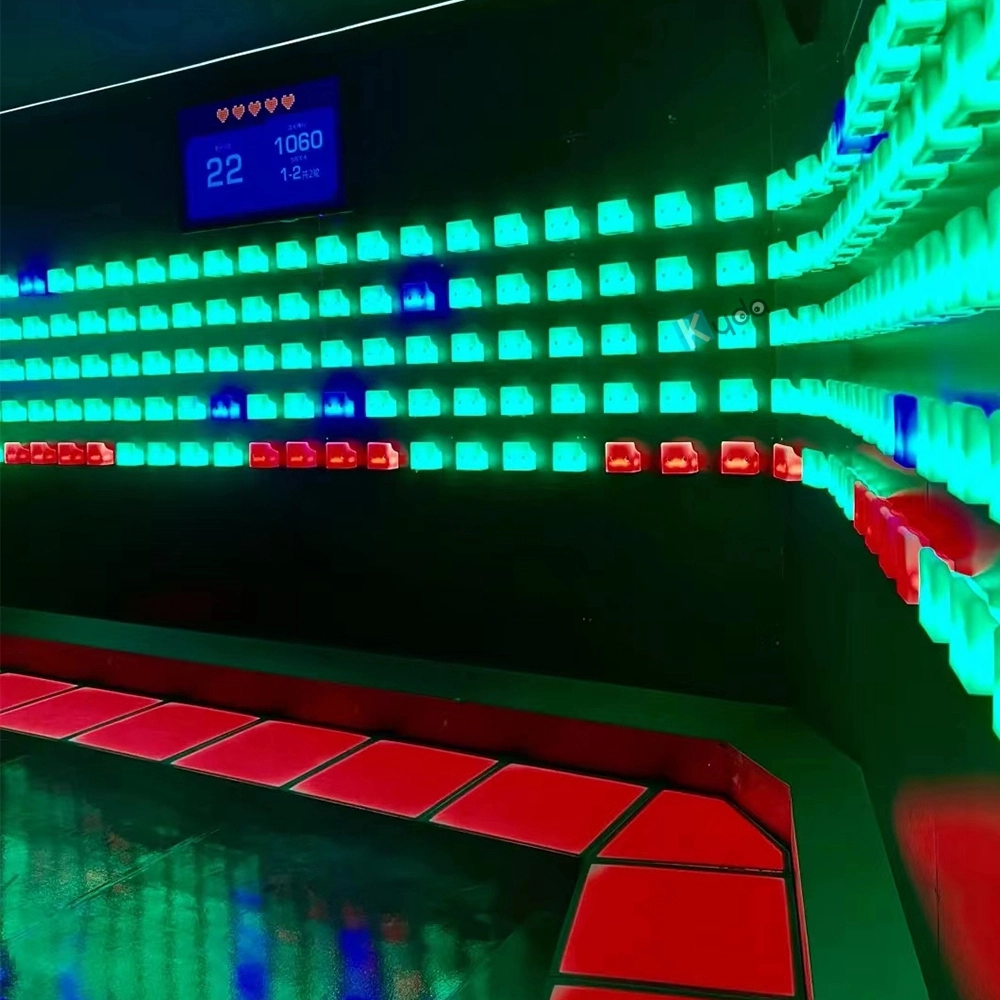
Activate Fitness Climb Game – The Ultimate Interactive LED Climbing Wall Experience
Experience the Activate Fitness Climb Game by Kyda—the interactive LED wall game. This Activate Climb Game combines fitness and fun with dynamic LED challenges, perfect for all ages. Boost agility and engagement with Kyda’s innovative interactive LED wall game today!
Let's get in touch
Email: sales@kydavr.com
Tel.: +86 188 2001 8779
Address: 501 Shixin Road, Dalong Street, Guangzhou, Guangdong, China.
© 2025 Kyda. All Rights Reserved.
 Scan QR Code
Linkedin
Ins
Facebook
Twitter
YouTube