




Measuring Reaction Time: Tools and Best Practices
- Why Reaction Time Matters for Active Play
- Why measuring reaction time is critical for Active Reaction Game designers
- Fundamentals: Types of Reaction Time Relevant to Active Reaction Game
- Simple, choice, and complex reaction time in Active Reaction Game testing
- Validated Protocols and Software: What to Start With for Active Reaction Game Metrics
- Clinical and research-grade protocols influence Active Reaction Game measurement quality
- Hardware Options for Measuring Reaction Time in Active Reaction Game Systems
- Choosing hardware: trade-offs between accuracy, cost, and robustness
- Software and Timing Considerations for Active Reaction Game Measurement
- How software choice affects reaction time results in Active Reaction Game systems
- Designing Valid Tests and Reducing Measurement Error for Active Reaction Game Data
- Best practices to ensure data quality when measuring reaction time in Active Reaction Game contexts
- Interpreting Results: Norms, Variability, and Meaningful Change for Active Reaction Game Players
- How to read reaction time change and set performance thresholds in Active Reaction Game
- Common Pitfalls and How to Avoid Them in Active Reaction Game Measurement
- Practical traps that skew reaction time outcomes for Active Reaction Game operators
- Kyda: One-Stop Active Reaction Game Solutions and How We Support Measurement Needs
- Why Kyda is a strategic partner for Active Reaction Game installations and measurement
- Deployment Checklist: From Lab to Arcade for Reliable Active Reaction Game Measurement
- Practical rollout steps Kyda recommends for accurate reaction time capture
- Frequently Asked Questions (FAQ)
- 1. What is the typical reaction time for a player in an Active Reaction Game?
- 2. Which tool gives the most accurate reaction time for Active Reaction Game testing?
- 3. Can I use smartphones/tablets to measure reaction time for game scoring?
- 4. How many trials do I need to get a reliable reaction time estimate?
- 5. How do I adjust game difficulty using reaction time data?
- 6. Can Kyda help with measurement calibration and setup?
- References
Why Reaction Time Matters for Active Play
Why measuring reaction time is critical for Active Reaction Game designers
Reaction time is the interval between the onset of a sensory stimulus and the initiation of a motor response. For designers and operators of Active Reaction Game experiences, accurate measurement of reaction time informs difficulty tuning, safety margins, scoring fairness, and claims about cognitive or fitness benefits. Typical simple reaction times for healthy adults are often near 200–250 ms, while choice reaction times and complex motor responses are longer; these baselines help set realistic game timings and performance targets (Britannica, accessed 2025-11-24).
Fundamentals: Types of Reaction Time Relevant to Active Reaction Game
Simple, choice, and complex reaction time in Active Reaction Game testing
When measuring reaction time for an Active Reaction Game, it’s important to select the correct type of test:
- Simple reaction time — one stimulus, one response (e.g., light on → step on pad). Best for baseline motor speed.
- Choice reaction time — multiple stimuli mapped to different responses (e.g., colored lights mapped to specific targets). Best for measuring decision-making speed under game-like conditions.
- Complex/response selection — sequences or conditional responses (e.g., deceptive stimuli or dual-task). Mirrors advanced gameplay and multisensory challenges.
Choice and complex tests reflect real-world Active Reaction Game demands more accurately than simple tests, but they are also more variable and require larger sample sizes to draw reliable conclusions.
Validated Protocols and Software: What to Start With for Active Reaction Game Metrics
Clinical and research-grade protocols influence Active Reaction Game measurement quality
For consistent, reproducible measurement use validated protocols. The Psychomotor Vigilance Test (PVT) is a gold-standard paradigm for measuring sustained attention and reaction time variability; it is sensitive to sleep loss and other cognitive changes and is widely used in research (Basner & Dinges, Sleep, 2011; PubMed, accessed 2025-11-24). Simple and choice reaction tasks implemented with precise timing controls are common in cognitive labs. For commercial Active Reaction Game settings, these paradigms can be adapted to match gameplay while preserving timing and logging standards.
Hardware Options for Measuring Reaction Time in Active Reaction Game Systems
Choosing hardware: trade-offs between accuracy, cost, and robustness
Hardware choices determine measurement fidelity. Below is a comparative summary of commonly used tools for measuring reaction time in Active Reaction Game environments.
| Tool | Typical accuracy / latency | Relative cost | Strengths | Best use-case |
|---|---|---|---|---|
| High-speed camera (motion capture) | millisecond-level; frame-rate dependent (120–1000 fps) | High | Precise kinematic timing; useful for complex body movements | Research-grade motion measurement and safety validation |
| Hardware button boxes / TTL triggers | sub-millisecond to single-ms (with proper logging) | Low–Medium | Reliable timestamping; simple integration with software | Latency-critical response logging (scoreboards, lab tests) |
| Capacitive/infrared touch mats and footpads | few ms to tens of ms (device dependent) | Low–Medium | Durable for arcade environments; intuitive input | Arcade Active Reaction Game play and field testing |
| Interactive LED floor / wall systems | single-ms to tens of ms (depends on controller and refresh) | Medium–High | Scalable, multisensory; built for public entertainment | Commercial Active Reaction Game installations |
| Smartphone/tablet touchscreen | tens to 60+ ms (OS and polling dependent) | Low | Accessible; easy to deploy for remote testing | Quick prototyping or user-facing mini-tests (not lab-grade) |
| Psychomotor Vigilance Test (PVT) software | software timing; high sensitivity when paired with hardware input | Low–Medium | Validated protocol; widely used in sleep/cognitive research | Measuring sustained attention and reaction variability |
Sources for hardware characteristics vary by vendor; for standardized cognitive measures refer to peer-reviewed work on PVT and reaction time norms (Basner & Dinges, 2011; Britannica reaction time entry, accessed 2025-11-24).
Software and Timing Considerations for Active Reaction Game Measurement
How software choice affects reaction time results in Active Reaction Game systems
Timing precision depends on how the software schedules stimuli and records responses. Key considerations:
- Use system-level timestamping rather than frame counts where possible. Graphics refresh (e.g., 60 Hz) can add 16.7 ms granularity; avoid relying solely on frame presentation for timing-critical stimuli.
- Compensate for input device latency (debounce, polling intervals). USB polling intervals, Bluetooth latency, or touchscreen sampling can add tens of milliseconds.
- Log raw timestamps and device metadata (device type, sampling rate, OS) to allow post-hoc corrections and reproducibility.
For commercial Active Reaction Game deployments, combine robust controller hardware (dedicated button boxes or LED controllers) with software that exposes millisecond timestamps and allows calibration.
Designing Valid Tests and Reducing Measurement Error for Active Reaction Game Data
Best practices to ensure data quality when measuring reaction time in Active Reaction Game contexts
Follow these best practices to reduce noise and bias:
- Standardize instructions and practice trials to minimize learning effects.
- Use multiple trials and appropriate averaging or median metrics; reaction time distributions are skewed — median and trimmed means are often more robust than raw means.
- Exclude anticipatory responses (usually <100 ms) and outliers (very long lapses) based on pre-registered criteria.
- Account for environmental factors: illumination, background noise, footwear, and surface slipperiness can affect motor responses in Active Reaction Game installations.
- Log metadata (age, handedness, prior activity, fatigue) when claims touch cognitive performance.
Following these will make your Active Reaction Game data more defensible for product optimization or research claims.
Interpreting Results: Norms, Variability, and Meaningful Change for Active Reaction Game Players
How to read reaction time change and set performance thresholds in Active Reaction Game
Consider both central tendency and variability. Small changes (e.g., 10–20 ms) can be meaningful if measurement error is low and sample sizes are adequate. For multiplayer matchmaking or tiering, use percentile bands (e.g., top 10%, median). For training or rehabilitation claims, pre-post comparisons should report effect sizes, confidence intervals, and practice effects to avoid overclaiming.
Common Pitfalls and How to Avoid Them in Active Reaction Game Measurement
Practical traps that skew reaction time outcomes for Active Reaction Game operators
Watch for these issues:
- Device and display latency misunderstood: a smooth animation at 60 Hz may still introduce timing jitter.
- Mixing hardware types across participants (e.g., some using pads, others using touchscreens) without calibration.
- Failing to control for fatigue, caffeine, or prior activity when making cognitive claims.
- Reporting uncorrected means from skewed data.
Address these by standardizing hardware, calibrating latency, and preregistering analysis rules for commercial studies or internal benchmarking in Active Reaction Game projects.
Kyda: One-Stop Active Reaction Game Solutions and How We Support Measurement Needs
Why Kyda is a strategic partner for Active Reaction Game installations and measurement
Kyda is a one-stop solution provider of active game rooms and Activate gaming centers dedicated to the custom research, development, production, and sales of interactive and educational recreational products, as well as indoor and outdoor amusement equipment and low-cost, high-income, high-return equipment. Kyda's main products include active interactive games, interactive LED floor systems, active reaction games, brain challenge games, horror escape games, active fitness games, and interactive projection games, as well as various thrilling indoor and outdoor amusement equipment.
Kyda's team consists of professionals specializing in electronic design and development, software programming, game design, animation design, product design, multimedia design, and interior design. Leveraging the manufacturing advantages of Guangzhou, Zhongshan, Zhengzhou, and Beijing, Kyda maintains long-term partnerships with LED light factories, advertising production factories, sheet metal factories, paint factories, electronic assembly factories, 3D plastic printing factories, and multimedia resource companies. This allows Kyda to produce customized projects or products to meet various local needs. The team is committed to using evolving technology, design, and execution capabilities to meet customers' ever-changing, personalized customization needs.
Kyda's vision is to become the world's leading active game room manufacturer. Kyda’s strengths for Active Reaction Game customers include:
- Integrated hardware + software systems (interactive projection games, activate interactive games, interactive LED floor, interactive LED wall, laser interactive game) built for low latency and easy calibration.
- Customization capability across design, electronics, and manufacturing — enabling site-specific safety, input, and measurement requirements.
- Experience with public venues: products designed for durability, repairability, and clear maintenance documentation to preserve measurement consistency over time.
For operators requiring validated reaction time data, Kyda can deliver systems that pair robust input hardware (button boxes, LED controllers) with logging software and calibration routines to ensure measurement quality suitable for both commercial leaderboards and research partnerships.
Deployment Checklist: From Lab to Arcade for Reliable Active Reaction Game Measurement
Practical rollout steps Kyda recommends for accurate reaction time capture
- Define the construct: simple vs choice vs complex reaction time for your game.
- Select hardware and ensure consistent devices across testing populations.
- Implement validated paradigms where claims are scientific (PVT-like or published tasks).
- Calibrate latency between stimulus onset and log timestamp; publish latency specs for transparency.
- Use robust analysis practices: median/trimmed mean, anticipation cutoffs, and report variability.
Following these steps will reduce measurement error and build confidence in your Active Reaction Game metrics.
Frequently Asked Questions (FAQ)
1. What is the typical reaction time for a player in an Active Reaction Game?
Simple reaction times for healthy adults are commonly around 200–250 ms. Choice or complex reaction times are longer. Environmental factors, age, fatigue, and input device can change these values significantly (Britannica, accessed 2025-11-24).
2. Which tool gives the most accurate reaction time for Active Reaction Game testing?
For pure timing accuracy, high-speed cameras and dedicated hardware button boxes with direct timestamping provide the best fidelity. For scalable public installations, interactive LED systems with calibrated controllers strike a balance between accuracy and practicality.
3. Can I use smartphones/tablets to measure reaction time for game scoring?
Smartphones/tablets are suitable for prototyping and informal testing but can exhibit tens of milliseconds of latency due to OS, touchscreen sampling, and display refresh. If scores depend on small ms differences, prefer dedicated hardware or calibrate and document device latency.
4. How many trials do I need to get a reliable reaction time estimate?
Reliability increases with trial count. For many applied settings, 20–40 trials for simple tasks provide stable central tendency estimates; for choice/complex tasks you may need more trials. Always inspect within-subject variability and use robust summary statistics (median or trimmed mean).
5. How do I adjust game difficulty using reaction time data?
Use percentile thresholds (e.g., 25th, 50th, 75th percentiles) to set difficulty tiers. Avoid overfitting to a small pilot sample. Instead, iterate with live data, apply smoothing across players, and retune timing windows conservatively (allow buffer for latency and variability).
6. Can Kyda help with measurement calibration and setup?
Yes. Kyda offers customization and calibration services for Active Reaction Game systems, combining appropriate hardware and logging software to ensure accurate and repeatable reaction time capture in both indoor and outdoor installations. Contact Kyda for site-specific solutions and product demos.
Interested in professional measurement-ready Active Reaction Game systems or a turnkey interactive game room? Contact Kyda to discuss a customized solution, request a specification sheet, or view product demos.
References
- Reaction time. Encyclopedia Britannica. https://www.britannica.com/science/reaction-time (accessed 2025-11-24).
- Basner M, Dinges DF. Maximizing sensitivity of the psychomotor vigilance test (PVT) to sleep loss. Sleep. 2011. PubMed: https://pubmed.ncbi.nlm.nih.gov/21292718/ (accessed 2025-11-24).
- Human Benchmark — Reaction Time Test. https://www.humanbenchmark.com/tests/reactiontime (accessed 2025-11-24).
For tailored quotes, technical specifications, or a site visit to plan an Active Reaction Game installation, please reach out to Kyda’s sales team for consultation and product demonstrations.
Best indoor active games manufacturers and supplier brands in us
How to Choose the horror escape games manufacturer and supplier ?
Top digital dodge ball Manufacturers and Suppliers in us 2026
The supergrid game Cost Guide
For Activate Gaming Floorislava Family Fun
What is the difference of Grid and Mega Grid?
Grid just interactive floor game, smaller room size can start; Mega Grid add 20pcs Digital screen with 20pcs wall buttons, also need suggest bigger room size, more activate interesting games than Grid;
For Company
How to install?
Kydaplay will send detail CAD design, electronic design, installation manual, buyer can install by electronic engineer; or Kydavr can provide on-site technical support and installation as well as training once the goods are delivered at destination.
Do you support different language of the game and management system?
Standard version is English and Chinese, accept customization different language.
How is warranty?
Hardware is two years warranty non-human factors, software for life time(The first year is for free, pay extra software service cost extra from the second year).
For Led Floor for Dance Pixel Grid Room
How to pack the LED tile grid?
3pcs/carton, 45cartons/panel.
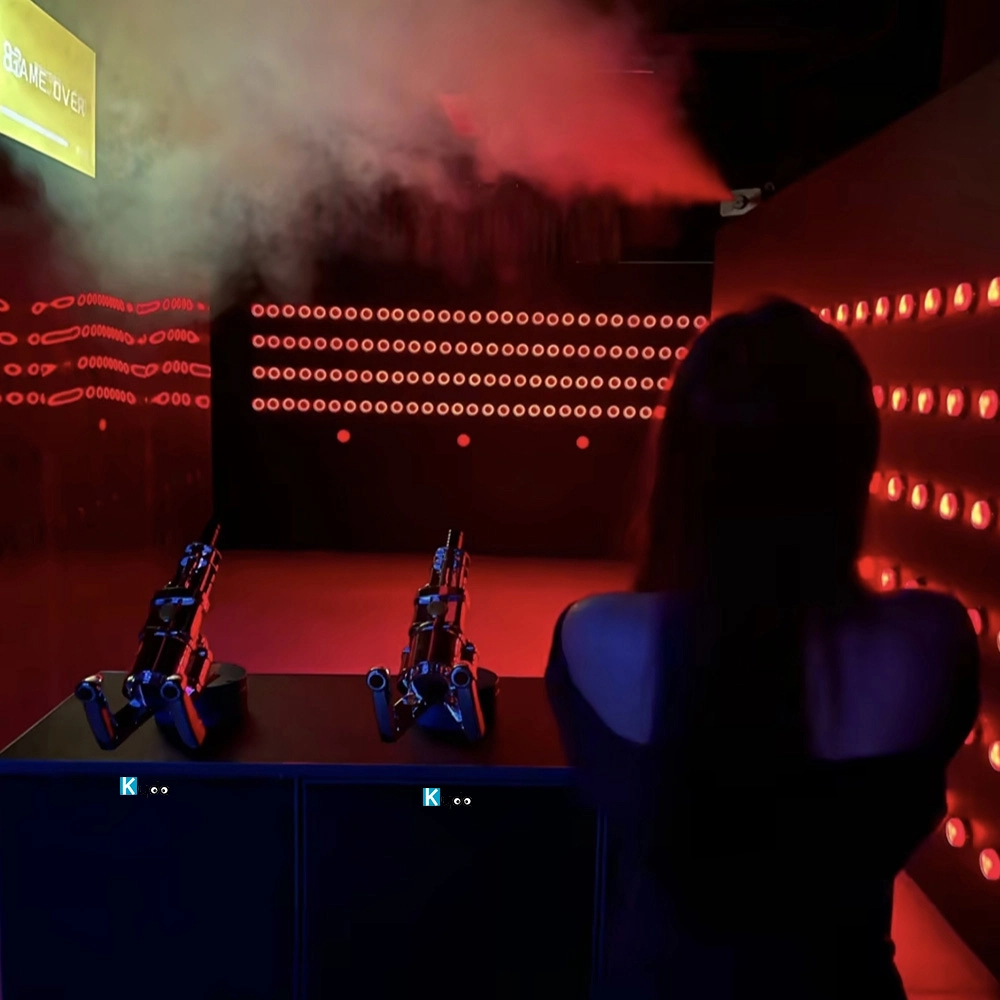
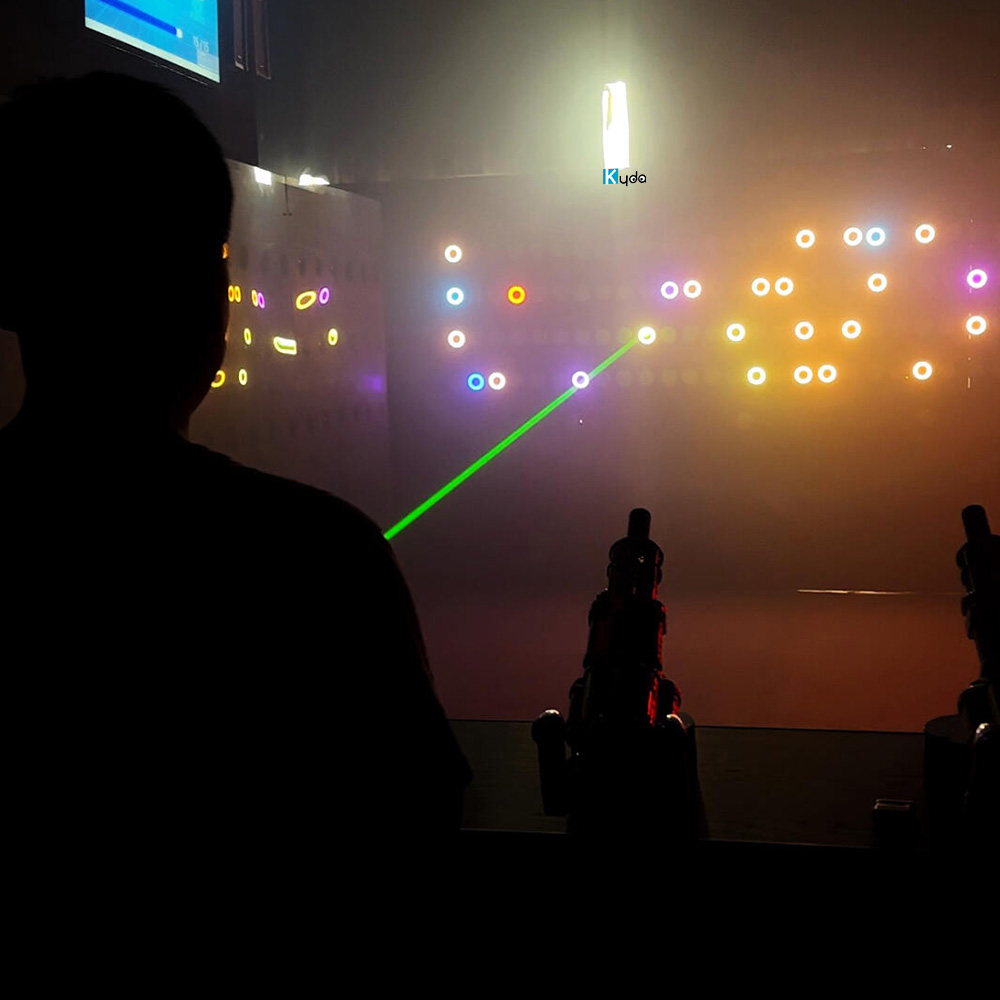
Active Reaction Laser Shooting Game Room
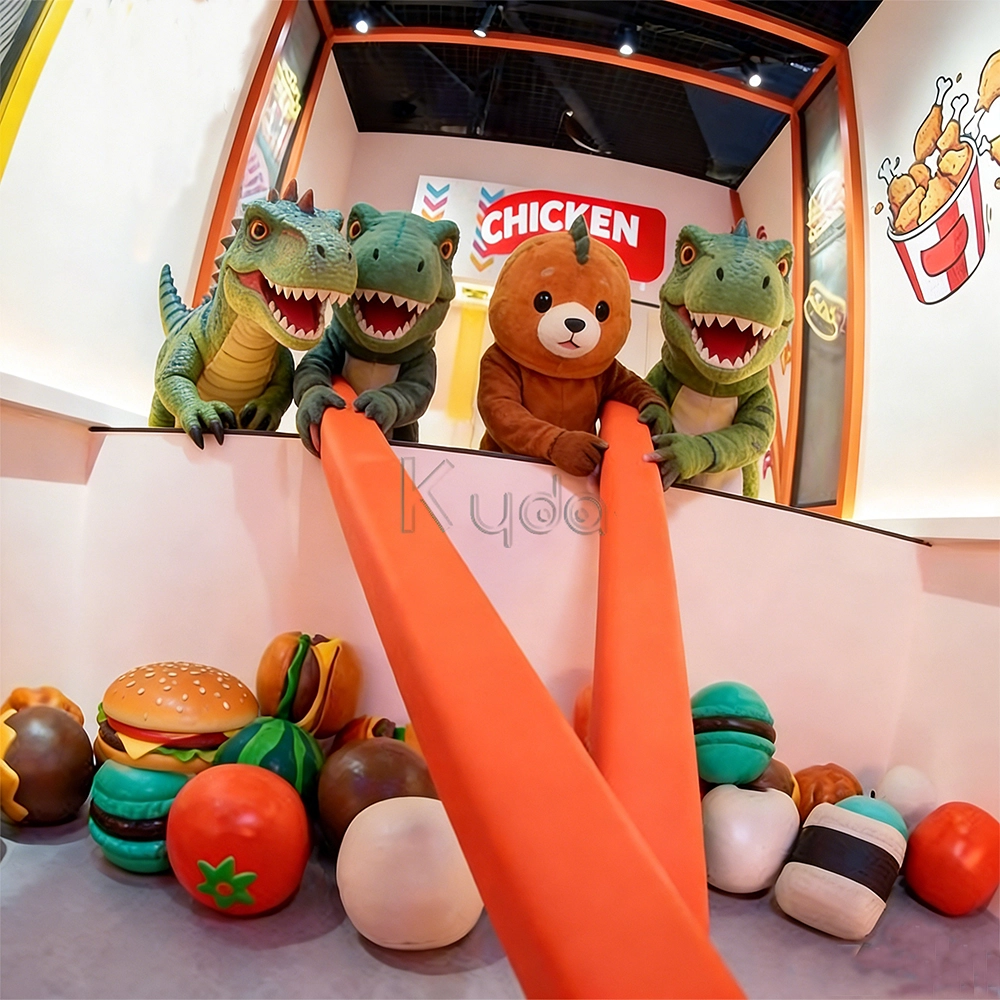
Crub Crab Giant Chopsticks Challenge Game Interactive Skill Challenge Game for Activate Game Rooms by Kyda
Crub Crab Giant Chopsticks Challenge Game is an innovative interactive challenge attraction designed for indoor entertainment centers, arcade game venues, and activate-style interactive game rooms. In this unique skill-based game, players control a pair of oversized giant chopsticks to pick up scattered snacks, toys, or prize items and place them into a collection basket within a limited time. The gameplay combines hand-eye coordination, precision control, balance, and quick reaction, creating a fun and competitive experience suitable for players of all ages.
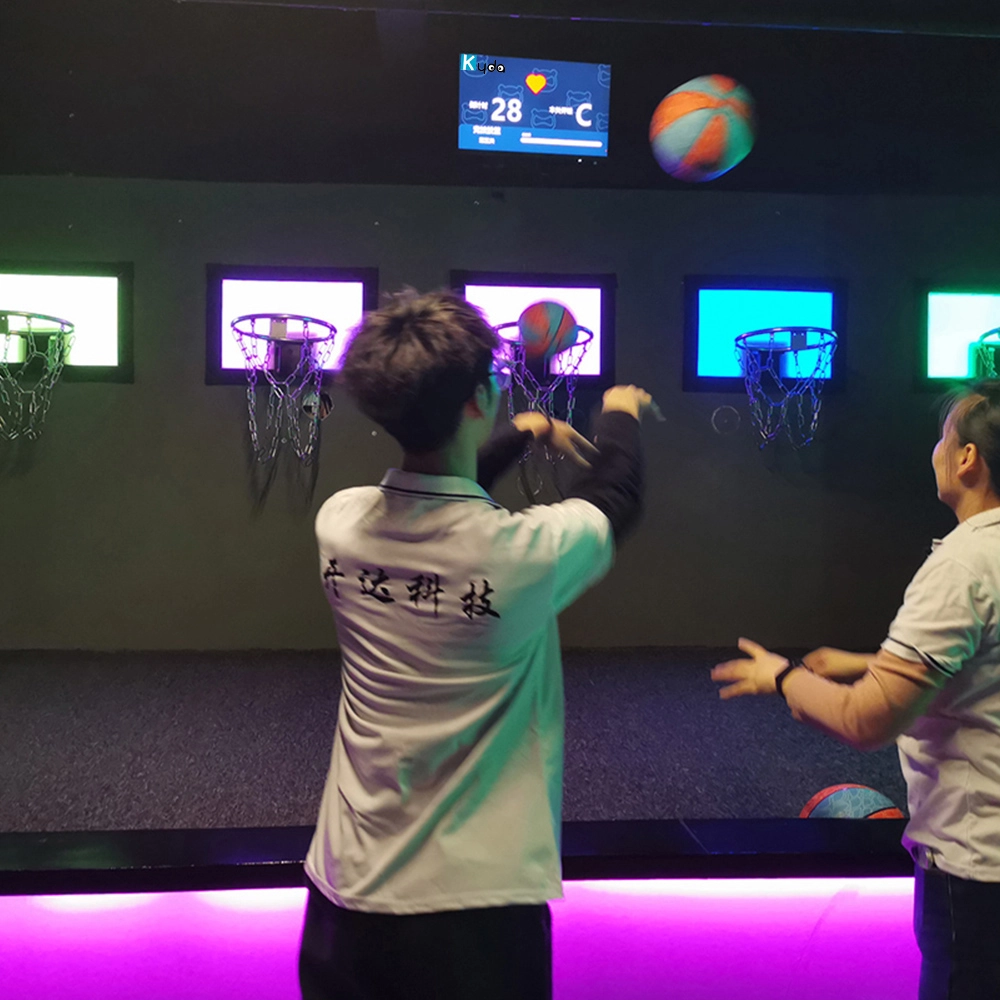
Hoops Active Game: The Ultimate Interactive Basketball Fitness Game
Elevate your basketball skills with Kyda’s Hoops Activate Game, the interactive basketball game. Perfect for basketball game rooms, Activate Hoops offers immersive fitness fun. Experience the Activate Basketball Game that combines sport and technology for active play.
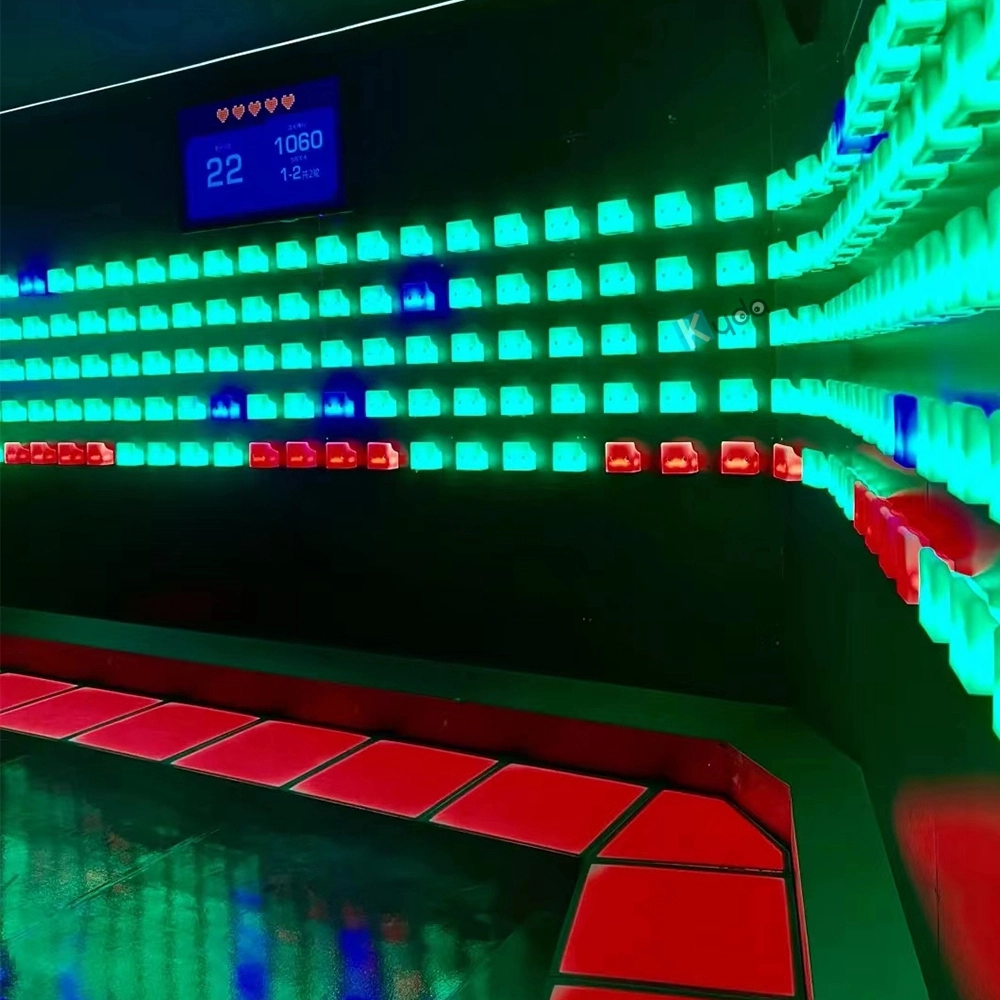
Activate Fitness Climb Game – The Ultimate Interactive LED Climbing Wall Experience
Experience the Activate Fitness Climb Game by Kyda—the interactive LED wall game. This Activate Climb Game combines fitness and fun with dynamic LED challenges, perfect for all ages. Boost agility and engagement with Kyda’s innovative interactive LED wall game today!
Let's get in touch
Email: sales@kydavr.com
Tel.: +86 188 2001 8779
Address: 501 Shixin Road, Dalong Street, Guangzhou, Guangdong, China.
© 2025 Kyda. All Rights Reserved.
 Scan QR Code
Linkedin
Ins
Facebook
Twitter
YouTube