




Interactive Projection vs. VR: Which is Better for High-Traffic Venues in 2026?
- What is the Difference Between Interactive Projection and VR?
- Key Takeaways: Quick Summary for Venue Operators
- Throughput and Capacity: Solving the Crowded Venue Dilemma
- Hygiene, Maintenance, and Staffing Costs
- The Social Factor: Shared Experiences vs. Individual Isolation
- Expert Tips & Common Mistakes in Venue Tech Deployment
- Future Trends 2026: ROI and Revenue Models for Immersive Tech
- Technology Comparison Table
- Case Study: Why High-Traffic Venues Choose Kyda's Interactive Projection Games
- Building an Active Game Room with Guangzhou kydavr tech. co., ltd.
- Conclusion
- FAQs About Interactive Projection vs. VR: Which is Better for High-Traffic Venues?
- What is the difference between interactive projection and VR?
- Why is VR difficult to manage in high-traffic venues?
- Are interactive LED floors better than VR for FECs?
- What is an Active Game Room?
- How much does an interactive projection system cost?
- Can interactive projection be customized for my venue?
- How do you clean and maintain interactive projection equipment?
- Where can I buy interactive projection and active game room equipment?
When planning your 2026 entertainment strategy, one crucial question dominates the conversation: Interactive Projection vs. VR: Which is Better for High-Traffic Venues? As the location-based entertainment industry rapidly evolves, operators are constantly searching for the perfect balance between deep immersion, operational efficiency, and rapid profitability.
While headset-based Virtual Reality (VR) has historically captured the public's imagination, a massive shift is occurring in the commercial sector. Modern venue owners are increasingly turning toward spatial augmented reality and interactive LED spaces to solve the logistical nightmares associated with wearable tech. In this comprehensive guide, we will analyze the critical differences between these two technologies, exploring why headset-less immersion is becoming the gold standard for high-traffic venue entertainment.
What is the Difference Between Interactive Projection and VR?
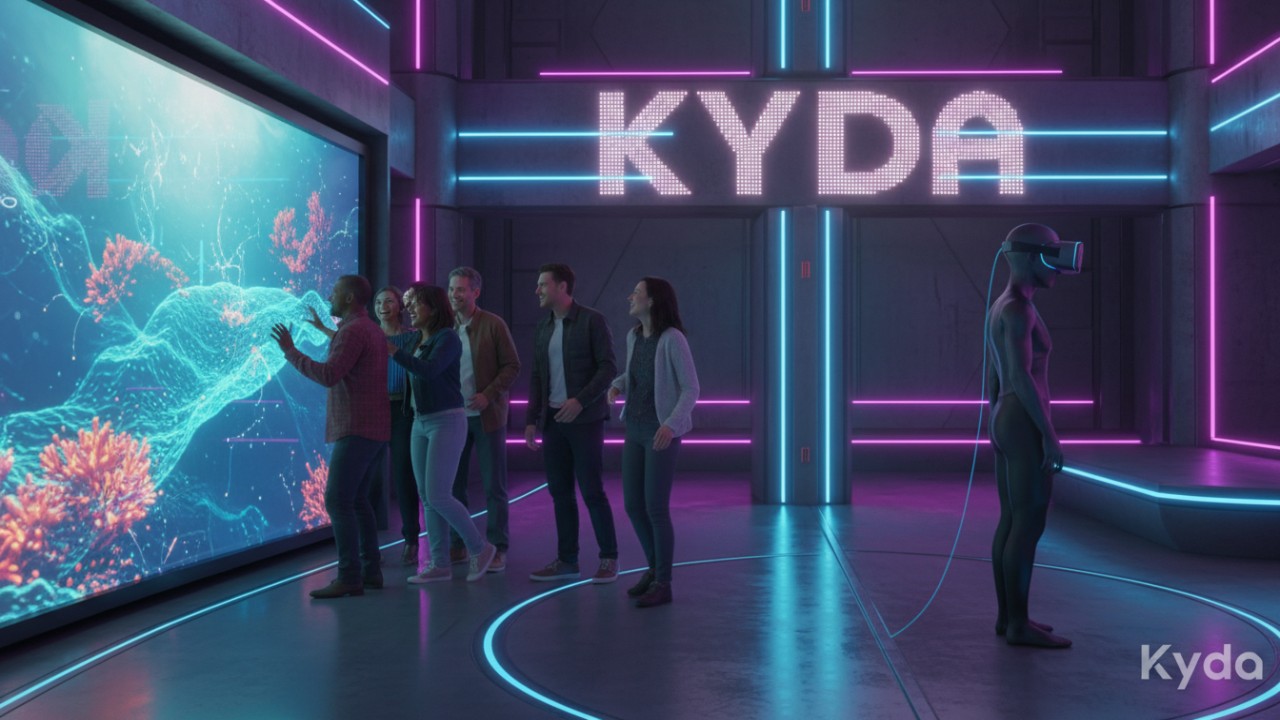
Interactive projection utilizes projectors and sensors to transform physical spaces into shared, multi-user digital experiences without wearable equipment. Conversely, Virtual Reality (VR) immerses a single user into a fully digital 360-degree environment via a dedicated headset, temporarily isolating them from the physical world.
While VR offers incredibly deep personal immersion, it fundamentally removes the user from their immediate physical surroundings. This creates an isolated experience that is highly compelling for home use but problematic in commercial settings. Interactive projection, on the other hand, maps digital content directly onto physical surfaces—such as walls and floors. By doing so, it creates a friction-free environment where guests can simply walk in and play, making it the ideal solution for crowded venues prioritizing high-volume engagement.
Key Takeaways: Quick Summary for Venue Operators
For venue operators, the primary distinction lies in operational efficiency: interactive projection delivers massive throughput and shared social experiences with zero wearable maintenance, whereas VR offers deep individual immersion but suffers from severe capacity limits, higher staffing requirements, and constant hardware sanitization.
If you are evaluating technology for a Family Entertainment Center (FEC), museum, or arcade, consider these foundational pillars:
- Throughput is King: Projection systems process hundreds of users per hour, while VR is heavily limited by per-headset session times and onboarding friction.
- Hygiene & Maintenance: Projection and LED floors require zero physical contact with fragile tech, significantly lowering staffing overhead and hardware replacement costs.
- Social Dynamics: High-traffic venues thrive on shared experiences. Projection encourages crowd participation and creates highly "Instagrammable" moments.
- ROI & Scalability: Interactive floors and active game rooms yield faster ROI due to lower maintenance, autonomous operation, and higher player turnover.
Throughput and Capacity: Solving the Crowded Venue Dilemma
Throughput capacity dictates venue profitability, making interactive projection superior for processing large crowds. While traditional VR setups process only a few players per hour due to onboarding constraints, interactive projection systems seamlessly accommodate dozens of simultaneous users without any wait-time friction.
One of the most significant challenges operators face today is overcoming VR throughput bottlenecks. Consider the mathematics of a standard VR attraction: a typical session lasts 10 minutes. However, operators must account for the time it takes to fit the headset, adjust the straps, focus the lenses, explain the controls, and safely remove the gear afterward. This onboarding and offboarding process often takes an additional 5 to 7 minutes per user. As a result, a single VR station might only process 3 to 4 players per hour.
In stark contrast, interactive projection allows for simultaneous multi-user play. An interactive LED floor can easily host 10 to 15 people at once for a 3-minute high-energy game. When the game ends, the next group simply steps onto the floor. This frictionless transition means an interactive projection setup can process upwards of 150 to 200 players per hour, completely eliminating the crowded venue dilemma and maximizing revenue potential during peak weekend hours.
Hygiene, Maintenance, and Staffing Costs
Maintaining hygiene and managing staff are major operational costs for tech-driven venues. VR requires constant sanitization of headsets and strict 1-to-1 staff supervision, whereas interactive projection systems operate autonomously with out-of-reach hardware, drastically reducing both daily maintenance and long-term labor expenses.
The logistical nightmare of cleaning VR headsets between every single user cannot be overstated. In a post-pandemic world, guests are highly sensitive to shared wearables. Operators must use antibacterial wipes, UV light boxes, and replacement face cushions to ensure safety, which slows down operations and degrades the hardware over time. Furthermore, because VR blinds the user to the real world, a dedicated staff member must be present to ensure players do not walk into walls or trip over cables.
Conversely, interactive technology relies on hardware that guests never actually touch. Projectors and motion sensors are mounted safely on the ceiling, out of reach of enthusiastic players. Even interactive LED floor systems are built with highly durable, impact-resistant panels designed to withstand thousands of jumping feet daily. Because the system is intuitive and requires no wearable gear, a single staff member can easily oversee an entire active game room, representing a massive reduction in payroll expenses.
The Social Factor: Shared Experiences vs. Individual Isolation
Group dynamics drive return visits and venue retention, heavily favoring projection-based attractions. Interactive projection fosters a highly social, spectator-friendly environment that encourages group participation, whereas VR inherently isolates the user, disrupting the shared social flow essential for high-traffic entertainment venues.
The psychology of group play is the lifeblood of Family Entertainment Centers. When a family or a group of friends visits a venue, they want to interact with each other. Headset VR places a physical and visual barrier between friends. As highlighted by Filmmaker Magazine, dealing with the inherent bottlenecks of single-viewer formats remains a persistent challenge for commercial exhibitors trying to build communal events.
Interactive projection turns bystanders into active participants. The open nature of the technology creates tremendous spectator value. People walking by can see the action, hear the laughter, and watch the digital floor light up in real-time. This creates an "Instagrammable" environment where guests naturally pull out their smartphones to record their friends playing, generating free organic marketing for your venue.
Expert Tips & Common Mistakes in Venue Tech Deployment
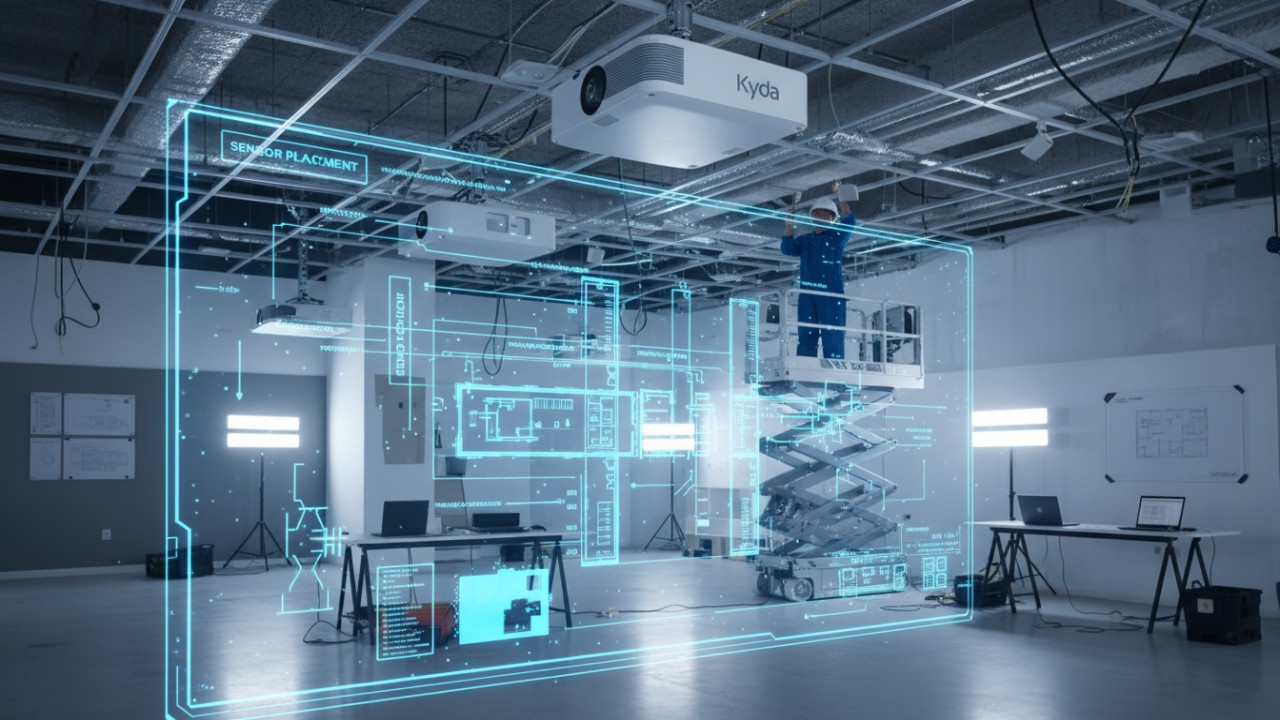
Deploying venue technology successfully requires balancing hardware investments with realistic operational capabilities. A common mistake is overinvesting in headset VR without calculating hourly throughput limits, while a top expert tip is leveraging interactive projection to maximize floor space and minimize maintenance.
To ensure your venue remains competitive in 2026, keep these expert tips and common pitfalls in mind:
- Mistake: Ignoring post-installation maintenance costs. Many operators budget for the initial VR hardware but fail to account for broken controllers, frayed tethers, and expensive software licensing fees.
- Tip: Always factor in the lighting conditions of your venue. If your space has heavy natural sunlight, opt for interactive LED floor systems over traditional projectors, as LED panels deliver vibrant, uncompromised brightness regardless of ambient light.
- Mistake: Creating "dead zones" in your venue. VR stations often require large, cordoned-off safety perimeters where only one person can play, wasting valuable square footage.
- Tip: Blend physical and digital gameplay. Incorporate active reaction games that promote physical movement, fitness, and brain challenges to attract a wider demographic, from energetic children to competitive adults.
Future Trends 2026: ROI and Revenue Models for Immersive Tech
In 2026, venue revenue models are shifting rapidly toward high-turnover, low-maintenance immersive spaces. Active game rooms powered by interactive LED systems yield significantly faster ROI than headset-based attractions by drastically lowering cost-per-user metrics and appealing to the booming demand for shared entertainment.
The shift toward "Active Game Rooms" is dominating venue budgets this year. According to recent market analysis by Fortune Business Insights, the global location-based entertainment market is projected to reach tens of billions as operators invest heavily in immersive, social experiences. The data clearly shows that spatial augmented reality—where the room itself becomes the game—is outpacing traditional arcade setups.
Technology Comparison Table
To better illustrate why the industry is pivoting, review the operational data comparison below:
| Operational Metric | Interactive Projection & LED Floors | Virtual Reality (VR) Headsets |
|---|---|---|
| Max Throughput (Users/Hour) | High (150 - 200+ users) | Low (4 - 6 users per station) |
| Hardware Wear & Tear | Low (Out of reach or durable panels) | High (Fragile headsets, controllers) |
| Hygiene & Cleaning Protocols | Zero contact (Standard floor mopping) | High (Sanitization after every use) |
| Social & Spectator Value | High (Shared, multiplayer, visible) | Low (Isolated, single-user immersion) |
| Staffing Requirements | Minimal (Autonomous operation) | High (1-to-1 or 1-to-2 ratio required) |
| Average Speed of ROI | Fast (High turnover, low maintenance) | Slow (Low turnover, frequent repairs) |
Case Study: Why High-Traffic Venues Choose Kyda's Interactive Projection Games
High-traffic venues consistently choose Kyda’s interactive projection solutions to eliminate wait times and boost daily revenue. By deploying custom interactive LED floor systems, operators process massive daily foot traffic with minimal staffing, transforming passive spaces into highly profitable, low-maintenance active entertainment zones.
As a leading active game room manufacturer, Guangzhou kydavr tech. co., ltd. (Kyda) has revolutionized the FEC space. We have witnessed first-hand how venues struggle to maintain profitability when bogged down by hardware limitations. By partnering with Kyda, operators gain access to a massive portfolio of headset-less attractions, including active interactive games, brain challenge games, and horror escape rooms.
High-traffic venues consistently choose Kyda’s Interactive Projection Games because they are engineered for durability and massive throughput. Our solutions utilize the manufacturing advantages of our localized supply chains—partnering with top-tier LED light factories, sheet metal fabricators, and multimedia resource companies across Guangzhou, Zhongshan, Zhengzhou, and Beijing. This allows us to deliver low-cost, high-income amusement equipment tailored specifically to the unique footprint of your venue.
Building an Active Game Room with Guangzhou kydavr tech. co., ltd.
Building a profitable active game room requires a reliable, one-stop manufacturing partner. Guangzhou kydavr tech. co., ltd. provides end-to-end custom solutions—from interactive LED floors to brain challenge games—ensuring seamless integration, localized customization, and a rapid return on investment for any venue.
Transitioning from passive exhibits to fully immersive, high-energy active fitness games does not have to be complicated. Kyda’s team consists of seasoned professionals specializing in electronic design, software programming, 3D animation, and interior design. This multi-disciplinary approach means we do not just sell equipment; we design complete, turnkey active game rooms.
Whether you need a massive interactive LED wall for a shopping mall atrium or a specialized active reaction game for a boutique arcade, our team is committed to using evolving technology to meet your personalized customization needs. Our vision is to be the world's leading active game room manufacturer, and we achieve that by ensuring our clients generate maximum revenue with minimal operational friction.
Conclusion
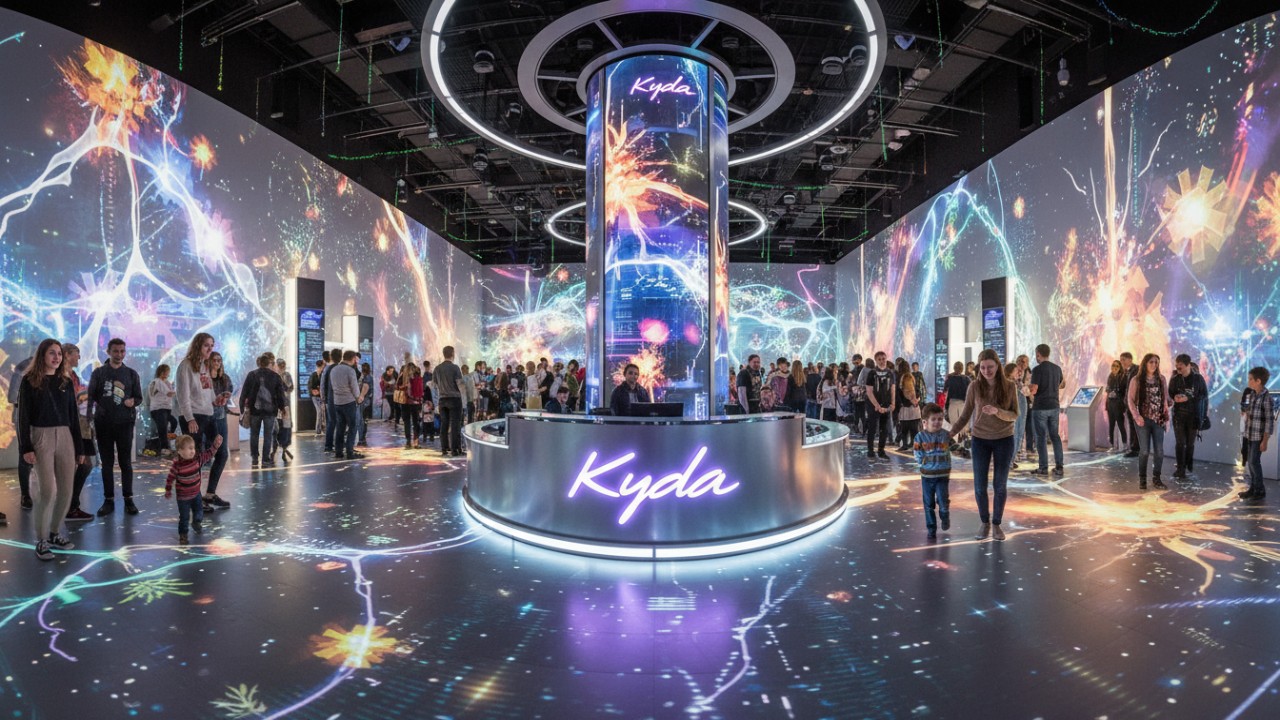
Ultimately, choosing the right immersive technology depends on your venue's specific foot traffic and operational goals. While VR suits niche, low-volume setups, interactive projection and active game rooms are the definitive choices for maximizing throughput, social engagement, and long-term profitability in crowded spaces.
Upgrading your venue with headset-less, scalable technology ensures lower staffing costs and a vastly superior shared experience for your guests. By eliminating throughput bottlenecks and hardware sanitization, you empower your venue to do what it does best: entertain the masses efficiently and profitably. Contact us today at sales@kydavr.com to build your ultimate active game room and optimize your venue's profitability.
FAQs About Interactive Projection vs. VR: Which is Better for High-Traffic Venues?
What is the difference between interactive projection and VR?
Interactive projection uses projectors and sensors to map digital content onto physical surfaces, allowing multiple people to interact simultaneously without gear. VR requires a wearable headset to immerse a single user in a digital world, blocking out their physical surroundings.
Why is VR difficult to manage in high-traffic venues?
VR has severe throughput bottlenecks because each headset only serves one person at a time. It also requires constant sanitization between users, significant onboarding time, and dedicated staff supervision, making it highly inefficient for large crowds.
Are interactive LED floors better than VR for FECs?
Yes, interactive LED floors support high-throughput multiplayer experiences without the need for wearable hardware. They are extremely durable, require less maintenance, and generate a much faster return on investment for Family Entertainment Centers.
What is an Active Game Room?
An Active Game Room is an immersive space equipped with interactive LED floors, walls, and projection games that require players to use physical movement to complete challenges. They combine fitness, teamwork, and gaming into a highly social venue attraction.
How much does an interactive projection system cost?
Initial costs vary based on the scale and hardware (projectors vs. LED walls), but the total cost of ownership is generally lower than VR. This is due to minimal staffing needs, zero wearable hardware replacements, and the ability to process hundreds of players an hour.
Can interactive projection be customized for my venue?
Absolutely. Companies like Guangzhou kydavr tech. co., ltd. specialize in custom software, 3D animation, and hardware integration. Games and visual elements can be tailored to fit your specific branding, room dimensions, and target audience.
How do you clean and maintain interactive projection equipment?
Because the technology is largely hardware mounted on ceilings (projectors/sensors) or durable LED floor panels, daily maintenance is minimal. Unlike VR, there are no lenses to wipe, straps to replace, or sweat-soaked foams to sanitize.
Where can I buy interactive projection and active game room equipment?
You can purchase complete, one-stop solutions from industry-leading manufacturers like Guangzhou kydavr tech. co., ltd. (Kyda). They offer custom R&D, production, and installation of interactive LED floors, active reaction games, and projection systems.
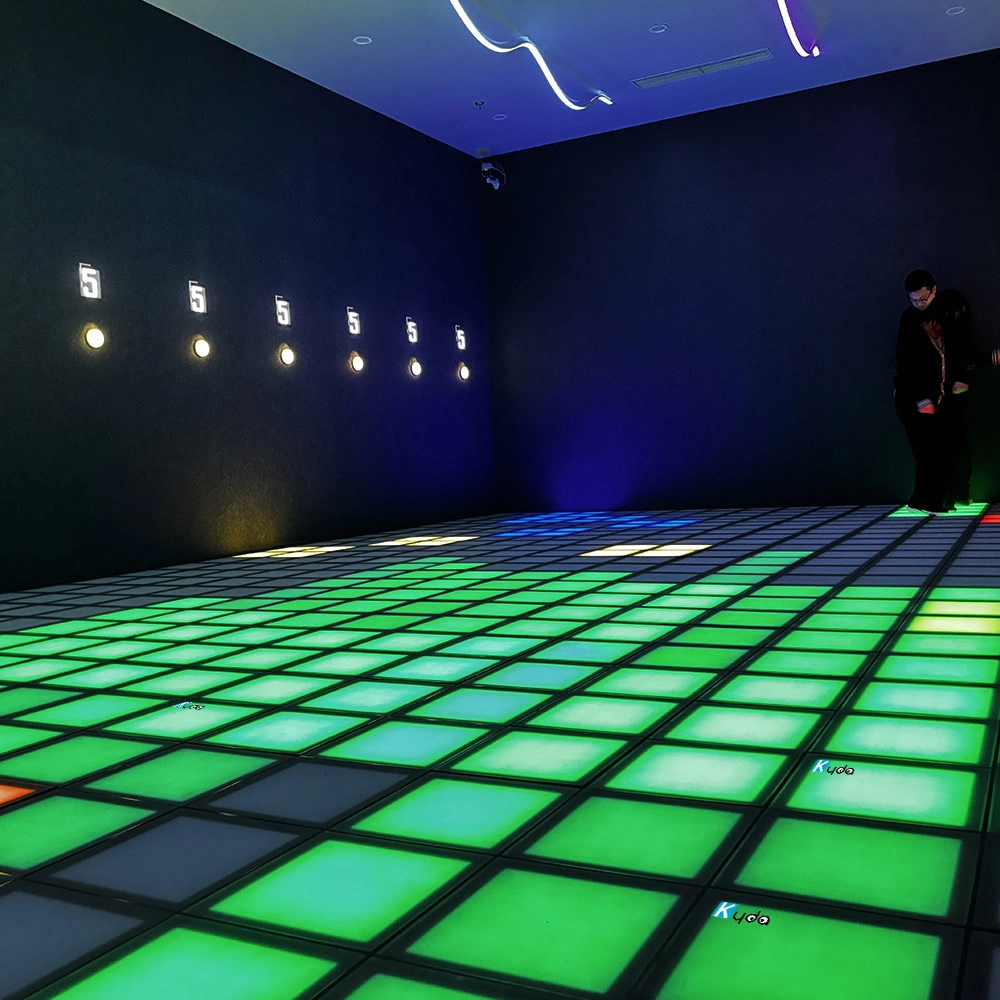
Interactive LED Floor lava Family Fun Indoor Sports Simulator Games Plastic Mega Grid
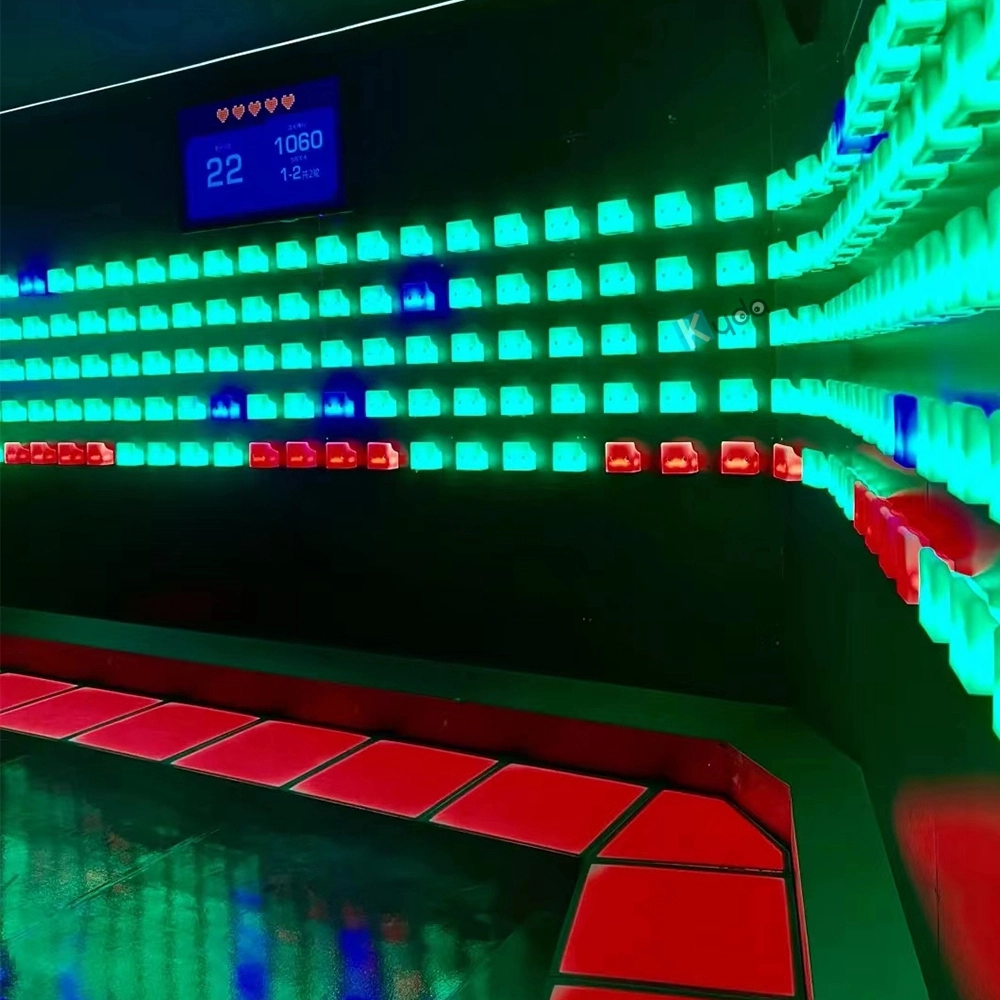
Activate Fitness Climb Game – The Ultimate Interactive LED Climbing Wall Experience
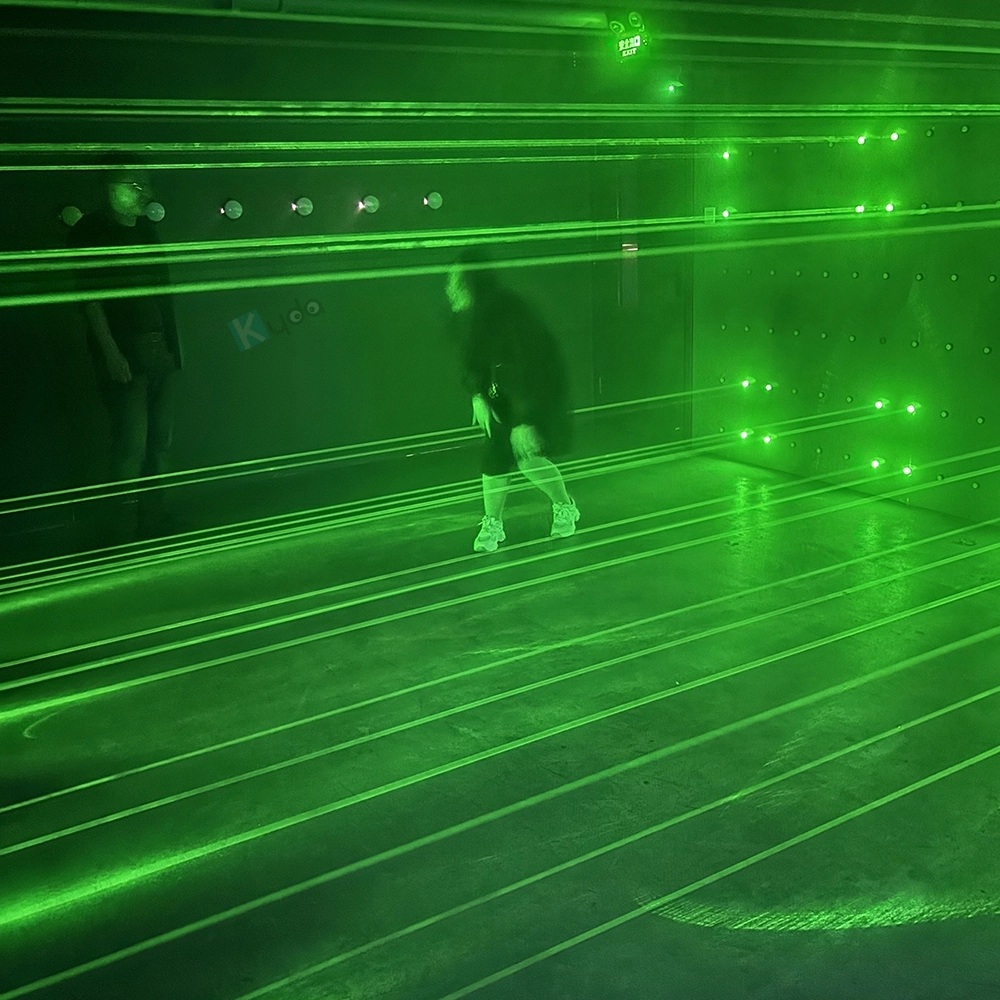
Kids & Adults Interactive Laser Game Arena – Indoor LED Light Challenge Equipment
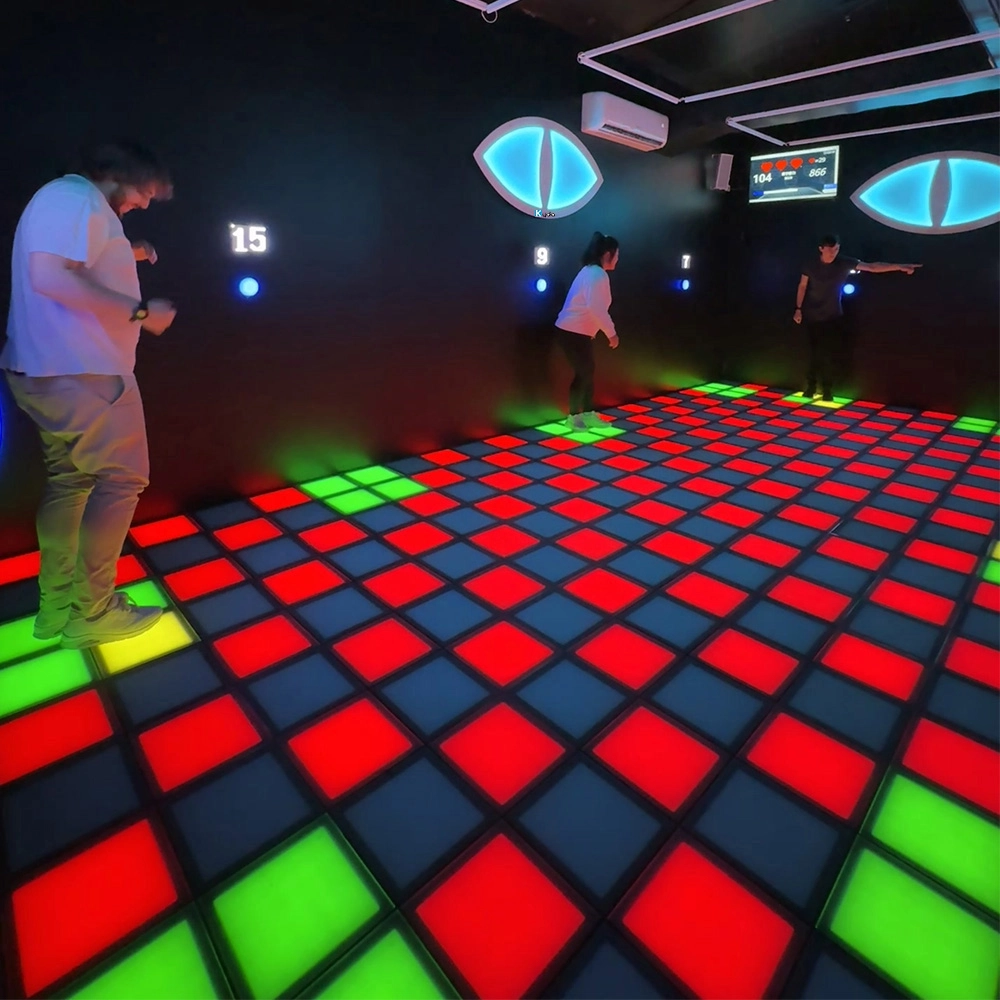
Escape Horror Game Interactive LED Floor Grid Mix Hide Room – The Ultimate LED Survival Challenge
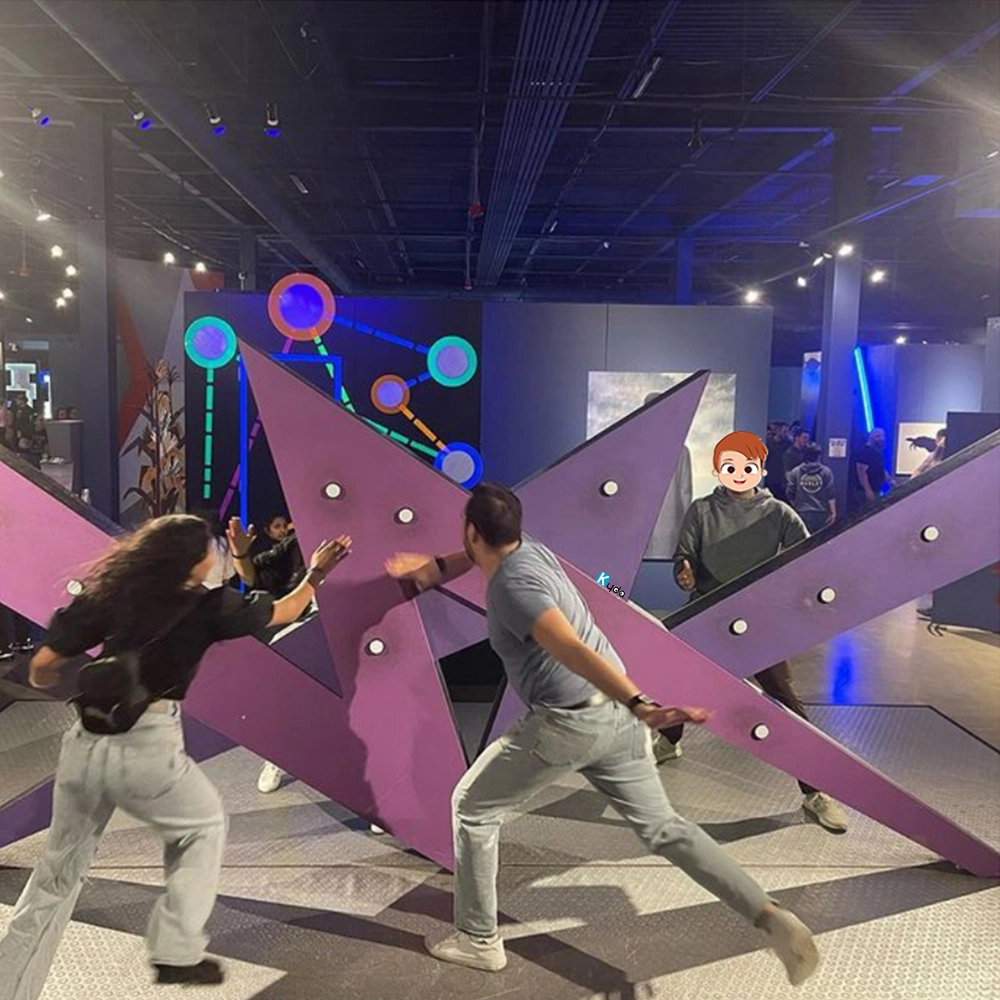
Active Reaction Lightning Game Room – Real-Time Reflex Battle with Interactive LED Speed Showdown
For Company
Can you make CAD design for buyer’s space room?
Yes, we can make CAD design as exact space room size.
Can you customize the game software and hardware?
Yes, Kydaplay accept customize software with hardware.
What is your advantage?
1)We have CE certification, Software copyright, Patent;
2) We already assistant our customer open more than 100places activate shop in the world, we know what is the important, how to meet different country’s requirements, personal customize game , software, hardware;
3)We already developed above 50 different game room, and will update more;
4)We have our own management system, Online booking ticket system(online payment support), Ranking system , Score system, DIY website.
Do you have management system and bracelet?
Yes, we support to sell the whole Activate game software, hardware, management system, Ranking, online tickets, scores…
For Games Grid Floor is Lava
How much size if we start the grid floor is lava?
One LED grid tile is 30*30cm,
Eg: room size 5*5m, which can match 16*16pcs,256pcs for total,
Layout: customize the quantity and place it according to the actual venue.
You May Also Like
-
-
Send us Your Inquiry
-
Fill out the form and we will provide you with personalized product quotes and service recommendations based on your needs.
Our team will contact you as soon as possible to help you build the most suitable entertainment equipment!
Let's get in touch
Email: sales@kydavr.com
Tel.: +86 188 2001 8779
Address: 501 Shixin Road, Dalong Street, Guangzhou, Guangdong, China.
© 2025 Kyda. All Rights Reserved.
 Scan QR Code
Linkedin
Ins
Facebook
Twitter
YouTube