




Technical Secrets Behind Kyda’s Immersive Horror Game Sensors (2026)
- What Are Kyda’s Immersive Horror Game Sensors?
- Key Takeaways: The Evolution of Interactive Horror
- The Neurochemistry of Fear: Bio-Feedback and AI Logic
- Deep Dive: The Hardware Behind the Screams
- Hardware Comparison: Traditional vs. Kyda Active Sensors
- Expert Tips: Designing an Active Game Room for 2026
- Case Study: Guangzhou Kydavr Tech. Co., Ltd. Leading the Industry
- Conclusion
- FAQs About Technical Secrets Behind Kyda’s Immersive Horror Game Sensors
- How do immersive horror game sensors work?
- What is the response time of Kyda's LED pixel grid floors?
- Can interactive sensors track player stress or heart rates?
- How does Lidar technology enhance horror escape rooms?
- What is the average ROI for an active game room using Kyda sensors?
- How do stealth mechanics work in interactive projection games?
- What are the common mistakes when installing horror game sensors?
- How can I contact Kyda to upgrade my escape room for 2026?
Welcome to the cutting edge of interactive entertainment in 2026. If you are a venue operator, an arcade enthusiast, or a game designer, understanding the Technical Secrets Behind Kyda’s Immersive Horror Game Sensors is absolutely essential for creating the next generation of survival challenges. Gone are the days of static props, predictable jump scares, and single-use escape room puzzles. Today, immersive entertainment relies on a complex, interconnected web of bio-feedback technology, Lidar sensor integration, and millisecond-precision motion tracking to actively hunt, track, and terrify players. In this comprehensive guide, we will explore exactly how these advanced systems work, why they are rapidly replacing traditional setups across the globe, and how you can leverage them to maximize your venue's return on investment (ROI). Prepare to dive deep into the neurochemistry of fear and the hardware that makes it a reality.
What Are Kyda’s Immersive Horror Game Sensors?
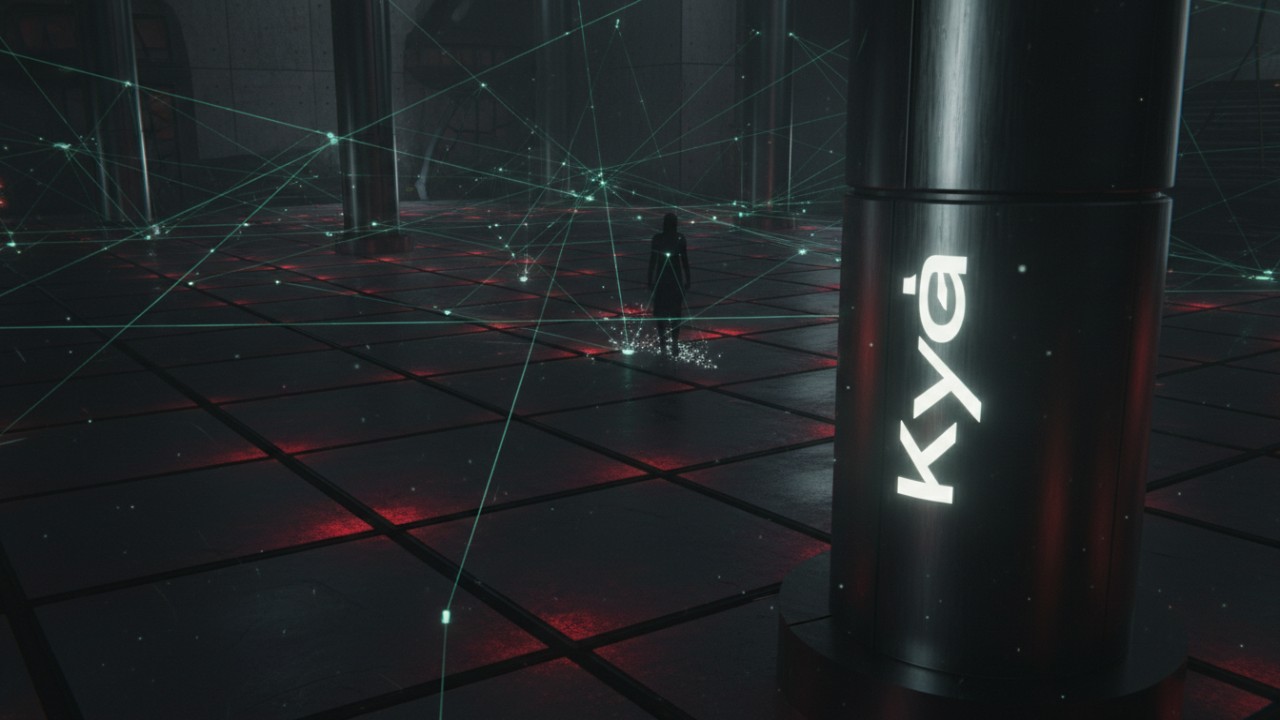
Kyda's immersive horror game sensors are advanced, millisecond-precision tracking systems designed to capture player movement, bio-feedback, and spatial positioning in real-time. By seamlessly integrating pressure-sensitive LED floors and interactive projection walls, these sensors create a dynamic, zero-latency environment that responds instantly to player behavior.
These sensors form the technical backbone of modern active game rooms. Instead of relying on pre-timed animatronics or manual operator triggers, Kyda utilizes a network of interactive LED floor systems, acoustic microphones, and infrared motion cameras. This ecosystem replaces static props with dynamic, AI-driven survival challenges. When a player steps onto the active grid, the room instantly calculates their weight distribution, speed, and trajectory. If they trigger a virtual trap, the room’s lighting, sound, and visual projections react with zero latency, creating an inescapable sense of dread.
Key features of these advanced sensors include:
- Acoustic Detection Systems: Highly calibrated microphones that pick up whispers, heavy breathing, or sudden gasps, turning the player's own fear against them.
- Pressure Sensitivity: Robust floor tiles that map footfalls to trigger specific in-game events, ensuring that every step could be a matter of virtual life or death.
- Visual and Spatial Tracking: High-definition cameras and sensors that monitor body positioning to dynamically adapt the virtual environment, ensuring players can never truly hide.
Key Takeaways: The Evolution of Interactive Horror
Horror entertainment has evolved from passive jump scares to active, sensor-driven psychological engineering that adapts to the player. High-tech ecosystems now utilize Lidar and motion-tracking to dynamically alter game difficulty based on real-time stress levels, resulting in massively increased foot traffic and ROI.
The transition from traditional haunted houses to fully activate interactive games represents a massive leap in commercial entertainment. Venue operators adopting these interactive systems are seeing unparalleled replayability, drawing in repeat customers who want to experience the thrill again and again.
- Dynamic Difficulty Scaling: Unlike static escape rooms where the puzzle is solved once and the mystery is gone, sensor-driven rooms change every time. The AI alters the layout and the scares based on how the players react.
- Increased Throughput: Automated, cloud-managed resets mean operators can cycle groups through faster without manually resetting physical locks, dramatically increasing daily revenue.
- Higher ROI: The combination of low-cost daily maintenance and high-income replayability makes these systems incredibly profitable for modern entertainment centers.
The Neurochemistry of Fear: Bio-Feedback and AI Logic
Bio-feedback technology in horror games monitors physiological responses like heart rates and adrenaline, feeding this data into an AI logic engine. This allows the game environment to dynamically adjust jump scares, lighting, and puzzle complexity based on the player's real-time stress levels.
How exactly does Kyda utilize bio-feedback technology to engineer terror? It starts with the fundamental understanding that fear is a physiological response that can be measured and manipulated. Modern systems can integrate wearable tech or environmental acoustic sensors to gauge player tension. As noted in a recent industry analysis by Safe In Our World, integrating biofeedback allows interactive games to adapt and modify the gaming experience in real-time by tracking heart rate and sweat responses.
In a horror context, this means the AI acts as a digital dungeon master, constantly reading the room.
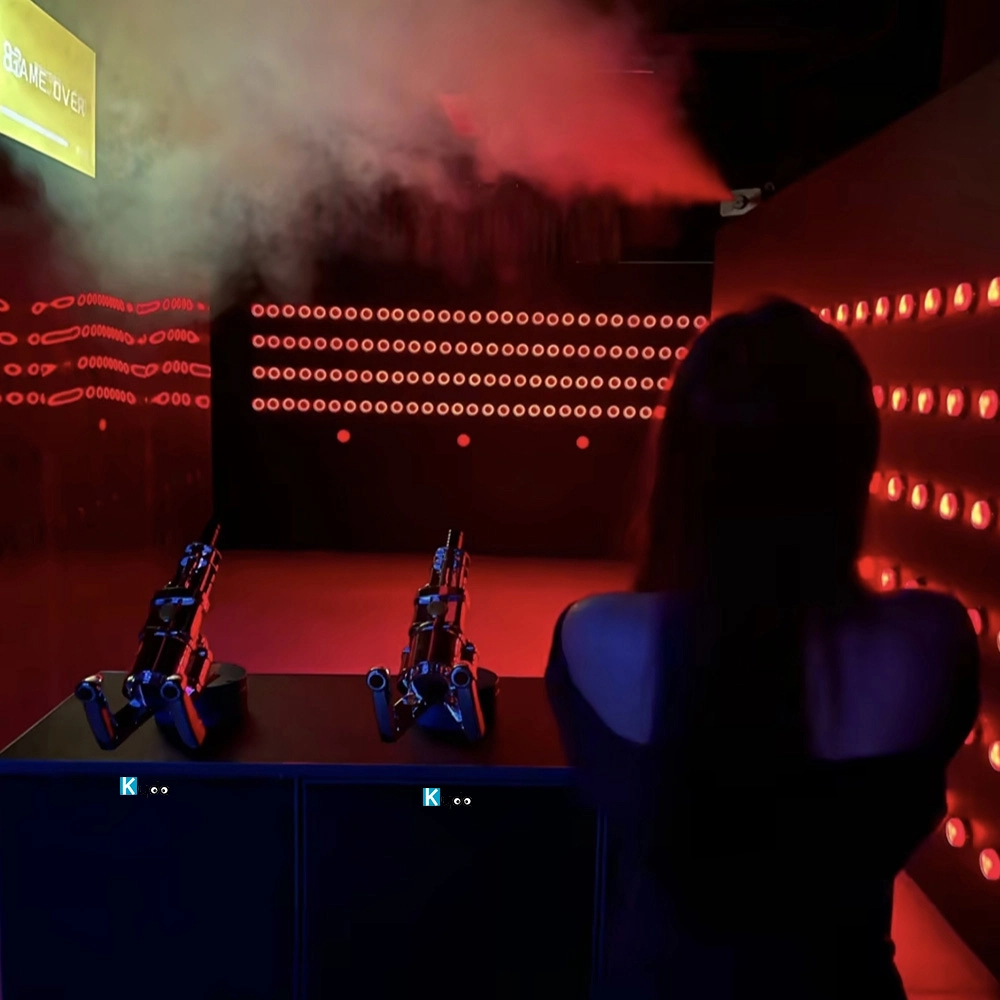
- Stealth Mechanics: The environment "listens" using highly calibrated microphone sensors. If a player screams, speaks too loudly, or breathes too heavily, the game detects the anomaly and triggers a localized jump scare or an in-game penalty.
- Dynamic Difficulty: If the predictive AI detects that players are moving too quickly and their stress levels are low, it will increase the complexity of the brain challenge games, spawn more virtual enemies, or plunge the room into absolute darkness.
- Designing the "Scream": By manipulating high-lumen lighting and directional acoustics simultaneously, the system triggers volitional stress, ensuring maximum emotional impact without putting players in actual physical danger.
Deep Dive: The Hardware Behind the Screams
The hardware behind these terrifying experiences relies on a robust stack of pressure-sensitive LED reactive tiles, 3D Lidar scanners, and high-framerate interactive projection systems. Together, these commercial-grade components map physical movements in absolute darkness, triggering synchronized digital horrors.
To truly understand the core of the technology, we must look at the physical components that make up the room.
- LED Pixel Grid Floor: Kyda's interactive LED floor systems are engineered for extreme durability and precise RGB logic. These pressure-sensitive tiles feature millisecond-precision motion tracking, allowing players to dodge virtual lasers or navigate collapsing digital bridges with zero latency. The reinforced glass and structural integrity ensure they can withstand heavy foot traffic.
- Lidar Sensor Integration: Lidar scanners map the 3D environment, creating what designers call the "Void" aesthetic. By tracking physical movement in absolute darkness, Lidar allows digital monsters to interact accurately with physical walls and objects.
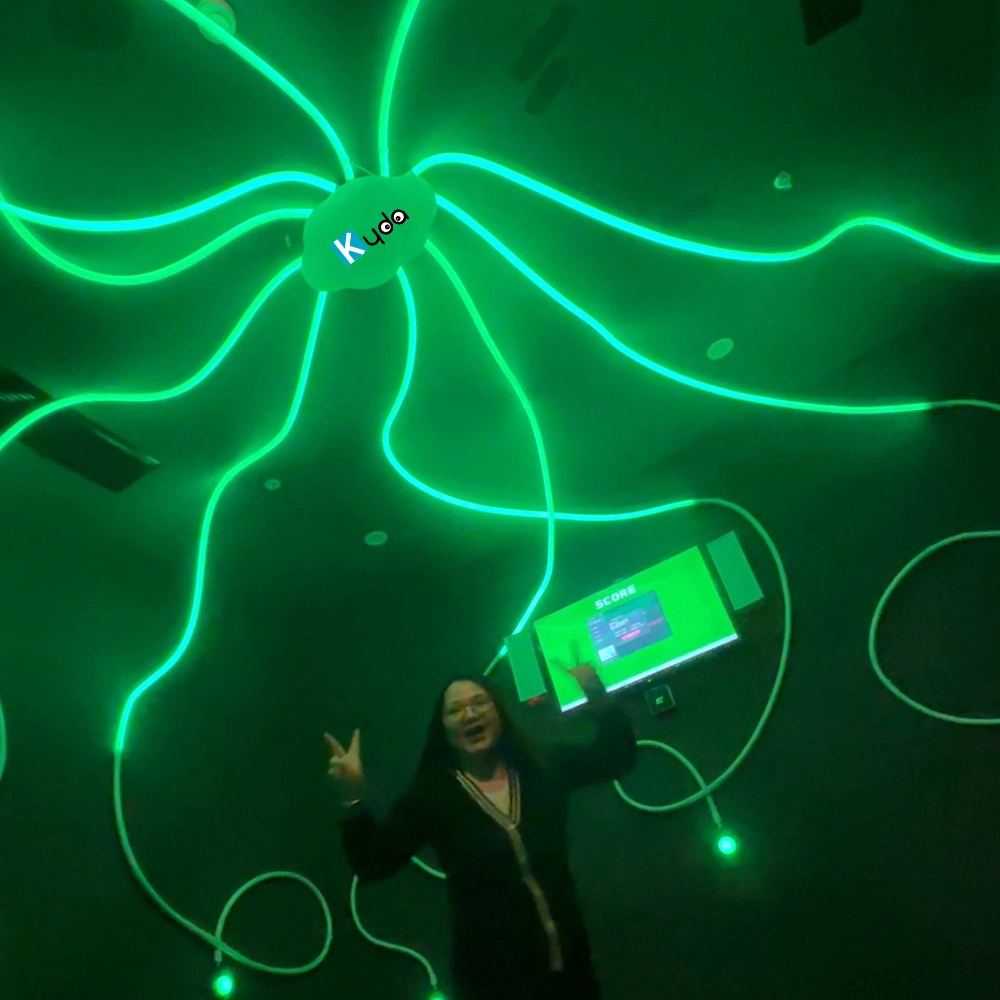
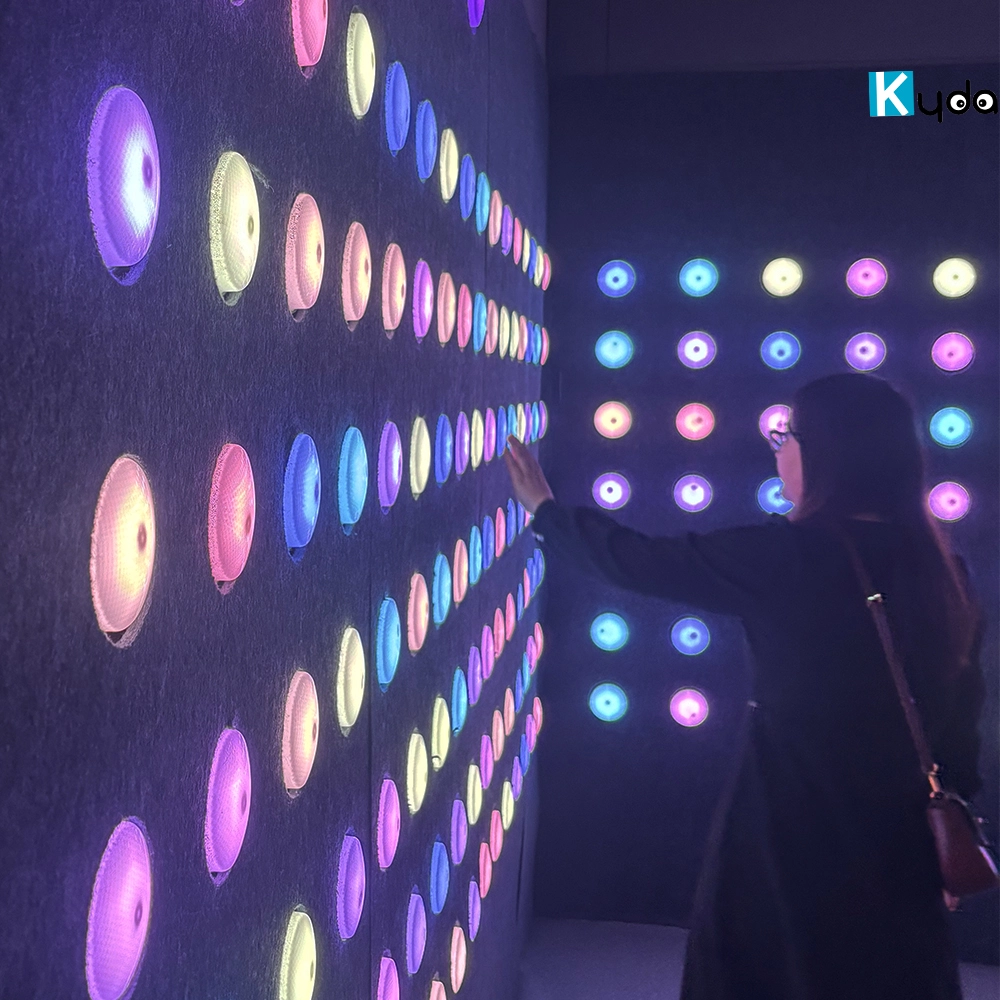
- Interactive Projection Games: High-lumen, high-framerate visuals are synced perfectly with physical props. Features like the "Octopus" and "Evil Eye" use projection mapping to make physical walls appear as if they are bleeding, shifting, or crumbling.
- Cloud Content Management: Operators can update horror scenarios globally with a single click. This cloud infrastructure allows venues to download seasonal events, ensuring the content remains fresh for returning customers.
Hardware Comparison: Traditional vs. Kyda Active Sensors
| Feature | Traditional Escape Rooms | Kyda Active Game Rooms (2026) |
|---|---|---|
| Tracking Method | Manual observation / Static triggers | Lidar sensor integration & LED pixel grid floor |
| Latency | High (Human-dependent) | Zero-latency (millisecond-precision motion tracking) |
| Replayability | Low (Static puzzles) | High (Procedurally generated AI logic) |
| Reset Time | 10-15 minutes (Manual) | Instant (Cloud-managed software reset) |
| Player Immersion | Prop-based (Physical locks) | Psychological (bio-feedback technology) |
Expert Tips: Designing an Active Game Room for 2026
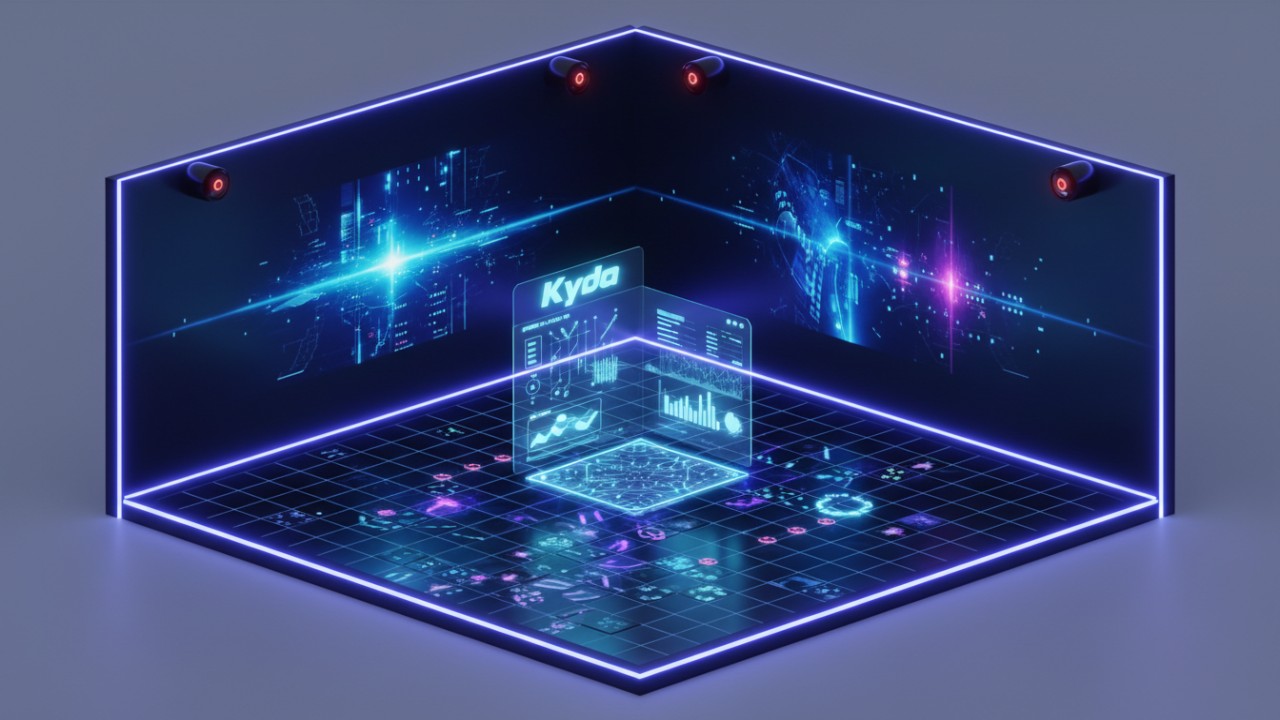
Designing a successful active game room requires optimizing spatial computing layouts to prevent sensor dead-zones, calibrating acoustic microphones to avoid false triggers, and utilizing procedural software generation to ensure every playthrough delivers a unique, terrifying experience.
When upgrading your venue, integrating spatial computing in horror requires careful planning. The spatial computing market is exploding, with projections indicating massive growth driven by immersive entertainment, as detailed in a comprehensive market report by Grand View Research. To capitalize on this trend, keep these expert tips in mind:
- Acoustic Calibration: A common mistake is ignoring ambient noise from HVAC systems or adjacent rooms during acoustic sensor calibration. This leads to false jump scare triggers, ruining the immersion and frustrating players.
- Spatial Layouts: Utilize spatial computing layouts to ensure seamless dead-zones. You want areas where players feel isolated and vulnerable, but you must ensure these zones do not break the Lidar sensor integration tracking.
- Procedural Generation: Balance tension versus horror by using procedural generation in your software logic. If a player returns to conquer your Horror Escape Games , the jump scares, monster spawn points, and puzzle solutions should be in entirely different locations.
- Grid Scaling: Ensure your LED pixel grid floor logic scales properly for varying multiplayer group sizes. A grid designed for two players will bottleneck if a group of six attempts to play, leading to sensor confusion and a breakdown in the game's pacing.
Case Study: Guangzhou Kydavr Tech. Co., Ltd. Leading the Industry
Guangzhou Kydavr Tech. Co., Ltd. is a premier one-stop solution provider pioneering the research, development, and production of active interactive games. By leveraging advanced manufacturing networks, Kyda delivers highly customized, low-cost, and high-return immersive gaming equipment for global operators.
As the brand Kyda, the company has established itself as a visionary in the interactive entertainment space, pushing the boundaries of what is possible in 2026. Their official team consists of dedicated professionals specializing in electronic design, software programming, game design, 3D animation, and multimedia design.
By leveraging the unmatched manufacturing advantages of Guangzhou, Zhongshan, Zhengzhou, and Beijing, Kyda maintains long-term partnerships with LED light factories, sheet metal fabricators, electronic assembly plants, and 3D plastic printing facilities. This massive infrastructure allows them to produce resilient, customized, and commercial-grade laser interactive games, interactive LED walls, and active reaction games tailored to local market needs.
Global operators utilizing Kyda's 2026 software engine overhaul have drastically increased their venue's profitability. Because Kyda focuses on low-cost, high-income equipment, venues can deploy these advanced horror rooms without the crippling overhead associated with traditional theme park animatronics. The result is a highly profitable, easily manageable, and utterly terrifying experience for guests.
Conclusion
The technical secrets behind Kyda’s immersive horror game sensors lie in the perfect synergy of hardware durability, millisecond tracking, and psychological software logic. By upgrading to active interactive games and LED pixel floors, venues can offer terrifying, next-generation experiences that traditional props simply cannot match. Contact us today at sales@kydavr.com to optimize your Technical Secrets Behind Kyda’s Immersive Horror Game Sensors strategy.
FAQs About Technical Secrets Behind Kyda’s Immersive Horror Game Sensors
How do immersive horror game sensors work?
They utilize a combination of pressure plates, Lidar, motion tracking, and microphones to capture real-time player data. This data is fed into a game engine that instantly alters environmental lighting, sound, and interactive projections.
What is the response time of Kyda's LED pixel grid floors?
Kyda's LED pixel grid floors feature millisecond-precision response times. This zero-latency feedback is crucial for survival mechanics, such as dodging virtual lasers or navigating collapsing grids.
Can interactive sensors track player stress or heart rates?
Yes, modern systems can integrate bio-feedback wearables or environmental analysis to gauge player tension. The game's AI uses this data to trigger scares when the player's guard is down or stress peaks.
How does Lidar technology enhance horror escape rooms?
Lidar maps out the 3D environment, allowing digital monsters or effects to interact accurately with physical walls and objects. It also enables players to use simulated mapping tools in total darkness, a popular mechanic in modern tech-horror.
What is the average ROI for an active game room using Kyda sensors?
Venues report highly accelerated ROI due to the replayability of software-based games over static physical puzzles. Kyda's equipment is specifically engineered as a low-cost, high-income solution with minimal daily maintenance requirements.
How do stealth mechanics work in interactive projection games?
Stealth mechanics rely on acoustic sensors and motion tracking cameras. If a player speaks too loudly or moves too quickly, the system detects the anomaly and triggers an in-game penalty or jump scare.
What are the common mistakes when installing horror game sensors?
Failing to properly calibrate light interference for motion cameras and ignoring structural vibrations on pressure floors. Venue operators must also ensure robust network connections to prevent cloud-managed game lag.
How can I contact Kyda to upgrade my escape room for 2026?
You can explore Kyda's one-stop solutions for active game rooms at https://www.kydagames.com. For direct inquiries, custom designs, and pricing, email the team directly at sales@kydavr.com.
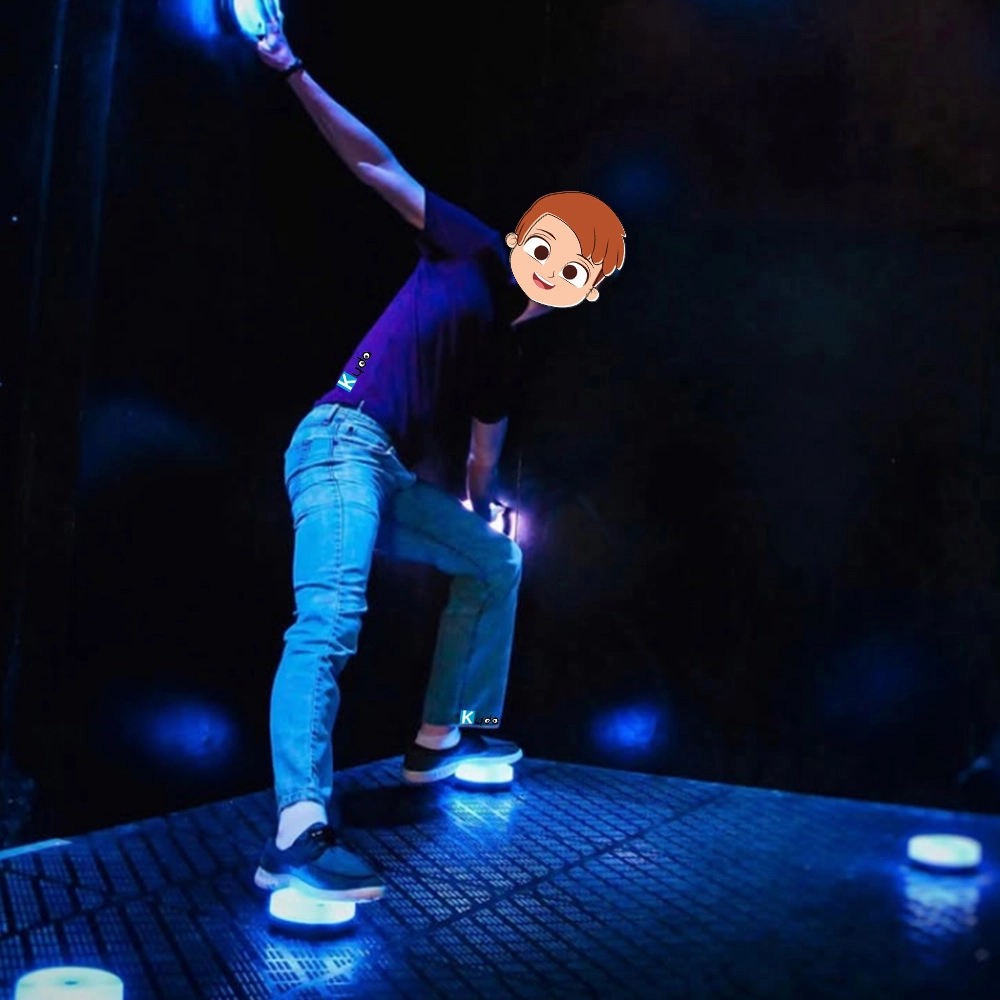
Interactive LED Floor Adventure: Hands and Feet Coordination Challenge – Octopus Escape
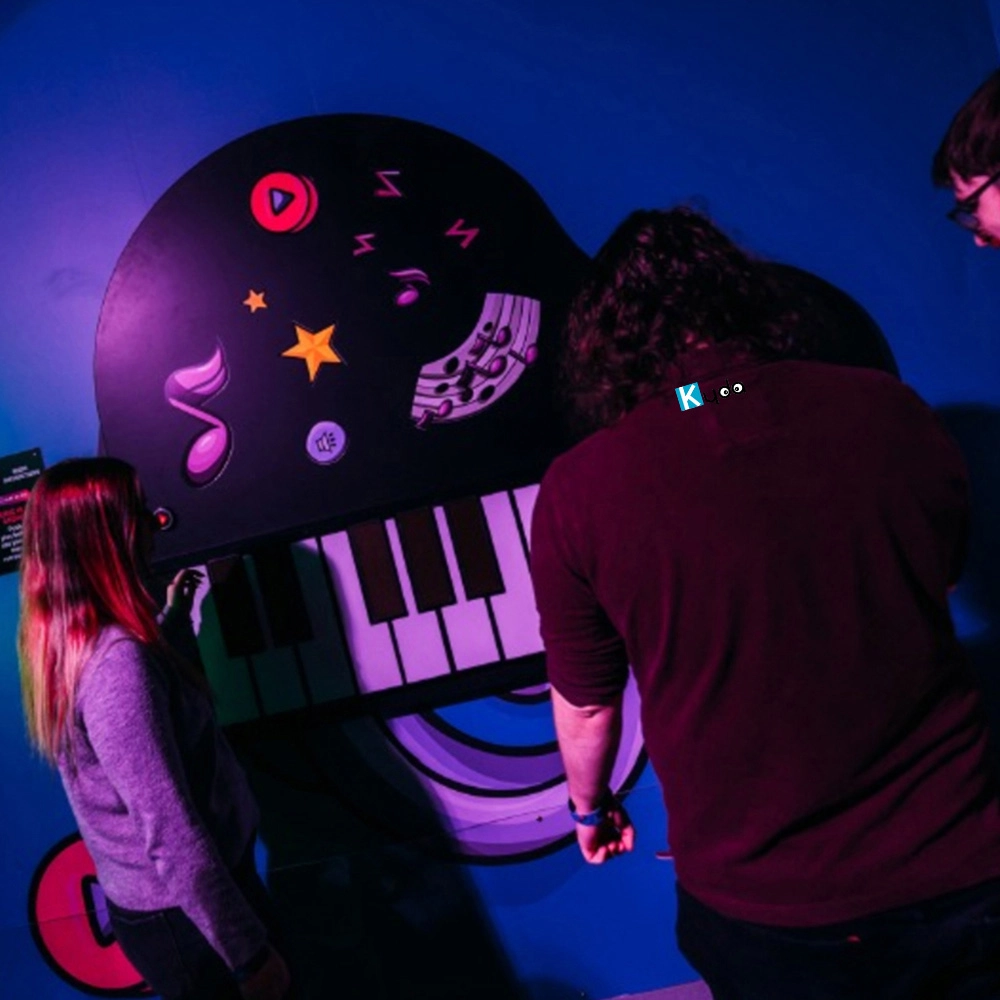
Absolute Pitch Challenge – Train Your Brain Through Music

Bomb Squad Active Challenge Games
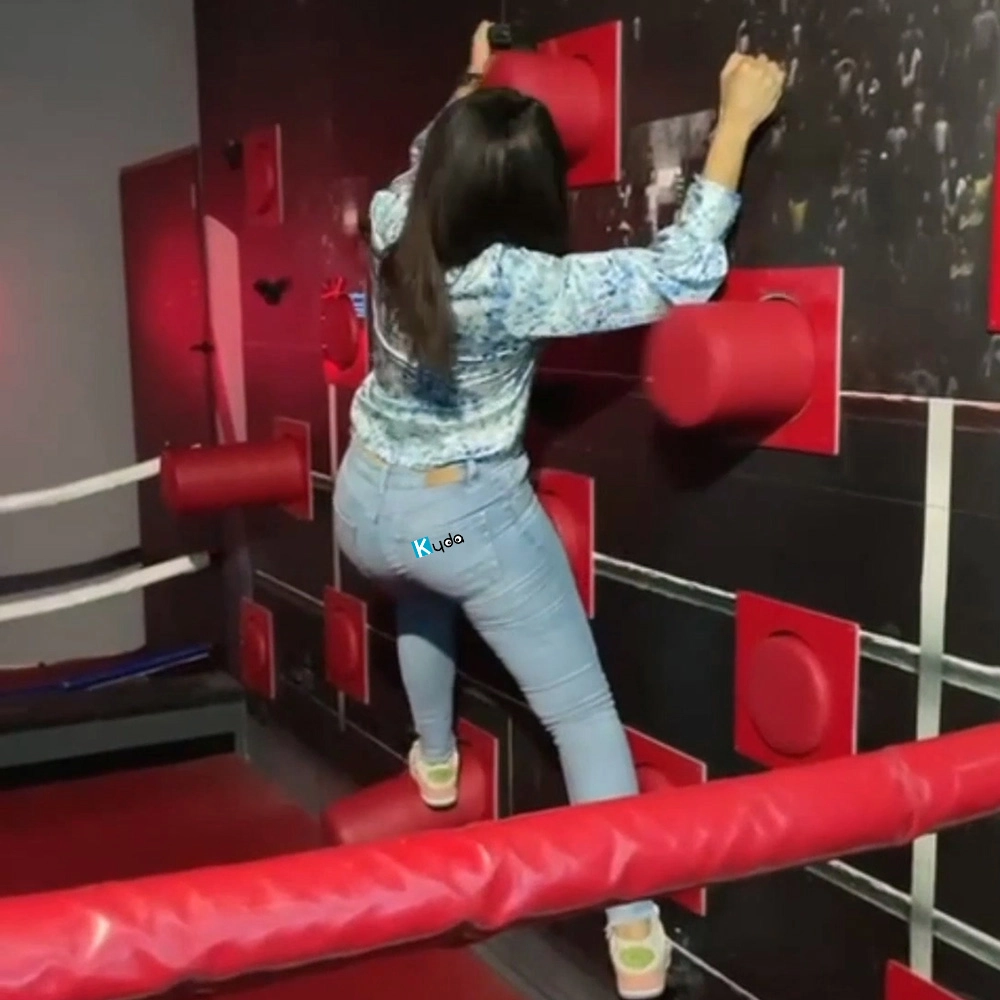
Knock Out – The Ultimate Reaction & Fitness Cube Challenge Game
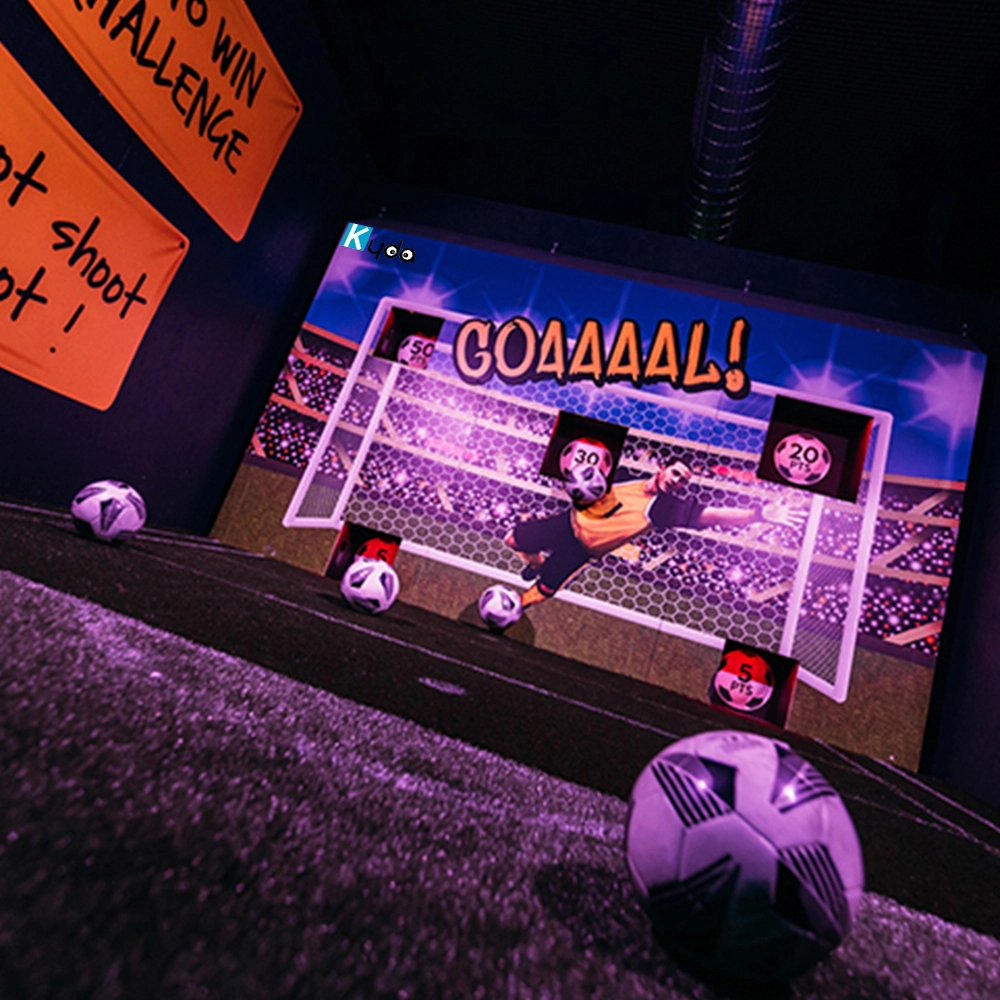
Interactive Football Cube – The Ultimate Digital Soccer Challenge for Game Rooms
For Company
Can you customize the game software and hardware?
Yes, Kydaplay accept customize software with hardware.
Do you support different language of the game and management system?
Standard version is English and Chinese, accept customization different language.
For Games Grid Floor is Lava
Can we just buy one game room of grid floor is lava?
Yes, If you start the activate game at the first time. We have more than above 50 different activate interactive challenge game rooms for options.
For Led Floor for Dance Pixel Grid Room
What is the difference of Grid and Mega Grid, Pixel Grid?
Grid just interactive floor game, smaller room size can start, Add the wall LED tile call Pixel Grid;
Mega Grid add 20pcs Digital screen with 20pcs wall buttons , also need suggest bigger room size, more activate interesting games than Grid, add the wall LED tile call Pixel Grid;
Kyda accept personal customization as requirements; Grid, Mega Grid, Pixel Grid, Floorislava, Arena game, Active LED floor game, Interactive floor LED game etc that different name in different place.
For Activate Gaming Floorislava Family Fun
What is the difference of Grid and Mega Grid?
Grid just interactive floor game, smaller room size can start; Mega Grid add 20pcs Digital screen with 20pcs wall buttons, also need suggest bigger room size, more activate interesting games than Grid;
You May Also Like
-
-
Send us Your Inquiry
-
Fill out the form and we will provide you with personalized product quotes and service recommendations based on your needs.
Our team will contact you as soon as possible to help you build the most suitable entertainment equipment!
Let's get in touch
Email: sales@kydavr.com
Tel.: +86 188 2001 8779
Address: 501 Shixin Road, Dalong Street, Guangzhou, Guangdong, China.
© 2025 Kyda. All Rights Reserved.
 Scan QR Code
Linkedin
Ins
Facebook
Twitter
YouTube