




Survival Guide: How to Beat the Most Difficult Horror Escape Games Without Losing Your Mind (2026 Edition)
- What are Horror Escape Games?
- Key Takeaways: Quick Summary for Survival
- The Psychology of Fear: Why We Lose Our Minds
- The Adrenaline-Dopamine Loop
- Sensory Overload
- The Illusion of Danger
- Expert Tips: How to Beat Immersive Horror Games
- Common Mistakes: What NOT to Do in a Haunted Escape Room
- Decoding the Mechanics: Scary Escape Game Puzzle Mechanics
- Traditional vs. Tech-Driven Escape Rooms
- Upgrading the Terror: How Kyda is Revolutionizing Horror Escape Games in 2026
- Conclusion
- FAQs About Horror Escape Games
- Are horror escape games actually dangerous?
- How long do horror escape games typically last?
- Can you ask the Game Master to stop the scares?
- What is the best strategy for solving escape room puzzles under pressure?
- What technology makes modern horror escape rooms so scary?
- Do horror escape games use live actors?
- How do I build a professional horror escape game room?
- Are horror escape games suitable for kids?
Stepping into a dimly lit, blood-spattered room while a countdown clock ticks ominously in the background is enough to make anyone's heart race. In 2026, Horror Escape Games have evolved far beyond simple padlocks and hidden keys. Today, they are high-tech, psychologically demanding arenas designed to push your fight-or-flight response to its absolute limit.
Whether you are dodging live actors in a haunted asylum or trying to solve a cryptic riddle while an animatronic monster breathes down your neck, surviving these experiences requires more than just raw courage. You need a proven strategy. This comprehensive survival guide will teach you how to master your fear, decode the underlying technology, and beat the most immersive horror games on the market.
What are Horror Escape Games?
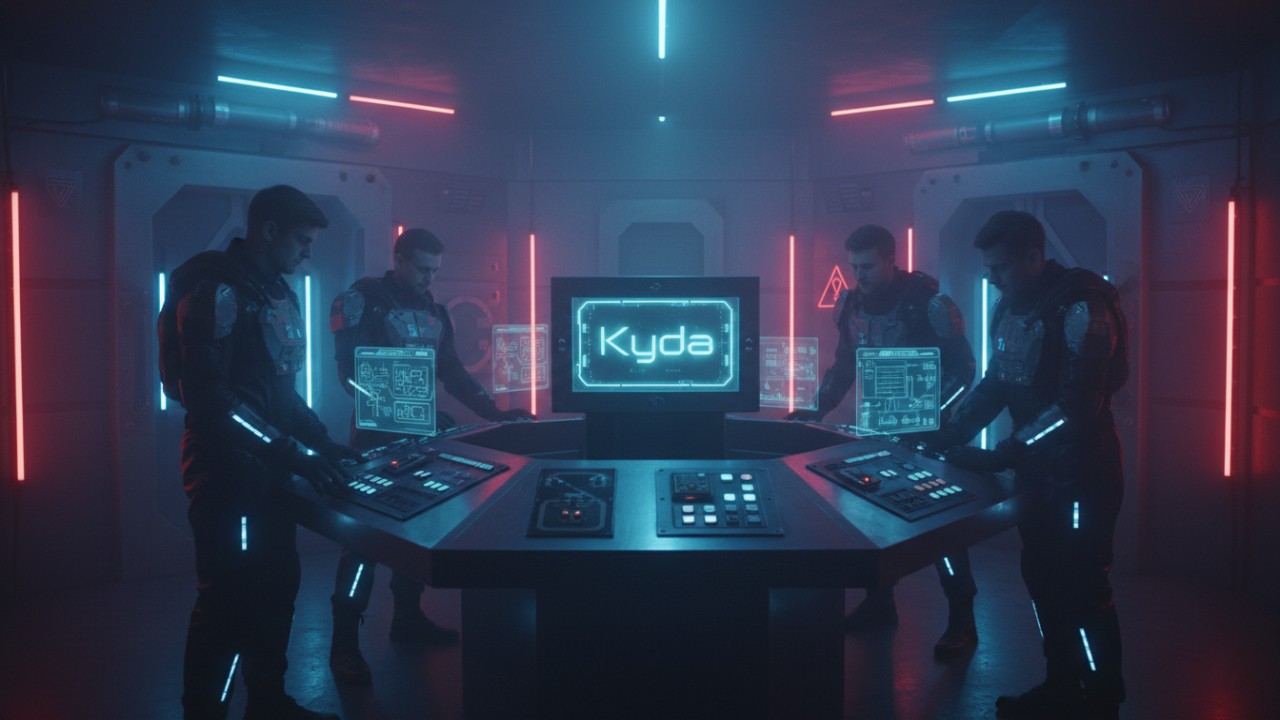
Horror escape games are highly immersive, interactive team-based puzzles where players are intentionally trapped in a terrifying, themed environment. To win, participants must solve complex riddles, uncover hidden clues, and overcome intense psychological fear within a strict time limit to successfully escape.
These adrenaline-pumping experiences bridge the gap between interactive theater and traditional gaming. Unlike standard escape rooms, which rely purely on intellectual challenges, horror-themed rooms introduce an element of emotional survival. The introduction of live actors, unsettling soundscapes, and unpredictable jump scares means that players must simultaneously manage their anxiety while trying to execute complex logic puzzles.
Key Takeaways: Quick Summary for Survival
Surviving these intense environments requires a blend of constant communication, strict role delegation, and emotional regulation. By remembering that the danger is a manufactured illusion and understanding the room's underlying mechanics, your team can maintain focus and conquer the game.
If you want to make it out before the clock hits zero, keep these foundational rules in mind:
- Communicate Constantly: Communication is your strongest weapon against fear; talk through every clue out loud so the whole team stays informed.
- Delegate Roles: Designate clear roles for each team member based on their strengths (e.g., puzzle solver, searcher, inventory manager).
- Maintain the 'Safety Frame': Always remember that the fear is manufactured. Staying logical and grounded is the key to escaping.
- Analyze the Environment: Understand the mechanics of the room; looking for hardware triggers and sensors can help predict the next scare.
The Psychology of Fear: Why We Lose Our Minds
Psychological fear in escape rooms triggers your body’s natural fight-or-flight response, flooding your nervous system with adrenaline and dopamine. Designers intentionally use sensory overload, such as flickering lights and eerie soundscapes, to disrupt critical thinking and create a powerful illusion of immediate danger.
Understanding why your brain panics is the first step to overcoming it. According to research from the Recreational Fear Lab at Aarhus University, engaging with scary entertainment in a controlled environment can actually improve emotional resilience. However, in the heat of the moment, your brain struggles to differentiate between a fake zombie and a real threat.
The Adrenaline-Dopamine Loop
When a jump scare occurs, your amygdala sounds the alarm, releasing adrenaline. Once your brain realizes you are actually safe, it releases dopamine, creating a feeling of euphoria. This Adrenaline-Dopamine Loop is why we enjoy "recreational fear." However, the adrenaline rush also causes tunnel vision, making it incredibly difficult to focus on reading a cipher or unlocking a safe.
Sensory Overload
Escape room designers are masters of sensory manipulation. By utilizing strobe lights, fog machines, and infrasound (low-frequency noise that induces dread), they overload your senses. This sensory barrage is specifically engineered to disrupt your working memory, making simple math or pattern recognition feel impossibly hard.
The Illusion of Danger
Everything in a haunted escape room is an illusion designed to manipulate your survival instincts. The loud banging on the door isn't a monster; it's a pneumatic piston. Recognizing this "Safety Frame" allows you to compartmentalize the fear and refocus on the actual puzzles.
Expert Tips: How to Beat Immersive Horror Games
The most effective survival horror escape room strategies involve centralizing your clues, ignoring deliberate scare distractions, and analyzing the room like a game designer. Always designate a "Keeper of Keys" and never let pride prevent you from asking the Game Master for a timely hint.
When the lights go out and the screaming starts, you need a tactical approach. Here are the expert strategies used by escape room enthusiasts to beat the most difficult rooms:
- Assign a 'Keeper of Keys': In the chaos of a dark room, it is incredibly easy to lose a crucial key or reuse a dead clue. Centralize all found items and discarded locks in one specific location. The "Keeper" manages this inventory, ensuring no one wastes time on a puzzle that has already been solved.
- Ignore the Distractions: Train yourself to focus strictly on the riddle. When a live actor or animatronic is actively trying to scare you, their goal is to run down your clock. Acknowledge the scare, take a deep breath, and immediately return to the task at hand.
- Think Like a Designer: Look for patterns in the environment. Are there unusual symbols on the floor? Is there a camera pointing directly at a specific prop? Recognizing these design choices helps you anticipate what you are supposed to do next.
- Don't Let Pride Kill Your Clock: The most common reason teams fail is stubbornness. If your team has been staring at the same puzzle for more than five minutes with zero progress, ask the Game Master for a hint.
Common Mistakes: What NOT to Do in a Haunted Escape Room
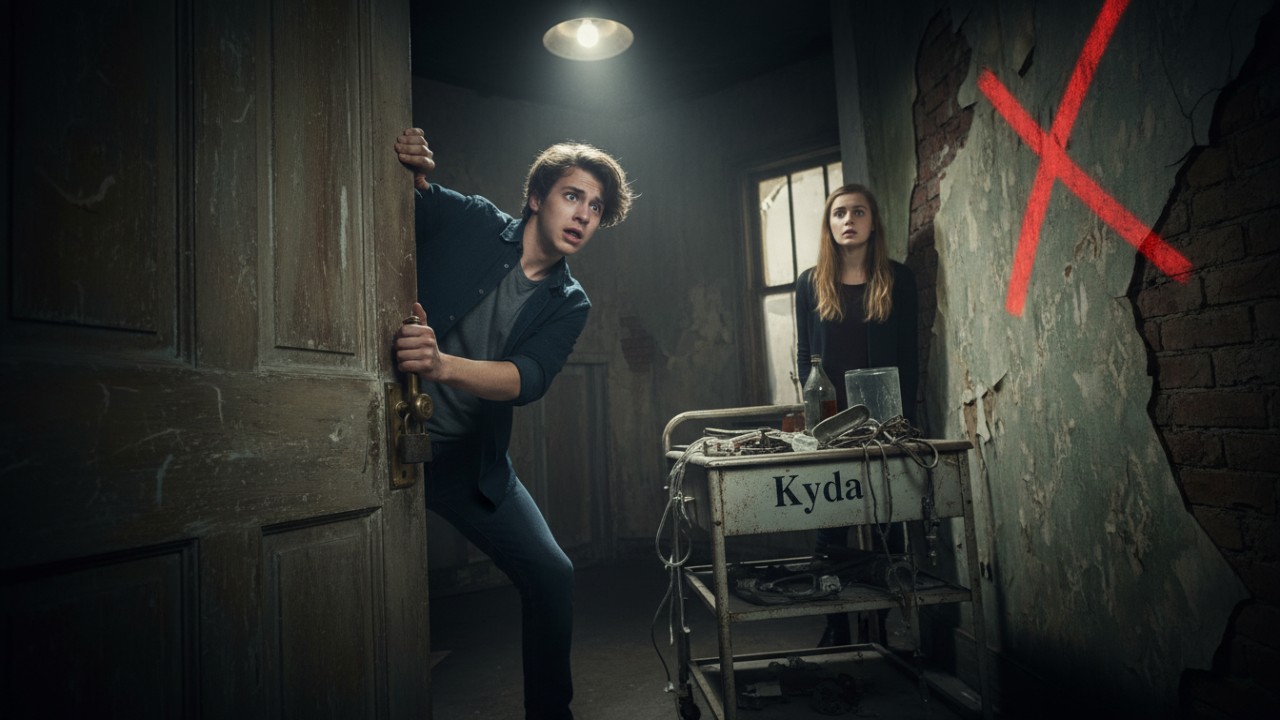
The biggest mistake players make is huddling together in fear instead of spreading out to thoroughly search the environment. Anxiety often causes teams to over-complicate simple puzzles, ignore obvious clues, or attempt to use brute force on delicate, sensor-based interactive props.
Fear makes us do irrational things. Avoid these common pitfalls to ensure your team stays on track:
- The "Scared Sheep" Formation: Huddling together in a corner might feel safe, but it halts all progress. You must spread out to search the room efficiently.
- Over-Complicating the Solution: Escape room puzzles are designed to be solved in a few logical steps. If your theory requires advanced calculus or massive leaps in logic, you are overthinking it. Anxiety clouds judgment; keep it simple.
- Hoarding Clues: Finding a piece of a puzzle and putting it in your pocket without telling anyone is a fatal error. You must loudly communicate every single item you find to the rest of the team.
- Using Brute Force: Modern rooms rely on high-tech sensors, not sheer strength. If a door or drawer doesn't open easily, it is locked for a reason. Forcing it will only break the prop and ruin the game.
Decoding the Mechanics: Scary Escape Game Puzzle Mechanics
Behind every terrifying jump scare lies precision engineering and logical scary escape game puzzle mechanics. Modern rooms rely heavily on hidden sensors, interactive projection games, and active reaction systems to trigger events dynamically based on exactly where players stand or touch.
To truly master beating immersive horror games, you need to understand the technology running the room. According to data from The Escape Room Industry Report, the industry has seen a massive shift away from traditional padlocks toward fully automated, tech-driven experiences.
Traditional vs. Tech-Driven Escape Rooms
| Feature | Traditional Escape Rooms | Tech-Driven Horror Escape Games (2026) |
|---|---|---|
| Primary Locks | Padlocks, combination locks, keys | RFID sensors, interactive LED floors, lasers |
| Scare Tactics | Static props, dim lighting | Live actors, dynamic interactive projection games |
| Progression | Linear paper clues and riddles | Non-linear, triggered by active reaction games |
| Immersion Level | Moderate (Imagination required) | Extreme (Sensory overload, automated audio/visuals) |
Knowing that laser interactive games and LED walls dictate the room's flow helps you anticipate puzzle progression. For example, many modern escape games use hidden interactive projection games to reveal clues only when players stand in specific, sensor-activated spots. If you see an unusually clear patch of floor or a strange geometric pattern, it is likely an interactive trigger waiting for your team's input.
Upgrading the Terror: How Kyda is Revolutionizing Horror Escape Games in 2026
In 2026, Guangzhou kydavr tech. co., ltd. (Kyda) is revolutionizing the industry by providing state-of-the-art, one-stop solutions for active game rooms. Their custom interactive LED gaming centers and immersive horror setups deliver high-return thrills driven by advanced electronic design and multimedia programming.
As a leading manufacturer, Kyda builds the invisible technology behind the terror. While players are busy screaming at jump scares, Kyda's precision-engineered equipment is quietly running the show. Their main products, which include activate interactive games, interactive LED floors, and interactive LED walls, are transforming how game designers build suspense.
Kyda's dedicated team consists of professionals specializing in electronic design, software programming, 3D plastic printing, and interior design. This comprehensive expertise allows them to produce highly customized, low-cost, and high-income amusement equipment tailored to local market needs. Whether a venue is looking to install a high-intensity brain challenge game or a full-scale survival horror experience, Kyda provides a seamless, end-to-end solution.
For venue owners looking to understand the full scope of these technologies, exploring a Guide to Active Gaming & Interactive Solutions is essential. By leveraging Kyda's manufacturing advantages across Guangzhou, Zhongshan, Zhengzhou, and Beijing, escape room creators can build the next generation of terrifying, sensor-driven environments.
Conclusion
Conquering a difficult horror escape game requires the perfect combination of sharp logical reasoning, flawless teamwork, and absolute emotional control. By understanding the psychological tricks and the interactive technology powering the room, you can transform your panic into unstoppable puzzle-solving power.
Whether you are a player looking to survive your next haunted adventure or a business owner looking to build a commercial horror attraction, understanding the mechanics of fear is essential. Contact us today to optimize your Horror Escape Games strategy.
FAQs About Horror Escape Games
Are horror escape games actually dangerous?
No, horror escape games rely entirely on 'recreational fear'. They are designed by professionals to simulate extreme danger while strictly adhering to local safety and fire regulations. Players are never in real physical peril during the experience.
How long do horror escape games typically last?
The standard time limit for most escape rooms is 60 minutes. However, some highly difficult, multi-room, or extended-story experiences may offer 75 to 90-minute windows. Players must solve all puzzles within this strict timeframe to 'survive'.
Can you ask the Game Master to stop the scares?
Yes, reputable escape rooms prioritize player safety and comfort above all else. Most rooms establish a 'safe word' or provide a physical panic button before the game begins. Using these will immediately stop the scares, turn on the lights, or allow you to exit the room safely.
What is the best strategy for solving escape room puzzles under pressure?
Continuous, clear communication is the most effective strategy. Call out everything you find, keep clues organized in a central spot, and divide tasks based on team strengths. If you get stuck on a puzzle, move on and let another teammate look at it with fresh eyes.
What technology makes modern horror escape rooms so scary?
Modern rooms use advanced sensory equipment rather than just traditional padlocks. This includes interactive LED floors, active reaction games, hidden RFID sensors, and interactive projection games. These advanced systems allow the room to react dynamically to player movements, creating a highly personalized scare.
Do horror escape games use live actors?
Many premium horror escape rooms use live actors to dramatically elevate the psychological tension. Actors may provide unexpected jump scares, chase players through dark corridors, or act as in-game characters giving cryptic clues. However, they are strictly instructed never to physically harm the players.
How do I build a professional horror escape game room?
Building a commercial room requires deep expertise in game design, multimedia production, and electronic engineering. Partnering with an active game room manufacturer like Kyda is the most efficient route. They provide one-stop, customized solutions ranging from interactive equipment to complex software programming.
Are horror escape games suitable for kids?
Generally, no. Due to intense psychological themes, total darkness, and sudden jump scares, they are not recommended for young children. Most venues have strict age restrictions, typically requiring players to be 14 or 16 and older. Always check the venue's specific age policy before booking a room.
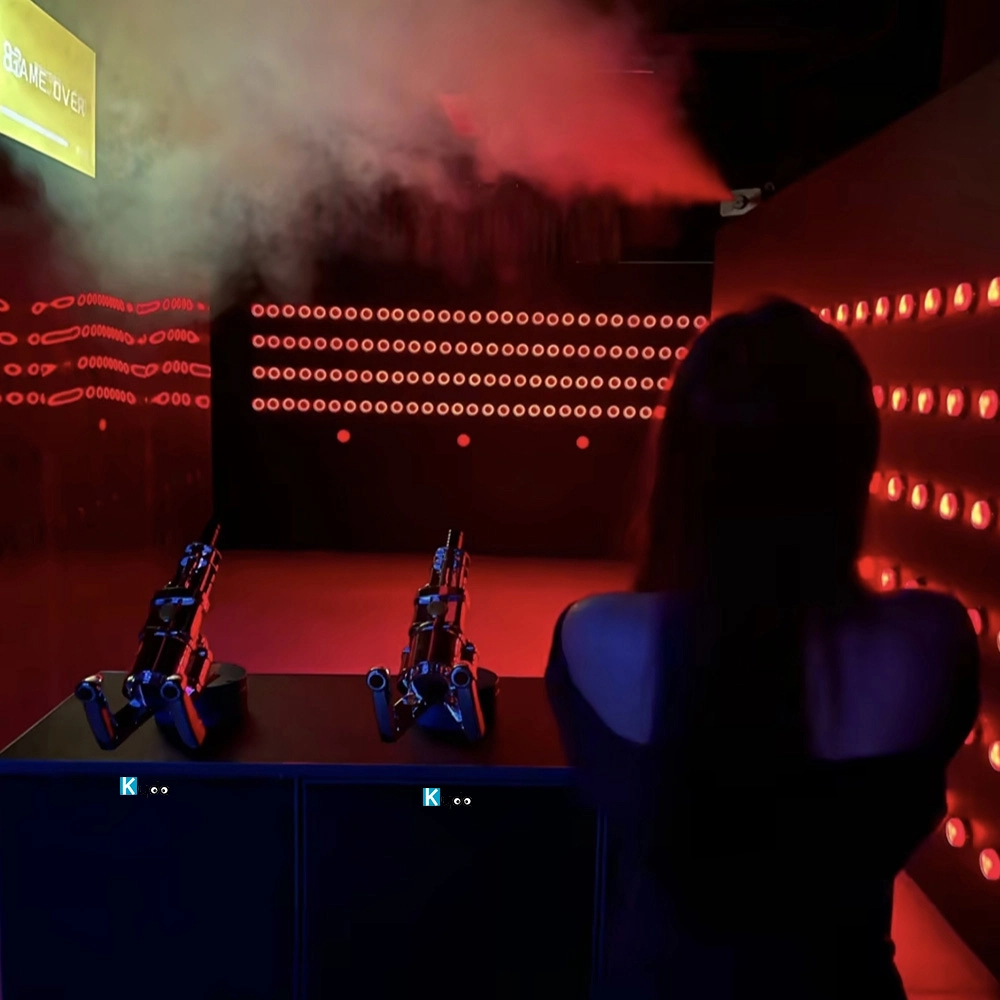
Active Reaction Laser Shooting Game Room
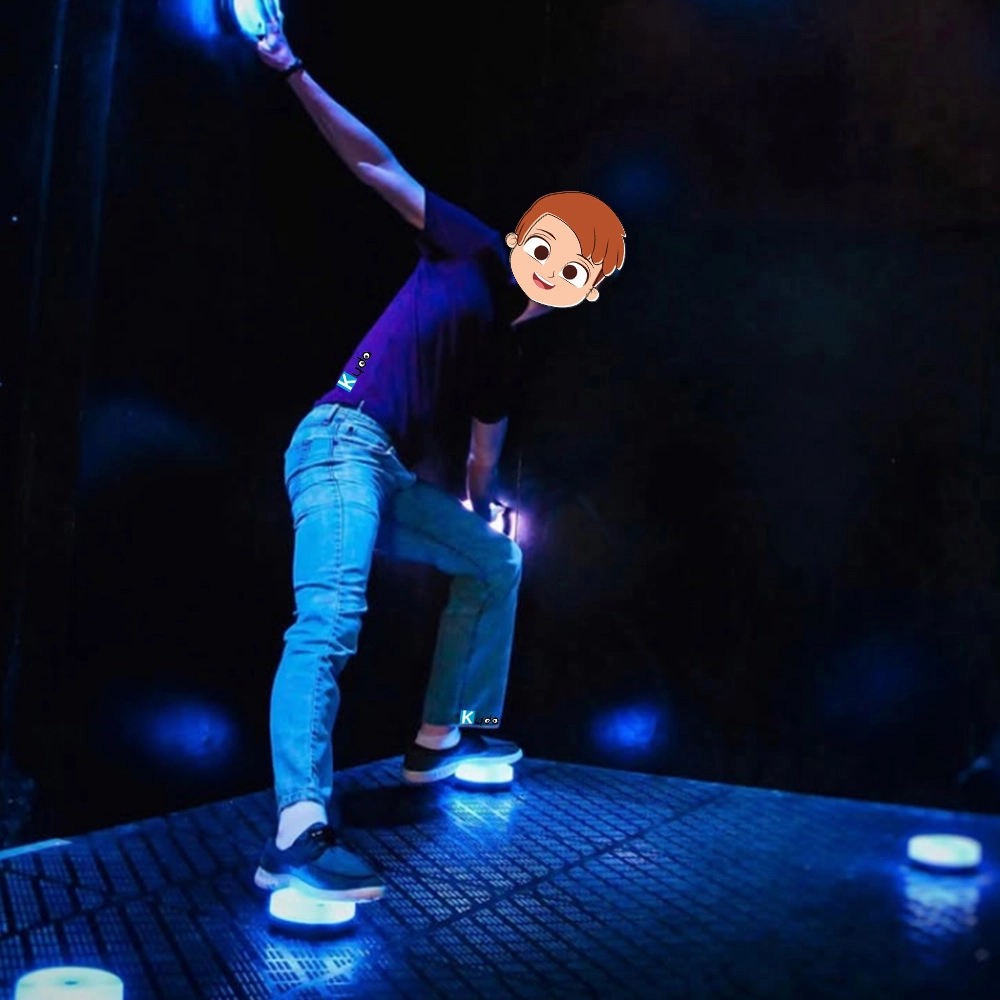
Interactive LED Floor Adventure: Hands and Feet Coordination Challenge – Octopus Escape
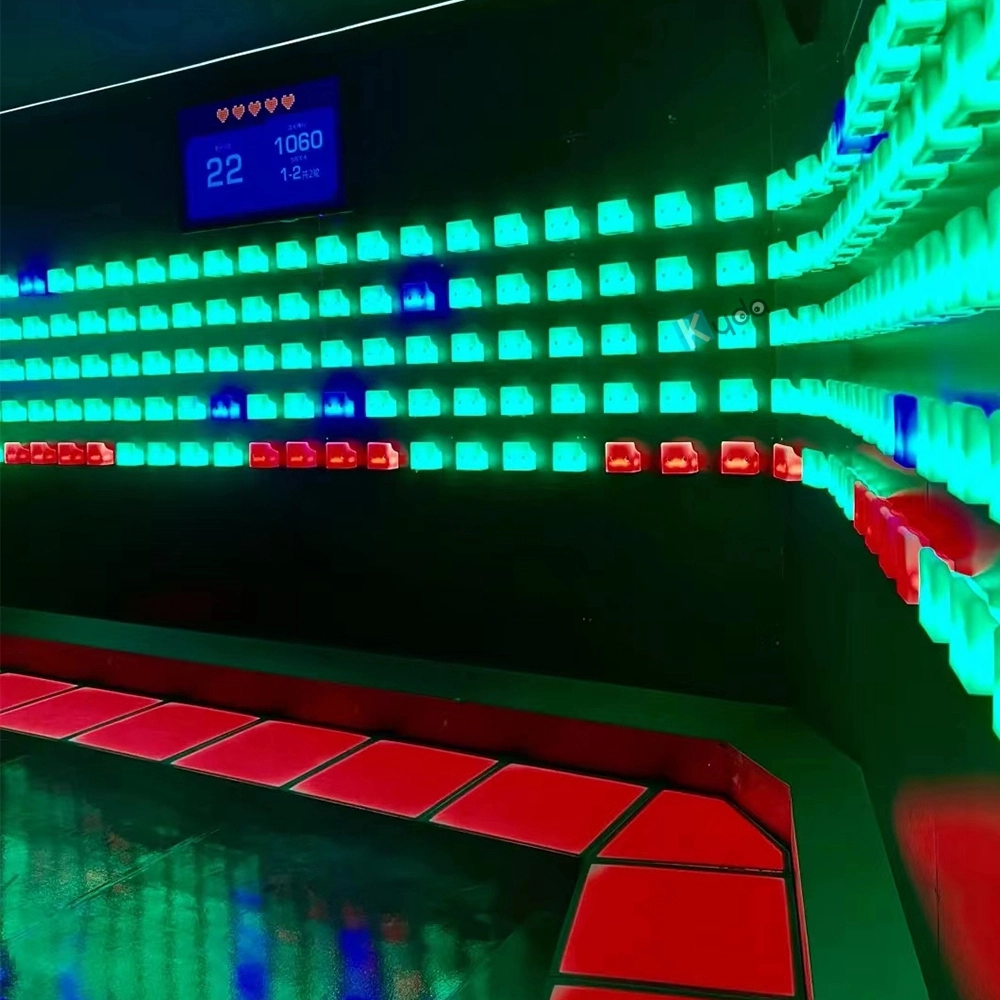
Activate Fitness Climb Game – The Ultimate Interactive LED Climbing Wall Experience
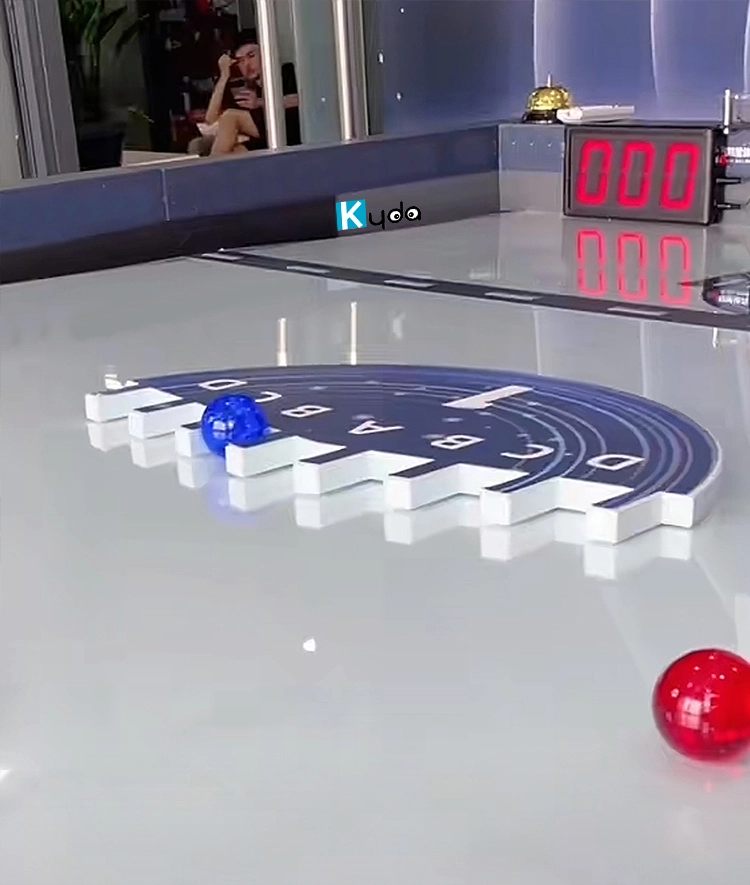
Solar Ball Game (Star Ball / Sky Rolling Ball) – Interactive Gravity Team Challenge
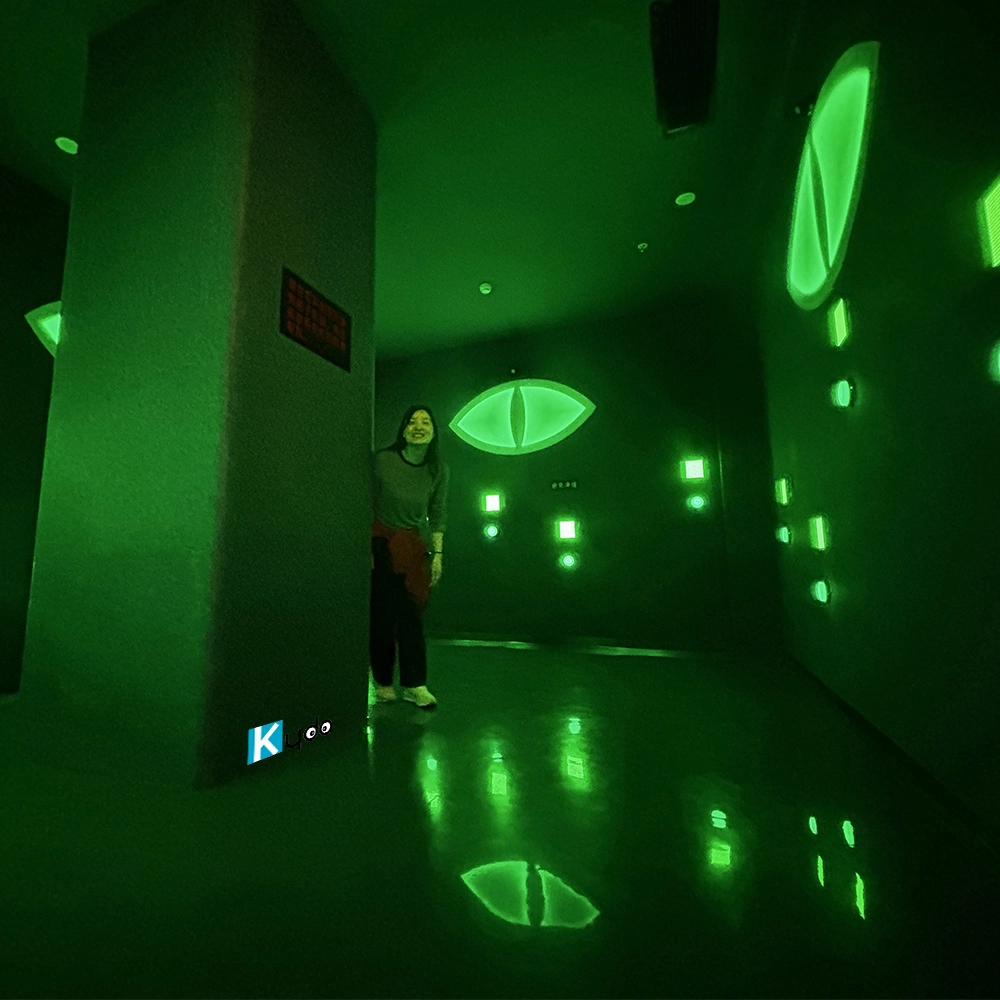
Escape Horror Game Hide Active Game Room – LED Evil Eye Adventure by Kyda
For Company
Can you customize the game software and hardware?
Yes, Kydaplay accept customize software with hardware.
Can you make CAD design for buyer’s space room?
Yes, we can make CAD design as exact space room size.
For Games Grid Floor is Lava
How to pack the LED tile grid?
3pcs/carton, 45cartons/panel.
For Activate Gaming Floorislava Family Fun
How to pack the LED tile grid?
3pcs/carton, 45cartons/panel.
What is the difference of Grid and Mega Grid?
Grid just interactive floor game, smaller room size can start; Mega Grid add 20pcs Digital screen with 20pcs wall buttons, also need suggest bigger room size, more activate interesting games than Grid;
You May Also Like


-
-
Send us Your Inquiry
-
Fill out the form and we will provide you with personalized product quotes and service recommendations based on your needs.
Our team will contact you as soon as possible to help you build the most suitable entertainment equipment!
Let's get in touch
Email: sales@kydavr.com
Tel.: +86 188 2001 8779
Address: 501 Shixin Road, Dalong Street, Guangzhou, Guangdong, China.
© 2025 Kyda. All Rights Reserved.
 Scan QR Code
Linkedin
Ins
Facebook
Twitter
YouTube