




The 2026 Trend Report: Why Interactive Projection Games are Replacing Traditional Playgrounds
- What Are Interactive Projection Games?
- Key Takeaways: The 2026 Shift to Digital Playgrounds
- The 2026 Landscape: Why Traditional Playgrounds Are Losing Ground
- Top 5 Benefits of Interactive Projection for Venues and Schools
- Real-World ROI: Interactive Systems vs. Physical Equipment
- Expert Tips: Common Mistakes When Upgrading Your Play Area
- The Kyda Solution: Leading the Active Game Room Revolution
- Conclusion
- FAQs About Interactive Projection Games
- How much do interactive projection games cost?
- Are interactive projection games safe for toddlers?
- What hardware is needed for interactive floor projection?
- Can interactive projectors be used outdoors?
- How do interactive wall games benefit kinesthetic learning?
- Are interactive projection systems suitable for special needs and sensory rooms?
- How profitable are interactive games for Family Entertainment Centers (FECs)?
- What is the lifespan of an interactive projection playground?
The entertainment and education sectors are undergoing a massive technological transformation in 2026. For decades, physical playgrounds and static play structures were the gold standard for keeping children engaged. However, as digital-native generations demand more immersive experiences, operators are rapidly pivoting toward a more profitable, safer, and highly engaging alternative. Interactive Projection Games have emerged as the definitive solution, seamlessly bridging the gap between physical activity and digital immersion.
From commercial entertainment hubs seeking to maximize their floor space to specialized clinics implementing advanced sensory therapies, the adoption of digital play environments is skyrocketing. This comprehensive 2026 trend report explores exactly why outdated physical structures are being dismantled in favor of dynamic, light-based interactive arenas, and how your venue can capitalize on this technological shift.
What Are Interactive Projection Games?
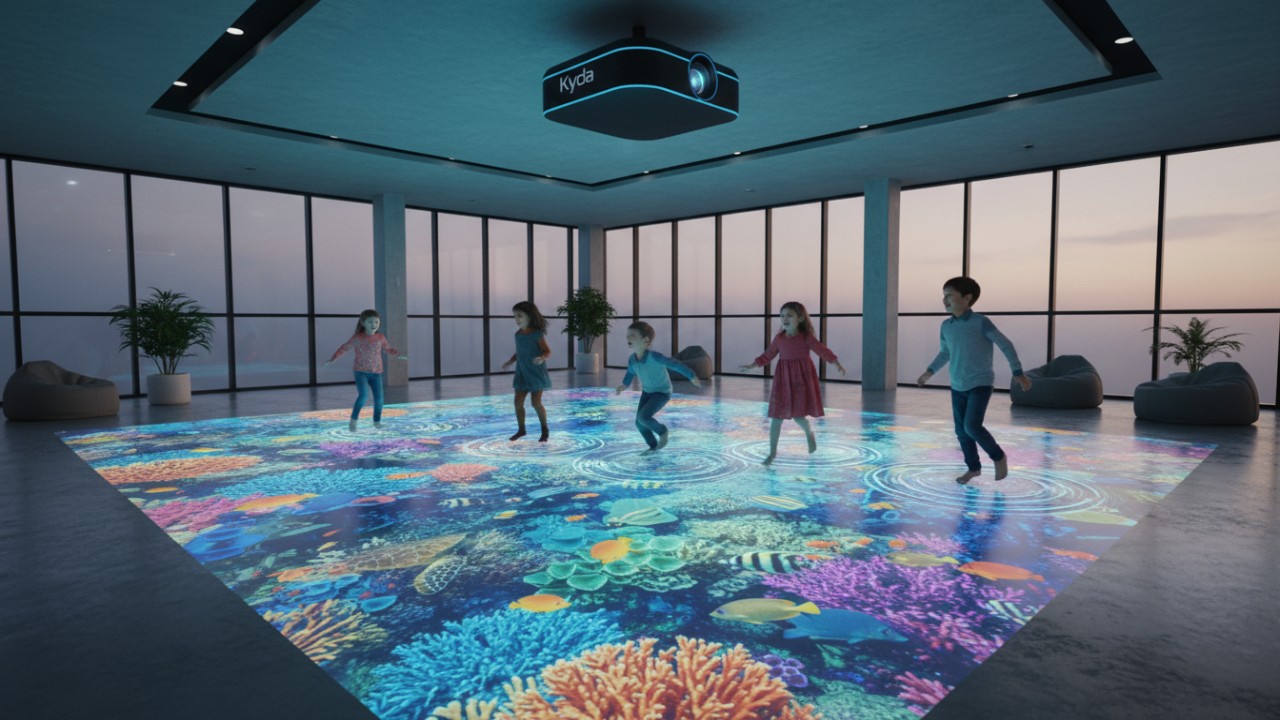
Interactive projection games are advanced digital systems that utilize motion sensors, 3D cameras, and high-definition projectors to transform ordinary floors, walls, and tables into immersive, touch-responsive environments. By tracking user movements in real-time, these systems seamlessly blend physical activity with dynamic digital gameplay.
Unlike traditional video games that confine players to a couch and a controller, these systems require users to jump, wave, run, and collaborate physically to achieve in-game objectives. By projecting vibrant, high-resolution graphics onto flat surfaces, ordinary spaces are instantly converted into immersive active game rooms. Because the entire experience is generated through light and motion tracking, there is absolutely no need for clunky physical structures, plastic climbing frames, or foam pits. The result is a frictionless, highly sanitary, and infinitely adaptable play area.
Key Takeaways: The 2026 Shift to Digital Playgrounds
The 2026 shift to digital playgrounds is driven by the urgent need to replace high-maintenance, space-constrained physical structures with versatile digital systems. Interactive projectors offer infinite game variations in a single room, significantly boosting replay value, venue profitability, and overall educational outcomes.
If you are an investor, school administrator, or venue operator, understanding this shift is critical. Here are the core factors driving the transition:
- Elimination of Physical Wear-and-Tear: Traditional physical playgrounds suffer from high maintenance, constant repairs, and limited flexibility. Digital systems remove physical degradation entirely.
- Infinite Replayability: Interactive projectors offer infinite game variations in a single room, drastically boosting replay value and venue profitability without requiring new physical purchases.
- Advanced Educational Value: Sensory integration and kinesthetic learning features make digital playrooms vastly superior for modern educational and healthcare facilities.
- Maximized Space Utilization: Operators can switch a room from a high-energy sports simulator to a calming sensory room with the click of a button.
The 2026 Landscape: Why Traditional Playgrounds Are Losing Ground
Traditional physical playgrounds are rapidly losing ground in 2026 because static structures fail to provide the dynamic, evolving engagement that digital-native children demand. Furthermore, escalating hygiene concerns and severe physical wear-and-tear on traditional equipment are driving up long-term operational costs for venues.
The decline of the traditional playground is largely rooted in liability and maintenance. According to statistics from the Centers for Disease Control and Prevention, emergency departments in U.S. hospitals treat more than 200,000 children annually for playground-related injuries, with falls from static equipment being the primary culprit. As liability insurance premiums soar in 2026, venues are desperately seeking safer alternatives. Because interactive projection relies entirely on flat surfaces, the risk of falling off a high structure or colliding with a hard plastic beam is completely neutralized.
Additionally, modern hygiene standards have rendered traditional ball pits and complex climbing tubes a logistical nightmare. The labor costs associated with deep-cleaning physical playground equipment are staggering. In stark contrast, an interactive floor can be sanitized with a simple mop in a matter of minutes. Modern facilities are prioritizing these space-saving, highly sanitary designs that can pivot instantly from an educational environment to a high-energy active game room.
Top 5 Benefits of Interactive Projection for Venues and Schools
The top benefits of interactive projection include enhanced cognitive development, inclusive play for all abilities, unmatched cost-efficiency, minimal spatial footprint, and exceptionally high ROI for commercial venues. These systems instantly transform empty rooms into highly profitable, multi-functional, and engaging digital attractions.
Whether you are operating a commercial entertainment hub or a specialized learning center, upgrading to digital play offers distinct advantages:
- Cognitive Development: Digital play merges problem-solving tasks with gross motor skills, creating ideal kinesthetic learning environments. Research highlighted by Educational Data Platforms demonstrates that learners retain up to 75% of information when actively participating in a physical task, compared to just 10% through passive listening.
- Inclusive Play: Unlike physical playgrounds that often exclude children with mobility issues, interactive software can be easily calibrated to accommodate wheelchairs, physical disabilities, and special needs. This makes it a premier educational sensory play technology.
- Cost-Efficiency: The technology eliminates the constant need to buy, repair, and replace physical toys or playground equipment. Once the hardware is installed, new experiences are just a software download away.
- High ROI for FECs: Family entertainment center ROI is heavily dependent on repeat visits. Interactive rooms attract family demographics with premium, ticketable immersive experiences that encourage guests to return week after week to try new games.
- Minimal Footprint: You no longer need thousands of square feet to build an attraction. Interactive projection transforms empty hallways, spare rooms, or plain walls into highly profitable attractions.
Real-World ROI: Interactive Systems vs. Physical Equipment
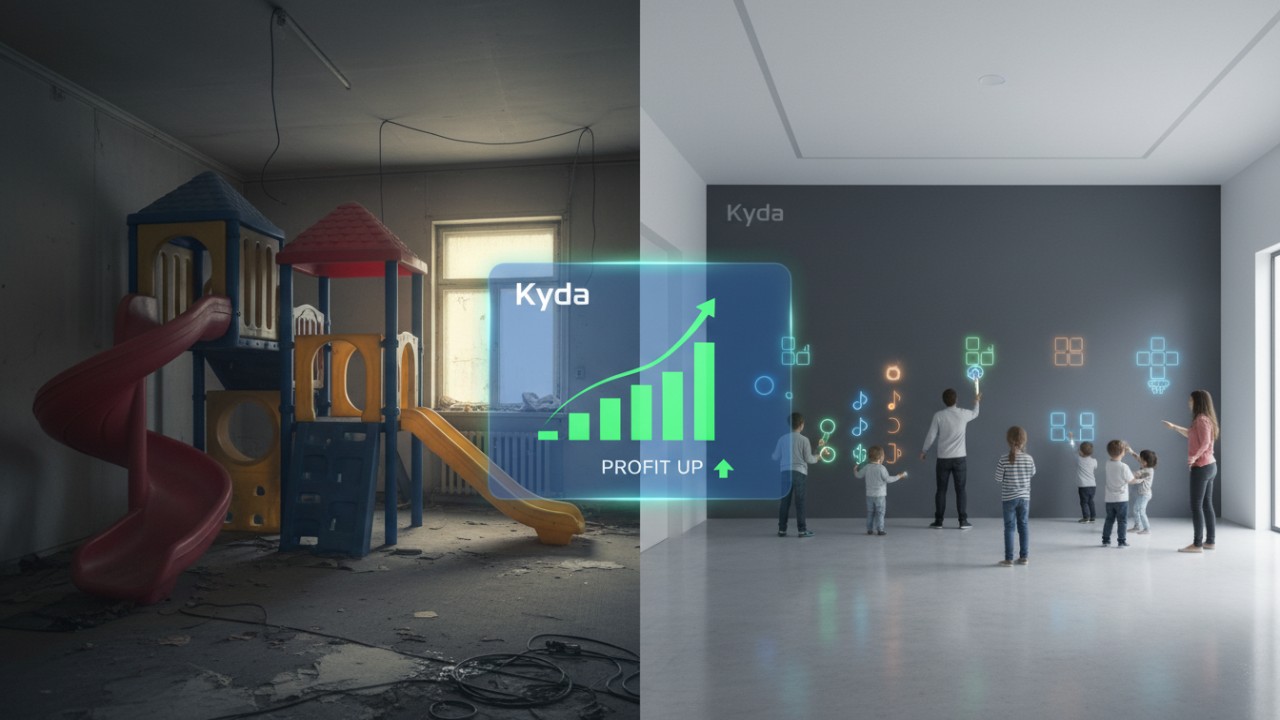
Interactive systems deliver superior real-world ROI compared to physical equipment because initial setup costs are rapidly offset by near-zero physical maintenance, eliminating cleaning fees and repair bills. Venues experience massive boosts in repeat foot traffic due to continuously updated digital game libraries.
The financial argument for digital play is undeniable in 2026. A recent industry report by StatsNex Market Insights valued the Family Entertainment Center market at $5.2 billion, noting that growth is primarily driven by a 72% consumer preference for experiential, interactive entertainment. Family Entertainment Centers (FECs) utilizing digital play report up to a 40 percent increase in repeat foot traffic. Meanwhile, schools and clinics save thousands of dollars on physical PE and sensory room equipment by utilizing multi-functional interactive zones.
To illustrate the financial and operational differences, consider the following data comparison:
| Operational Metric | Traditional Physical Playgrounds | Interactive Projection Games |
|---|---|---|
| Initial Capital Investment | High (Custom physical structures, safety padding) | Moderate to High (Projectors, sensors, software) |
| Ongoing Maintenance Costs | High (Costly repairs, intensive deep-cleaning) | Low (Software updates, occasional bulb/laser maintenance) |
| Safety & Liability Risk | High (Falls, collisions, structural failures) | Minimal (Flat surfaces, no moving parts, zero fall height) |
| Spatial Requirements | Large, dedicated, permanent footprint | Flexible (Can utilize existing empty rooms or hallways) |
| Replayability & Theming | Low (Static, unchanging physical experience) | Infinite (Interchangeable software libraries and seasonal themes) |
Expert Tips: Common Mistakes When Upgrading Your Play Area
When upgrading to a digital play area, the most common mistakes include ignoring ambient light levels, poorly calibrating motion sensors for different age groups, and settling for closed software ecosystems that prevent custom game development or future interactive software updates.
To ensure your investment yields the highest possible returns, avoid these frequent pitfalls:
- Ignoring Ambient Light: Failing to account for window glare or bright venue lighting can wash out projector brightness. Always select high-lumen projectors or install proper shading to ensure graphics remain crisp and vibrant.
- Poor Sensor Calibration: Not matching the camera placement and tracking software to the intended audience height is a critical error. A system calibrated for adults will fail to register the movements of toddlers, leading to a frustrating user experience.
- Settling for Closed Ecosystems: Choosing rigid software platforms that do not allow for custom game development limits your venue's growth. Always partner with manufacturers who offer open, customizable libraries.
The Kyda Solution: Leading the Active Game Room Revolution
Guangzhou kydavr tech. co., ltd. (Kyda) leads the active game room revolution by delivering end-to-end interactive projection solutions tailored for 2026. Kyda specializes in customizable interactive LED floors, walls, and active reaction games designed specifically for low-cost, high-return business models globally.
As a top-tier provider and one-stop solution expert, our vision is to become the world's leading active game room manufacturer. Leveraging the manufacturing advantages of Guangzhou, Zhongshan, Zhengzhou, and Beijing, Kyda maintains long-term partnerships with elite LED light factories, 3D plastic printing facilities, and multimedia resource companies. This robust infrastructure allows us to produce highly customized projects that meet precise local demands.
Kyda's extensive product line includes interactive floor projection systems, active interactive games, laser interactive games, and thrilling horror escape rooms. Because our team consists of in-house professionals specializing in electronic design, software programming, and multimedia animation, we do not rely on third-party closed ecosystems. We ensure your immersive active game rooms meet your exact personalized customization needs.
To dive deeper into how we build these environments, read our Guide to Active Gaming & Interactive Solutions.
Conclusion
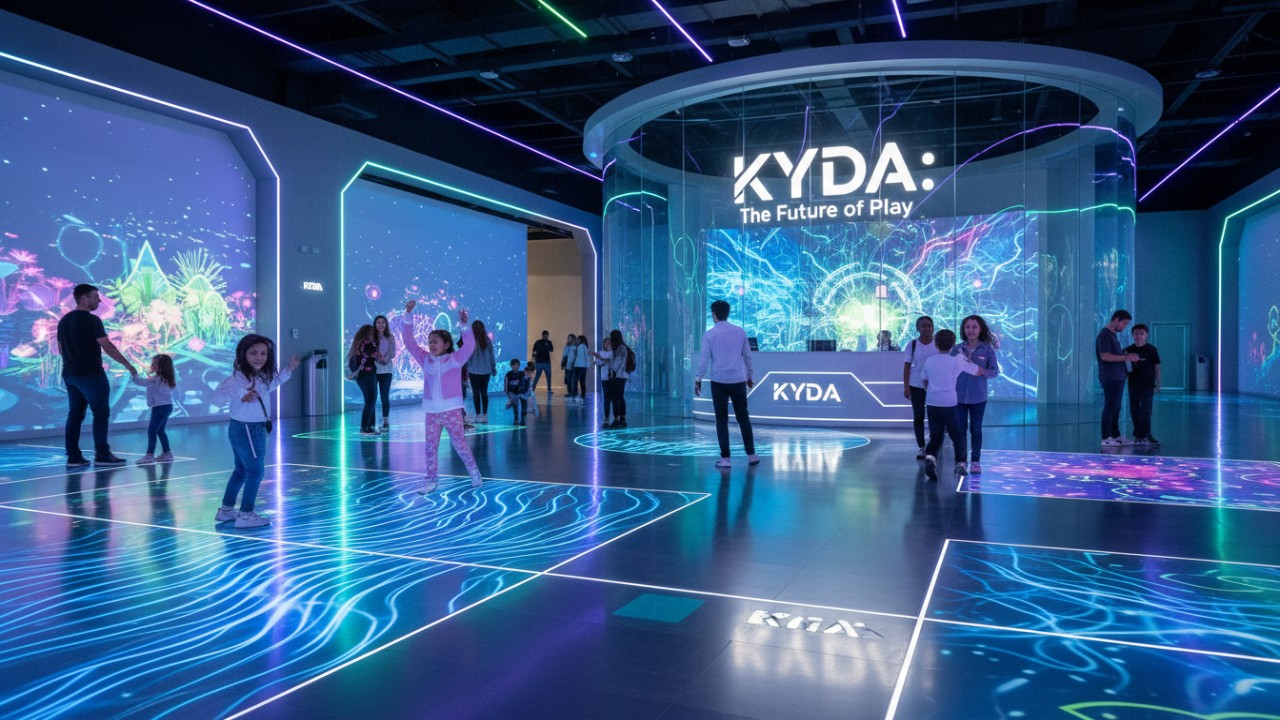
In summary, interactive projection games represent the definitive future of play, offering unmatched safety, flexibility, and engagement over outdated traditional playgrounds. Upgrading to dynamic digital spaces is an essential strategy for schools and venues aiming to stay competitive and profitable in 2026.
By embracing this technology, operators can eliminate the staggering maintenance costs of physical equipment while providing guests with an ever-evolving library of immersive experiences. From boosting cognitive development in educational settings to driving massive repeat foot traffic in commercial entertainment centers, the transition to interactive digital environments is a proven pathway to success.
Contact us today at sales@kydavr.com to optimize your Interactive Projection Games strategy and transform your venue.
FAQs About Interactive Projection Games
How much do interactive projection games cost?
Costs vary based on projector brightness, sensor technology, and software licenses, typically ranging from a few thousand dollars for basic setups to higher investments for full commercial active game rooms. Partnering with direct manufacturers like Kyda often results in lower costs and higher ROI.
Are interactive projection games safe for toddlers?
Yes, they are incredibly safe because there are no physical obstacles, moving parts, or sharp edges to cause injury. Children interact entirely with light on a flat floor or wall.
What hardware is needed for interactive floor projection?
A complete system requires a high-definition projector, an infrared or 3D motion-tracking camera, a localized computer server, and specialized interactive software.
Can interactive projectors be used outdoors?
While primarily designed for indoor use due to ambient light sensitivity, they can be used outdoors at night or inside heavily shaded, weather-proofed tents.
How do interactive wall games benefit kinesthetic learning?
They require students to physically move, reach, and throw objects to solve puzzles or answer math questions, which improves muscle memory and knowledge retention.
Are interactive projection systems suitable for special needs and sensory rooms?
Absolutely. The games provide safe visual and auditory stimulation and can be calibrated so that even slight movements trigger a rewarding response.
How profitable are interactive games for Family Entertainment Centers (FECs)?
They are highly profitable due to their low physical maintenance, ability to refresh games via software updates, and high appeal for group bookings and parties.
What is the lifespan of an interactive projection playground?
With proper ventilation and occasional projector bulb or laser maintenance, the hardware can last many years, while the software can be updated indefinitely.
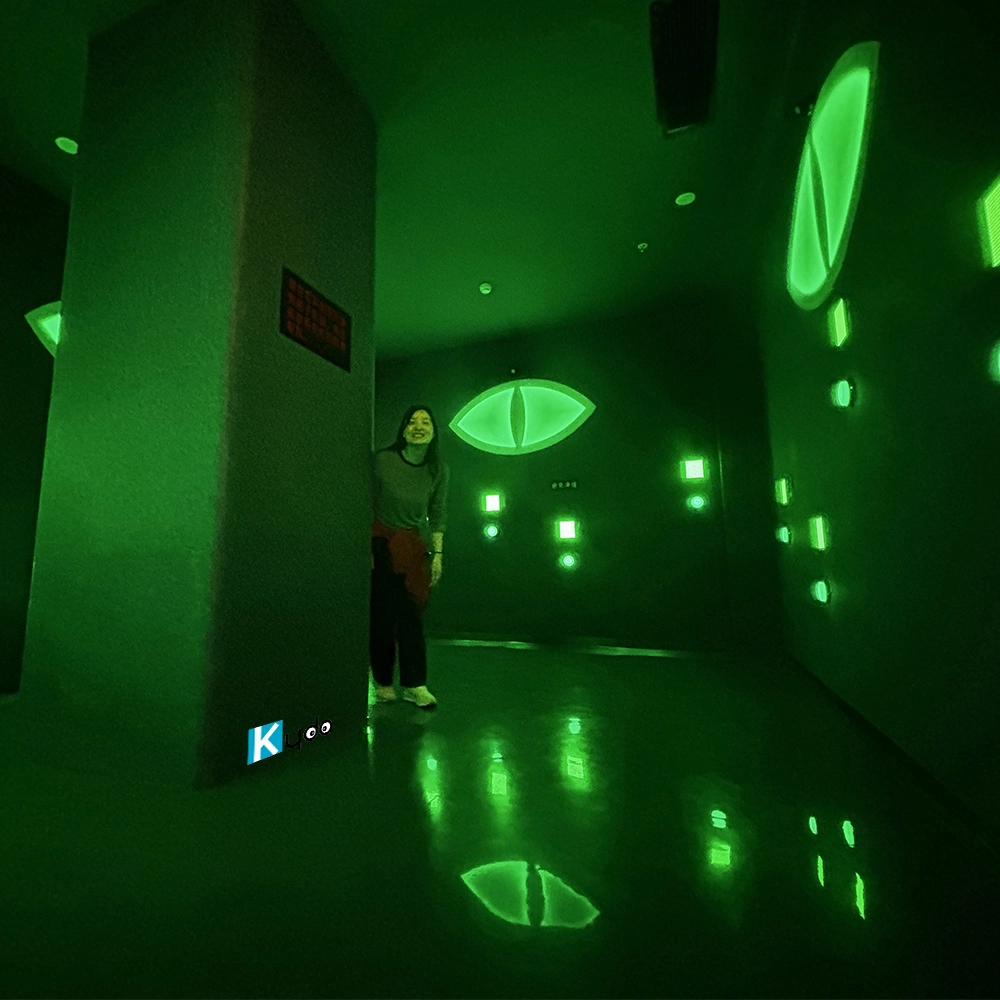
Escape Horror Game Hide Active Game Room – LED Evil Eye Adventure by Kyda
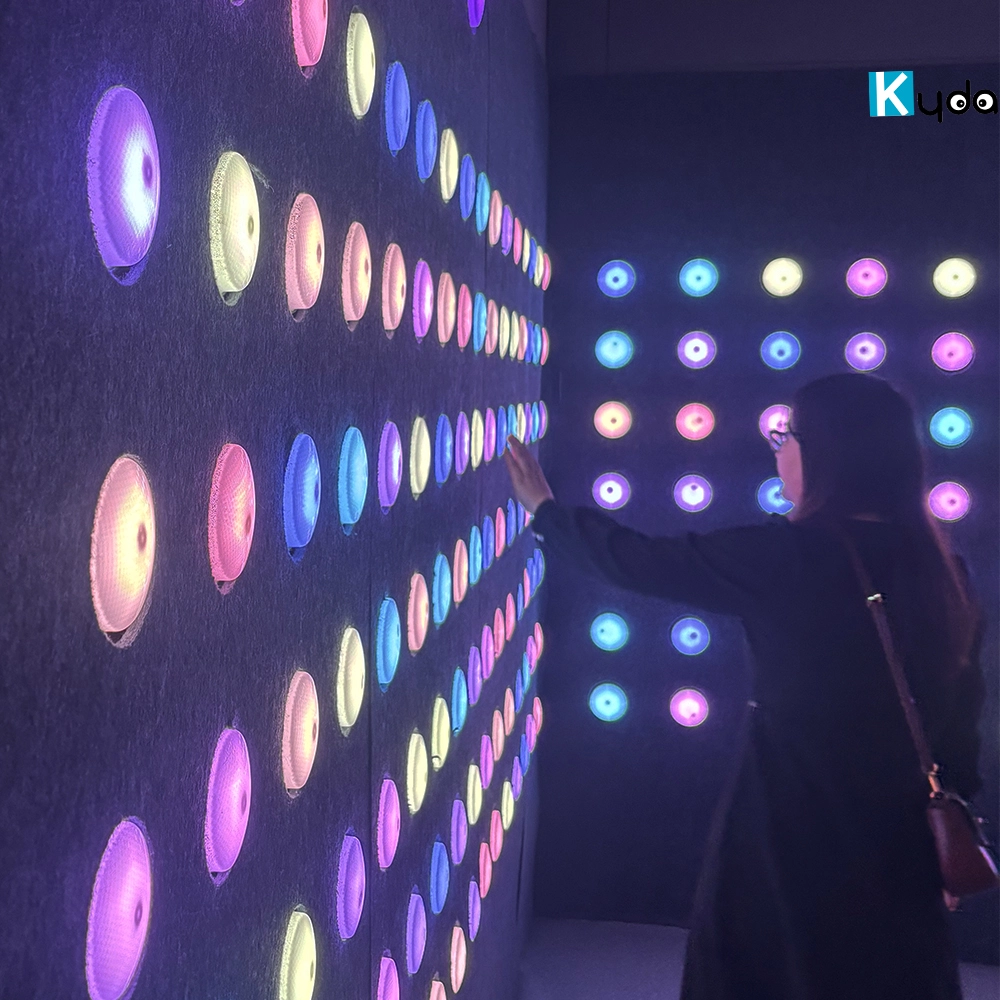
Active Reaction Push Game Room – Multi-Player Interactive LED Wall Challenge by Kyda
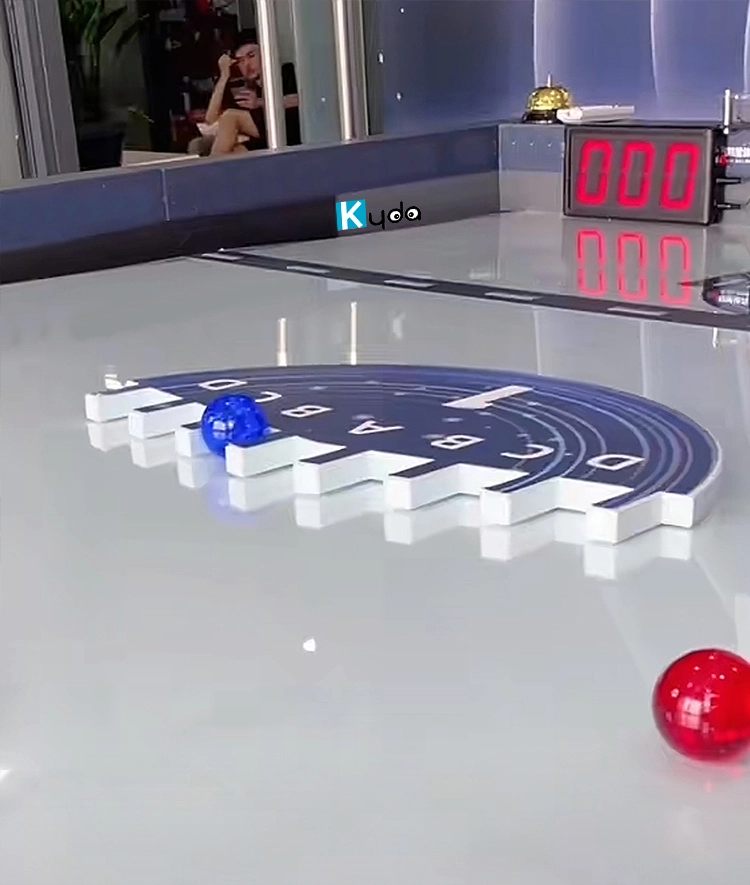
Solar Ball Game (Star Ball / Sky Rolling Ball) – Interactive Gravity Team Challenge
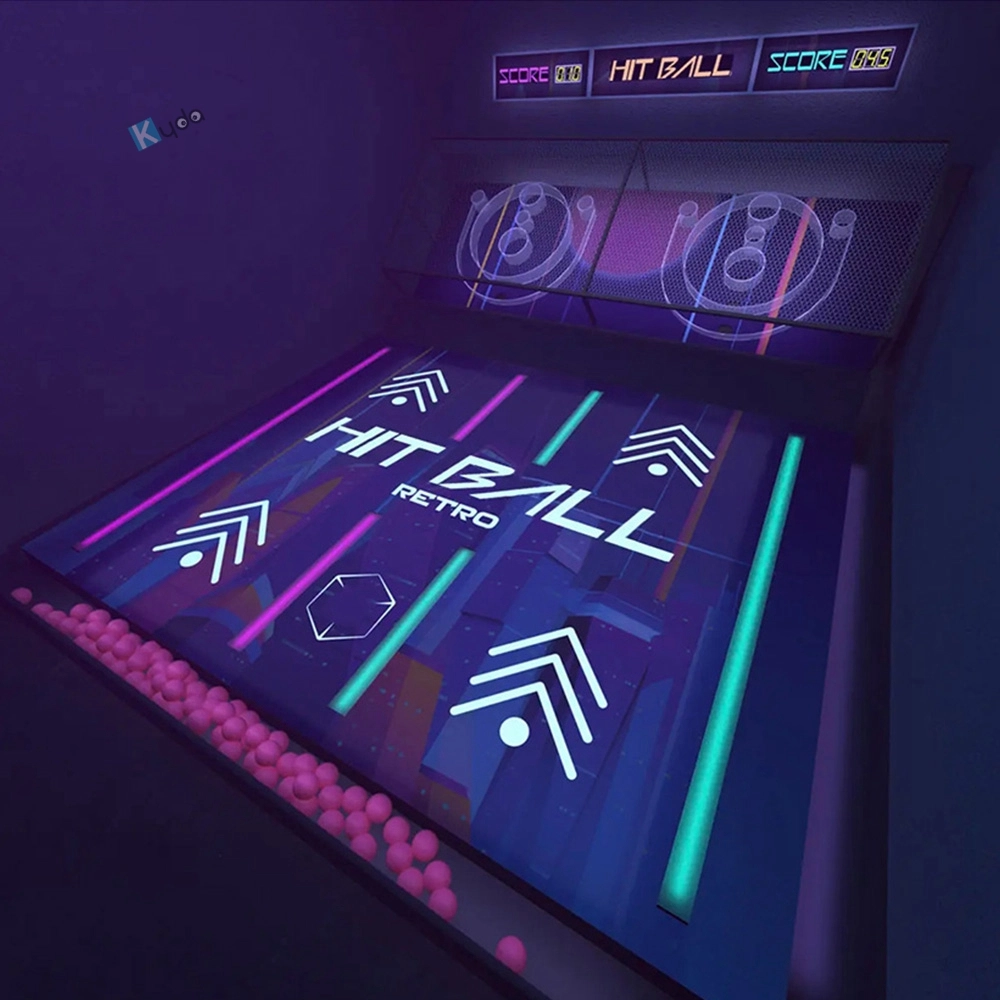
Hitball – High-Energy Interactive Rolling Ball Fitness & Sport Challenge Game
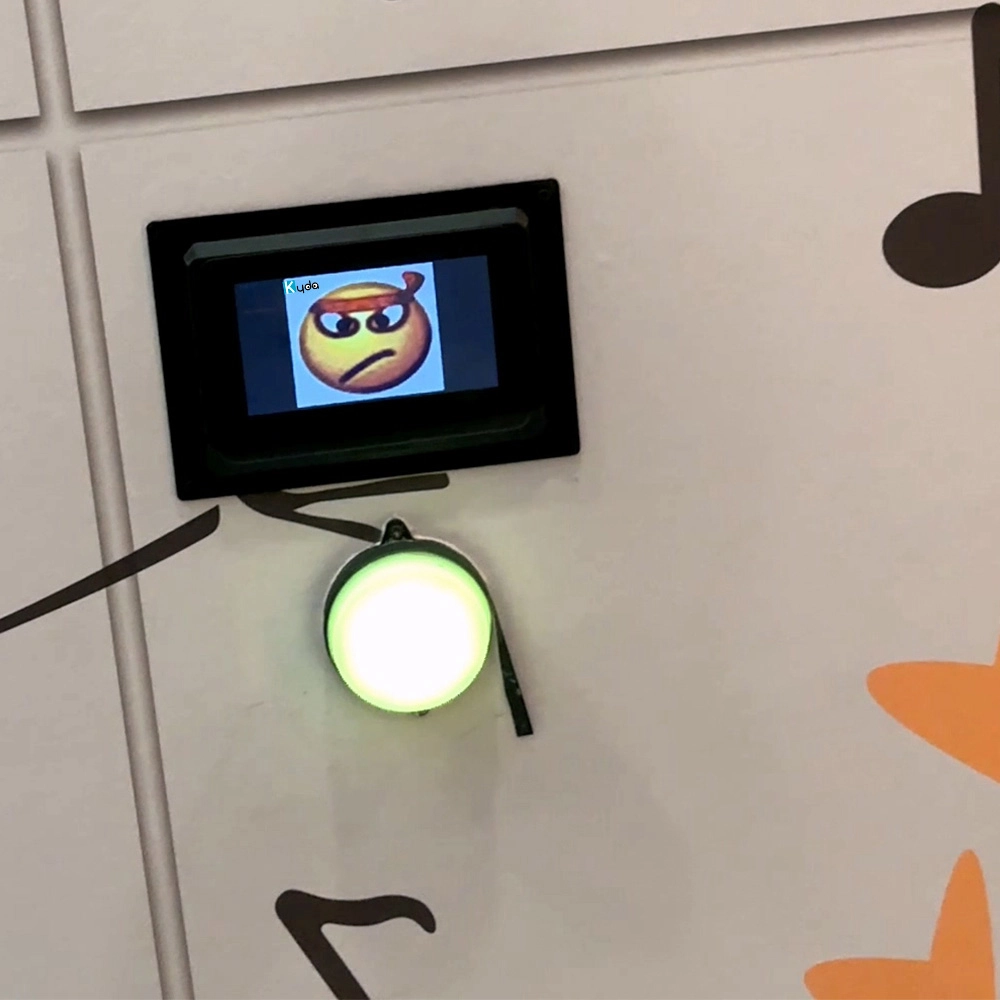
You Do, I Guess – Charades Brain Challenge Room Game
For Activate Gaming Floorislava Family Fun
How much size if we start the Megagrid floorislava?
One LED grid tile is 30*30cm, eg: room size 10*5m, which can match 32*16pcs,512pcs for total; Layout: customize the quantity and place it according to the actual venue.
What is the difference of Grid and Mega Grid?
Grid just interactive floor game, smaller room size can start; Mega Grid add 20pcs Digital screen with 20pcs wall buttons, also need suggest bigger room size, more activate interesting games than Grid;
For Company
How is warranty?
Hardware is two years warranty non-human factors, software for life time(The first year is for free, pay extra software service cost extra from the second year).
Can you customize the game software and hardware?
Yes, Kydaplay accept customize software with hardware.
For Led Floor for Dance Pixel Grid Room
What is the difference of Grid and Mega Grid, Pixel Grid?
Grid just interactive floor game, smaller room size can start, Add the wall LED tile call Pixel Grid;
Mega Grid add 20pcs Digital screen with 20pcs wall buttons , also need suggest bigger room size, more activate interesting games than Grid, add the wall LED tile call Pixel Grid;
Kyda accept personal customization as requirements; Grid, Mega Grid, Pixel Grid, Floorislava, Arena game, Active LED floor game, Interactive floor LED game etc that different name in different place.
You May Also Like
-
-
Send us Your Inquiry
-
Fill out the form and we will provide you with personalized product quotes and service recommendations based on your needs.
Our team will contact you as soon as possible to help you build the most suitable entertainment equipment!
Let's get in touch
Email: sales@kydavr.com
Tel.: +86 188 2001 8779
Address: 501 Shixin Road, Dalong Street, Guangzhou, Guangdong, China.
© 2025 Kyda. All Rights Reserved.
 Scan QR Code
Linkedin
Ins
Facebook
Twitter
YouTube