




Customizing Brand Experiences through Interactive Projection Software (2026 Guide)
- What Is Interactive Projection Software for Brand Experiences?
- Key Takeaways: The Power of Immersive Brand Activations
- How Motion Tracking and Projection Mapping Transform Physical Spaces
- Top Applications for Experiential Marketing in 2026
- Gamifying Brand Engagement: The Kyda Solution
- Hardware vs. Software: Building Your Technical Infrastructure
- Expert Tips and Common Mistakes in Projection Mapping
- Case Studies: High-Return Interactive Installations by Kyda
- Future Trends: AI, AR, and Responsive Digital Canvases
- Conclusion
- FAQs About Customizing Brand Experiences through Interactive Projection Software
- How does interactive projection software work?
- What is the best software for projection mapping?
- How can brands use projection mapping for events?
- What hardware is needed for interactive wall projections?
- How much does an interactive projection installation cost?
- Can interactive projection be used in retail spaces?
- What are the benefits of gamifying brand experiences?
- How do you integrate motion tracking with video mapping?
The landscape of experiential marketing technology has shifted dramatically in 2026. Passive displays no longer capture consumer attention; today's audiences demand to be part of the story. By Customizing Brand Experiences through Interactive Projection Software, forward-thinking companies are turning ordinary walls, floors, and objects into living digital ecosystems.
This transition from passive observation to active participation is redefining how we measure engagement, brand recall, and overall marketing ROI. In an era dominated by digital fatigue, physical, tactile activations have become incredibly valuable. When consumers can physically step into a brand's narrative, the emotional connection deepens, transforming them from passing spectators into active brand advocates.
What Is Interactive Projection Software for Brand Experiences?
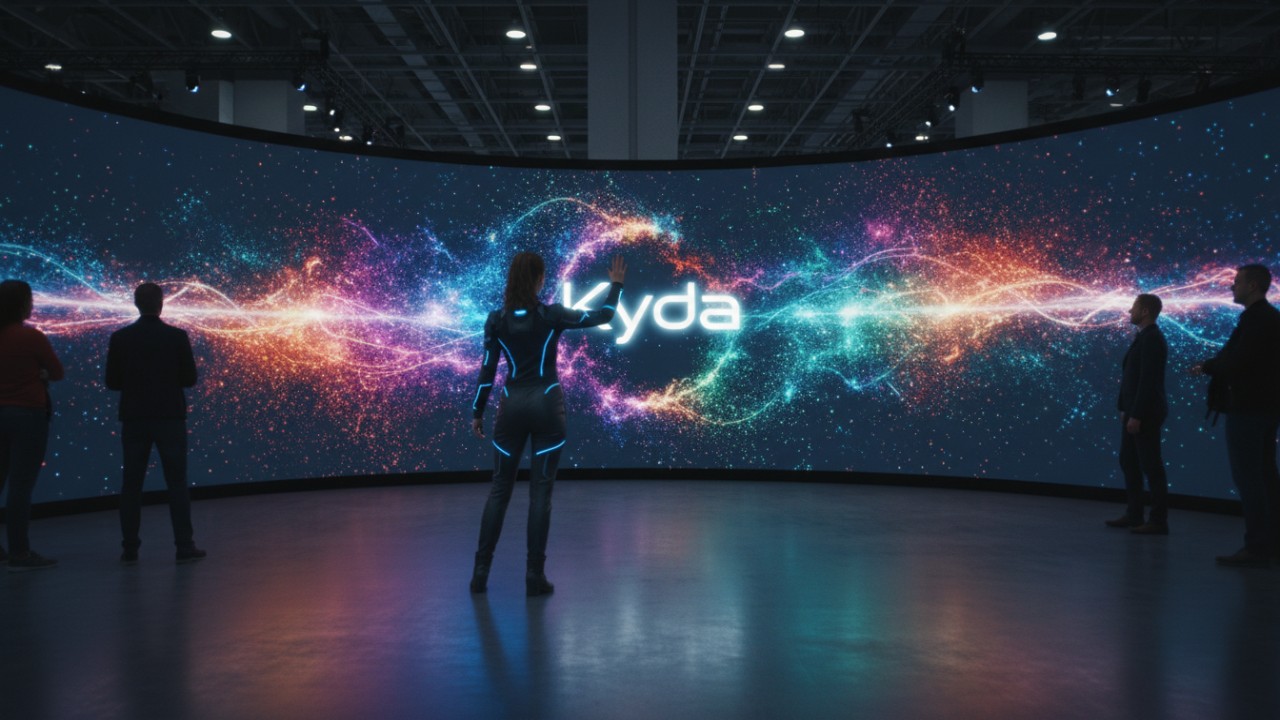
Interactive projection software is a specialized technology that turns physical retail and event spaces into highly responsive digital canvases by using advanced motion tracking, depth sensors, and computer vision to instantly detect and react to audience movement in real time.
By blending specialized software, high-lumen hardware, and experiential marketing technology, brands can create memorable, active activations. Instead of simply playing a looping video, this software actively listens to the environment. When a user steps into a designated zone, the software processes that spatial data and alters the visual output instantly. Modern computer vision algorithms have advanced significantly by 2026, allowing for markerless skeleton tracking that seamlessly integrates the user's physical presence into the digital projection without requiring them to wear any specialized gear.
Key Takeaways: The Power of Immersive Brand Activations
Immersive brand activations leverage gamification and high-end interactive software to significantly increase consumer engagement, driving higher return on investment, longer dwell times, and substantially more organic social media sharing than traditional, passive digital signage found in standard retail environments.
- Increased Dwell Time: Active participation keeps consumers engaged longer than passive observation. The psychological impact of gamification means that when people move their bodies to interact with a brand, muscle memory and cognitive retention increase dramatically.
- Higher ROI: Gamification through interactive software drives measurable returns and organic social sharing. According to industry data from Verified Market Research, the global projection mapping market is projected to reach $22.07 billion by 2032, proving the massive financial shift toward these technologies.
- Turnkey Solutions: Combining customized hardware and software ensures seamless deployment and high impact for any brand space, removing the friction often associated with complex technological installations.
How Motion Tracking and Projection Mapping Transform Physical Spaces
Motion tracking displays and projection mapping transform physical spaces by utilizing LIDAR, infrared depth cameras, and real-time visual servers to accurately map spatial environments, allowing stunning visual graphic design to seamlessly fuse with highly responsive sensory technology for magical consumer interactions.
This transformation relies heavily on advanced edge-blending techniques. Edge-blending allows multiple projectors to overlap their images without visible seams, creating a massive, unified digital environment. When paired with interactive projection mapping, the physical space becomes a playground. The critical component here is the real-time visual server, which acts as the brain of the operation, instantly translating the raw data captured by the infrared cameras into stunning, reactive visual outputs that sweep across the room.
Top Applications for Experiential Marketing in 2026
The top applications for experiential marketing in 2026 include highly reactive retail pop-up displays, large-scale responsive 3D projection art at corporate trade shows, and deeply interactive museum exhibitions designed specifically for immersive education and dynamic, unforgettable storytelling.
- Retail Pop-Ups: Window displays that react to shopper movements or physical product interactions create massive "stopping power." For example, an interactive floor projection can playfully guide a shopper directly to a newly launched product aisle.
- Trade Shows: Large-scale product launches utilizing responsive 3D projection art easily outshine competitors. In fact, a 2025 study highlighted by Coffee On Cue found that events incorporating strategic projection mapping report a 38% improvement in information retention rates among attendees.
- Museums & Exhibitions: Deeply immersive educational exhibits allow visitors to physically uncover historical facts by wiping away projected "dust" or stepping on interactive timelines, radically transforming how history and science are consumed.
Gamifying Brand Engagement: The Kyda Solution
Gamifying brand engagement requires customized hardware and software, which is exactly where Guangzhou kydavr tech. co., ltd. (Kyda) excels by providing one-stop active game room solutions and Activate gaming centers tailored to fulfill highly personalized corporate and commercial customization needs.
As a leader in the space, Kyda integrates cutting-edge Interactive Projection Games into corporate brand spaces. Our team consists of professionals specializing in electronic design, software programming, game design, and multimedia design. By leveraging our manufacturing advantages in Guangzhou, Zhongshan, Zhengzhou, and Beijing, we produce customized projects that meet any local need. Whether you require brain challenge games, active reaction challenges, or a fully customized branded escape room, Kyda turns your vision into a high-return reality. Our vision is to become the world's leading active game room manufacturer, and we achieve this by continuously evolving our technology to meet our customers' ever-changing needs.
Hardware vs. Software: Building Your Technical Infrastructure
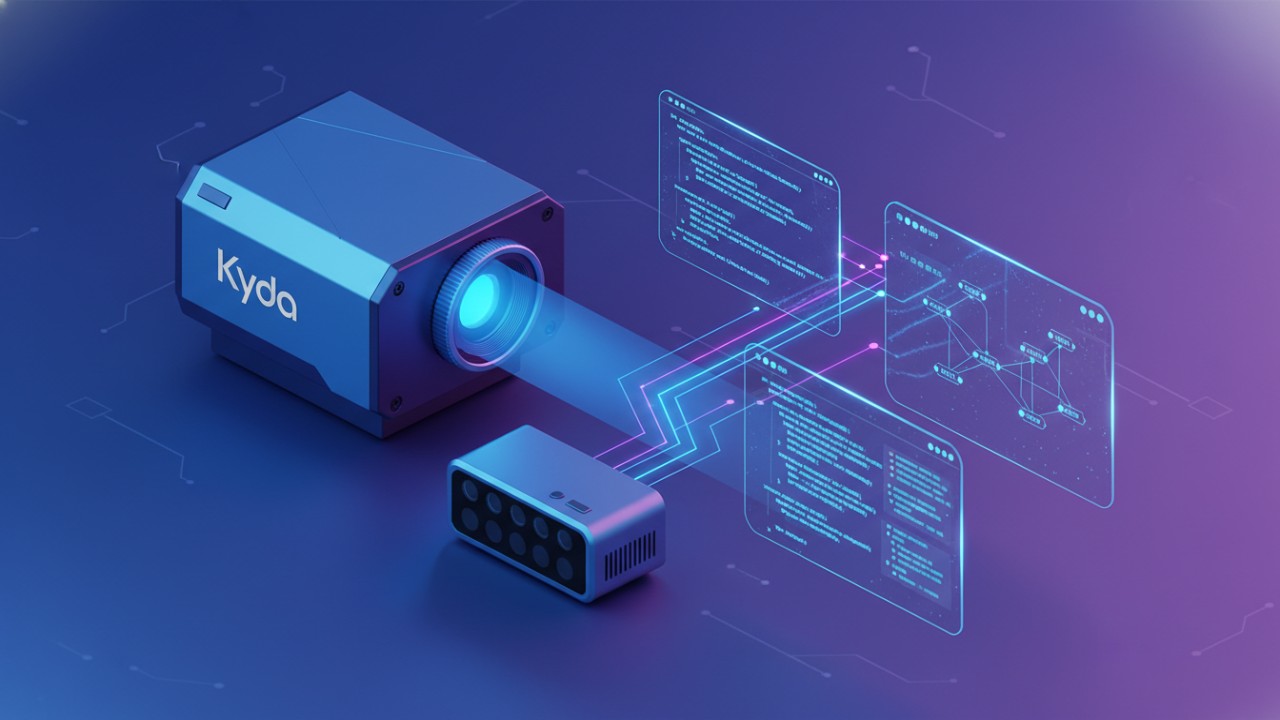
Building a robust technical infrastructure requires seamlessly integrating advanced interactive game engines like Unity or Unreal with real-time visual servers, ultra-low-latency commercial projectors, heavy-duty computing hardware, and precise tracking sensors to ensure flawless execution during high-traffic, live brand events.
Standard consumer PCs simply cannot handle the rigorous demands of multi-projector frame synchronization and real-time rendering. Professional-grade media servers are essential. Fortunately, Kyda’s massive manufacturing advantage includes long-term partnerships with sheet metal factories, 3D plastic printing factories, and LED light factories, ensuring that the physical build perfectly matches the software requirements.
| Component Category | Industry Standard Options | Primary Function in Brand Activations |
|---|---|---|
| Interactive Software | TouchDesigner, Resolume, HeavyM | Processes sensor data and generates real-time visual feedback. |
| Game Engines | Unity, Unreal Engine | Powers complex 3D physics, gamification, and logic for interactive games. |
| Tracking Sensors | LIDAR, RealSense, Kinect | Captures audience movement, depth, and gestures with ultra-low latency. |
| Projection Hardware | High-Lumen Laser Projectors | Delivers crisp, bright visuals even in high ambient light environments. |
| Physical Infrastructure | Custom Enclosures, Interactive LED floor systems | Houses the tech safely while providing tactile, physical engagement points. |
Expert Tips and Common Mistakes in Projection Mapping
The most common mistake in projection mapping is ignoring ambient lighting conditions and physical surface textures, while expert strategies prioritize low-latency tracking equipment to ensure the real-time responsiveness that is absolutely necessary for the interactive illusion to succeed.
- Common Mistake: Failing to account for environmental light in retail or event spaces can wash out the projection, ruining the immersion. High-lumen projectors are non-negotiable for daytime or brightly lit indoor activations.
- Expert Tip: Always prioritize low-latency tracking equipment. If the visual reaction lags behind the user's movement by even half a second, the illusion is broken. Furthermore, content must be high-contrast and designed specifically for the physical contours of the projection surface.
- Expert Tip: Connect every interactive installation to measurable KPIs. Ensure the visual spectacle directly supports core brand identity and tracks data like foot traffic, dwell time, and interaction rates to prove ROI.
Case Studies: High-Return Interactive Installations by Kyda
High-return interactive installations by Kyda showcase successful global deployments of interactive LED floor systems, dynamic LED walls, and laser interactive games, directly demonstrating low-cost, high-income amusement models that are perfectly ideal for modern commercial environments and corporate brand activations.
Through rapid prototyping and deep multimedia resources, Kyda creates environments where the hardware and software work in perfect synergy. Our active fitness games and horror escape games have transformed passive entertainment centers into highly profitable Activate gaming centers. By handling everything from electronic assembly to animation design, we provide a true one-stop solution. This end-to-end capability ensures that local brand needs are met swiftly, resulting in installations that captivate audiences and generate significant, ongoing revenue.
Future Trends: AI, AR, and Responsive Digital Canvases
Future trends in responsive digital canvases point toward the seamless integration of AI-driven real-time content generation, live social media data feeds, and headset-free AR interactive games that effortlessly blend the physical and digital worlds for hyper-personalized consumer journeys.
As we move deeper into 2026, hyper-personalized storytelling will become the norm. Systems will soon integrate spatial analytics and opt-in biometric data to change the projection environment based on the specific demographic, movement patterns, or even the mood of the audience standing in front of it. This means that an interactive wall might display a high-energy, fast-paced game for a group of teenagers, but instantly transition into a calm, informational brand story when an older couple approaches.
Conclusion
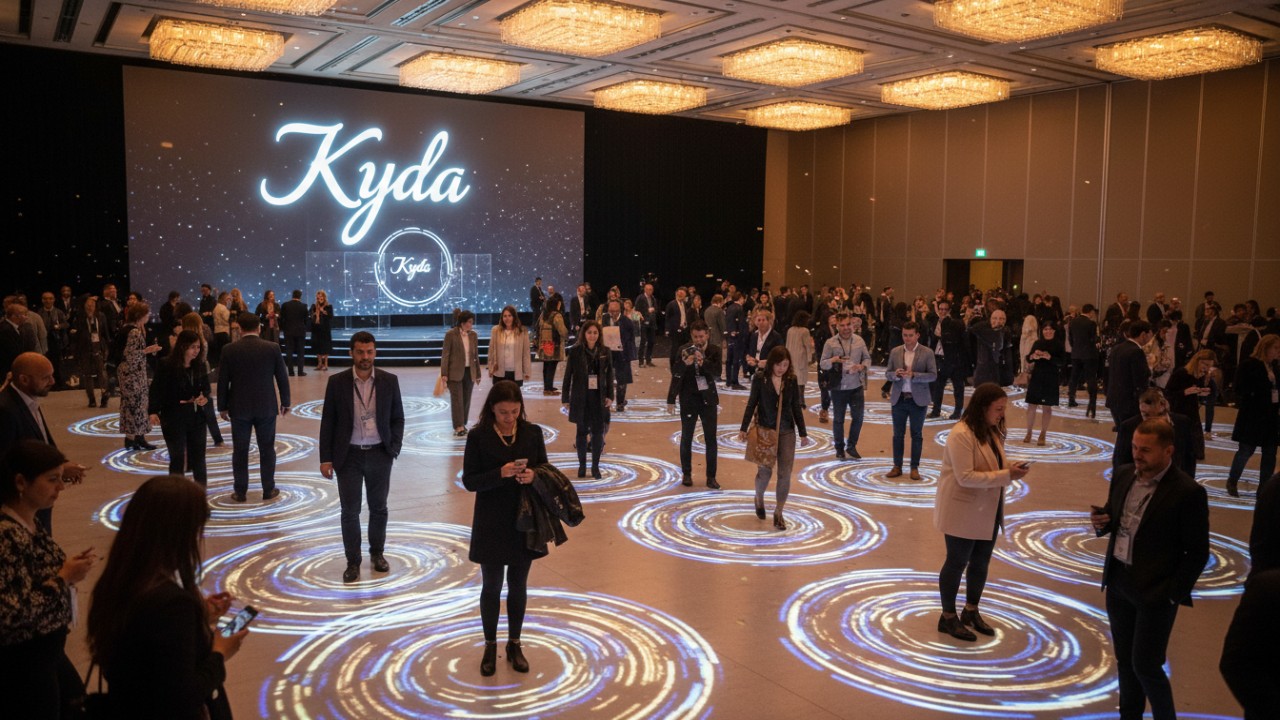
Interactive projection mapping and software remain the absolute most powerful tool for elevating modern brand storytelling and creating unforgettable experiential marketing campaigns that deeply resonate with consumers long after they have left the physical activation space. To truly succeed, brands must partner with comprehensive, end-to-end providers like Kyda, capable of handling both the intricate software programming and the heavy lifting of physical manufacturing. By investing in these immersive technologies, you ensure your audience doesn't just see your brand—they actively experience it.
Contact us today to start customizing brand experiences through interactive projection software and elevate your next marketing campaign.
FAQs About Customizing Brand Experiences through Interactive Projection Software
How does interactive projection software work?
It connects high-definition projectors with motion sensors and cameras to track the physical environment. The software processes this real-time spatial data to alter and manipulate video visuals based on audience movement.
What is the best software for projection mapping?
Industry standards for visual mapping include HeavyM, Resolume, TouchDesigner, and MadMapper. The best choice depends on whether the project requires simple 2D mapping, 3D object modeling, or complex interactive game mechanics.
How can brands use projection mapping for events?
Brands use it to create highly immersive product launches, reactive exhibition walls, and interactive staging. It successfully turns passive audiences into active participants, deepening brand loyalty and extending dwell time.
What hardware is needed for interactive wall projections?
Essential hardware includes high-lumen commercial projectors, depth cameras (like Kinect or RealSense), and a powerful media server PC. Custom architectural enclosures and sturdy mounts are also required for safe and precise installation.
How much does an interactive projection installation cost?
Costs vary significantly based on scale, ranging from simple turnkey software licenses to massive custom 3D architectural mapping projects. Partnering with comprehensive manufacturers like Kyda can drastically reduce overall hardware, software, and integration costs.
Can interactive projection be used in retail spaces?
Yes, it is highly effective for interactive storefront window displays, dynamic floor ads, and engaging fitting rooms. It acts as a massive 'stop power' tool, increasing foot traffic and encouraging shoppers to physically engage with the brand.
What are the benefits of gamifying brand experiences?
Gamification directly increases audience dwell time, improves brand knowledge retention, and provides a highly shareable, memorable experience. It successfully bridges the gap between digital content engagement and physical spatial design.
How do you integrate motion tracking with video mapping?
By using specialized middleware or software that links raw tracking data (via protocols like OpenCV or Blacktrax) to real-time graphics engines. This integration allows the projected content to dynamically follow, reveal, or react to moving objects or people in a designated zone.
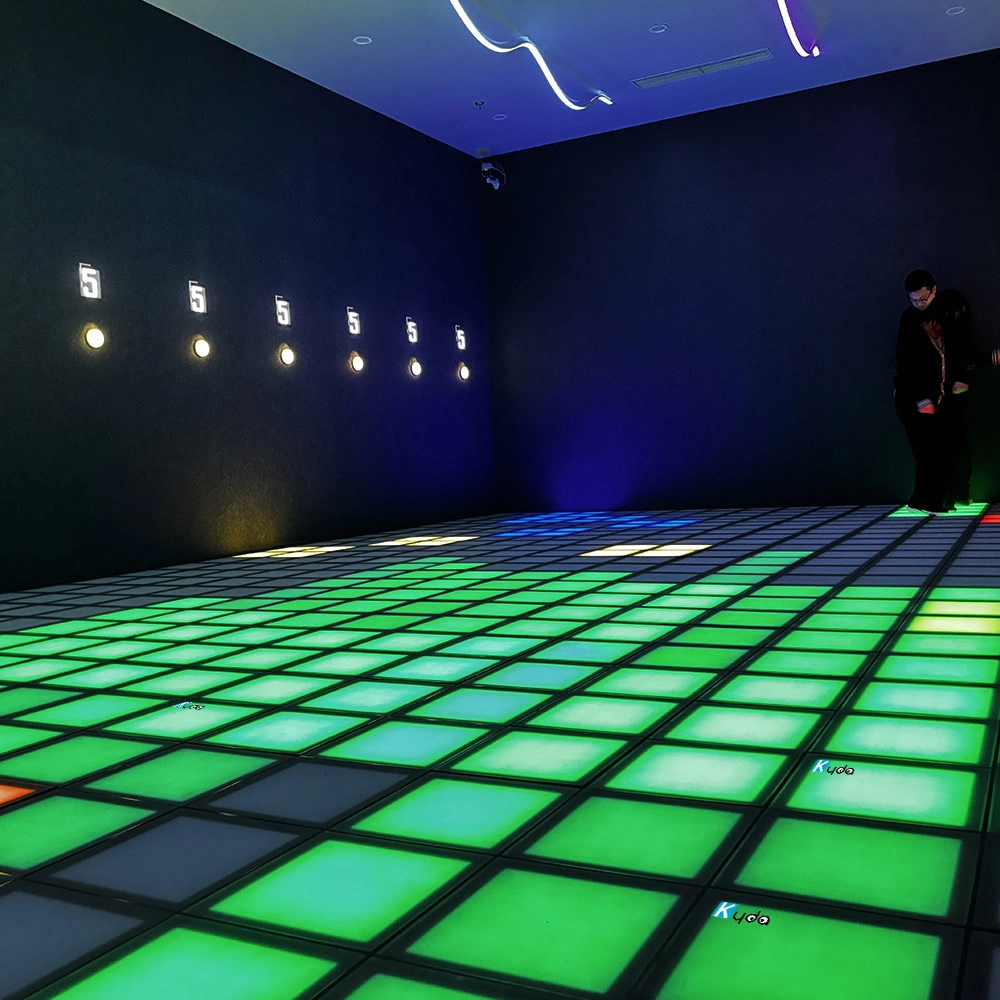
Interactive LED Floor lava Family Fun Indoor Sports Simulator Games Plastic Mega Grid
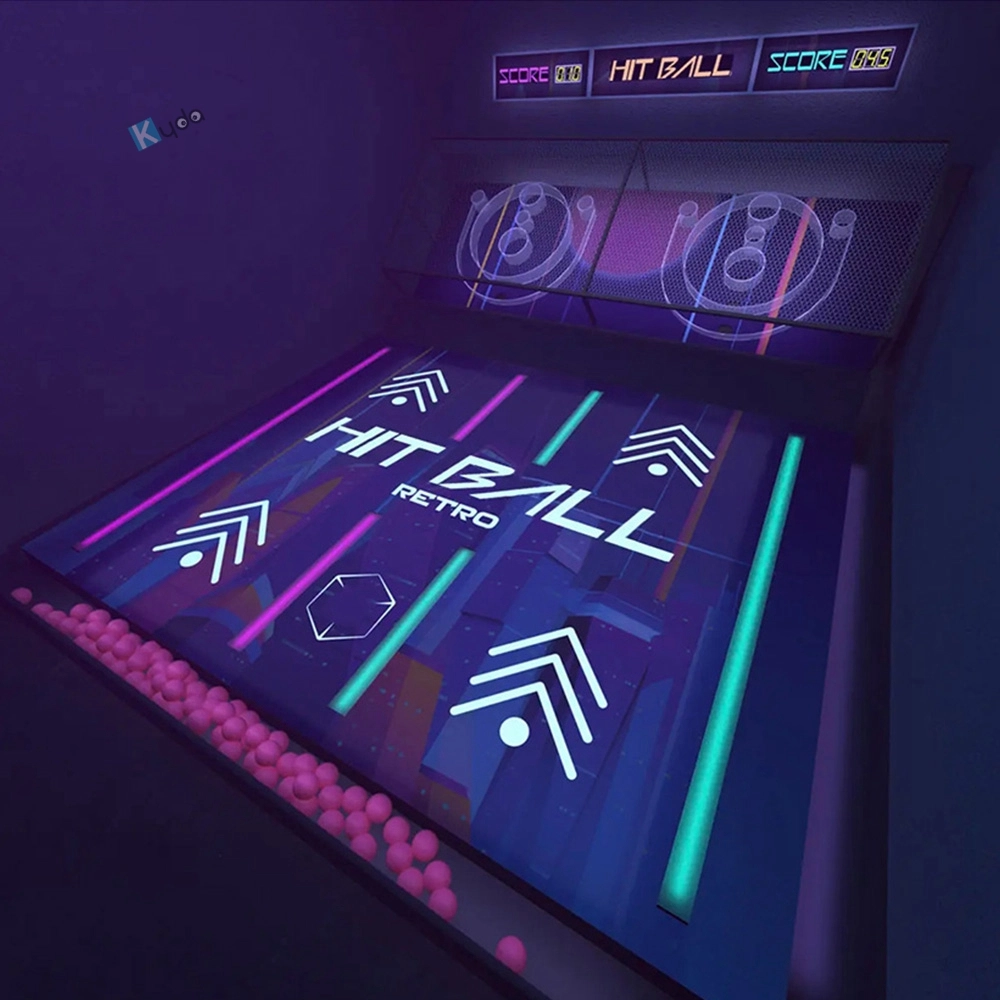
Hitball – High-Energy Interactive Rolling Ball Fitness & Sport Challenge Game
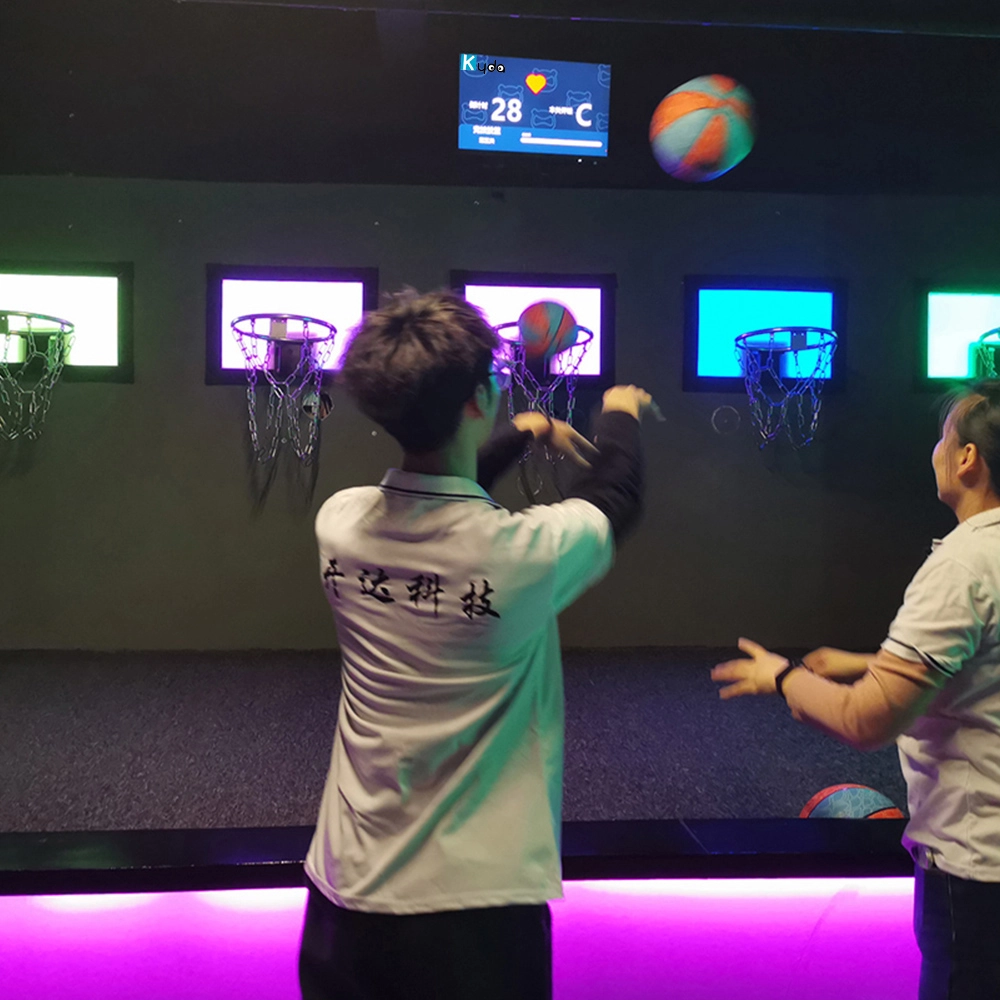
Hoops Active Game: The Ultimate Interactive Basketball Fitness Game
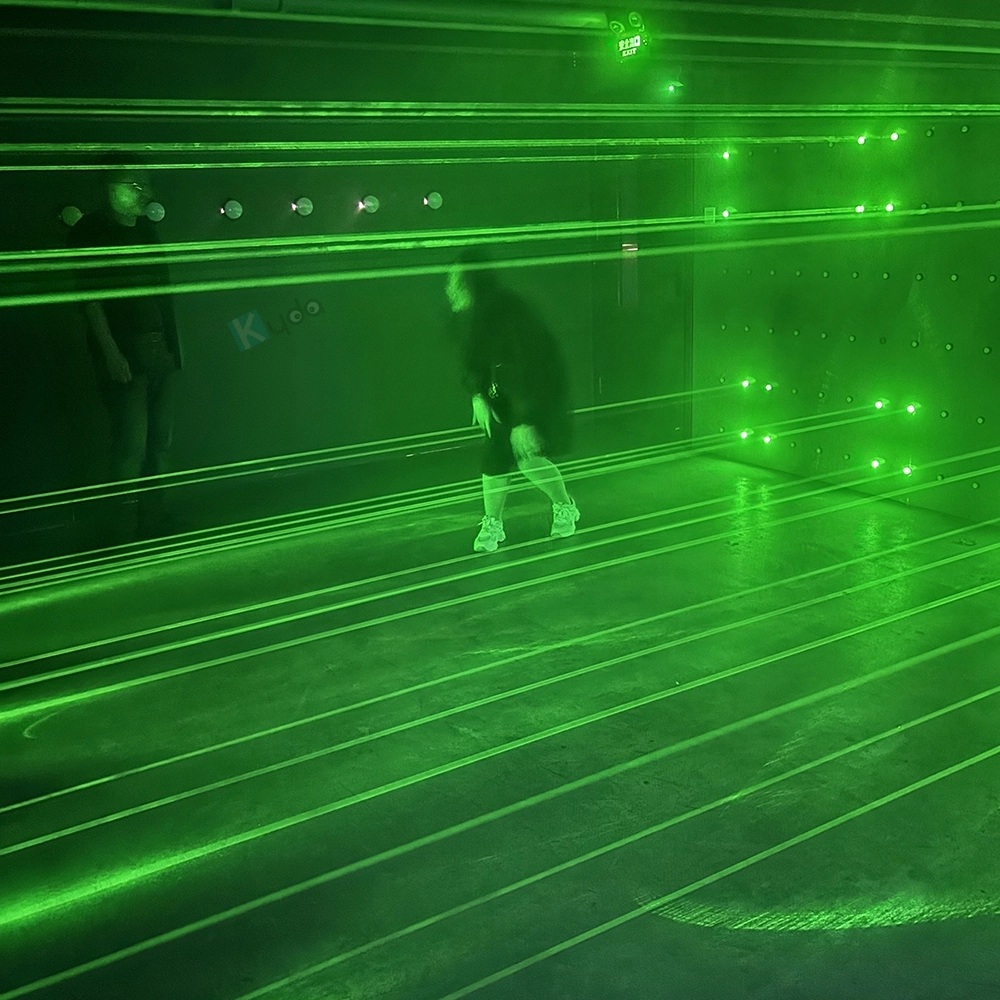
Kids & Adults Interactive Laser Game Arena – Indoor LED Light Challenge Equipment
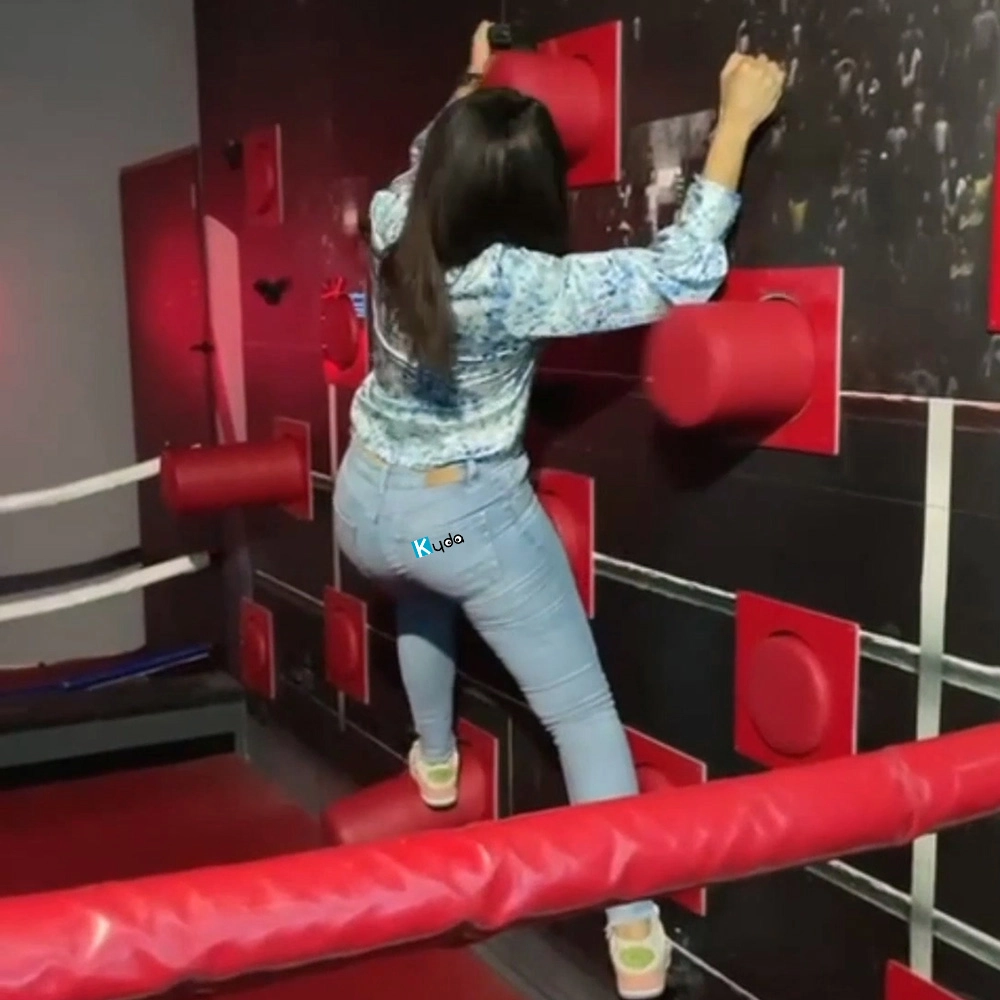
Knock Out – The Ultimate Reaction & Fitness Cube Challenge Game
For Led Floor for Dance Pixel Grid Room
What is the difference of Grid and Mega Grid, Pixel Grid?
Grid just interactive floor game, smaller room size can start, Add the wall LED tile call Pixel Grid;
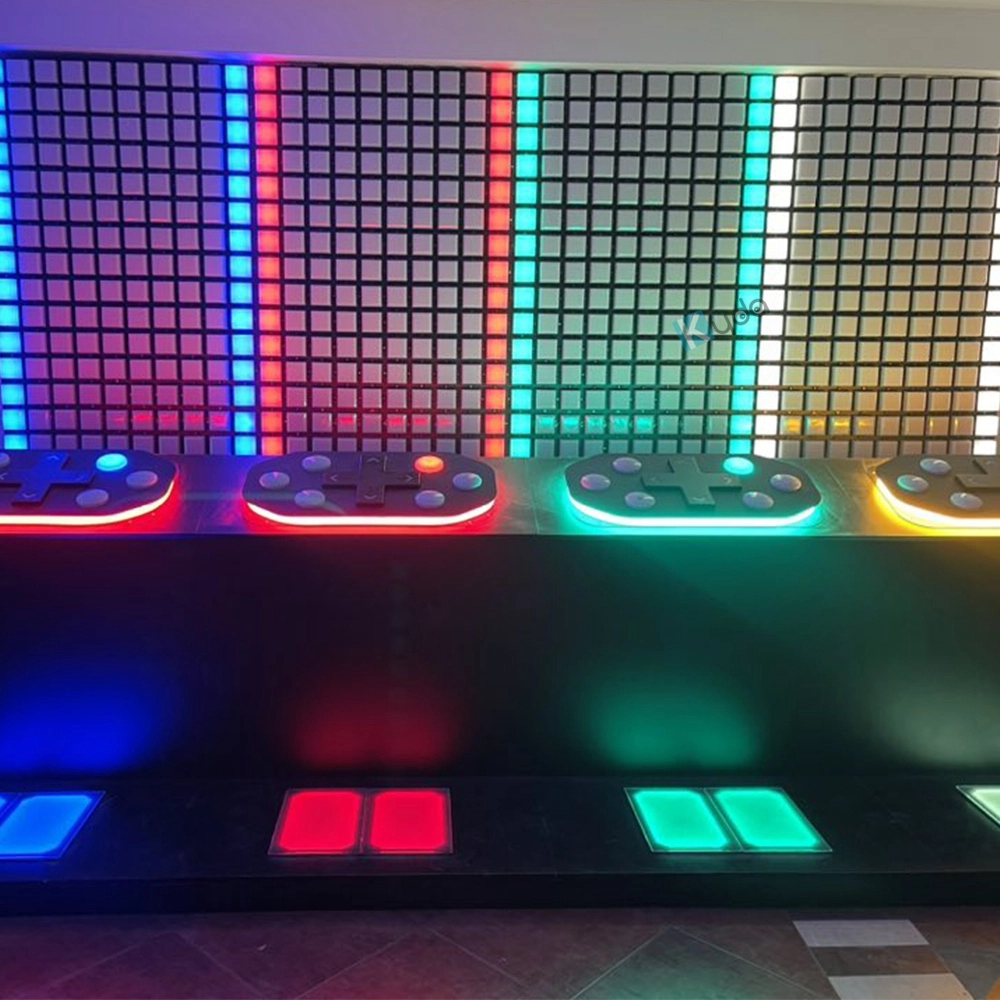
Mega Grid add 20pcs Digital screen with 20pcs wall buttons , also need suggest bigger room size, more activate interesting games than Grid, add the wall LED tile call Pixel Grid;
Kyda accept personal customization as requirements; Grid, Mega Grid, Pixel Grid, Floorislava, Arena game, Active LED floor game, Interactive floor LED game etc that different name in different place.
For Games Grid Floor is Lava
How to pack the LED tile grid?
3pcs/carton, 45cartons/panel.
For Company
How is warranty?
Hardware is two years warranty non-human factors, software for life time(The first year is for free, pay extra software service cost extra from the second year).
How many places(country or city) already installed? Where are they?
Above 100 places in the whole world market:
Already installed in Saudi Arabic, New Zealand, Indonesia ,Malaysia, Singapore, Australia, United Kingdom, Netherlands ,France, India, Poland, Greece, Hungary etc in the world market; Shenzhen, Beijing, Zhengzhou,Taiwan etc in the Chinese market.
For Activate Gaming Floorislava Family Fun
How to pack the LED tile grid?
3pcs/carton, 45cartons/panel.
You May Also Like
-
-
Send us Your Inquiry
-
Fill out the form and we will provide you with personalized product quotes and service recommendations based on your needs.
Our team will contact you as soon as possible to help you build the most suitable entertainment equipment!
Let's get in touch
Email: sales@kydavr.com
Tel.: +86 188 2001 8779
Address: 501 Shixin Road, Dalong Street, Guangzhou, Guangdong, China.
© 2025 Kyda. All Rights Reserved.
 Scan QR Code
Linkedin
Ins
Facebook
Twitter
YouTube