




Measuring Engagement: Analytics for Offline Activate Games
- Why Offline Engagement Measurement Matters for Activate Games
- Understanding the business need for measuring engagement in activate games
- Key Engagement Metrics for Activate Games
- Primary KPIs every center should track
- Technologies to Capture Offline Engagement
- Choosing tracking technology for activate games
- How to Design an Offline Engagement Analytics Framework
- Step-by-step roadmap to build reliable analytics
- Practical Metrics Calculation Examples
- Formulas and a sample calculation
- Using Mixed Data Sources: Example Dashboard
- Recommended metrics to display daily
- Privacy, Ethics, and Compliance for Offline Analytics
- How to measure responsibly
- Cost-Benefit: Choosing the Right Measurement Stack
- Comparative cost and ROI considerations
- Case Study: Small Activate Game Room Pilot
- How a 400 m² room improved conversion and throughput
- Kyda: One-Stop Provider for Active Game Rooms and Measurement-Ready Products
- How Kyda supports engagement analytics and deployable activate games
- Implementation Checklist Before You Launch Analytics
- Operational and technical pre-launch checklist
- Frequently Asked Questions (FAQ)
- 1. What is the easiest way to start measuring engagement for activate games?
- 2. How do you ensure customer privacy when using cameras?
- 3. Which metric correlates best with revenue?
- 4. Can engage metrics be compared across different venues?
- 5. What budget should I allocate for a basic analytics setup?
- 6. How long before I see meaningful results?
- 7. How can Kyda help integrate analytics into my project?
- References
Why Offline Engagement Measurement Matters for Activate Games
Understanding the business need for measuring engagement in activate games
Operators of activate games — including active interactive games, interactive projection games, interactive LED floor systems, and laser interactive games — face a common question: how do you know if players are truly engaged? For offline activations where web analytics don’t apply, engagement measurement becomes operational intelligence: it informs layout, staffing, pricing, marketing, and product R&D decisions. Good measurement answers questions such as dwell time, repeat play rate, throughput, conversion to paid plays, and the relationship between engagement and revenue per square meter.
Key Engagement Metrics for Activate Games
Primary KPIs every center should track
Below are the core metrics to monitor. Each metric is actionable — not just vanity numbers — and maps to business levers.
- Dwell time — average time a player spends at a game session (min). Longer dwell time can mean deeper engagement, but excessively long time may also indicate confusion.
- Throughput (players/hour) — number of distinct plays an attraction delivers per hour. Important for revenue forecasting and queue management.
- Conversion rate — percentage of walk-bys that become players (walk-by to play). Reflects attraction signage, visibility, and pricing.
- Repeat play rate — percent of players who play again within a session or return within a time window (daily/weekly). A key indicator of retention and satisfaction.
- Revenue per game / per m² — direct monetization KPI combining pricing and use frequency.
- NPS / Satisfaction — short surveys or in-game prompts to capture subjective enjoyment and likelihood to recommend.
- Error / intervention rate — frequency of technical issues needing staff help, which impacts experience quality and OPEX.
Technologies to Capture Offline Engagement
Choosing tracking technology for activate games
There is no one-size-fits-all technology. Choice depends on budget, privacy, accuracy, and the environment (indoor/outdoor, lighting, throughput). The table below compares common technologies for offline engagement measurement.
| Technology | What it measures | Accuracy | Cost | Privacy considerations | Best use cases |
|---|---|---|---|---|---|
| Computer vision / camera analytics (on-edge) | Dwell time, heatmaps, flow, group size | High (with good models) | Medium–High (camera + compute) | Requires anonymization; legal compliance needed | Open areas, queue analysis, heatmapping |
| RFID / BLE tag | Individual sessions, repeat visits, path tracking | High (individual-level) | Medium (tags + readers) | Explicit opt-in usually required | Membership programs, arcades with wearable tokens |
| Wearables / Smart controllers | Detailed interaction data, physiological signals (optional) | Very high | High (device cost + maintenance) | Requires consent; sensitive data handling | High Quality experiences, FECs, research studies |
| Manual observations / staff logs | Dwell estimates, qualitative feedback | Low–Medium | Low | Low | Small venues, pilot tests |
| Point-of-sale / token systems | Conversion, revenue per play | High (transactional) | Low–Medium | Low | Any monetized attraction |
Source: compilation based on product documentation and industry practice (see references).
How to Design an Offline Engagement Analytics Framework
Step-by-step roadmap to build reliable analytics
- Define business questions: e.g., Which game types drive the highest repeat play and margin? Clear questions determine which KPIs are essential.
- Select technologies: combine camera analytics for flow + POS data for conversion + lightweight sensors for accuracy.
- Instrumentation and integration: ensure timestamps are synchronized across systems (NTP), use unique session IDs where possible, and feed into a central analytics store.
- Privacy and compliance: publish signage, anonymize camera streams at edge, and obtain opt-in for wearables or loyalty tracking.
- Validation: run parallel measurements (e.g., manual counts vs camera) for 2–4 weeks to calibrate algorithms.
- Dashboard and alerts: visualize KPIs with thresholds and anomaly detection (e.g., sudden drop in throughput). Use dashboards for operations and leadership.
- Iterate: use A/B tests for layout or pricing changes and measure delta in conversion and revenue per play.
Practical Metrics Calculation Examples
Formulas and a sample calculation
Operators need explicit formulas. Below are common metrics with example calculations based on a hypothetical weekend dataset.
- Average Dwell Time = Total time spent by all players (minutes) / Number of plays
Example: 900 minutes total / 120 plays = 7.5 minutes per play. - Throughput (per hour) = Number of plays during operating hours / operating hours
Example: 120 plays / 6 hours = 20 plays/hour. - Conversion Rate = (Number of plays / Number of visitors past attraction) × 100
Example: 120 plays / 800 pass-bys = 15% conversion. - Repeat Play Rate (session) = (Number of players with >1 play in same visit / total players) × 100
Example: 30 players had >1 play / 120 total = 25% repeat rate.
Using Mixed Data Sources: Example Dashboard
Recommended metrics to display daily
An effective dashboard blends near-real-time operational metrics with slower, strategic signals:
- Live queue length and throughput
- Daily plays and revenue per game
- Average dwell time and median session length
- Repeat play rate (24h, 7d)
- Satisfaction score (in-game prompt)
- Technical incident rate
Privacy, Ethics, and Compliance for Offline Analytics
How to measure responsibly
Privacy is central when deploying cameras, RFID, or wearables. Best practices:
- Prefer edge processing that extracts non-identifying events (person-count, bounding boxes) and discards raw images.
- Use clear signage and easy opt-out options for any tracking beyond anonymous counts.
- Store any personal data encrypted, with documented retention policies consistent with local law (e.g., GDPR-style rules where applicable).
- Implement data governance: who can access dashboards, for what purpose, and for how long.
Cost-Benefit: Choosing the Right Measurement Stack
Comparative cost and ROI considerations
Choice of measurement tech should be evaluated by expected uplift (conversion, repeat plays, revenue per player) versus capital and operational expense. The simple decision rule is: expected additional revenue × margin > incremental cost (CapEx + annual OpEx) within a target payback period (12–24 months for many operators).
| Stack | Typical annual cost | Primary benefit | Expected payback |
|---|---|---|---|
| Camera analytics (2–4 cameras) + dashboard | $8k–$30k | Flow optimization, dwell insights | 6–18 months |
| RFID/BLE loyalty system | $15k–$50k | Repeat play tracking, personalized offers | 12–24 months |
| Wearables + analytics | $30k+ | High-fidelity engagement data, High Quality pricing | 18–36 months |
These are indicative ranges; local labor and hardware prices affect totals. Always pilot before full rollout.
Case Study: Small Activate Game Room Pilot
How a 400 m² room improved conversion and throughput
Situation: a mid-sized activate games room reported high footfall but low conversion. Approach: install two ceiling cameras with on-edge anonymized people counting + POS integration. Results after 6 weeks:
- Conversion improved from 12% to 18% after changing entry signage and staff positioning (measured by camera + POS correlation).
- Average throughput increased from 18 plays/hour to 24 plays/hour after adding a second play station at peak times.
- Data-driven staff scheduling reduced wait times during peaks by 35%.
Key lesson: modest analytics investments + operational changes can produce measurable revenue and satisfaction lifts quickly.
Kyda: One-Stop Provider for Active Game Rooms and Measurement-Ready Products
How Kyda supports engagement analytics and deployable activate games
Kyda is a one-stop solution provider of active game rooms and Activate gaming centers dedicated to custom research, development, production, and sales of interactive and educational recreational products, as well as indoor and outdoor amusement equipment and low-cost, high-income, high-return equipment. Kyda's main products include active interactive games, interactive LED floor systems, active reaction games, brain challenge games, horror escape games, active fitness games, and interactive projection games, as well as various thrilling indoor and outdoor amusement equipment.
Kyda's multidisciplinary team includes electronics designers, software programmers, game and animation designers, product and multimedia designers, and interior designers. Leveraging manufacturing advantages in Guangzhou, Zhongshan, Zhengzhou, and Beijing, Kyda maintains long-term partnerships with LED light factories, advertising production factories, sheet metal shops, paint factories, electronic assembly plants, 3D printing services, and multimedia resource companies. That supply chain allows Kyda to produce customized projects or products to meet local needs — from interactive floor mapping and projection calibration to integrating sensors for engagement analytics.
Kyda’s competitive strengths and differentiators:
- Product breadth: interactive projection games, activate interactive games, interactive LED floor, interactive LED wall, laser interactive game solutions across indoor/outdoor settings.
- Customization at scale: foothold in multiple manufacturing hubs enables price-competitive customization and rapid prototyping.
- End-to-end integration: hardware + software + venue design so analytics instrumentation can be embedded from the start, reducing retrofit costs and measurement error.
- Technical capability: in-house electronic and software teams capable of edge processing, sensor fusion, and delivering anonymized analytics pipelines.
- Industry credibility: long-term production partnerships and experience with varied venues (arcades, malls, family entertainment centers, schools) ensure real-world operability.
If you plan to deploy activate games and want a partner who can deliver both the attraction and reliable offline engagement measurement, Kyda provides both the entertainment product and the implementation expertise to integrate tracking systems responsibly.
Implementation Checklist Before You Launch Analytics
Operational and technical pre-launch checklist
- Define KPI owners and reporting cadence
- Run a privacy impact assessment and prepare signage/consents
- Set up synchronized time across devices (NTP)
- Calibrate sensors with manual counts for 2 weeks
- Create a dashboard with baseline and target values
- Train staff to interpret metrics and act quickly on alerts
Frequently Asked Questions (FAQ)
1. What is the easiest way to start measuring engagement for activate games?
Start with POS and staff logs to capture plays and revenue, then add one or two cameras for anonymous people counting and dwell time. This staged approach minimizes cost while delivering immediate insight.
2. How do you ensure customer privacy when using cameras?
Use edge processing to extract non-identifying metadata (counts, bounding boxes) and discard or encrypt raw video. Post clear signage and provide opt-out mechanisms for wearable-based tracking.
3. Which metric correlates best with revenue?
Revenue per play and conversion rate are directly tied to revenue. However, repeat play rate is the strongest predictor of lifetime value in most entertainment settings.
4. Can engage metrics be compared across different venues?
Use normalized metrics (e.g., plays per m², plays per operating hour) for cross-venue comparison. Adjust for demographic and location differences.
5. What budget should I allocate for a basic analytics setup?
A modest camera + dashboard setup can cost $8k–$30k annually depending on scale. RFID or wearable systems are higher. Pilot first to validate ROI before wider deployment.
6. How long before I see meaningful results?
Operational improvements can be observed within 2–6 weeks after instrumentation and calibration. Strategic outcomes (repeat visitation increases) typically take 3–6 months.
7. How can Kyda help integrate analytics into my project?
Kyda offers turnkey product delivery and can embed sensors and analytics-ready hardware during manufacture, reducing retrofit costs and enabling better, privacy-conscious data collection from day one.
Contact Kyda to discuss custom solutions, pilot projects, or to view product demos of interactive projection games, activate interactive games, interactive LED floor and wall systems, and laser interactive games. For consultations and product inquiries, reach out via the Kyda contact channels on their website or request a custom quote to start a pilot that fits your venue.
References
- Google Analytics Measurement Protocol — developers.google.com/analytics (Accessed 2025-12-15): https://developers.google.com/analytics/devguides/collection/protocol/
- IAAPA — International Association of Amusement Parks and Attractions (industry trends and reports). Accessed 2025-12-15: https://www.iaapa.org
- Statista — Video arcade industry overview (topic page). Accessed 2025-12-15: https://www.statista.com/topics/1133/video-arcade-industry/
- OpenCV — computer vision library (useful for on-edge analytics). Accessed 2025-12-15: https://opencv.org/
- Wikipedia — Arcade game (background on offline game venues). Accessed 2025-12-15: https://en.wikipedia.org/wiki/Arcade_game
- NVIDIA Jetson (edge compute platform for on-device inference). Accessed 2025-12-15: https://developer.nvidia.com/embedded/jetson-platform
All figures and cost estimates in this article are indicative and should be validated with quotes from vendors and a short pilot in your local market.
Top 10 Active Reaction Games for Training Faster Reflexes
How to Choose the horror escape games manufacturer and supplier ?
Activate games ideas for brand activations and pop-up events
Top Trends in Interactive Wall Projection Games for 2025 Venues
For Led Floor for Dance Pixel Grid Room
How much size if we start the Megagrid floorislava?
One LED grid tile is 30*30cm, eg: room size 10*5m, which can match 32*16pcs,512pcs for total; Layout: customize the quantity and place it according to the actual venue.
For Company
Can you make CAD design for buyer’s space room?
Yes, we can make CAD design as exact space room size.
Can you make decoration design for buyer’s place?
We also can assist to make decoration that is for extra.
Do you support different language of the game and management system?
Standard version is English and Chinese, accept customization different language.
For Games Grid Floor is Lava
How much size if we start the grid floor is lava?
One LED grid tile is 30*30cm,
Eg: room size 5*5m, which can match 16*16pcs,256pcs for total,
Layout: customize the quantity and place it according to the actual venue.
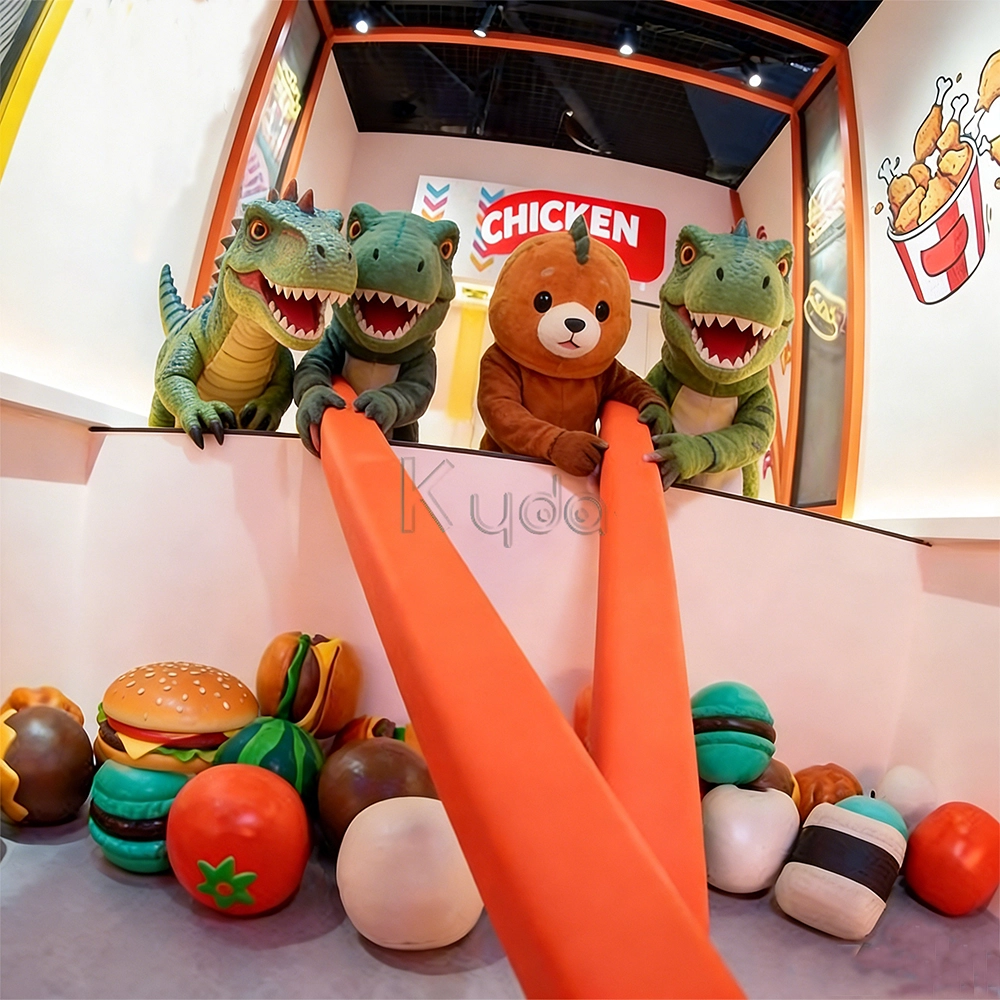
Crub Crab Giant Chopsticks Challenge Game Interactive Skill Challenge Game for Activate Game Rooms by Kyda
Crub Crab Giant Chopsticks Challenge Game is an innovative interactive challenge attraction designed for indoor entertainment centers, arcade game venues, and activate-style interactive game rooms. In this unique skill-based game, players control a pair of oversized giant chopsticks to pick up scattered snacks, toys, or prize items and place them into a collection basket within a limited time. The gameplay combines hand-eye coordination, precision control, balance, and quick reaction, creating a fun and competitive experience suitable for players of all ages.
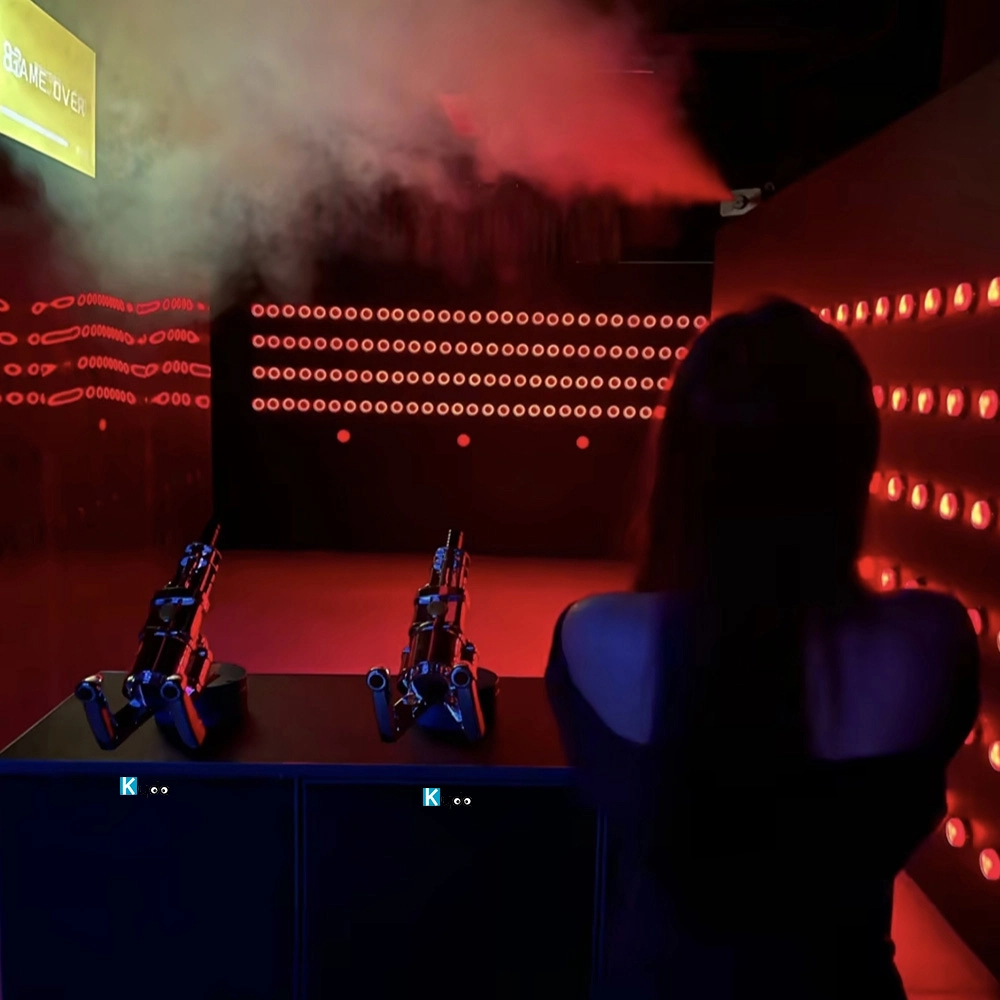
Active Reaction Laser Shooting Game Room
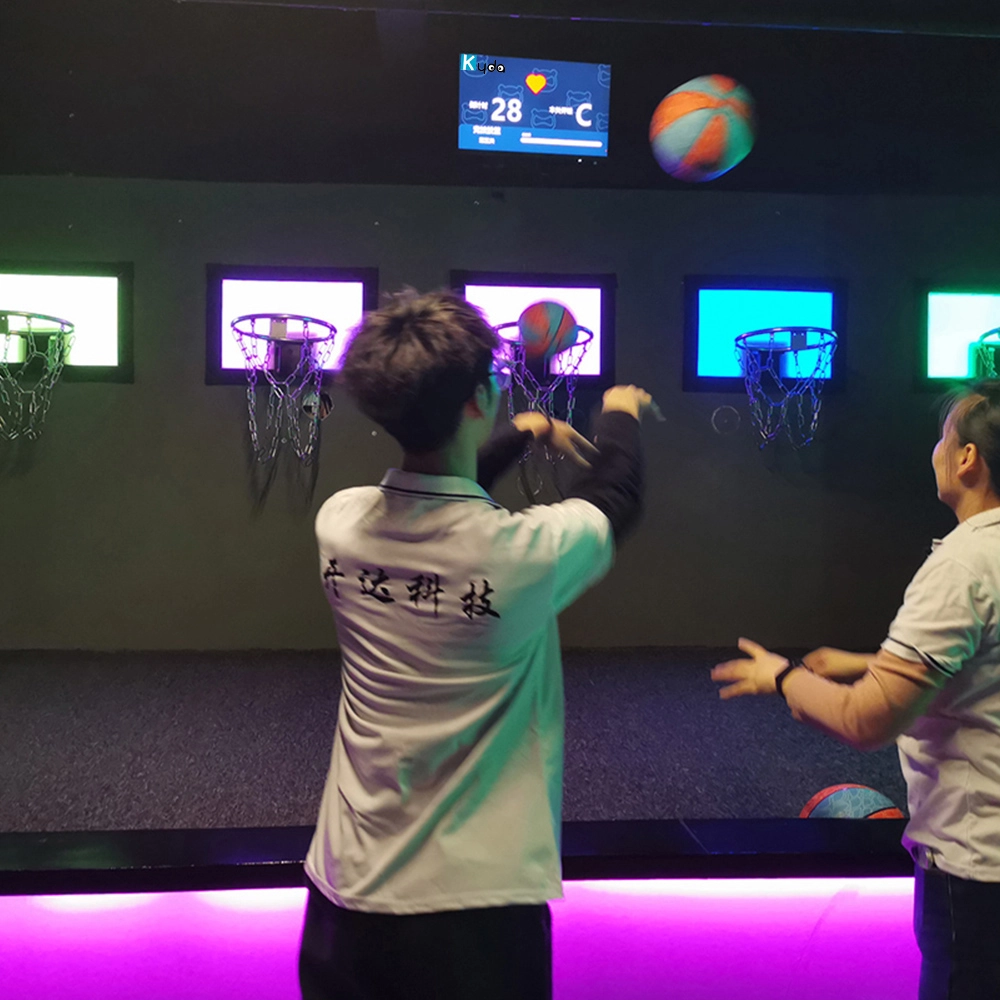
Hoops Active Game: The Ultimate Interactive Basketball Fitness Game
Elevate your basketball skills with Kyda’s Hoops Activate Game, the interactive basketball game. Perfect for basketball game rooms, Activate Hoops offers immersive fitness fun. Experience the Activate Basketball Game that combines sport and technology for active play.
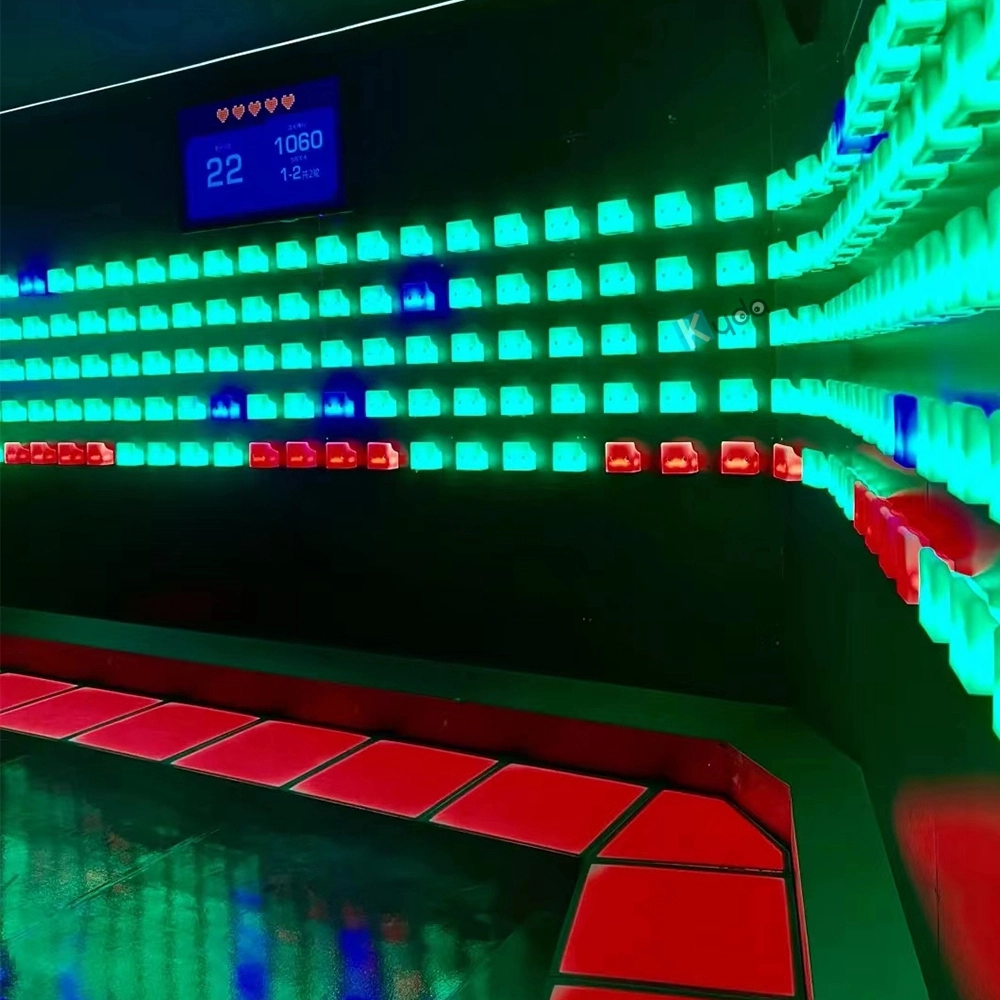
Activate Fitness Climb Game – The Ultimate Interactive LED Climbing Wall Experience
Experience the Activate Fitness Climb Game by Kyda—the interactive LED wall game. This Activate Climb Game combines fitness and fun with dynamic LED challenges, perfect for all ages. Boost agility and engagement with Kyda’s innovative interactive LED wall game today!
Let's get in touch
Email: sales@kydavr.com
Tel.: +86 188 2001 8779
Address: 501 Shixin Road, Dalong Street, Guangzhou, Guangdong, China.
© 2025 Kyda. All Rights Reserved.
 Scan QR Code
Linkedin
Ins
Facebook
Twitter
YouTube