




Activate games ideas for brand activations and pop-up events
- Why activate games are the go-to tactic for modern brand activations
- What readers searching for activate games want
- Top activate games formats and practical use cases
- 1. Interactive LED floor games (activate interactive games)
- 2. Interactive projection games
- 3. Active reaction and arcade challenge games
- 4. Laser interactive games and safe laser tag variants
- 5. Brain challenge and puzzle-based activate games
- 6. Active fitness and motion games
- Comparing activate games: cost, footprint, and impact
- How to choose the right activate games for Kyda activation
- Match the game to your primary KPI
- Checklist: site, audience, and logistics
- Design tips: brand fit, gamification, and measurable outcomes
- Brand fit and narrative
- Gamification elements that increase conversion
- Measurement and KPIs
- Operational considerations: staffing, safety, and data capture
- Templates and activation blueprints by brand objective
- Awareness-first activation (24–72 hours pop-up)
- Lead-gen and sampling activation (multi-day festival)
- Product demo and deep engagement activation
- Vendor selection: what to ask your activate games supplier
- Kyda — turnkey partner for activate interactive games and centers
- FAQ — Common questions about activate games for brand activations
- 1. What are activate games and how do they differ from standard activations?
- 2. How much space and power do interactive LED floors require?
- 3. Can activate games capture leads and integrate with our CRM?
- 4. What is a realistic metric for success for a weekend pop-up using activate games?
- 5. How do we choose between projection, LED floors, and laser interactive games?
- 6. What safety and accessibility considerations should we plan for?
- Get started: contact Kyda for custom activate games and turnkey activations
- References and further reading
Why activate games are the go-to tactic for modern brand activations
Activate games are experiential game formats designed to attract attention, encourage participation, and create memorable brand moments at activations and pop-up events. Brands use activate games to increase dwell time, generate opt-in data, and amplify social reach in a way that static displays rarely achieve. For marketers searching for activate games ideas, this article provides a practical playbook: specific game concepts, selection criteria tied to , operational checklists, measurement KPIs, and supplier guidance for turnkey delivery.
What readers searching for activate games want
is generally tactical and commercial: event planners and brand teams want repeatable, measurable concepts that fit budgets and spaces, plus clear steps for execution. This article addresses that need by offering tested game ideas, comparing formats by cost and impact, and laying out how to measure success for brand activations and pop-up events.
Top activate games formats and practical use cases
Below are high-impact activate games formats that perform well in brand activations and pop-up activations. Each entry includes the commercial benefits and typical brand objectives they serve.
1. Interactive LED floor games (activate interactive games)
Concept: Motion-sensitive LED floor panels that react when participants step, jump, or dance. Use branded visuals, product imagery, and call-to-action prompts to guide play and capture moments for social sharing.
Best for: High footfall environments, product launches, beverage and fashion brands that want shareable content. : deploy interactive LED floor to drive social amplification and time-on-stand.
2. Interactive projection games
Concept: Overhead or floor projection with motion tracking (camera or infrared) creating immersive worlds — e.g., virtual bubbles, puzzle surfaces, or branded story interactions. These require minimal physical footprint and can be themed quickly.
Best for: Pop-ups with limited build budgets, experiential windows, family-focused activations. : interactive projection games for brand storytelling and lightweight localization.
3. Active reaction and arcade challenge games
Concept: Fast-reaction button or touch games where players compete for high scores. Often used for timed leaderboards and prize mechanics to drive repeat plays and data capture.
Best for: Competitive activations, automotive shows, tech demos. : activate games with leaderboard and prize funnel to convert engagement into leads.
4. Laser interactive games and safe laser tag variants
Concept: Laser interaction systems for team play, branded missions, or target challenges. Modern laser systems can be compact and can be themed to brand narratives (e.g., mission-based trials that highlight product features).
Best for: Youth-oriented activations, malls, evening events. : high-intensity engagement that strengthens brand associations with excitement.
5. Brain challenge and puzzle-based activate games
Concept: Cognitive challenges, cooperative puzzles, and AR scavenger hunts that require problem solving. These build deeper brand affinity through meaningful interaction rather than pure spectacle.
Best for: Education, finance, B2B tech brands emphasizing intellect or product complexity. : interactive educational or brand trust-building experiences.
6. Active fitness and motion games
Concept: Physical activity challenges — short fitness tests, VR cycling, or motion-capture dance-offs — that tie brand messaging to health, energy, or performance benefits.
Best for: Sports, nutrition, and wearable-tech brands. : demonstrate product benefits through embodied trials and UGC (user generated content).
Comparing activate games: cost, footprint, and impact
Below is a practical comparison table to guide selection. Numbers are industry-informed ranges based on project histories and supplier quotes (estimates vary by region and customization level).
| Game Type | Typical Footprint | Estimated Cost Range (USD) | Average Engagement Time | Best For |
|---|---|---|---|---|
| Interactive LED floor | 10–30 m² | $8,000–$40,000 | 60–180 sec | High-visibility pop-ups, social sharing |
| Interactive projection | 5–25 m² | $3,000–$20,000 | 45–120 sec | Window activations, flexible themes |
| Reaction / leaderboard games | 4–10 m² | $2,000–$15,000 | 30–120 sec | Data capture, repeat plays |
| Laser interactive | 15–50 m² | $12,000–$60,000 | 120–300 sec | Group play, youth targeting |
| Brain challenge / AR hunts | Variable (site-wide) | $1,500–$25,000 | 3–15 min | Brand storytelling, educational goals |
Note: Cost ranges include hardware, base software, and basic branding. Custom content, extensive localization, or complex integrations (CRM, mobile apps) will increase budgets. These figures are estimates informed by industry project data and supplier pricing patterns.
How to choose the right activate games for Kyda activation
Match the game to your primary KPI
Decide whether the activation’s priority is awareness (reach, impressions), consideration (dwell time, product trials), lead generation (data capture, opt-ins), or conversion (on-site sales). For example, interactive LED floors excel at awareness and social reach, while reaction/leaderboard games are better for lead capture and repeat engagement.
Checklist: site, audience, and logistics
- Space and power constraints — measure ceiling height and power availability.
- Audience profile — families, teens, professionals, or passersby will influence content tone and prize strategy.
- Foot traffic patterns — place high-impact games in pinch points to maximize visibility.
- Local regulations and safety standards — confirm insurance and compliance for interactive equipment.
- Accessibility — ensure experiences are inclusive and have alternative interactions for different ability levels.
Design tips: brand fit, gamification, and measurable outcomes
Brand fit and narrative
Design game visuals and rewards to reflect brand voice and product benefits. For example, a hydration brand might turn an LED floor rhythm game into a hydrate streak challenge that visually demonstrates energy levels tied to the brand messaging.
Gamification elements that increase conversion
- Leaderboards and time-limited challenges to encourage repeat plays.
- Tiered rewards — instant-branded swag for participation; higher-value prizes for top scores.
- Social sharing prompts with on-the-spot branded overlays and event hashtags.
Measurement and KPIs
Use these KPIs to quantify success: impressions (estimated passersby), dwell time, plays per hour, conversion rate to lead (email/phone opt-in), social shares/UGC, and incremental sales. Integrate game systems with CRM or an on-site tablet to capture opt-ins directly and attribute downstream conversions when possible.
Operational considerations: staffing, safety, and data capture
Staffing: For high-touch games, staff should be trained in quick onboarding scripts, safety checks, and social prompts to encourage sharing. For touchless systems, tech support staff should monitor sensors and network uptime.
Safety: Ensure trip hazard mitigation around LED floors, maintain hygiene protocols for touch surfaces, and provide clear age and health guidance for physical games.
Data privacy: Collecting leads requires opt-in language and a privacy policy. If capturing photos or video for social sharing, include clear consent steps and explain how content will be used.
Templates and activation blueprints by brand objective
Awareness-first activation (24–72 hours pop-up)
- Install interactive LED floor or projection with branded visual loop.
- Social camera with instant overlay and hashtag prompt.
- One moderator and one technician on-site per shift.
- Measure: footfall, social shares, capture impressions.
Lead-gen and sampling activation (multi-day festival)
- Reaction game with leaderboard and prize exchange counter.
- Data capture integrated to CRM at registration kiosk.
- Prize strategy: instant coupon for product trial, larger prizes via raffle.
- Measure: opt-in rate, coupon redemptions, play frequency.
Product demo and deep engagement activation
- Brain challenge or AR scavenger hunt that highlights product attributes.
- Longer dwell time encouraged by multi-step puzzles and staff-guided demos.
- Measure: average dwell time, task completions, follow-up meeting requests.
Vendor selection: what to ask your activate games supplier
- Request case studies with KPIs from similar campaigns (impressions, dwell time, opt-ins).
- Ask about customization turnaround time and content localization options.
- Confirm integration capabilities with CRM, email platforms, and analytics dashboards.
- Verify manufacturing and on-site support footprint — lead times, spare parts, and field technicians.
- Validate safety certifications and warranty terms.
Kyda — turnkey partner for activate interactive games and centers
For brands seeking end-to-end solutions, Kyda is a one-stop solution provider of active game rooms and Activate gaming centers dedicated to the custom research, development, production, and sales of interactive and educational recreational products. Kyda specializes in indoor and outdoor amusement equipment that is low-cost with high-income and high-return potential.
Kyda's main products include activate interactive games, interactive LED floor systems, active reaction games, brain challenge games, horror escape games, active fitness games, and interactive projection games, as well as a variety of thrilling indoor and outdoor amusement equipment. Kyda supports both turnkey pop-up activations and permanent in-mall or in-center installations.
The Kyda team consists of professionals in electronic design and development, software programming, game design, animation and product design, multimedia, and interior design. Leveraging manufacturing hubs in Guangzhou, Zhongshan, Zhengzhou, and Beijing and long-term partnerships with LED light factories, advertising production factories, sheet metal and paint factories, electronic assembly, 3D printing, and multimedia suppliers, Kyda can deliver custom projects to meet local market needs. Kyda is committed to evolving technology, design, and execution capabilities to meet customers' personalized customization requirements.
Kyda's competitive strengths:
- Comprehensive product range: interactive projection games, activate interactive games, interactive LED floors and walls, and laser interactive games.
- Customization & fast prototyping: in-house design and manufacturing partnerships to shorten lead times.
- Technical integration: CRM, leaderboard systems, and social sharing modules pre-integrated for measurable activations.
- Operational support: on-site technicians, spare parts logistics, and local installation networks.
Kyda's vision is to become the world's leading active game room manufacturer — powering activations that are memorable, measurable, and repeatable.
FAQ — Common questions about activate games for brand activations
1. What are activate games and how do they differ from standard activations?
Activate games are interactive, game-based experiences designed to actively involve participants — not just observe. Unlike static booths or passive demos, activate games require participant input (motion, touch, decisions) and are optimized for metrics like dwell time, repeat play, and social sharing.
2. How much space and power do interactive LED floors require?
Typical small installations require 10–30 m² and a reliable power feed; exact needs depend on panel size and lighting intensity. Always check with your supplier for power draw and HVAC impacts. Kyda provides site-specific technical riders to simplify planning.
3. Can activate games capture leads and integrate with our CRM?
Yes. Many activate games support integrated registration (email/SMS opt-in) and API-based data transfer to CRMs. Confirm data privacy compliance (consent language) and the supplier’s integration capabilities ahead of deployment.
4. What is a realistic metric for success for a weekend pop-up using activate games?
Typical success metrics include: average dwell time (target 60–180 seconds for most games), plays per hour (depends on game length), opt-in rate (10–30% for actively incentivized activations), and social shares (variable). Benchmarks should be set relative to your prior activations or similar industry cases.
5. How do we choose between projection, LED floors, and laser interactive games?
Choose projection for flexible theming and lower cost; LED floors for high-visibility, photogenic activations that drive social content; and laser interactive for high-energy, group play with youth audiences. Consider space, budget, and desired KPI (awareness vs. lead gen) when choosing.
6. What safety and accessibility considerations should we plan for?
Ensure clear signage for age/health limits, non-slip surfaces, accessible alternative interactions, and staff on-site to enforce safety. Electrical installations must meet local codes, and hygiene protocols should address touch surfaces where used.
Get started: contact Kyda for custom activate games and turnkey activations
If you are planning a brand activation or pop-up event and want a turnkey activate games solution — from concept and game design to manufacturing, installation, and on-site support — contact Kyda for a consultation and project quote. Kyda can provide concept decks, site-specific technical riders, and ROI projections tailored to your objectives.
Contact & demo request: Reach out to Kyda for a tailored proposal and product catalogue. (Contact details available on Kyda's official channels.)
References and further reading
- Brand activation — Wikipedia. https://en.wikipedia.org/wiki/Brand_activation (Accessed 2025-12-12)
- Experiential marketing — Wikipedia. https://en.wikipedia.org/wiki/Experiential_marketing (Accessed 2025-12-12)
- Event marketing overview and industry context — Statista topic: Event marketing. https://www.statista.com/topics/962/event-marketing/ (Accessed 2025-12-12)
- Event & experiential marketing benchmarks — Bizzabo State of Events. https://www.bizzabo.com/state-of-events (Accessed 2025-12-12)
- Interactive projection market overview — Grand View Research. https://www.grandviewresearch.com/industry-analysis/interactive-projection-market (Accessed 2025-12-12)
- International Association of Amusement Parks and Attractions (IAAPA) — industry standards and insights. https://www.iaapa.org/ (Accessed 2025-12-12)
Buying Guide: Choose the Best Interactive Light-Up Floor Game
Choosing Reliable Activate Games Suppliers and Partners
Classroom Reaction Games to Boost Student Engagement
How to Choose the Right Escape Room Experience
For Led Floor for Dance Pixel Grid Room
Can we just buy one game room of Pixel Grid?
Yes, If you start the activate game at the first time. We have more than above 50 different activate interactive challenge game rooms for options.
For Games Grid Floor is Lava
How to pack the LED tile grid?
3pcs/carton, 45cartons/panel.
For Company
Do you have management system and bracelet?
Yes, we support to sell the whole Activate game software, hardware, management system, Ranking, online tickets, scores…
How large room space need every game room?
Normally 10-50 square meters, also can customize as space room.
What is your advantage?
1)We have CE certification, Software copyright, Patent;
2) We already assistant our customer open more than 100places activate shop in the world, we know what is the important, how to meet different country’s requirements, personal customize game , software, hardware;
3)We already developed above 50 different game room, and will update more;
4)We have our own management system, Online booking ticket system(online payment support), Ranking system , Score system, DIY website.
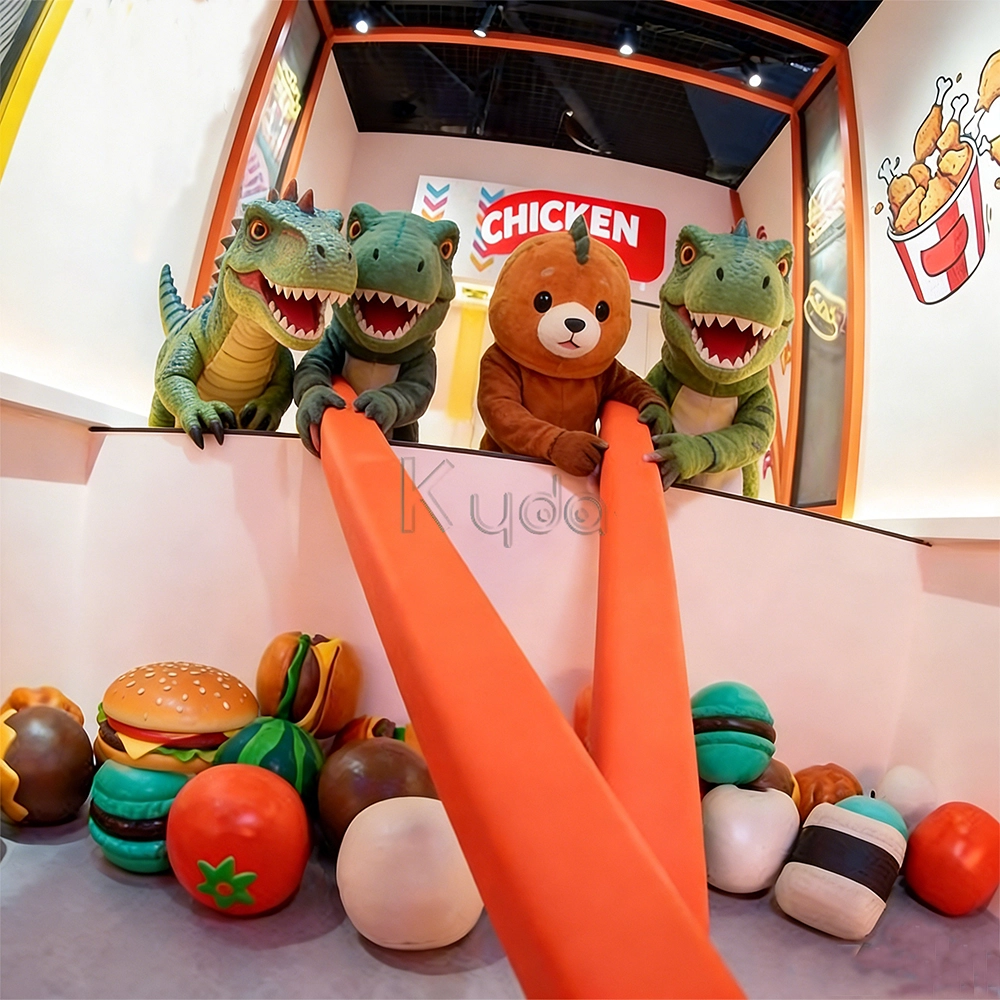
Crub Crab Giant Chopsticks Challenge Game Interactive Skill Challenge Game for Activate Game Rooms by Kyda
Crub Crab Giant Chopsticks Challenge Game is an innovative interactive challenge attraction designed for indoor entertainment centers, arcade game venues, and activate-style interactive game rooms. In this unique skill-based game, players control a pair of oversized giant chopsticks to pick up scattered snacks, toys, or prize items and place them into a collection basket within a limited time. The gameplay combines hand-eye coordination, precision control, balance, and quick reaction, creating a fun and competitive experience suitable for players of all ages.
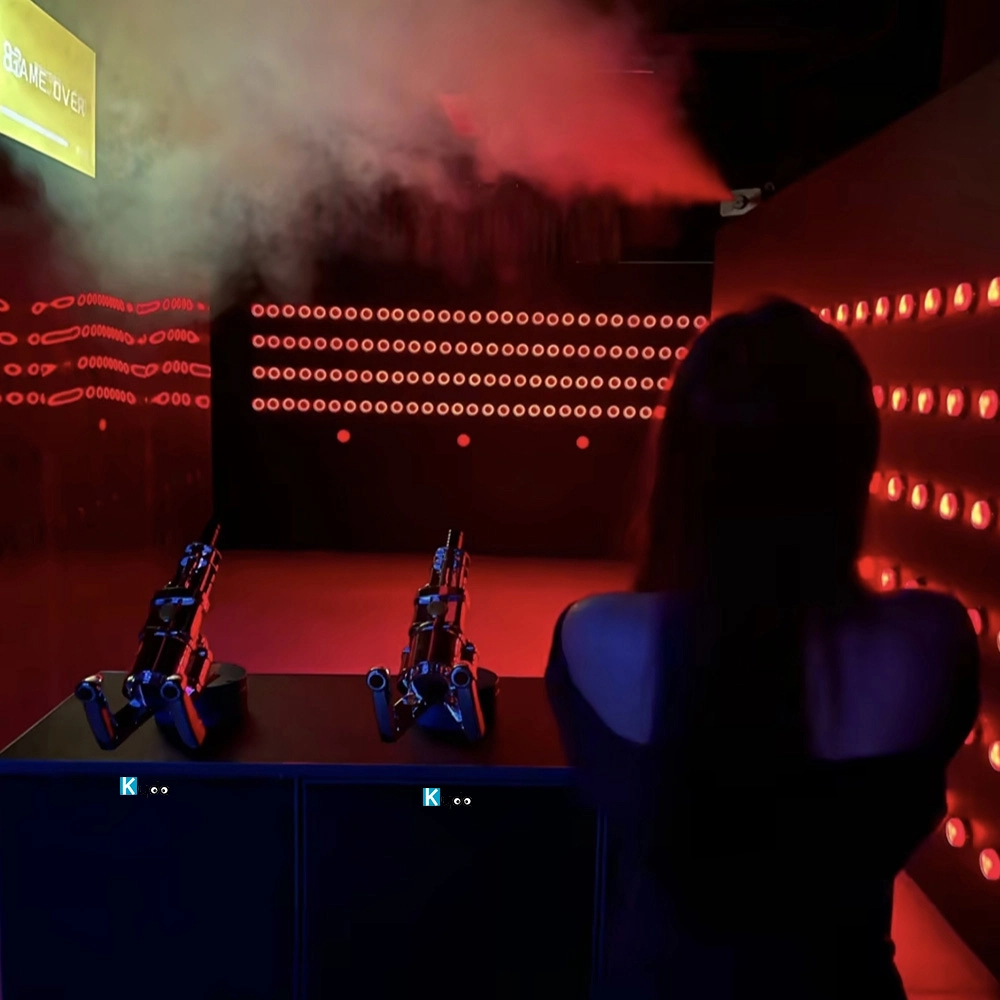
Active Reaction Laser Shooting Game Room
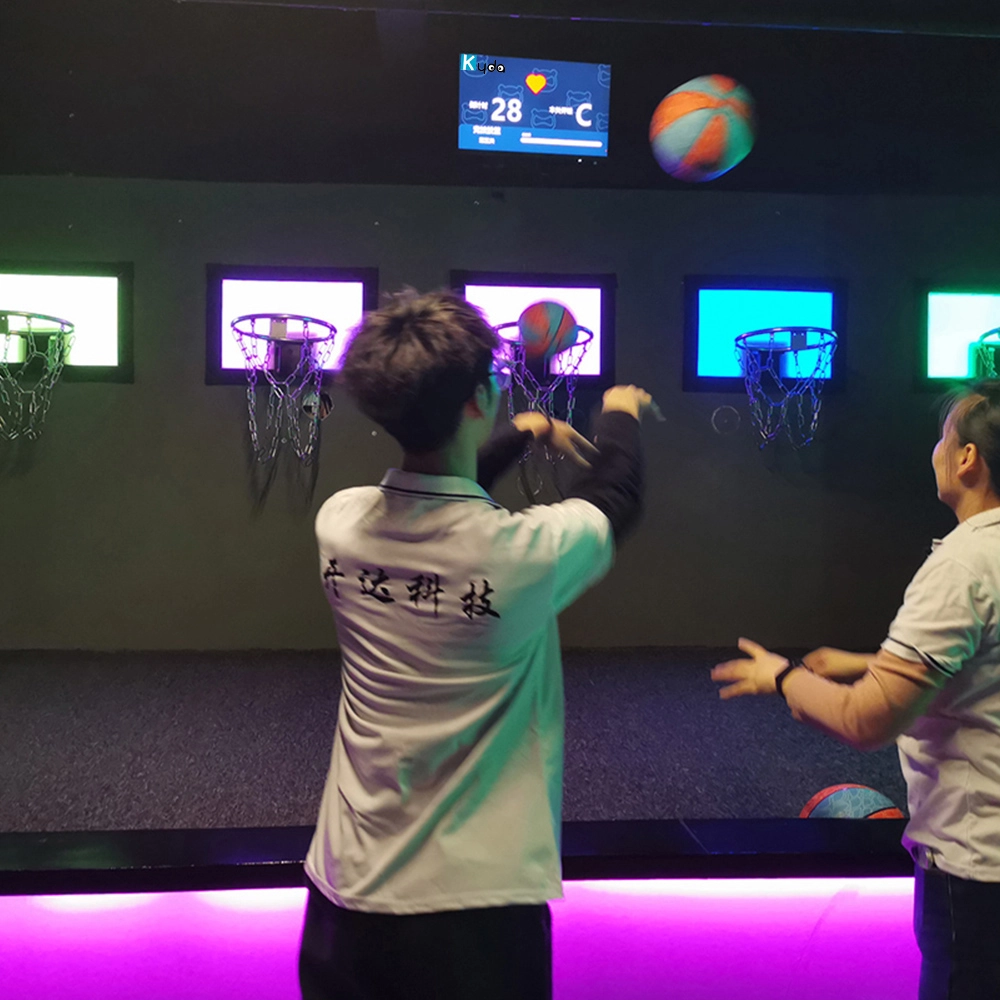
Hoops Active Game: The Ultimate Interactive Basketball Fitness Game
Elevate your basketball skills with Kyda’s Hoops Activate Game, the interactive basketball game. Perfect for basketball game rooms, Activate Hoops offers immersive fitness fun. Experience the Activate Basketball Game that combines sport and technology for active play.
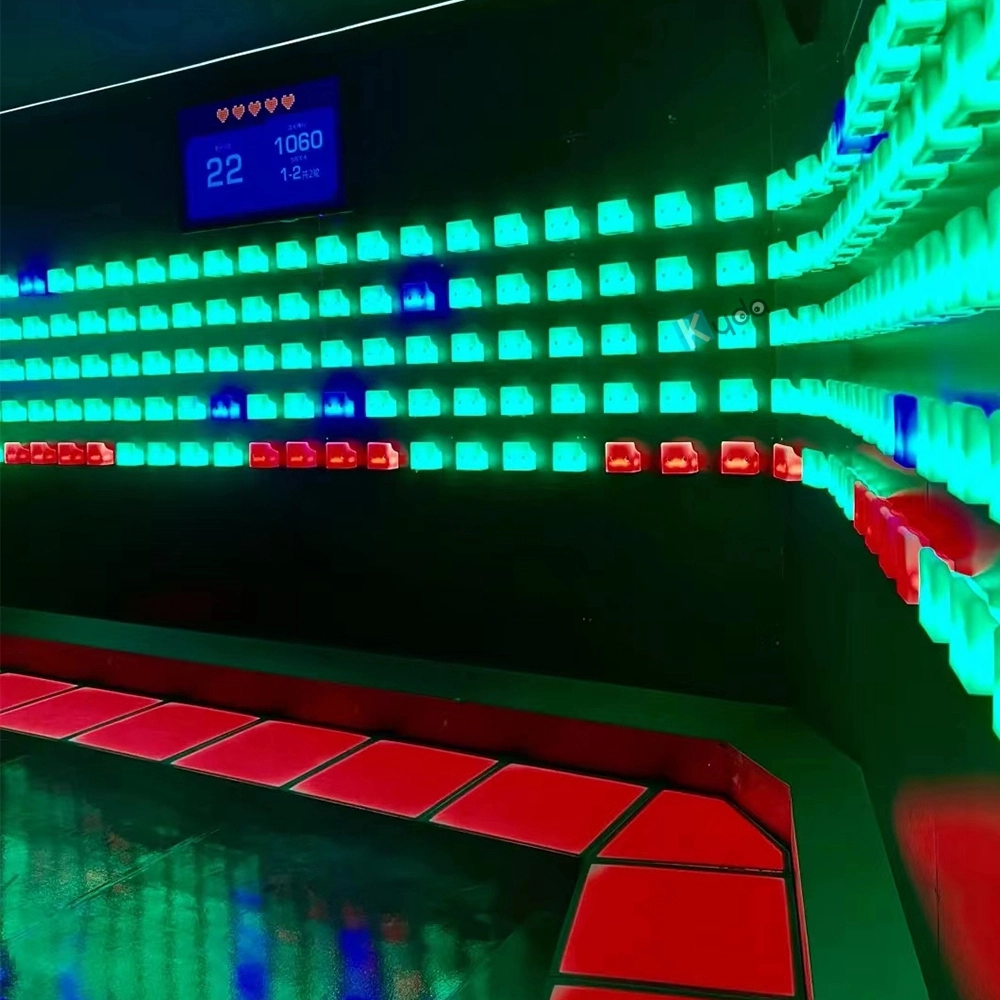
Activate Fitness Climb Game – The Ultimate Interactive LED Climbing Wall Experience
Experience the Activate Fitness Climb Game by Kyda—the interactive LED wall game. This Activate Climb Game combines fitness and fun with dynamic LED challenges, perfect for all ages. Boost agility and engagement with Kyda’s innovative interactive LED wall game today!
Let's get in touch
Email: sales@kydavr.com
Tel.: +86 188 2001 8779
Address: 501 Shixin Road, Dalong Street, Guangzhou, Guangdong, China.
© 2025 Kyda. All Rights Reserved.
 Scan QR Code
Linkedin
Ins
Facebook
Twitter
YouTube