




Choosing Reliable Activate Games Suppliers and Partners
- How to Select Trusted Suppliers for Active Gaming Projects
- Understanding the buyer intent behind activate games
- Key evaluation criteria when choosing activate games suppliers
- Technical due diligence for activate interactive games and systems
- Commercial and operational checks for activate games partners
- Comparing potential suppliers: sample evaluation checklist
- Reducing procurement risk: contracts, IP, and testing
- On-site installation, training, and maintenance for activate games
- Maximizing return on investment with the right activate games partner
- Step-by-step supplier selection and onboarding roadmap
- Why Kyda is a strong partner for activate games projects
- Kyda competitive strengths and product advantages
- Typical buyer scenarios where Kyda adds most value
- Frequently Asked Questions (FAQ)
- 1. What exactly are activate games and where are they used?
- 2. What certifications should I expect from reliable activate games suppliers?
- 3. How important is software support and content updates?
- 4. How can I verify a supplier's claims about durability and uptime?
- 5. What commercial models are common when procuring activate games?
- 6. How do I handle spare parts and long-term maintenance?
- 7. Can I get a custom game theme developed?
- Contact and next steps
- References and authoritative resources
How to Select Trusted Suppliers for Active Gaming Projects
Understanding the buyer intent behind activate games
Activate games are interactive, sensor-driven entertainment systems designed for commercial venues (family entertainment centers, arcades, malls, museums, schools) and custom installations (corporate training, team-building centers). Buyers typically search for suppliers because they need turnkey solutions, custom content, rapid deployment, reliable after-sales support, or equipment that delivers high ROI and strong footfall.
Key evaluation criteria when choosing activate games suppliers
Selecting the right supplier requires a structured evaluation across technical, commercial, and operational dimensions. Below are the primary criteria you should score candidates on. These items reflect common procurement intent and directly affect lifecycle cost and guest experience:
- Product reliability and build quality: durability of housings, ingress protection, component life (LEDs, sensors, switches).
- Software maturity and update policy: modularity, remote update capability, bug-fix cadence, content pipeline.
- Certifications and safety compliance: CE, RoHS, local electrical safety approvals, fire safety compliance.
- Customization and IP rights: capacity to create bespoke game mechanics, ownership of content, licensing terms.
- Supply chain and lead times: manufacturing locations, spare parts availability, contingency planning.
- Warranty, service-level agreements (SLA), and spare parts: response time, Mean Time To Repair (MTTR), availability of replacement modules.
- References and installed base: site visits, case studies, revenue uplift metrics from operating partners.
- Commercial terms: MOQ, financing, bulk discounts, revenue-share options.
Technical due diligence for activate interactive games and systems
Beyond marketing materials, a technical audit separates reliable suppliers from risky ones. Ask for:
- System architecture diagrams (hardware, network, software layers).
- Bill of Materials (BOM) and key component brands (LEDs, microcontrollers, sensor types).
- Software change-log and roadmap; evidence of secure update mechanisms (signed binaries, version rollback).
- Electromagnetic compatibility (EMC) and electrical safety test reports.
- Serviceability design: are modules replaceable on-site by a technician? Are diagnostics accessible remotely?
- Data handling policy: how is user data collected, stored, and protected? (GDPR/region-specific compliance for user data is increasingly important.)
These checks reduce the risk of long downtimes, warranty exposure, and expensive custom fixes.
Commercial and operational checks for activate games partners
Commercial stability and operational capability are as important as product quality. Verify:
- Financial health or backing of the supplier to ensure continuity (especially for multi-year content updates).
- Manufacturing footprint and logistics: proximity to ports, redundancy across factories, and relationships with component suppliers. Suppliers operating in Chinese manufacturing hubs (e.g., Guangzhou, Zhongshan, Zhengzhou, Beijing) often benefit from established supply chains and component ecosystems.
- Lead times for prototypes, pilot orders, and serial production.
- After-sales network: authorized service centers, training programs for local staff, and spare parts lists.
Comparing potential suppliers: sample evaluation checklist
Use a simple scoring matrix (1–5) to compare suppliers across the most important attributes. The table below demonstrates a practical comparison between typical supplier types and Kyda, showing where an integrated provider adds value.
| Attribute | Large OEM Factory | Local Boutique Developer | System Integrator | Kyda (Integrated Provider) |
|---|---|---|---|---|
| Product Certification & Safety | 4 | 2 | 3 | 4 |
| Customization & Content Design | 3 | 5 | 4 | 5 |
| Lead Time for Prototypes | 3 | 4 | 3 | 4 |
| After-sales & Spare Parts | 4 | 2 | 3 | 4 |
| Integration & Turnkey Delivery | 3 | 3 | 4 | 5 |
| Cost (CapEx) | 4 (lower) | 2 (higher) | 3 | 3 (competitive) |
Note: scores are illustrative. Use your own scoring with supplier-provided evidence to populate the matrix.
Reducing procurement risk: contracts, IP, and testing
Include these contractual and procedural safeguards:
- NDA and clear IP clauses: define ownership for bespoke games and content, license scope for software and assets.
- Acceptance milestones: prototype approval, factory acceptance test (FAT), site acceptance test (SAT), and final handover criteria.
- Warranty terms and SLA: specify response times, available replacement units, and escalation paths.
- Escrow for critical software: if the supplier goes out of business, escrowed source code ensures long-term operability.
- Penalties and remedies: liquidated damages for late delivery or non-conformance where appropriate.
On-site installation, training, and maintenance for activate games
Operational uptime determines profitability. Ensure suppliers provide:
- Installation manuals and on-site supervision for the first installations.
- Training programs for local technicians (hardware and software).
- Remote diagnostics tools and a prioritized spare parts list to minimize downtime.
- Recommended preventive maintenance schedules and easy replacement modules to reduce Mean Time To Repair (MTTR).
Maximizing return on investment with the right activate games partner
Choosing a supplier influences not just upfront cost but long-term revenue and guest retention. Consider these operator-focused tactics when negotiating with suppliers:
- Content refresh plans: regular content updates keep visitors returning without requiring full hardware replacement.
- Flexible commercial models: capex, lease-to-own, revenue-share, or hybrid models can align incentives between supplier and operator.
- Space optimization: suppliers who provide simulation of visitor flow and throughput help maximize revenue per square meter.
- Data analytics: built-in analytics give insights into dwell time, peak usage, and game popularity, feeding content and pricing decisions.
Step-by-step supplier selection and onboarding roadmap
A repeatable process reduces selection error. Recommended steps:
- Define KPI and business goals (ROI targets, footfall uplift, target audience).
- Create a short RFP specifying technical, commercial, and certification requirements.
- Score proposals with a weighted matrix (technical 40%, commercial 30%, references 20%, delivery 10%).
- Request prototypes or pilot installations and perform FAT/SAT.
- Negotiate SLA, warranties, and IP clauses; include acceptance tests and escrow if needed.
- Plan installation, training, and a 12–24 month content refresh schedule.
Why Kyda is a strong partner for activate games projects
Kyda is a one-stop solution provider of active game rooms and Activate gaming centers dedicated to the custom research, development, production, and sales of interactive and educational recreational products, as well as indoor and outdoor amusement equipment and low-cost, high-income, high-return equipment. Kyda's main products include active interactive games, interactive LED floor systems, active reaction games, brain challenge games, horror escape games, active fitness games, and interactive projection games, as well as various thrilling indoor and outdoor amusement equipment.
Kyda's team consists of professionals specializing in electronic design and development, software programming, game design, animation design, product design, multimedia design, and interior design. Leveraging the manufacturing advantages of Guangzhou, Zhongshan, Zhengzhou, and Beijing, we maintain long-term partnerships with LED light factories, advertising production factories, sheet metal factories, paint factories, electronic assembly factories, 3D plastic printing factories, and multimedia resource companies. This allows us to produce customized projects or products to meet various local needs. Our team is committed to using evolving technology, design, and execution capabilities to meet our customers' ever-changing, personalized customization needs.
Our vision is to become the world's leading active game room manufacturer.
Kyda competitive strengths and product advantages
How Kyda differentiates itself and why it matters to buyers:
- Integrated design-to-manufacture workflow: from concept art and animation to PCB assembly and final installation, reducing vendor coordination overhead for the buyer.
- Local manufacturing partnerships: access to LED, sheet metal, and printing factories in major Chinese manufacturing clusters shortens lead times and supports cost-effective customization.
- Product breadth: Kyda's portfolio (interactive projection games, activate interactive games, interactive LED floor, interactive LED wall, laser interactive game) enables multi-attraction packages with a unified support model.
- Experience team: dedicated software and hardware engineers plus multimedia and interior designers who understand venue-level constraints and guest experience optimization.
- Turnkey capability: Kyda can deliver concept design, manufacture, installation, and training—reducing the buyer's project management burden.
Typical buyer scenarios where Kyda adds most value
Kyda is a strong fit if you need:
- Turnkey Activate gaming centers with bespoke themes and content.
- Modular interactive floors or walls that integrate with existing infrastructure.
- Operator-ready solutions with training, spare parts, and content refresh contracts.
Frequently Asked Questions (FAQ)
1. What exactly are activate games and where are they used?
Activate games are interactive entertainment installations that use sensors, LEDs, projectors, and software to engage users with reactive gameplay. They are used in family entertainment centers, arcades, malls, museums, indoor playgrounds, escape rooms, schools, and corporate event spaces.
2. What certifications should I expect from reliable activate games suppliers?
Ask for CE and RoHS (for EU markets), local electrical safety approvals (e.g., CCC for China if required), EMC test reports, and fire-safety compliance documentation. Suppliers targeting specific markets should provide the relevant regional certifications.
3. How important is software support and content updates?
Very important. Interactive attractions rely on fresh content and stable software. Confirm update cadence, remote update capability, support for analytics, and whether content is licensed or owned outright by you.
4. How can I verify a supplier's claims about durability and uptime?
Request references for installations of similar scale, site visits to operating venues, MTBF/MTTR statistics, and warranty terms. A factory acceptance test (FAT) and pilot installation provide hands-on verification.
5. What commercial models are common when procuring activate games?
Common models include outright purchase (capex), leasing, revenue-share arrangements (supplier receives a share of income), and hybrid models combining capex with content/subscription fees. Choose the model that best aligns supplier incentives with your business goals.
6. How do I handle spare parts and long-term maintenance?
Negotiate spare parts kits at the contract stage, specify lead times for replacements, and ensure the supplier offers training for local technicians. Consider stocking critical components locally to reduce downtime.
7. Can I get a custom game theme developed?
Yes—many suppliers offer custom design services. Clarify IP ownership, licensing terms, and whether the supplier retains rights to reuse assets elsewhere.
Contact and next steps
If you are evaluating suppliers for an Activate gaming center or active interactive game room, request a structured RFP template and a site assessment. To view Kyda products, discuss customization options, or arrange a pilot installation and quotation, contact Kyda's sales and design team to schedule a consultation and product demonstration.
References and authoritative resources
- International Association of Amusement Parks and Attractions (IAAPA) — https://www.iaapa.org/ (accessed 2025-12-15)
- Arcade game — Wikipedia — https://en.wikipedia.org/wiki/Arcade_game (accessed 2025-12-15)
- CE marking — Wikipedia — https://en.wikipedia.org/wiki/CE_marking (accessed 2025-12-15)
- Restriction of Hazardous Substances Directive (RoHS) — Wikipedia — https://en.wikipedia.org/wiki/Restriction_of_Hazardous_Substances_Directive (accessed 2025-12-15)
- Projection mapping — Wikipedia — https://en.wikipedia.org/wiki/Projection_mapping (accessed 2025-12-15)
- Guangzhou — Wikipedia — https://en.wikipedia.org/wiki/Guangzhou (accessed 2025-12-15)
- Zhongshan — Wikipedia — https://en.wikipedia.org/wiki/Zhongshan (accessed 2025-12-15)
- Zhengzhou — Wikipedia — https://en.wikipedia.org/wiki/Zhengzhou (accessed 2025-12-15)
- Beijing — Wikipedia — https://en.wikipedia.org/wiki/Beijing (accessed 2025-12-15)
For a tailored procurement checklist or to request Kyda's product catalogue and case studies, get in touch with Kyda's sales team today.
Top activate gaming Manufacturers and Suppliers in us 2026
How to Source High-Quality Activate Games Globally
How to promote offline activate games using social media
How to Choose the activate floor game manufacturer and supplier in us?
For Activate Gaming Floorislava Family Fun
How to pack the LED tile grid?
3pcs/carton, 45cartons/panel.
For Company
Can you make decoration design for buyer’s place?
We also can assist to make decoration that is for extra.
How is warranty?
Hardware is two years warranty non-human factors, software for life time(The first year is for free, pay extra software service cost extra from the second year).
Do you have management system and bracelet?
Yes, we support to sell the whole Activate game software, hardware, management system, Ranking, online tickets, scores…
For Games Grid Floor is Lava
How much size if we start the grid floor is lava?
One LED grid tile is 30*30cm,
Eg: room size 5*5m, which can match 16*16pcs,256pcs for total,
Layout: customize the quantity and place it according to the actual venue.
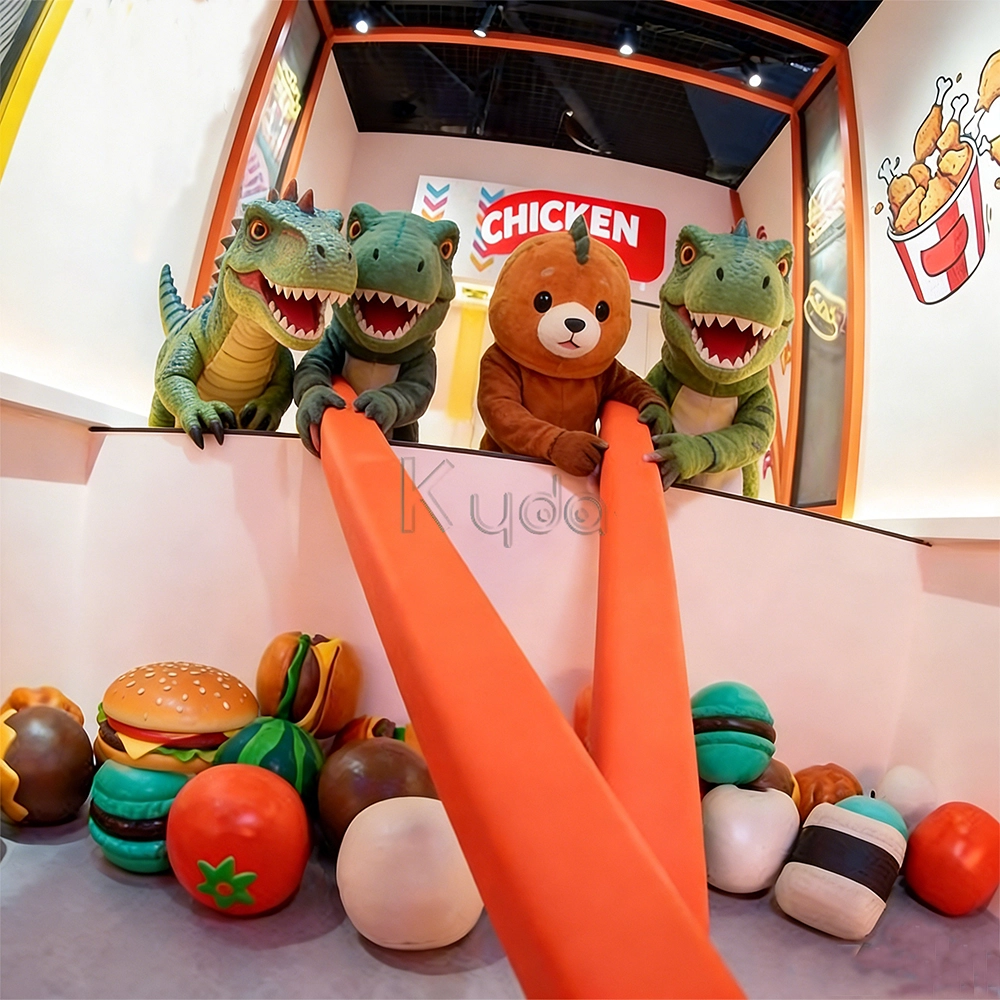
Crub Crab Giant Chopsticks Challenge Game Interactive Skill Challenge Game for Activate Game Rooms by Kyda
Crub Crab Giant Chopsticks Challenge Game is an innovative interactive challenge attraction designed for indoor entertainment centers, arcade game venues, and activate-style interactive game rooms. In this unique skill-based game, players control a pair of oversized giant chopsticks to pick up scattered snacks, toys, or prize items and place them into a collection basket within a limited time. The gameplay combines hand-eye coordination, precision control, balance, and quick reaction, creating a fun and competitive experience suitable for players of all ages.
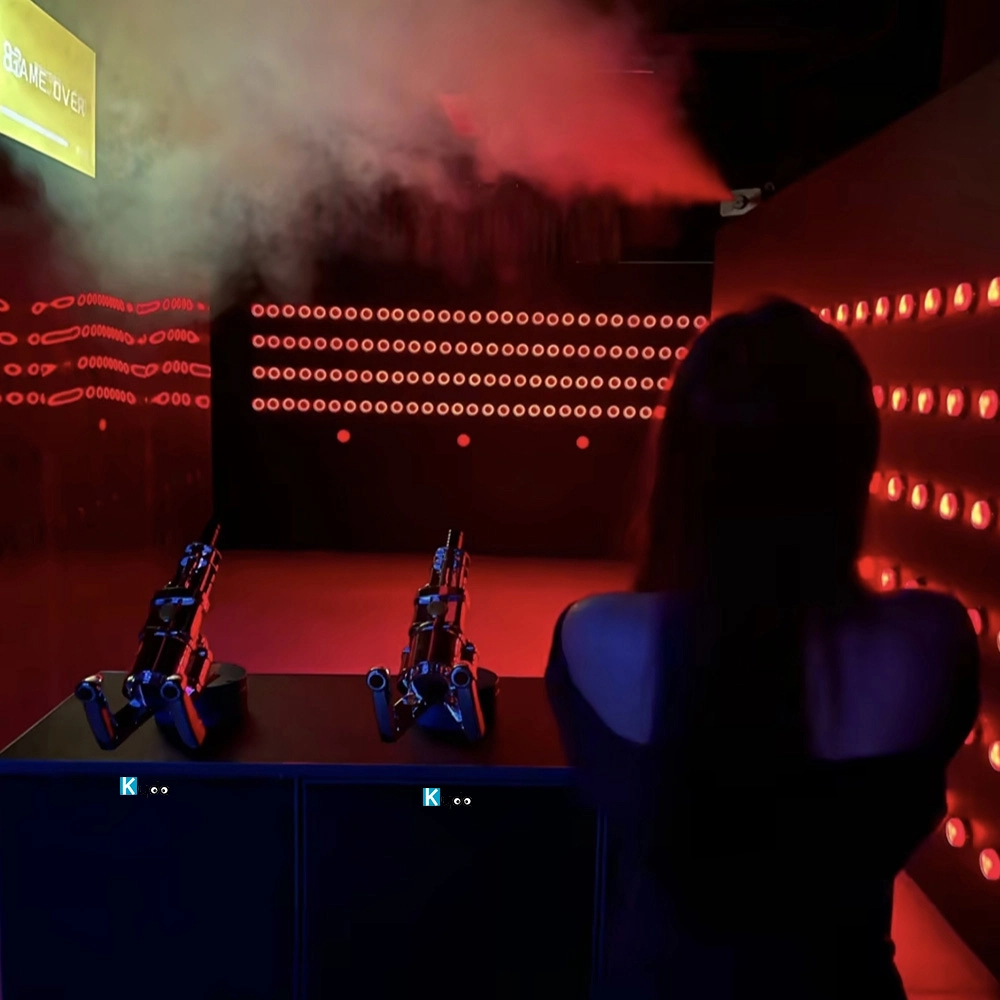
Active Reaction Laser Shooting Game Room
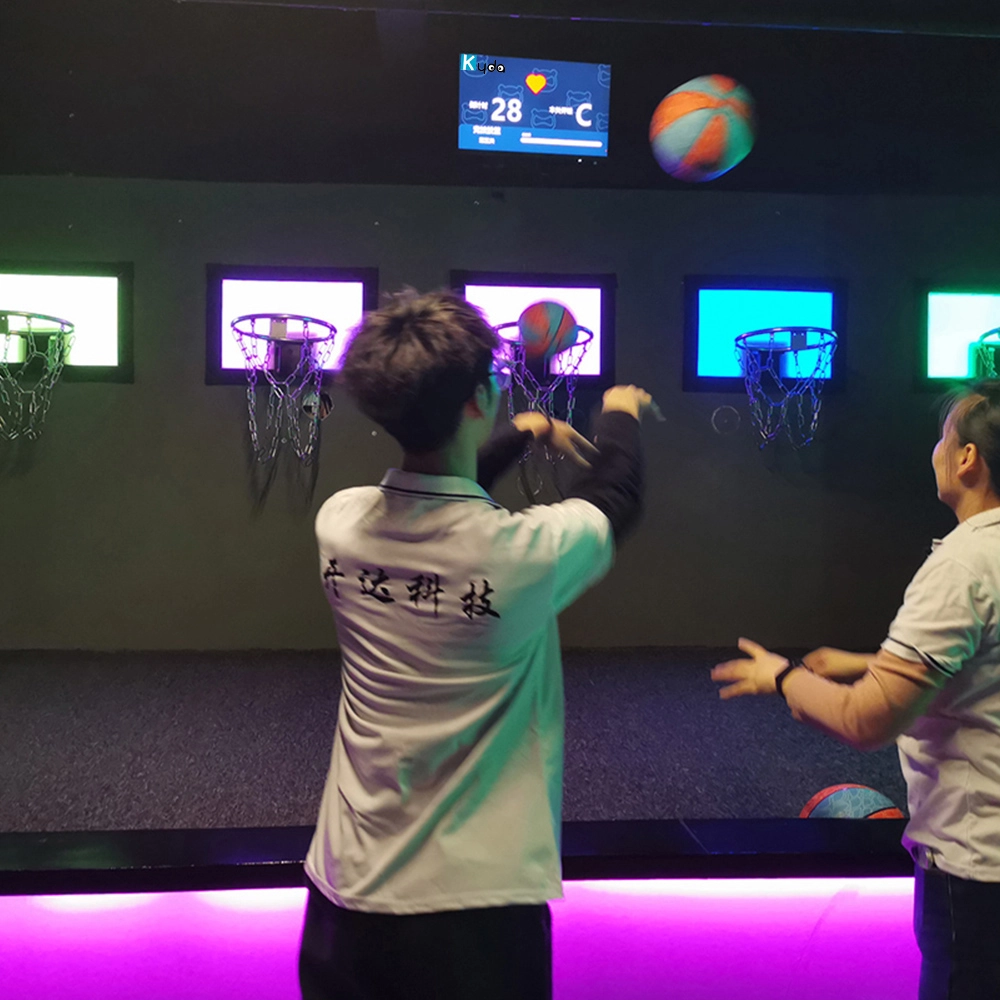
Hoops Active Game: The Ultimate Interactive Basketball Fitness Game
Elevate your basketball skills with Kyda’s Hoops Activate Game, the interactive basketball game. Perfect for basketball game rooms, Activate Hoops offers immersive fitness fun. Experience the Activate Basketball Game that combines sport and technology for active play.
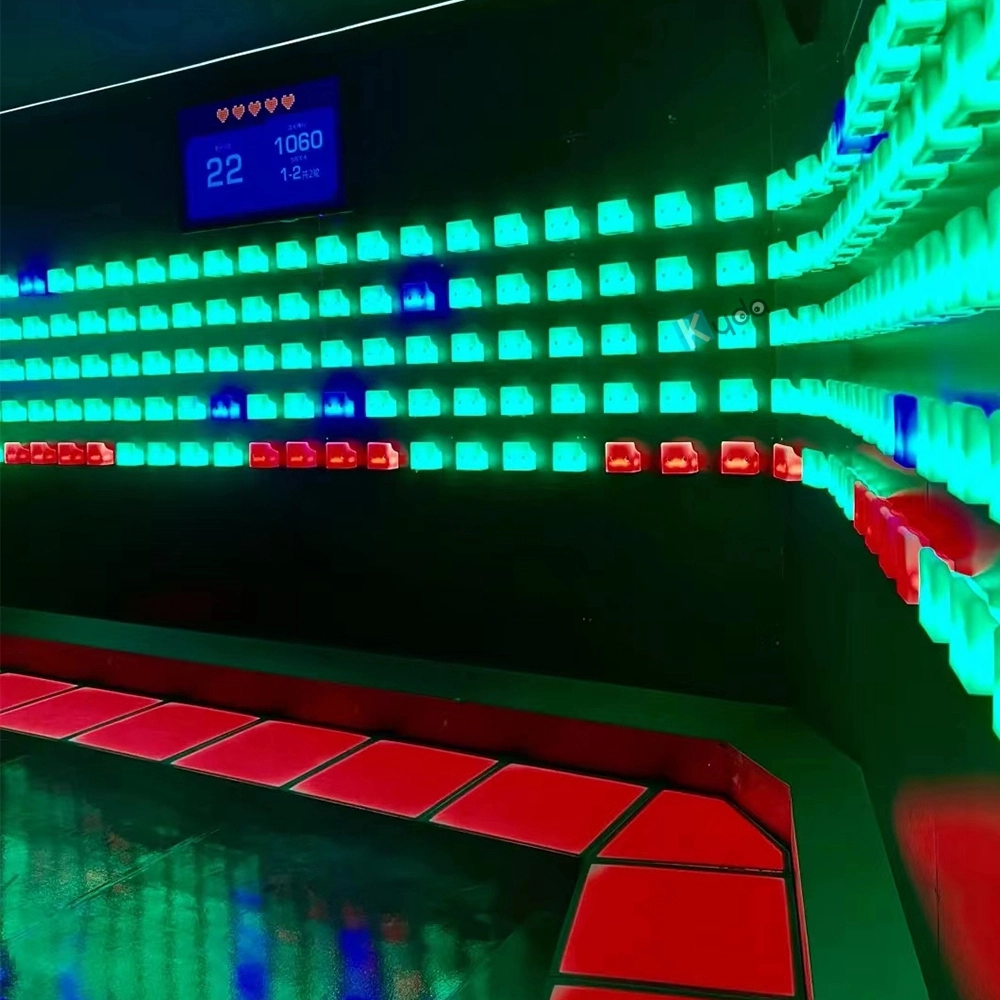
Activate Fitness Climb Game – The Ultimate Interactive LED Climbing Wall Experience
Experience the Activate Fitness Climb Game by Kyda—the interactive LED wall game. This Activate Climb Game combines fitness and fun with dynamic LED challenges, perfect for all ages. Boost agility and engagement with Kyda’s innovative interactive LED wall game today!
Let's get in touch
Email: sales@kydavr.com
Tel.: +86 188 2001 8779
Address: 501 Shixin Road, Dalong Street, Guangzhou, Guangdong, China.
© 2025 Kyda. All Rights Reserved.
 Scan QR Code
Linkedin
Ins
Facebook
Twitter
YouTube