




Buying Guide: Choose the Best Interactive Light-Up Floor Game
- Buying Guide: Choose the Best Interactive Light-Up Floor Game
- Introduction: Why an interactive light-up floor game?
- Common uses and business value
- Key features to prioritize
- Sensors and interaction types
- Hardware components to inspect
- Software and content management
- Size, layout and scalability
- Installation and site requirements
- Safety, certifications and accessibility
- Durability and maintenance planning
- Costs and expected ROI
- Warranty, support and service levels
- Choosing the right vendor: why Kyda
- Customization and project workflow
- Measurement and analytics for business decisions
- Conclusion: Make a confident, ROI-focused choice
- Frequently Asked Questions

Buying Guide: Choose the Best Interactive Light-Up Floor Game
Introduction: Why an interactive light-up floor game?
Interactive light-up floor games combine LED visuals, sensors, and software to create immersive, active experiences. They boost engagement, promote physical activity, and increase dwell time in venues such as arcades, shopping centers, schools, therapy clinics, and family entertainment centers. In this guide you’ll learn how to compare systems, estimate costs and ROI, evaluate safety and maintenance, and choose a vendor—helping you pick the interactive light up floor game that fits your business goals.
Common uses and business value
Interactive light up floor game systems are versatile. Use cases include children’s play areas, sensory and physical therapy, marketing activations, arcade attractions, and educational environments. For businesses, these systems can increase foot traffic, extend visit duration, and create upsell opportunities (kids’ parties, lessons, or event bookings). Well-designed installations often lead to higher repeat visits and social shares, improving long-term revenue.
Key features to prioritize
When evaluating an interactive light up floor game, focus on responsiveness, durability, content flexibility, and safety. Look for low-latency sensors, modular LED tiles or mats with high brightness and even diffusion, a robust content library, and user-friendly management software. Safety-certified materials and rounded edges are essential for public venues.
Sensors and interaction types
Floor games use pressure sensors, infrared (IR) proximity sensors, capacitive sensors, or camera-based tracking. Pressure sensors are common for tactile play; IR or camera systems offer more nuanced, contactless interaction. Choose sensor types based on target users—young children may prefer visible pressure feedback, while rehabilitation and public spaces may benefit from contactless options.
Hardware components to inspect
Core hardware includes LED panels/mats, control cabinets (controllers/PC), sensor arrays, and mounting or flooring systems. Verify the LED panels’ IP rating for durability and whether they are rated for indoor or outdoor use. Confirm that the controller hardware supports future software updates and multiple simultaneous players.
Software and content management
Software is the differentiator. A good interactive light up floor game platform should offer a content management system (CMS) with pre-built games, scheduling, player tracking, analytics, and remote updates. Check whether the vendor provides customizable games, multi-language support, and tools to upload your own media to match marketing or educational programs.
Size, layout and scalability
Floor area, player capacity, and ceiling height shape the right system. Portable mats suit pop-up activations and small venues, while modular LED tiles or custom-built floors fit permanent installations. Plan for scalability—choose systems that let you add tiles or upgrade controllers as your business grows.
Installation and site requirements
Installation complexity varies. Portable systems require minimal setup; permanent installations may need subfloor preparation, power distribution, network connectivity, and professional mounting. Work with vendors to assess electrical load, cable routing, ventilation for controllers, and ADA compliance. Expect installation timelines from one day (portable) to several weeks (large custom projects).
Safety, certifications and accessibility
Prioritize systems compliant with CE, FCC, and RoHS standards where applicable and that use non-toxic materials. Ensure anti-slip surfaces, chamfered edges, and protective housings for electronics. For public installations, check local fire and building codes and make sure the floor layout meets accessibility guidelines to serve users of all abilities.
Durability and maintenance planning
Durability affects operating cost. Choose industrial-grade LEDs, sealed sensor enclosures, and replaceable tiles or mats for easier service. Ask vendors for expected lifetime (e.g., LED lifetime and replacement cycles), recommended cleaning routines, and spare-parts kits. Annual maintenance is commonly estimated at 5–10% of the system cost, depending on usage intensity and environment.
Costs and expected ROI
Costs vary widely: small portable interactive mats start in the low thousands, modular LED floor systems for small to medium venues typically range from several thousand to tens of thousands USD, and fully custom multi-zone installations can exceed $50,000. Return on investment depends on traffic, pricing strategy, and secondary revenue—many businesses see ROI within 6–24 months if the attraction drives consistent footfall and monetization (admissions, parties, lessons).
Warranty, support and service levels
Check standard warranty durations (commonly 1–3 years) and what they cover (LEDs, controllers, sensors). Prioritize vendors that offer on-site support, remote diagnostics, training, and spare-part availability. Service level agreements (SLAs) are essential for high-uptime venues—confirm response times and replacement procedures.
Choosing the right vendor: why Kyda
Kyda is a one-stop solution provider for active game rooms and Activate gaming centers, offering custom research, development, production, and sales of interactive and educational recreational products. Kyda’s team combines electronic design, game and multimedia design, software programming, and interior execution, and maintains manufacturing partnerships across Guangzhou, Zhongshan, Zhengzhou, and Beijing. This ecosystem supports customized projects—from interactive LED floor systems to active reaction and fitness games—tailored to local needs and budgets.
Customization and project workflow
A reliable vendor will provide site surveys, 3D layout proposals, content mapping, hardware mockups, and a project timeline. Kyda emphasizes personalized design and leverages local manufacturing partners for faster delivery and cost control. Ask for case studies or reference installations similar to your venue to validate results.
Measurement and analytics for business decisions
Modern interactive light up floor games include analytics—session counts, dwell time, peak hours, and player demographics. Use these metrics to optimize staff scheduling, promotions, and content programming. Request example dashboards and data export capabilities before purchase to ensure you can measure success.
Conclusion: Make a confident, ROI-focused choice
Selecting the best interactive light up floor game requires balancing user experience, durability, software flexibility, and total cost of ownership. Define your primary use cases, traffic expectations, and revenue goals first. Then evaluate vendors on hardware quality, software features, service capabilities, and proven installations. Partners like Kyda can simplify the process with end-to-end services, customizable content, and local manufacturing advantages—helping you deploy an experience that delights users and drives business results.
Frequently Asked Questions
Q: What is the difference between a portable mat and a modular LED floor?A: Portable mats are lightweight, lower-cost, and easy to transport—ideal for pop-ups and small activations. Modular LED floors are permanent, scalable, and better for high-traffic venues; they offer higher brightness, durability, and integration options.
Q: How much space do I need for a multiplayer floor game?A: For comfortable multiplayer play, plan 2–4 square meters per player depending on game type and age group. Competitive or physical games need more spacing; calmer educational activities require less.
Q: Are interactive light up floors safe for young children?A: Yes, when designed with anti-slip surfaces, sealed electronics, rounded edges, and proper height transitions. Verify safety certifications and recommended age ranges with your vendor.
Q: Can I use interactive floor systems outdoors?A: Some systems are designed for outdoor use with weatherproofing (higher IP ratings) and UV-resistant materials. Confirm the product’s IP rating and thermal operating range for reliable outdoor performance.
Q: How often should I update content?A: Update frequency depends on user demographics. High-traffic commercial venues benefit from monthly content rotations and seasonal themes. Educational and therapy programs may require more tailored, curriculum-driven updates.
Q: What warranty and support should I expect?A: Standard warranties range from 1 to 3 years; choose vendors offering on-site support, remote diagnostics, spare parts, and clear SLAs. Confirm what consumables or wear items are excluded from warranty coverage.
Everything You Need to Know About activate gaming facility
LED interactive game floor maintenance and cleaning tips
Top 5 Commercial Applications of LED Floor Games: Practical Uses and Business ROI
How Interactive Light-Up Floor Games Boost Physical Activity
For Company
How is warranty?
Hardware is two years warranty non-human factors, software for life time(The first year is for free, pay extra software service cost extra from the second year).
Can you make CAD design for buyer’s space room?
Yes, we can make CAD design as exact space room size.
Can you make decoration design for buyer’s place?
We also can assist to make decoration that is for extra.
Do you support different language of the game and management system?
Standard version is English and Chinese, accept customization different language.
For Games Grid Floor is Lava
Can we just buy one game room of grid floor is lava?
Yes, If you start the activate game at the first time. We have more than above 50 different activate interactive challenge game rooms for options.
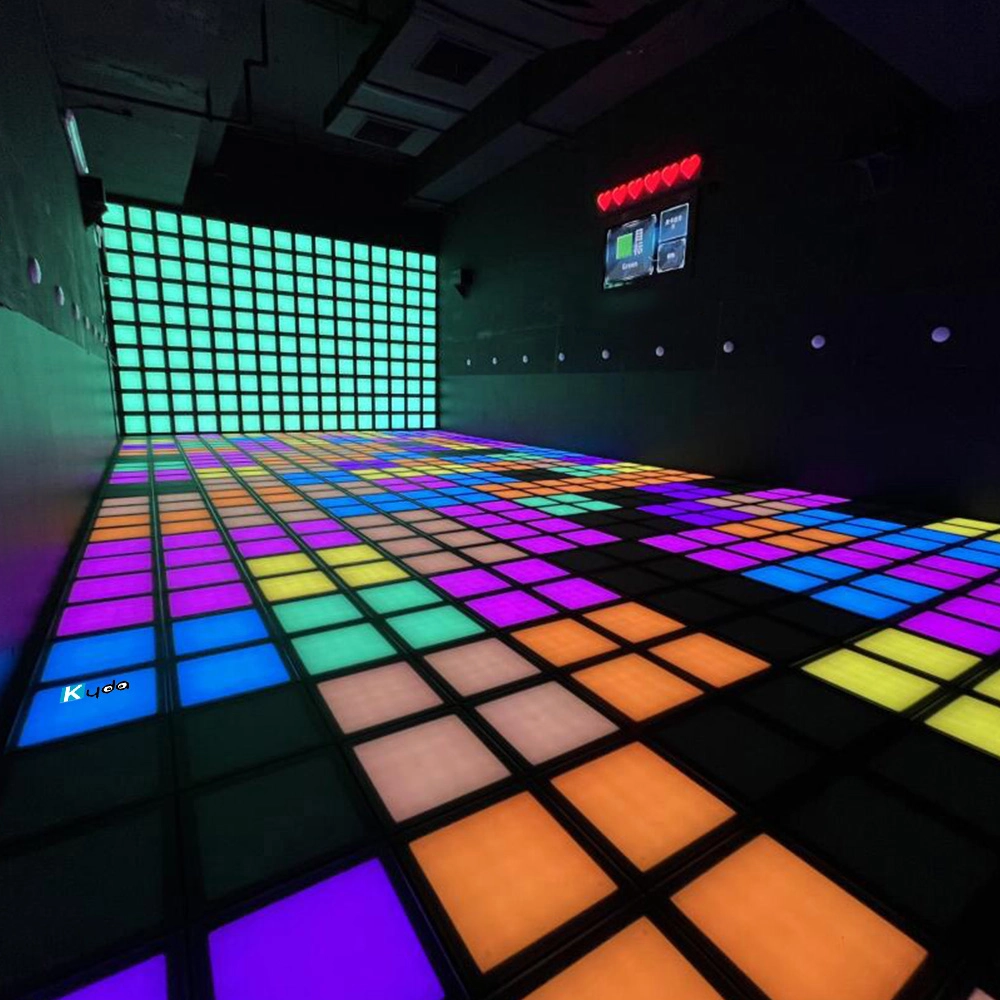
Interactive Light Grid Active Game Led Floor for Dance Pixel Grid Room
Elevate your venue with the Kyda Interactive Light Grid Active Game LED Floor, a dynamic and immersive gaming solution ideal for entertainment centers, fitness venues, corporate team-building, and educational environments.
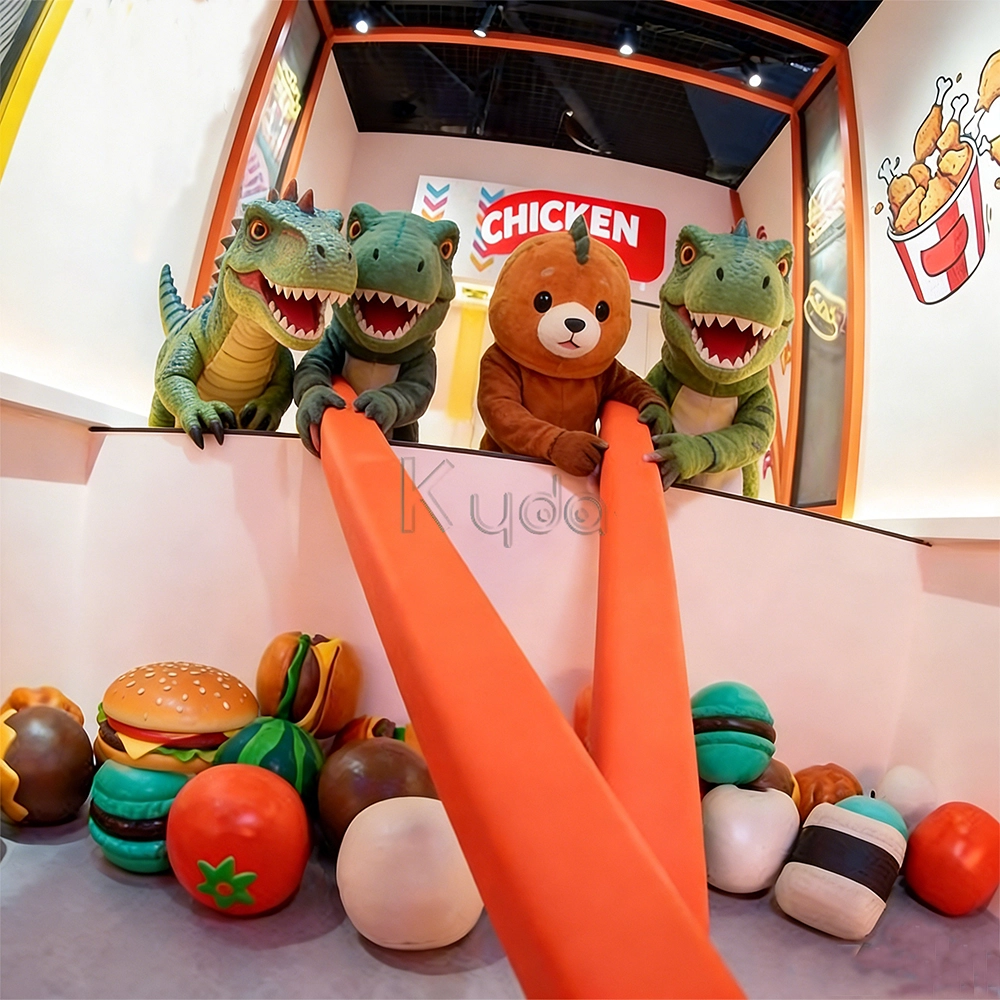
Crub Crab Giant Chopsticks Challenge Game Interactive Skill Challenge Game for Activate Game Rooms by Kyda
Crub Crab Giant Chopsticks Challenge Game is an innovative interactive challenge attraction designed for indoor entertainment centers, arcade game venues, and activate-style interactive game rooms. In this unique skill-based game, players control a pair of oversized giant chopsticks to pick up scattered snacks, toys, or prize items and place them into a collection basket within a limited time. The gameplay combines hand-eye coordination, precision control, balance, and quick reaction, creating a fun and competitive experience suitable for players of all ages.
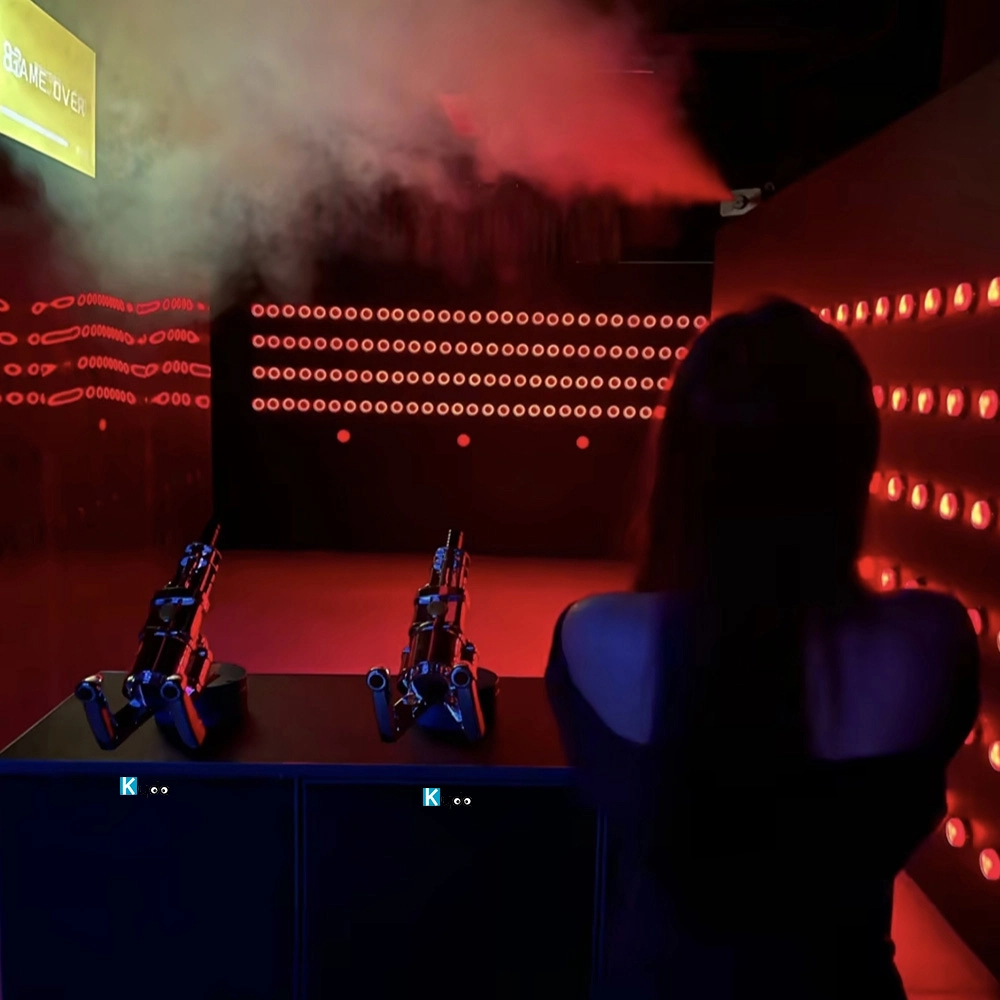
Active Reaction Laser Shooting Game Room
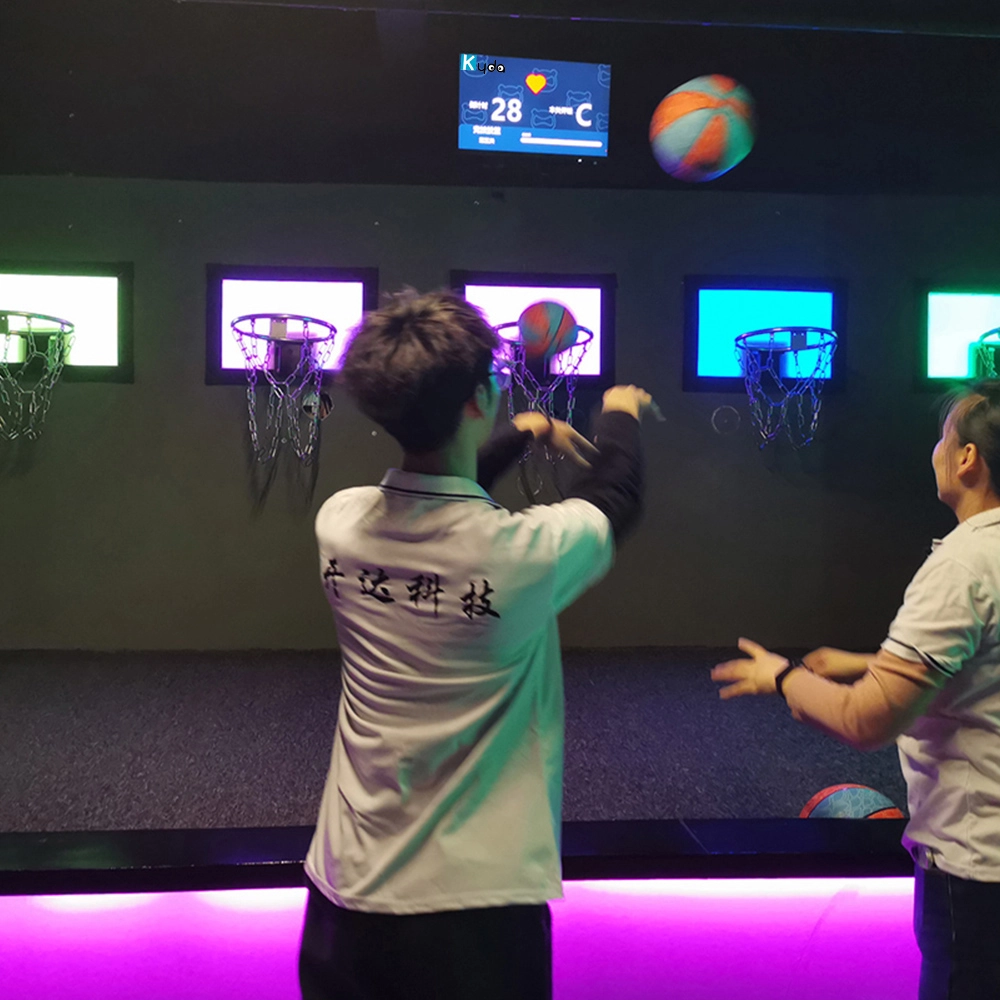
Hoops Active Game: The Ultimate Interactive Basketball Fitness Game
Elevate your basketball skills with Kyda’s Hoops Activate Game, the interactive basketball game. Perfect for basketball game rooms, Activate Hoops offers immersive fitness fun. Experience the Activate Basketball Game that combines sport and technology for active play.
Let's get in touch
Email: sales@kydavr.com
Tel.: +86 188 2001 8779
Address: 501 Shixin Road, Dalong Street, Guangzhou, Guangdong, China.
© 2025 Kyda. All Rights Reserved.
 Scan QR Code
Linkedin
Ins
Facebook
Twitter
YouTube