




How to Choose the floor lights game manufacturer and supplier in us?
- How to Choose the Floor Lights Game Manufacturer and Supplier in US?
- Understand the buyer’s intent: What customers search for
- What is a floor lights game (and where it’s used)?
- Why choosing the right manufacturer matters
- Key selection criteria when evaluating floor lights game manufacturers
- 1. Components and build quality
- 2. Safety, certifications and compliance
- 3. Software, content, and updates
- 4. Customization and design services
- 5. Manufacturing footprint and supply chain
- 6. Installation, training and local support
- 7. Warranty, service-level agreements (SLA), and spare parts
- 8. Cost, financing options, and ROI
- 9. References, case studies and site visits
- Supplier comparison table — how to score candidates
- Step-by-step procurement checklist
- Step 1 — Define requirements
- Step 2 — Shortlist suppliers
- Step 3 — Trial or pilot
- Step 4 — Negotiate commercial terms
- Step 5 — Plan installation and operations
- Common red flags and how to spot them
- Negotiation tips to secure value
- How Kyda meets manufacturer and supplier expectations
- Conclusion — a practical buying decision
- Contact tip
How to Choose the Floor Lights Game Manufacturer and Supplier in US?
Choosing the right manufacturer and supplier for a floor lights game is critical for the long-term success of your active game room, family entertainment center (FEC), school, or commercial venue. Buyers typically look for high reliability, easy maintenance, scalable content, safety compliance, and a proven path to return on investment. This guide walks you through practical selection criteria, a supplier comparison framework, procurement steps, common red flags, and why Kyda is a strong candidate when you need a one-stop solution.
Understand the buyer’s intent: What customers search for
When people search “floor lights game manufacturer and supplier in US,” they generally have one or more of these intents:
- Source a reliable supplier for purchase or long-term partnership.
- Compare product quality, certifications, and warranty levels.
- Find a provider who can deliver custom content and venue installation.
- Calculate cost, maintenance, and expected ROI for their venue.
Addressing these intents requires a focus on product quality, compliance, software ecosystem, customization capabilities, logistics, and post-sale service.
What is a floor lights game (and where it’s used)?
Floor lights games are interactive LED floor systems that combine sensors, durable floor panels, and content software to create games, training modules, or interactive experiences. They are used in FECs, schools, rehabilitation centers, museums, shopping malls, and corporate wellness spaces. Typical features include multi-touch capability, custom game modes, sound integration, and network connectivity for content updates and analytics.
Why choosing the right manufacturer matters
Poor hardware or software choices can lead to frequent downtime, higher maintenance costs, poor guest experiences, and lost revenue. The right manufacturer will deliver safe, durable hardware, robust software, easy maintenance, and clear SLAs that protect your investment and help you scale.
Key selection criteria when evaluating floor lights game manufacturers
1. Components and build quality
Look for high-grade LEDs (rated lifetime commonly 30,000–50,000+ hours), industrial-grade sensors, and durable floor surfaces designed for foot traffic. Confirm materials are slip-resistant and meet local fire and building codes.
2. Safety, certifications and compliance
Ensure products meet relevant standards: UL/ETL for electrical safety in the US, CE and RoHS compliance for environmental/safety requirements if imported, and any local building or ADA requirements. Certifications reduce liability and simplify permitting.
3. Software, content, and updates
Software quality is as important as hardware. Ask about:
- Content library (games, educational modes, therapy modules)
- Ability to create or commission custom games
- Software update process (over-the-air vs manual)
- Analytics and reporting (usage, session length, fault logs)
4. Customization and design services
For venues, the ability to customize floor size, branding, colors, gameplay and difficulty profiles is crucial. Manufacturers that provide design services or partner with interior designers will speed implementation and create better guest experiences.
5. Manufacturing footprint and supply chain
Consider lead time, spare parts availability, and whether the manufacturer manages their supply chain (LED suppliers, electronics assembly, enclosure manufacturing). A supplier with verified manufacturing partners and multiple production bases reduces single-source risk.
6. Installation, training and local support
Ask whether the supplier provides on-site installation, remote support, training for staff, and documented maintenance procedures. Local or US-based support partners reduce downtime and travel costs.
7. Warranty, service-level agreements (SLA), and spare parts
Standard warranties for interactive equipment often range from 1–3 years. Confirm what is covered (LEDs, sensors, control systems, software) and average response time for on-site repair. Availability of spare modules for fast swap is a major advantage.
8. Cost, financing options, and ROI
Compare total cost of ownership (initial price + shipping + installation + maintenance) rather than unit price alone. Also evaluate financing, leasing, revenue-share, or consignment models that some suppliers offer to reduce upfront capital needs.
9. References, case studies and site visits
Request client references in the US or similar markets and, if possible, visit live installations. Pay attention to durability, guest engagement, and how the supplier handled issues over time.
Supplier comparison table — how to score candidates
| Criteria | Typical US Local Maker | Overseas OEM | Kyda (One-stop provider) |
|---|---|---|---|
| Hardware quality | High (smaller scale, higher cost) | Varies (risk of inconsistent QC) | Industrial-grade LED systems, partnerships with LED factories |
| Certifications | Often UL/ETL available | Often CE/RoHS; UL via agent | Supports CE/RoHS; can assist with UL/ETL and local compliance |
| Software & updates | Proprietary, stable | May need customization | Full software stack, content library, custom game design |
| Customization & design | Strong | Depends | Professional team for product, animation, interior design |
| Lead time | Shorter for small builds | Longer for mass orders | Flexible; uses manufacturing hubs in China with global shipping options |
| Support & service | Local faster support | Remote; shipping for parts | Remote and managed logistics; spare parts sourcing via long-term factory partners |
Step-by-step procurement checklist
Step 1 — Define requirements
List floor area, expected daily users, use cases (games, education, therapy), indoor/outdoor, required IP rating, and integration needs (POS, CRM, analytics).
Step 2 — Shortlist suppliers
Use the criteria above to create a shortlist. Ask for datasheets, certifications, product videos, and client references.
Step 3 — Trial or pilot
Arrange a demo or pilot installation. Test durability under real conditions and review software usability for staff and guests.
Step 4 — Negotiate commercial terms
Clarify warranty, lead times, payment schedule, training, spare parts pricing, and response times. Consider including performance-based clauses where applicable.
Step 5 — Plan installation and operations
Secure site requirements (floor reinforcement, power, network), schedule installation, and organize staff training and maintenance plans.
Common red flags and how to spot them
- No verifiable references or live site visits available.
- Unclear warranty terms or exclusions for key components.
- No written maintenance schedule or spare parts plan.
- Excessive custom development times or hidden fees for content updates.
- Lack of compliance documents (UL/ETL, CE, RoHS) when required.
Negotiation tips to secure value
- Bundle installation, training, spare parts, and initial content in one contract to get better pricing.
- Ask for a performance or uptime clause with reduced fees if downtime exceeds agreed limits.
- Negotiate staged payments tied to milestones: design approval, factory acceptance, shipping, and successful installation.
How Kyda meets manufacturer and supplier expectations
Kyda is positioned as a one-stop solution provider for active game rooms and interactive gaming centers. Key strengths relevant to US buyers include:
- Cross-disciplinary team: electronic design, software programming, game and animation design, multimedia and interior design — enabling turnkey projects and customized content.
- Manufacturing partnerships across Guangzhou, Zhongshan, Zhengzhou, and Beijing and long-term relationships with LED, sheet metal, paint, electronics assembly, and multimedia vendors — improving supply resilience and customization capability.
- Product range covers interactive LED floor systems, active reaction and fitness games, projection games, and themed experiences useful for FECs, schools, and rehab centers.
- Capability to handle local adaptation — in software language, power requirements, and compliance documentation — which simplifies US deployments.
If you evaluate Kyda, request case studies of US or similar-market installations, clear SLA and warranty terms, and a pilot installation to validate durability and guest engagement.
Conclusion — a practical buying decision
Choosing the right floor lights game manufacturer in the US is a balance between hardware reliability, software flexibility, certification and safety compliance, and post-sale support. Prioritize suppliers who provide transparent documentation, proven installations, clear SLAs, and a full-service approach that includes design, installation, training, and spare parts. Kyda, with multidisciplinary teams and established manufacturing partnerships, represents a valid option for venues requiring customized, turnkey interactive floor solutions — but always verify through demos, references, and a clear contract.
Sources:
- UL Standards and Guides (UL 8750 — outline for LED equipment and safety): https://standardscatalog.ul.com/standards/en/standard_8750_10 (Accessed June 2024)
- CE Marking Information — European Commission: https://single-market-economy.ec.europa.eu/standards-ce-marking/ (Accessed June 2024)
- RoHS Overview — European Commission: https://environment.ec.europa.eu/topics/waste-and-recycling/rohs-directive_en (Accessed June 2024)
- LED lifetime and performance reference — Signify (Philips) LED Academy: https://www.signify.com/global/lighting-academy (Accessed May 2024)
- IAAPA (International Association of Amusement Parks and Attractions) — industry resources and operational best practices: https://www.iaapa.org (Accessed June 2024)
- IBISWorld — Family Entertainment Centers industry overview (U.S.): https://www.ibisworld.com/united-states/market-research-reports/family-entertainment-centers-industry/ (Accessed June 2024)
Contact tip
When contacting suppliers, prepare a concise RFP with site photos, desired footprint dimensions, user capacity, power and network constraints, and expected use cases. This will produce the most accurate quotes and faster pilot scheduling.
Best active game for childrens manufacturers and supplier brands in us
How to Choose the active games manufacturer and supplier in us?
Custom Activate Interactive Game Manufacturers and Suppliers
Best light floor game manufacturers and supplier brands in us
For Company
How large room space need every game room?
Normally 10-50 square meters, also can customize as space room.
Can you customize the game software and hardware?
Yes, Kydaplay accept customize software with hardware.
For Led Floor for Dance Pixel Grid Room
How to pack the LED tile grid?
3pcs/carton, 45cartons/panel.
For Activate Gaming Floorislava Family Fun
Can we just buy one game room of Mega grid room?
Yes, If you start the activate game at the first time. We have more than above 50 different activate interactive challenge game rooms for options.
For Games Grid Floor is Lava
How to pack the LED tile grid?
3pcs/carton, 45cartons/panel.
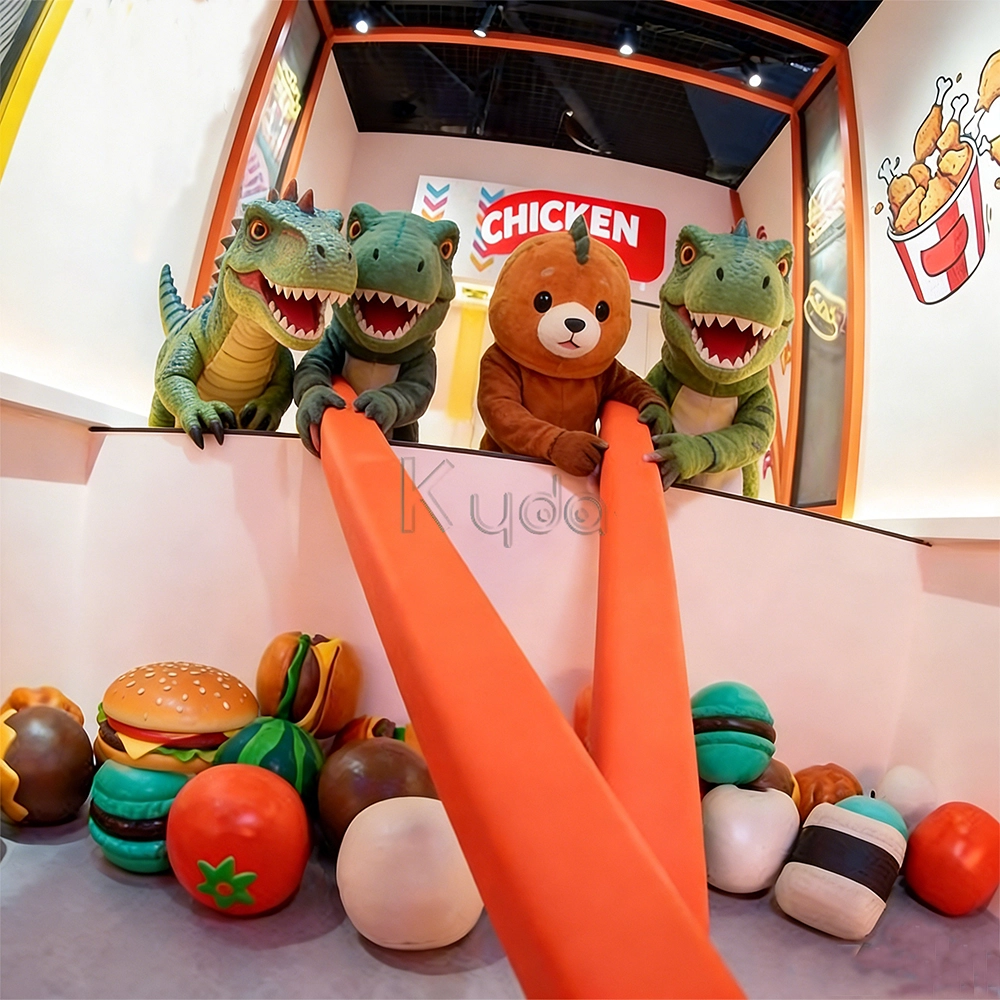
Crub Crab Giant Chopsticks Challenge Game Interactive Skill Challenge Game for Activate Game Rooms by Kyda
Crub Crab Giant Chopsticks Challenge Game is an innovative interactive challenge attraction designed for indoor entertainment centers, arcade game venues, and activate-style interactive game rooms. In this unique skill-based game, players control a pair of oversized giant chopsticks to pick up scattered snacks, toys, or prize items and place them into a collection basket within a limited time. The gameplay combines hand-eye coordination, precision control, balance, and quick reaction, creating a fun and competitive experience suitable for players of all ages.
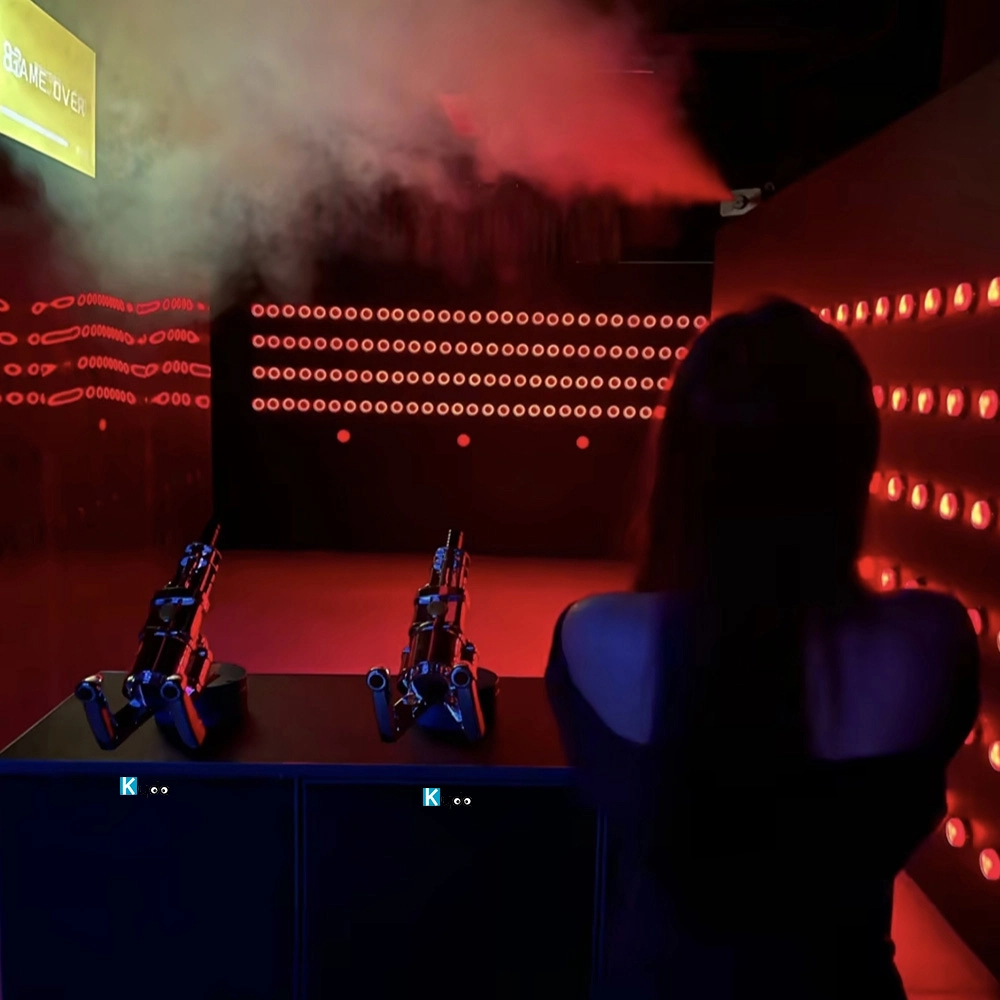
Active Reaction Laser Shooting Game Room
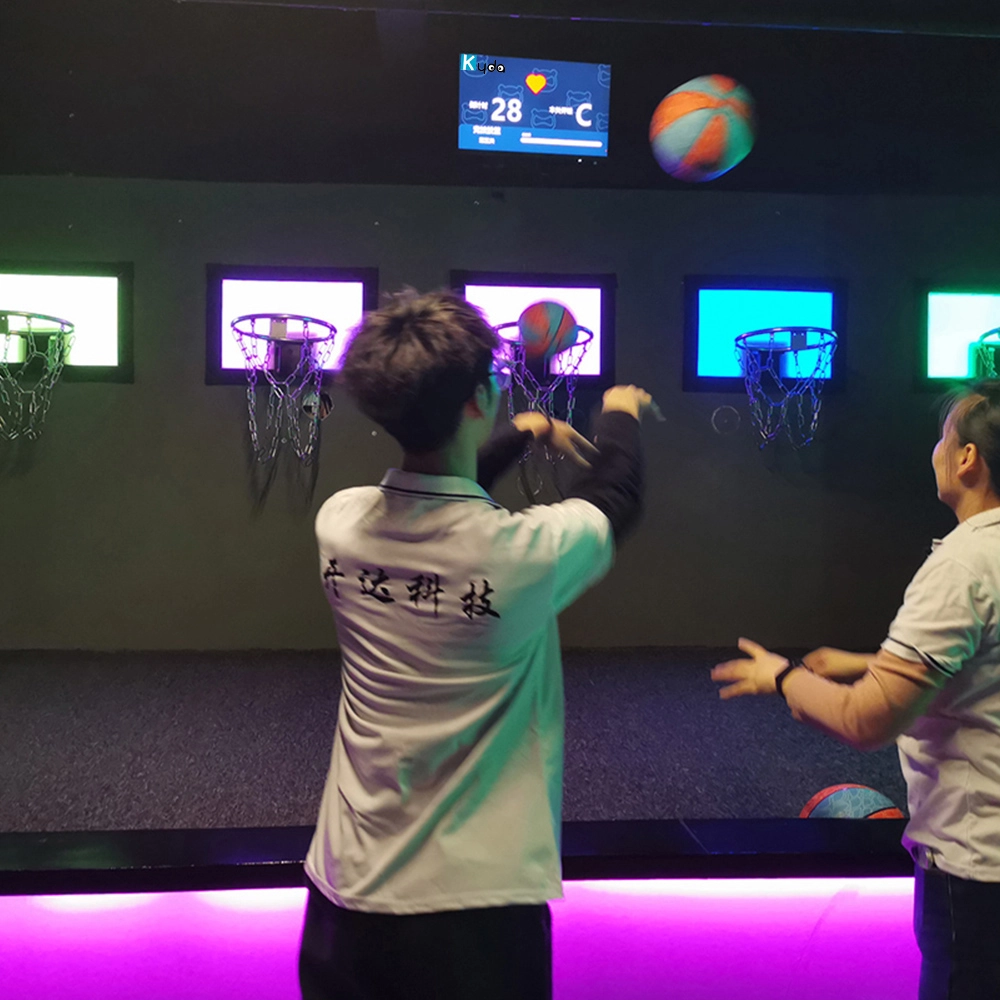
Hoops Active Game: The Ultimate Interactive Basketball Fitness Game
Elevate your basketball skills with Kyda’s Hoops Activate Game, the interactive basketball game. Perfect for basketball game rooms, Activate Hoops offers immersive fitness fun. Experience the Activate Basketball Game that combines sport and technology for active play.
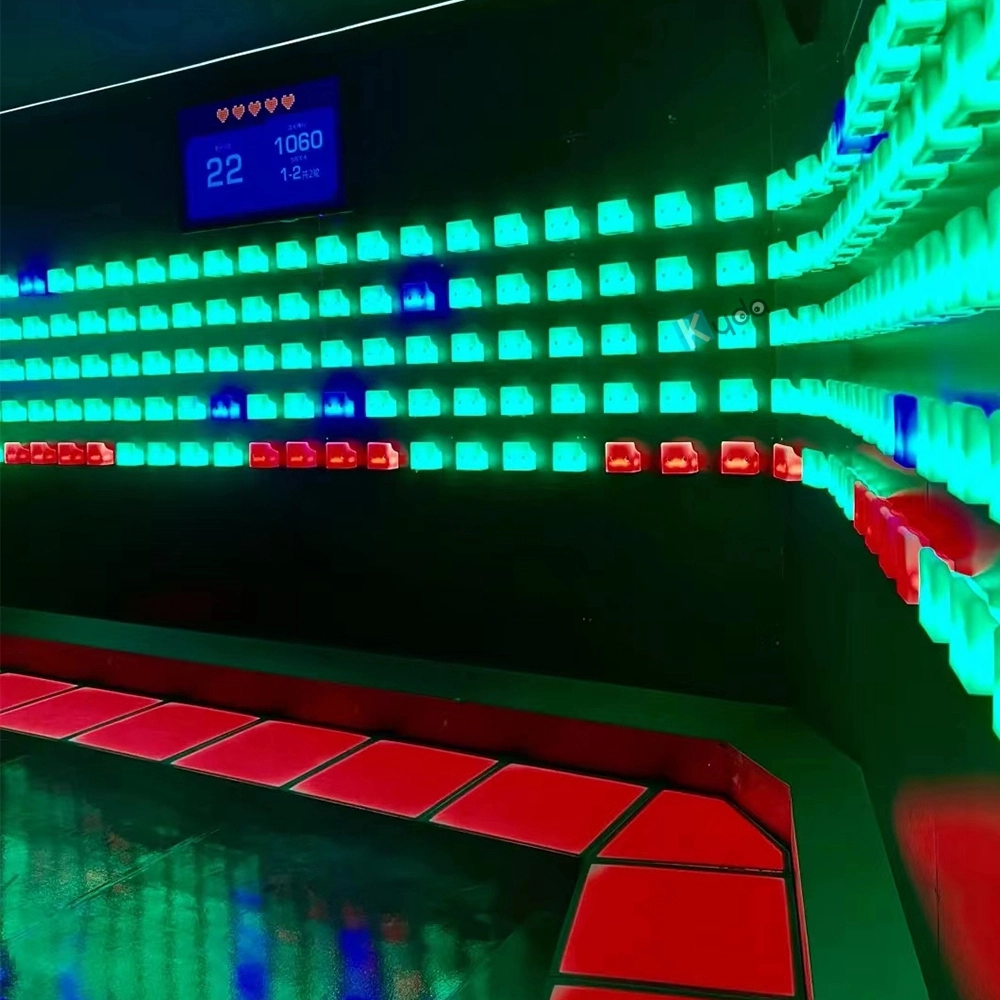
Activate Fitness Climb Game – The Ultimate Interactive LED Climbing Wall Experience
Experience the Activate Fitness Climb Game by Kyda—the interactive LED wall game. This Activate Climb Game combines fitness and fun with dynamic LED challenges, perfect for all ages. Boost agility and engagement with Kyda’s innovative interactive LED wall game today!
Let's get in touch
Email: sales@kydavr.com
Tel.: +86 188 2001 8779
Address: 501 Shixin Road, Dalong Street, Guangzhou, Guangdong, China.
© 2025 Kyda. All Rights Reserved.
 Scan QR Code
Linkedin
Ins
Facebook
Twitter
YouTube