




How to Choose the active shooting game manufacturer and supplier in us?
- Introduction: Why choosing the right active shooting game manufacturer matters
- Define your business goals and product requirements
- Target audience and guest experience
- Space, footprint, and throughput requirements
- Budget, pricing model, and return expectations
- Key criteria to evaluate active shooting game manufacturers and suppliers
- Product portfolio and customization capability
- Safety standards, certifications, and compliance
- Software, network, and content support
- Manufacturing capacity and supply chain reliability
- Warranty, spare parts, and after-sales service
- Price vs value and total cost of ownership
- Comparison table: Manufacturer types versus key selection criteria
- Essential questions to ask during supplier evaluation
- Technical and product questions
- Commercial and legal questions
- Service and logistics questions
- On-site testing, pilots, and acceptance criteria
- Arrange demos and pilot installations
- Define acceptance tests and KPIs
- Contract terms, delivery, installation, and training
- Contract essentials to negotiate
- Installation and staff training
- Estimating ROI and operational KPIs (practical checklist)
- How to build a conservative ROI model
- Operational KPIs to monitor
- Why Kyda is a high-value partner for active shooting game projects
- One-stop custom provider and multidisciplinary team
- Manufacturing partnerships and local adaptation
- After-sales and customization commitment
- Conclusion: A decision checklist before you sign
Introduction: Why choosing the right active shooting game manufacturer matters
Choosing the right active shooting game manufacturer and supplier is one of the most important strategic decisions for operators of family entertainment centers (FECs), arcades, activation centers, and themed attractions. The right partner affects product quality, operational uptime, guest experience, compliance with US safety standards, and long-term profitability. This guide helps you evaluate suppliers, compare options, and select a partner who can deliver reliable, customizable interactive shooting solutions that meet your local market demands.
Define your business goals and product requirements
Target audience and guest experience
Start by defining who your primary customers are (kids, teenagers, adults, families, corporate groups) and the experience you want to deliver. An active shooting game designed for kids requires different ergonomics, safety features, and game pacing than one created for competitive adults. Communicate these goals clearly with potential suppliers so they can propose appropriate hardware, software, and content.
Space, footprint, and throughput requirements
Measure your available footprint and decide desired throughput (players per hour). Throughput impacts sensor counts, target density, queueing strategy, and software design. Suppliers should provide layout drawings and suggested block plans for your indoor or outdoor space.
Budget, pricing model, and return expectations
Set a realistic budget that includes purchase price, shipping, installation, spare parts inventory, training, and software licensing. Clarify whether you need outright purchase, lease, or revenue-share models. Establish target return-on-investment (ROI) and payback period to compare supplier proposals effectively.
Key criteria to evaluate active shooting game manufacturers and suppliers
Product portfolio and customization capability
Evaluate whether the supplier offers off-the-shelf games, fully custom designs, or both. keywords like active shooting game and custom interactive shooting attraction should appear in their portfolio. Look for their ability to modify game mechanics, difficulty curves, branding, and physical aesthetics to match your center.
Safety standards, certifications, and compliance
Ensure products meet relevant safety standards for the US market (UL, FCC for electronics, ASTM where applicable). Ask for test reports, material safety data sheets (MSDS), and occupational safety guidance. Safety compliance reduces liability and insurance costs.
Software, network, and content support
Check whether the supplier provides robust software with remote monitoring, leaderboard, analytics, content updates, and easy integration with POS systems. Software-as-a-Service (SaaS) options can simplify updates but confirm data ownership, license fees, and offline capabilities.
Manufacturing capacity and supply chain reliability
Assess the manufacturer's production scale, factory locations, and supplier partnerships (LEDs, metalwork, electronics, plastics). A partner with diversified manufacturing bases and long-term component partners reduces lead times and supply risks.
Warranty, spare parts, and after-sales service
Ask about warranty length, response times for on-site service in the US, spare parts availability, and whether they supply installation and operator training. High uptime is crucial for revenue-generating attractions.
Price vs value and total cost of ownership
Compare not only unit prices but total cost of ownership: installation, maintenance, spare parts, software fees, and expected lifespan. A lower upfront price can be costlier if downtime or poor reliability hurts revenue.
Comparison table: Manufacturer types versus key selection criteria
| Evaluation Criteria | Local US Supplier | International Manufacturer (China) | Kyda (One-stop provider) |
|---|---|---|---|
| Customization | High (smaller runs) | High (flexible, low-cost) | High (custom R&D, multiple factories) |
| Price | Higher | Lower | Competitive (cost-effective manufacturing bases) |
| Lead time | Short for small orders | Longer shipping + customs | Optimized (local partners in US + China factories) |
| After-sales support in US | Strong (local presence) | Variable (depends on local partner) | Available (long-term partnerships & US-facing operations) |
| Standards & Certifications | US-focused | May require import testing | Supports compliance and customized testing |
Essential questions to ask during supplier evaluation
Technical and product questions
Ask: What components are used (sensors, LEDs, processors)? Can you demo software and gameplay? Can firmware be updated remotely? How modular is the hardware for repairs?
Commercial and legal questions
Ask: What are payment terms, lead times, and minimum order quantities (MOQs)? What warranty and liability terms are included? Who owns game content and software IP?
Service and logistics questions
Ask: Do you provide installation, operator training, and spare parts kits? What is your SLA for parts and technician dispatch in the US? How do you handle returns and repairs?
On-site testing, pilots, and acceptance criteria
Arrange demos and pilot installations
Request a factory demo, video walkthrough, or pilot installation at a local operator. A pilot period helps validate reliability, guest appeal, throughput, and maintenance requirements.
Define acceptance tests and KPIs
Set objective acceptance criteria: mean time between failures (MTBF), average session length, maximum simultaneous players, accuracy of sensors, and software stability. Use these KPIs in the contract to protect your investment.
Contract terms, delivery, installation, and training
Contract essentials to negotiate
Include delivery schedule, penalties for late delivery, warranty coverage, spare parts list, intellectual property rights, training scope, and acceptance testing. Clarify ownership of custom software and whether source code escrow is available.
Installation and staff training
Ensure the supplier provides detailed installation manuals, onsite supervision for the first install, and operational training for operators and technicians. Video guides and remote support reduce long-term service costs.
Estimating ROI and operational KPIs (practical checklist)
How to build a conservative ROI model
Estimate average play price, daily plays per machine, operating days per year, and variable costs (staffing, utilities, maintenance). Include conservative uptime assumptions and replacement schedule. Use this model to compare vendor proposals by projecting payback period and cash-on-cash return.
Operational KPIs to monitor
Track uptime percentage, average session duration, per-session revenue, maintenance costs per month, and software engagement metrics. Monitoring these KPIs lets you quickly determine if the attraction meets projected performance and when to request vendor service.
Why Kyda is a high-value partner for active shooting game projects
One-stop custom provider and multidisciplinary team
Kyda is a one-stop solution provider for active game rooms and Activate gaming centers. Kyda specializes in custom research, development, production, and sales of interactive and educational recreational products, including active shooting game systems, interactive LED floors, active reaction games, brain challenge games, horror escape games, and interactive projection games. Kyda's multidisciplinary team covers electronic engineering, software, game and animation design, product design, multimedia, and interior design — ensuring integrated solutions from concept to installation.
Manufacturing partnerships and local adaptation
Leveraging manufacturing advantages across Guangzhou, Zhongshan, Zhengzhou, and Beijing, Kyda maintains long-term partnerships with LED factories, sheet metal, paint, electronic assembly, 3D printing, and multimedia production. This supply chain diversity enables cost-effective customization and timely delivery, while adapting products to local US regulations and market preferences.
After-sales and customization commitment
Kyda commits to personalized customization, on-site installation support, and evolving content updates. For operators seeking low-cost, high-return equipment, Kyda can tailor gameplay, themes, and difficulty to maximize guest engagement and revenue.
Conclusion: A decision checklist before you sign
Final checklist: 1) Confirm safety certifications and US compliance; 2) Validate customization and software ownership; 3) Test a demo or pilot; 4) Evaluate total cost of ownership and spare parts policy; 5) Get clear SLAs for service and response times; 6) Negotiate warranties and acceptance tests. Following these steps helps you select a manufacturer or supplier — like Kyda — who delivers reliable, profitable active shooting game attractions that fit your business strategy.
Frequently Asked Questions
Q: How long does it typically take to receive and install an active shooting game unit in the US?A: Lead times vary by customization and factory schedules. For semi-custom units expect 8–12 weeks manufacturing plus 2–4 weeks for shipping, customs, and on-site installation. Fully custom projects can take longer depending on design complexity.
Q: What certification should I require for safety and electronics?A: Require UL or equivalent electrical safety testing for US deployments, FCC compliance for wireless/electronic emissions, and ASTM or local amusement safety guidance where applicable. Ask vendors for documentation and test reports.
Q: Can I request site-specific branding and game content?A: Yes. Most reputable manufacturers, including Kyda, offer branding, themed cabinetry, UI skinning, and custom content to fit your venue and marketing goals.
Q: What ongoing costs should I plan for after purchase?A: Plan for maintenance labor, spare parts, software licensing/updates, electricity, and periodic content refreshes. Budget spare parts for high-wear items (sensors, buttons, LEDs) during the first 1–2 years.
Q: How do I evaluate software and data ownership?A: Clarify whether the game software is licensed or sold outright, who owns the content and player data, and whether access to analytics and backups is included. Consider source code escrow for critical custom software.
References:
- International Association of Amusement Parks and Attractions (IAAPA). Industry resources and safety guidance. https://www.iaapa.org/ (accessed 2025-11-30).
- Statista. Arcade & entertainment center industry overview and market topics. https://www.statista.com/topics/962/arcade-industry/ (accessed 2025-11-30).
- Kyda company materials and product portfolio (company-provided brief). Accessed 2025-11-30.
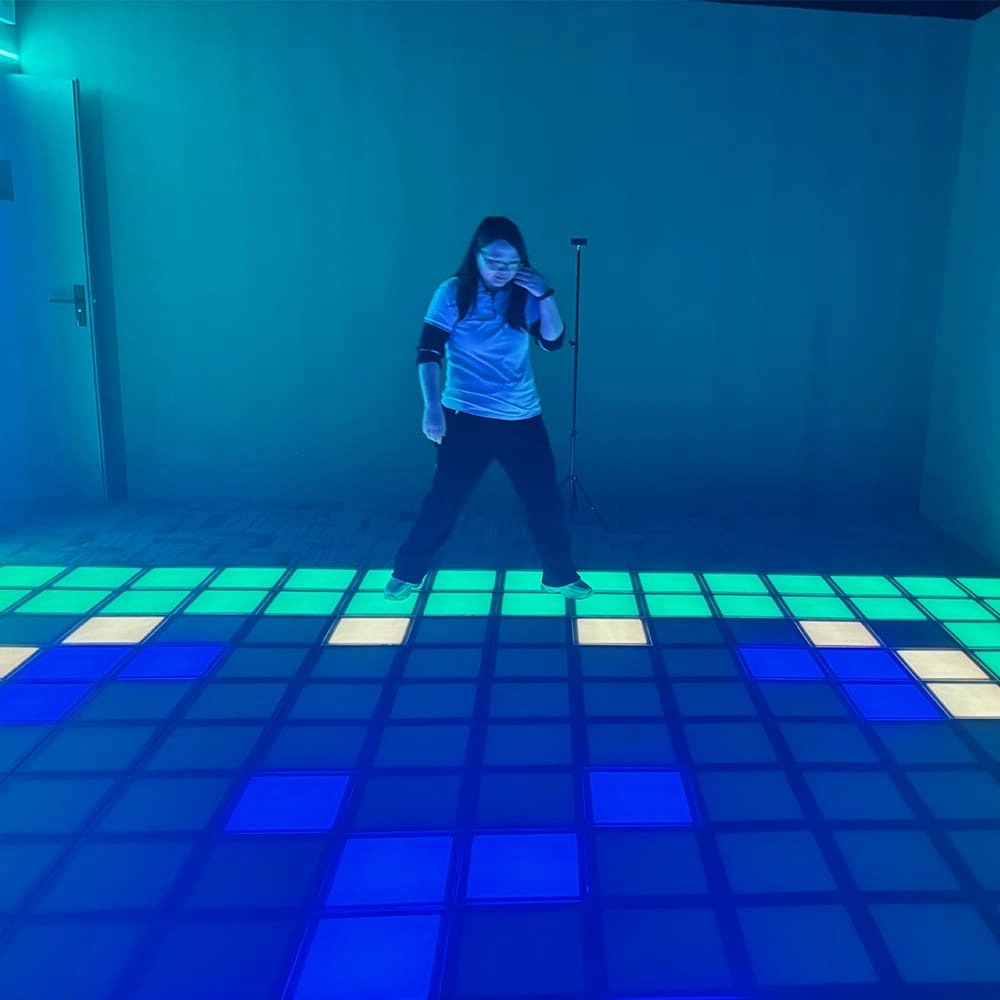
How to Set Up the Activate Grid Game – Floor is Lava Guide
Activate Games Installation and Site Planning for Operators
How to Choose the led floor games manufacturer and supplier in us?
Why choose Kyda as your horror escape games supplier
For Led Floor for Dance Pixel Grid Room
How to pack the LED tile grid?
3pcs/carton, 45cartons/panel.
How much size if we start the Megagrid floorislava?
One LED grid tile is 30*30cm, eg: room size 10*5m, which can match 32*16pcs,512pcs for total; Layout: customize the quantity and place it according to the actual venue.
Can we just buy one game room of Pixel Grid?
Yes, If you start the activate game at the first time. We have more than above 50 different activate interactive challenge game rooms for options.
What is the difference of Grid and Mega Grid, Pixel Grid?
Grid just interactive floor game, smaller room size can start, Add the wall LED tile call Pixel Grid;
Mega Grid add 20pcs Digital screen with 20pcs wall buttons , also need suggest bigger room size, more activate interesting games than Grid, add the wall LED tile call Pixel Grid;
Kyda accept personal customization as requirements; Grid, Mega Grid, Pixel Grid, Floorislava, Arena game, Active LED floor game, Interactive floor LED game etc that different name in different place.
For Company
How much need invest?
Normally can choose one Grid game only or different rooms.
Please contact with Kydaplay sales manager to get the exact cost.
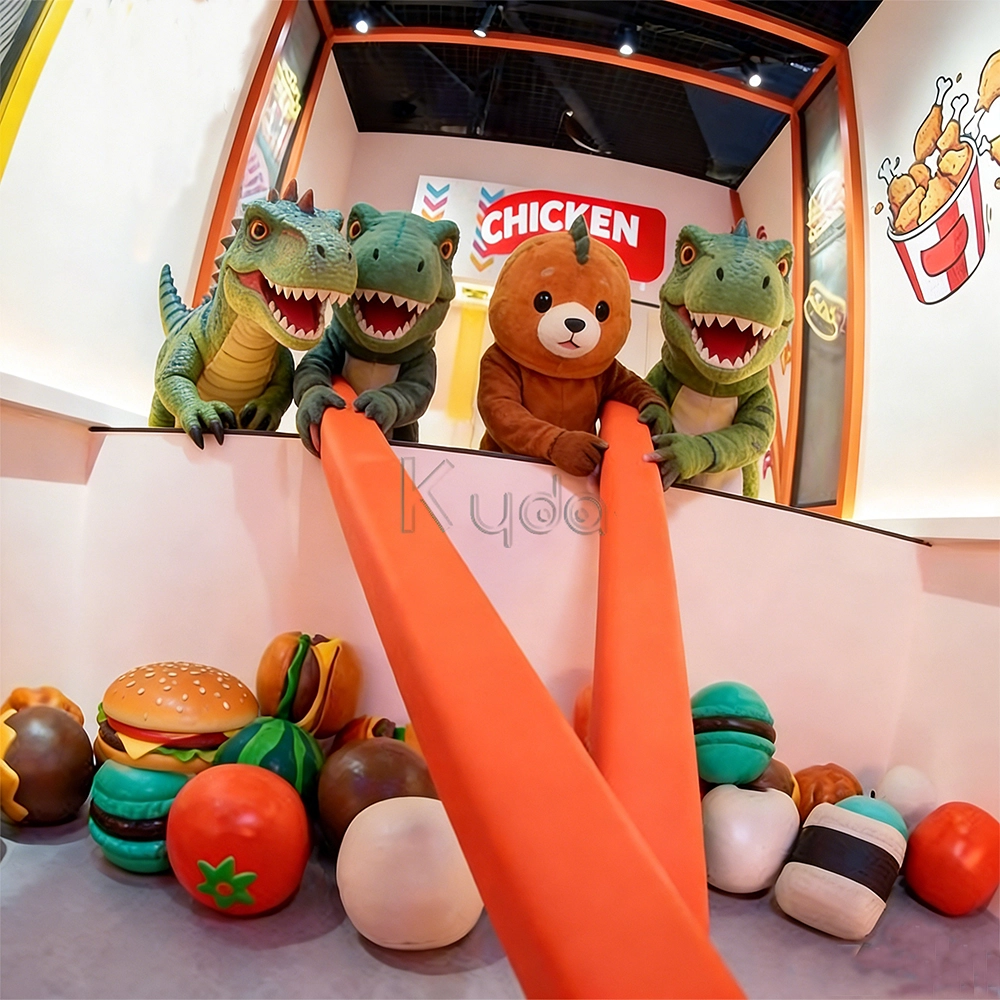
Crub Crab Giant Chopsticks Challenge Game Interactive Skill Challenge Game for Activate Game Rooms by Kyda
Crub Crab Giant Chopsticks Challenge Game is an innovative interactive challenge attraction designed for indoor entertainment centers, arcade game venues, and activate-style interactive game rooms. In this unique skill-based game, players control a pair of oversized giant chopsticks to pick up scattered snacks, toys, or prize items and place them into a collection basket within a limited time. The gameplay combines hand-eye coordination, precision control, balance, and quick reaction, creating a fun and competitive experience suitable for players of all ages.
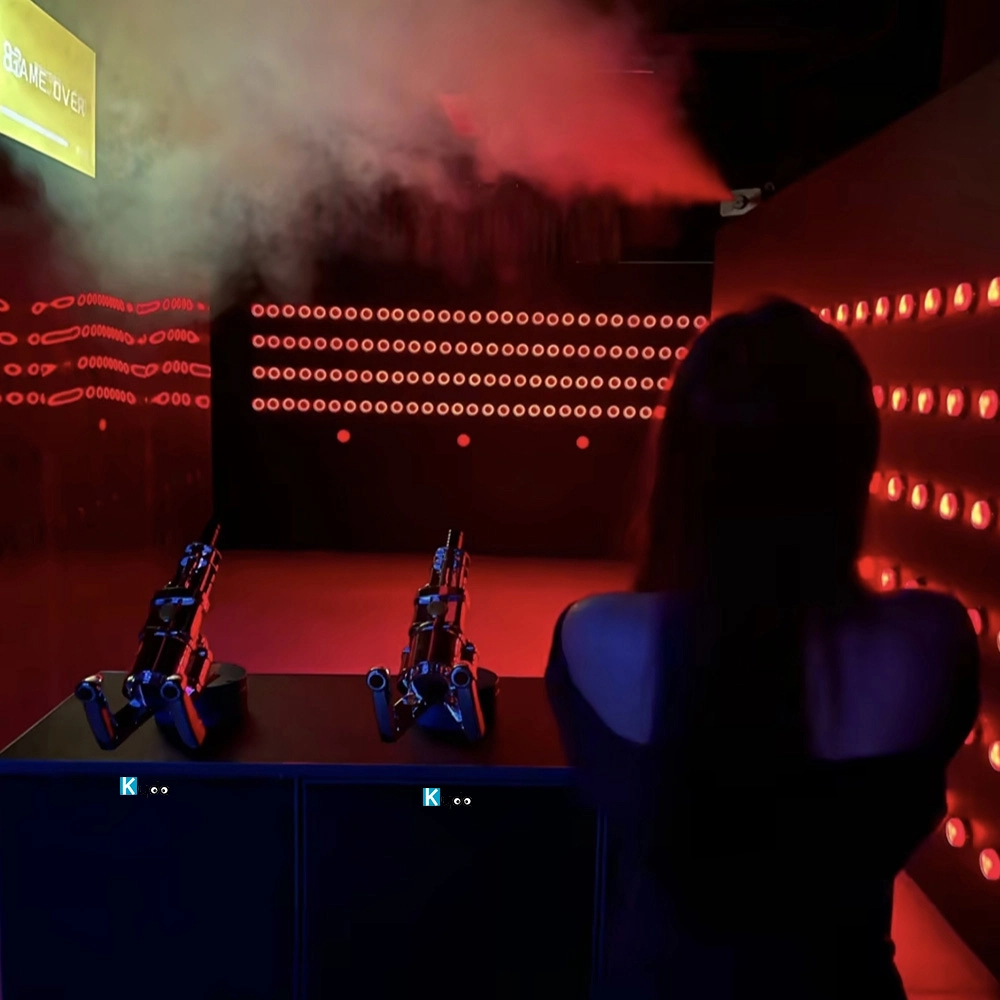
Active Reaction Laser Shooting Game Room
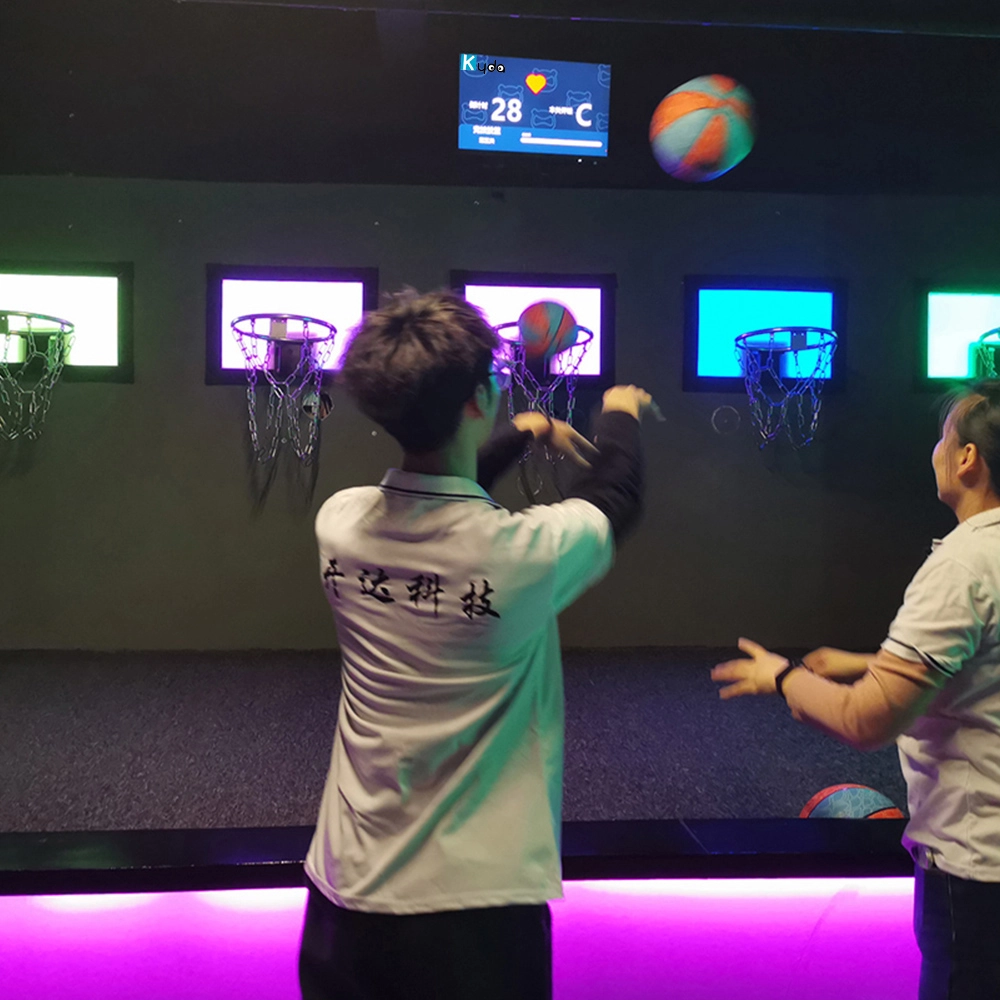
Hoops Active Game: The Ultimate Interactive Basketball Fitness Game
Elevate your basketball skills with Kyda’s Hoops Activate Game, the interactive basketball game. Perfect for basketball game rooms, Activate Hoops offers immersive fitness fun. Experience the Activate Basketball Game that combines sport and technology for active play.
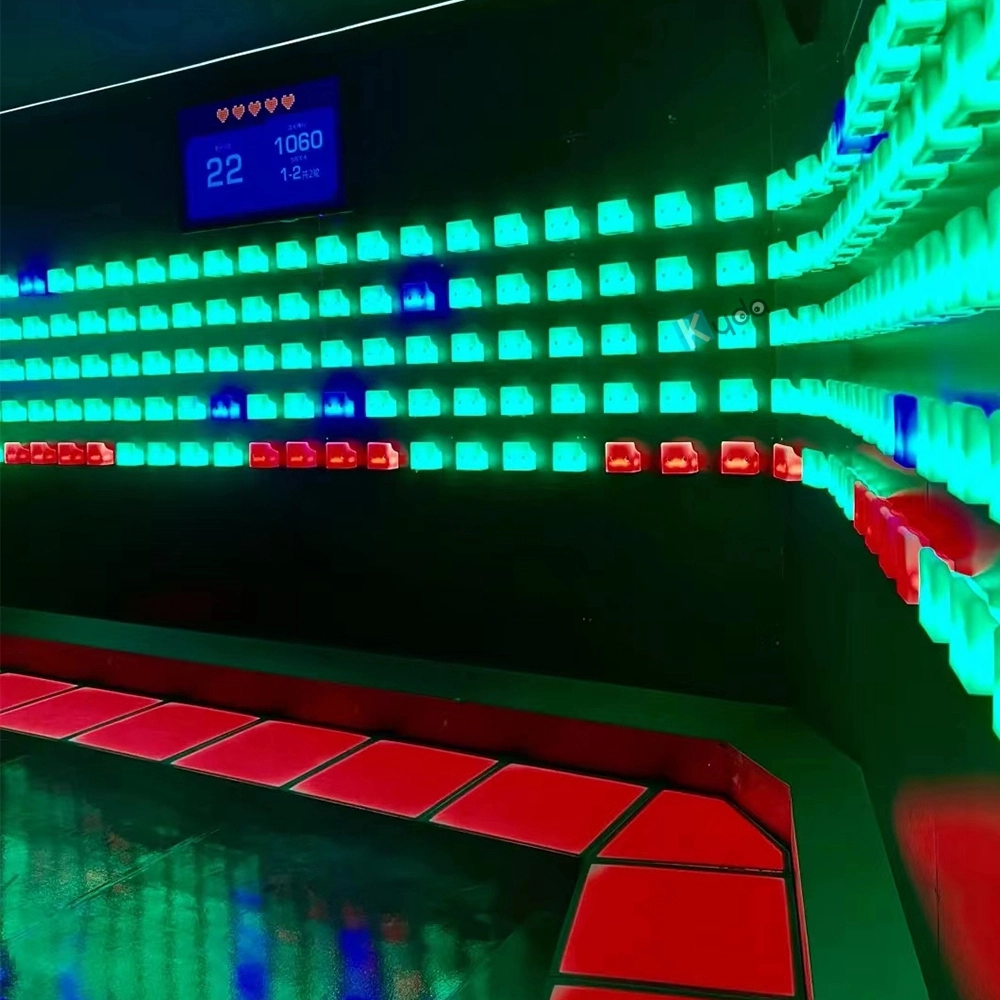
Activate Fitness Climb Game – The Ultimate Interactive LED Climbing Wall Experience
Experience the Activate Fitness Climb Game by Kyda—the interactive LED wall game. This Activate Climb Game combines fitness and fun with dynamic LED challenges, perfect for all ages. Boost agility and engagement with Kyda’s innovative interactive LED wall game today!
Let's get in touch
Email: sales@kydavr.com
Tel.: +86 188 2001 8779
Address: 501 Shixin Road, Dalong Street, Guangzhou, Guangdong, China.
© 2025 Kyda. All Rights Reserved.
 Scan QR Code
Linkedin
Ins
Facebook
Twitter
YouTube