




How to Choose the activate indoor game manufacturer and supplier in us?
- Introduction: Why Choosing the Right Activate Indoor Game Supplier Matters
- Understand the business intent behind your search for an activate indoor game
- Section 1: Define Your Project Scope and Commercial Goals
- Start with business objectives, not just features
- Section 2: Technical Capabilities and Product Fit
- Assess hardware, software, and integration capabilities
- Section 3: Customization, Design, and Localization
- Choose a manufacturer that supports local customization
- Section 4: Safety, Compliance, and Certifications
- Ensure products meet US safety and electrical standards
- Section 5: Manufacturing Capacity, Lead Times, and Supply Chain Resilience
- Evaluate lead times, production footprint, and contingency plans
- Section 6: Total Cost of Ownership (TCO) — Price vs. Value
- Look beyond upfront price: include installation, training, and maintenance
- Section 7: Installation, Training and After-Sales Support
- Prioritize suppliers who provide turnkey services and strong support
- Section 8: Content Strategy, Analytics and Player Retention
- Interactive experiences must be fresh and measurable
- Section 9: Reputation, References and Case Studies
- Verify real-world performance with references and site visits
- Section 10: Negotiation Points and Contract Essentials
- Clarify deliverables, milestones, and penalties
- Comparison Table: Key Criteria to Compare Manufacturers
- Use a simple decision matrix to score suppliers
- Section 11: Why Kyda Can Be a Strong Partner for US Projects
- One-stop solution with design, R&D, and manufacturing partnerships
- Section 12: Practical Checklist — Questions to Ask Every Manufacturer
- Use this checklist during supplier evaluation
- Conclusion: Make a Risk-Adjusted, ROI-Focused Decision
- Balance cost, capability, and long-term support
- Frequently Asked Questions
- References and Data Sources
Introduction: Why Choosing the Right Activate Indoor Game Supplier Matters
Understand the business intent behind your search for an activate indoor game
Operators, investors, and venue designers searching for an activate indoor game manufacturer are typically aiming to maximize customer engagement, revenue per square foot, and long-term operational reliability. Choosing the right manufacturer affects installation speed, uptime, customization, compliance, and return on investment. This guide helps you evaluate suppliers, compare offers, and select a partner that aligns with your project goals in the US market.
Section 1: Define Your Project Scope and Commercial Goals
Start with business objectives, not just features
Before contacting manufacturers, clearly define your objectives: Is your primary goal to increase foot traffic, improve dwell time, provide educational experiences, or optimize for low operating costs? For example, activate indoor game systems can be configured for high-throughput arcades, family entertainment centers, schools, or corporate wellness spaces. Your business model will determine necessary features such as multiplayer capacity, software analytics, modularity, and maintenance requirements.
Section 2: Technical Capabilities and Product Fit
Assess hardware, software, and integration capabilities
Top manufacturers offer a combination of reliable hardware (sensors, LED, projection, interactive floors), flexible software (content management, updates, analytics), and integration services (payment systems, POS, building controls). Ask potential suppliers about:
- Durability of components and expected lifecycle for interactive elements
- Software update frequency, remote diagnostics, and data export options
- Compatibility with third-party systems (POS, CRM, access control)
Kyda, for example, specializes in integrated systems including interactive LED floor systems, active reaction games, and interactive projection games, balancing hardware design with multimedia content and software support.
Section 3: Customization, Design, and Localization
Choose a manufacturer that supports local customization
Different regions and customer segments expect distinct aesthetics and content. The best suppliers offer tailored game design, theming, and language localization. Kyda’s team includes game designers, animation designers, product designers, and interior designers, enabling end-to-end customization. Also evaluate whether the manufacturer can leverage local supply chain partners (LED factories, sheet metal shops, electronic assemblers) to speed delivery and reduce costs.
Section 4: Safety, Compliance, and Certifications
Ensure products meet US safety and electrical standards
Safety is non-negotiable. Verify that the supplier’s products comply with relevant US standards such as UL listings for electrical components, FCC for communications where applicable, and ASTM/Consumer Product Safety guidelines for play equipment. Ask for certificate copies and documented test reports. Manufacturers with established US installations can usually provide references and evidence of compliance.
Section 5: Manufacturing Capacity, Lead Times, and Supply Chain Resilience
Evaluate lead times, production footprint, and contingency plans
Manufacturing concentration and partner networks influence lead times and costs. Suppliers who maintain relationships with local factories and multiple assembly sources are more resilient to supply disruptions. Kyda leverages manufacturing advantages in Guangzhou, Zhongshan, Zhengzhou, and Beijing as well as partnerships with diverse factories to support customization and scalable production—useful if you need staggered rollouts across multiple US locations.
Section 6: Total Cost of Ownership (TCO) — Price vs. Value
Look beyond upfront price: include installation, training, and maintenance
Evaluate TCO including purchase price, shipping, import duties (if applicable), site preparation, installation labor, training, software licensing, warranty, and expected maintenance. A low upfront price can be negated by high service costs or frequent replacements. Prefer suppliers who provide clear, itemized quotes and predictable recurring costs for software and spare parts.
Section 7: Installation, Training and After-Sales Support
Prioritize suppliers who provide turnkey services and strong support
Complex interactive installations often require on-site commissioning, staff training, and post-installation technical support. Ask whether support is provided via local technicians, remote diagnostics, or both. Confirm warranty terms, SLAs for critical failures, and availability of spare parts in the US. Kyda offers customized project delivery and ongoing support strategies suitable for multi-site operators.
Section 8: Content Strategy, Analytics and Player Retention
Interactive experiences must be fresh and measurable
Content updates, seasonal events, and campaign-driven game modes keep customers coming back. Inquire about content pipelines, update frequency, and analytics dashboards that track play counts, session length, and revenue performance. Suppliers who provide tools for remote content management and A/B testing give operators a commercial advantage.
Section 9: Reputation, References and Case Studies
Verify real-world performance with references and site visits
Request case studies, client references, and ideally on-site visits to existing installations. Look for evidence of long-term partnerships, successful multi-site deployments, and experience across similar venue types (FECs, museums, schools). Reviews from industry bodies such as IAAPA and client testimonials are useful indicators of credibility.
Section 10: Negotiation Points and Contract Essentials
Clarify deliverables, milestones, and penalties
Contracts should specify deliverables, acceptance criteria, testing procedures, delivery milestones, payment schedules, warranty scope, intellectual property rights for custom content, and penalties for missed deadlines. Include provisions for software updates, remote support response times, and training guarantees.
Comparison Table: Key Criteria to Compare Manufacturers
Use a simple decision matrix to score suppliers
| Criteria | Why it matters | What to ask |
|---|---|---|
| Product Fit / Variety | Ensures the games meet your audience and space | Can you show similar installs? Do you offer modular options? |
| Customization | Theming, language, sizing, and content localization | Are custom skins and software changes included? Lead times? |
| Compliance & Safety | Makes insurance and operations smooth | Provide UL / FCC / ASTM certificates and test reports? |
| Support & Warranty | Impacts uptime and maintenance costs | What is warranty length and SLA for on-site repairs? |
| Supply Chain & Lead Time | Affects project schedule and ability to scale | Typical production + shipping lead time? Local stock? |
| Cost / TCO | Predicts long-term profitability | Itemized TCO over 3–5 years (parts, software, labor)? |
| References & Case Studies | Shows proven commercial outcomes | Contactable references with similar project size? |
Section 11: Why Kyda Can Be a Strong Partner for US Projects
One-stop solution with design, R&D, and manufacturing partnerships
Kyda positions itself as a turnkey partner for activate indoor game projects, offering custom R&D, multimedia game design, and global manufacturing advantages. With teams covering electronic design, game and animation design, software programming, and interior design, Kyda can deliver integrated experiences—particularly useful for operators planning multi-faceted active gaming centers. Its partnerships with LED, sheet metal, paint, plastic, and electronic assembly factories help with faster prototyping and scalable local production strategies.
Section 12: Practical Checklist — Questions to Ask Every Manufacturer
Use this checklist during supplier evaluation
- Do you have US-based references and completed projects?
- Can you supply compliance certificates (UL, FCC, ASTM)?
- What are standard lead times and expedited options?
- What warranty, spare-parts stock, and SLA options do you offer?
- How is software licensed and updated (subscription, one-time)?
- Can you customize content, language, and theming locally?
- Do you provide installation, staff training, and remote diagnostics?
- What are the expected energy and maintenance requirements?
Conclusion: Make a Risk-Adjusted, ROI-Focused Decision
Balance cost, capability, and long-term support
Selecting the right activate indoor game manufacturer in the US requires balancing product fit, customization ability, safety compliance, total cost of ownership, and after-sales support. Prioritize suppliers that demonstrate real-world installations, provide transparent TCO, and offer reliable service channels. Kyda’s integrated design capabilities and diverse manufacturing partnerships make it a candidate worth evaluating for operators seeking custom, high-engagement gaming centers.
Frequently Asked Questions
What certifications should I require from an activate indoor game manufacturer?Ask for UL (or equivalent) for electrical safety, FCC for communication devices when applicable, ASTM or other play-equipment safety reports, and material safety data sheets (MSDS) for plastics and paints. Also request documented testing and any third-party lab results.
How long does a typical installation take for a medium-sized active game room?Timeline varies, but a medium 1,000–2,500 sq ft active game room typically requires 4–8 weeks for manufacturing and 3–7 days for on-site installation and commissioning, depending on site readiness. Always build buffer time for custom content and local permitting.
What ongoing costs should I expect after purchase?Expect costs for spare parts, optional software subscriptions or content packs, periodic maintenance, electricity, and staff training. These can amount to 5–15% of initial equipment cost annually depending on usage intensity.
Can manufacturers support multi-site rollouts in the US?Yes—choose manufacturers with scalable production capacity, documented multi-site experience, and local logistics partners. Confirm standardized installation procedures and training to ensure consistent guest experience across locations.
How do I evaluate software and analytics capabilities?Check for real-time dashboards, exportable reports, remote update capability, user permission controls, and APIs for integration with your CRM/POS. Request a demo of the analytics portal and examples of actionable insights derived from the data.
References and Data Sources
- International Association of Amusement Parks and Attractions (IAAPA) insights on trends for interactive attractions. URL: https://www.iaapa.org/ (accessed 2025-11-29)
- Grand View Research — indoor playgrounds and interactive attractions market reports for growth and industry trends. URL: https://www.grandviewresearch.com/ (accessed 2025-11-29)
- Statista — amusement and arcade industry revenue and consumer behavior reports. URL: https://www.statista.com/ (accessed 2025-11-29)
- UL Standards and ASTM guidelines for equipment safety and testing (for compliance references). URL: https://www.ul.com/ and https://www.astm.org/ (accessed 2025-11-29)
Custom Activate Interactive Game Manufacturers and Suppliers
Interactive Projection Mapping vs Wall Projection Games Explained
How to Choose the activate escape room manufacturer and supplier in us?
How Active Reaction Games Improve Cognitive Performance
For Activate Gaming Floorislava Family Fun
Can we just buy one game room of Mega grid room?
Yes, If you start the activate game at the first time. We have more than above 50 different activate interactive challenge game rooms for options.
What is the difference of Grid and Mega Grid?
Grid just interactive floor game, smaller room size can start; Mega Grid add 20pcs Digital screen with 20pcs wall buttons, also need suggest bigger room size, more activate interesting games than Grid;
For Company
Can you customize the game software and hardware?
Yes, Kydaplay accept customize software with hardware.
How much need invest?
Normally can choose one Grid game only or different rooms.
Please contact with Kydaplay sales manager to get the exact cost.
For Led Floor for Dance Pixel Grid Room
How to pack the LED tile grid?
3pcs/carton, 45cartons/panel.
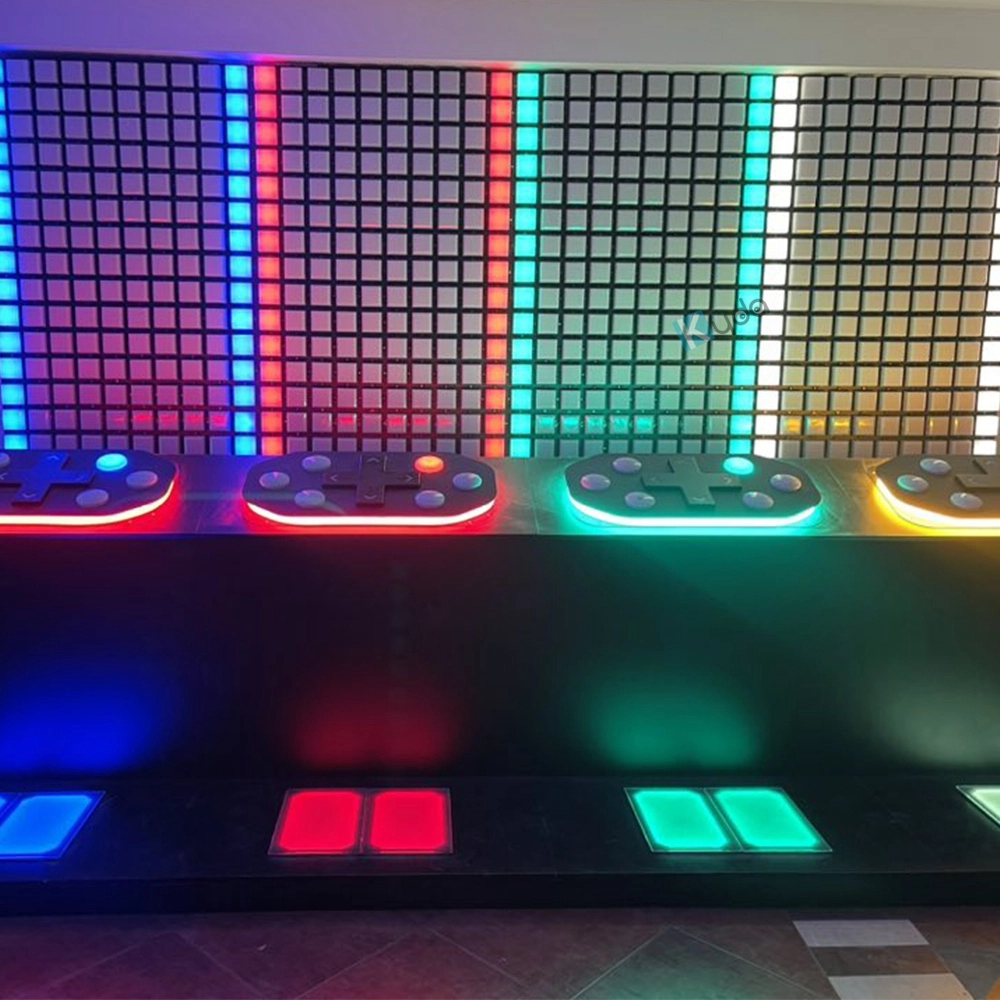
Active Reaction Game Room – LED Control Interactive Wall Game System by Kyda
Active Reaction Game Room – LED Control Interactive Wall Game System by Kyda. Activate indoor game excitement with Kyda’s Interactive Wall: responsive LED targets, multi-player modes, training and entertainment. Easy to install, customizable for venues.
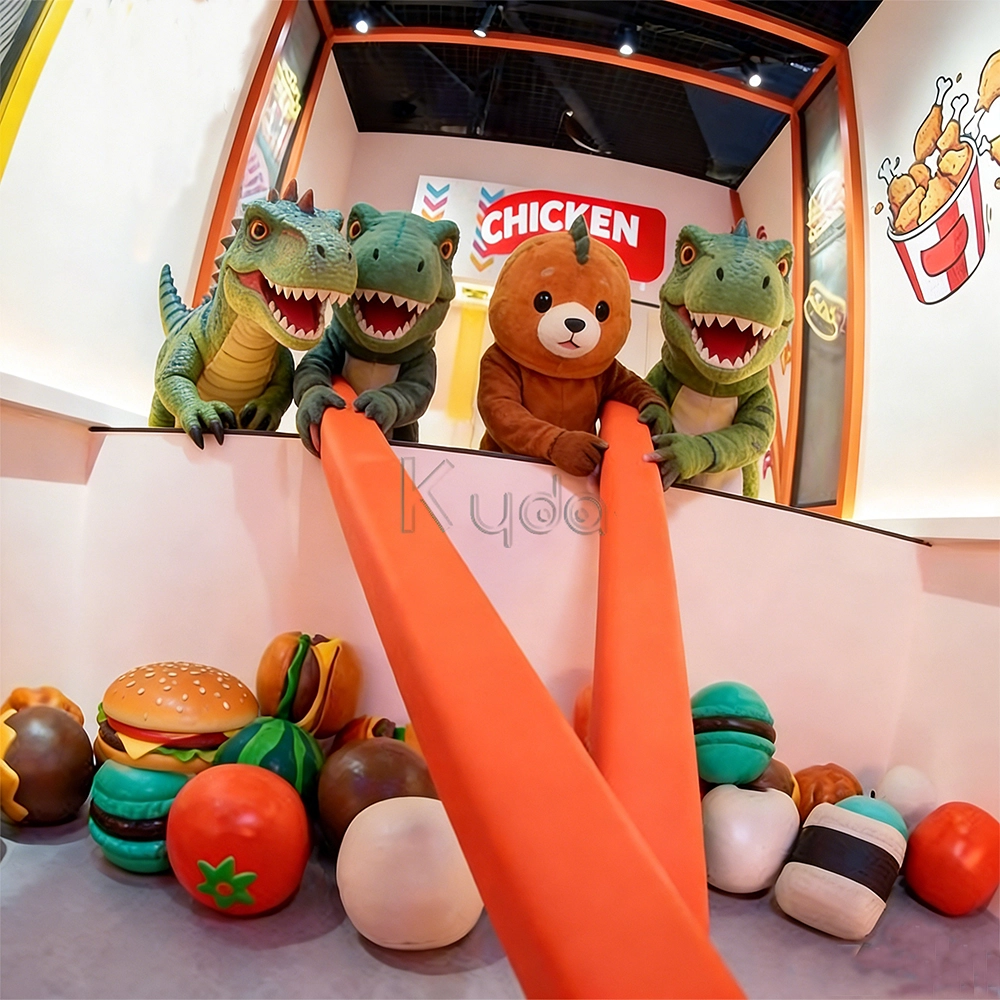
Crub Crab Giant Chopsticks Challenge Game Interactive Skill Challenge Game for Activate Game Rooms by Kyda
Crub Crab Giant Chopsticks Challenge Game is an innovative interactive challenge attraction designed for indoor entertainment centers, arcade game venues, and activate-style interactive game rooms. In this unique skill-based game, players control a pair of oversized giant chopsticks to pick up scattered snacks, toys, or prize items and place them into a collection basket within a limited time. The gameplay combines hand-eye coordination, precision control, balance, and quick reaction, creating a fun and competitive experience suitable for players of all ages.
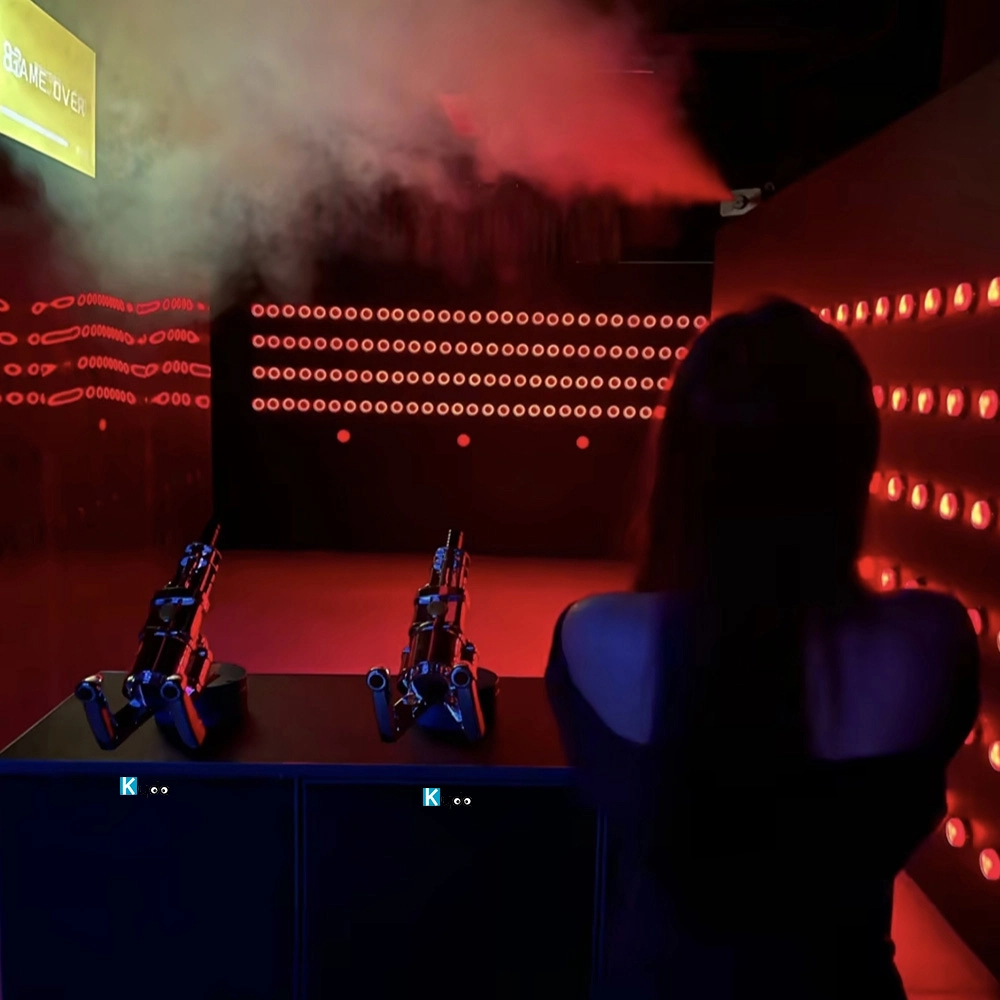
Active Reaction Laser Shooting Game Room
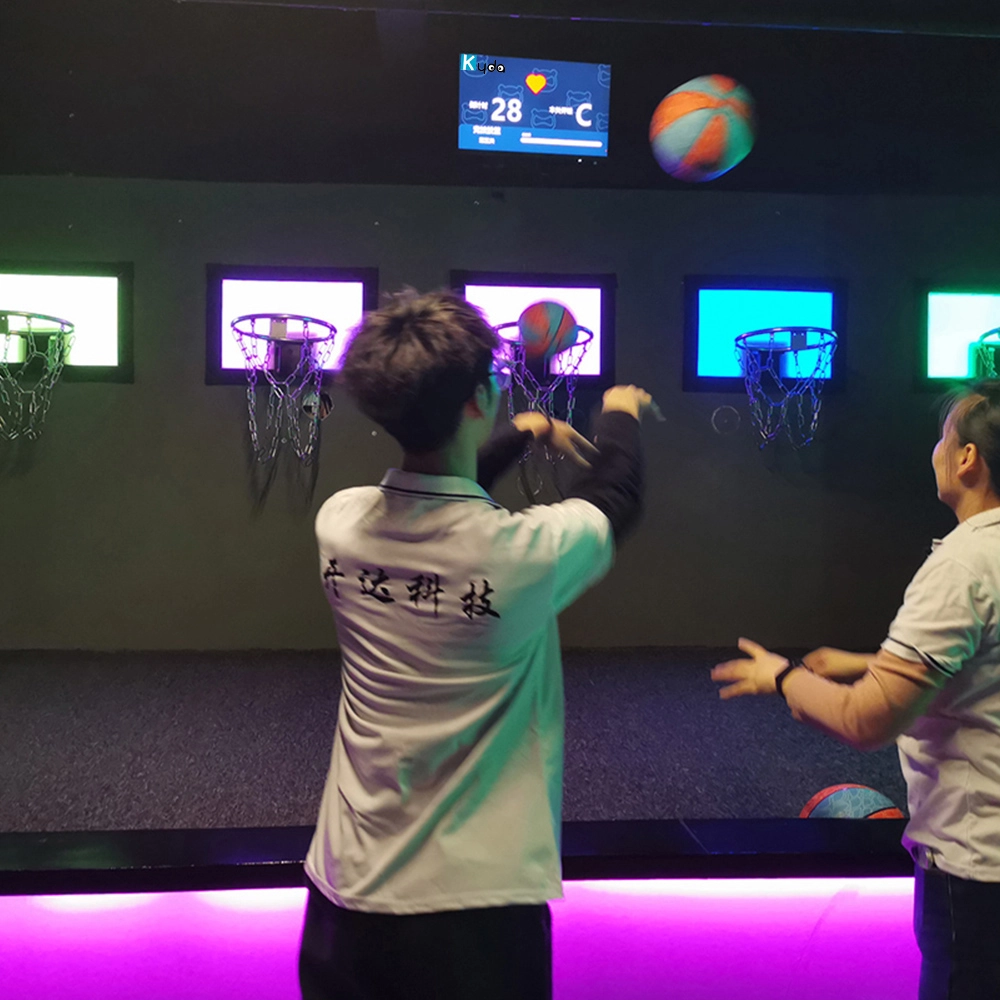
Hoops Active Game: The Ultimate Interactive Basketball Fitness Game
Elevate your basketball skills with Kyda’s Hoops Activate Game, the interactive basketball game. Perfect for basketball game rooms, Activate Hoops offers immersive fitness fun. Experience the Activate Basketball Game that combines sport and technology for active play.
Let's get in touch
Email: sales@kydavr.com
Tel.: +86 188 2001 8779
Address: 501 Shixin Road, Dalong Street, Guangzhou, Guangdong, China.
© 2025 Kyda. All Rights Reserved.
 Scan QR Code
Linkedin
Ins
Facebook
Twitter
YouTube