




How to promote offline activate games using social media
- Promoting In-Person Play: Using Social Media to Drive Footfall for Activate Games
- 1. Understand audience and local intent for activate games
- 2. Choose the right platforms for activate games promotion
- 3. Content types that convert viewers into visitors
- Awareness (reach and curiosity)
- Consideration (trust and details)
- Conversion (action)
- 4. Paid social tactics to drive offline visits for activate games
- 5. Measuring online-to-offline outcomes and ROI for activate games
- 6. Local partnerships and community activation for activate game centers
- 7. Event marketing and seasonal programming using social media
- 8. Creative production tips for activate games social content
- 9. Operational alignment: staff, booking, and safety messaging
- 10. Case study-style checklist: 30-day social ramp to promote a new activate game
- Kyda — a strategic partner for activate interactive games and centers
- Frequently Asked Questions (FAQ)
- Q1: Which social platform delivers the best ROI for local activate games?
- Q3: How can I measure how many social visitors actually visited my activate game center?
- Q4: What types of influencer partnerships work best for activate games?
- Q5: How much budget should I allocate to social ads for a local activate games center?
- Q6: What creative elements most drive bookings for activate games?
- Q7: Can I promote seasonal or pop-up activate games on social effectively?
- Contact and next steps
- References
Promoting In-Person Play: Using Social Media to Drive Footfall for Activate Games
Offline activate games—location-based interactive games, active reaction experiences, and immersive projection installations—depend on physical visitors. Social media is the bridge between online discovery and in-person attendance. This article gives operators, marketing managers, and location owners a tactical playbook for using social channels to promote activate games effectively, increase visits, and maximize revenue per visitor.
1. Understand audience and local intent for activate games
Before creating content or ads, identify what your potential customers are searching for and why. For activate games, common intents include:
- Find nearby entertainment: activate games near me, interactive game center
- Find experiences for groups: team building active games, kids party interactive games
- Discover novelty: LED floor game experience, projection game center
- Compare value: price active gaming center, open hours activate games
Match your social content to these intents. Use localized keywords, clear calls-to-action (book, visit, reserve), and service-detail posts (hours, pricing, group offers).
2. Choose the right platforms for activate games promotion
Platform selection should be based on demographics and content format. Short video and visually engaging channels perform best for activate games because the product is experiential and visual.
| Platform | Best use for activate games | Key audience | Recommended content |
|---|---|---|---|
| Visual discovery, Reels for reach, Stories for promotions | Young adults, families (18–34) | Reels showing gameplay, carousel of venue, influencer takeovers | |
| TikTok | Viral short-form video, challenges, user-generated content | Teens to young adults (13–35) | Challenges, POV gameplay, reaction clips |
| Event promotion, groups, local ads | Adults, parents (25–55) | Event pages, ads targeting local communities, video highlights | |
| YouTube | Long-form demos, walkthroughs, testimonials | All ages, hobbyists | Experience videos, promotional trailers, how-to content |
| X (Twitter) | Real-time updates, announcements | Local press, event-goers | Opening times, live event updates, links to booking |
Sources for platform demographics and trends are listed in References below. Short video and local discovery features are particularly effective — prioritize them in your media plan.
3. Content types that convert viewers into visitors
Activate games sell through experience. Create content that lowers uncertainty and raises desire. Use a content mix: awareness, consideration, and conversion.
Awareness (reach and curiosity)
- Hero videos: 15–60s cinematic Reels/TikToks with upbeat audio showing players, lights, and reactions.
- Teaser clips: countdowns to new games or seasonal rooms.
Consideration (trust and details)
- Behind-the-scenes: staff demoing rules, safety, and how games flow.
- Testimonials: short clips of groups describing the experience.
- FAQ posts: price, duration, accessibility.
Conversion (action)
- Limited-time offers: promo codes for off-peak bookings.
- Event announcements with built-in booking links (Facebook Events, Instagram Link in Bio).
- Geo-targeted ads with store visit objectives.
4. Paid social tactics to drive offline visits for activate games
Social ads are essential for scaling. Use a layered approach: awareness campaigns, retargeting, and conversion campaigns with local objectives.
- Use geo-fencing and local radius targeting: focus on a 5–20 km radius depending on population density.
- Run store-visit or offline conversion objectives where available (Facebook/Meta, Google). Use Facebook's Offline Conversions API or similar to attribute walk-ins.
- Promote time-limited bundles: weekday discounts, group party packages.
- Leverage Lookalike Audiences seeded from your best customers (email list, frequent visitors).
Track KPIs: impressions, reach, click-through rate (CTR), booking rate, and — crucially — offline visitation (redeemed vouchers, bookings, POS entries).
5. Measuring online-to-offline outcomes and ROI for activate games
Measuring footfall driven by social is a challenge but solvable with layered measurement:
- Booking integrations: connect social ads to booking engine promo codes. Count code redemptions as conversions.
- POS tracking: create campaign-specific SKUs or redemption codes for walk-in purchases.
- Surveys at point-of-sale: ask How did you hear about us? and record social channel answers.
- Use pixel/SDK + mobile ad IDs cautiously: where permissible, match ad impressions to store visits using platform store visit metrics.
Calculate ROI per campaign: (Incremental revenue attributable to campaign - campaign cost) / campaign cost. For smaller centers, track incremental weekly bookings and lifetime value (LTV) of repeat customers.
6. Local partnerships and community activation for activate game centers
Physical centers succeed when embedded in the local ecosystem. Social channels are your amplifier for partnerships.
- Partner with schools, local sports clubs, and corporate HR teams for team-building packages — promote via LinkedIn (for corporate) and Facebook groups (for schools and parents).
- Work with local influencers and micro-influencers (1k–50k followers) to host experience posts and giveaways. Micro-influencers often drive higher conversion per dollar spent for local offers.
- Co-host pop-up demos at malls or community events and amplify with event pages and live video streams.
7. Event marketing and seasonal programming using social media
Events create urgency and social buzz. Plan a 6–8 week promotional timeline for each major activation:
- Teaser phase (weeks 1–2): short countdown videos and behind-the-scenes.
- Announcement phase (weeks 3–4): event page, booking links, influencer previews.
- Conversion phase (weeks 5–6): paid ads, promo codes, retargeting to engaged users.
- Reminder phase (week of): Stories, live walkthrough, staff-hosted Q&A.
Use UGC contests (best reaction clip wins free session) to generate fresh content and build a library of authentic footage you can reuse in ads.
8. Creative production tips for activate games social content
High-production content is great, but authenticity and repeatability matter more for ongoing promotion. Follow these practical creative rules:
- Film vertically for Reels/TikTok and horizontally for YouTube depending on the channel.
- Capture player reactions — faces, sound, and lighting convey the experience.
- Short edits (3–15s) for discovery; longer clips (60–180s) for testimonials and event recaps.
- Create a brand kit: colors, fonts, short sonic logo for quick recognition.
9. Operational alignment: staff, booking, and safety messaging
Marketing promises must match on-site reality. Use social media to set clear expectations:
- Post clear instructions: play duration, age limits, footwear requirements.
- Feature staff introductions and safety walkthroughs to reassure parents and corporate customers.
- Ensure online booking availability matches real-time capacity to avoid overbooking and negative reviews.
10. Case study-style checklist: 30-day social ramp to promote a new activate game
Follow this checklist for a concentrated push:
- Week 0: Produce 5 short videos (teaser, rules, testimonial, highlight, CTA).
- Week 1: Launch organic posts + 1 micro-influencer visit.
- Week 2: Start paid awareness (short video ads) with 10–20 km geo-targeting.
- Week 3: Retarget engaged viewers with booking offer and group discount.
- Week 4: Host an influencer open-night and amplify UGC. Capture metrics and iterate.
Kyda — a strategic partner for activate interactive games and centers
Kyda is a one-stop solution provider of active game rooms and Activate gaming centers dedicated to the custom research, development, production, and sales of interactive and educational recreational products, as well as indoor and outdoor amusement equipment and low-cost, high-income, high-return equipment.
Kyda's main products include activate interactive games, interactive LED floor systems, active reaction games, brain challenge games, horror escape games, active fitness games, and interactive projection games, as well as various thrilling indoor and outdoor amusement equipment. These product lines map directly to the social content tactics above: visually striking LED floors, projection experiences, and reaction games create ideal short-form and experiential content that converts.
The Kyda team consists of professionals specializing in electronic design and development, software programming, game design, animation design, product design, multimedia design, and interior design. Leveraging manufacturing advantages in Guangzhou, Zhongshan, Zhengzhou, and Beijing, Kyda maintains long-term partnerships with LED light factories, advertising production factories, sheet metal factories, paint factories, electronic assembly factories, 3D plastic printing factories, and multimedia resource companies. This enables customized projects and localized production to meet diverse market needs.
Kyda's competitive strengths:
- Broad product portfolio: interactive projection games, activate interactive games, interactive LED floor, interactive LED wall, laser interactive games — each designed for high visual impact on social platforms.
- Customization and local adaptability: modular hardware and tailored software allow operators to match local tastes and venue constraints.
- Technical depth: in-house electronic and software engineering teams shorten R&D cycles and support ongoing feature updates and integrations with booking/loyalty systems.
- Manufacturing partnerships: multiple production partners reduce lead times and enable competitive pricing for high-margin deployments.
- Industry vision: Kyda aims to be a world-leading active game room manufacturer, combining design, technology, and execution to deliver consistent, replicable experiences worldwide.
If you operate an activate gaming center and want hardware and game designs that are inherently social-media-friendly (bright visuals, player-focused moments, and shareable mechanics), Kyda's product suite and customization capabilities make it straightforward to create marketable activations that drive both online buzz and offline revenue.
Frequently Asked Questions (FAQ)
Q1: Which social platform delivers the best ROI for local activate games?
A: Short-form video platforms (TikTok and Instagram Reels) typically drive the best organic reach and engagement for experience-based businesses. For paid local conversions, Facebook/Meta's local awareness and store visit objective campaigns are useful. The exact ROI depends on creative quality, targeting, and the offer—test small budgets on multiple platforms and scale what works.
Q3: How can I measure how many social visitors actually visited my activate game center?
A: Use booking promo codes tied to campaigns, POS redemption codes, How did you hear about us? at checkout, and store-visit metrics where available in ad platforms. A combination of these methods gives the most reliable picture.
Q4: What types of influencer partnerships work best for activate games?
A: Micro-influencers (1k–50k followers) with strong local followings and high engagement often outperform larger influencers for local visits. Invite them for an experience visit, provide free group sessions, and ask for short-form content and Stories with direct booking links or promo codes.
Q5: How much budget should I allocate to social ads for a local activate games center?
A: Start small and test: $300–$1,000 per month for testing creatives and targeting. Once you identify winning creatives and audiences, scale to larger budgets while tracking cost per booking and ROI. Budget needs vary by market size and venue capacity.
Q6: What creative elements most drive bookings for activate games?
A: Player reaction shots, clear demonstration of gameplay, short clips of groups having fun, and a visible call-to-action (book now with a promo) are the highest-converting elements. Show duration, price range, and special offers in either the caption or overlay text.
Q7: Can I promote seasonal or pop-up activate games on social effectively?
A: Yes. Seasonal activations benefit from urgency-based tactics: countdowns, early-bird offers, and limited-capacity bookings. Use event pages and targeted ads to capture both spontaneous visitors and advance bookings.
Contact and next steps
If you want help building a social plan tailored to your activate games center, or to explore turnkey hardware and game designs that maximize social shareability, contact Kyda for customization, production, and deployment. Kyda offers turnkey solutions from concept to installation to help you attract visitors, increase dwell time, and boost repeat revenue.
References
- DataReportal, Digital 2024 Global Overview Report, DataReportal / We Are Social & Hootsuite. https://datareportal.com/reports/digital-2024-global-overview-report (accessed Jan 2024)
- Statista, Number of social network users worldwide from 2010 to 2024, Statista. https://www.statista.com/statistics/278414/number-of-worldwide-social-network-users/ (accessed 2024)
- Pew Research Center, Social Media Fact Sheet, Pew Research. https://www.pewresearch.org/internet/fact-sheet/social-media/ (accessed 2023)
- HubSpot, The State of Marketing, HubSpot Research. https://www.hubspot.com/state-of-marketing (accessed 2024)
- Grand View Research, Family Entertainment Centers Market Size, Grand View Research. https://www.grandviewresearch.com/industry-analysis/family-entertainment-centers-market (accessed 2023)
Why Horror Escape Games Are the Next Big Thing in Immersive Entertainment
LED interactive game floor designs for schools and museums
Offline activate games for trade shows and retail activations
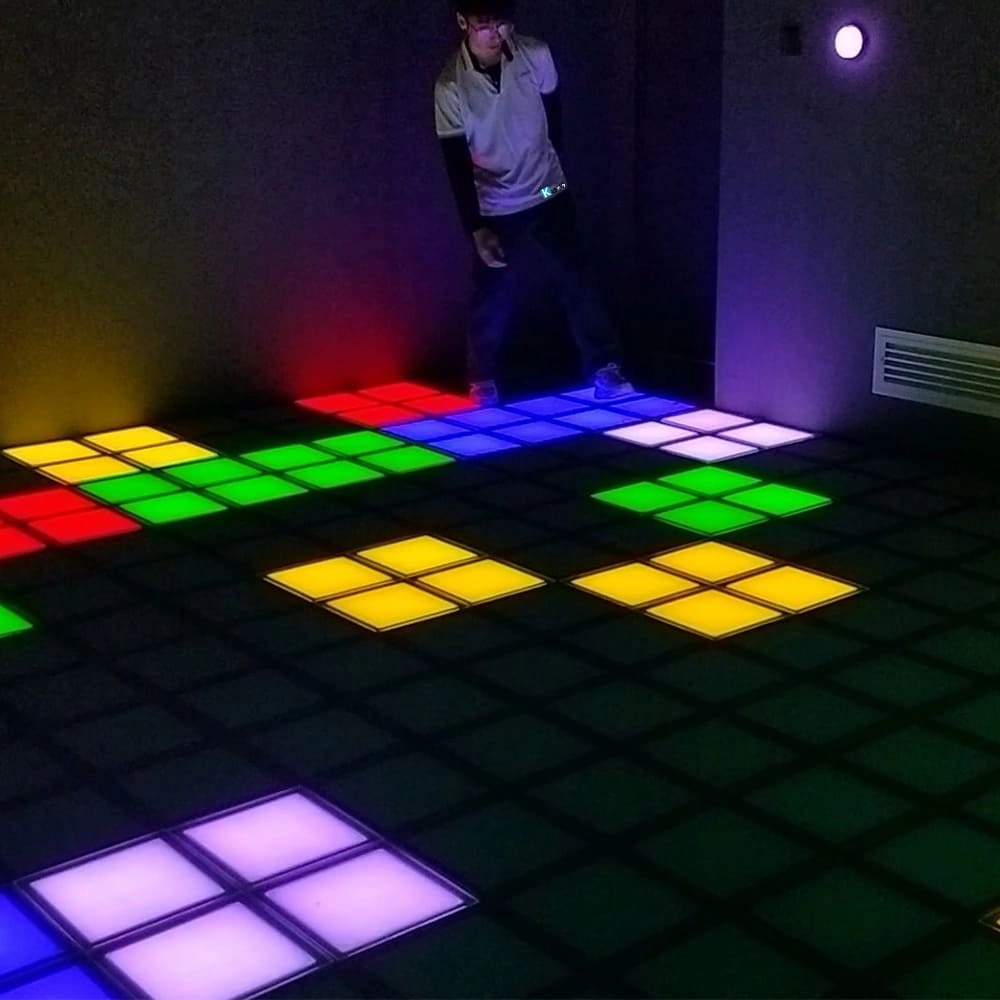
Activate Games Safety Tips & Rules for LED Floor Playrooms
For Activate Gaming Floorislava Family Fun
How much size if we start the Megagrid floorislava?
One LED grid tile is 30*30cm, eg: room size 10*5m, which can match 32*16pcs,512pcs for total; Layout: customize the quantity and place it according to the actual venue.
For Company
How many activate game rooms Kydaplay make?
Till now, 50game rooms, still updating new….
Grid, Mega grid, Climb, ARENA ,Control ,HIDE ,Push, Pipes, Laser shooting, Hoops, Cylinder, Octopus,Strike,Flash, Cannon, KNOCK OUT, Lightning, 7 Blocks, GOLDEN GAME BRIDGE, RESTRICTED, BOMB Football, Rotating targets, Angry Bird, GENIUS, Lava Monster, Super Adventure …..
What is your advantage?
1)We have CE certification, Software copyright, Patent;
2) We already assistant our customer open more than 100places activate shop in the world, we know what is the important, how to meet different country’s requirements, personal customize game , software, hardware;
3)We already developed above 50 different game room, and will update more;
4)We have our own management system, Online booking ticket system(online payment support), Ranking system , Score system, DIY website.
Do you have management system and bracelet?
Yes, we support to sell the whole Activate game software, hardware, management system, Ranking, online tickets, scores…
For Games Grid Floor is Lava
Can we just buy one game room of grid floor is lava?
Yes, If you start the activate game at the first time. We have more than above 50 different activate interactive challenge game rooms for options.
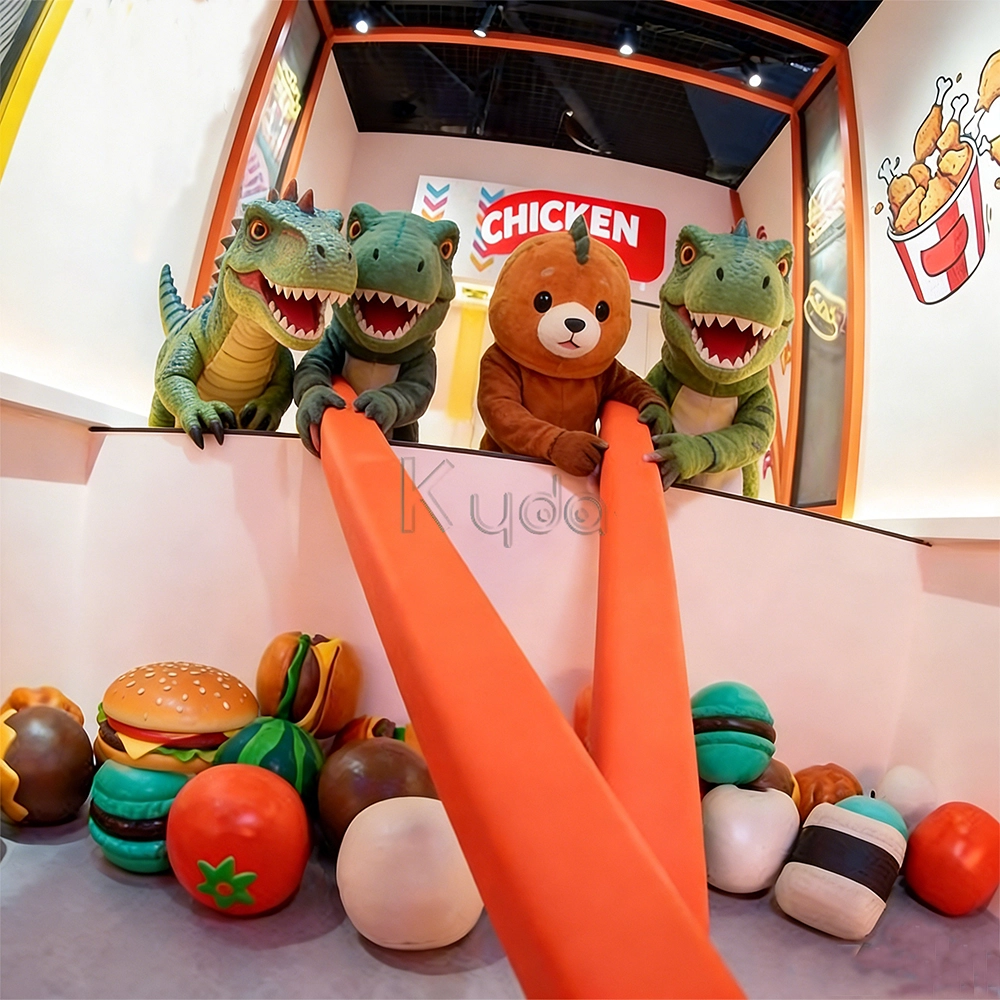
Crub Crab Giant Chopsticks Challenge Game Interactive Skill Challenge Game for Activate Game Rooms by Kyda
Crub Crab Giant Chopsticks Challenge Game is an innovative interactive challenge attraction designed for indoor entertainment centers, arcade game venues, and activate-style interactive game rooms. In this unique skill-based game, players control a pair of oversized giant chopsticks to pick up scattered snacks, toys, or prize items and place them into a collection basket within a limited time. The gameplay combines hand-eye coordination, precision control, balance, and quick reaction, creating a fun and competitive experience suitable for players of all ages.
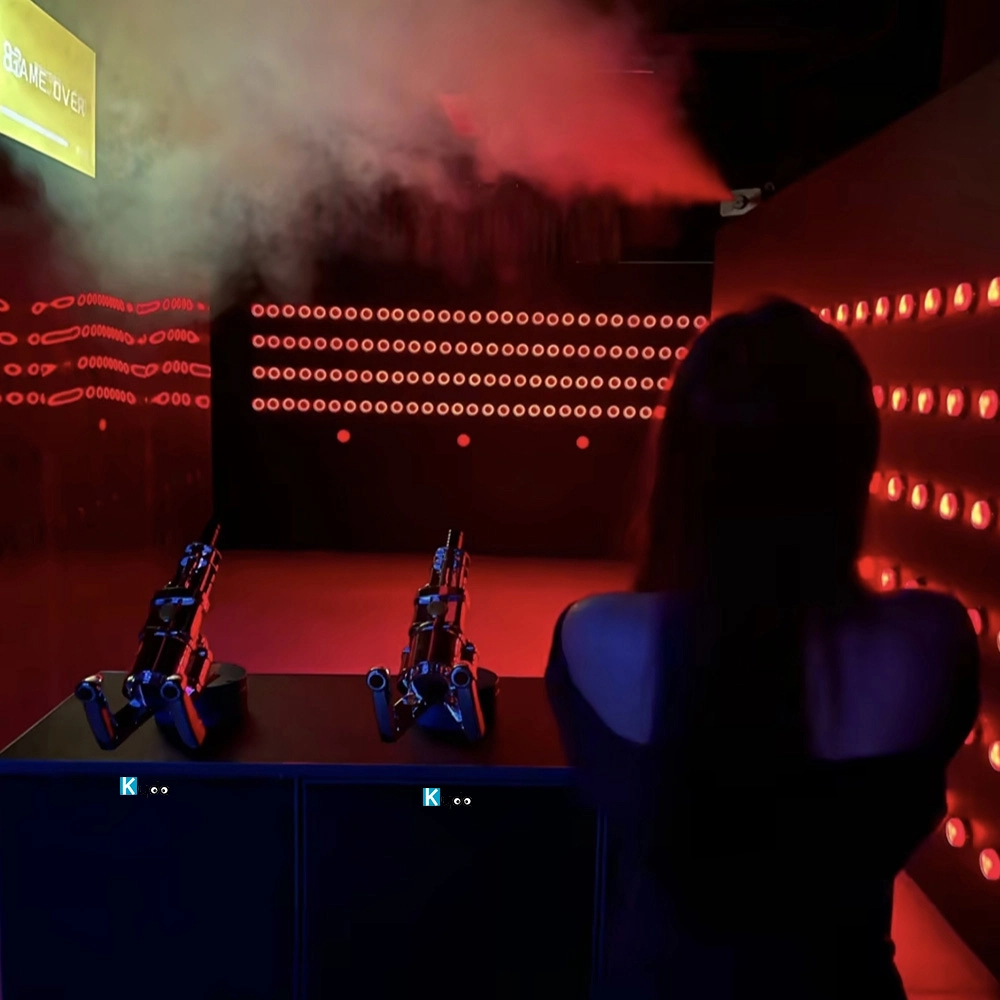
Active Reaction Laser Shooting Game Room
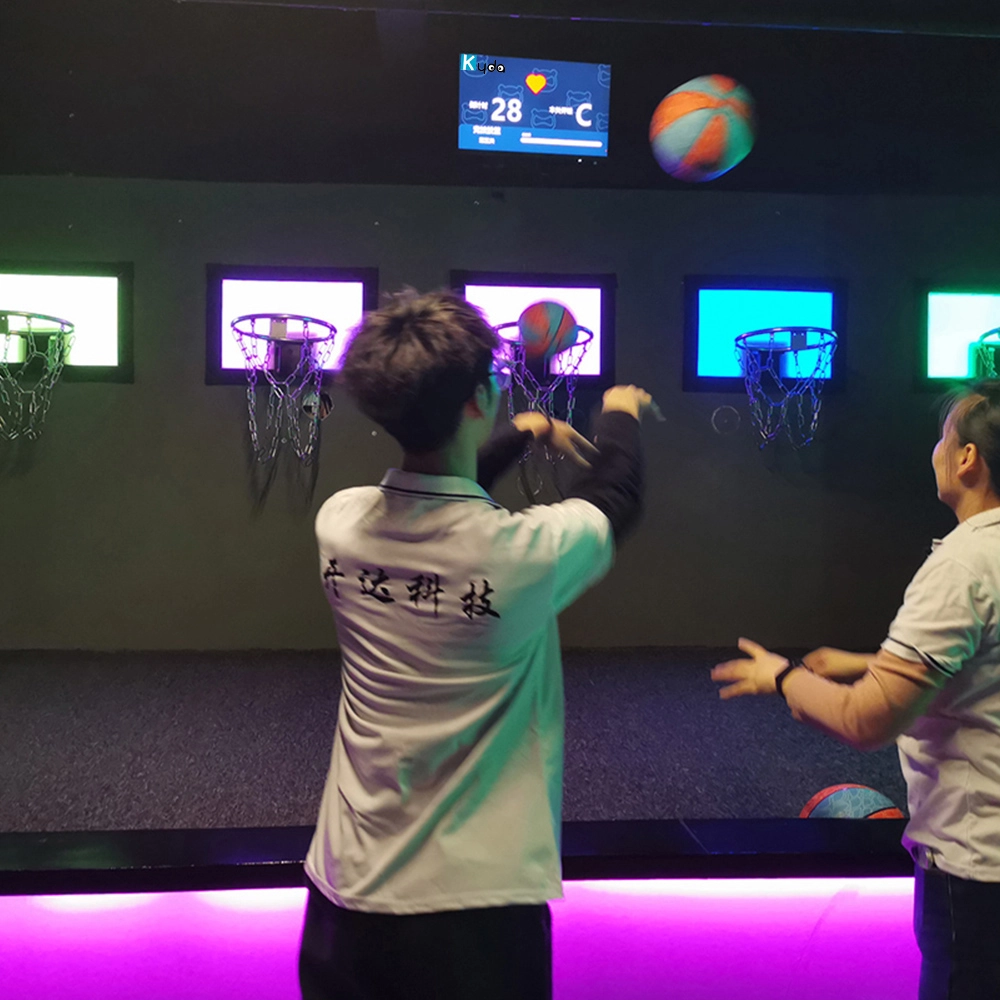
Hoops Active Game: The Ultimate Interactive Basketball Fitness Game
Elevate your basketball skills with Kyda’s Hoops Activate Game, the interactive basketball game. Perfect for basketball game rooms, Activate Hoops offers immersive fitness fun. Experience the Activate Basketball Game that combines sport and technology for active play.
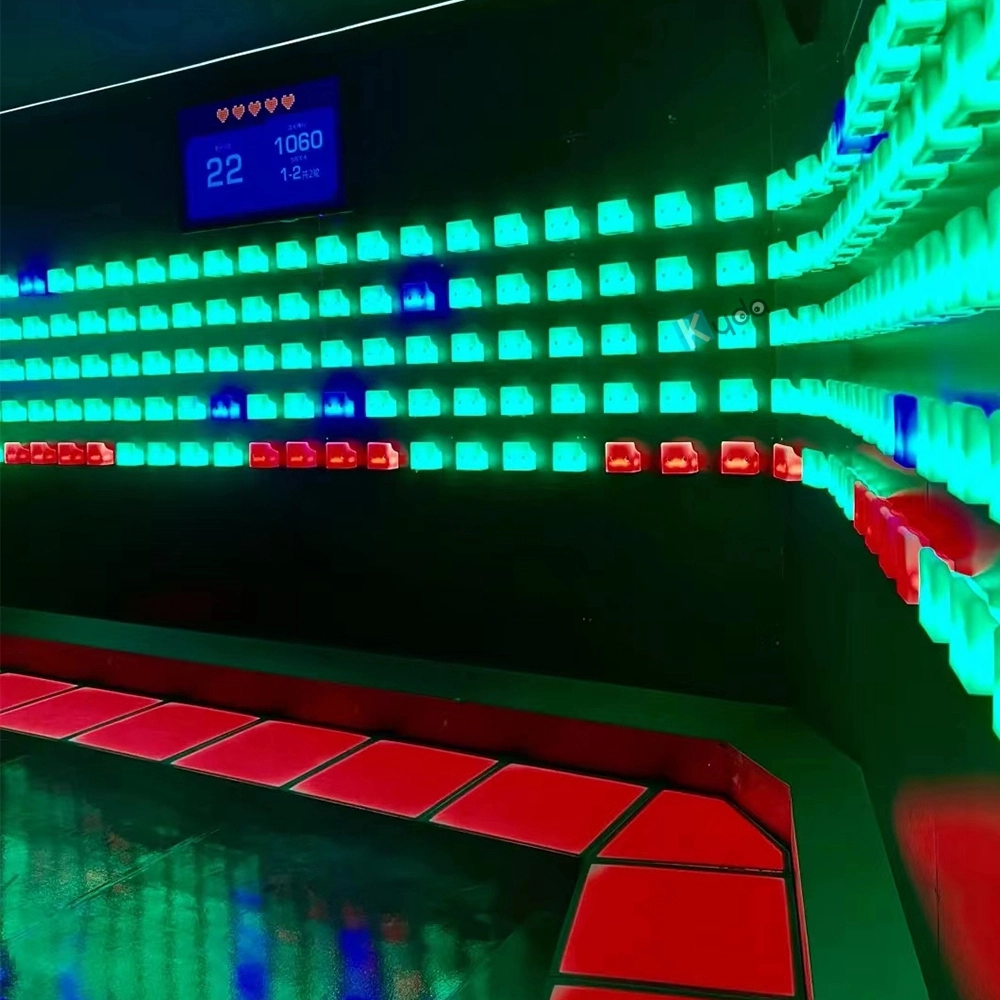
Activate Fitness Climb Game – The Ultimate Interactive LED Climbing Wall Experience
Experience the Activate Fitness Climb Game by Kyda—the interactive LED wall game. This Activate Climb Game combines fitness and fun with dynamic LED challenges, perfect for all ages. Boost agility and engagement with Kyda’s innovative interactive LED wall game today!
Let's get in touch
Email: sales@kydavr.com
Tel.: +86 188 2001 8779
Address: 501 Shixin Road, Dalong Street, Guangzhou, Guangdong, China.
© 2025 Kyda. All Rights Reserved.
 Scan QR Code
Linkedin
Ins
Facebook
Twitter
YouTube