




How to Choose the active games manufacturer and supplier in us?
- How to Choose the Active Games Manufacturer and Supplier in the US?
- Why choosing the right active games partner matters
- Key criteria when evaluating an active games manufacturer
- 1. Product quality and safety compliance
- 2. Customization & R&D capability
- 3. Manufacturing footprint and supply chain reliability
- 4. Installation, commissioning and local support
- 5. Software updates & content management
- 6. Price, ROI and low-cost/high-return options
- 7. References, case studies and site visits
- Practical evaluation checklist and scoring matrix
- How to score suppliers objectively
- Comparison: Typical US supplier vs. a vertically integrated partner like Kyda
- What to compare in practice
- Step-by-step procurement roadmap for Activate gaming centers
- Step 1: Define goals, audience and financial targets
- Step 2: Prepare a detailed RFP and technical brief
- Step 3: Shortlist and request prototypes or demo access
- Step 4: Negotiate terms, warranties, and spare parts
- Step 5: Plan installation, staff training and soft-launch
- Real-world considerations that operators often miss
- Network reliability and data privacy
- Spare parts and modular repairs
- Future-proofing and content refresh
- Conclusion: Prioritize safety, customization and long-term partnership
- Choosing the right partner is a strategic decision
- Frequently Asked Questions
How to Choose the Active Games Manufacturer and Supplier in the US?
Why choosing the right active games partner matters
Choosing a reliable active games manufacturer and supplier directly impacts safety, guest experience, uptime, and return on investment (ROI) for Activate gaming centers and interactive playrooms. Active games (interactive LED floors, reaction games, projection games, and brain-challenge equipment) are complex systems that combine electronics, software, physical structures, and content design. A poor supplier can cause long lead times, high maintenance costs, and inconsistent guest experiences — while the right partner reduces total cost of ownership, improves margins, and speeds market launch.
Key criteria when evaluating an active games manufacturer
1. Product quality and safety compliance
Safety and build quality must be non-negotiable for active games. Ask for materials certificates, UL/CE/ETL listings for electrical components, flame-retardant and impact-resistance data for surfaces, and any playground or amusement equipment certifications. Reliable manufacturers run third-party safety tests and maintain traceability for critical components.
2. Customization & R&D capability
Active games succeed when they match your space and audience. Look for suppliers with in-house R&D, game designers, software programmers, animation teams, and multimedia capabilities who can deliver tailored content, themes, and difficulty curves. The ability to prototype quickly and iterate is essential for location-based entertainment (LBE) projects.
3. Manufacturing footprint and supply chain reliability
Confirm where components are manufactured, whether the supplier owns production lines or uses long-term partners, and how they manage lead times and quality control. A strong local presence or reliable logistics partners reduces shipping delays and import complexity. Suppliers with established partnerships across LED, sheet metal, electronics, paint, and 3D printing factories can deliver integrated projects faster and with fewer surprises.
4. Installation, commissioning and local support
Complex interactive systems require trained installation teams, on-site commissioning, and local technical support. Evaluate whether the supplier offers installation manuals, remote commissioning, on-site engineers, or training programs for your staff. Fast spare parts availability and affordable maintenance contracts are critical for minimizing downtime.
5. Software updates & content management
Active games rely on software for gameplay, scoring, analytics, and player engagement. Ask about software architecture, update process (OTA updates vs. manual), CMS tools for adding new content, and data access for user analytics. A modern supplier should provide cloud-based tools or straightforward local tools for content management and reporting.
6. Price, ROI and low-cost/high-return options
Price matters, but total cost of ownership (TCO) and payback period matter more. Request lifecycle cost estimates (purchase, installation, maintenance, parts), expected uptime percentages, and conservative revenue scenarios. Many operators prefer modular systems or entry-level units that scale with revenue, delivering low upfront cost and high return.
7. References, case studies and site visits
Ask for recent references and case studies of installations similar in size or concept to yours. Whenever possible, visit a live site to observe reliability, player behavior, and operational issues. A supplier willing to arrange client visits and provide measurable performance results demonstrates confidence in their product.
Practical evaluation checklist and scoring matrix
How to score suppliers objectively
Create an RFP scoring matrix that weights the criteria above (for example: Safety 20%, Customization 20%, Manufacturing 15%, Support 15%, Software 10%, Price/ROI 15%, References 5%). Ask suppliers to provide evidence for each area and score them against your priorities.
| Evaluation Factor | Why it matters | Sample weighting |
|---|---|---|
| Safety & Certifications | Reduces liability and increases guest trust | 20% |
| Customization & Content R&D | Delivers unique guest experiences and repeat business | 20% |
| Manufacturing & Supply Chain | Ensures quality, lead time reliability | 15% |
| Installation & Local Support | Reduces downtime and operating headaches | 15% |
| Software & Updates | Enables content refresh and analytics | 10% |
| Price & ROI | Ensures financial feasibility | 15% |
Comparison: Typical US supplier vs. a vertically integrated partner like Kyda
What to compare in practice
The table below compares common strengths and weaknesses you’ll find when evaluating a local US reseller/assembler versus a vertically integrated global manufacturer with distributed production partners and in-house R&D (Kyda profile based on company information).
| Criteria | Typical US Reseller/Assembler | Vertically Integrated Partner (Kyda) |
|---|---|---|
| Customization & Game Design | Limited; often integrates OEM modules | Full in-house design: game design, animation, software |
| Manufacturing & QC | Outsources to multiple vendors; variable QC | Long-term partnerships across LED, sheet metal, electronics; centralized QC |
| Lead Time | Often faster for stocked items; slower for custom | Optimized via manufacturing footprint (Guangzhou, Zhongshan, Zhengzhou, Beijing) |
| Price | Higher unit price due to importer/reseller margins | Competitive pricing for custom projects due to manufacturing partnerships |
| After-sales Support | Local techs available but limited OEM support | Remote and on-site commissioning, spare parts network; training offered |
| Content Updates | Depends on software vendor licensing | In-house software and content pipeline for regular updates |
Step-by-step procurement roadmap for Activate gaming centers
Step 1: Define goals, audience and financial targets
Document your target demographics, daily capacity targets, desired ticket pricing, and revenue goals. This will inform product complexity and required throughput for active games.
Step 2: Prepare a detailed RFP and technical brief
Include site dimensions, power and network constraints, safety expectations, service-level expectations (SLA), and optional content themes. Ask suppliers for BOMs (Bill of Materials), projected maintenance schedules, and performance SLAs.
Step 3: Shortlist and request prototypes or demo access
Prefer suppliers who can deliver a working prototype, video demos from live sites, or allow a site visit to a completed installation. Evaluate guest engagement metrics if available (average play time, revisit rates).
Step 4: Negotiate terms, warranties, and spare parts
Negotiate clear warranty terms, spare parts lead times, training for local technicians, and performance-based clauses. Define acceptance tests and KPIs for commissioning.
Step 5: Plan installation, staff training and soft-launch
Insist on supplier-led commissioning and staff training. Schedule a soft-launch period to gather data and fine-tune difficulty, pricing, and staffing before a full opening.
Real-world considerations that operators often miss
Network reliability and data privacy
Many active games collect play metrics and may use cloud services for leaderboards. Ensure the supplier follows good security practices, clearly documents data storage locations, and complies with local privacy laws.
Spare parts and modular repairs
Design decisions that favor modular replacements over full-unit swaps reduce downtime. Verify part interchangeability and local availability for fastest mean time to repair (MTTR).
Future-proofing and content refresh
Ask how easy it is to add content packs or upgrade sensors and displays. Suppliers who offer affordable content refreshes help maintain repeat visitation long-term.
Conclusion: Prioritize safety, customization and long-term partnership
Choosing the right partner is a strategic decision
When selecting an active games manufacturer and supplier in the US, prioritize safety certifications, demonstrated R&D and content capability, reliable manufacturing and supply chains, and robust after-sales support. A partner that can deliver tailored interactive experiences, manage production, and support installation and maintenance will reduce risk and accelerate ROI.
For operators seeking a one-stop solution, Kyda presents a vertically integrated option: in-house game and animation design, software programming, partnerships across LED, sheet metal, and electronics suppliers, and experience delivering customized Activate gaming centers. Evaluate Kyda against the checklist above and validate with references and live-site visits to make an informed choice.
Frequently Asked Questions
What certifications should I insist on from an active games manufacturer?Request UL/ETL/CE for electrical systems, material safety data sheets for surface and enclosure materials, and third-party amusement/play equipment testing when available. Local building codes and fire safety approvals should also be confirmed.
How long does it typically take to receive a custom active games installation?Timelines vary by customization level. Small modular systems can be delivered in 6–12 weeks; fully customized rooms and large center installs commonly take 3–6 months from contract to commissioning (site prep and permitting can extend this).
What is the typical warranty and support model?Standard warranties cover 12 months for electronics and mechanical parts, but many manufacturers offer extended warranties and service contracts for parts and labor. Confirm response time SLAs and spare parts lead times.
How can I estimate ROI for an active game or Activate gaming center?Estimate daily throughput, average spend per guest, uptime %, and operating costs (staff, utilities, maintenance). Use conservative occupancy and price assumptions to calculate payback period. Ask suppliers for comparable site metrics.
Should I prefer a local US supplier or an international manufacturer?Local suppliers may offer faster local support and simplified logistics; internationally integrated manufacturers (with local support) often provide better pricing, deeper R&D, and broader manufacturing resources. Prioritize proven delivery, references, and support availability over location alone.
Can suppliers provide turnkey solutions including interior design and theming?Yes. Some providers offer full turnkey services (game hardware, software, content, interior design, and project management). Verify delivered scope, milestones, and what is excluded before signing.
References and data sources:
- International Association of Amusement Parks and Attractions (IAAPA) — Industry trends and experiential demand. https://www.iaapa.org/ (accessed May 2024)
- Grand View Research — Location-Based Entertainment Market analysis (industry overview and growth drivers). https://www.grandviewresearch.com/industry-analysis/location-based-entertainment-market (published 2021, accessed May 2024)
- IBISWorld — Arcade & Amusement Centers in the US industry profile and market size indicators. https://www.ibisworld.com/ (accessed May 2024)
Best pixel arena manufacturers and supplier brands in us
Best Interactive Wall Projection Games 2025: Ultimate Buyer’s Guide
How to Choose the active game consoles manufacturer and supplier in us?
Escape Room Team-Building Activities for Companies
For Led Floor for Dance Pixel Grid Room
What is the difference of Grid and Mega Grid, Pixel Grid?
Grid just interactive floor game, smaller room size can start, Add the wall LED tile call Pixel Grid;
Mega Grid add 20pcs Digital screen with 20pcs wall buttons , also need suggest bigger room size, more activate interesting games than Grid, add the wall LED tile call Pixel Grid;
Kyda accept personal customization as requirements; Grid, Mega Grid, Pixel Grid, Floorislava, Arena game, Active LED floor game, Interactive floor LED game etc that different name in different place.
For Company
How many places(country or city) already installed? Where are they?
Above 100 places in the whole world market:
Already installed in Saudi Arabic, New Zealand, Indonesia ,Malaysia, Singapore, Australia, United Kingdom, Netherlands ,France, India, Poland, Greece, Hungary etc in the world market; Shenzhen, Beijing, Zhengzhou,Taiwan etc in the Chinese market.
How large room space need every game room?
Normally 10-50 square meters, also can customize as space room.
Can you make decoration design for buyer’s place?
We also can assist to make decoration that is for extra.
What is your advantage?
1)We have CE certification, Software copyright, Patent;
2) We already assistant our customer open more than 100places activate shop in the world, we know what is the important, how to meet different country’s requirements, personal customize game , software, hardware;
3)We already developed above 50 different game room, and will update more;
4)We have our own management system, Online booking ticket system(online payment support), Ranking system , Score system, DIY website.
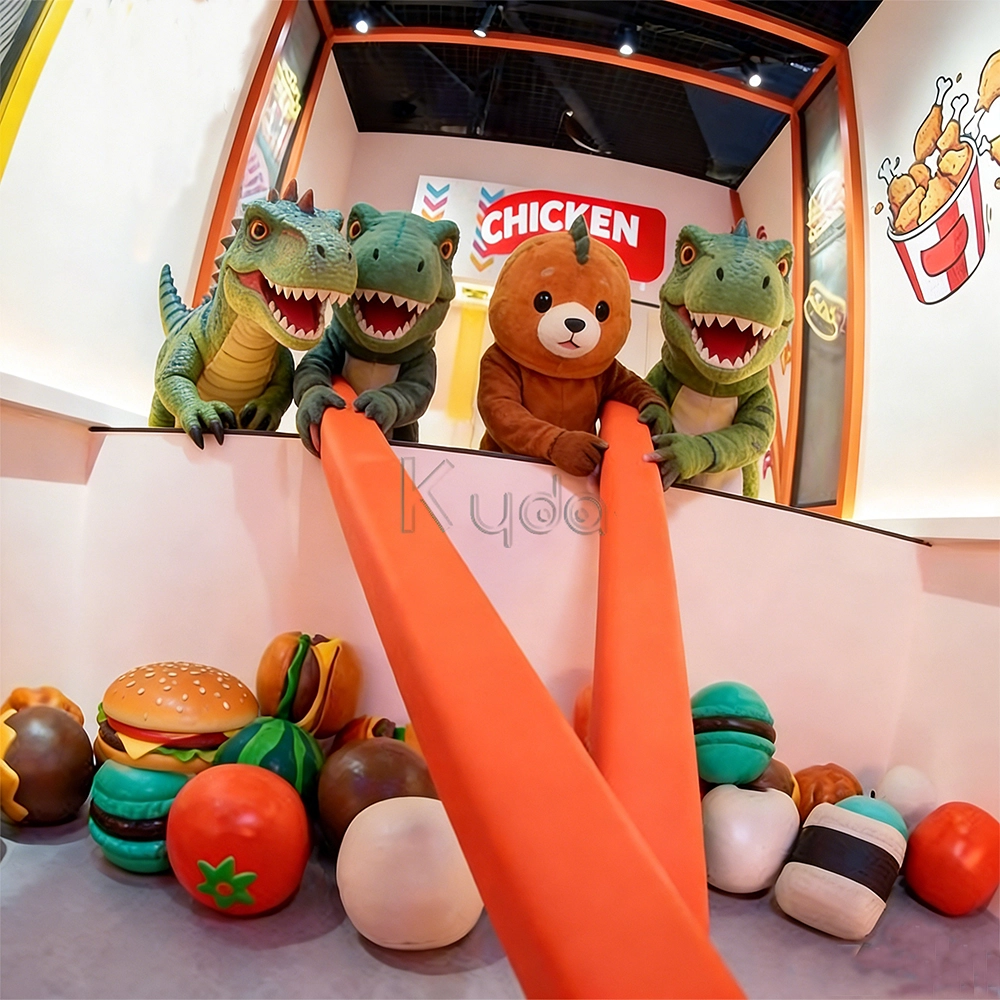
Crub Crab Giant Chopsticks Challenge Game Interactive Skill Challenge Game for Activate Game Rooms by Kyda
Crub Crab Giant Chopsticks Challenge Game is an innovative interactive challenge attraction designed for indoor entertainment centers, arcade game venues, and activate-style interactive game rooms. In this unique skill-based game, players control a pair of oversized giant chopsticks to pick up scattered snacks, toys, or prize items and place them into a collection basket within a limited time. The gameplay combines hand-eye coordination, precision control, balance, and quick reaction, creating a fun and competitive experience suitable for players of all ages.
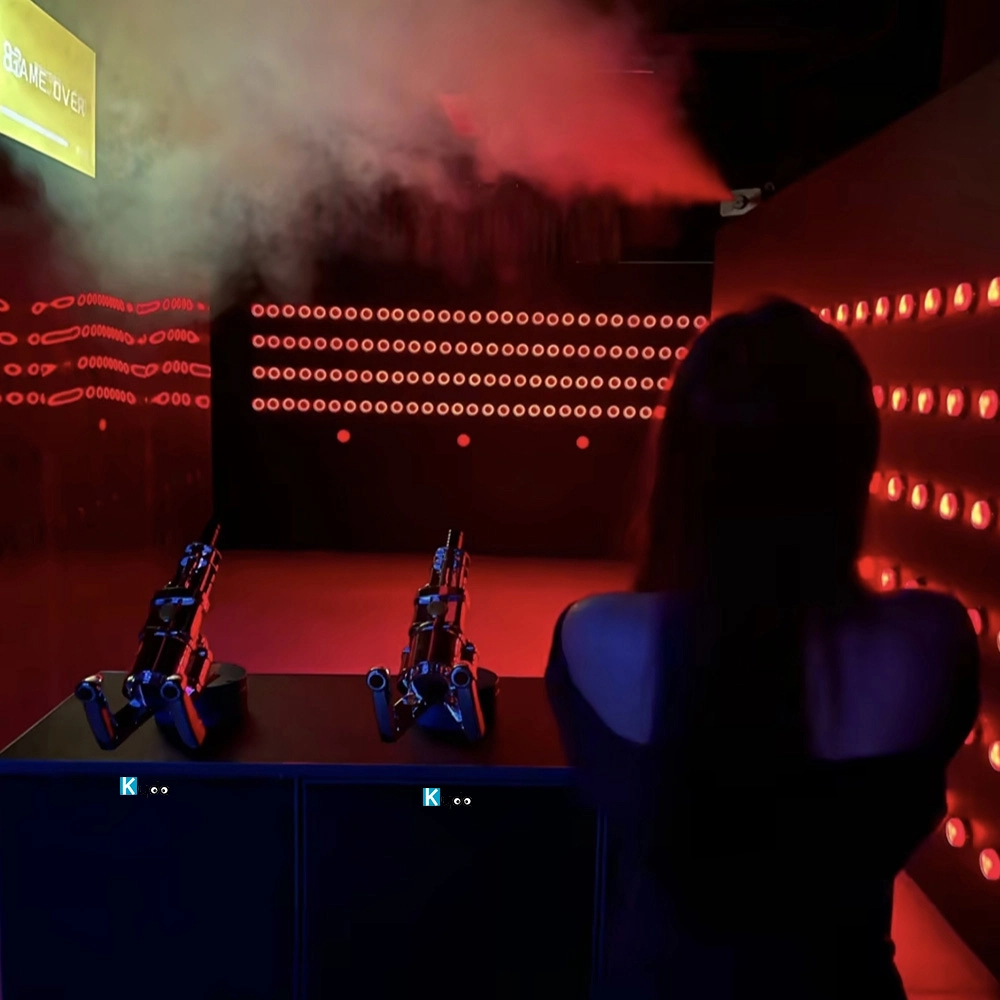
Active Reaction Laser Shooting Game Room
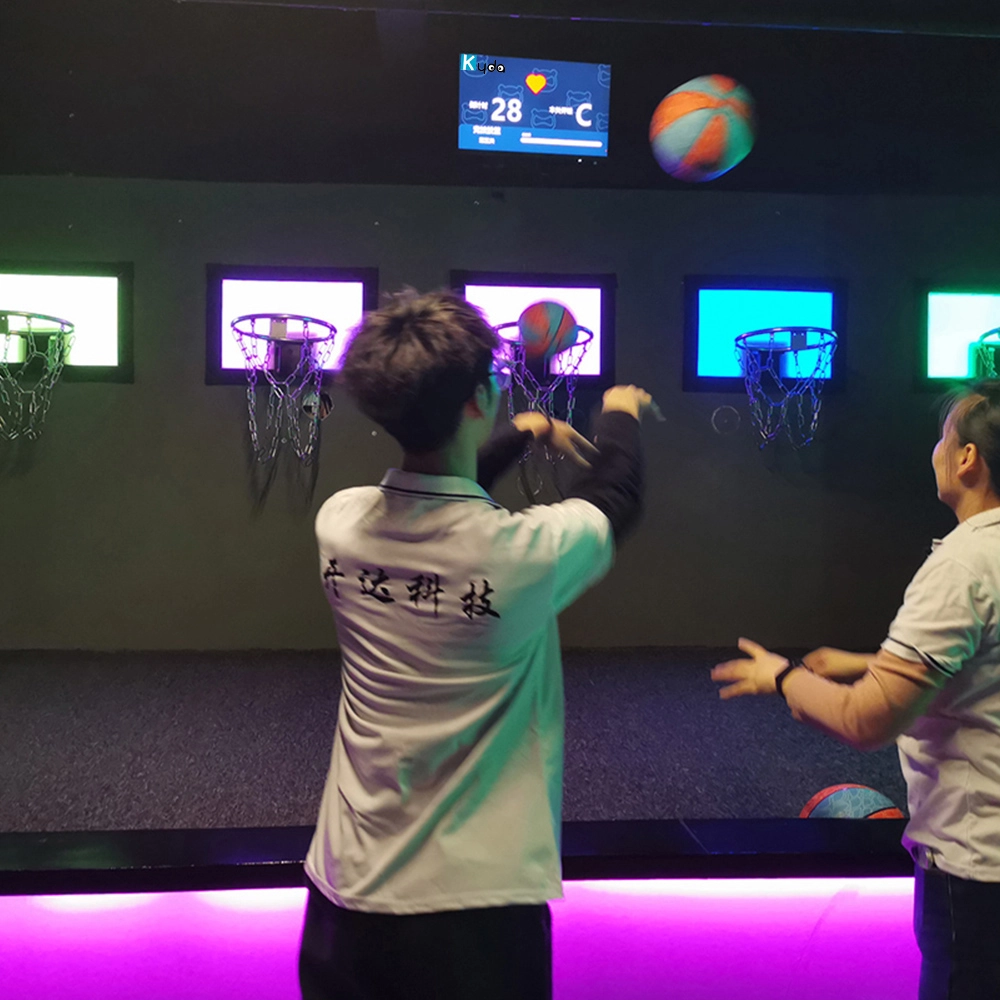
Hoops Active Game: The Ultimate Interactive Basketball Fitness Game
Elevate your basketball skills with Kyda’s Hoops Activate Game, the interactive basketball game. Perfect for basketball game rooms, Activate Hoops offers immersive fitness fun. Experience the Activate Basketball Game that combines sport and technology for active play.
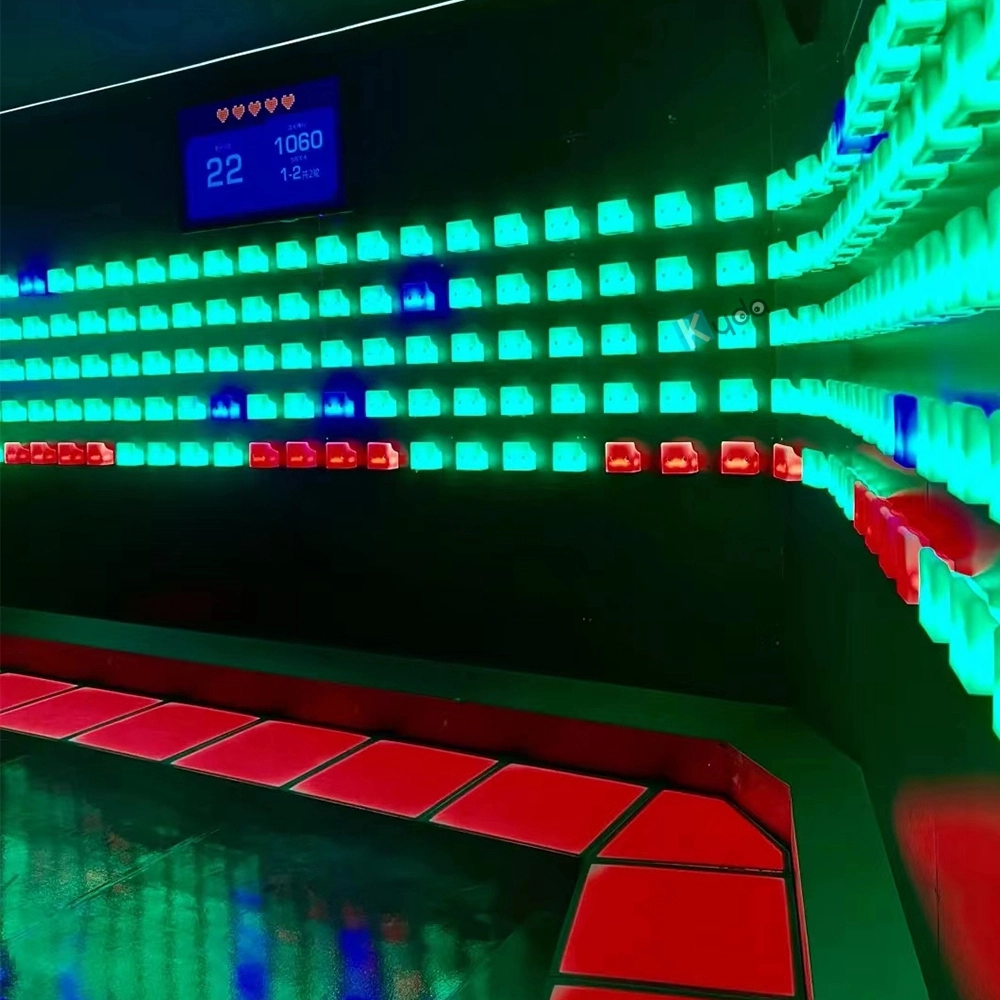
Activate Fitness Climb Game – The Ultimate Interactive LED Climbing Wall Experience
Experience the Activate Fitness Climb Game by Kyda—the interactive LED wall game. This Activate Climb Game combines fitness and fun with dynamic LED challenges, perfect for all ages. Boost agility and engagement with Kyda’s innovative interactive LED wall game today!
Let's get in touch
Email: sales@kydavr.com
Tel.: +86 188 2001 8779
Address: 501 Shixin Road, Dalong Street, Guangzhou, Guangdong, China.
© 2025 Kyda. All Rights Reserved.
 Scan QR Code
Linkedin
Ins
Facebook
Twitter
YouTube