




How to Choose the active game consoles manufacturer and supplier in us?
- How to Choose the Active Game Consoles Manufacturer and Supplier in US?
- Why this guide matters for buyers of active game consoles
- Define your project goals and business model first
- Understand technical specifications and feature priorities
- Check certifications, safety standards, and compliance
- Assess manufacturing capability and production footprint
- Evaluate quality control, testing, and warranty terms
- Compare pricing models and total cost of ownership (TCO)
- Minimum order quantities (MOQ), lead times, and scalability
- On-site services: installation, training, and localization
- Software, updates, and content pipeline
- References, case studies, and real-world performance
- Logistics, shipping, customs, and parts availability
- Negotiation points and contract terms to secure
- Comparison table: Key selection factors
- Manufacturing hubs and supplier network comparison
- How to evaluate vendor proposals practically
- Why Kyda is a compelling partner for active game consoles
- Case example: phased rollout to reduce risk
- Practical checklist before signing a contract
- Conclusion: choose for long-term value, not just lowest price
- Frequently Asked Questions
How to Choose the Active Game Consoles Manufacturer and Supplier in US?
Why this guide matters for buyers of active game consoles
Choosing the right active game consoles manufacturer and supplier is a commercial decision that affects upfront cost, revenue per square foot, uptime, guest safety, and long-term profitability of your active gaming center. This guide helps owners, operators, and investors compare suppliers, evaluate technical and business fit, and make an evidence-based decision.
Define your project goals and business model first
Before contacting suppliers, clarify whether you need single active game panels, a full interactive gaming room, a modular LED floor system, or outdoor amusement installations. Your selection criteria (price sensitivity, customization level, expected footfall, and target user ages) should drive the vendor shortlist. Commercial keywords to evaluate include active interactive games, interactive LED floor systems, and active fitness games.
Understand technical specifications and feature priorities
Technical specs determine gameplay, safety, and maintainability. Ask suppliers about display types (LED matrix, projection, touch), frame and enclosure materials, IP rating for outdoor equipment, controller latency, and supported multiplayer modes. Prioritize features with clear ROI — e.g., modular designs that allow easy part replacement increase uptime and reduce lifecycle cost.
Check certifications, safety standards, and compliance
Safety and regulatory compliance are non-negotiable for commercial installations. Request documentation for UL (electrical safety), CE (if relevant for imported equipment), FCC (wireless components), and any applicable ASTM or local playground/indoor equipment standards. Compliance reduces liability, eases insurance underwriting, and increases buyer confidence.
Assess manufacturing capability and production footprint
Manufacturing capability influences lead times, customization options, and pricing. Evaluate whether the supplier owns production lines or relies entirely on subcontractors. Kyda, for example, leverages manufacturing advantages across Guangzhou, Zhongshan, Zhengzhou, and Beijing and has long-term partnerships with LED, sheet metal, and plastic printing factories, enabling both large-scale production and bespoke projects.
Evaluate quality control, testing, and warranty terms
Quality control processes (incoming material inspection, in-line testing, burn-in hours, and final acceptance testing) determine delivered reliability. Ask for testing protocols, sample reports, and MTBF metrics where available. Confirm warranty length, scope (parts, labor, shipping), and response SLAs. Strong after-sales support is a key commercial differentiator.
Compare pricing models and total cost of ownership (TCO)
Price-per-unit is only part of the equation. Calculate TCO including installation, shipping, customs, taxes, training, spare parts, maintenance, and downtime costs. Consider financing or revenue-share models if capital is constrained. Suppliers that provide transparent TCO analyses help you forecast payback periods and profitability per unit.
Minimum order quantities (MOQ), lead times, and scalability
Confirm MOQ, standard lead times for prototypes and mass production, and how the supplier scales production. A good supplier supports phased rollouts — prototype, pilot site, then scaling — and offers predictable lead times and inventory strategies for spare parts to keep centers operational.
On-site services: installation, training, and localization
Installation and local training are essential for smooth operations. Ensure the supplier provides on-site commissioning, operator training, and documentation in English (and local languages if needed). Evaluate whether they assist with interior design and center layout to optimize player flow and revenue.
Software, updates, and content pipeline
Active game consoles are a combined hardware-software product. Ask about software update policies, content refresh schedules, remote monitoring, and whether they provide analytics dashboards for player metrics. Regular content updates increase repeat visitation and long-term unit revenue.
References, case studies, and real-world performance
Request case studies and contact information for existing US clients or regional installations. Look for evidence of high uptime, good after-sales support, and steady revenue increases after installation. Verified references and documented KPIs (e.g., plays per day, revenue per player) are decisive in procurement.
Logistics, shipping, customs, and parts availability
For international manufacturing partners, assess import costs, lead times for replacement parts, and whether local warehouses are available for critical spares. A supplier with regional logistics partners or US-based warehousing reduces downtime and unpredictable costs.
Negotiation points and contract terms to secure
Negotiate clear service level agreements (SLAs), penalties for missed milestones, inventory levels for spares, training commitments, and IP ownership for custom game designs. Locking favorable warranty and spare-part pricing into the contract reduces operating risk.
Comparison table: Key selection factors
| Selection Factor | What to Verify | Commercial Impact |
|---|---|---|
| Quality & Testing | QC process, burn-in, MTBF, test reports | Less downtime, lower maintenance costs |
| Certifications | UL, FCC, CE, local safety standards | Lower liability, insurance approval |
| Customization | Design capability, animation, content pipeline | Higher market differentiation, repeat visits |
| Lead Time & MOQ | Prototype time, MOQ, mass-production lead time | Cash flow planning, rollout speed |
| Warranty & Support | Warranty length, SLAs, spare parts availability | Lower operating risk, predictable costs |
| Pricing Model | Per unit price, TCO, financing options | Profitability and ROI |
| Logistics | Shipping, customs, local warehousing | Downtime risk, hidden costs |
Manufacturing hubs and supplier network comparison
If you plan to source from China-based manufacturers, consider differences in regional capabilities. The table below summarizes typical strengths:
| Region | Strengths | Considerations |
|---|---|---|
| Guangzhou | LED supply chain, electronics assembly, proximity to ports | Busy hub — good lead-time planning needed |
| Zhongshan | OEM furniture, sheet metal, plastic mold factories | Strong for customized cabinet work |
| Zhengzhou | Large-scale assembly lines, cost-competitive labor | Longer inland shipping to ports |
| Beijing | Design, R&D, software integration | Higher operating costs, strong talent pool |
How to evaluate vendor proposals practically
Create an evaluation matrix with weighted scores for: certifications (20%), QC/testing (20%), TCO (15%), customization capability (15%), lead time/MOQ (10%), warranty/support (10%), and references (10%). Score each vendor and run a sensitivity analysis on price vs. service levels. This structured approach reduces bias and speeds decision-making.
Why Kyda is a compelling partner for active game consoles
Kyda positions itself as a one-stop solution provider for active game rooms and Activate gaming centers, combining R&D, software, animation, and product design with manufacturing partnerships across Guangzhou, Zhongshan, Zhengzhou, and Beijing. Kyda’s integrated team enables tailored interactive solutions — from LED floors and reaction games to horror escape rooms and fitness-oriented games — backed by local manufacturing partnerships that support customization and timely delivery.
Case example: phased rollout to reduce risk
A best practice is to run a pilot installation (1–3 consoles or a single interactive room) before committing to a full rollout. Use the pilot to test guest engagement, payment systems, staffing needs, and technical reliability. Collect KPIs (plays/day, revenue per play, maintenance incidents) and use them to validate supplier SLAs before scaling.
Practical checklist before signing a contract
Before signing, ensure you have: final drawings and acceptance criteria, sample testing records, a spare-parts list and pricing, a written training plan, defined SLAs with penalties, and clarity on IP/ownership of custom content. This checklist prevents scope drift and hidden costs later.
Conclusion: choose for long-term value, not just lowest price
Selecting an active game consoles manufacturer and supplier is strategic. Prioritize proven quality, certifications, after-sales responsiveness, and content refresh capability. Suppliers like Kyda, which combine in-house design and strong manufacturing partnerships, can reduce risk and accelerate time-to-revenue for your active gaming center.
References and sources:
- UL — Safety Standards and Certification for Electrical Equipment. https://www.ul.com/ (accessed Dec 08, 2025)
- Federal Communications Commission (FCC) — Equipment Authorization. https://www.fcc.gov/ (accessed Dec 08, 2025)
- European Commission — CE Marking. https://single-market-economy.ec.europa.eu/ (accessed Dec 08, 2025)
- Kyda company information provided by client — company profile and manufacturing locations (Guangzhou, Zhongshan, Zhengzhou, Beijing). (accessed Dec 08, 2025)
- Industry best practices for Family Entertainment Centers and interactive games (market reports and operator guides). Examples: industry associations and market research firms (accessed Dec 08, 2025)
Note: For procurement, request copies of specific certifications, recent test reports, and customer references — and validate them directly with issuing bodies.
Frequently Asked Questions
Q: What is the single most important factor when choosing an active game consoles supplier?A: Long-term reliability and after-sales support. A slightly higher upfront price is often justified by better uptime, faster spare-part delivery, and proactive software updates that protect revenue.
Q: Should I prefer a local US supplier or an international manufacturer?A: If speed, local support, and simplified logistics are top priorities, a US-based partner or a supplier with US warehousing is preferable. If customization, lower unit cost, and advanced hardware are critical and you can manage longer lead times, an experienced international manufacturer with US support can be cost-effective.
Q: How important are software updates and content refreshes?A: Very important. Active game consoles depend on engaging content to drive repeat visits. Suppliers that regularly provide new game modes, seasonal updates, and analytics dashboards generate more value over time.
Q: What warranty terms should I insist on?A: Aim for at least a 12-month comprehensive warranty with clearly defined SLAs for spare parts and on-site service. Negotiate extended warranty options and include penalties for missed response times.
Q: How many spare parts should I stock on-site?A: Stock the most failure-prone components (power supplies, LED modules, controllers, fuses) for 1–3 months of expected failure rates. Suppliers often provide recommended spare lists based on usage models.
Q: Can I get custom-branded content and cabinet designs?A: Yes. Many suppliers, including Kyda, offer full customization of cabinets, animation, and software to match brand identity and local market preferences.
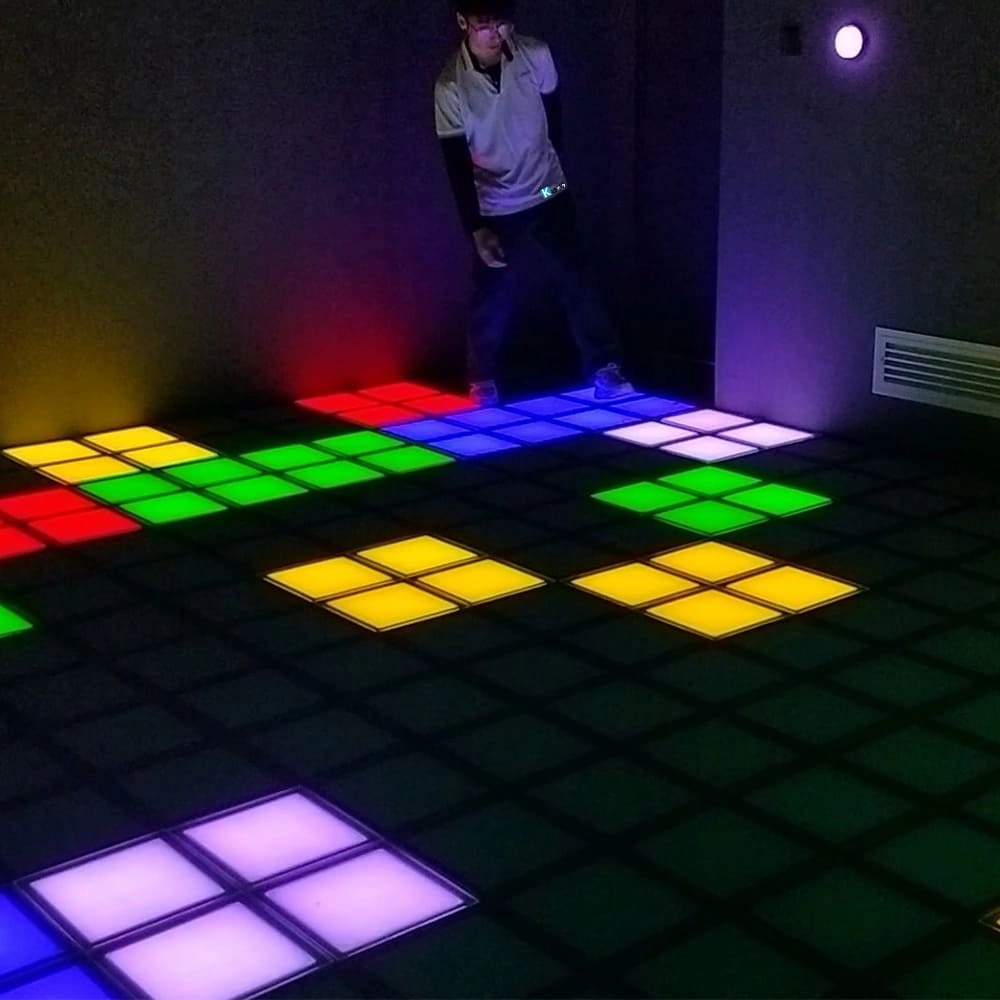
Activate Games Safety Tips & Rules for LED Floor Playrooms
Multiplayer Interactive Wall Projection Games: The Complete Guide for Operators and Buyers
Activate Games Warranty and After-Sales Best Practices
The Future of Arcade Gaming: Interactive Grid Game Rooms Explained
For Activate Gaming Floorislava Family Fun
What is the difference of Grid and Mega Grid?
Grid just interactive floor game, smaller room size can start; Mega Grid add 20pcs Digital screen with 20pcs wall buttons, also need suggest bigger room size, more activate interesting games than Grid;
Can we just buy one game room of Mega grid room?
Yes, If you start the activate game at the first time. We have more than above 50 different activate interactive challenge game rooms for options.
For Company
Where is your factory?
Kydaplay office in Beijing, Guangzhou, Shenzhen;
Kydaplay workshop in Shenyang, Zhongshan.
Can you make CAD design for buyer’s space room?
Yes, we can make CAD design as exact space room size.
How is warranty?
Hardware is two years warranty non-human factors, software for life time(The first year is for free, pay extra software service cost extra from the second year).
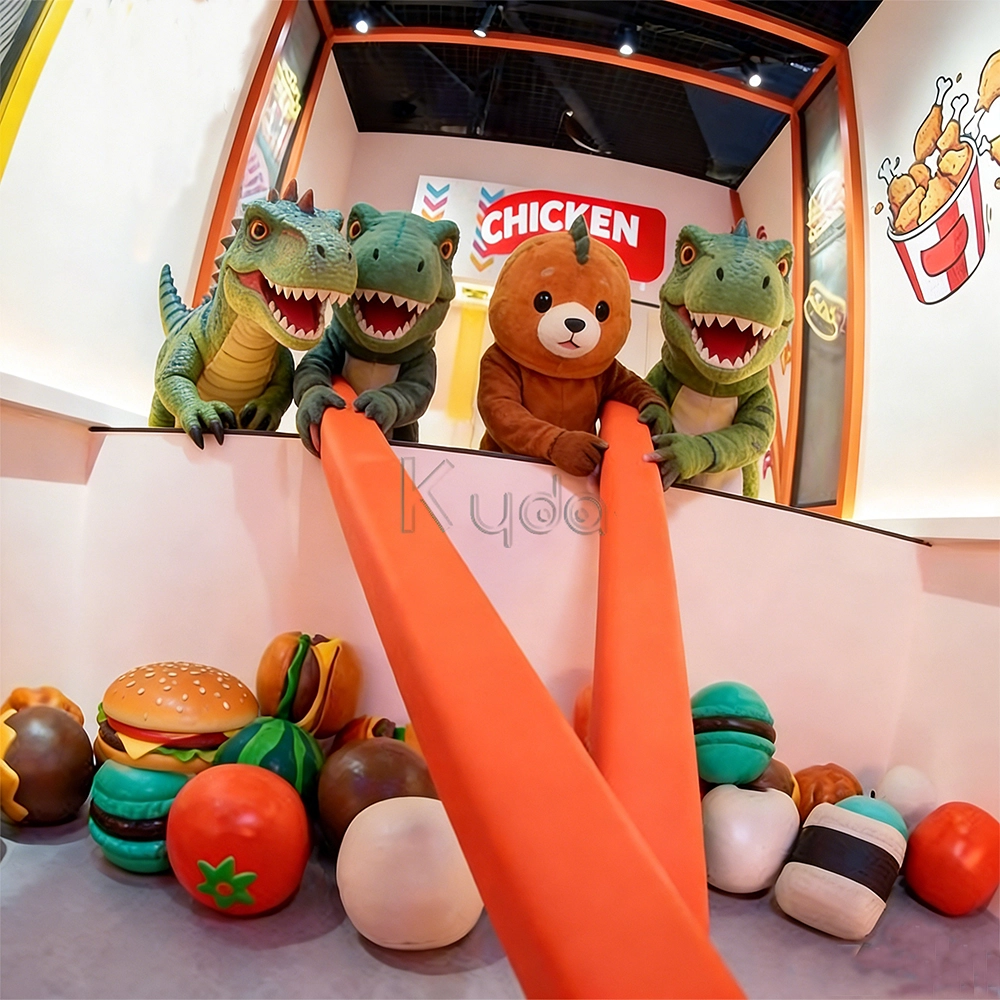
Crub Crab Giant Chopsticks Challenge Game Interactive Skill Challenge Game for Activate Game Rooms by Kyda
Crub Crab Giant Chopsticks Challenge Game is an innovative interactive challenge attraction designed for indoor entertainment centers, arcade game venues, and activate-style interactive game rooms. In this unique skill-based game, players control a pair of oversized giant chopsticks to pick up scattered snacks, toys, or prize items and place them into a collection basket within a limited time. The gameplay combines hand-eye coordination, precision control, balance, and quick reaction, creating a fun and competitive experience suitable for players of all ages.
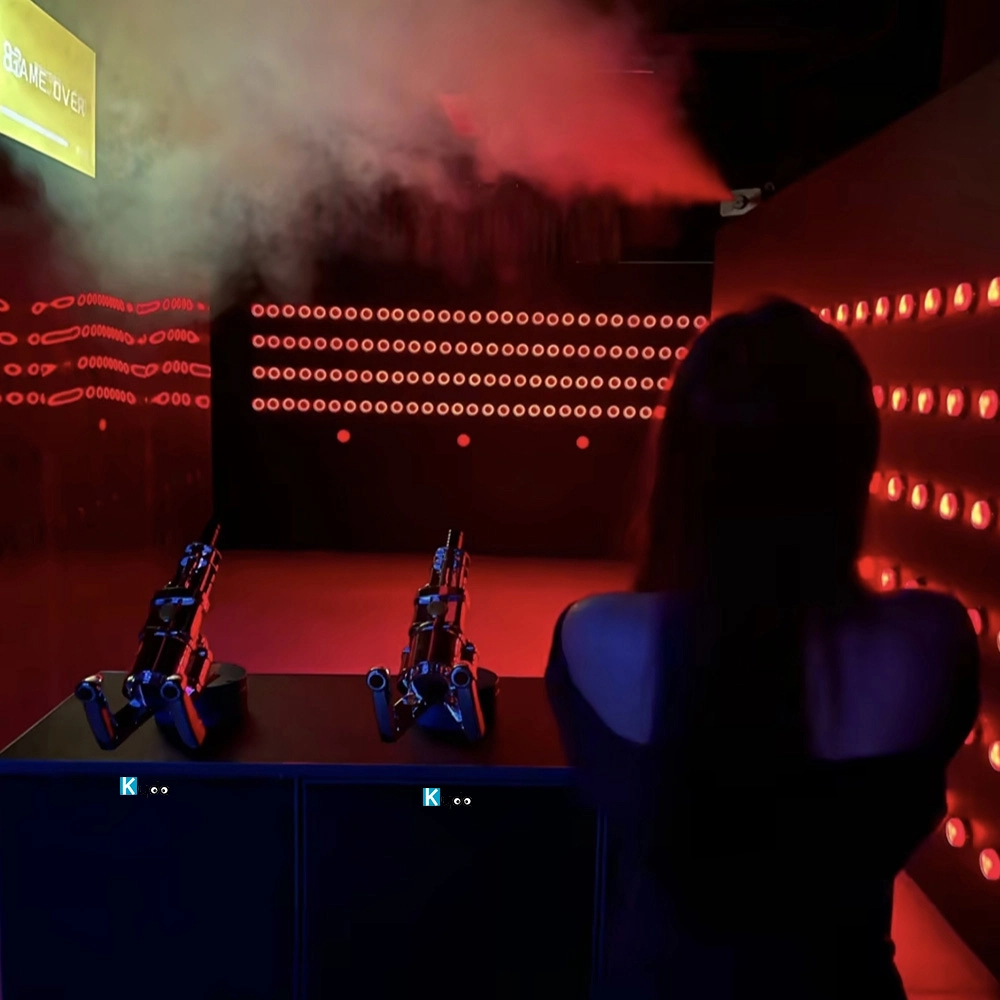
Active Reaction Laser Shooting Game Room
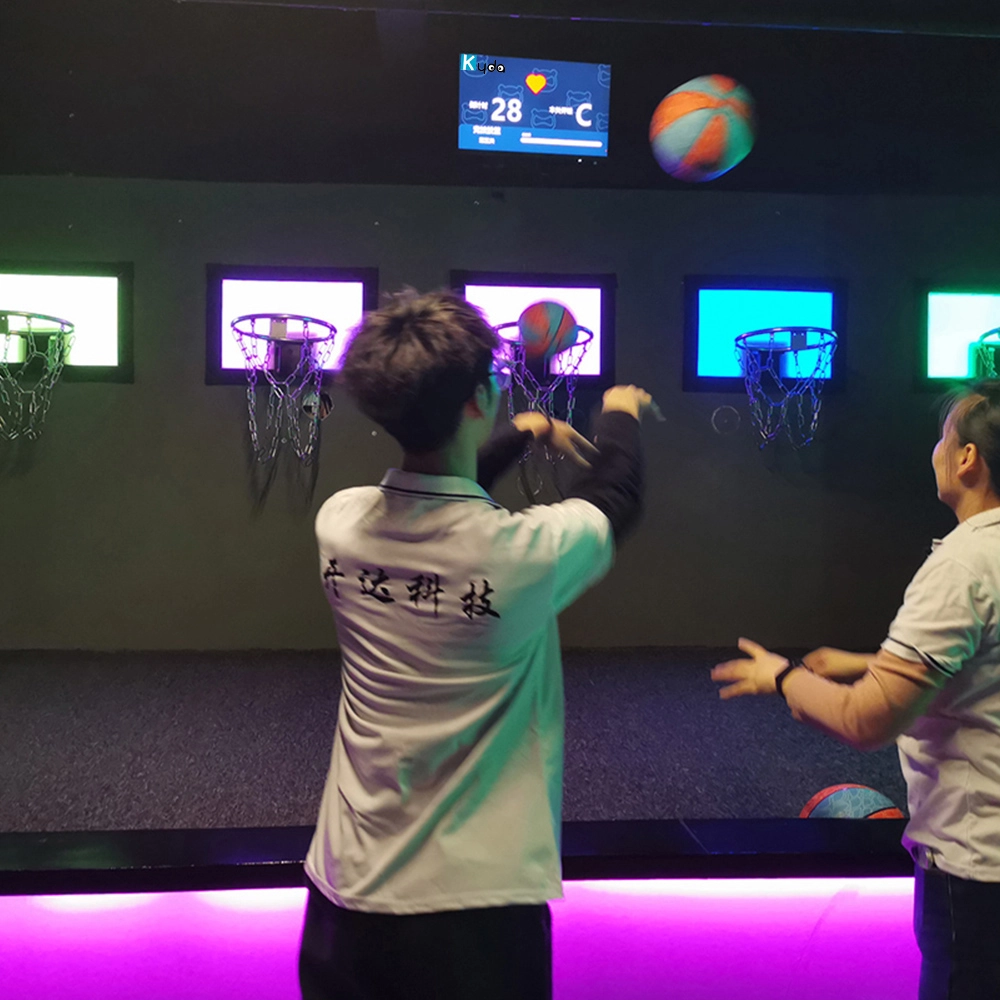
Hoops Active Game: The Ultimate Interactive Basketball Fitness Game
Elevate your basketball skills with Kyda’s Hoops Activate Game, the interactive basketball game. Perfect for basketball game rooms, Activate Hoops offers immersive fitness fun. Experience the Activate Basketball Game that combines sport and technology for active play.
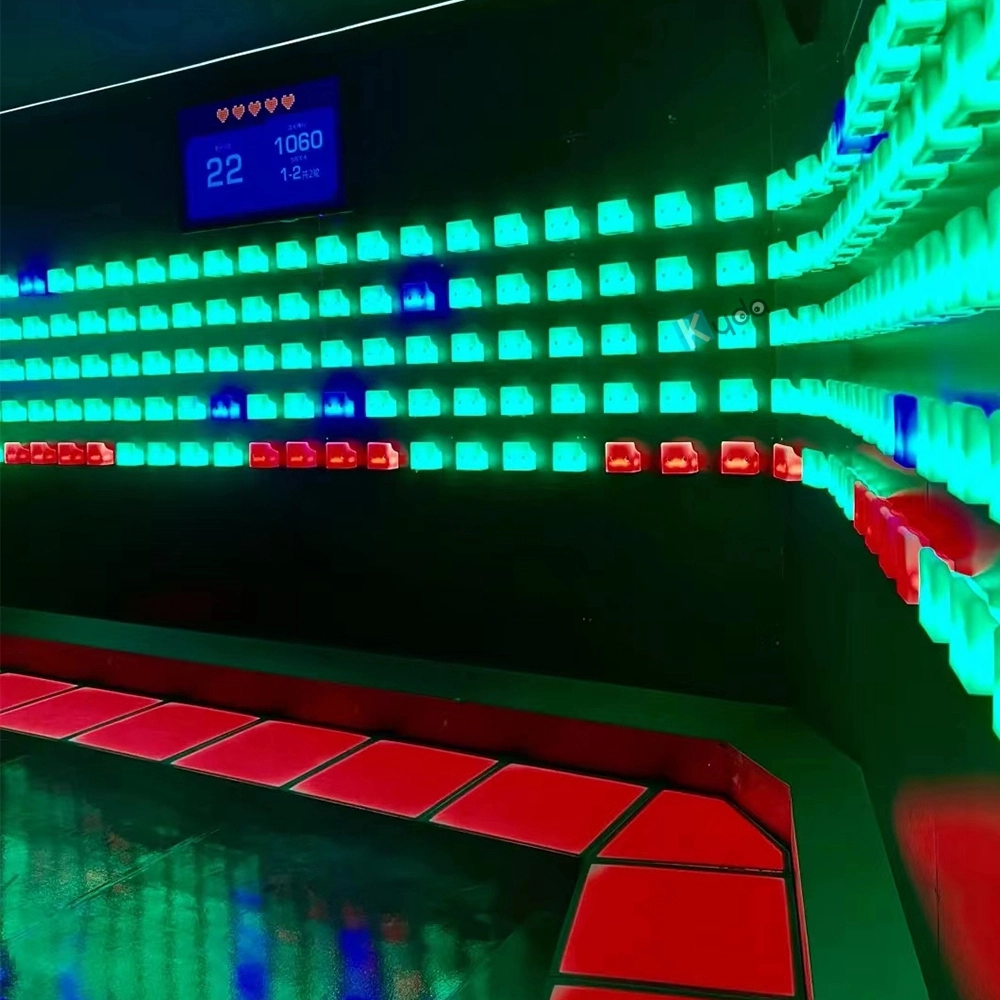
Activate Fitness Climb Game – The Ultimate Interactive LED Climbing Wall Experience
Experience the Activate Fitness Climb Game by Kyda—the interactive LED wall game. This Activate Climb Game combines fitness and fun with dynamic LED challenges, perfect for all ages. Boost agility and engagement with Kyda’s innovative interactive LED wall game today!
Let's get in touch
Email: sales@kydavr.com
Tel.: +86 188 2001 8779
Address: 501 Shixin Road, Dalong Street, Guangzhou, Guangdong, China.
© 2025 Kyda. All Rights Reserved.
 Scan QR Code
Linkedin
Ins
Facebook
Twitter
YouTube