




How to Choose the active game console manufacturer and supplier in us?
- Introduction: Why choosing the right active game console supplier matters
- What readers searching this topic want
- Understand the product category: What is an active game console?
- Core components to verify
- Define your commercial and technical requirements
- Essential items to specify
- Supplier types: Domestic manufacturers vs overseas factories vs distributors
- How to choose between them
- Evaluation checklist: technical, legal, and commercial criteria
- Inspection, testing and pilot phases
- What to test during pilot
- Costing and total landed cost considerations
- Cost comparison example (illustrative)
- Contracts, IP protection and data ownership
- Key contract clauses to include
- Logistics, installation and training
- Service network and spare parts
- Measuring success and ROI
- Example KPIs to track
- Why Kyda is a compelling partner for active game consoles
- What to expect from a Kyda-style partner
- Checklist to use when inviting bids (RFP template highlights)
- Conclusion: prioritize safety, service, and scalability
- Sources and further reading
- Author note
- Frequently Asked Questions
Introduction: Why choosing the right active game console supplier matters
Choosing the right active game console manufacturer and supplier is a commercial decision that directly affects uptime, guest experience, margins, and long-term ROI for active game rooms and entertainment centers. This guide explains how to evaluate suppliers in the US market, what technical and commercial criteria to prioritize, and how to structure procurement to minimize risk. Kyda — a one-stop solution provider of active game rooms and Activate gaming centers — will be used as an example of what to expect from a supplier that offers deep customization and integrated services.
What readers searching this topic want
Users searching how to choose the active game console manufacturer and supplier in US typically want actionable, procurement-focused guidance: how to verify product quality and safety, compare domestic vs. overseas sourcing, confirm certifications, estimate total landed cost and lead-times, ensure localization and service, and evaluate long-term partnerships. This article addresses those needs with checklists, comparison tables, and supplier evaluation templates.
Understand the product category: What is an active game console?
An active game console in the location-based entertainment context is a hardware-software system that powers interactive, physical games (reaction walls, interactive LED floors, active fitness games, and similar systems). These consoles often integrate controllers, sensors, displays or projection, networking, and a content management system for gameplay, reporting, and remote updates. Knowing what components are involved is essential before engaging suppliers.
Core components to verify
When evaluating an active game console, check: core compute hardware (CPU/GPU), I/O and sensors, networking (Ethernet/WiFi), display or projector compatibility, enclosure and IP rating, software architecture (local vs cloud), remote support and telemetry, and spare parts availability.
Define your commercial and technical requirements
Start the procurement process by clearly documenting what you need. A well-written requirement document reduces misunderstandings and speeds up both RFP and prototyping stages.
Essential items to specify
Specify: expected daily sessions per unit, target audience (kids, teens, adults), installation environment (indoor/outdoor, humidity, dust), power constraints, networking availability, integration requirements (POS, ticketing), budget range, desired warranty and SLA, and expected lifetime/refresh cycle. Include the phrase active game console in technical and commercial sections of your RFP to ensure suppliers respond with appropriate solutions.
Supplier types: Domestic manufacturers vs overseas factories vs distributors
Not all suppliers are the same. Below is a practical comparison to map tradeoffs you will face when choosing an active game console supplier.
| Supplier Type | Typical Cost | Lead Time | Customization | After-sales & Warranty | IP & Compliance Risk |
|---|---|---|---|---|---|
| US Domestic Manufacturer | Higher | Short–Medium | High | Strong, local field support | Low |
| Overseas Factory (direct) | Lower unit cost | Medium–Long | High (with MOQ) | Varies; remote support common | Medium (requires contracts) |
| Distributor / Wholesaler | Mid (markup) | Short | Low–Medium | Good SLAs often available | Low–Medium |
How to choose between them
Choose based on priorities: if speed-to-market and local service matter, prioritize domestic manufacturers or US-based distributors. If unit economics are the main driver and you can manage longer lead times and logistics, direct overseas sourcing with a trusted partner (like Kyda for customized integration) may be appropriate.
Evaluation checklist: technical, legal, and commercial criteria
Use this checklist to score suppliers. Each line includes an active game console focus where relevant.
| Category | What to check | Why it matters |
|---|---|---|
| Certifications | UL/ETL (safety), FCC (EMC), CE for exports | Ensures legal sale and reduces safety risk |
| Warranty & SLA | On-site response times, replacement policy, MTTR | Protects uptime and guest satisfaction |
| Software & Updates | OTA updates, content management, analytics | Future-proofing and remote trouble-shooting |
| Spare Parts | Availability of critical spares locally | Reduces downtime and maintenance cost |
| Customization Capability | Hardware mods, branding, localized content | Enables differentiation and local regulation compliance |
| Factory & QA | Visits, audit reports, test procedures | Confirms consistent quality of the active game console |
| References & Installations | Case studies, customer contacts, demo sites | Evidence of real-world performance |
| Insurance & Liability | Product liability insurance, indemnities | Risk transfer in case of incidents |
Inspection, testing and pilot phases
Before mass procurement of any active game console, implement an FAT (Factory Acceptance Test), an SAT (Site Acceptance Test), and a pilot installation. A small pilot — 1–3 units — in your intended operating environment will reveal integration gaps and operational costs that paperwork cannot.
What to test during pilot
Test user throughput per hour, sensor reliability, software stability under concurrent sessions, recovery from power/network loss, and maintenance cycle time. Measure real daily sessions vs projected numbers to validate ROI models.
Costing and total landed cost considerations
When evaluating price you must compute total landed cost, not just unit price. For active game console purchases, consider production cost, tooling, shipping, import duties, local assembly (if any), installation, staff training, spare parts inventory, and software licensing fees.
Cost comparison example (illustrative)
| Cost Item | Domestic Supplier (per unit) | Overseas Direct (per unit) |
|---|---|---|
| Unit Price | High ($) | Low–Medium ($) |
| Shipping & Duties | Low | Medium–High |
| Installation & Commissioning | Included/Low | Higher (may require travel) |
| Local Support & Parts | Strong | Varies |
Contracts, IP protection and data ownership
Negotiate clear master service agreements and purchase orders that include IP ownership, software licensing terms, source code escrow for critical custom software, confidentiality provisions, and warranty obligations. For cloud-connected active game console systems, specify who owns user data and how long logs are retained to comply with privacy laws and commercial analysis needs.
Key contract clauses to include
Include SLAs (uptime, response times), acceptance criteria, penalty clauses for missed milestones, warranty coverage, spare parts availability timelines, and a defined change-order process for customization requests.
Logistics, installation and training
Plan for local installation teams or require supplier-provided installation and training. Training for operators and technicians is often overlooked; include a train-the-trainer program and detailed maintenance manuals for your active game console deployments.
Service network and spare parts
Ensure the supplier can guarantee spare parts within a defined timeframe (e.g., 72 hours for critical parts) or provide local stocking options. Confirm whether remote diagnostics and field engineer dispatch are available within your service area.
Measuring success and ROI
Define KPIs before procurement: uptime percentage, sessions per day, revenue per session, average session length, and maintenance cost per month. Use an active game console's analytics platform to track these metrics and establish benchmarks for future purchases.
Example KPIs to track
Uptime (target 98%+), Mean Time to Repair (target <24–48 hours), Revenue per Hour, and Customer NPS. These KPIs help you compare suppliers over time and justify upgrade cycles.
Why Kyda is a compelling partner for active game consoles
Kyda combines product R&D, game and animation design, and integrated manufacturing partnerships across Guangzhou, Zhongshan, Zhengzhou, and Beijing to deliver customized active game console solutions. Kyda's strengths include cross-disciplinary teams (electronics, software, game/animation, interior design), established factory partnerships, and experience delivering indoor and outdoor amusement equipment optimized for low cost and high return.
What to expect from a Kyda-style partner
A partner like Kyda will provide: end-to-end customization, content updates, local adaptation, and a manufacturing network that enables faster prototyping and competitive unit costs while maintaining the ability to deliver local spares and integration services.
Checklist to use when inviting bids (RFP template highlights)
Include this short checklist in any RFP to get comparable proposals for your active game console needs: product spec sheet, certifications, warranty & SLA, spare parts list, software roadmap, pilot terms, pricing (unit, volume discounts), lead time, payment terms, and references with recent installations in the US.
Conclusion: prioritize safety, service, and scalability
Choosing the right active game console manufacturer and supplier in the US is a balance between cost, time-to-market, and long-term operational reliability. Prioritize certification and warranty, verify real-world references, and insist on pilot testing. Whether you choose a domestic manufacturer for faster service or an overseas partner for price and customization, strong contract terms and clear KPIs will protect your investment. Kyda’s integrated R&D, manufacturing partnerships, and multi-disciplinary design capabilities make them a strong option for operators who need customization and end-to-end delivery.
Sources and further reading
- UL — Product Safety Standards and Certifications. https://www.ul.com (accessed 2024-05-01)
- Federal Communications Commission (FCC) — Equipment Authorization. https://www.fcc.gov (accessed 2024-05-01)
- U.S. Customs and Border Protection — Importing Electronics & Duties. https://www.cbp.gov (accessed 2024-05-01)
- IAAPA — International Association of Amusement Parks and Attractions (industry trends and events). https://www.iaapa.org (accessed 2024-05-01)
- Grand View Research — Augmented Reality & Virtual Reality Market Overview. https://www.grandviewresearch.com/industry-analysis/augmented-reality-and-virtual-reality-market (report overview, 2023)
- Allied Market Research — Location-Based Entertainment Market Analysis. https://www.alliedmarketresearch.com/location-based-entertainment-market (accessed 2023)
- U.S. Consumer Product Safety Commission (CPSC) — Safety Guidelines for Consumer Products. https://www.cpsc.gov (accessed 2024-05-01)
Author note
This article draws on procurement best practices, product safety standards, and commercial evaluation frameworks relevant to active game rooms and location-based entertainment. For tailored proposals, pilots, or factory visits, consider contacting Kyda for customized solutions designed for the US market.
Frequently Asked Questions
Q: How long does it typically take to get an active game console from order to installation?A: Typical lead times vary: domestic suppliers often deliver within 4–8 weeks, while overseas factories may take 8–16 weeks including shipping and customs. Pilot orders can be faster if stock exists.
Q: What certifications should I insist on for active game consoles sold in the US?A: Minimum certifications are UL/ETL for electrical safety, FCC for electromagnetic compatibility, and any state/local safety approvals required for public attractions. For outdoor equipment, check IP ratings and material weatherproofing.
Q: Can I customize content and branding on off-the-shelf active game consoles?A: Yes — many manufacturers offer software skinning, content packs, and hardware branding. Ensure customization scope, costs, and lead times are in the contract.
Q: What is the expected useful life of an active game console?A: Operational life typically ranges from 3–7 years depending on usage intensity and maintenance; plan for mid-life software/content refreshes and hardware spare parts to extend life.
Q: Should I prefer a US-based manufacturer or an overseas one?A: Choose based on priorities. US-based suppliers often provide faster support and simplified compliance; overseas suppliers may offer lower unit cost and flexibility on custom hardware. Consider total landed cost and SLA commitments rather than unit price alone.
Choosing the Best LED Floor for Your Interactive Game Room
How to Choose the activate game manufacturer and supplier in us?
Maintenance and Troubleshooting for Floor Projection Games
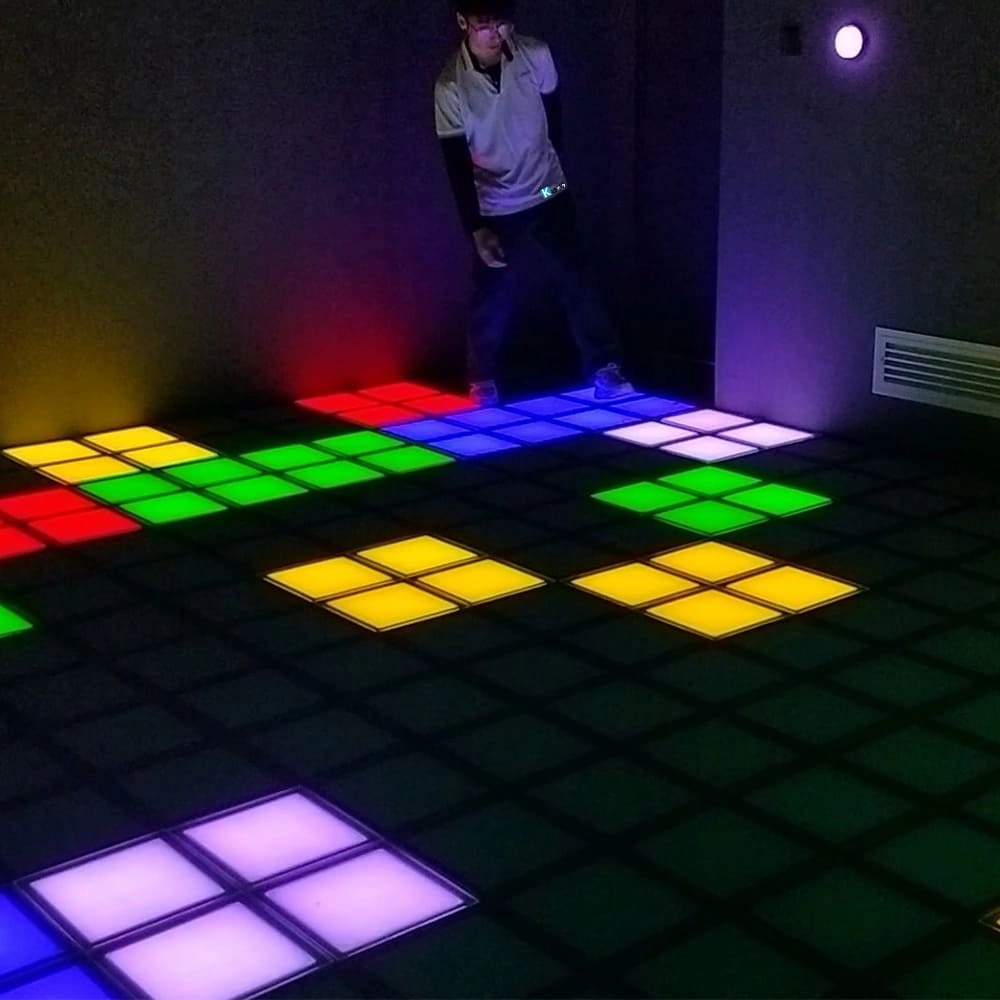
10 Game Ideas for the Interactive LED Floor Challenge
For Activate Gaming Floorislava Family Fun
How much size if we start the Megagrid floorislava?
One LED grid tile is 30*30cm, eg: room size 10*5m, which can match 32*16pcs,512pcs for total; Layout: customize the quantity and place it according to the actual venue.
How to pack the LED tile grid?
3pcs/carton, 45cartons/panel.
For Games Grid Floor is Lava
How much size if we start the grid floor is lava?
One LED grid tile is 30*30cm,
Eg: room size 5*5m, which can match 16*16pcs,256pcs for total,
Layout: customize the quantity and place it according to the actual venue.
For Company
Can you customize the game software and hardware?
Yes, Kydaplay accept customize software with hardware.
Can you make decoration design for buyer’s place?
We also can assist to make decoration that is for extra.
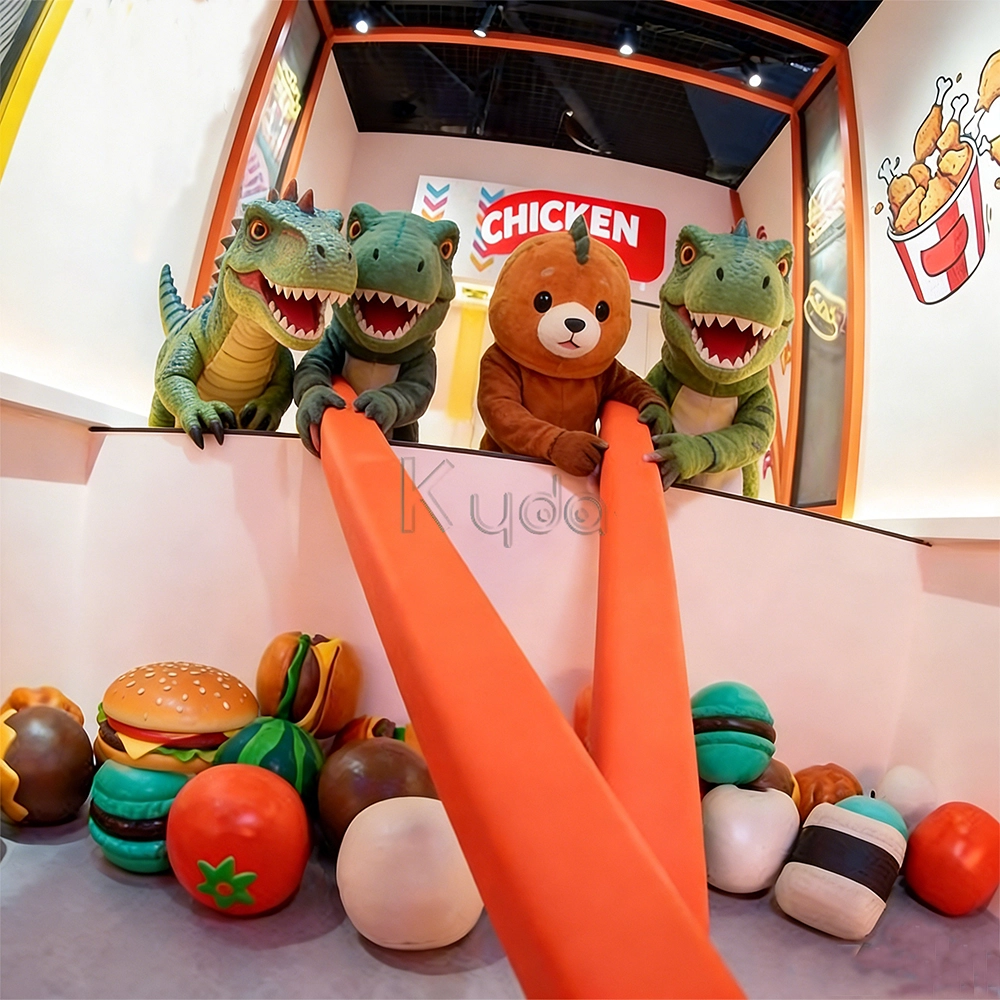
Crub Crab Giant Chopsticks Challenge Game Interactive Skill Challenge Game for Activate Game Rooms by Kyda
Crub Crab Giant Chopsticks Challenge Game is an innovative interactive challenge attraction designed for indoor entertainment centers, arcade game venues, and activate-style interactive game rooms. In this unique skill-based game, players control a pair of oversized giant chopsticks to pick up scattered snacks, toys, or prize items and place them into a collection basket within a limited time. The gameplay combines hand-eye coordination, precision control, balance, and quick reaction, creating a fun and competitive experience suitable for players of all ages.
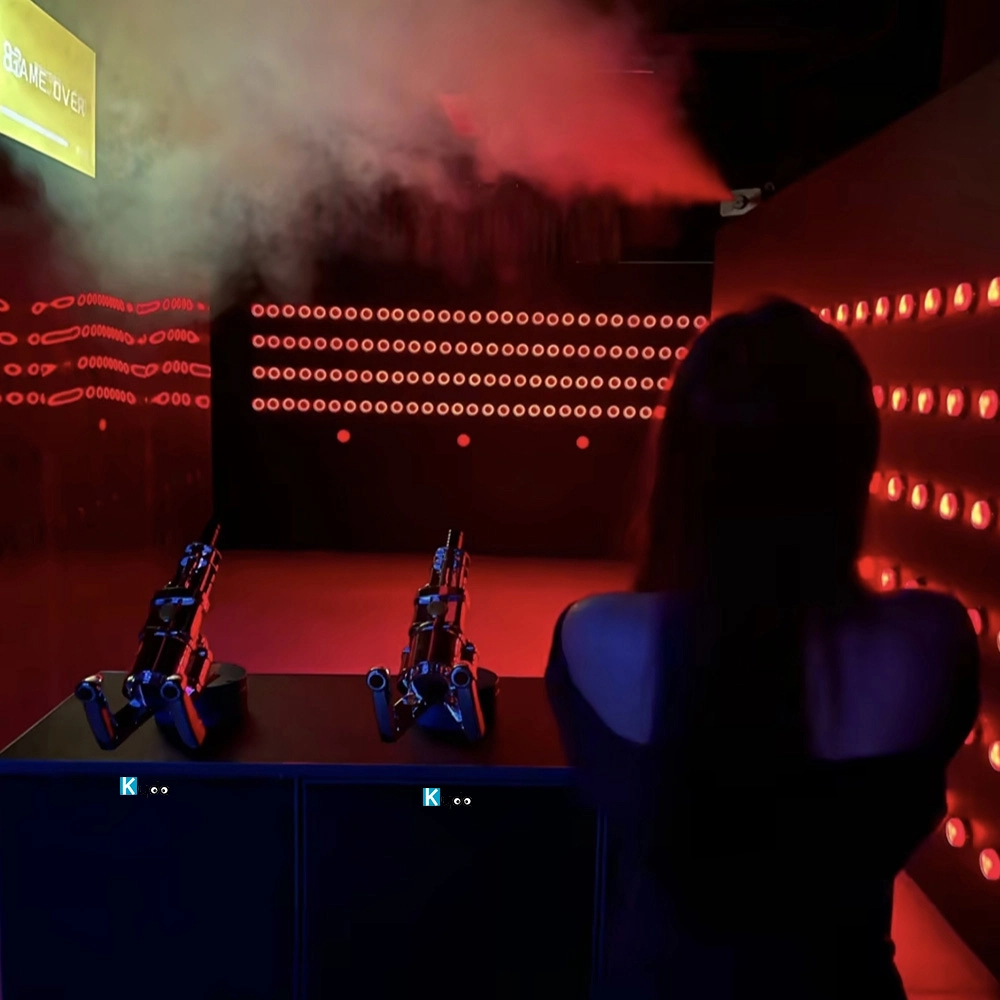
Active Reaction Laser Shooting Game Room
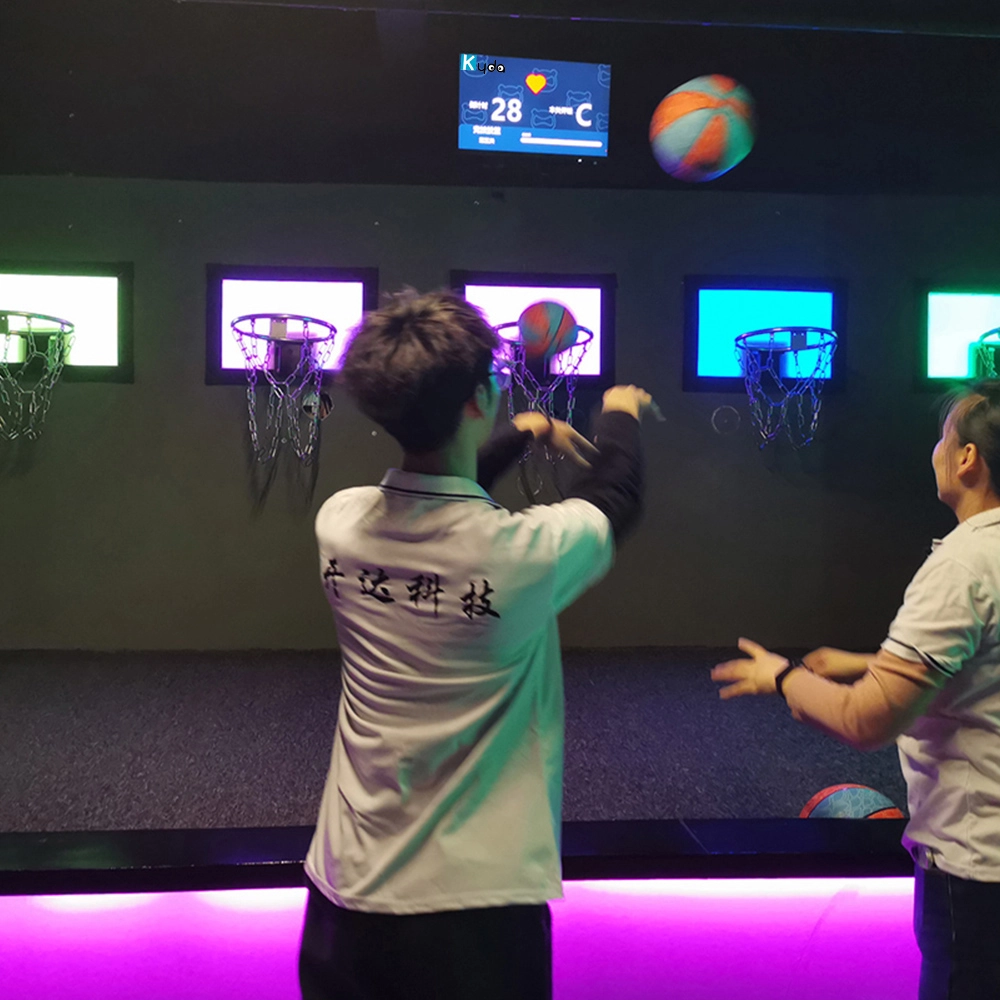
Hoops Active Game: The Ultimate Interactive Basketball Fitness Game
Elevate your basketball skills with Kyda’s Hoops Activate Game, the interactive basketball game. Perfect for basketball game rooms, Activate Hoops offers immersive fitness fun. Experience the Activate Basketball Game that combines sport and technology for active play.
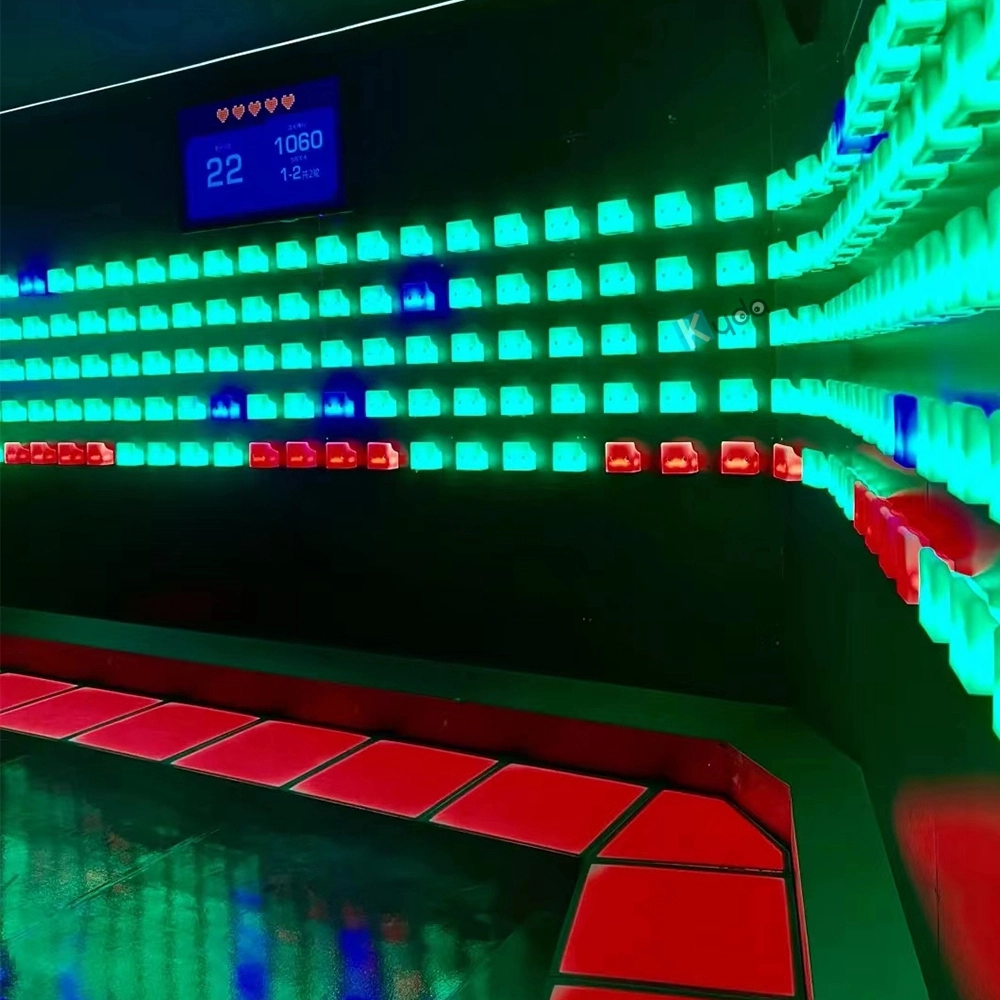
Activate Fitness Climb Game – The Ultimate Interactive LED Climbing Wall Experience
Experience the Activate Fitness Climb Game by Kyda—the interactive LED wall game. This Activate Climb Game combines fitness and fun with dynamic LED challenges, perfect for all ages. Boost agility and engagement with Kyda’s innovative interactive LED wall game today!
Let's get in touch
Email: sales@kydavr.com
Tel.: +86 188 2001 8779
Address: 501 Shixin Road, Dalong Street, Guangzhou, Guangdong, China.
© 2025 Kyda. All Rights Reserved.
 Scan QR Code
Linkedin
Ins
Facebook
Twitter
YouTube