




Gamified Reaction Training for Kids: Safe and Fun
- Why gamified reaction training matters for children's development
- Active Reaction Game: what it is and who benefits
- Active Reaction Game benefits backed by research
- How Active Reaction Game improves cognitive and motor skills
- Cognitive gains: attention, processing speed, and working memory
- Motor and perceptual benefits from Active Reaction Game practice
- Design features of safe and effective Active Reaction Game systems
- Core elements to look for in Active Reaction Game design
- Examples of Active Reaction Game mechanics
- Safety and supervision: minimizing injury and overstimulation
- Practical safety rules for Active Reaction Game sessions
- Screen-time, sensory load and Active Reaction Game balance
- Choosing the right Active Reaction Game for your space and goals
- Match product type to objectives and location
- Facility and budget considerations for Active Reaction Game installations
- Comparing Active Reaction Game platforms
- Features comparison table
- Implementing Active Reaction Game programs in schools and centers
- Program structure: sessions, assessment and progression
- Training staff and measuring outcomes
- Kyda: turnkey Active Reaction Game solutions and competitive advantages
- Kyda as a partner for Active Reaction Game deployments
- Kyda's technical strengths and manufacturing ecosystem
- Why choose Kyda for Active Reaction Game projects
- Checklist to evaluate an Active Reaction Game vendor or product
- Quick vendor evaluation criteria
- Frequently Asked Questions (FAQ)
- 1. Are Active Reaction Game systems safe for young children?
- 2. How long should a typical Active Reaction Game session last for kids?
- 3. Do Active Reaction Games actually improve academic attention or test scores?
- 4. Can Active Reaction Game installations be used outdoors?
- 5. What metrics should we track to evaluate program success?
- 6. How do we accommodate children with sensory sensitivities?
- Contact and next steps
- Explore products or request a consultation
- References
Why gamified reaction training matters for children's development
Active Reaction Game: what it is and who benefits
An Active Reaction Game combines fast-paced visual and/or auditory stimuli with movement-based responses to train reaction speed, attention, coordination and decision-making. For children aged roughly 5–14, these games offer a developmentally appropriate mix of play and skill-building that can complement sports training, classroom attention exercises and general physical activity. Properly designed Active Reaction Game sessions are short, motivating, measurable and adaptable to age and ability.
Active Reaction Game benefits backed by research
Several lines of evidence suggest that movement-based cognitive play can improve both physical and cognitive outcomes for children. The World Health Organization recommends regular moderate-to-vigorous physical activity for school-aged children to support physical and mental health (WHO, 2020). Systematic reviews of active video games and exergames show modest increases in energy expenditure and enjoyment compared with sedentary play, making Active Reaction Game formats useful for increasing activity levels while training cognitive skills (Cochrane review, 2013).
How Active Reaction Game improves cognitive and motor skills
Cognitive gains: attention, processing speed, and working memory
Active Reaction Game paradigms require rapid stimulus detection, decision-making, and inhibition — processes that map onto executive functions measured in cognitive science. Short bouts of movement combined with cognitive challenge can transiently improve processing speed and selective attention in children. For example, acute exercise and cognitively engaging tasks have been associated with short-term benefits in attention and executive control in school-aged children (single-session studies summarized in meta-analyses).
Motor and perceptual benefits from Active Reaction Game practice
Repeated practice on reaction tasks improves hand-eye and foot-eye coordination, anticipatory timing, and balance. For children learning fundamental movement skills, Active Reaction Game formats that involve reaching, stepping, or dodging can translate to better sport-specific reactions and safer play in playground environments.
Design features of safe and effective Active Reaction Game systems
Core elements to look for in Active Reaction Game design
To be developmentally appropriate and safe, an Active Reaction Game should incorporate:
- Age-adjustable stimulus speed and complexity
- Short round durations (30–90 seconds) and frequent rest breaks
- Clear visual/audio cues and unambiguous response mapping
- Score feedback that emphasizes personal improvement rather than punishment
- Padded or slip-resistant play surfaces where movement is required
Examples of Active Reaction Game mechanics
Popular mechanics include light-and-touch floor tiles that illuminate in patterns, projection-based targets that move unpredictably, and wearable sensors that register gestures. Each mechanic offers different emphases: LED floors emphasize whole-body movement, handheld-wearables emphasize upper-limb speed, and projection games allow flexible scenarios and storytelling to increase engagement.
Safety and supervision: minimizing injury and overstimulation
Practical safety rules for Active Reaction Game sessions
To keep children safe while using Active Reaction Game systems, follow practical guidelines:
- Adult supervision ratio: at least 1:8 for ages 8+; closer supervision for younger children.
- Pre-session warm-up of 3–5 minutes to reduce abrupt strain.
- Ensure footwear and play surfaces are appropriate and slip-resistant.
- Limit single-session active play to 15–25 minutes total for sustained intensity; split into multiple short rounds.
- Monitor for signs of overstimulation (dizziness, headache, distress) and stop if present.
Screen-time, sensory load and Active Reaction Game balance
Active Reaction Game sessions present sensory stimulation (lights, sounds). The American Academy of Pediatrics recommends mindful screen and sensory exposure for children; games should include options to reduce brightness, sound level and complexity for sensory-sensitive users. Incorporate quiet cooldown activities after high-intensity rounds.
Choosing the right Active Reaction Game for your space and goals
Match product type to objectives and location
When selecting an Active Reaction Game setup, align product features with your goals:
- Education-focused: prioritize data tracking, adaptive difficulty and curriculum integration.
- Fitness-focused: prioritize whole-body movement, caloric expenditure estimates and multiplayer modes.
- Entertainment/arcade: prioritize robustness, throughput (number of players/hour) and clear ROI metrics.
Facility and budget considerations for Active Reaction Game installations
Key considerations include floor footprint, power and networking, staff training, and maintenance. Indoor LED floors and projection systems require smoother surfaces and controlled lighting, while outdoor installations need weatherproofing and durable materials. Evaluate total cost of ownership (purchase, installation, training, maintenance) in addition to upfront cost.
Comparing Active Reaction Game platforms
Features comparison table
| Platform type | Typical play mode | Strengths | Considerations |
|---|---|---|---|
| Interactive LED Floor | Whole-body stepping, jumping | High engagement, good for fitness and group play | Requires stable indoor surface, higher installation cost |
| Interactive Projection Game | Projected targets, hands/feet tracking | Flexible content, easy to refresh scenarios | Ambient light sensitivity, needs calibration |
| Wearable Reaction Sensors | Hand/arm gestures, hits | Portable, lower footprint | May focus on upper body; less whole-body conditioning |
| LED Wall / Laser Interactive Game | Visual targets, aim & shoot mechanics | Spectator appeal, suitable for arcade setups | Can be competitive; ensure fair play settings for kids |
Data sources: industry installation guidelines and product specifications reflect typical strengths and constraints. Exact values vary by vendor and model.
Implementing Active Reaction Game programs in schools and centers
Program structure: sessions, assessment and progression
Create a simple progression: baseline assessment (simple reaction tasks), weekly sessions (2–3 sessions/week, 15–20 min each), and periodic re-assessment every 4–8 weeks. Use metrics such as mean reaction time, accuracy, and endurance (rounds completed) to chart improvement. Reward progress with non-food rewards and badges to motivate consistent practice.
Training staff and measuring outcomes
Staff should be trained in device setup, basic troubleshooting, safety monitoring and data interpretation. Use pre/post measures to validate benefits for attention, processing speed or physical activity — even small local pilot studies (n=20–50) can provide actionable evidence for program continuation or scaling.
Kyda: turnkey Active Reaction Game solutions and competitive advantages
Kyda as a partner for Active Reaction Game deployments
Kyda is a one-stop solution provider of active game rooms and Activate gaming centers dedicated to the custom research, development, production, and sales of interactive and educational recreational products, as well as indoor and outdoor amusement equipment and low-cost, high-income, high-return equipment. Kyda's main products include active interactive games, interactive LED floor systems, active reaction games, brain challenge games, horror escape games, active fitness games, and interactive projection games, as well as various thrilling indoor and outdoor amusement equipment.
Kyda's technical strengths and manufacturing ecosystem
Kyda's team consists of professionals specializing in electronic design and development, software programming, game design, animation design, product design, multimedia design, and interior design. Leveraging the manufacturing advantages of Guangzhou, Zhongshan, Zhengzhou, and Beijing, we maintain long-term partnerships with LED light factories, advertising production factories, sheet metal factories, paint factories, electronic assembly factories, 3D plastic printing factories, and multimedia resource companies. This allows us to produce customized projects or products to meet various local needs. Our team is committed to using evolving technology, design, and execution capabilities to meet our customers' ever-changing, personalized customization needs. Our vision is to become the world's leading active game room manufacturer.
Why choose Kyda for Active Reaction Game projects
Kyda's competitive advantages include integrated design-to-manufacture capabilities, regional supply-chain partnerships that reduce lead times and costs, and cross-disciplinary design teams that translate pedagogical and safety requirements into engaging game mechanics. Kyda's relevant product strengths include interactive projection games, activate interactive games, interactive LED floor, interactive LED wall, and laser interactive game solutions that can be tailored for schools, family entertainment centers, malls, and training centers.
Checklist to evaluate an Active Reaction Game vendor or product
Quick vendor evaluation criteria
Use this checklist when vetting suppliers like Kyda or competitors:
- Can the vendor customize content and difficulty by age?
- Are safety and accessibility features documented and tested?
- Is there a clear service and parts warranty, plus training?
- Are data export and progress-tracking options available?
- Does the vendor provide ROI data or throughput estimates for public venues?
Frequently Asked Questions (FAQ)
1. Are Active Reaction Game systems safe for young children?
When installed and supervised properly, Active Reaction Game systems can be safe. Important precautions include age-appropriate difficulty, slip-resistant surfaces, short sessions, and trained supervision. Limit high-intensity continuous play; pause for cooldowns to avoid fatigue-related accidents.
2. How long should a typical Active Reaction Game session last for kids?
Short bursts work best: 30–90 second rounds with rest breaks, totaling 15–25 minutes per session for sustained intensity. For younger children (5–7), keep sessions shorter and include more play variety.
3. Do Active Reaction Games actually improve academic attention or test scores?
Evidence shows acute and short-term gains in attention and processing speed after movement-based cognitive activities. Long-term academic gains are less robust and depend on program duration, integration with curriculum and consistent practice. Use Active Reaction Game programs as a complement to, not a replacement for, targeted educational interventions.
4. Can Active Reaction Game installations be used outdoors?
Yes — but outdoor use requires weatherproof hardware, UV- and moisture-resistant materials, and different safety considerations (anchor points, drainage, and non-slip surfaces). Confirm vendor specifications for outdoor-rated products.
5. What metrics should we track to evaluate program success?
Track reaction time averages, accuracy, session attendance, round completion rates, and qualitative measures (child enjoyment, perceived exertion). For institutional buyers, throughput and revenue per hour are useful economic metrics for entertainment venues.
6. How do we accommodate children with sensory sensitivities?
Offer low-light/low-sound modes, slower stimulus timing, and tactile instead of flashing visual cues where possible. Provide quiet zones and allow headphones or reduced-volume options during sessions.
Contact and next steps
Explore products or request a consultation
If you want to pilot an Active Reaction Game program, assess site suitability, or see Kyda's interactive product demos, contact Kyda for a consultation and quote. Kyda offers customization, installation support and training to help you launch safe, engaging reaction-training programs for kids. Reach out to Kyda to schedule a site survey or product demo and learn about turnkey solutions for interactive projection games, interactive LED floors, active reaction games and more.
References
- World Health Organization. Guidelines on physical activity and sedentary behaviour. WHO. 2020. https://www.who.int/news-room/fact-sheets/detail/physical-activity (accessed 2025-11-28).
- LeBlanc AG, Chaput J-P, McFarlane A, et al. Active Video Games and Health Outcomes in Children and Adolescents. Cochrane Database Syst Rev. 2013 Sep 12; doi:10.1002/14651858.CD008526.pub2. https://www.cochranelibrary.com/cdsr/doi/10.1002/14651858.CD008526.pub2/full (accessed 2025-11-28).
- American Academy of Pediatrics. Media and Young Minds. Pediatrics. 2016;138(5). https://publications.aap.org/pediatrics/article/138/5/e20162591/60307/Media-and-Young-Minds (accessed 2025-11-28).
- Hillman CH, Erickson KI, Kramer AF. Be smart, exercise your heart: exercise effects on brain and cognition. Nat Rev Neurosci. 2008 Jan;9(1):58-65. https://www.nature.com/articles/nrn2298 (accessed 2025-11-28).
- Practical industry guidance: Kyda product and customization information provided by the vendor (Kyda internal materials). (accessed 2025-11-28).
Top 10 active games for children with autism Manufacturers and Supplier Brands in us
Icebreaker Activate Games to Energize Conferences and Workshops
Creating Multiplayer Interactive Wall Projection Experiences: A Practical Guide for Activate Gaming Centers
LED interactive game floor maintenance and cleaning tips
For Company
Do you have management system and bracelet?
Yes, we support to sell the whole Activate game software, hardware, management system, Ranking, online tickets, scores…
For Led Floor for Dance Pixel Grid Room
Can we just buy one game room of Pixel Grid?
Yes, If you start the activate game at the first time. We have more than above 50 different activate interactive challenge game rooms for options.
What is the difference of Grid and Mega Grid, Pixel Grid?
Grid just interactive floor game, smaller room size can start, Add the wall LED tile call Pixel Grid;
Mega Grid add 20pcs Digital screen with 20pcs wall buttons , also need suggest bigger room size, more activate interesting games than Grid, add the wall LED tile call Pixel Grid;
Kyda accept personal customization as requirements; Grid, Mega Grid, Pixel Grid, Floorislava, Arena game, Active LED floor game, Interactive floor LED game etc that different name in different place.
For Games Grid Floor is Lava
Can we just buy one game room of grid floor is lava?
Yes, If you start the activate game at the first time. We have more than above 50 different activate interactive challenge game rooms for options.
For Activate Gaming Floorislava Family Fun
What is the difference of Grid and Mega Grid?
Grid just interactive floor game, smaller room size can start; Mega Grid add 20pcs Digital screen with 20pcs wall buttons, also need suggest bigger room size, more activate interesting games than Grid;
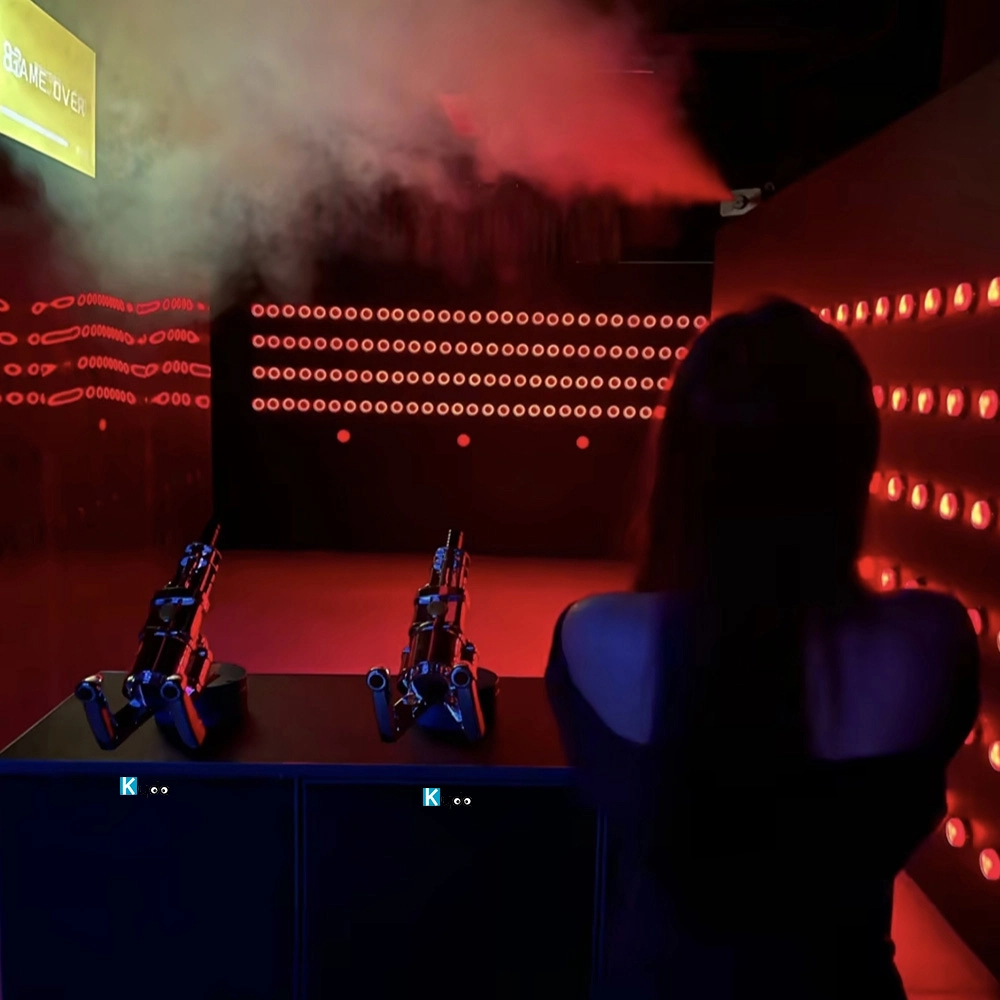
Active Reaction Laser Shooting Game Room
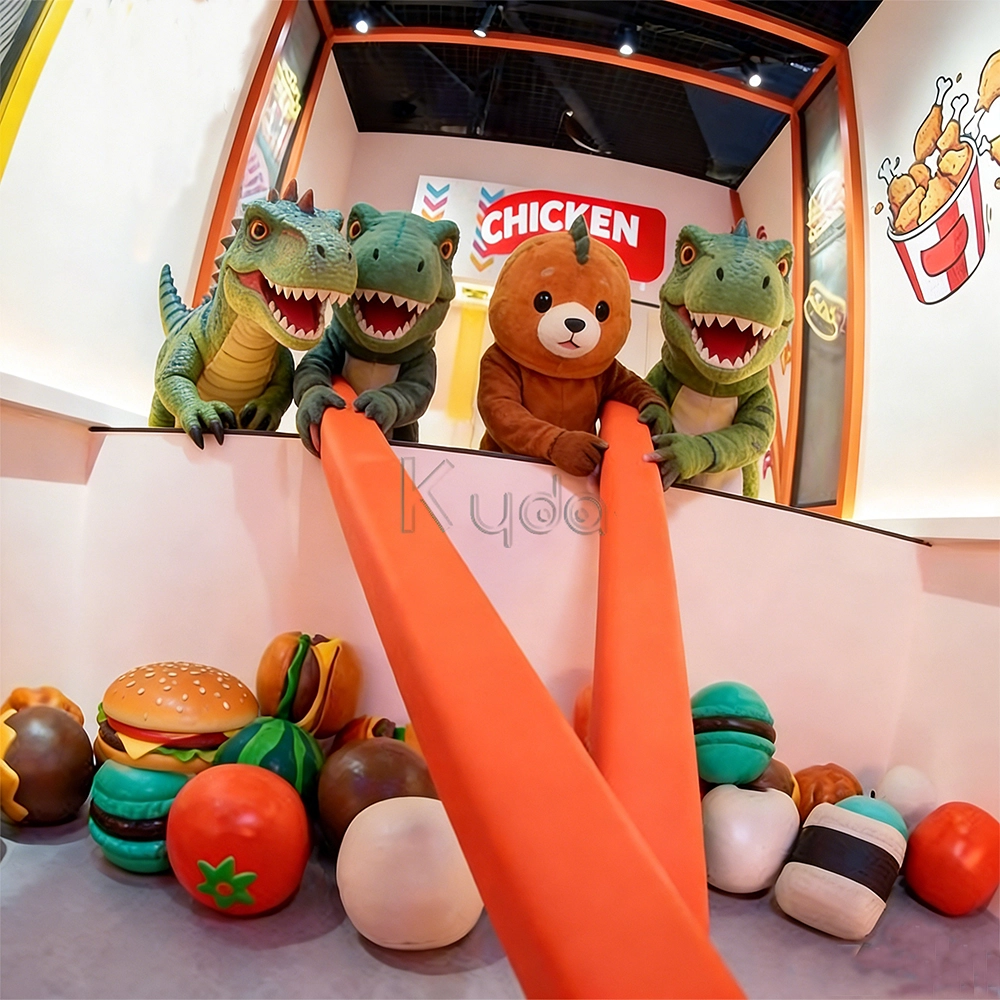
Crub Crab Giant Chopsticks Challenge Game Interactive Skill Challenge Game for Activate Game Rooms by Kyda
Crub Crab Giant Chopsticks Challenge Game is an innovative interactive challenge attraction designed for indoor entertainment centers, arcade game venues, and activate-style interactive game rooms. In this unique skill-based game, players control a pair of oversized giant chopsticks to pick up scattered snacks, toys, or prize items and place them into a collection basket within a limited time. The gameplay combines hand-eye coordination, precision control, balance, and quick reaction, creating a fun and competitive experience suitable for players of all ages.
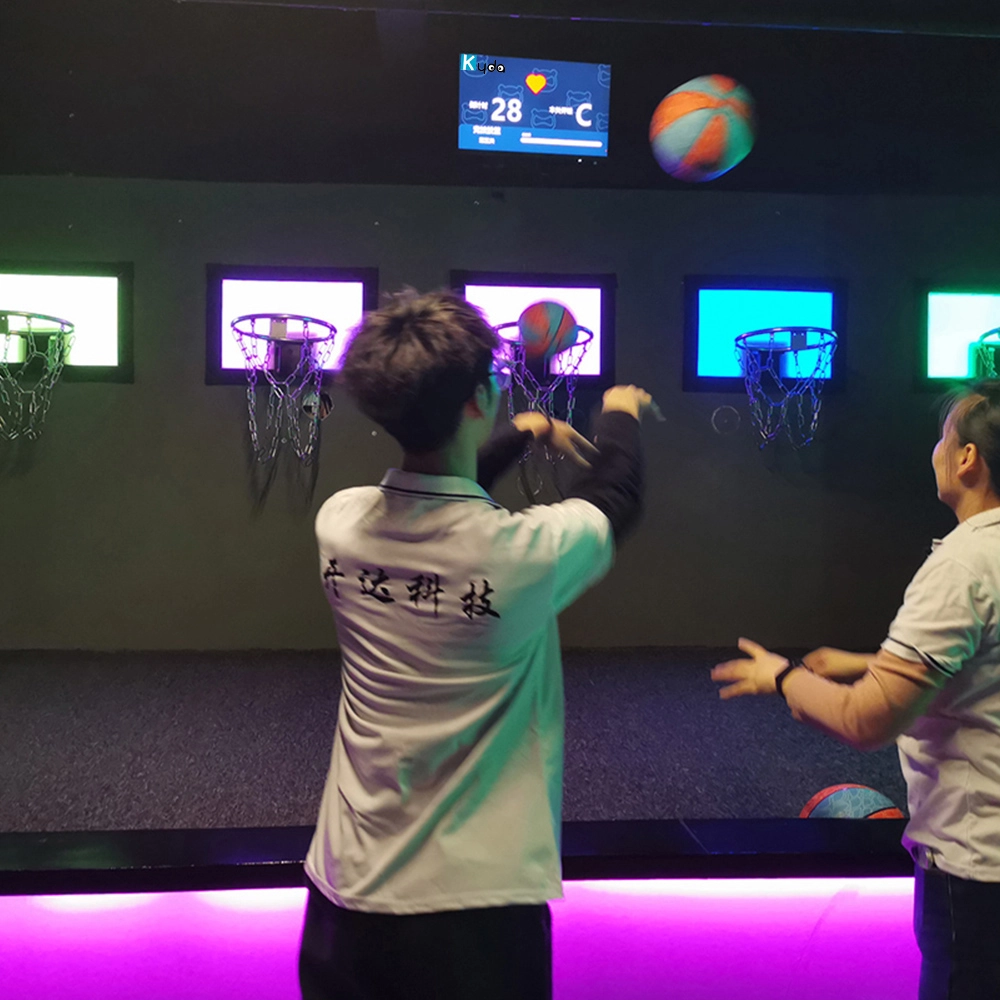
Hoops Active Game: The Ultimate Interactive Basketball Fitness Game
Elevate your basketball skills with Kyda’s Hoops Activate Game, the interactive basketball game. Perfect for basketball game rooms, Activate Hoops offers immersive fitness fun. Experience the Activate Basketball Game that combines sport and technology for active play.
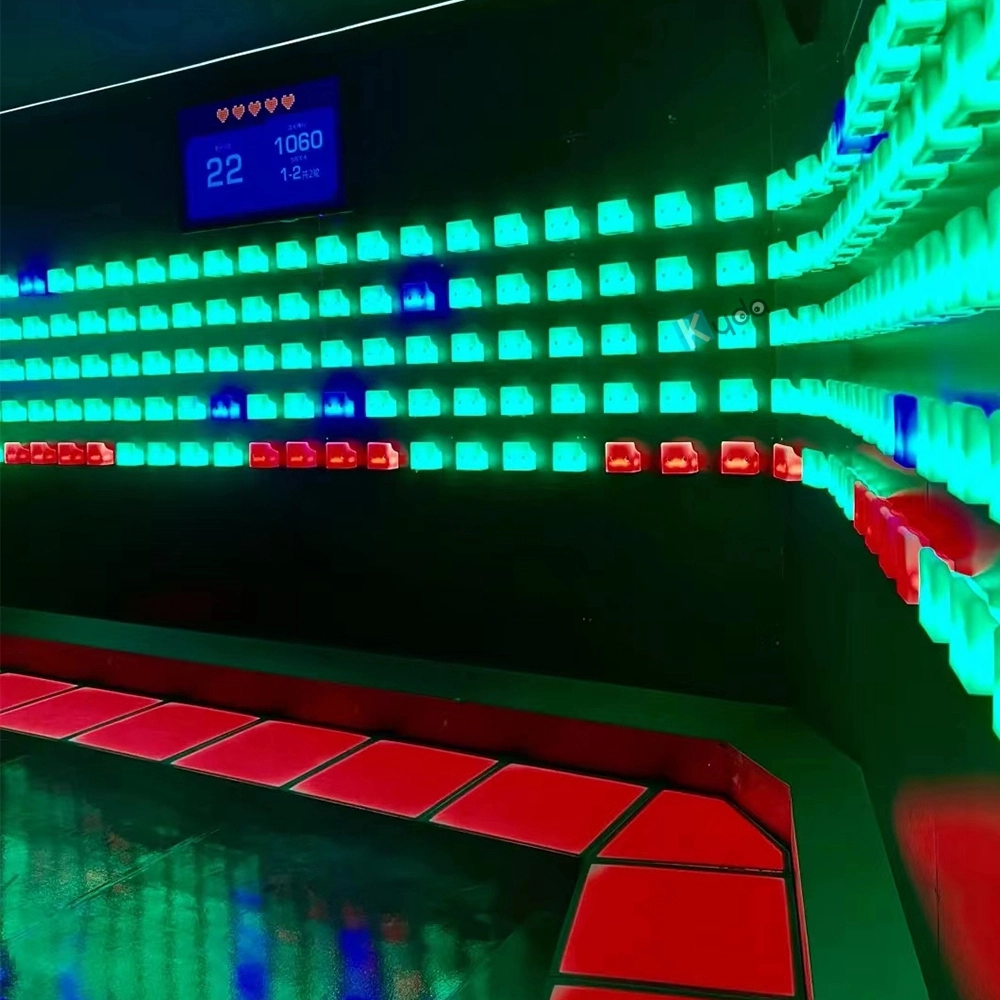
Activate Fitness Climb Game – The Ultimate Interactive LED Climbing Wall Experience
Experience the Activate Fitness Climb Game by Kyda—the interactive LED wall game. This Activate Climb Game combines fitness and fun with dynamic LED challenges, perfect for all ages. Boost agility and engagement with Kyda’s innovative interactive LED wall game today!
Let's get in touch
Email: sales@kydavr.com
Tel.: +86 188 2001 8779
Address: 501 Shixin Road, Dalong Street, Guangzhou, Guangdong, China.
© 2025 Kyda. All Rights Reserved.
 Scan QR Code
Linkedin
Ins
Facebook
Twitter
YouTube