




Activate Games Safety Standards and Compliance for Buyers
- Ensuring Player Safety in Activate Games Installations
- Why Safety Matters for Activate Games
- Regulatory Landscape and Key Standards for Activate Games
- Risk Assessment and Type Testing for Activate Games
- Electrical and EMC Compliance for Activate Games
- Mechanical Design, Materials and Durability for Activate Games
- Accessibility, User Experience and Age-Segmentation in Activate Games
- Installation, Commissioning and Maintenance Procedures for Activate Games
- Vendor Evaluation and Procurement Checklist for Activate Games Buyers
- Standards Comparison Table for Activate Games
- Kyda: Supplier Capabilities and Why It Matters for Buyers of Activate Games
- Kyda Advantages and Product Strengths for Buyers
- Practical Buyer Checklist: From Quotation to Commissioning for Activate Games
- Operational Tips to Reduce Risk
- Frequently Asked Questions (FAQ)
- 1. What certifications should I insist on when buying activate games?
- 2. Are indoor-only activate games subject to the same regulations as outdoor units?
- 3. How do I verify vendor test reports are legitimate?
- 4. What maintenance schedule is typical for activate games?
- 5. Can customization affect compliance?
- 6. What documentation should be handed over at commissioning?
- Contact / Request a Compliance Consultation or Product Demo
- References
Ensuring Player Safety in Activate Games Installations
Buying activate games (interactive amusement and training systems) requires more than comparing price and aesthetics. Buyers must understand the safety, regulatory and operational obligations that govern interactive electronic and mechanical systems. This guide explains the key standards, typical hazards, testing and compliance pathways, and a practical procurement checklist that buyers can use to reduce risk, meet local regulations, and ensure a durable, profitable installation.
Why Safety Matters for Activate Games
Activate games combine electronics, lights, moving parts, and user interaction. Hazards include electrical shock, fire, tripping and impact injuries, overexposure to bright light, and software/UX failures that may induce panic or injury. For venue operators and buyers, non-compliance can mean site shutdowns, insurance claims, legal liability, reputational damage, and costly retrofits. Prioritising safety reduces lifecycle cost and increases customer trust.
Regulatory Landscape and Key Standards for Activate Games
Regulations vary by market (EU, US, China, Australia, etc.). Buyers should target compliance with core international and regional frameworks that apply to interactive gaming systems:
- Electrical safety and product safety directives (e.g., IEC/EN standards, LVD / CE in EU, UL standards in US)
- Electromagnetic compatibility (EMC) requirements (e.g., EN 55032, FCC Part 15)
- Audio-visual and IT equipment safety (IEC 62368-1)
- Toy and public-use equipment safety where children are involved (EN 71 series, local equivalents)
- Amusement device standards for ride-like or moving attractions (EN 13814, ASTM/ISO guidance where applicable)
- Environmental and hazardous substance limits (RoHS, WEEE for EU)
Understanding which standards apply requires mapping the product (size, interactivity, intended user age, fixed/portable, indoor/outdoor) to local statutes and venue safety rules. Confirm with local certifying bodies or notified bodies for CE where needed.
Risk Assessment and Type Testing for Activate Games
Before installation, run a formal risk assessment (per ISO 12100 principles) that identifies hazards, estimates risk levels, and records mitigation measures. Typical tests and checks include:
- Electrical insulation and ground continuity tests
- Dielectric strength (hi-pot) testing where applicable
- EMC radiated and conducted emissions/immunity testing
- Mechanical load and durability testing for moving parts and enclosures
- Ingress protection (IP) rating verification for outdoor/wet applications
- Photobiological safety tests for LEDs and projectors (IEC 62471)
- Flammability ratings of plastics and foams (UL 94, local fire codes)
Documented type tests from accredited laboratories provide defensible evidence for compliance and are often required by insurers and public authorities.
Electrical and EMC Compliance for Activate Games
Electrical safety covers wiring, connectors, power supplies, isolation, fusing, and protective measures. For modern activate games, the most relevant frameworks include IEC 62368-1 (safety for audio/video and IT equipment), the EU Low Voltage Directive (LVD), and UL standards in North America. EMC compliance (EN 55032 / FCC Part 15) ensures the unit does not disturb venue communications or medical devices and is resilient to interference.
Buyers should request test reports or the declaration of conformity (DoC) and verify laboratories are accredited (e.g., ISO/IEC 17025). If the product will be permanently installed in a commercial venue, ensure local electrical codes (e.g., NEC in the US) are addressed during site wiring and final inspection.
Mechanical Design, Materials and Durability for Activate Games
Mechanical failures cause many on-site incidents. Design aspects to evaluate:
- Rounded edges and pinch-point elimination for interactive elements
- Robust anchoring systems and anti-tip designs for free-standing units
- Use of fire-retardant and low-smoke materials in enclosed venues
- UV and weather-resistant finishes for outdoor units
- Maintenance-friendly modular components to facilitate rapid field repairs
Request material datasheets and test evidence for load testing, corrosion resistance, and flammability ratings when evaluating vendors.
Accessibility, User Experience and Age-Segmentation in Activate Games
Safety includes usability. Ensure games meet reasonable accessibility standards and are age-appropriate. Controls should be reachable at intended user heights, instructions must be clear and visible, and sensory stimulation (strobe lights, loud audio) should be managed with warnings or alternatives. Consider providing settings for intensity limits and duration timers to reduce fatigue and sensory overload.
Installation, Commissioning and Maintenance Procedures for Activate Games
Correct installation is as important as design. Best practices:
- Use certified electricians/mechanics and follow manufacturer installation manuals
- Perform site-specific risk assessments (crowd flow, emergency egress, sightlines)
- Complete commissioning tests that mirror factory type tests post-install
- Establish a maintenance schedule: daily safety checks, weekly functional checks, annual full inspection
- Keep a maintenance log and spare parts inventory for critical components
Many incidents are avoided by simple preventative maintenance and staff training on emergency stop and basic troubleshooting.
Vendor Evaluation and Procurement Checklist for Activate Games Buyers
When procuring activate games, use a structured checklist to evaluate suppliers. Key items buyers must request and verify:
- List of applicable certifications and test reports (with lab accreditation)
- Technical files and schematic diagrams (for LVD/CE conformity if applicable)
- Warranty terms, spare parts availability, and lead times
- References and case studies for similar installations
- Post-sale support: commissioning, training, remote diagnostics
- Customization capabilities and manufacturing footprint for local adaptation
Vendors that proactively provide these documents and a clear maintenance plan reduce buyer risk significantly.
Standards Comparison Table for Activate Games
| Standard / Directive | Region | Applies To | Key Buyer Takeaway |
|---|---|---|---|
| IEC 62368-1 | International | Audio/video, information and communication technology equipment | Relevant for electrical safety of electronic game systems; request laboratory test reports |
| CE / LVD & EMC | European Union | Low-voltage devices & EMC for equipment placed on EU market | Mandatory for EU installations — ensure DoC and technical file are provided |
| FCC Part 15 | United States | Unintentional radiators (EMC) | Necessary for lawful marketing in US; check FCC test reports |
| EN 71 (Toy safety) | European Union | Products intended for children | Relevant if units are primarily for young children; evaluate mechanical/small-part risks |
| EN 13814 / ASTM F24 (Amusement devices) | Europe / US (standards vary) | Fairground and amusement park equipment | Apply if game has ride-like motion or public attraction characteristics |
| RoHS / WEEE | EU and many global markets | Hazardous substances / end-of-life treatment | Environmentally mandated restrictions for electronics in many markets |
Sources for these standards and directives should be verified from official bodies and standard publishers; always request the exact clauses the vendor claims to comply with.
Kyda: Supplier Capabilities and Why It Matters for Buyers of Activate Games
Kyda is a one-stop solution provider of active game rooms and Activate gaming centers dedicated to the custom research, development, production, and sales of interactive and educational recreational products, as well as indoor and outdoor amusement equipment and low-cost, high-income, high-return equipment. Kyda's main products include active interactive games, interactive LED floor systems, active reaction games, brain challenge games, horror escape games, active fitness games, and interactive projection games, as well as various thrilling indoor and outdoor amusement equipment.
Kyda's team consists of professionals specializing in electronic design and development, software programming, game design, animation design, product design, multimedia design, and interior design. Leveraging the manufacturing advantages of Guangzhou, Zhongshan, Zhengzhou, and Beijing, we maintain long-term partnerships with LED light factories, advertising production factories, sheet metal factories, paint factories, electronic assembly factories, 3D plastic printing factories, and multimedia resource companies. This allows us to produce customized projects or products to meet various local needs. Our team is committed to using evolving technology, design, and execution capabilities to meet our customers' ever-changing, personalized customization needs.
Our vision is to become the world's leading active game room manufacturer.
Kyda Advantages and Product Strengths for Buyers
Buyers benefit from Kyda's integrated capabilities in design, electronics, and display systems. Key competitive points:
- Customization: Kyda can adapt hardware, software and aesthetics for local codes and customer preferences.
- Vertical partnerships: close relationships with component and LED manufacturers reduce lead time and improve quality control.
- Comprehensive product range: interactive projection games, activate interactive games, interactive LED floor, interactive LED wall, laser interactive game — enabling single-vendor procurement for multi-attraction centers.
- Technical depth: multidisciplinary team can supply technical files, assist with local compliance documentation, and support commissioning and maintenance plans.
For buyers, selecting a vendor like Kyda that provides engineering documentation, on-site commissioning, spare parts and training simplifies compliance and reduces time-to-revenue for new attractions.
Practical Buyer Checklist: From Quotation to Commissioning for Activate Games
Use this condensed checklist during procurement:
- Define intended users, venue type (indoor/outdoor), and regulatory jurisdiction.
- Request full technical file, DoC/CE (if EU), FCC reports (if US) and accredited test lab certificates.
- Confirm IP rating and durability for environmental exposure.
- Ask for EMC and photobiological test reports (LED/projector safety).
- Schedule site survey and commissioning with vendor engineer present.
- Agree SLA for spare parts and unacceptable-failure response times.
- Train staff and document maintenance/inspection regime; retain vendor support contact.
Operational Tips to Reduce Risk
Implement user-flow design to avoid crowding, use soft flooring in high-impact zones, display visible safety signage, limit session durations for high-stimulation games, and keep emergency-stop accessible. Run an annual third-party inspection for insurance compliance.
Frequently Asked Questions (FAQ)
1. What certifications should I insist on when buying activate games?
Ask for accredited lab test reports covering electrical safety (IEC 62368-1 or equivalent), EMC (EN 55032 / FCC Part 15), photobiological safety (IEC 62471 for LEDs/projectors), and any regional directives such as CE (EU) or UL listings (US). Also request material flammability and IP ratings for the intended environment.
2. Are indoor-only activate games subject to the same regulations as outdoor units?
Not always. Indoor units may avoid certain ingress protection requirements but still must comply with electrical safety, EMC, and fire/flammability codes. Outdoor units require additional sealing, UV/weather-resistant finishes, and often higher IP ratings.
3. How do I verify vendor test reports are legitimate?
Check that test reports are issued by ISO/IEC 17025-accredited laboratories, verify report numbers and dates with the lab if possible, and ask for original test certificates rather than scanned summaries. Cross-check claimed standards and clauses with official normative texts.
4. What maintenance schedule is typical for activate games?
Daily visual and functional checks by staff, weekly in-depth functional tests (software, sensors), monthly cleaning and component inspection, and annual third-party safety inspection and re-testing where required by local rules or insurance policies.
5. Can customization affect compliance?
Yes. Any modification to electronics, power systems, mechanical interfaces or lighting can invalidate existing certifications. Always process custom changes through the vendor’s engineering team and re-run applicable tests before placing the modified unit into service.
6. What documentation should be handed over at commissioning?
Full technical file (schematics, BOM, software revision), user manual, maintenance manual, wiring diagrams, test reports and certificates, commissioning checklist signed by vendor and buyer, and warranty documentation.
Contact / Request a Compliance Consultation or Product Demo
If you are planning a new installation or retrofitting existing attractions, contact Kyda for a compliance consultation, site survey, or product demo. Kyda can supply technical files, assist with local certifications, and provide turnkey solutions for activate interactive games, interactive LED floors and walls, interactive projection games, and laser interactive systems.
References
- IEC 62368-1 — Safety standard for audio/video, information and communication technology equipment. IEC. https://www.iec.ch/standard/62368-1 (accessed 2025-12-15)
- EU CE marking information — European Commission. https://ec.europa.eu/growth/single-market/ce-marking/ (accessed 2025-12-15)
- FCC — Electromagnetic Compatibility (EMC). https://www.fcc.gov/general/electromagnetic-compatibility-emc (accessed 2025-12-15)
- IEC 62471 — Photobiological safety of lamps and lamp systems. IEC. https://www.iec.ch/standard/62471 (accessed 2025-12-15)
- EN 71 — Safety of toys (relevant clauses for games intended for children). CEN / European standards information. https://standards.cen.eu/ (accessed 2025-12-15)
- EN 13814 — Safety of amusement rides and devices (overview). https://en.wikipedia.org/wiki/EN_13814 (accessed 2025-12-15)
- RoHS Directive — Restriction of hazardous substances. European Commission. https://ec.europa.eu/environment/topics/waste-and-recycling/rohs-directive_en (accessed 2025-12-15)
- ISO/IEC 17025 — General requirements for the competence of testing and calibration laboratories. ISO. https://www.iso.org/iso-iec-17025-testing-and-calibration-laboratories. (accessed 2025-12-15)
- UL standards and safety info — Underwriters Laboratories. https://www.ul.com/ (accessed 2025-12-15)
Measuring ROI: Interactive Floor Projection Games for Events
Activate Games Warranty and After-Sales Best Practices
How to Choose the activate game manufacturer and supplier in us?
How LED interactive game floors boost engagement in retail
For Activate Gaming Floorislava Family Fun
How much size if we start the Megagrid floorislava?
One LED grid tile is 30*30cm, eg: room size 10*5m, which can match 32*16pcs,512pcs for total; Layout: customize the quantity and place it according to the actual venue.
For Company
How many places(country or city) already installed? Where are they?
Above 100 places in the whole world market:
Already installed in Saudi Arabic, New Zealand, Indonesia ,Malaysia, Singapore, Australia, United Kingdom, Netherlands ,France, India, Poland, Greece, Hungary etc in the world market; Shenzhen, Beijing, Zhengzhou,Taiwan etc in the Chinese market.
How many activate game rooms Kydaplay make?
Till now, 50game rooms, still updating new….
Grid, Mega grid, Climb, ARENA ,Control ,HIDE ,Push, Pipes, Laser shooting, Hoops, Cylinder, Octopus,Strike,Flash, Cannon, KNOCK OUT, Lightning, 7 Blocks, GOLDEN GAME BRIDGE, RESTRICTED, BOMB Football, Rotating targets, Angry Bird, GENIUS, Lava Monster, Super Adventure …..
For Led Floor for Dance Pixel Grid Room
How much size if we start the Megagrid floorislava?
One LED grid tile is 30*30cm, eg: room size 10*5m, which can match 32*16pcs,512pcs for total; Layout: customize the quantity and place it according to the actual venue.
Can we just buy one game room of Pixel Grid?
Yes, If you start the activate game at the first time. We have more than above 50 different activate interactive challenge game rooms for options.
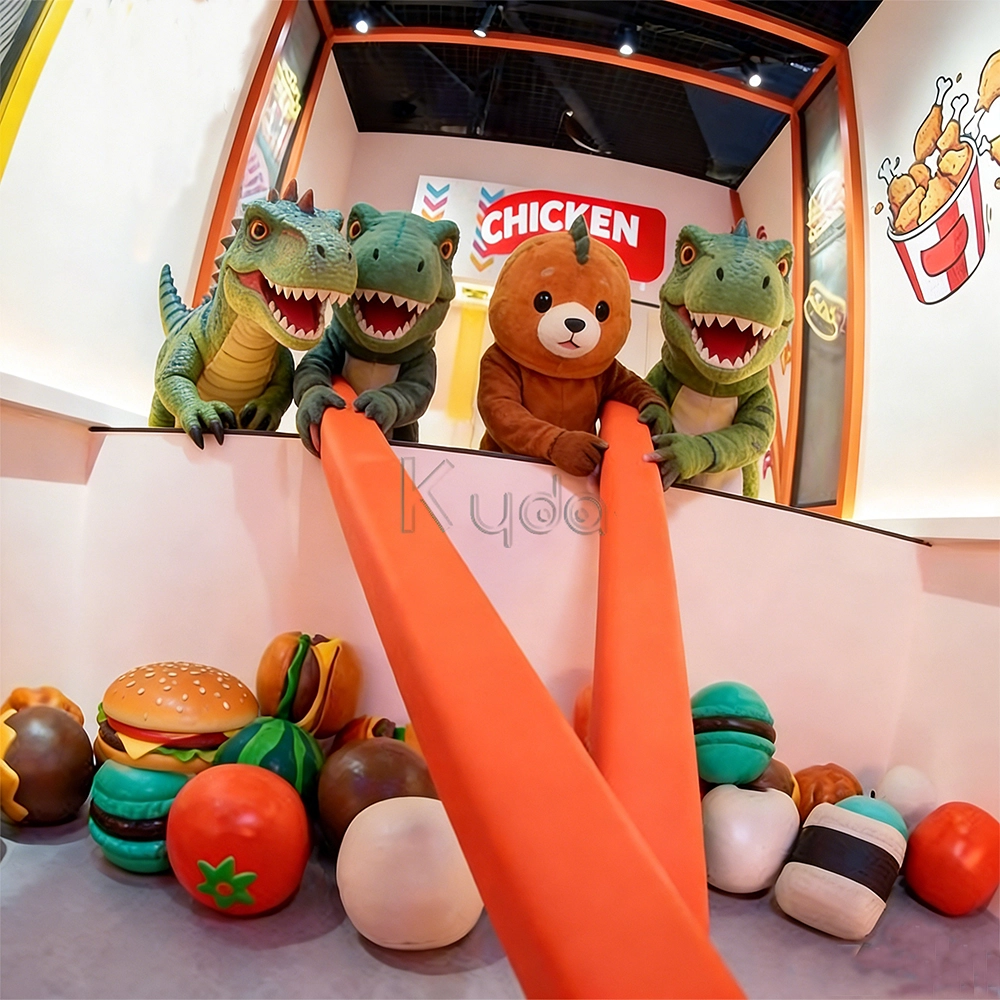
Crub Crab Giant Chopsticks Challenge Game Interactive Skill Challenge Game for Activate Game Rooms by Kyda
Crub Crab Giant Chopsticks Challenge Game is an innovative interactive challenge attraction designed for indoor entertainment centers, arcade game venues, and activate-style interactive game rooms. In this unique skill-based game, players control a pair of oversized giant chopsticks to pick up scattered snacks, toys, or prize items and place them into a collection basket within a limited time. The gameplay combines hand-eye coordination, precision control, balance, and quick reaction, creating a fun and competitive experience suitable for players of all ages.
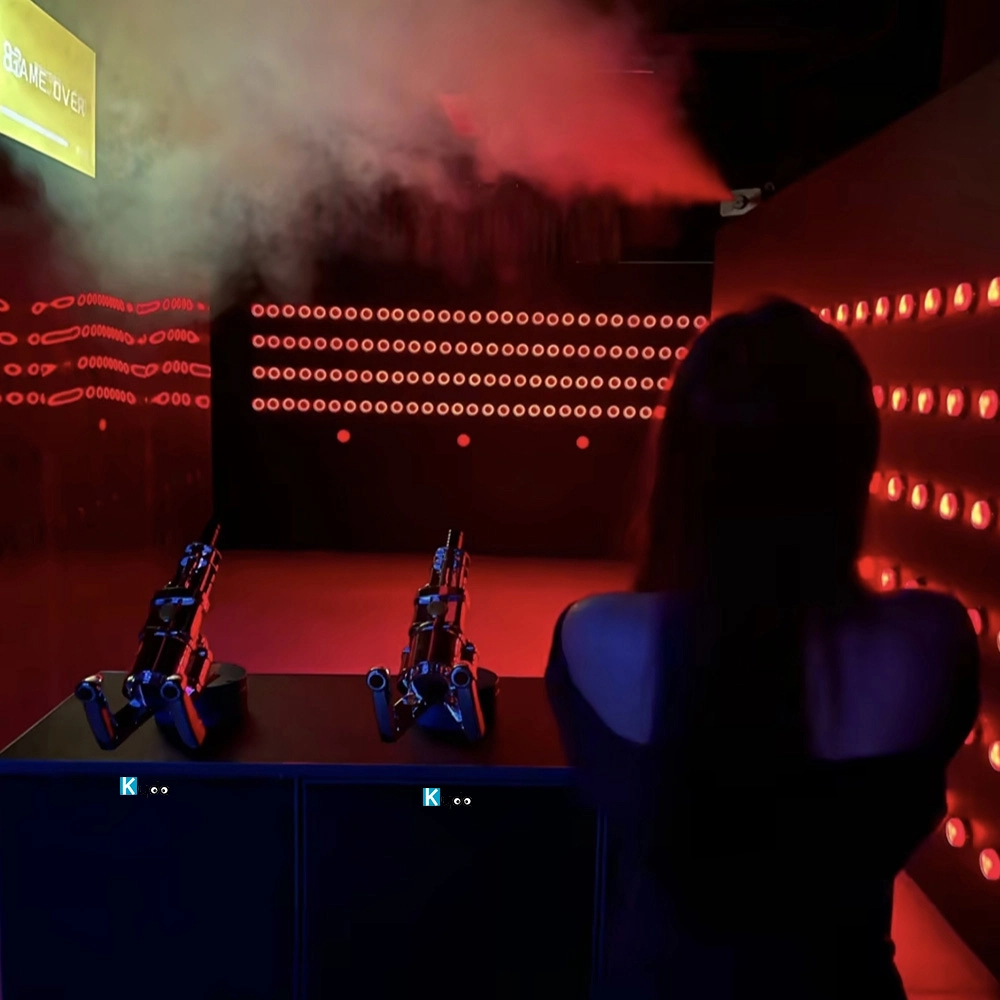
Active Reaction Laser Shooting Game Room
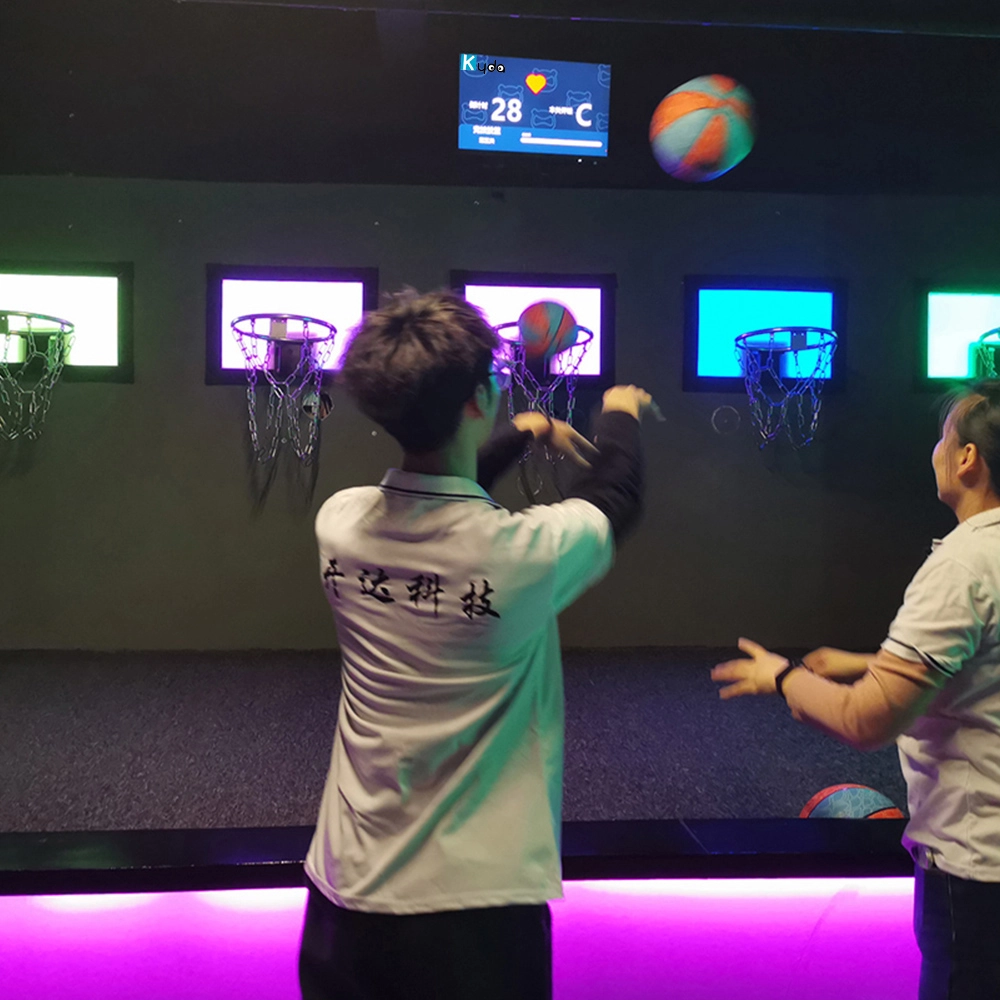
Hoops Active Game: The Ultimate Interactive Basketball Fitness Game
Elevate your basketball skills with Kyda’s Hoops Activate Game, the interactive basketball game. Perfect for basketball game rooms, Activate Hoops offers immersive fitness fun. Experience the Activate Basketball Game that combines sport and technology for active play.
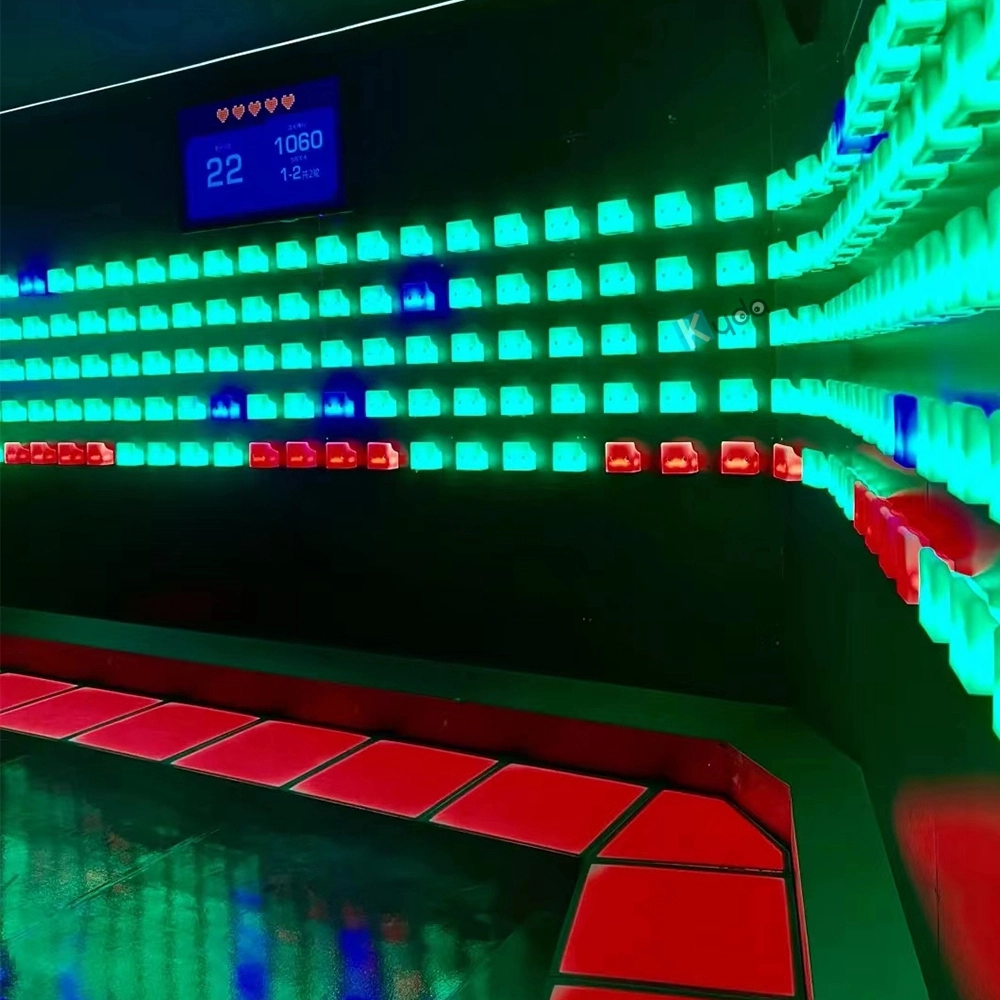
Activate Fitness Climb Game – The Ultimate Interactive LED Climbing Wall Experience
Experience the Activate Fitness Climb Game by Kyda—the interactive LED wall game. This Activate Climb Game combines fitness and fun with dynamic LED challenges, perfect for all ages. Boost agility and engagement with Kyda’s innovative interactive LED wall game today!
Let's get in touch
Email: sales@kydavr.com
Tel.: +86 188 2001 8779
Address: 501 Shixin Road, Dalong Street, Guangzhou, Guangdong, China.
© 2025 Kyda. All Rights Reserved.
 Scan QR Code
Linkedin
Ins
Facebook
Twitter
YouTube