




Activate Games for Kids: Safe and Fun Offline Party Activities
- Active Play Made Simple: Offline Party Games for Kids
- Why choose activate games for kids' parties?
- Understanding and party needs for activate games
- Designing safe offline activate games: principles and planning
- Core safety and design principles for activate games
- Space planning and risk assessment for activate games
- Top activate games for kids' parties (with variations and safety tips)
- Game selection based on age, space, and materials
- Detailed game recipes and enhancements
- Setup checklist: equipment, staffing, and timing for successful activate games
- Essential equipment and optional tech
- Staffing and timing recommendations
- Making activate games educational and inclusive
- Learning objectives to pair with play
- Adapting games for different abilities
- Risk management and safety standards for activate games
- Practical risk mitigation
- Relevant safety standards and guidance
- Comparing low-cost vs. High Quality activate games and equipment
- Cost-benefit table: basic supplies vs. interactive installations
- When to consider investing in High Quality activate games
- Kyda: turnkey solutions for activate interactive games and centers
- Who Kyda is and what they offer
- Kyda's technical and manufacturing strengths
- Products and competitive differentiators
- Practical checklist before you run any activate games session
- One-page operational checklist
- FAQ — Common questions about activate games for kids
- 1. What ages are best for activate games?
- 2. How much supervision do activate games need?
- 3. Can activate games be run indoors safely?
- 4. How can I include children with limited mobility?
- 5. What are cost-effective ways to run activate games for many parties?
- 6. Where can I source professional interactive equipment?
- Contact and next steps — plan your safe, fun activate games today
- Book a consultation or view products
- References and further reading
Active Play Made Simple: Offline Party Games for Kids
Why choose activate games for kids' parties?
Parents and event planners increasingly look for party activities that combine movement, social interaction, and hands‑on fun. The keyword activate games describes a family of offline, physically engaging activities that spark energy, encourage cooperation, and reduce passive screen time. Research shows active play supports motor skill development, social skills, and emotional regulation in children; offering structured activate games at parties provides a predictable, safe environment where those benefits can be maximized.
Understanding and party needs for activate games
When people search for activate games they typically want: easy-to-run game ideas, safety guidance, equipment lists, and solutions for different ages and spaces. This article fulfills those needs with practical game instructions, safety and set-up checklists, a comparison table of popular game types, and professional-level options for businesses and larger venues.
Designing safe offline activate games: principles and planning
Core safety and design principles for activate games
Good party activities follow three core principles: age-appropriateness, predictable rules, and a controlled physical environment. For activate games, this means choosing actions that match children’s motor abilities, clearly explaining rules before play, and removing hazards (sharp edges, tripping items). Supervision ratios should increase with younger age groups—typical guidelines recommend one adult per 4 children under 5, and one per 8–10 children ages 5–8.
Space planning and risk assessment for activate games
Measure the available space and plan a safe play zone that allows at least 1–2 square meters per child for moderately active games. Create clear entry/exit paths and consider surface type—grass, gym mats, or rubber tiles reduce impact. Use cones, tape, or soft barriers to define game boundaries and keep bystanders safe.
Top activate games for kids' parties (with variations and safety tips)
Game selection based on age, space, and materials
Below is a concise comparison of widely used activate games suitable for parties. Each entry lists age range, space requirement, typical duration, and essential safety notes.
| Game | Age Range | Space Required | Duration | Safety Notes |
|---|---|---|---|---|
| Musical Statues (Freeze Dance) | 3–10 | Small to medium | 5–15 min | Clear floor, no running on slippery surfaces |
| Obstacle Course | 4–12 | Medium to large | 15–30 min | Soft landings, supervise transitions |
| Treasure Hunt | 4–12 | Small to large | 10–30 min | Non-choking props, clear hiding spots |
| Relay Races | 5–14 | Medium | 10–20 min | Organize lanes, soft batons |
| Parachute Games | 2–8 | Medium | 10–20 min | Adult-led lifts, avoid rough play |
| Simon Says (Active Version) | 3–10 | Small | 5–15 min | Simple commands, watch for overexertion |
Detailed game recipes and enhancements
For each game, prepare a short briefing for helpers, list of materials, and a contingency plan (e.g., move indoors if weather changes). Enhance learning by adding counting challenges (math), color sorting (cognitive), or team roles to promote leadership and inclusion.
Setup checklist: equipment, staffing, and timing for successful activate games
Essential equipment and optional tech
Basic equipment: cones, soft balls, beanbags, parachute, tape, mats, timers, and simple props. Optional items to elevate parties: LED floor decals, projection mats, and motion-sensing games. For smaller budgets, most games can be run with household items.
Staffing and timing recommendations
Create a schedule alternating high-energy activate games with quieter activities (crafts, snack time) to manage fatigue. Typical structure for a 90‑minute party: 15 min arrival/free play, 30–35 min main active games (split into two 15–20 min segments), 15 min calming activity/eat, 15 min final active wind-down or game. Assign one adult facilitator per activity station plus roaming supervisors.
Making activate games educational and inclusive
Learning objectives to pair with play
Activate games can reinforce numeracy (counting laps), literacy (word scavenger hunts), science (simple motion experiments), and social skills (turn-taking). Define 1–2 clear learning goals per game and communicate them to helpers so play subtly supports cognitive development.
Adapting games for different abilities
Ensure inclusion by offering parallel roles: example—runners, timekeepers, and cheer leaders. Modify tasks (shorter distances, lower-impact moves) and allow assistive devices when needed. Pre-party communication with parents helps anticipate specific needs.
Risk management and safety standards for activate games
Practical risk mitigation
Perform a quick hazard assessment before play: remove glass, secure rugs, check equipment integrity. Keep a first-aid kit and emergency contact list on hand. For public or commercial events, follow local safety codes and insurance requirements.
Relevant safety standards and guidance
Consult resources like the U.S. Consumer Product Safety Commission (CPSC) guides on playground safety and national public health organizations for physical activity recommendations for children. Many venues follow EN 1176/1177 (playground equipment and surfacing) or equivalent local standards for fixed installations.
Comparing low-cost vs. High Quality activate games and equipment
Cost-benefit table: basic supplies vs. interactive installations
| Option | Typical Cost | Setup Time | Longevity/ROI | Best Use |
|---|---|---|---|---|
| DIY supplies (cones, beanbags) | Low ($10–$100) | 10–30 min | Low-medium | Home parties, small groups |
| Portable modules (parachute sets, obstacle kits) | Medium ($100–$1,000) | 20–60 min | Medium | Frequent party hosts, schools |
| Interactive installations (LED floors, projection) | High ($5,000+) | Hours to days | High | Commercial centers, event venues |
When to consider investing in High Quality activate games
Venues that host frequent events, educational centers, or commercial amusement facilities will see the highest ROI from interactive installations. High Quality systems offer repeatable, low-labor engagement and can be monetized for birthday bookings, drop-in sessions, or corporate family events.
Kyda: turnkey solutions for activate interactive games and centers
Who Kyda is and what they offer
Kyda is a one-stop solution provider of active game rooms and Activate gaming centers dedicated to the custom research, development, production, and sales of interactive and educational recreational products, as well as indoor and outdoor amusement equipment and low-cost, high-income, high-return equipment. Kyda's main products include activate interactive games, interactive LED floor systems, active reaction games, brain challenge games, horror escape games, active fitness games, and interactive projection games, as well as various thrilling indoor and outdoor amusement equipment.
Kyda's technical and manufacturing strengths
Kyda's team consists of professionals specializing in electronic design and development, software programming, game design, animation design, product design, multimedia design, and interior design. Leveraging manufacturing advantages in Guangzhou, Zhongshan, Zhengzhou, and Beijing, Kyda maintains partnerships with LED light factories, advertising production factories, sheet metal factories, paint factories, electronic assembly plants, 3D plastic printing workshops, and multimedia resource companies. This vertical integration enables customized projects that meet local regulations and user preferences.
Products and competitive differentiators
Key product advantages include:
- Interactive projection games and activate interactive games that blend physical activity with programmable content
- Interactive LED floor and wall systems offering robust durability and visual appeal
- Laser interactive game solutions with low maintenance and high engagement
- Customizable software and hardware to meet branding, space, and safety requirements
Kyda emphasizes personalized design, reliable manufacturing partners, and ongoing technical support—qualities that help operators launch profitable active game rooms and family entertainment centers.
Practical checklist before you run any activate games session
One-page operational checklist
- Measure and mark play area; remove hazards
- Assign adult supervisors and explain roles
- Prepare first-aid kit and contact list
- Brief children on rules and signals (start/stop)
- Have water and shade/rest area available
- Rotate activities to manage energy levels
FAQ — Common questions about activate games for kids
1. What ages are best for activate games?
Activate games can be adapted for any age. For toddlers (2–4), focus on simple movement and imitation games; for 5–8 year-olds, include structured relays and obstacle courses; for 9–12 year-olds, increase complexity with team strategy and reaction-based challenges.
2. How much supervision do activate games need?
Supervision depends on age and activity: one adult per 4 children under 5; one per 6–10 for older children. For high-risk games or unfamiliar equipment, keep a tighter ratio and ensure supervisors know emergency procedures.
3. Can activate games be run indoors safely?
Yes. Choose low-impact games, protect hard floors with mats, clear furniture, and use portable interactive solutions (LED mats, projection systems) designed for indoor use to reduce injury risk.
4. How can I include children with limited mobility?
Design parallel roles and adaptations—shorter distances, seated versions of games, or control-role tasks (scorekeeper, game leader). Communication with parents prior to the event will help tailor accommodations.
5. What are cost-effective ways to run activate games for many parties?
Invest in modular equipment (portable obstacle kits, parachutes) and reusable props. For commercial hosts, consider High Quality interactive systems that reduce staffing needs and increase repeat bookings.
6. Where can I source professional interactive equipment?
Specialized manufacturers like Kyda supply interactive LED floors, projection systems, and turnkey activate game rooms with customization, installation, and support.
Contact and next steps — plan your safe, fun activate games today
Book a consultation or view products
If you plan parties, run an education center, or are developing a commercial play venue and want reliable interactive solutions, contact Kyda for tailored proposals, site surveys, and turnkey installations. Visit Kyda's product pages or request a free consultation to evaluate whether portable kits or a custom interactive installation best fits your needs.
References and further reading
- World Health Organization — Physical activity: Key facts. https://www.who.int/news-room/fact-sheets/detail/physical-activity (accessed 2025-12-10)
- Centers for Disease Control and Prevention — Physical Activity for Children. https://www.cdc.gov/physicalactivity/basics/children/index.htm (accessed 2025-12-10)
- U.S. Consumer Product Safety Commission — Playground Safety. https://www.cpsc.gov/Safety-Education/Safety-Guides/Playgrounds (accessed 2025-12-10)
- Safe Kids Worldwide — Party Safety Tips. https://www.safekids.org/ (accessed 2025-12-10)
- European Committee for Standardization — EN 1176 Playground equipment and surfacing (overview). https://standards.cen.eu/dyn/www/f?p=204:110:0::::FSP_PROJECT:41818&cs=1A6A6A5E3F7E9D4D75F2E8E1 (accessed 2025-12-10)
Ultimate Guide to Light Floor Game: Everything You Need to Know
Best Interactive Wall Projection Games 2025: Ultimate Buyer’s Guide
How LED interactive game floors boost engagement in retail
Tips for buy active game console from China
For Games Grid Floor is Lava
How much size if we start the grid floor is lava?
One LED grid tile is 30*30cm,
Eg: room size 5*5m, which can match 16*16pcs,256pcs for total,
Layout: customize the quantity and place it according to the actual venue.
For Company
How many places(country or city) already installed? Where are they?
Above 100 places in the whole world market:
Already installed in Saudi Arabic, New Zealand, Indonesia ,Malaysia, Singapore, Australia, United Kingdom, Netherlands ,France, India, Poland, Greece, Hungary etc in the world market; Shenzhen, Beijing, Zhengzhou,Taiwan etc in the Chinese market.
How many activate game rooms Kydaplay make?
Till now, 50game rooms, still updating new….
Grid, Mega grid, Climb, ARENA ,Control ,HIDE ,Push, Pipes, Laser shooting, Hoops, Cylinder, Octopus,Strike,Flash, Cannon, KNOCK OUT, Lightning, 7 Blocks, GOLDEN GAME BRIDGE, RESTRICTED, BOMB Football, Rotating targets, Angry Bird, GENIUS, Lava Monster, Super Adventure …..
Can you make decoration design for buyer’s place?
We also can assist to make decoration that is for extra.
How to install?
Kydaplay will send detail CAD design, electronic design, installation manual, buyer can install by electronic engineer; or Kydavr can provide on-site technical support and installation as well as training once the goods are delivered at destination.
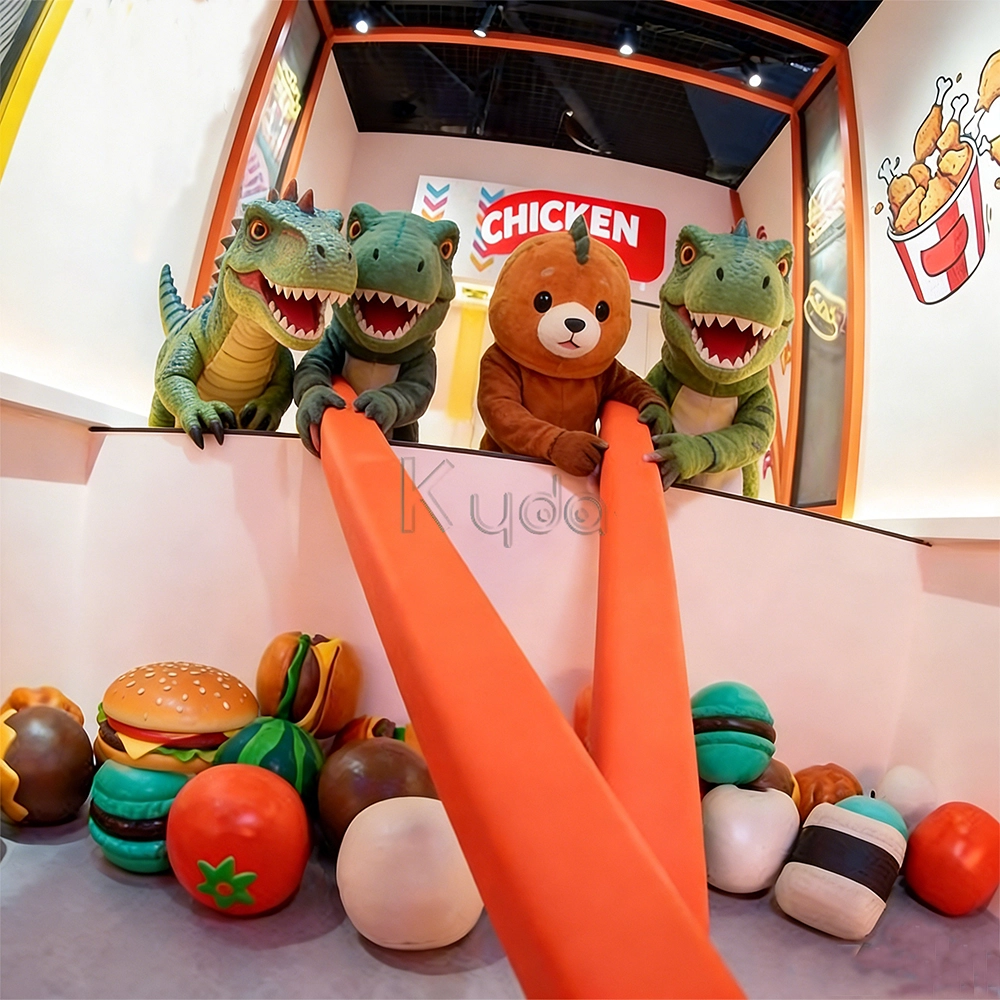
Crub Crab Giant Chopsticks Challenge Game Interactive Skill Challenge Game for Activate Game Rooms by Kyda
Crub Crab Giant Chopsticks Challenge Game is an innovative interactive challenge attraction designed for indoor entertainment centers, arcade game venues, and activate-style interactive game rooms. In this unique skill-based game, players control a pair of oversized giant chopsticks to pick up scattered snacks, toys, or prize items and place them into a collection basket within a limited time. The gameplay combines hand-eye coordination, precision control, balance, and quick reaction, creating a fun and competitive experience suitable for players of all ages.
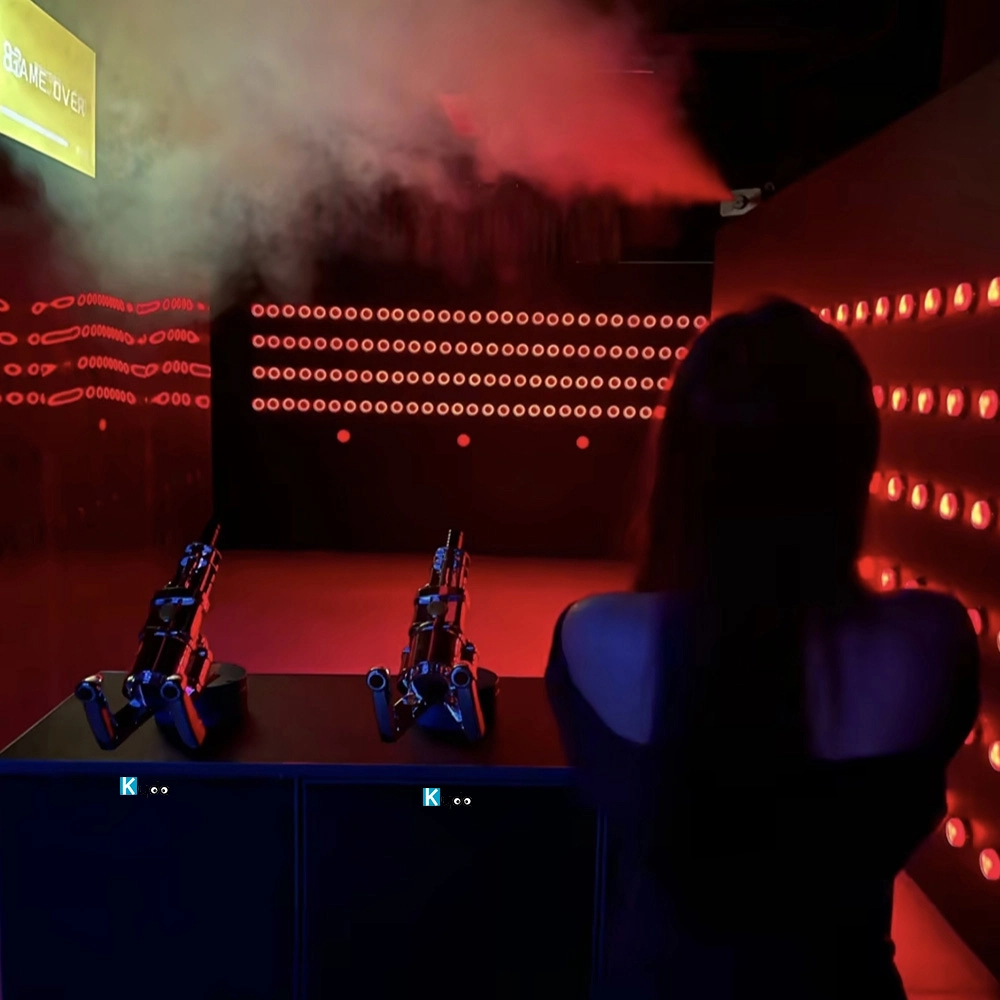
Active Reaction Laser Shooting Game Room
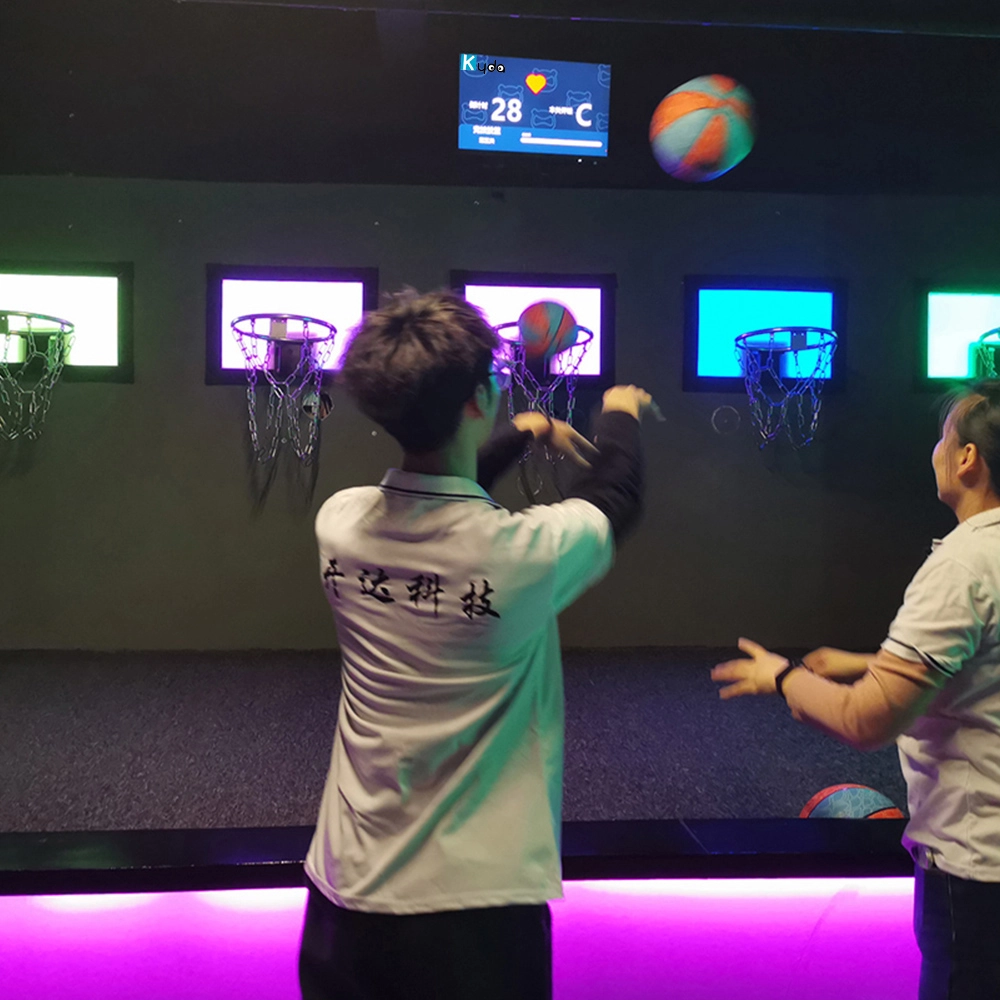
Hoops Active Game: The Ultimate Interactive Basketball Fitness Game
Elevate your basketball skills with Kyda’s Hoops Activate Game, the interactive basketball game. Perfect for basketball game rooms, Activate Hoops offers immersive fitness fun. Experience the Activate Basketball Game that combines sport and technology for active play.
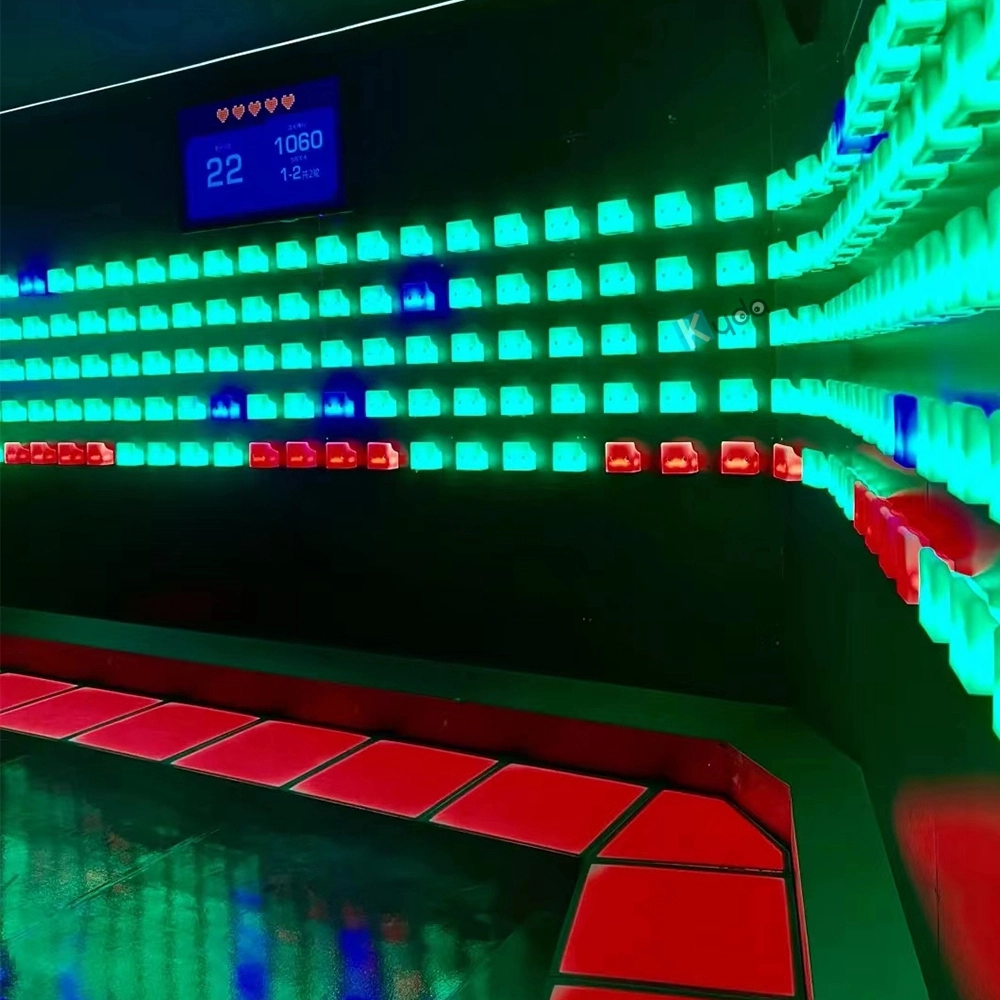
Activate Fitness Climb Game – The Ultimate Interactive LED Climbing Wall Experience
Experience the Activate Fitness Climb Game by Kyda—the interactive LED wall game. This Activate Climb Game combines fitness and fun with dynamic LED challenges, perfect for all ages. Boost agility and engagement with Kyda’s innovative interactive LED wall game today!
Let's get in touch
Email: sales@kydavr.com
Tel.: +86 188 2001 8779
Address: 501 Shixin Road, Dalong Street, Guangzhou, Guangdong, China.
© 2025 Kyda. All Rights Reserved.
 Scan QR Code
Linkedin
Ins
Facebook
Twitter
YouTube