




Top 10 Interactive Challenge Games for Indoor Entertainment Centers in 2026
Interactive challenge games are reshaping the future of indoor entertainment.
By combining technology, physical activity, and social competition, these attractions create experiences that traditional arcades cannot match.
If you're planning to launch a next-generation interactive entertainment center, adding the right mix of challenge games can dramatically increase visitor engagement, replay rate, and venue revenue.
The indoor entertainment industry is evolving rapidly. Traditional arcades are no longer enough — today’s visitors want interactive, social, and physically engaging experiences.
Modern venues such as interactive game rooms, Activate-style arenas, and immersive challenge centers combine physical activity, teamwork, puzzles, and technology to create unforgettable entertainment experiences. These venues often use motion sensors, LED floors, laser systems, and interactive walls to deliver engaging game play with high replay value.
If you're planning to build or upgrade a Family Entertainment Center (FEC) or interactive game venue, here are the Top 10 interactive challenge games trending in 2026.
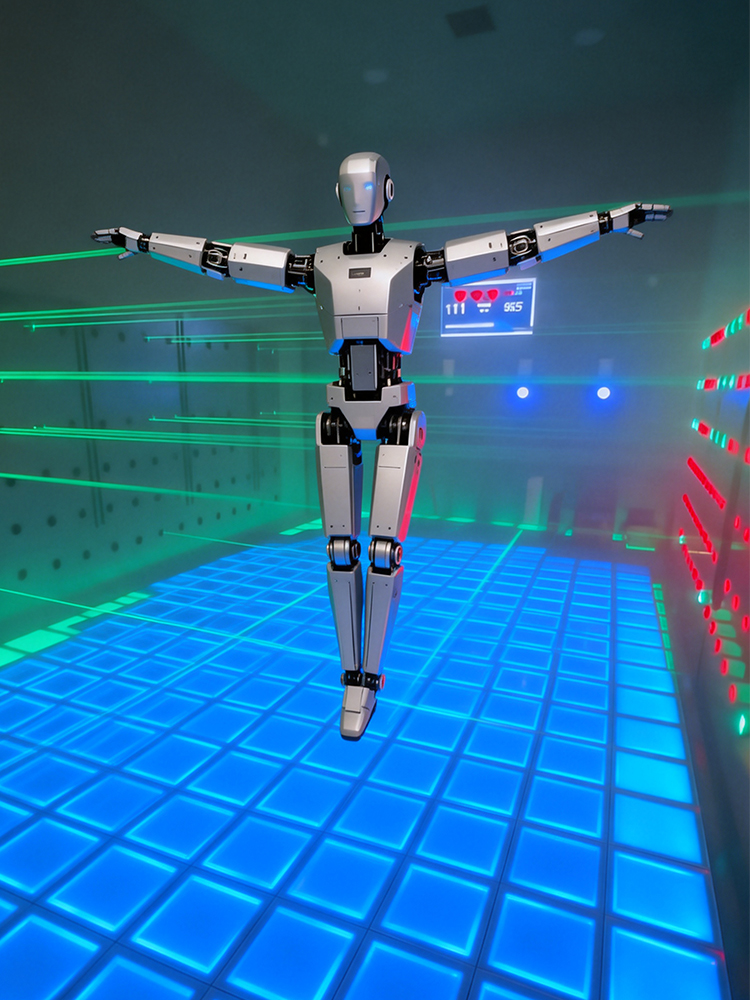
1. Interactive LED Floor Challenge (Floor Is Lava Game)
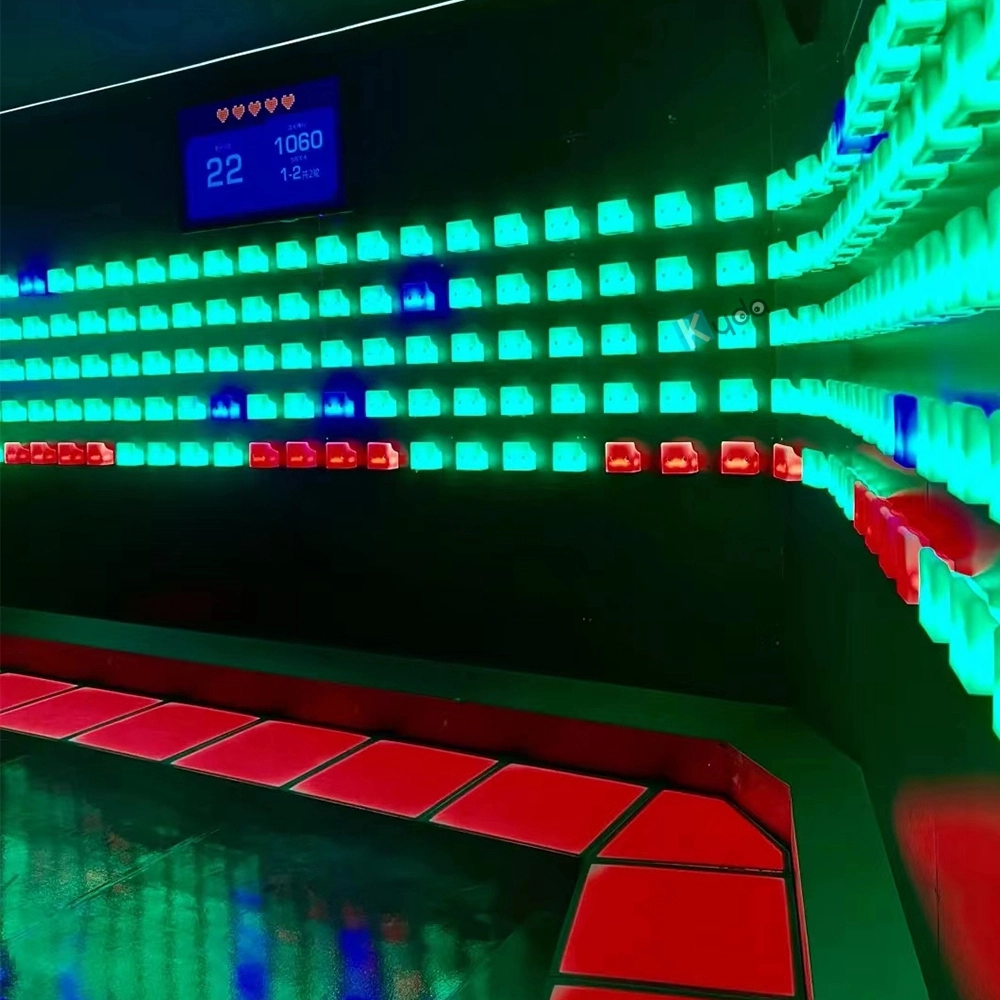
One of the most popular attractions in modern interactive game rooms is the LED floor challenge game.
Players must step on illuminated tiles while avoiding danger zones such as “lava.” The game requires:
- Quick reflexes
- Fast decision making
- Coordination and teamwork
Because the LED floor reacts instantly to player movement, the gameplay feels immersive and energetic. These games are highly attractive to families, schools, and team-building groups.
Best for:
Family entertainment centers, mall attractions, and fitness-style game venues.
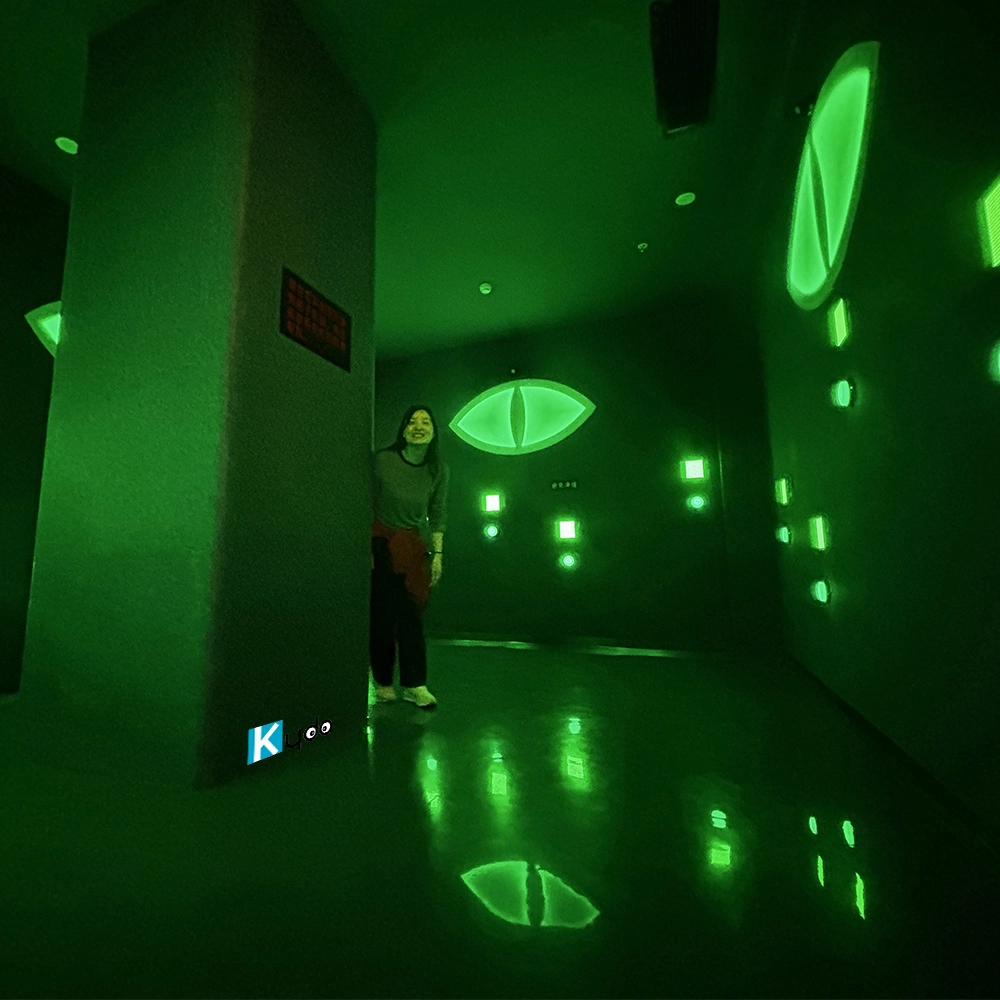
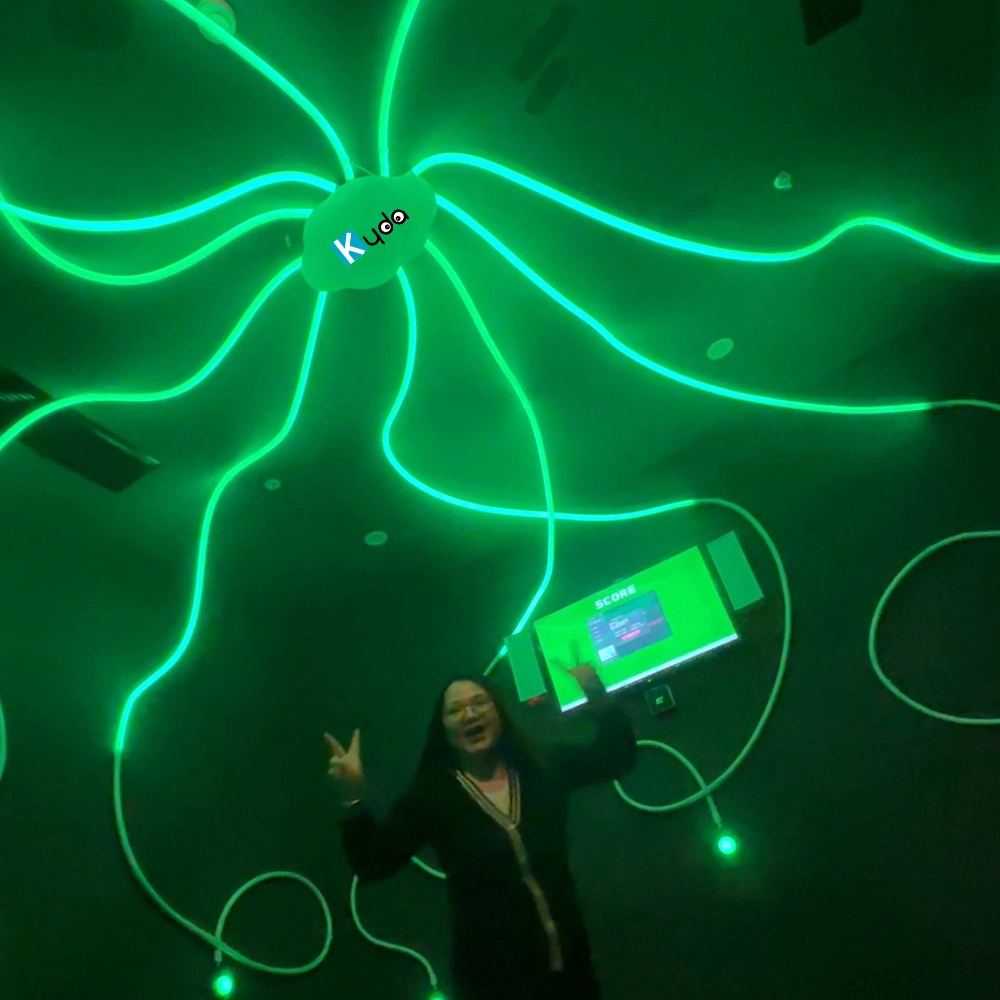
2. Laser Maze Challenge
The laser maze game is a classic challenge where players must navigate through a room filled with laser beams without triggering alarms.
Players crawl, jump, and stretch to avoid touching the lasers, creating an exciting spy-mission experience.
Laser maze attractions are extremely popular because they combine:
- Physical agility
- Strategy
- Adrenaline
This game works particularly well in Activate-style game centers and immersive adventure venues.
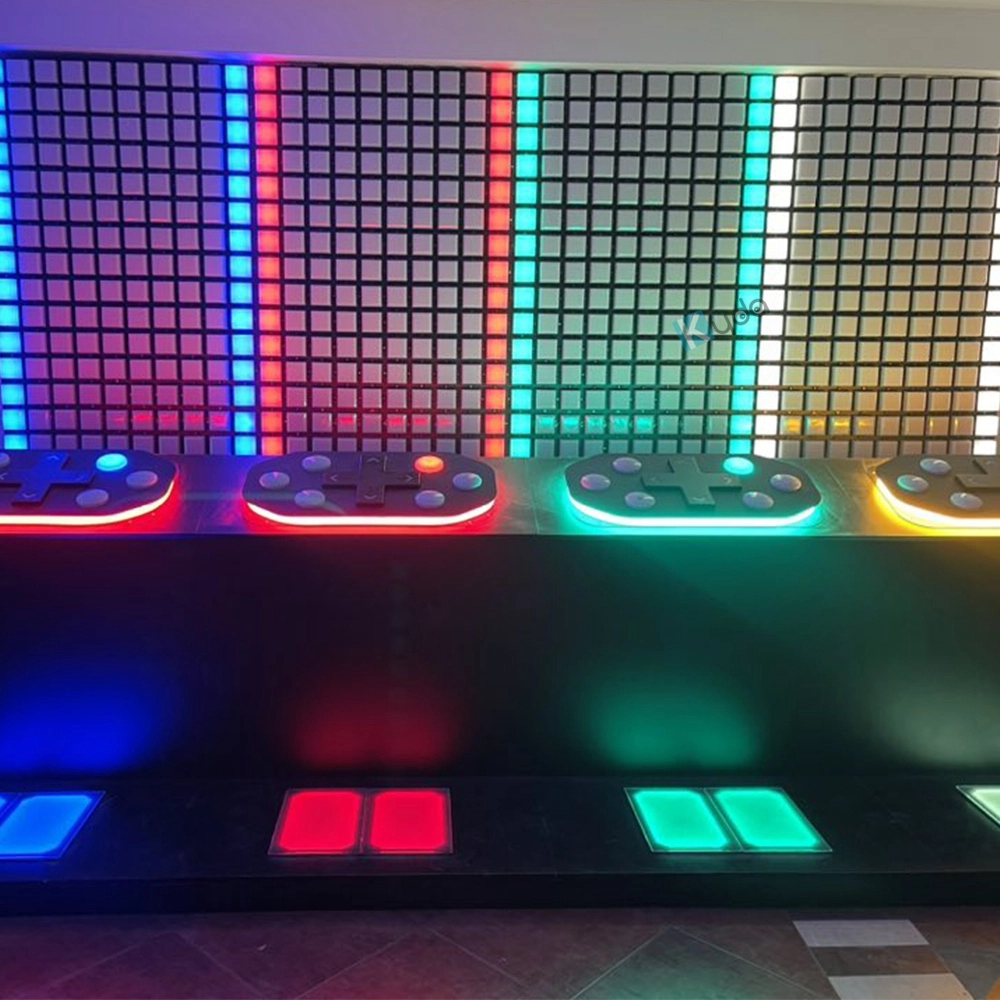
3. Pixel Grid Reaction Game
The pixel grid reaction game uses an LED wall or floor grid that lights up in random sequences.
Players must quickly touch or step on the correct lights before they disappear.
This challenge tests:
- Reaction speed
- Memory
- Coordination
It’s one of the most addictive interactive games because players constantly try to beat their previous score.
4. Interactive Climbing Wall Game
Interactive climbing walls combine fitness and gaming technology.
Players climb a wall while touching illuminated targets that appear randomly.
Each level increases difficulty and requires:
- Strength
- Strategy
- Balance
These systems turn traditional climbing into a competitive digital challenge.
5. Dodgeball Interactive Arena
Dodgeball-style interactive arenas allow players to throw foam balls at illuminated targets or sensors.
The system tracks hits and scores automatically.
These games are perfect for:
- Group competitions
- Birthday parties
- Corporate team-building events
The fast pace and competitive nature make them one of the most engaging social games in entertainment venues.
6. Giant Chopsticks Prize Challenge
This hilarious skill challenge is quickly becoming a viral attraction.
Players use oversized chopsticks to grab snacks, toys, or prizes within a limited time.
The challenge requires:
- Precision
- Balance
- Coordination
Because the gameplay looks funny and chaotic, spectators often gather around to watch — making it perfect for social media content and viral marketing.
7. Interactive Projection Sports Games
Projection-based interactive games use motion sensors and projectors to transform the floor or wall into a dynamic sports field.
Players can:
- Kick virtual soccer balls
- Smash digital targets
- Dodge animated obstacles
These games are highly flexible and can support many game modes, making them ideal for family entertainment centers.
8. Escape Room Puzzle Challenges
Escape rooms remain a powerful attraction in indoor entertainment venues.
Players must solve puzzles, decode clues, and unlock mechanisms to escape the room within a time limit.
These experiences combine storytelling with teamwork and logic puzzles, which is why they have become a global entertainment trend.
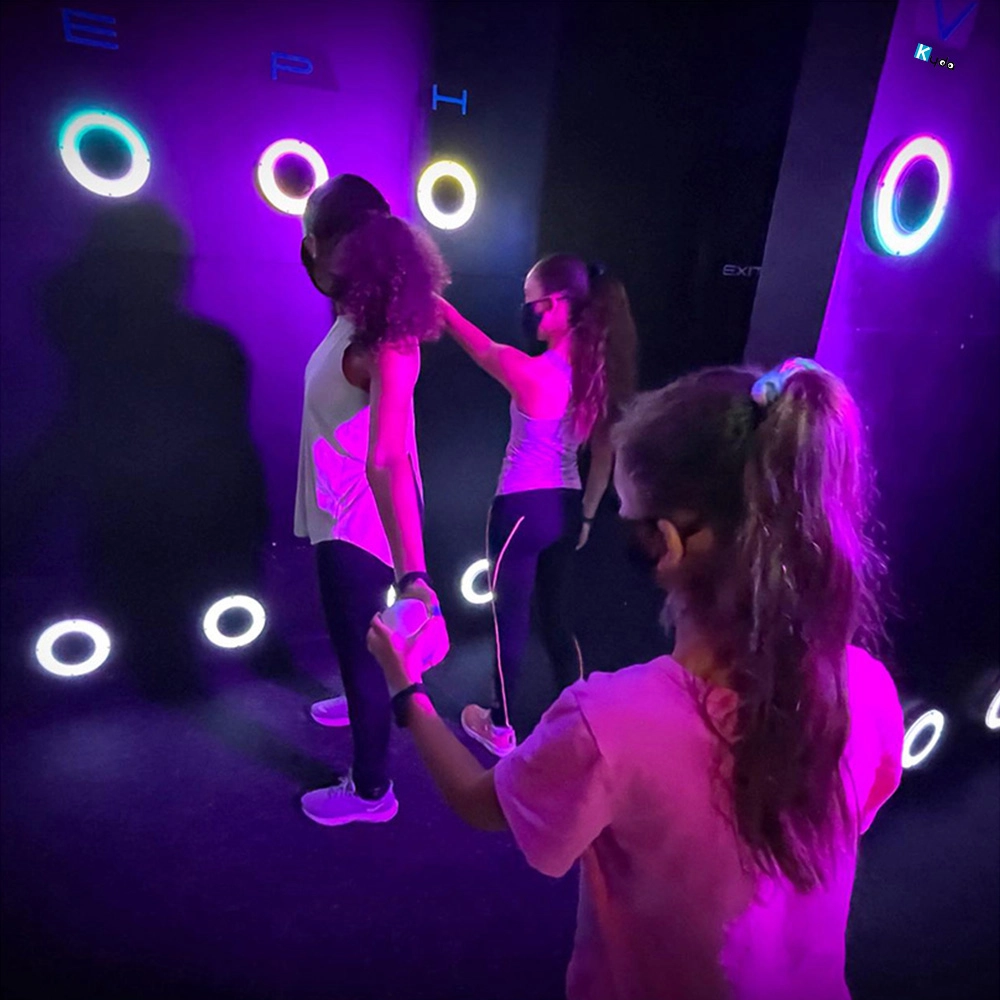
9. Light Reaction Button Game
Reaction wall games use illuminated buttons that players must press quickly before the lights disappear.
These games test:
- Reaction time
- Speed
- Accuracy
They are simple to understand but extremely competitive, making them popular for tournaments and score-based challenges.
10. Multiplayer Mission Challenge Rooms
The newest trend in 2026 is multi-room interactive mission arenas.
Players move through different challenge rooms, each with unique gameplay such as:
- Laser dodging
- Puzzle solving
- Memory games
- Physical obstacle challenges
These venues combine elements of escape rooms, sports challenges, and video games, creating a full-body interactive experience.
Why Interactive Challenge Games Are Growing in 2026
Several major trends are driving the popularity of these attractions:
1. Social Gaming Experiences
People want entertainment they can enjoy with friends and groups.
2. Physical Activity + Gaming
Interactive games combine fitness and fun, appealing to both kids and adults.
3. High Replay Value
Because many games use random patterns, levels, or scoring systems, players are motivated to play again and improve their scores.
4. Social Media Exposure
Many interactive challenge games naturally create funny, shareable moments, which helps venues gain free marketing on platforms like TikTok and Instagram.
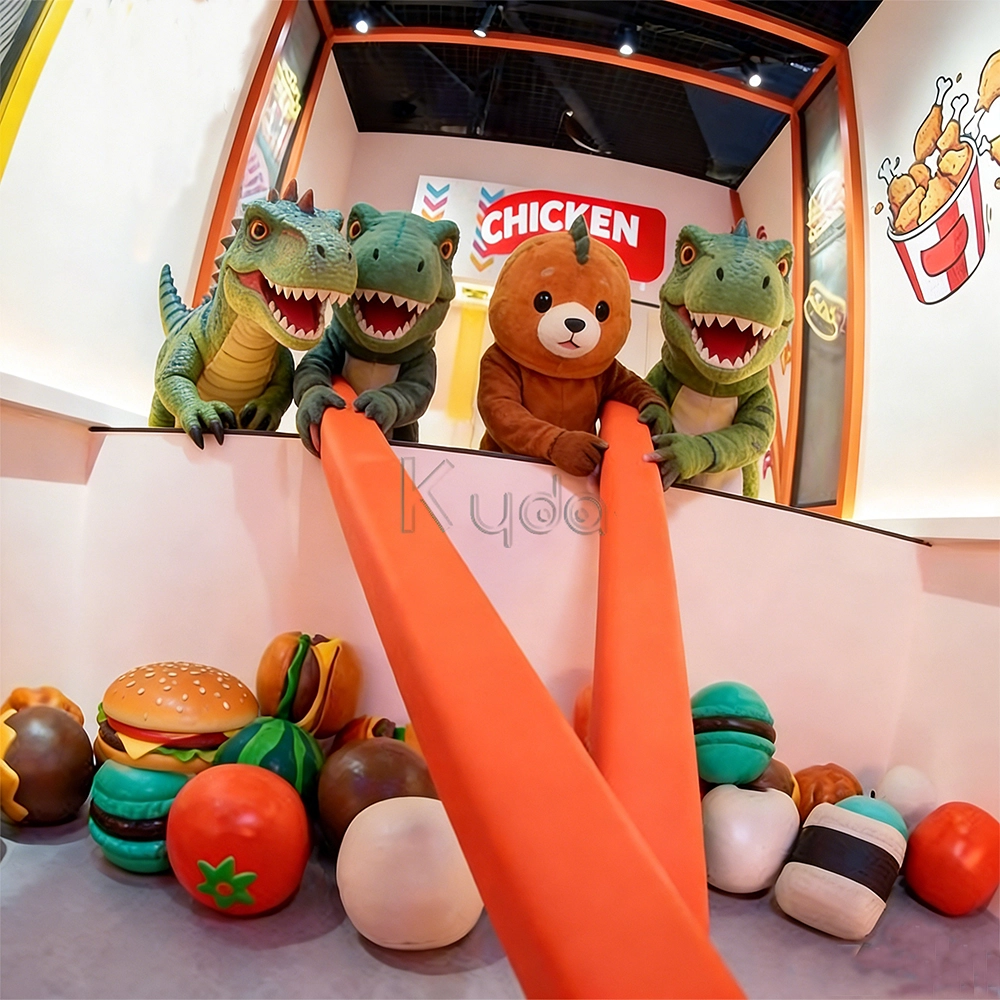
Crub Crab Giant Chopsticks Challenge Game Interactive Skill Challenge Game for Activate Game Rooms by Kyda
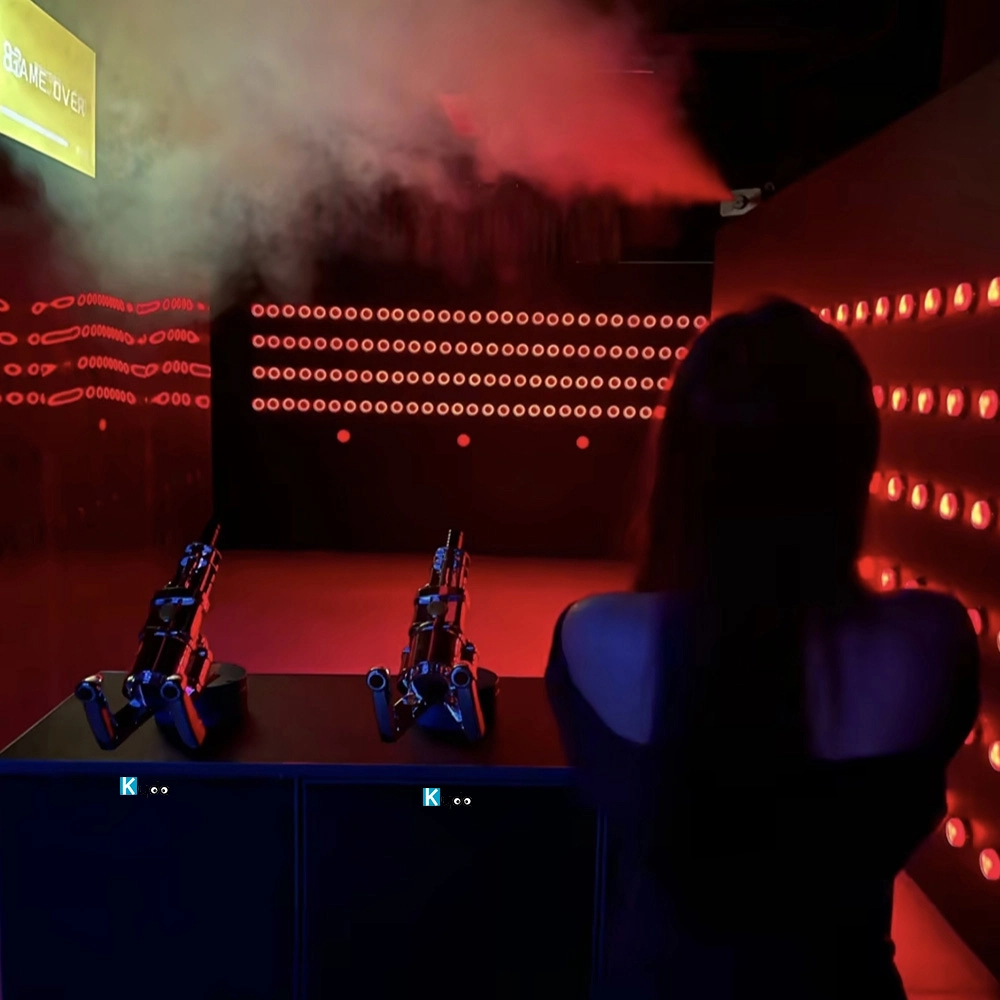
Active Reaction Laser Shooting Game Room
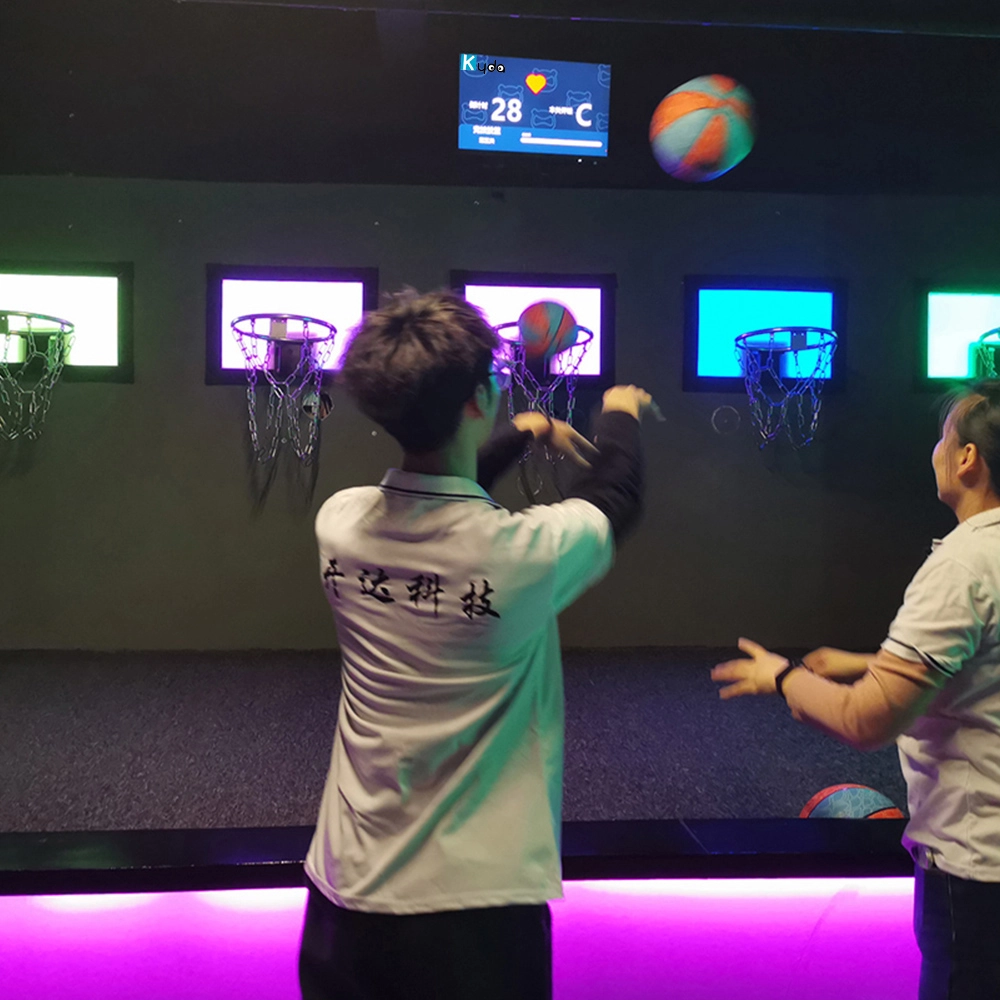
Hoops Active Game: The Ultimate Interactive Basketball Fitness Game
Activate Fitness Climb Game – The Ultimate Interactive LED Climbing Wall Experience
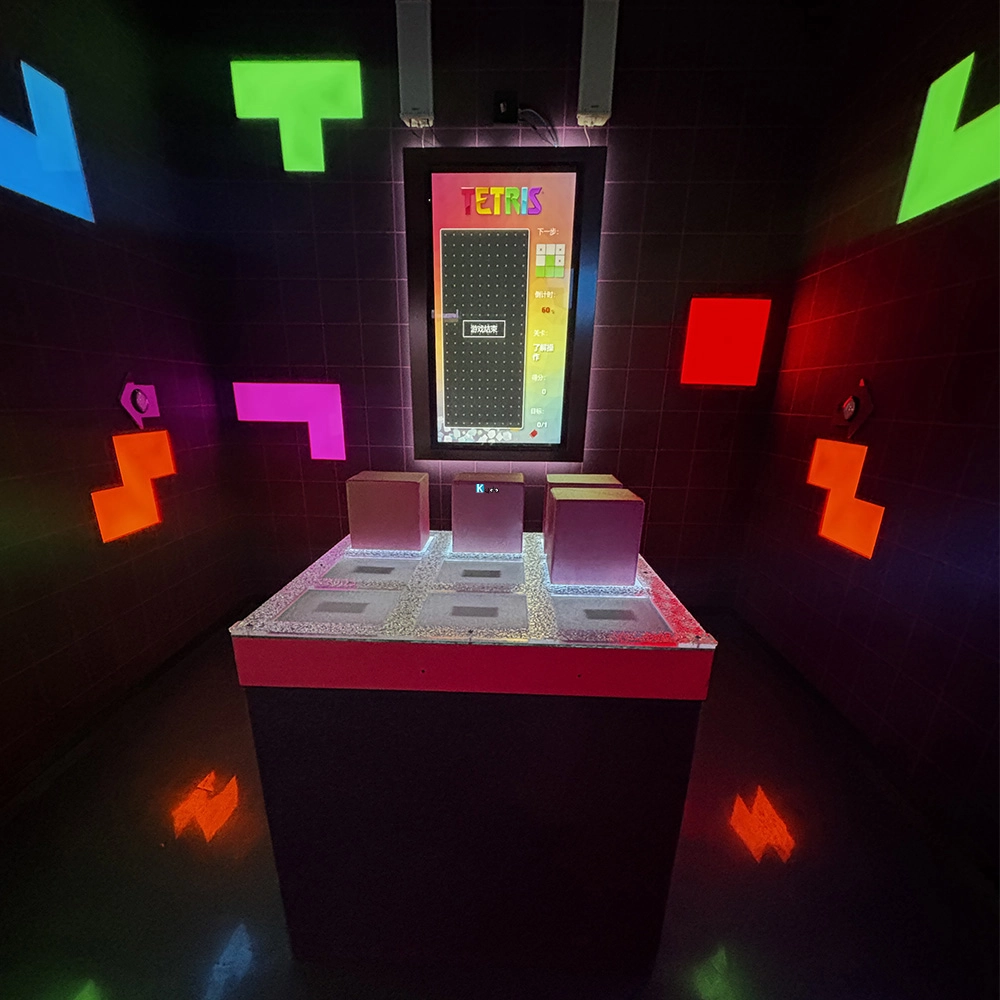
7 Blocks Tetris | Kyda Immersive Physical Interactive Game System
For Company
What is your advantage?
1)We have CE certification, Software copyright, Patent;
2) We already assistant our customer open more than 100places activate shop in the world, we know what is the important, how to meet different country’s requirements, personal customize game , software, hardware;
3)We already developed above 50 different game room, and will update more;
4)We have our own management system, Online booking ticket system(online payment support), Ranking system , Score system, DIY website.
How to install?
Kydaplay will send detail CAD design, electronic design, installation manual, buyer can install by electronic engineer; or Kydavr can provide on-site technical support and installation as well as training once the goods are delivered at destination.
How much need invest?
Normally can choose one Grid game only or different rooms.
Please contact with Kydaplay sales manager to get the exact cost.
For Activate Gaming Floorislava Family Fun
Can we just buy one game room of Mega grid room?
Yes, If you start the activate game at the first time. We have more than above 50 different activate interactive challenge game rooms for options.
For Games Grid Floor is Lava
How to pack the LED tile grid?
3pcs/carton, 45cartons/panel.
You May Also Like
-
-
Send us Your Inquiry
-
Fill out the form and we will provide you with personalized product quotes and service recommendations based on your needs.
Our team will contact you as soon as possible to help you build the most suitable entertainment equipment!
Let's get in touch
Email: sales@kydavr.com
Tel.: +86 188 2001 8779
Address: 501 Shixin Road, Dalong Street, Guangzhou, Guangdong, China.
© 2025 Kyda. All Rights Reserved.
 Scan QR Code
Linkedin
Ins
Facebook
Twitter
YouTube