




Why We Scream: The Dark Psychology Behind the Horror Escape Room Craze
- Quick Summary: The Science of the Scare
- What is the Psychology Behind Horror Escape Rooms?
- The Mechanism of Volitional Stress
- The Neurochemistry of Fear: Why We Love the Rush
- Agency vs. Passivity: Why Gaming Beats Movies
- The 'Safety Frame': Trusting the Terror
- Elements of a Strong Safety Frame
- Expert Tips: Preparing for Your First Horror Room
- Future Trends: The Evolution of Horror (2026 Outlook)
- Conclusion
- FAQs
Quick Summary: The Science of the Scare
Horror escape rooms utilize 'Recreational Fear' to trigger a controlled fight-or-flight response that results in a euphoric chemical high. This unique form of entertainment balances high-arousal stress with the safety of a game environment.
- Volitional Stress: You choose the fear, which transforms the experience from trauma to triumph.
- Chemical Cocktail: The brain releases endorphins, dopamine, and oxytocin upon survival.
- Active Agency: Unlike movies, you control the outcome through problem-solving.
- The Safety Frame: A psychological boundary that assures your brain the threat isn't real.
What is the Psychology Behind Horror Escape Rooms?
The primary psychological mechanism driving the popularity of horror escape rooms is 'recreational fear psychology'—a phenomenon where humans derive pleasure from threatening stimuli within a safe context. By simulating danger without actual risk, players can explore the limits of their resilience.
According to researchers at the Recreational Fear Lab at Aarhus University, enjoyment in these scenarios follows an "inverted-U" curve. As reported by the Association for Psychological Science, there is a "Goldilocks zone" of fear: too little is boring, too much is overwhelming, but the right amount maximizes pleasure.
The Mechanism of Volitional Stress
When you enter a Kyda horror escape room, your body activates the sympathetic nervous system. However, because you volunteered for this stress (volitional stress), your frontal lobe retains enough control to interpret the physical arousal as excitement rather than genuine danger. This cognitive re-framing is what makes the scream satisfying rather than scarring.
The Neurochemistry of Fear: Why We Love the Rush
The intense pleasure derived from horror experiences is fueled by the 'adrenaline dopamine loop,' where the brain rewards survival with a flood of feel-good neurotransmitters. This chemical reaction is remarkably similar to the "runner's high" experienced by athletes.
- The Adrenaline Spike: Sudden jump scares or atmospheric dread trigger the release of adrenaline and cortisol, sharpening your senses.
- The Dopamine Reward: When you solve a puzzle under pressure, your brain releases dopamine. A study published in PubMed Central highlights how dopamine release in the amygdala is linked to fear memory formation and learning, reinforcing the satisfaction of overcoming the threat.
- Oxytocin and Bonding: Surviving a perceived threat with a group releases oxytocin, the "bonding hormone." This is why teams often feel closer after escaping a Kyda horror game scenario—they have shared a high-intensity emotional experience.
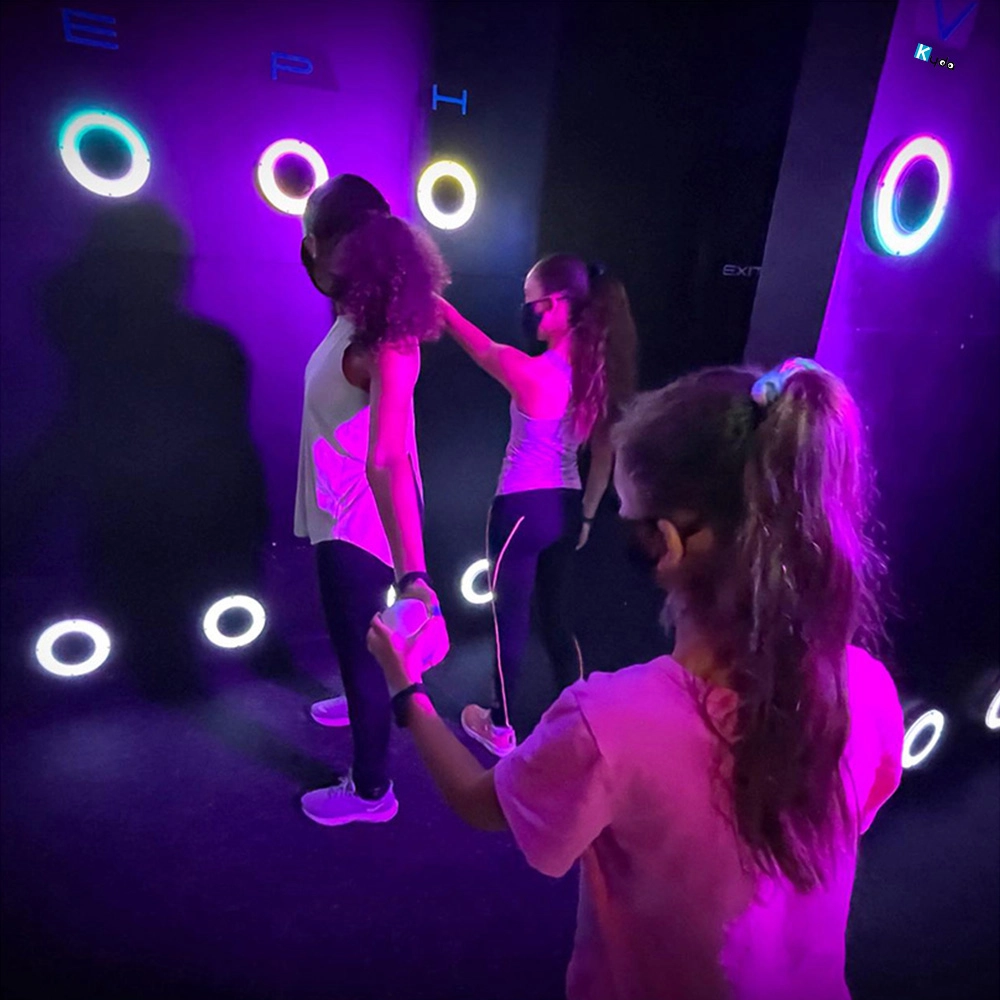
At Guangzhou kydavr tech. co., ltd. (Kyda), we design our horror escape games to optimize this loop. By integrating active reaction games and interactive LED floor systems, we force players to physically move and solve problems, ensuring the dopamine hit is earned through effort, not just passive observation.
Agency vs. Passivity: Why Gaming Beats Movies
An immersive horror experience in an escape room is superior to watching a horror movie because it grants the player 'agency,' allowing them to actively influence their survival. In a film, you are a helpless witness; in an escape room, you are the protagonist.
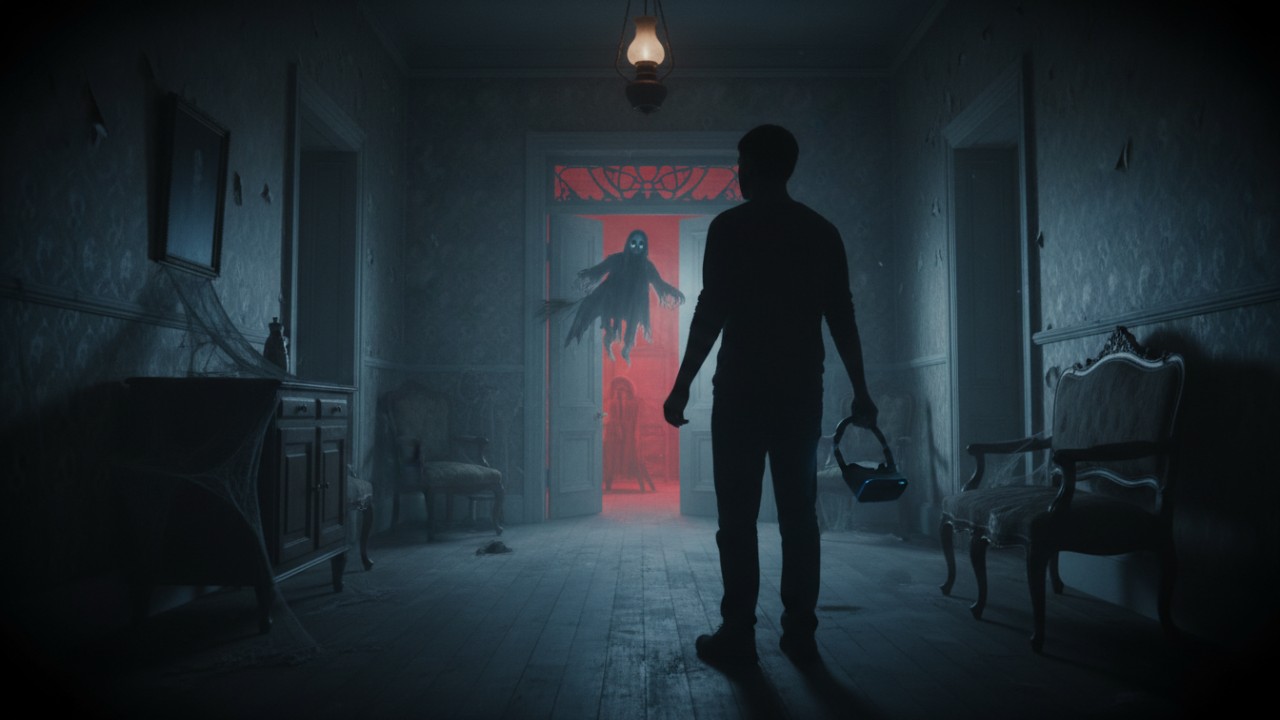
- Passive Horror (Movies): The viewer engages in "empathetic stress" but has no control. The fear is internalized.
- Active Horror (Escape Rooms): The player engages in "instrumental action." You must physically unlock the door to escape the killer.
This shift from passivity to activity is crucial. Kyda’s interactive projection games and immersive setups require players to manipulate their environment. When you physically interact with a set to stop a scare, the brain registers a higher sense of accomplishment than simply watching a character do it on screen.
The 'Safety Frame': Trusting the Terror
The 'Safety Frame' is the psychological scaffold that allows players to tolerate high levels of fear because they subconsciously trust that the environment is controlled and monitored. Without this frame, horror escape room safety would be compromised, and the experience would devolve into genuine trauma.
Elements of a Strong Safety Frame
- Consent: Players enter willingly and know they can leave.
- Predictability of Rules: Even in chaos, players know the actors cannot actually harm them.
- Safe Words: A mandatory tool in reputable venues to instantly stop the action.
Maintaining this frame is essential for our team at Kyda. As a manufacturer of indoor amusement equipment, we prioritize safety in our designs—from emergency release mechanisms in our horror escape games to non-slip surfaces on our interactive LED floors. We ensure that while the psychological danger feels real, the physical environment remains strictly code-compliant.
Expert Tips: Preparing for Your First Horror Room
To maximize enjoyment and minimize anxiety, players should research the specific 'scare rating' of a room and establish clear communication roles with their team before entering.
- Research the Intensity: Not all rooms are equal. Some are psychological; others involve full-contact actors.
- Assign Roles: Designate a "Searcher" (immune to scares) and a "Solver" (focused on puzzles) to keep the team moving when fear freezes your logic.
- Trust the Equipment: High-quality rooms use professional props. If you are in a room equipped with Kyda's laser interactive games, trust that the tech will respond to your actions.
- Breathe: When adrenaline spikes, tunnel vision sets in. Deep breathing resets your focus.
Future Trends: The Evolution of Horror (2026 Outlook)
The future of immersive horror lies in adaptive bio-feedback technology, where the room itself measures your fear levels and adjusts the scare intensity in real-time. Static jump scares are becoming obsolete in favor of dynamic, AI-driven experiences.
As a leader in active game rooms and interactive wall technology, Kyda is at the forefront of this evolution. We are exploring ways to integrate active fitness game mechanics into horror settings—imagine running from a digital monster on an interactive LED floor that tracks your speed and heart rate. If you run too slow, the virtual environment "decays" around you. This fusion of physical exertion and psychological terror represents the next generation of the immersive horror experience.
Conclusion
Horror escape rooms are more than just jump scares; they are sophisticated psychological playgrounds that allow us to process fear, build resilience, and bond with others. By leveraging recreational fear psychology and the adrenaline dopamine loop, these experiences offer a safe environment to face the darkness and emerge victorious. Whether you are a venue owner looking to install the latest Kyda horror games or a player seeking the ultimate thrill, understanding the science behind the scream enhances the experience.
Contact us today to optimize your horror escape room strategy with Kyda's cutting-edge interactive solutions.
FAQs
Why do I enjoy being scared in escape rooms?
It triggers 'Recreational Fear', releasing a cocktail of dopamine, endorphins, and oxytocin when you survive the perceived threat. This chemical release creates a natural high and a sense of euphoria similar to completing an intense workout.
Are horror escape rooms physically dangerous?
Generally no; reputable venues prioritize safety above all else. However, 'full contact' rooms carry higher physical intensity risks. At Kyda, we manufacture our equipment to meet strict safety standards to prevent injury during gameplay.
What is the difference between a haunted house and a horror escape room?
Haunted houses are passive walkthroughs where you experience scares without control. Horror escape rooms require active problem-solving and agency, forcing you to engage with the threat to progress.
Can you stop the game if it gets too scary?
Yes, almost all reputable venues have a 'safe word' or emergency exit release mechanism. This allows players who reach their psychological limit to exit the experience immediately without judgment.
Do actors touch you in horror escape rooms?
It depends on the room's policy. Standard rooms are typically 'no-touch', while extreme horror experiences require waivers for physical contact. Always check the specific rules of the venue before booking.
How do horror escape rooms build team bonding?
Shared high-stress experiences release oxytocin, creating a 'trauma bond' in a positive, controlled setting. Overcoming a terrifying challenge together builds trust and creates lasting shared memories among team members.
What is the scariest escape room theme?
Themes involving realism—such as serial killers, kidnapping, or home invasions—are often rated scarier than supernatural themes. The plausibility of the scenario makes the threat feel more immediate and personal to the brain.
Is there an age limit for horror escape rooms?
Most horror rooms are rated 16+ or 18+ due to the intensity of the content. However, some venues offer PG-13 versions with parental consent or adjustable scare levels for younger audiences.
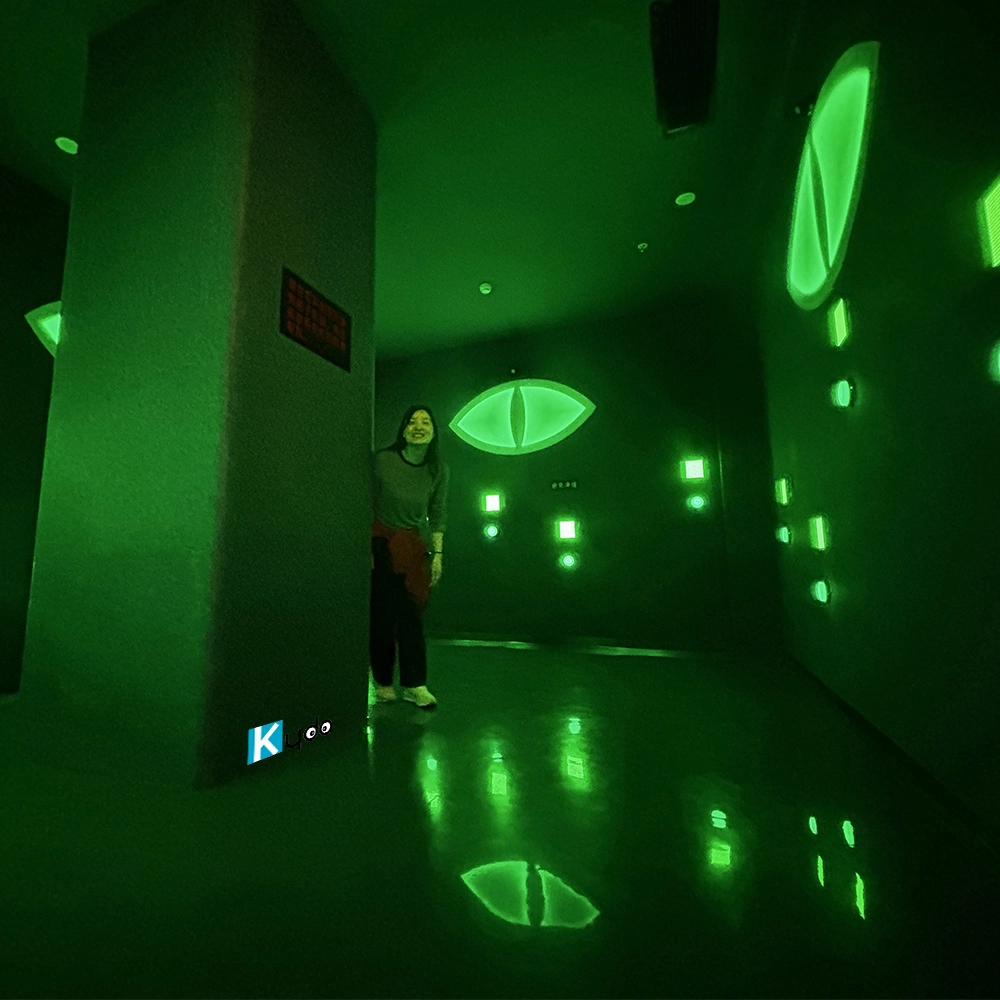
Escape Horror Game Hide Active Game Room – LED Evil Eye Adventure by Kyda

Crub Crab Giant Chopsticks Challenge Game Interactive Skill Challenge Game for Activate Game Rooms by Kyda

Interactive Football Cube – The Ultimate Digital Soccer Challenge for Game Rooms
Restricted Area Activate Moment Game Cube Challenge – High-Intensity Motion Game for Kids & Adults
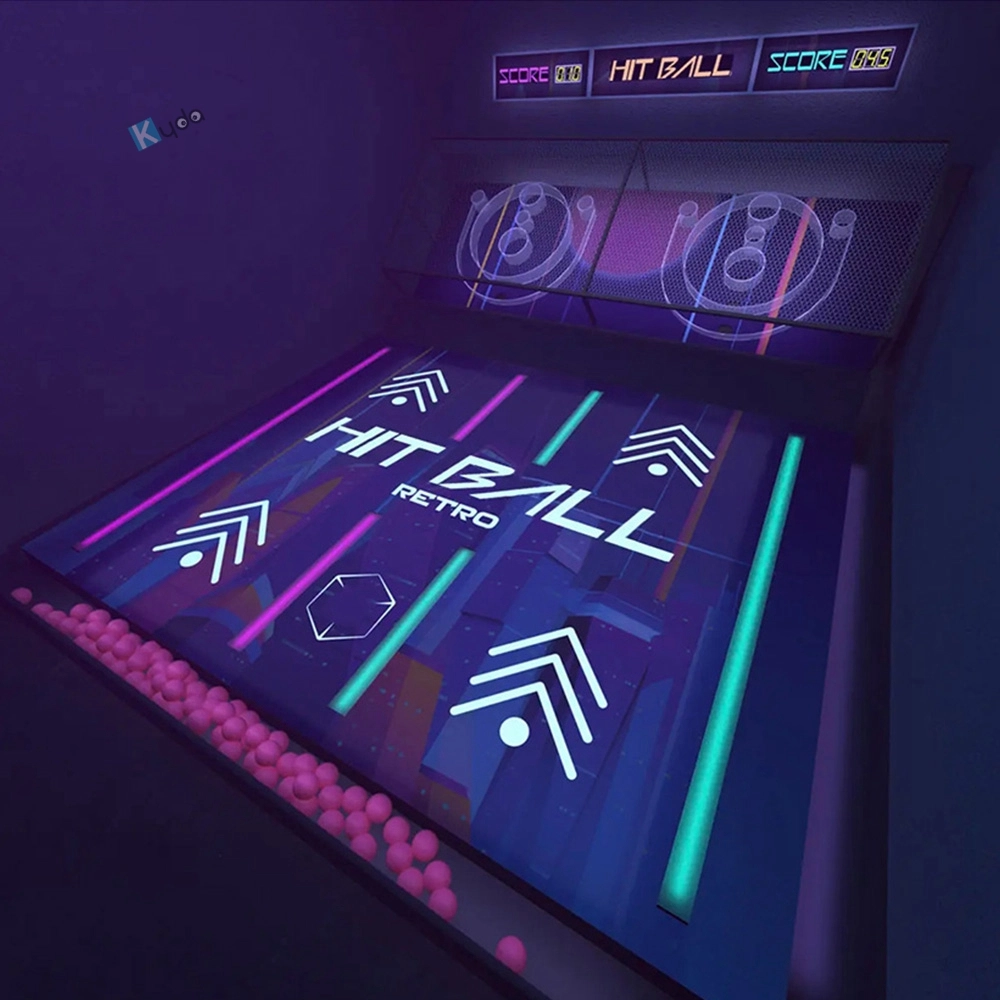
Hitball – High-Energy Interactive Rolling Ball Fitness & Sport Challenge Game
For Company
Can you customize the game software and hardware?
Yes, Kydaplay accept customize software with hardware.
Do you support different language of the game and management system?
Standard version is English and Chinese, accept customization different language.
How to install?
Kydaplay will send detail CAD design, electronic design, installation manual, buyer can install by electronic engineer; or Kydavr can provide on-site technical support and installation as well as training once the goods are delivered at destination.
For Activate Gaming Floorislava Family Fun
Can we just buy one game room of Mega grid room?
Yes, If you start the activate game at the first time. We have more than above 50 different activate interactive challenge game rooms for options.
How to pack the LED tile grid?
3pcs/carton, 45cartons/panel.
You May Also Like

-
-
Send us Your Inquiry
-
Fill out the form and we will provide you with personalized product quotes and service recommendations based on your needs.
Our team will contact you as soon as possible to help you build the most suitable entertainment equipment!
Let's get in touch
Email: sales@kydavr.com
Tel.: +86 188 2001 8779
Address: 501 Shixin Road, Dalong Street, Guangzhou, Guangdong, China.
© 2025 Kyda. All Rights Reserved.
 Scan QR Code
Linkedin
Ins
Facebook
Twitter
YouTube