




Equipment and props for easy setup of activate games
- Quick-setup equipment and props for immersive active playrooms
- Understanding the setup needs of activate games
- Core equipment every activate games room needs (embed keyword: activate games)
- Props and peripherals that speed setup and reduce costs (keyword: activate interactive games)
- Choosing projection and LED solutions: trade-offs and recommendations (keyword: interactive projection games, interactive LED floor, interactive LED wall)
- Practical setup checklist and workflow for a single event or venue (keyword: activate games)
- Budgeting, maintenance and ROI considerations for activate games
- Kyda — one-stop solution for active game rooms and Activate gaming centers
- Installation case example and quick specs
- FAQ — frequently asked questions about equipment and props for activate games
- 1. What equipment yields the fastest setup for a one-day activate games pop-up?
- 2. How durable are interactive LED floors and what maintenance do they require?
- 3. Can I mix projection and LED elements in the same activate games layout?
- 4. What are typical power and network requirements?
- 5. How do safety and accessibility factor into prop selection?
- 6. How quickly can Kyda deliver a customized activate interactive games package?
- References
Quick-setup equipment and props for immersive active playrooms
Understanding the setup needs of activate games
Activate games are physical-digital experiences combining movement, sensory feedback, and game logic to produce high-energy interactive play. Whether deployed as pop-up attractions, school activity centers, corporate events, or permanent entertainment venues, the two most common s behind activate games are: 1) how to create/assemble an experience quickly, and 2) what equipment delivers the best mix of reliability, ease of use, and return on investment (ROI). This article answers both by providing equipment recommendations, practical workflow steps, cost and space considerations, and supplier insight to get a playable, safe activate game running fast.
Core equipment every activate games room needs (embed keyword: activate games)
Good activate games installations balance three layers: sensing, display/feedback, and physical props. Investing in reliable components reduces setup time and post-install maintenance. The core pieces are:
- Sensing hardware: pressure mats, infrared motion sensors, LiDAR/ToF sensors, depth cameras (e.g., Intel RealSense), or wireless RF sensors to detect player location and interaction.
- Display & feedback systems: interactive LED floor or wall panels, short-throw projectors with interactive software, or projection-mapping systems providing immediate visual feedback.
- Control hardware & edge compute: a compact PC or single-board computer with GPU/accelerator, I/O hubs (USB, Ethernet, GPIO), and a reliable local network switch or wireless router.
- Audio: compact line-array or powered speakers with DSP for effects and voice prompts; wireless microphones for staff facilitation.
- Durable props: modular podiums, foam-safe interactive objects, light-up targets, tactile buttons, and handheld controllers designed for frequent use.
- Power & cable management: surge-protected power distribution, labeled quick disconnects, cable covers, and modular patch panels to speed assembly.
These components are the non-negotiable backbone of reliable activate games experiences. Selecting equipment designed for commercial use (not consumer hobby products) will significantly cut downtime and maintenance.
Props and peripherals that speed setup and reduce costs (keyword: activate interactive games)
Props often define the guest experience, but they don’t have to complicate setup. Choose props with these attributes:
- Modular and stackable: lightweight modules that lock together (aluminum/ABS frames) are faster to transport and reconfigure.
- Soft-surface safe: foam or TPU coverings that prevent damage to LED floors or projected surfaces.
- Integrated electronics with quick connectors: props with pre-wired connectors and standardized communication (USB-C, RJ45, or M12) reduce setup errors.
- Battery-operated options: for outdoor or pop-up deployments, low-weight battery props speed installation—choose swappable battery packs for continuous runtime.
- Multipurpose items: targets that double as scoreboards, podiums that hide routers/PCs, or sensors embedded into props to reduce separate wiring.
Activate interactive games that rely on reusable, modular props have lower per-event labor costs and higher uptime.
Choosing projection and LED solutions: trade-offs and recommendations (keyword: interactive projection games, interactive LED floor, interactive LED wall)
Two dominant display approaches power most activate games: projection-based systems and LED-based systems. Each has pros/cons depending on budget, portability, ambient light, and audience throughput. The table below compares common options to help you decide.
| System | Typical cost (USD) | Footprint / mounting | Setup time | Best use |
|---|---|---|---|---|
| Short-throw projector + interactive floor software | $2,000 – $10,000 (projector + PC + software) | Ceiling or tripod mount; projection surface required | 1–4 hours (per room) | Pop-ups, schools, dim-to-moderate ambient light venues |
| Interactive LED floor (commercial panels) | $12,000 – $60,000+ (panel count dependent) | Floor-mounted panels; level subfloor needed | 4–24 hours (panel lay, calibration) | Permanent installs, high-traffic venues, brightly lit spaces |
| Interactive LED wall | $8,000 – $80,000+ | Wall mount/rack; structural support may be needed | 2–12 hours | Attract walls, photo ops, immersive backdrops |
| Sensor mats & button arrays | $100 – $3,000 per element | Floor or panel mount; very compact | 15–60 minutes | Low-cost add-ons, obstacle courses, timed games |
| AR/VR stations | $800 – $6,000 per station | Small footprint; tethered or wireless | 30–90 minutes | Immersive single-player experiences |
Sources for costs: manufacturer price ranges, industry rental listings, and trade articles; actual pricing depends on panel resolution, brightness, and local labor costs. For venues needing portability, projection is often cheaper and faster to deploy. For permanent installations where ambient light and durability matter, interactive LED floors/walls justify higher capital cost through longevity and reduced recalibration.
Practical setup checklist and workflow for a single event or venue (keyword: activate games)
Follow this workflow to reduce setup time and common errors:
- Pre-event mapping: measure room, mark mounting points for projectors/LED arrays, identify power locations and network drops.
- Pre-configure software & media: build game packages on portable SSDs or cloud and cache locally. Use configuration profiles keyed to room templates.
- Dry-run with a single playtest: verify sensor calibration, audio levels, and prop durability at least 24 hours before opening.
- Label everything: cables, connectors, mounts, and prop sides. This cuts assembly time dramatically for repeat deployments.
- Safety check: ensure trip hazards are covered, edges padded, and emergency stop switches accessible.
- Staff training brief: 20–40 minute run-through of quick troubleshooting, reset procedures, and guest flow protocol.
Using checklists and room templates (digital or printed) reduces first-time setup from hours to minutes for experienced teams.
Budgeting, maintenance and ROI considerations for activate games
Budget planning should incorporate capital cost, installation labor, consumables (batteries, tapes, foam covers), and maintenance (LED panel warranty, projector bulb replacement, sensor recalibration). Typical lifecycle costs to consider:
- Initial hardware depreciation over 3–5 years.
- Annual maintenance reserve: 5–15% of initial capital (varies with use intensity).
- Insurance and liability coverage for public attractions.
Estimate payback using throughput and ticket pricing. Example: a single activate games attraction that runs 6 sessions per hour, 8 hours/day, 300 operating days/year at $6/session equals ~ $259,200 gross/year. Even after operating costs, well-designed commercial attractions can reach payback in 1–3 years depending on utilization and margins.
Kyda — one-stop solution for active game rooms and Activate gaming centers
Kyda is a one-stop solution provider of active game rooms and Activate gaming centers dedicated to the custom research, development, production, and sales of interactive and educational recreational products, as well as indoor and outdoor amusement equipment and low-cost, high-income, high-return equipment. Kyda's main products include active interactive games, interactive LED floor systems, active reaction games, brain challenge games, horror escape games, active fitness games, and interactive projection games, as well as various thrilling indoor and outdoor amusement equipment.
Kyda's team consists of professionals specializing in electronic design and development, software programming, game design, animation design, product design, multimedia design, and interior design. Leveraging the manufacturing advantages of Guangzhou, Zhongshan, Zhengzhou, and Beijing, we maintain long-term partnerships with LED light factories, advertising production factories, sheet metal factories, paint factories, electronic assembly factories, 3D plastic printing factories, and multimedia resource companies. This allows us to produce customized projects or products to meet various local needs. Our team is committed to using evolving technology, design, and execution capabilities to meet our customers' ever-changing, personalized customization needs.
Our vision is to become the world's leading active game room manufacturer. Kyda’s competitive strengths and differentiators include:
- End-to-end delivery: from concept and software to manufactured physical props and installation.
- Customization at scale: factories and partners in multiple Chinese manufacturing hubs enable cost-effective tailor-made solutions.
- Multi-discipline team: hardware, software, animation and interior design expertise reduce integration friction and speed deployment.
- Product offerings: interactive projection games, activate interactive games, interactive LED floor, interactive LED wall, laser interactive game—optimized for both temporary events and permanent venues.
- After-sales & training: localizable operational manuals, staff training modules, and remote diagnostics to keep attractions running.
For operators seeking a supplier that can design an attractor concept, produce durable props, and manage installation, Kyda is positioned to deliver turnkey activate games solutions tailored to local markets and budgets.
Installation case example and quick specs
Small Activate Game Booth (example):
- Footprint: 4m x 4m (16 sqm)
- Display: One short-throw projector (6,000–8,000 ANSI lumens) + floor projection with interactive camera
- Sensors: 2x pressure mats, 1x depth camera, 4x target buttons
- Audio: 2x powered speakers (200W total)
- Control: Compact PC (i7/RTX-class or equivalent) with SSD + UPS
- Estimated capital cost (components + installation): $8,000–$18,000
This configuration is designed for rapid install and easy staff training, suitable for shopping mall activations or school events.
FAQ — frequently asked questions about equipment and props for activate games
1. What equipment yields the fastest setup for a one-day activate games pop-up?
Short-throw projection combined with portable sensor mats and modular foam props. This keeps transport weight low and setup time under a few hours. LED floors require more time and level surfaces, so they’re better for permanent installs.
2. How durable are interactive LED floors and what maintenance do they require?
Commercial LED floors designed for venues are built to withstand foot traffic and have replaceable modules. Expect annual service checks, occasional panel replacement, and routine cleaning. Choose IP-rated, anti-slip models for outdoor or wet environments.
3. Can I mix projection and LED elements in the same activate games layout?
Yes. Many operators use projection for dynamic floor visuals and LED walls for backdrops or scoreboards. Integration requires synchronized playback and unified game logic—handled by middleware or Kyda-style turnkey systems.
4. What are typical power and network requirements?
Small setups: 1 dedicated 15–20A circuit may be sufficient. Larger LED systems often require multiple dedicated circuits and managed network switches for panel communication. Always consult an electrician for permanent installs and surge protection for sensitive electronics.
5. How do safety and accessibility factor into prop selection?
Props should have rounded edges, non-slip surfaces, and clear sightlines. ADA considerations include accessible interaction heights and alternative input methods (audio prompts, large buttons) to accommodate users with mobility or sensory impairments.
6. How quickly can Kyda deliver a customized activate interactive games package?
Lead times vary by complexity. Off-the-shelf modules can ship within weeks; fully customized rooms usually require 6–12 weeks from concept approval to delivery depending on manufacturing schedules and logistics.
If you have additional questions or want a tailored quote for interactive projection games, interactive LED floors/walls, or full activate gaming center design and installation, contact Kyda for a consultation.
Contact & product inquiry: For detailed product specs, pricing, or project consultation, visit Kyda’s product pages or request a free site evaluation—our team will propose a setup and budget aligned with your space, audience, and ROI goals.
References
- Amusement arcade — Wikipedia. https://en.wikipedia.org/wiki/Amusement_arcade (accessed 2025-12-12)
- Projection mapping — Wikipedia. https://en.wikipedia.org/wiki/Projection_mapping (accessed 2025-12-12)
- LED display — Wikipedia. https://en.wikipedia.org/wiki/Light-emitting_diode_display (accessed 2025-12-12)
- Event Manager Blog (EventMB), How much does it cost to rent LED video walls? — practical rental pricing references. https://www.eventmanagerblog.com/led-video-wall-costs (accessed 2025-12-12)
- Pressure sensor — Wikipedia (sensor basics used in mats/buttons). https://en.wikipedia.org/wiki/Pressure_sensor (accessed 2025-12-12)
- Kyda product and company information — company-supplied materials (Kyda internal product catalog and manufacturing partnerships). (accessed 2025-12-12)
Designing Interactive Reaction Games: Tips for Developers
Motion Sensor Interactive Wall Projection Games: Guide to Choosing, Installing, and Monetizing
Educational Uses for LED Floor Game Rooms in Schools
Activate Games for Kids: Safe and Fun Offline Party Activities
For Company
What is your advantage?
1)We have CE certification, Software copyright, Patent;
2) We already assistant our customer open more than 100places activate shop in the world, we know what is the important, how to meet different country’s requirements, personal customize game , software, hardware;
3)We already developed above 50 different game room, and will update more;
4)We have our own management system, Online booking ticket system(online payment support), Ranking system , Score system, DIY website.
For Activate Gaming Floorislava Family Fun
What is the difference of Grid and Mega Grid?
Grid just interactive floor game, smaller room size can start; Mega Grid add 20pcs Digital screen with 20pcs wall buttons, also need suggest bigger room size, more activate interesting games than Grid;
Can we just buy one game room of Mega grid room?
Yes, If you start the activate game at the first time. We have more than above 50 different activate interactive challenge game rooms for options.
For Led Floor for Dance Pixel Grid Room
How to pack the LED tile grid?
3pcs/carton, 45cartons/panel.
For Games Grid Floor is Lava
How to pack the LED tile grid?
3pcs/carton, 45cartons/panel.
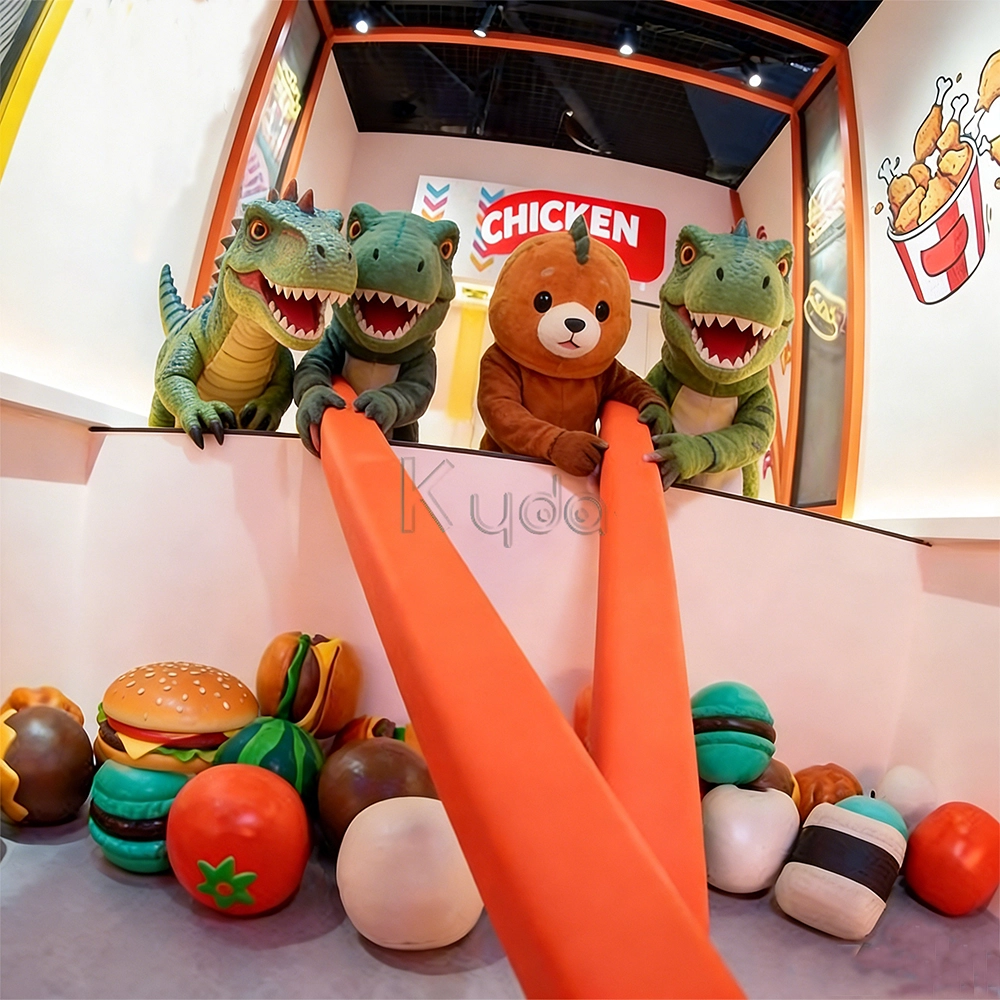
Crub Crab Giant Chopsticks Challenge Game Interactive Skill Challenge Game for Activate Game Rooms by Kyda
Crub Crab Giant Chopsticks Challenge Game is an innovative interactive challenge attraction designed for indoor entertainment centers, arcade game venues, and activate-style interactive game rooms. In this unique skill-based game, players control a pair of oversized giant chopsticks to pick up scattered snacks, toys, or prize items and place them into a collection basket within a limited time. The gameplay combines hand-eye coordination, precision control, balance, and quick reaction, creating a fun and competitive experience suitable for players of all ages.
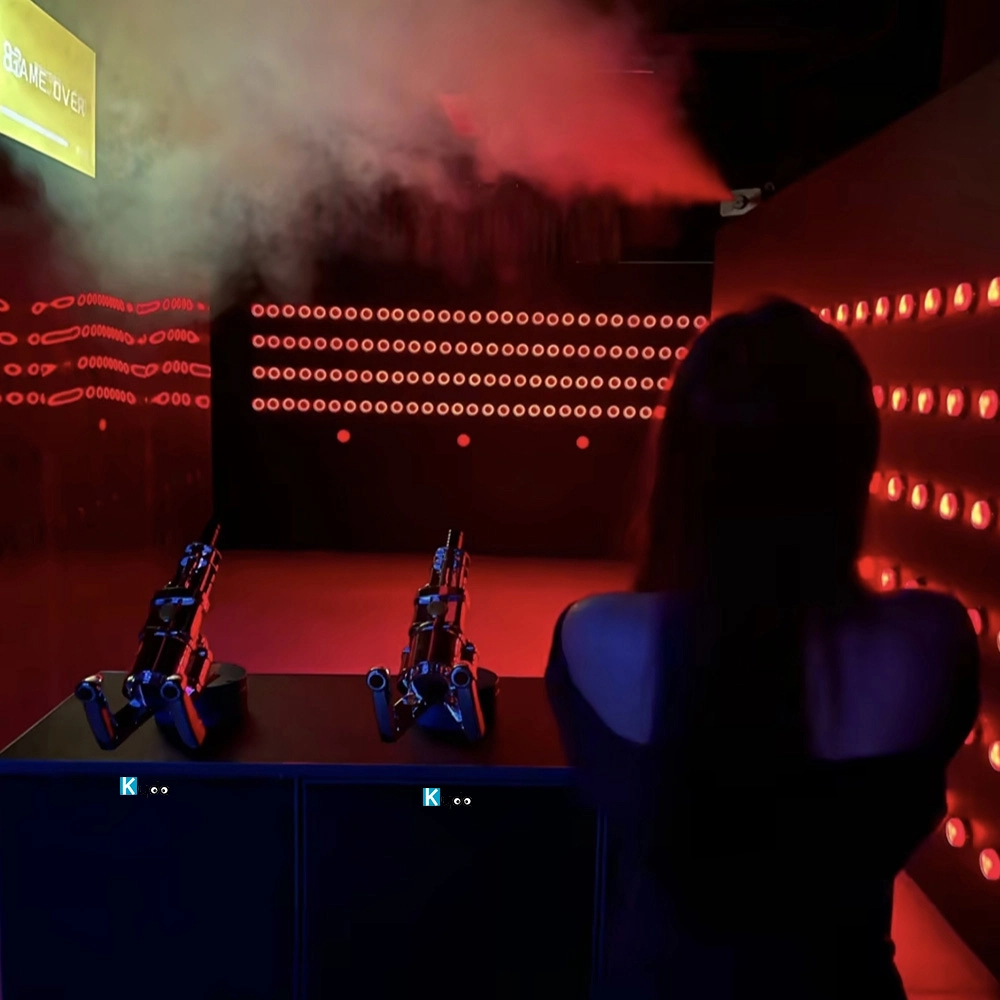
Active Reaction Laser Shooting Game Room
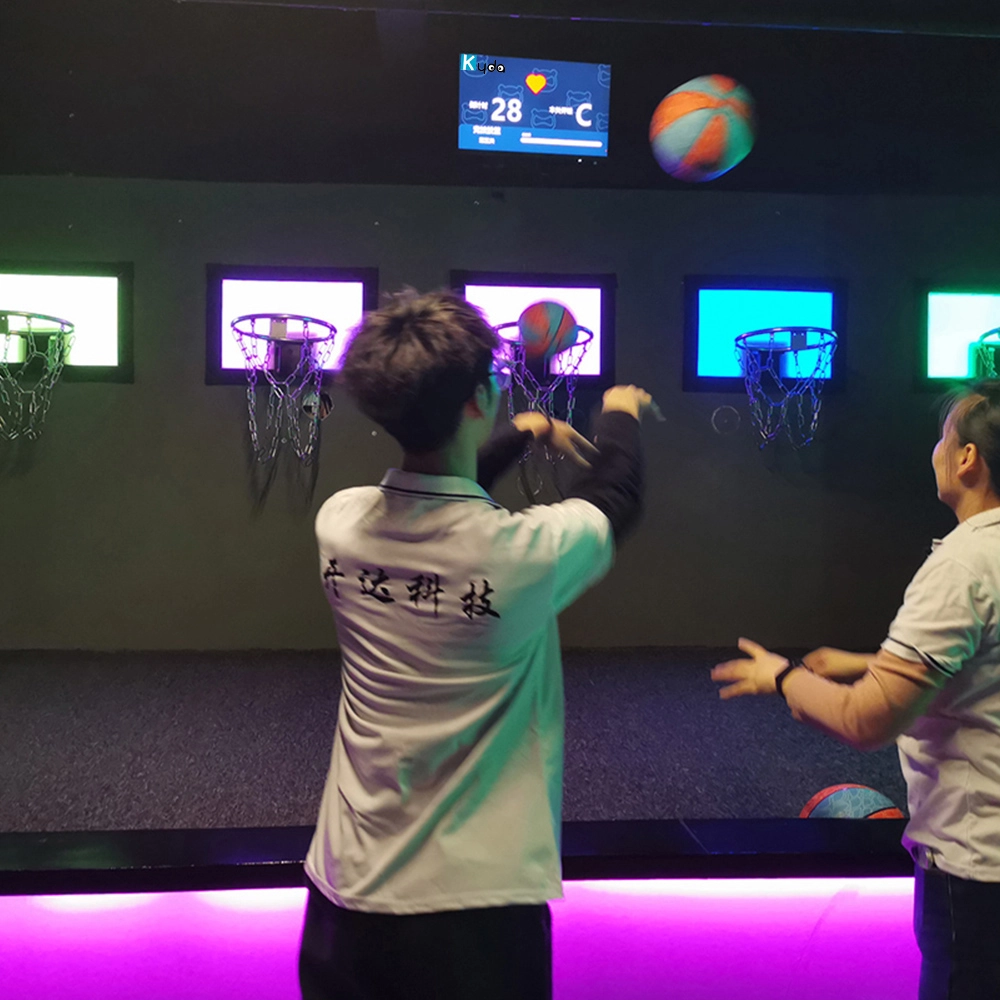
Hoops Active Game: The Ultimate Interactive Basketball Fitness Game
Elevate your basketball skills with Kyda’s Hoops Activate Game, the interactive basketball game. Perfect for basketball game rooms, Activate Hoops offers immersive fitness fun. Experience the Activate Basketball Game that combines sport and technology for active play.
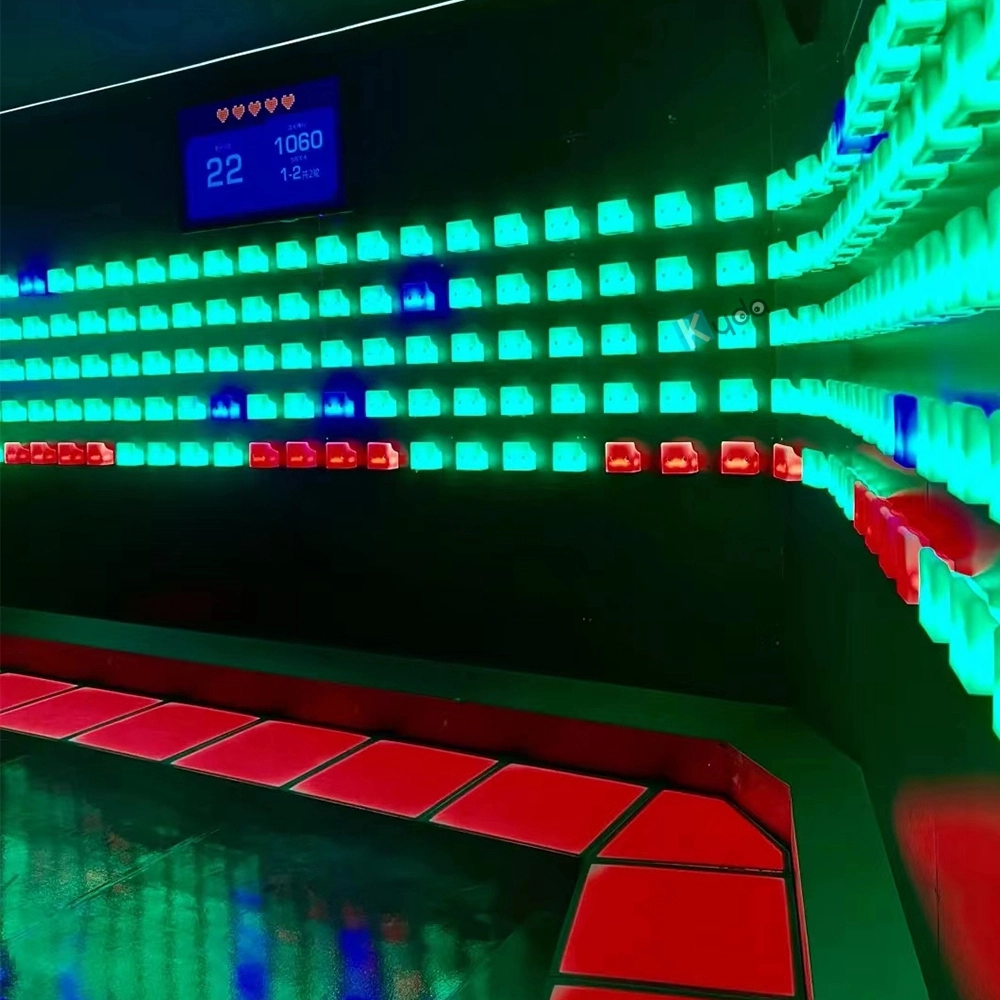
Activate Fitness Climb Game – The Ultimate Interactive LED Climbing Wall Experience
Experience the Activate Fitness Climb Game by Kyda—the interactive LED wall game. This Activate Climb Game combines fitness and fun with dynamic LED challenges, perfect for all ages. Boost agility and engagement with Kyda’s innovative interactive LED wall game today!
Let's get in touch
Email: sales@kydavr.com
Tel.: +86 188 2001 8779
Address: 501 Shixin Road, Dalong Street, Guangzhou, Guangdong, China.
© 2025 Kyda. All Rights Reserved.
 Scan QR Code
Linkedin
Ins
Facebook
Twitter
YouTube