




How to Choose the activate floor game manufacturer and supplier in us?
- How to Choose the Activate Floor Game Manufacturer and Supplier in the US
- Understand the buyer’s intent: what users search for when looking for an activate floor game supplier
- Why supplier selection matters for activate floor game projects
- Key evaluation criteria when choosing an activate floor game manufacturer
- 1. Product fit and modularity
- 2. Customization and content capabilities
- 3. Technical standards, safety, and certifications
- 4. Manufacturing footprint and supply chain reliability
- 5. Installation, training, and after-sales service
- 6. Total cost of ownership (TCO) vs upfront price
- Practical checklist to vet an activate floor game supplier
- Example RFP items to request
- Comparative table: How to compare suppliers (example)
- Why Kyda is a strong option for activate floor game projects
- End-to-end capabilities
- Manufacturing partnerships and localization
- Customization, CMS, and content support
- Installation, commissioning, and operational best practices
- Site prep and structural considerations
- Testing, acceptance, and staff training
- Maintenance and spare-parts strategy
- Legal, commercial, and IP considerations
- Warranty and liability
- Content IP and licensing
- Payment terms and delivery milestones
- Final checklist before signing
- Conclusion
- Frequently Asked Questions
How to Choose the Activate Floor Game Manufacturer and Supplier in the US
Choosing the right activate floor game manufacturer and supplier is critical for operators, owners of entertainment centers, schools, shopping malls, and leisure developers. This guide explains step-by-step how to evaluate suppliers, what technical and commercial criteria matter, and how Kyda — a one-stop solution provider of active game rooms and Activate gaming centers — can support large-scale and customized interactive floor game projects.
Understand the buyer’s intent: what users search for when looking for an activate floor game supplier
People searching for activate floor game manufacturers are typically seeking one or more of the following: high-quality interactive floor hardware, customized game software, turn-key installation and interior design, reliable after-sales service, and compliance with safety and electrical standards for the US market. Your selection process should therefore balance product performance, customization ability, price, delivery time, and long-term support.
Why supplier selection matters for activate floor game projects
Interactive floor systems combine hardware (LED panels, projection systems, sensors), software (game engines, content management), and physical installation (floor structure, cabling, enclosures). A poor choice of supplier can lead to downtime, expensive repairs, noncompliant installations, or poor guest experiences. Pick a supplier who understands electronics, software, game design, and the operational realities of attraction-based businesses.
Key evaluation criteria when choosing an activate floor game manufacturer
1. Product fit and modularity
Does the manufacturer offer the exact type of activate floor game you need — projection-based interactive floors, LED interactive floors, or hybrid systems? Prioritize modular systems that allow component replacement and upgrades (sensors, LED tiles, or projector modules). Modularity reduces long-term maintenance costs and makes future content upgrades easier.
2. Customization and content capabilities
Interactive floor games succeed when content is engaging and aligned with the site's audience. Evaluate vendors on game content libraries, customization workflows, and whether they provide a content management system (CMS) with remote updates. Companies with in-house game design, animation, and multimedia teams can deliver higher-quality, tailored experiences — an important advantage for themed centers or branded installations.
3. Technical standards, safety, and certifications
For US projects, check that electronic components and finished products comply with relevant standards (e.g., FCC for electromagnetic compatibility, UL standards for electrical safety, and applicable building / fire codes). Ask for test reports and certificates. Proper grounding, cable management, ingress protection, and surface slip resistance are essential for safety and liability protection.
4. Manufacturing footprint and supply chain reliability
Reliable suppliers should have stable manufacturing and assembly capabilities, established relationships with component vendors, and contingency plans for lead-time disruptions. A vendor with multiple production partnerships or in-house manufacturing can adapt to volume orders and localization needs efficiently.
5. Installation, training, and after-sales service
Choose a supplier that provides full installation services or certified local partners, on-site commissioning, staff training, and timely spare-parts provisioning. A clear Service Level Agreement (SLA) for repair turnaround times and remote diagnostics reduces downtime for attractions where every operating hour counts.
6. Total cost of ownership (TCO) vs upfront price
Don’t be swayed only by the lowest upfront price. Compare warranties, expected lifetime of major components (projectors, LED tiles, sensors), energy consumption, software licensing fees, and replacement part costs. A slightly higher initial investment with longer warranties and local support often reduces TCO.
Practical checklist to vet an activate floor game supplier
Use this checklist in calls, site visits, and RFP evaluations. It maps to the buyer priorities above and helps you compare suppliers objectively.
- Company background: Years in business, experience with active interactive games and Activate gaming centers.
- Portfolio and references: Completed projects in the US or similar markets, client contact info for references.
- Technical specs: Sensor types, resolution (LED floor or projector), latency, refresh rate, supported player count.
- Certifications: UL / FCC / CE / RoHS test reports where applicable.
- Warranty and SLA: Coverage duration, response times, on-site vs remote diagnosis.
- Installation plan: Duration, site preparation, safety checks, training scope.
- Upgrade path: Software CMS, content update frequency, modular part replacements.
- Commercial terms: Payment schedule, delivery lead time, penalties, IP ownership of custom content.
- Spare parts logistics: Stocking arrangements, local warehouses, shipping lead times.
Example RFP items to request
Include these in your request for proposal:
- Detailed bill of materials (BOM) and technical data sheets for critical components.
- Installation timeline and site-prep responsibilities.
- Proof of compliance and test reports for US market.
- Service and warranty schedule with response times and escalation paths.
- Sample game list and demonstration access to a CMS trial or demo environment.
- IP ownership clause for custom game content and licensing terms.
Comparative table: How to compare suppliers (example)
The following table is a template for comparing shortlisted suppliers on core business and technical criteria. Replace the example entries with vendor-specific answers during procurement.
| Criteria | Kyda (example) | Local US Integrator (example) | Low-cost Importer (example) |
|---|---|---|---|
| Product types | Interactive LED floors, projection floors, active reaction games, custom rooms | Mostly integrator-sourced components and installation | Standard projection-based kits |
| Customization | High — in-house game design, animation, multimedia teams | Medium — relies on third parties for content | Low — limited content library |
| Manufacturing & Supply Chain | Multiple manufacturing partners across Guangzhou, Zhongshan, Zhengzhou, Beijing | Local assembly, outsourced components | Single low-cost factory, longer lead times for spares |
| Compliance & Certifications | Provides component certificates; supports US compliance process | Usually compliant; may outsource certification | May lack US-specific certifications |
| After-sales & Support | Remote diagnostics, training, spare parts logistics | Fast local response (if direct) | Slow or limited support |
| Price | Competitive for customization | Higher for local labor | Lowest upfront cost |
Why Kyda is a strong option for activate floor game projects
End-to-end capabilities
Kyda describes itself as a one-stop solution provider for active game rooms and Activate gaming centers, offering custom R&D, production, and sales of interactive and educational recreational products, indoor/outdoor amusement equipment, and high-return attractions. For operators seeking turnkey solutions — from concept and game design to installation and aftercare — Kyda’s multidisciplinary team (electronic design, software programming, game design, animation, product and interior design) is well suited to complex and themed projects.
Manufacturing partnerships and localization
Kyda leverages manufacturing advantages across Guangzhou, Zhongshan, Zhengzhou, and Beijing, and maintains long-term relationships with LED suppliers, sheet metal and paint factories, electronic assembly lines, and 3D printing partners. This supply network enables Kyda to produce customized projects while adapting to local regulations and site-specific requirements.
Customization, CMS, and content support
Interactive floor success depends on relevant, frequently refreshed content. Kyda has in-house creative and multimedia resources to tailor game themes, difficulty levels, and branding — reducing the need for multiple vendors and simplifying content ownership and updates.
Installation, commissioning, and operational best practices
Site prep and structural considerations
Ensure the installing supplier assesses floor flatness, load-bearing capacity, and cabling routes. Projectors require controlled ambient light or specific mounting heights; LED floors need access panels for electronics. Arrange a pre-installation technical survey and get a site-prep checklist that your contractor signs off on.
Testing, acceptance, and staff training
Before final payment, run an acceptance test that covers sensor accuracy, latency, multi-player interactions, content transitions, and emergency stop functions. The supplier should provide onsite or remote staff training and a documented maintenance schedule.
Maintenance and spare-parts strategy
Negotiate spare-parts kits and stocking plans. Ask about Mean Time Between Failures (MTBF) for key components and typical repair times. For high-utilization venues, prioritize vendors with local stocking or quick-shipment options.
Legal, commercial, and IP considerations
Warranty and liability
Clarify what the warranty covers (parts, labor, software bugs) and what voids the warranty (unauthorized repairs, environmental damage). Include clauses for software updates and content fixes.
Content IP and licensing
If you commission custom games, document who owns the IP. Prefer agreements where you retain rights to bespoke content if you want to rebrand or redeploy it elsewhere. Also check licensing terms for third-party media (music, characters).
Payment terms and delivery milestones
Use milestone-based payments tied to detailed deliverables: design sign-off, factory acceptance test, shipping, installation, and final acceptance. Include penalties for missed milestones where practical.
Final checklist before signing
- Confirm technical specs and test reports; verify certifications for the US market.
- Secure clear timeframes for lead times, installation, and training.
- Lock in software update policy and maintenance response times.
- Document IP ownership and licensing for custom content.
- Agree on spare parts kits and stocking arrangements.
Conclusion
Selecting the right activate floor game manufacturer and supplier in the US requires balancing product performance, customization capability, safety and certification compliance, reliable manufacturing and supply chains, and strong after-sales support. Use a structured RFP and checklist, compare vendors across technical and commercial dimensions, and verify references through site visits or remote demos. Kyda’s multidisciplinary team, manufacturing partnerships, and integrated content and design capabilities make it a competitive option for operators seeking customized, high-engagement interactive floor game projects with comprehensive support.
Careful procurement and clear contractual terms will help you avoid common pitfalls and ensure your activate floor game becomes a dependable, revenue-generating attraction.
Sources and references (used to support procurement, safety and compliance guidance):
- UL (Underwriters Laboratories) — Guidance on product safety and certification: https://www.ul.com (accessed 2025-12-03)
- European Commission — CE marking information (useful for import/compliance context): https://ec.europa.eu/growth/single-market/ce-marking_en (accessed 2025-12-03)
- Federal Communications Commission (FCC) — Equipment authorization and EMC requirements: https://www.fcc.gov (accessed 2025-12-03)
- U.S. Consumer Product Safety Commission (CPSC) — Consumer safety and product recall information: https://www.cpsc.gov (accessed 2025-12-03)
- U.S. Occupational Safety and Health Administration (OSHA) — Electrical safety and workplace guidelines relevant to installations: https://www.osha.gov (accessed 2025-12-03)
- U.S. Small Business Administration (SBA) — Supplier evaluation and procurement best practices: https://www.sba.gov (accessed 2025-12-03)
Frequently Asked Questions
What certifications should I require for an activate floor game meant for the US market?Ask for component-level and final-product documentation where available: FCC compliance for EMI, UL or recognized test reports for electrical safety, RoHS declarations for hazardous substances, and adherence to local building and fire codes. For public venues, ensure slip-resistance testing and emergency stop mechanisms are in place.
How long does installation typically take for an interactive LED floor versus a projection-based floor?Projection-based systems often install faster (days to a week) because they require less heavy floor modification but depend on light control and mounts. LED interactive floors need more structural prep and panels assembly; plan for one to three weeks depending on size and site readiness.
What warranty and SLA terms are reasonable?Common terms: 12–24 months warranty on workmanship and electronics, with options to extend. SLA for critical faults should target same-business-day remote diagnostics and 48–72 hour on-site response where practical. Negotiate spare-parts lead times and local stocking to improve uptime.
Should I buy off-the-shelf games or request custom content?Both approaches have merits. Off-the-shelf libraries reduce cost and time-to-open; custom content increases differentiation and guest engagement. If you want branding or themed experiences, budget for custom design and IP clauses.
How do I ensure long-term content freshness?Require a CMS with remote update capability and periodic content refreshes. Negotiate a content maintenance plan (monthly or quarterly) and pricing for custom content updates.
What are the common hidden costs to watch for?Customs & import duties (if importing equipment), site prep (electrical, structural), extended warranties, shipping oversized crates, and software licensing fees. Also consider energy costs for projectors or LED segments in your TCO calculation.
How many players can an activate floor game typically support?Capacity depends on system design and game type. Projection floors can support small groups (2–6 players) up to larger interactive zones for crowd play. LED tile systems can be scaled to larger footprints and can support dozens if the content is designed for multiple concurrent users.
The pixel arena game Cost Guide
Measuring ROI: Interactive Floor Projection Games for Events
How Interactive Light-Up Floor Games Boost Physical Activity
Top led game floor Manufacturers and Suppliers in us 2026
For Games Grid Floor is Lava
How much size if we start the grid floor is lava?
One LED grid tile is 30*30cm,
Eg: room size 5*5m, which can match 16*16pcs,256pcs for total,
Layout: customize the quantity and place it according to the actual venue.
How to pack the LED tile grid?
3pcs/carton, 45cartons/panel.
For Activate Gaming Floorislava Family Fun
How much size if we start the Megagrid floorislava?
One LED grid tile is 30*30cm, eg: room size 10*5m, which can match 32*16pcs,512pcs for total; Layout: customize the quantity and place it according to the actual venue.
Can we just buy one game room of Mega grid room?
Yes, If you start the activate game at the first time. We have more than above 50 different activate interactive challenge game rooms for options.
For Company
Do you support different language of the game and management system?
Standard version is English and Chinese, accept customization different language.
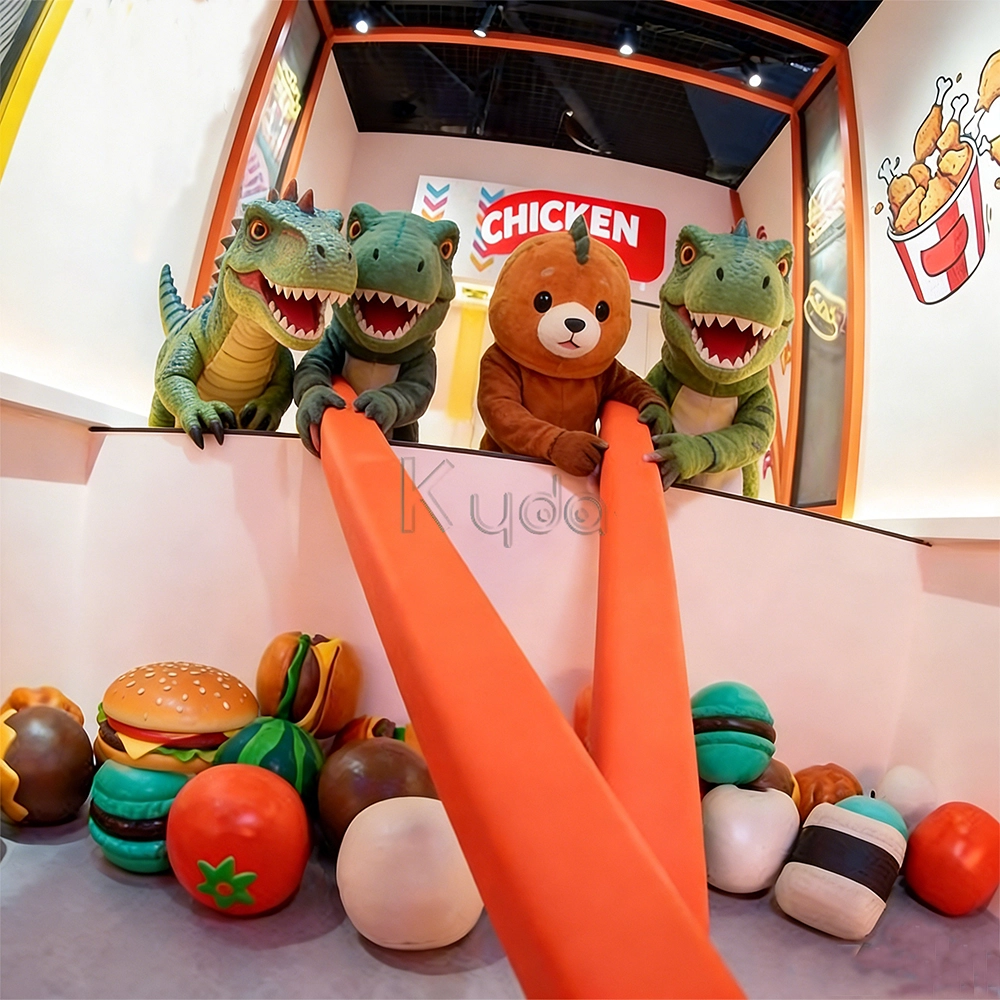
Crub Crab Giant Chopsticks Challenge Game Interactive Skill Challenge Game for Activate Game Rooms by Kyda
Crub Crab Giant Chopsticks Challenge Game is an innovative interactive challenge attraction designed for indoor entertainment centers, arcade game venues, and activate-style interactive game rooms. In this unique skill-based game, players control a pair of oversized giant chopsticks to pick up scattered snacks, toys, or prize items and place them into a collection basket within a limited time. The gameplay combines hand-eye coordination, precision control, balance, and quick reaction, creating a fun and competitive experience suitable for players of all ages.
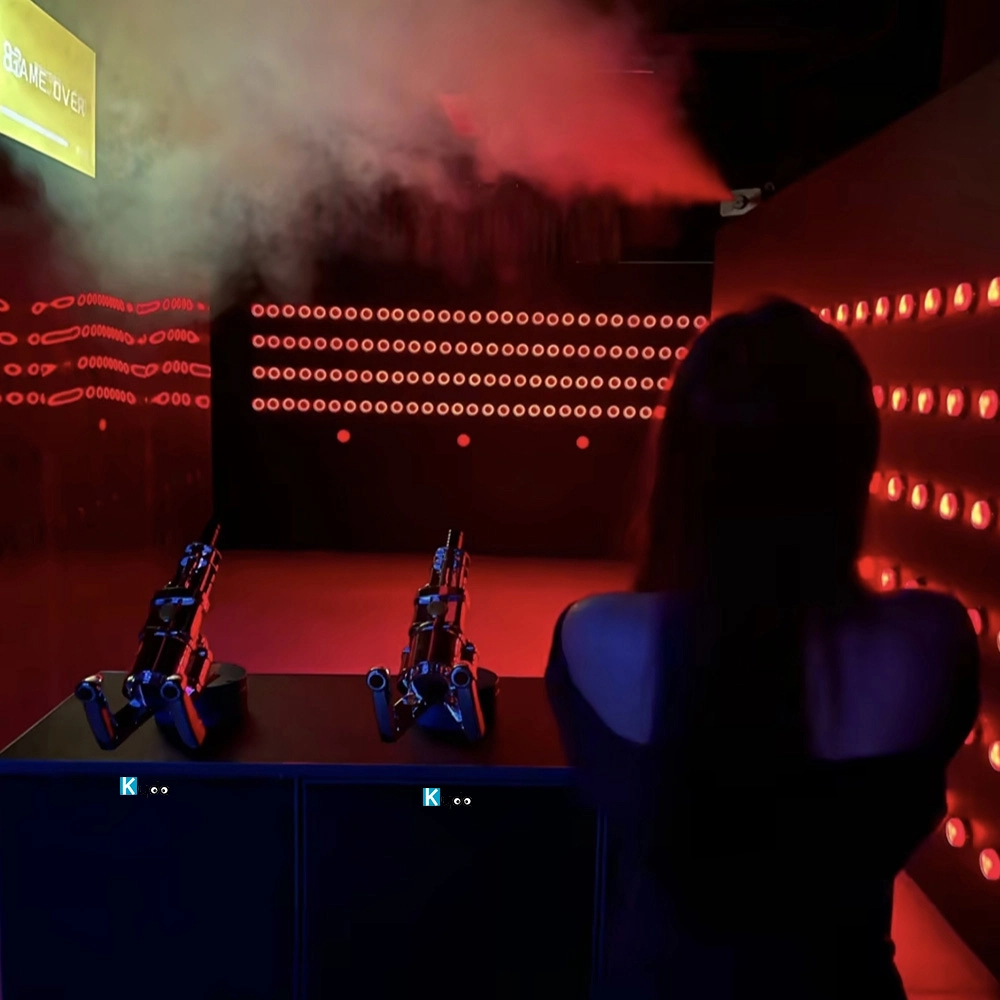
Active Reaction Laser Shooting Game Room
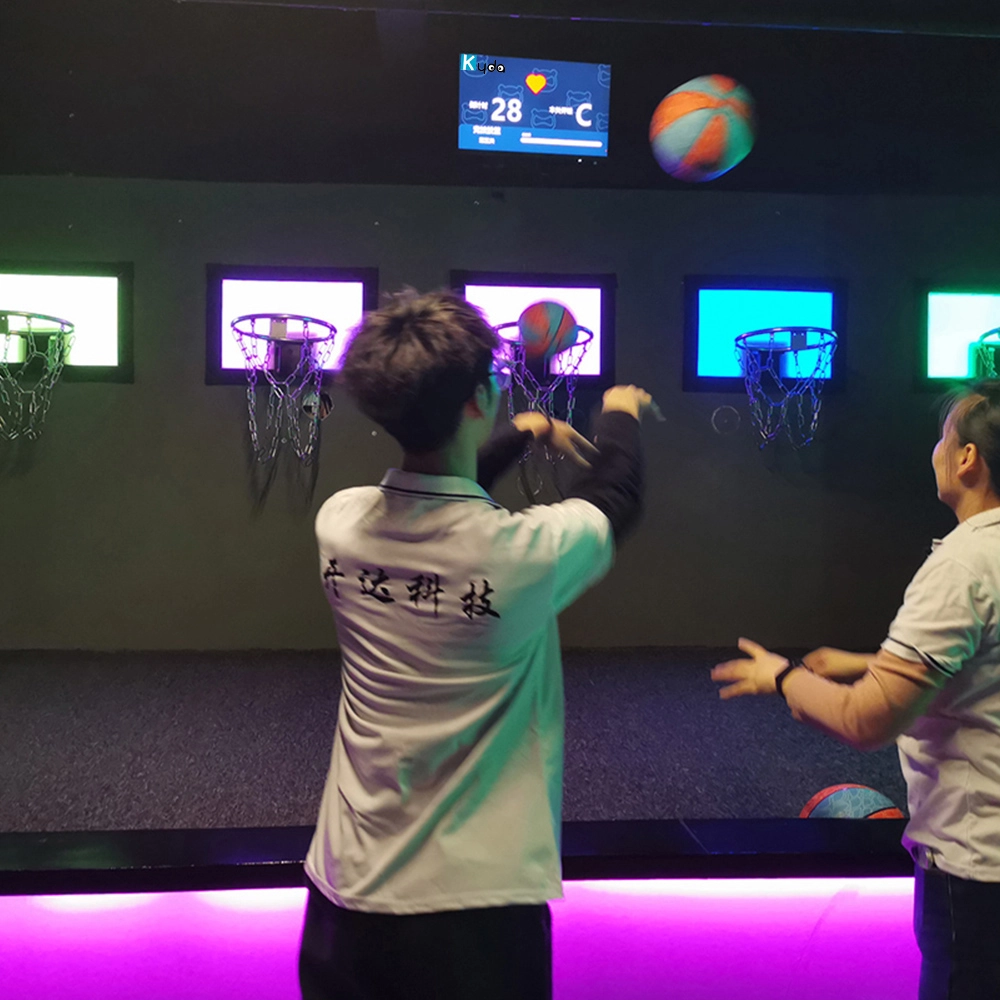
Hoops Active Game: The Ultimate Interactive Basketball Fitness Game
Elevate your basketball skills with Kyda’s Hoops Activate Game, the interactive basketball game. Perfect for basketball game rooms, Activate Hoops offers immersive fitness fun. Experience the Activate Basketball Game that combines sport and technology for active play.
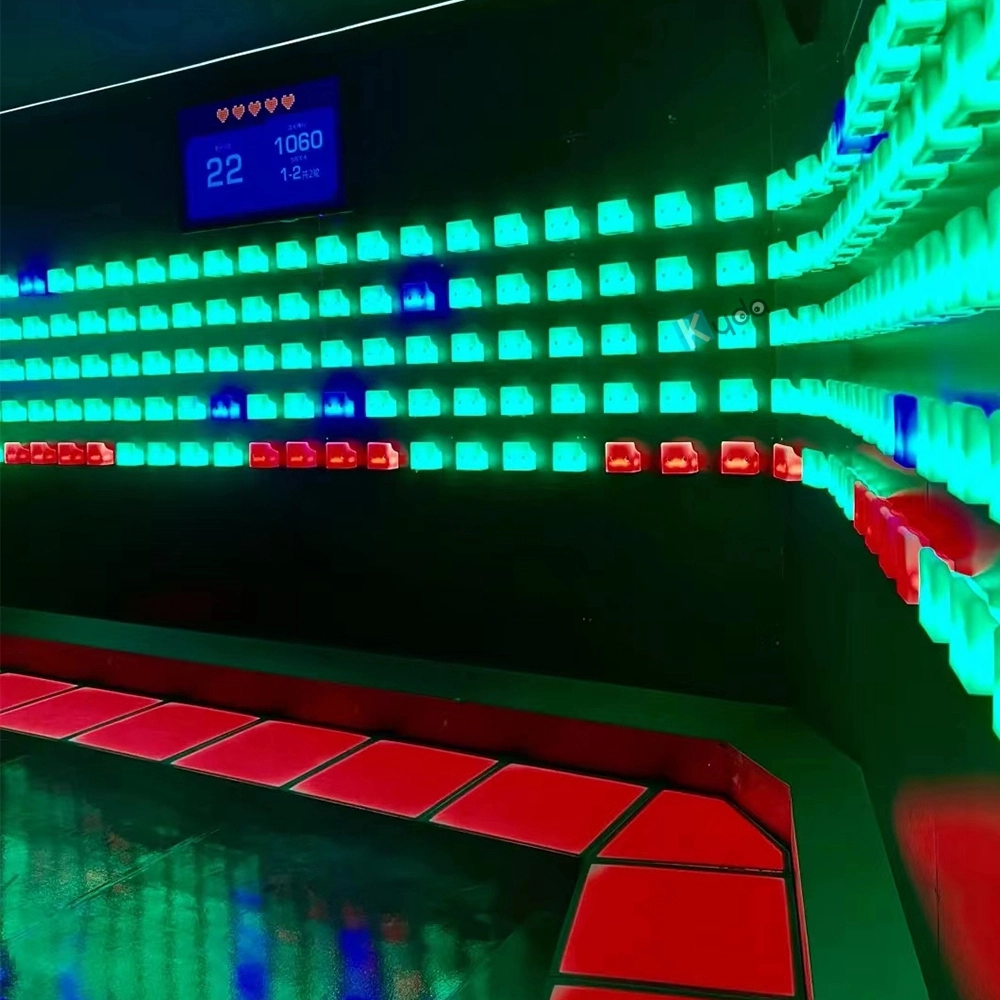
Activate Fitness Climb Game – The Ultimate Interactive LED Climbing Wall Experience
Experience the Activate Fitness Climb Game by Kyda—the interactive LED wall game. This Activate Climb Game combines fitness and fun with dynamic LED challenges, perfect for all ages. Boost agility and engagement with Kyda’s innovative interactive LED wall game today!
Let's get in touch
Email: sales@kydavr.com
Tel.: +86 188 2001 8779
Address: 501 Shixin Road, Dalong Street, Guangzhou, Guangdong, China.
© 2025 Kyda. All Rights Reserved.
 Scan QR Code
Linkedin
Ins
Facebook
Twitter
YouTube