




What is the difference between interactive floor projection games and traditional arcade floor games? | Insights by Kyda
- Understanding Interactive Floor Projection Games and Traditional Arcade Floor Games
- 1. What Are Interactive Floor Projection Games?
- 2. How Do Traditional Arcade Floor Games Operate?
- 3. What Are the Key Differences Between the Two?
- 4. What Are the Market Trends and Growth Projections?
- 5. How Do Interactive Floor Projection Games Enhance Customer Engagement?
- 6. What Are the Educational Applications of Interactive Floor Projection Games?
- 7. What Are the Considerations for Implementing Interactive Floor Projection Systems?
- 8. How Does Kyda Stand Out in the Interactive Gaming Industry?
Understanding Interactive Floor Projection Games and Traditional Arcade Floor Games
Interactive floor projection games and traditional arcade floor games offer distinct experiences in the entertainment industry. This guide delves into their key differences, providing industry professionals with essential insights for informed purchasing decisions.
1. What Are Interactive Floor Projection Games?
Interactive floor projection games utilize advanced projection technology to display dynamic, interactive content directly onto the floor. Players engage by moving, jumping, or performing specific actions, transforming the floor into an immersive gaming environment. These systems often incorporate motion sensors and cameras to detect user movements, enabling real-time interaction with projected visuals.
2. How Do Traditional Arcade Floor Games Operate?
Traditional arcade floor games are physical installations featuring built-in screens and controls. Players interact with these games using physical inputs such as buttons, joysticks, or touchscreens. The gameplay is confined to the physical boundaries of the arcade machine, offering a tactile and straightforward gaming experience.
3. What Are the Key Differences Between the Two?
Technology and Interactivity: Interactive floor projection games leverage cutting-edge projection and sensor technologies to create immersive, touch-free gaming experiences. In contrast, traditional arcade games rely on physical hardware and manual controls, offering a more static form of interaction.
Engagement and Immersion: The immersive nature of interactive floor projection games encourages physical activity and social interaction, appealing to a broad audience. Traditional arcade games provide a more solitary experience, focusing on individual gameplay.
Cost Considerations: The initial investment for interactive floor projection systems can be substantial, with prices ranging from $2,500 to $51,000, depending on the complexity and features. Traditional arcade games typically have lower upfront costs but may require ongoing maintenance and updates.
Maintenance and Durability: Interactive floor projection systems may face challenges in high-traffic areas, including calibration complexity and durability concerns. Traditional arcade games, while robust, can experience wear and tear over time, necessitating regular maintenance.
4. What Are the Market Trends and Growth Projections?
The global interactive floor game market is projected to grow from $1.2 billion in 2023 to $3.8 billion by 2030, driven by a 19.7% compound annual growth rate (CAGR). This growth is fueled by increasing demand for experiential retail marketing, educational gamification, and fitness-centric installations.
5. How Do Interactive Floor Projection Games Enhance Customer Engagement?
Interactive floor projection games create engaging environments that attract and retain customers. For instance, shopping malls have reported a 15% increase in sales after installing LED floor systems, as these installations draw more foot traffic and encourage longer stays.
6. What Are the Educational Applications of Interactive Floor Projection Games?
Beyond entertainment, interactive floor projection games serve as effective educational tools. They promote physical activity, coordination, and movement while providing educational themes that teach and develop collaboration skills.
7. What Are the Considerations for Implementing Interactive Floor Projection Systems?
When considering the implementation of interactive floor projection systems, it's essential to evaluate technical specifications, compliance requirements, performance benchmarks, cost efficiency, and quality assurance. Ensuring the system meets industry standards and aligns with the venue's objectives is crucial for successful deployment.
8. How Does Kyda Stand Out in the Interactive Gaming Industry?
Kyda offers innovative interactive gaming solutions that combine cutting-edge technology with user-centric design. Our products are tailored to meet the diverse needs of entertainment venues, educational institutions, and commercial spaces, ensuring engaging and immersive experiences for all users.
For more information on Kyda's offerings and how we can enhance your interactive gaming environment, visit our website or contact our sales team.
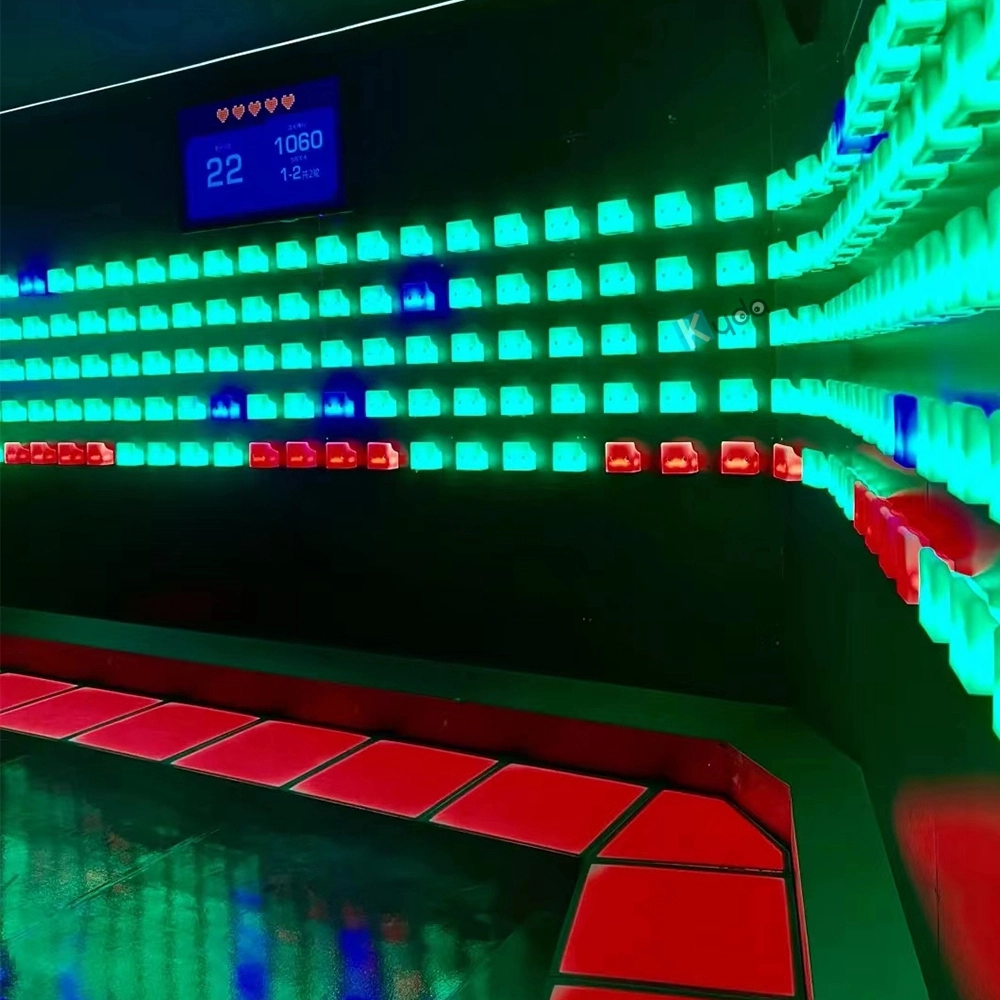
Activate Fitness Climb Game – The Ultimate Interactive LED Climbing Wall Experience
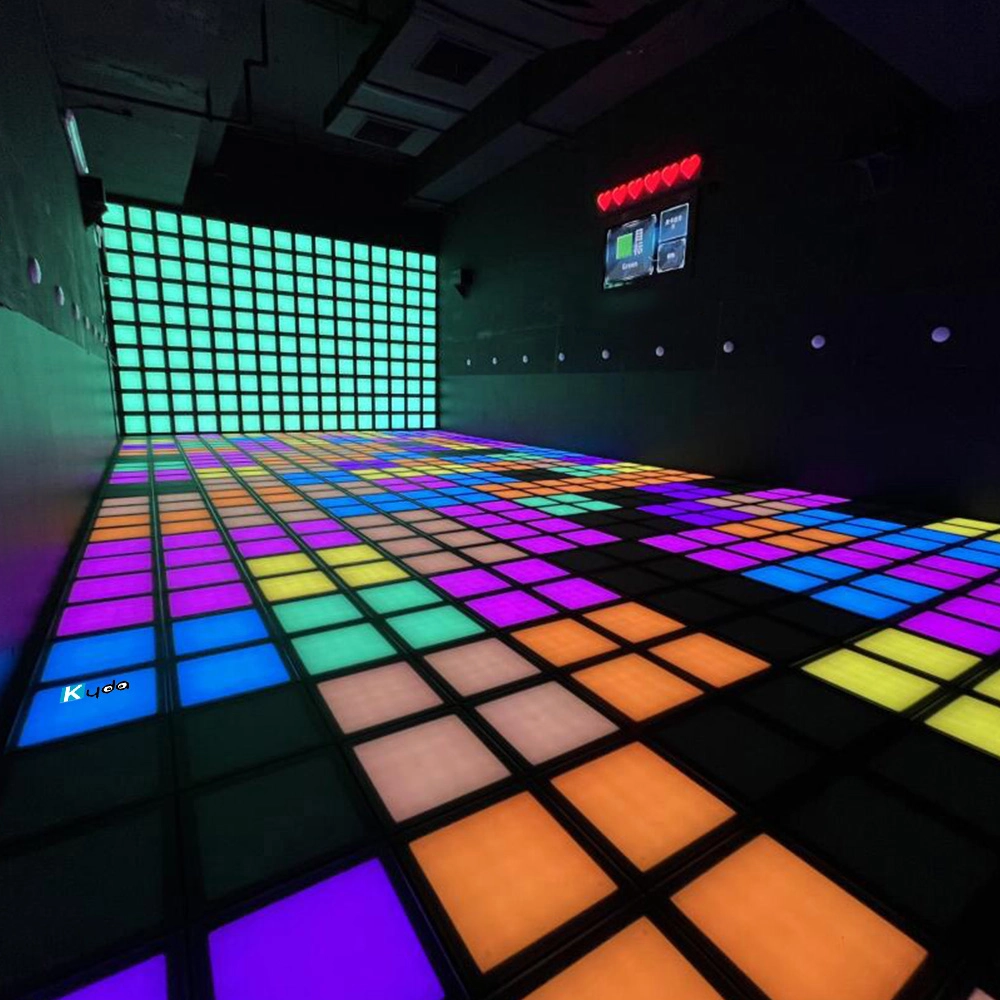
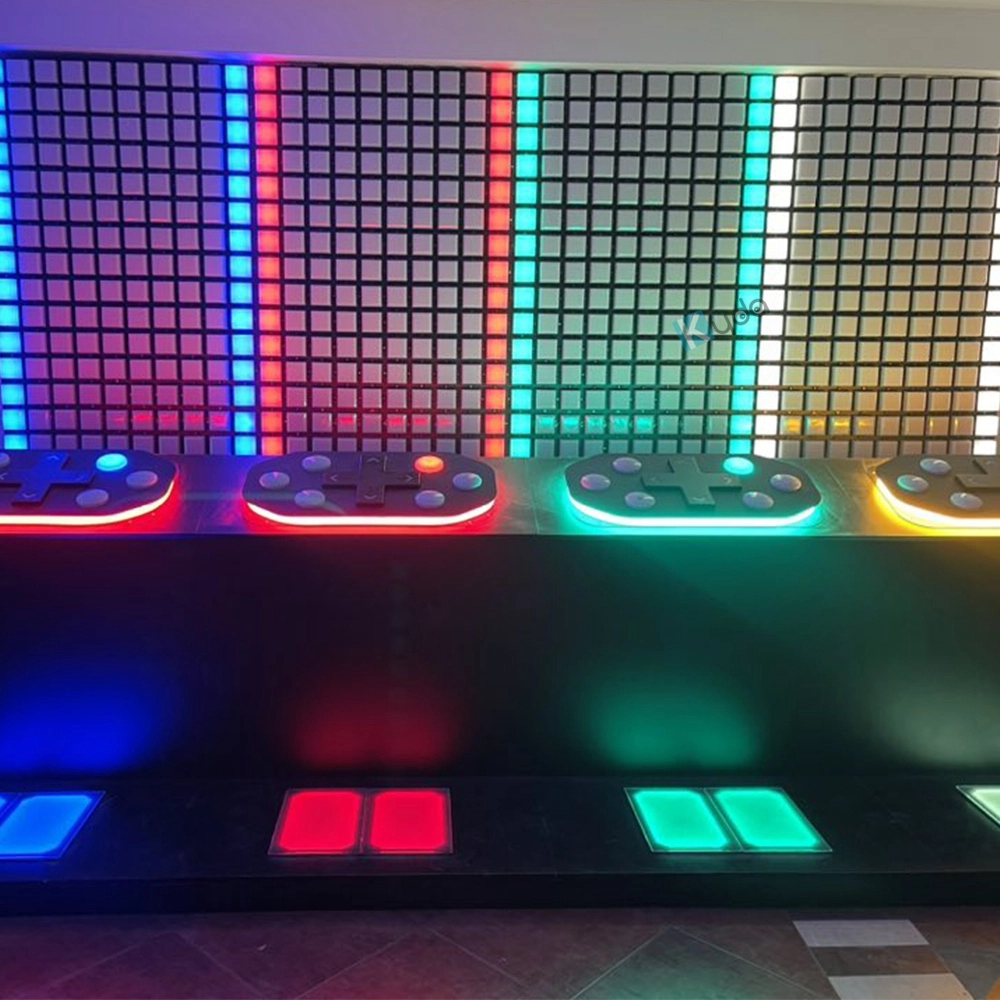
Interactive Light Grid Active Game Led Floor for Dance Pixel Grid Room
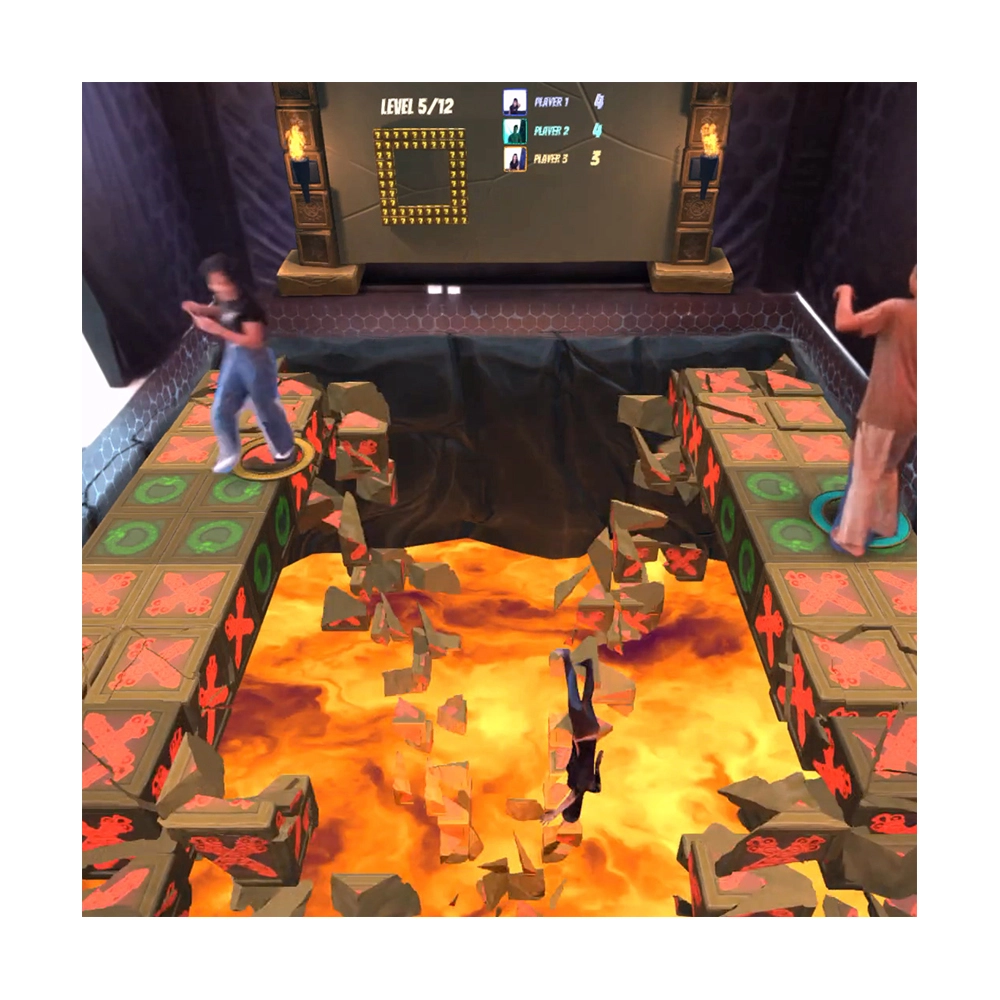
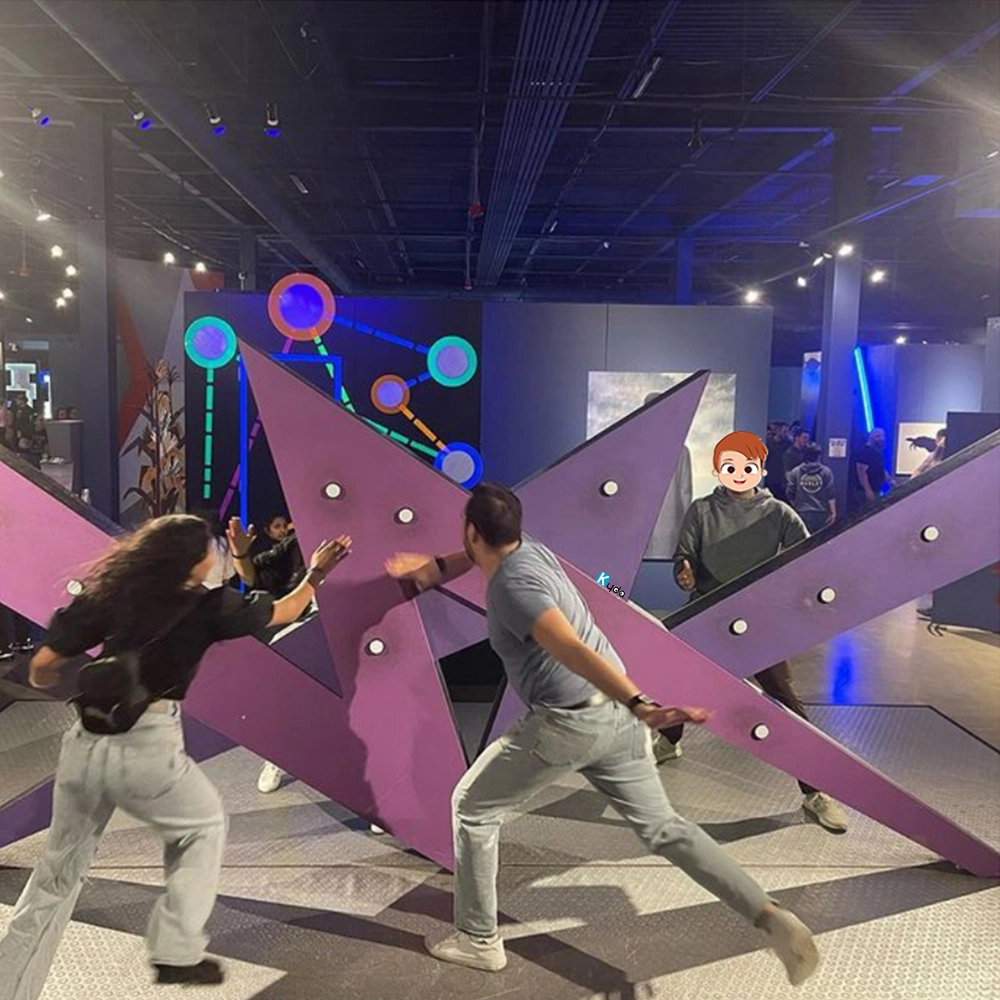
Social Games XR Arena – “Floor Is Lava” Interactive Motion-Sensing Projection Game
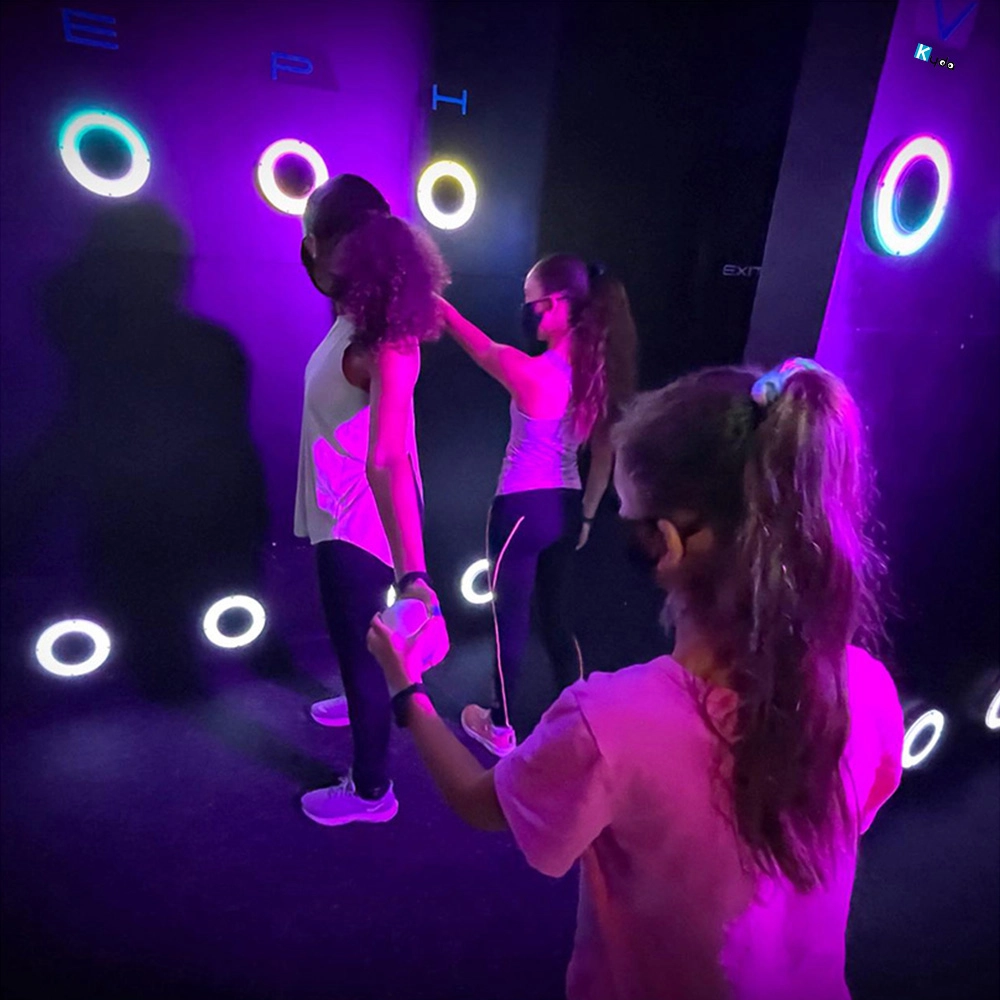
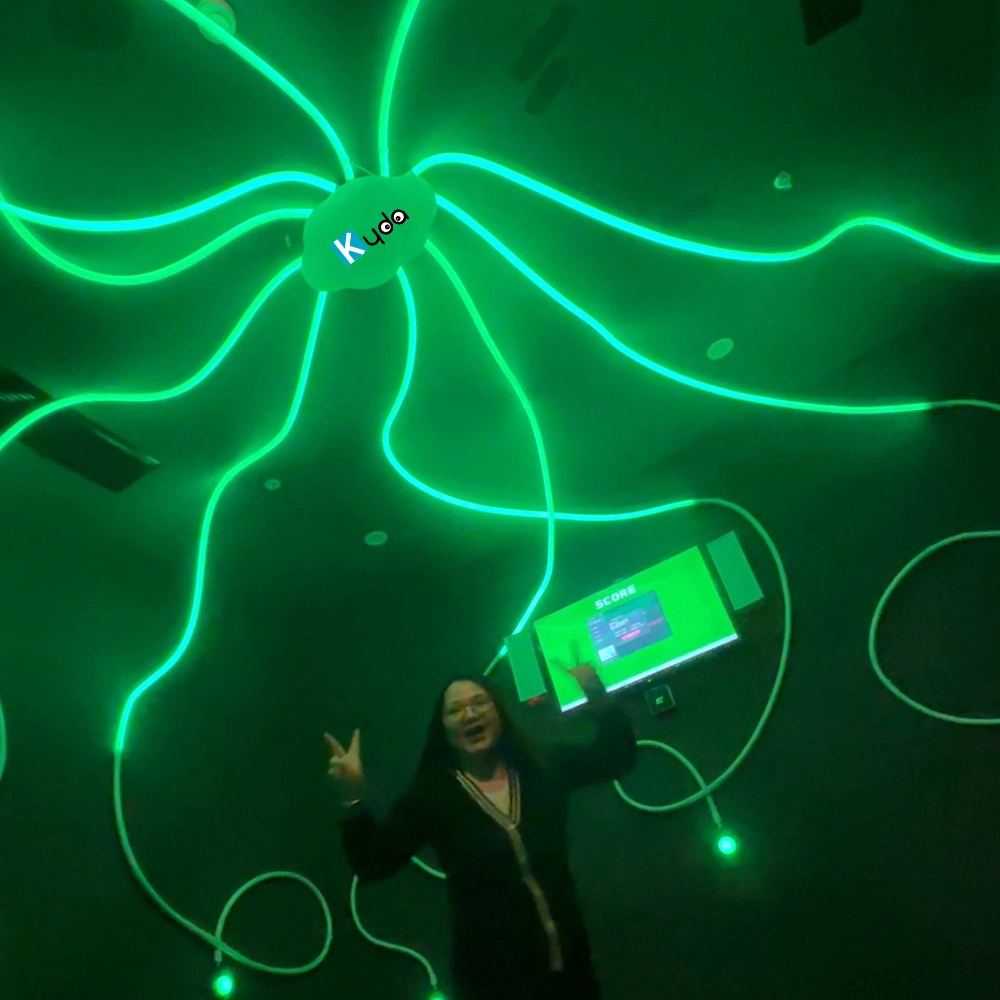
Active Reaction Pipe Game Room – Kyda Interactive LED Wall Collaborative Ball Movement Puzzle
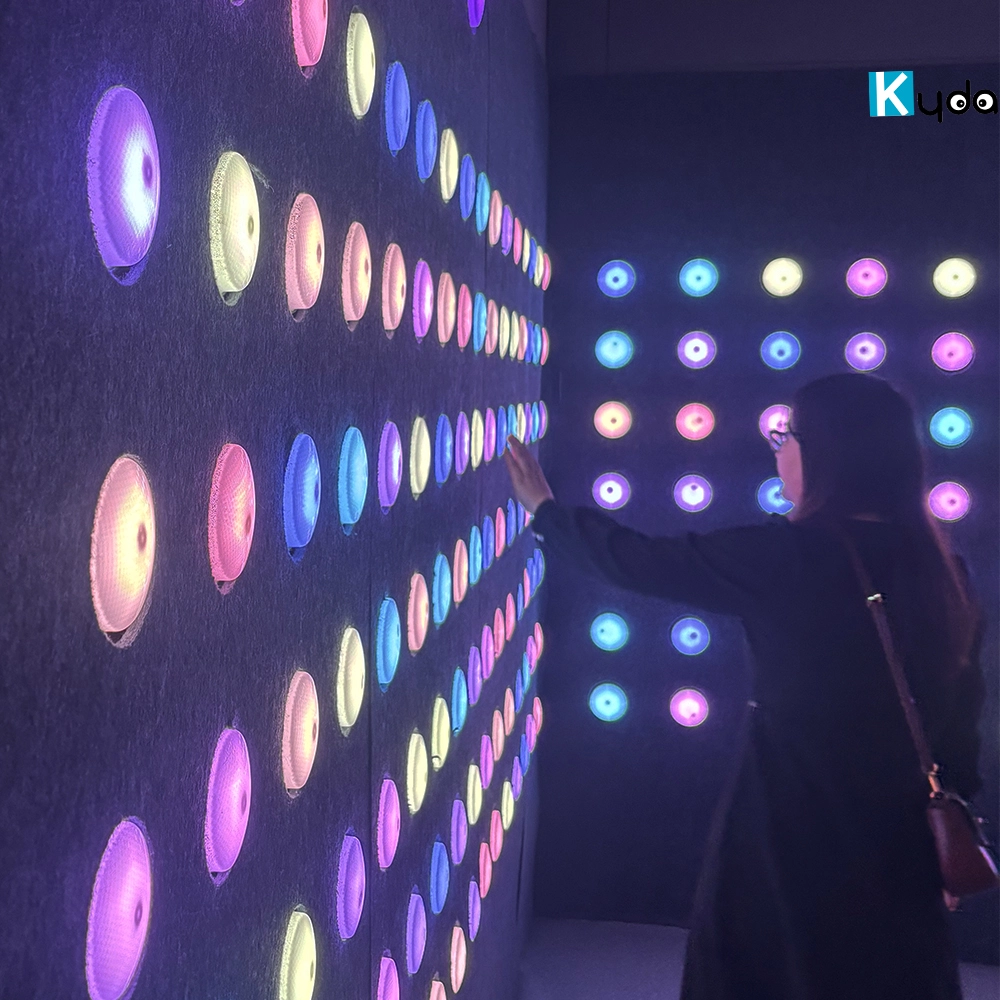
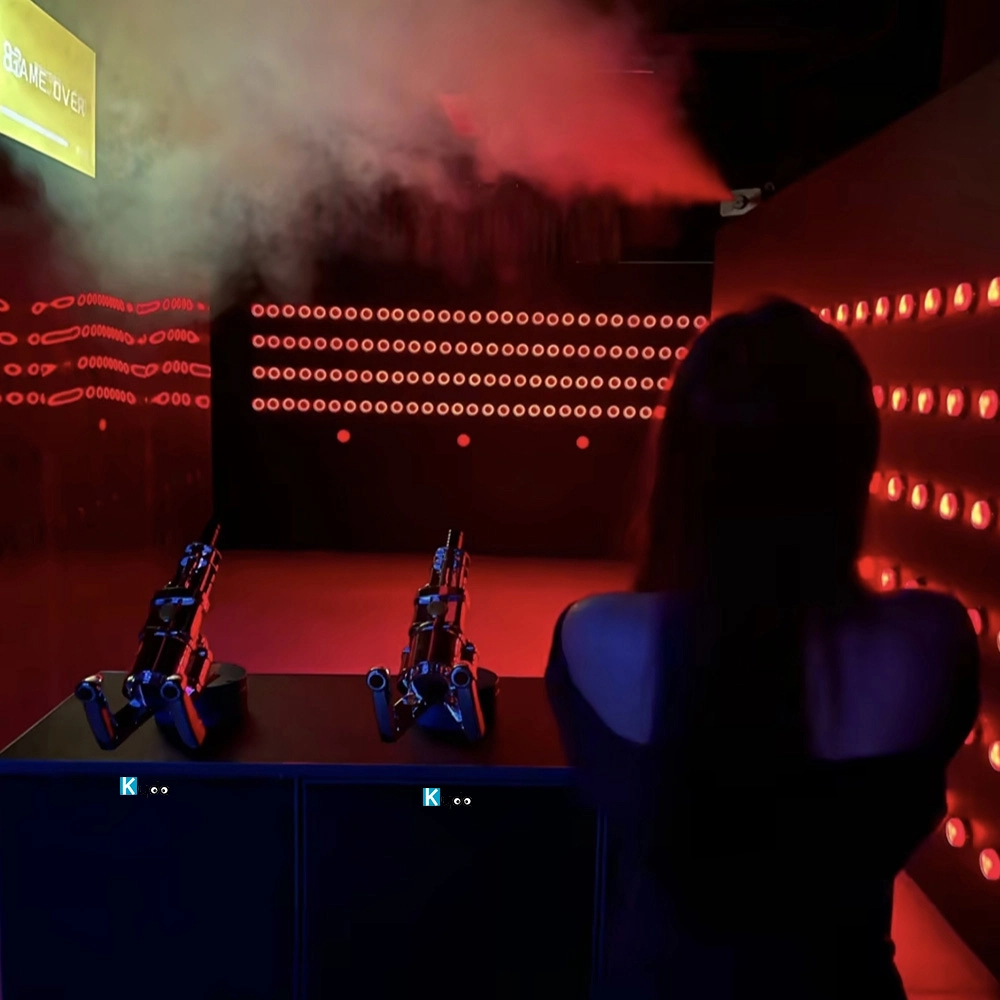
Active Reaction Push Game Room – Multi-Player Interactive LED Wall Challenge by Kyda
For Company
Can you make decoration design for buyer’s place?
We also can assist to make decoration that is for extra.
Do you have management system and bracelet?
Yes, we support to sell the whole Activate game software, hardware, management system, Ranking, online tickets, scores…
For Led Floor for Dance Pixel Grid Room
What is the difference of Grid and Mega Grid, Pixel Grid?
Grid just interactive floor game, smaller room size can start, Add the wall LED tile call Pixel Grid;
Mega Grid add 20pcs Digital screen with 20pcs wall buttons , also need suggest bigger room size, more activate interesting games than Grid, add the wall LED tile call Pixel Grid;
Kyda accept personal customization as requirements; Grid, Mega Grid, Pixel Grid, Floorislava, Arena game, Active LED floor game, Interactive floor LED game etc that different name in different place.
For Activate Gaming Floorislava Family Fun
Can we just buy one game room of Mega grid room?
Yes, If you start the activate game at the first time. We have more than above 50 different activate interactive challenge game rooms for options.
What is the difference of Grid and Mega Grid?
Grid just interactive floor game, smaller room size can start; Mega Grid add 20pcs Digital screen with 20pcs wall buttons, also need suggest bigger room size, more activate interesting games than Grid;
You May Also Like
-
-
Send us Your Inquiry
-
Fill out the form and we will provide you with personalized product quotes and service recommendations based on your needs.
Our team will contact you as soon as possible to help you build the most suitable entertainment equipment!
Let's get in touch
Email: sales@kydavr.com
Tel.: +86 188 2001 8779
Address: 501 Shixin Road, Dalong Street, Guangzhou, Guangdong, China.
© 2025 Kyda. All Rights Reserved.
 Scan QR Code
Linkedin
Ins
Facebook
Twitter
YouTube