




How do interactive floor projection games enhance customer engagement in retail environments? | Insights by Kyda
- Enhancing Customer Engagement in Retail with Interactive Floor Projection Games
- What Are Interactive Floor Projection Games?
- How Do Interactive Floor Projection Games Enhance Customer Engagement?
- What Are the Key Considerations When Implementing Interactive Floor Projection Games?
- What Are the Costs Associated with Interactive Floor Projection Systems?
- How Can Retailers Measure the Success of Interactive Floor Projection Games?
- What Are the Future Trends in Interactive Floor Projection Technology?
- Why Choose Kyda for Your Interactive Floor Projection Needs?
Enhancing Customer Engagement in Retail with Interactive Floor Projection Games
In today's competitive retail landscape, businesses are continually seeking innovative ways to captivate customers and enhance their shopping experience. One such innovation is the integration of interactive floor projection games, which have proven to be effective in increasing customer engagement and driving sales. This article explores the benefits, considerations, and best practices for implementing these systems in retail settings.
What Are Interactive Floor Projection Games?
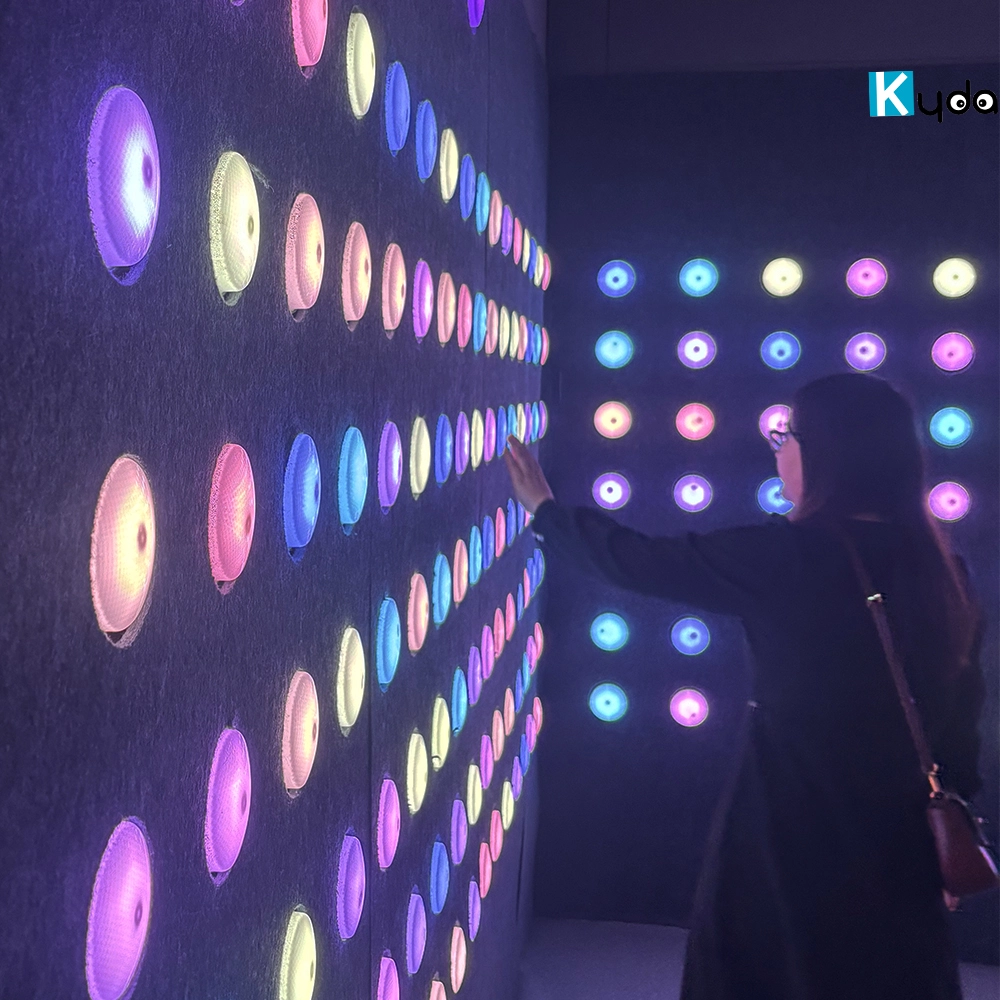
Interactive floor projection games utilize advanced motion tracking technology to project dynamic visuals onto the floor, responding to customers' movements and interactions. These systems can display a variety of content, from branded messages and product information to engaging games and educational activities. By transforming the floor into an interactive canvas, retailers can create immersive experiences that draw customers in and encourage prolonged engagement.
How Do Interactive Floor Projection Games Enhance Customer Engagement?
Increased Foot Traffic and Dwell Time: Interactive projections attract passersby, encouraging them to enter the store and interact with the displays. This increased engagement often leads to longer dwell times, providing more opportunities for customers to explore products and make purchases.
Enhanced Brand Visibility and Recall: By incorporating branded content into the projections, retailers can reinforce brand identity and create memorable experiences that resonate with customers, leading to improved brand recall and loyalty.
Interactive and Educational Experiences: These systems can offer educational games or interactive product demonstrations, providing value beyond traditional shopping experiences and fostering a deeper connection with the brand.
Social Media Engagement: Unique and visually appealing projections encourage customers to share their experiences on social media platforms, serving as organic marketing and attracting a broader audience. ((https://www.kydagames.com/boost-venue-engagement-with-interactive-wall-projection-kyda.html?utm_source=openai))
What Are the Key Considerations When Implementing Interactive Floor Projection Games?
Technical Specifications: Ensure the system has high-resolution projections (≥1920x1080), low latency (<15ms response time), and can withstand high foot traffic (≥200kg/m² pressure tolerance). Outdoor installations require weather-resistant components and high brightness levels to combat sunlight interference.
Content Customization: Tailor the interactive content to align with Kyda and target audience. This includes selecting appropriate themes, games, and educational materials that resonate with your customers.
Maintenance and Support: Regular maintenance is crucial to ensure optimal performance. This includes calibrating sensors, updating software, and addressing any hardware issues promptly to minimize downtime. ((https://www.kydagames.com/boost-venue-engagement-with-interactive-wall-projection-kyda.html?utm_source=openai))
Compliance and Safety: Adhere to local regulations and safety standards, such as CE/EN 17128:2020 in the EU and ASTM F1487 in the USA, to ensure the system is safe for public use.
What Are the Costs Associated with Interactive Floor Projection Systems?
The cost of implementing an interactive floor projection system varies based on several factors:
Equipment Selection: Entry-level systems may cost between $16–$29 per LED panel, while mid-range projection systems range from $1,100–$3,600 per unit. Premium augmented reality-integrated setups can cost upwards of $51,470 per set.
Installation and Setup: Costs depend on the complexity of the installation, including the number of projectors, sensors, and the size of the projection area.
Content Development: Customizing content to fit Kyda and objectives may require additional investment in design and development.
Maintenance: Ongoing maintenance costs include software updates, hardware servicing, and potential upgrades to keep the system current and functional.
How Can Retailers Measure the Success of Interactive Floor Projection Games?
To assess the effectiveness of interactive floor projection games, retailers should monitor key performance indicators (KPIs) such as:
Participation Rates: Track the number of customers interacting with the projections.
Session Duration: Measure the average time customers spend engaging with the system.
Repeat Visits: Monitor the frequency of customer return visits, indicating sustained interest.
Sales Metrics: Analyze sales data to determine if there is an increase in purchases correlated with the use of the interactive system.
Social Media Mentions: Monitor online platforms for customer-generated content related to the interactive projections.
What Are the Future Trends in Interactive Floor Projection Technology?
The field of interactive floor projection is evolving rapidly, with several trends emerging:
Integration with Augmented Reality (AR): Combining AR with interactive projections to create more immersive and dynamic experiences.
Portable and Modular Systems: Development of more flexible and scalable systems that can be easily adapted to different retail environments and event spaces.
Enhanced Interactivity: Advancements in sensor technology and software are leading to more responsive and intuitive interactions, providing a seamless user experience.
Why Choose Kyda for Your Interactive Floor Projection Needs?
Kyda offers comprehensive solutions for interactive floor projections, providing:
End-to-End Service: From concept design and content creation to manufacturing and installation, ensuring a seamless implementation process. ((https://www.kydagames.com/boost-venue-engagement-with-interactive-wall-projection-kyda.html?utm_source=openai))
Customization: Tailored solutions that align with Kyda identity and customer engagement objectives.
Local Manufacturing: With partnerships in key Chinese production centers, Kyda delivers high-quality products with reduced lead times and cost efficiency.
Commercial Focus: A commitment to delivering solutions that drive measurable business outcomes, such as increased foot traffic, higher sales, and enhanced brand visibility.
Incorporating interactive floor projection games into your retail strategy can significantly enhance customer engagement, create memorable experiences, and drive business growth. By carefully considering the technical requirements, content customization, and ongoing support, retailers can successfully implement this innovative technology to stand out in a competitive market.
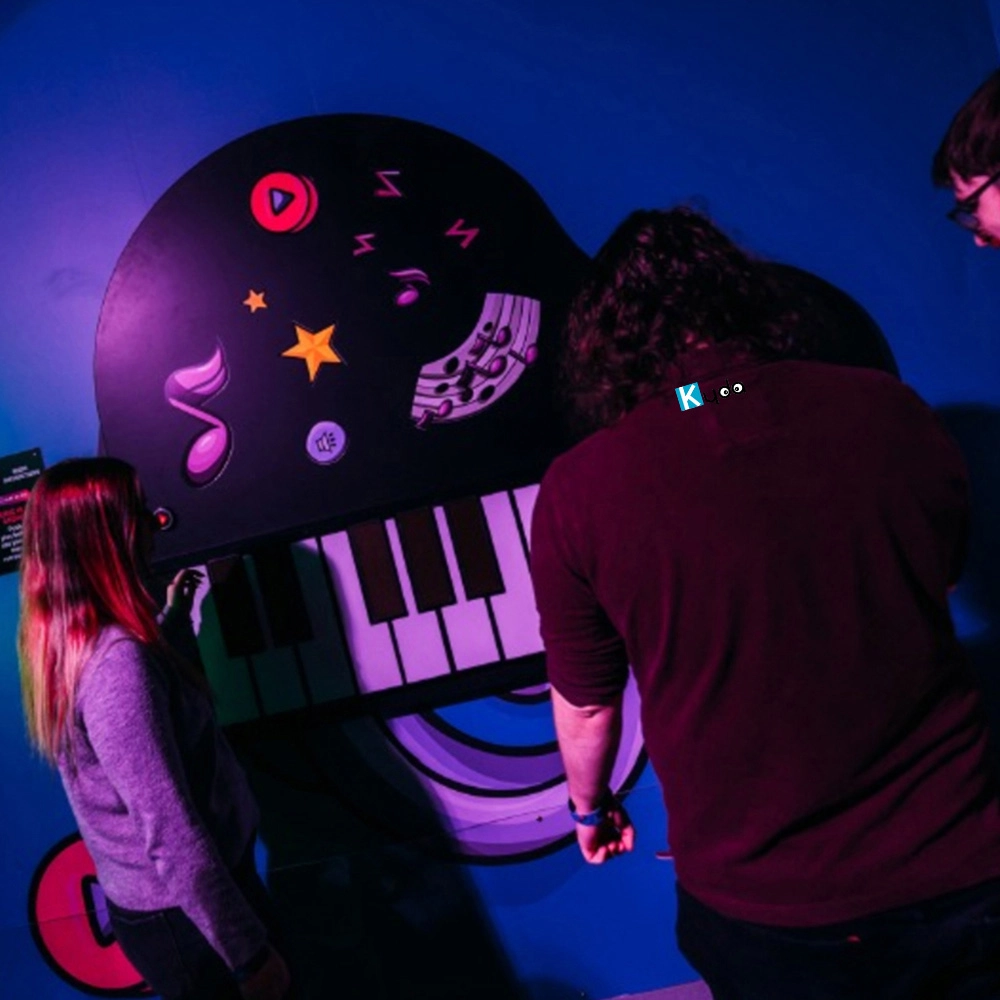
Absolute Pitch Challenge – Train Your Brain Through Music
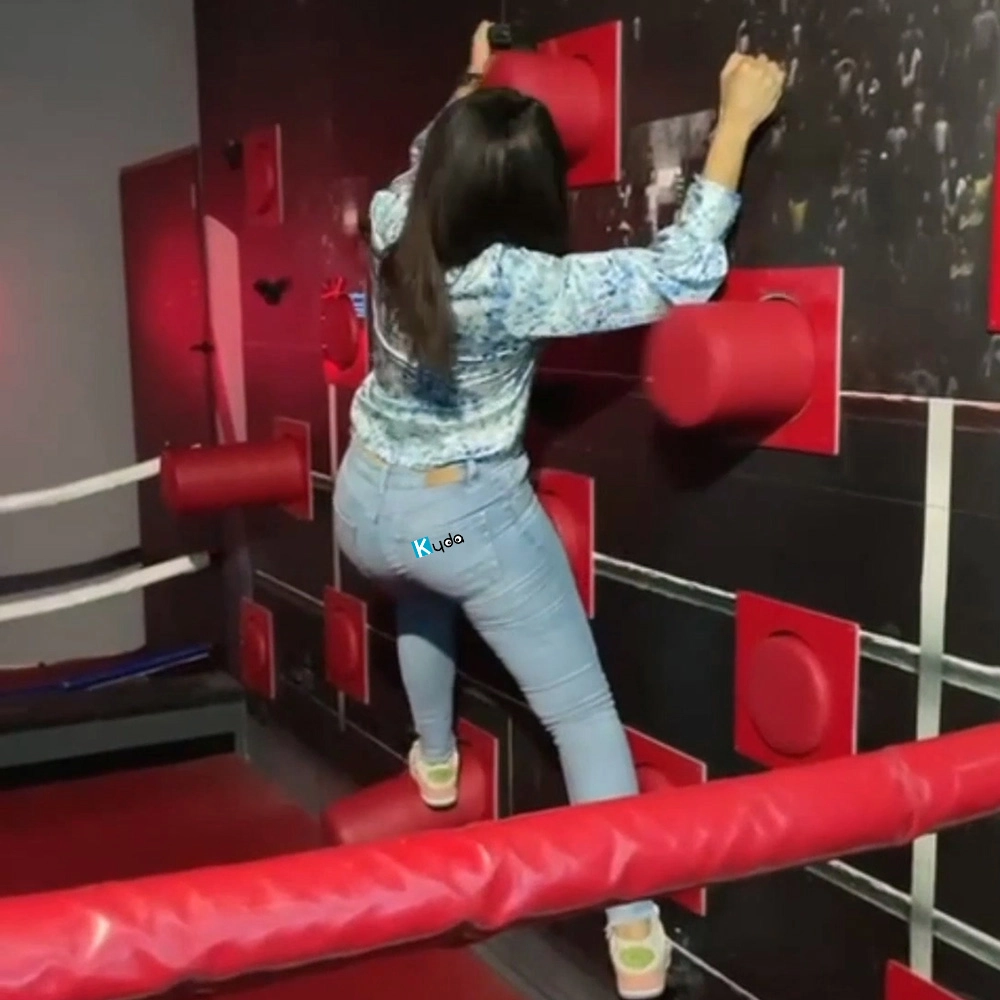
Knock Out – The Ultimate Reaction & Fitness Cube Challenge Game
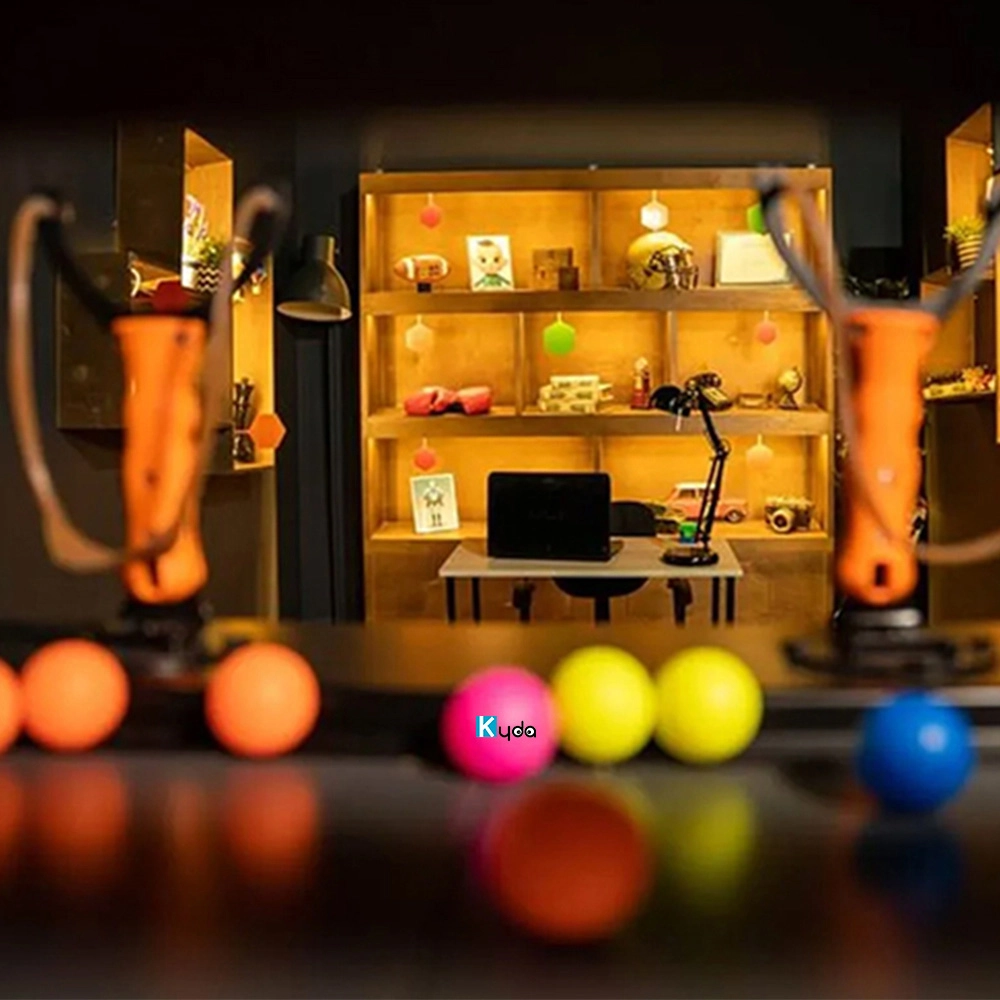
Angry Bird Challenge Brain Activate Game | Kyda Interactive Slingshot Adventure
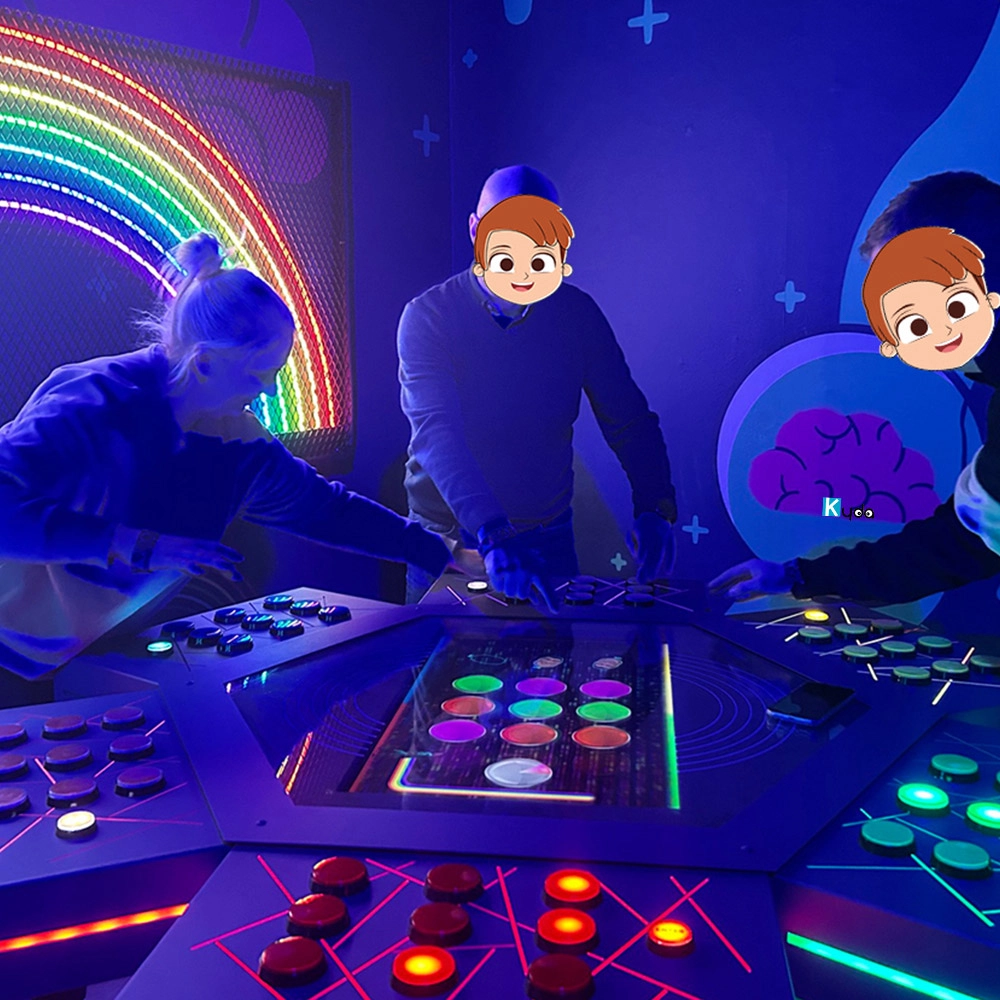
Rainbow Mind Activate Interactive game challenge
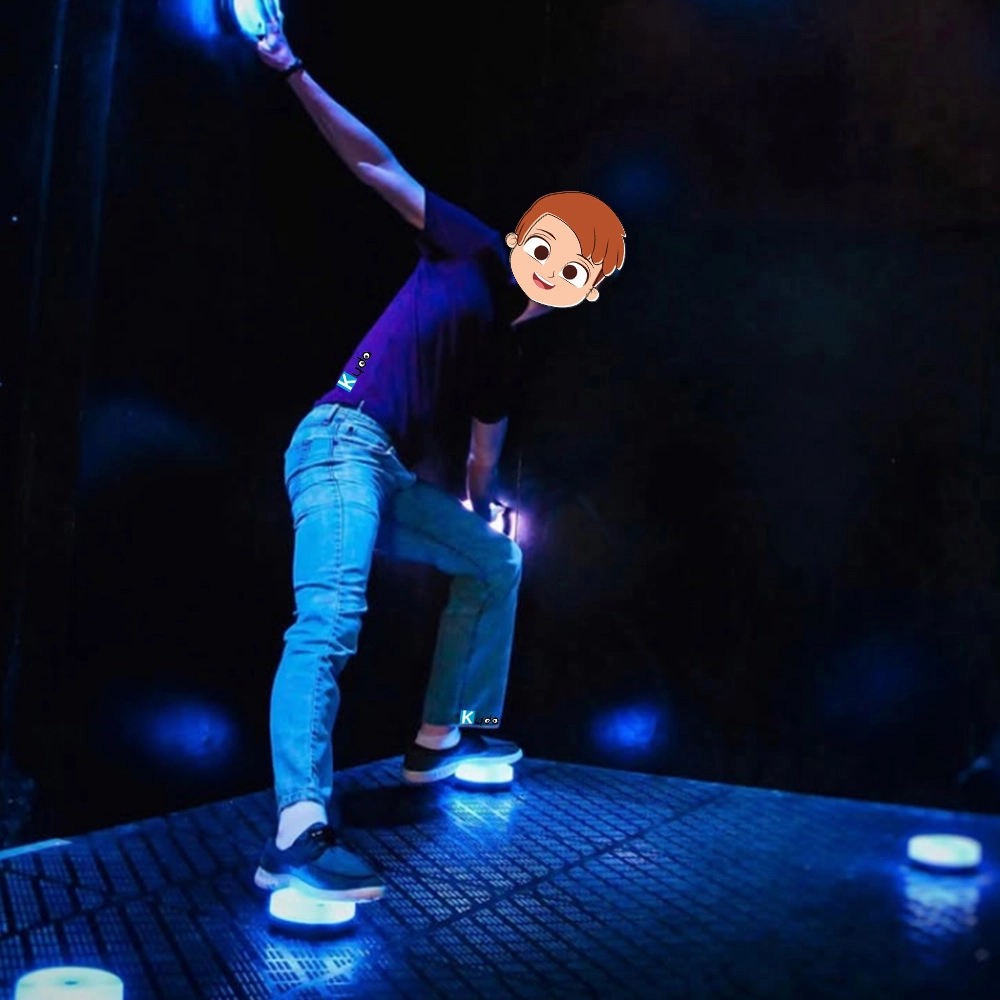
Interactive LED Floor Adventure: Hands and Feet Coordination Challenge – Octopus Escape
For Company
Can you make decoration design for buyer’s place?
We also can assist to make decoration that is for extra.
How many activate game rooms Kydaplay make?
Till now, 50game rooms, still updating new….
Grid, Mega grid, Climb, ARENA ,Control ,HIDE ,Push, Pipes, Laser shooting, Hoops, Cylinder, Octopus,Strike,Flash, Cannon, KNOCK OUT, Lightning, 7 Blocks, GOLDEN GAME BRIDGE, RESTRICTED, BOMB Football, Rotating targets, Angry Bird, GENIUS, Lava Monster, Super Adventure …..
How much need invest?
Normally can choose one Grid game only or different rooms.
Please contact with Kydaplay sales manager to get the exact cost.
Can you make CAD design for buyer’s space room?
Yes, we can make CAD design as exact space room size.
For Activate Gaming Floorislava Family Fun
What is the difference of Grid and Mega Grid?
Grid just interactive floor game, smaller room size can start; Mega Grid add 20pcs Digital screen with 20pcs wall buttons, also need suggest bigger room size, more activate interesting games than Grid;
You May Also Like
-
-
Send us Your Inquiry
-
Fill out the form and we will provide you with personalized product quotes and service recommendations based on your needs.
Our team will contact you as soon as possible to help you build the most suitable entertainment equipment!
Let's get in touch
Email: sales@kydavr.com
Tel.: +86 188 2001 8779
Address: 501 Shixin Road, Dalong Street, Guangzhou, Guangdong, China.
© 2025 Kyda. All Rights Reserved.
 Scan QR Code
Linkedin
Ins
Facebook
Twitter
YouTube