




How Can Activate Games Improve Employee Training Outcomes?
- Enhancing Employee Training Outcomes with Activate Games: A Comprehensive Guide
- 1. What Are Activate Interactive Games?
- 2. How Do Activate Games Improve Employee Training Outcomes?
- 3. What Are the Key Considerations When Procuring Activate Games?
- 4. How Do Activate Games Align with Current Training Trends?
- 5. What Are the Potential Challenges in Implementing Activate Games?
- 6. How Can Organizations Measure the Effectiveness of Activate Games?
- 7. What Are the Future Trends in Activate Games for Employee Training?
- 8. How Does Kyda Support Organizations in Implementing Activate Games?
Enhancing Employee Training Outcomes with Activate Games: A Comprehensive Guide
In today's rapidly evolving workplace, traditional training methods often fall short in engaging employees and ensuring effective learning. Integrating activate interactive games into training programs has emerged as a transformative approach to address these challenges. This article explores how activate games can enhance employee training outcomes and provides essential insights for procurement professionals considering this innovative solution.
1. What Are Activate Interactive Games?
Activate interactive games are digital experiences that require active participation, such as quizzes, branching videos, mini-games, augmented reality (AR) scavenger hunts, or live chat-driven stories. Unlike passive content, these games engage users by collecting zero-party data—preferences, motivations, and purchase triggers—while the user plays. This data can be leveraged for smarter retargeting and product development.
2. How Do Activate Games Improve Employee Training Outcomes?
Integrating activate games into employee training offers several benefits:
Enhanced Engagement: Interactive elements increase employee participation and interest, leading to higher engagement levels.
Improved Retention: Gamified learning experiences have been shown to boost information retention rates compared to traditional methods.
Real-Time Feedback: Employees receive immediate feedback on their performance, facilitating quicker learning and skill development.
Data-Driven Insights: The data collected from these games can inform personalized training plans and identify areas needing improvement.
For instance, a regional bank added a 3-minute budgeting mini-game to its homepage and reduced its bounce rate from 58% to 27%.
3. What Are the Key Considerations When Procuring Activate Games?
When considering the integration of activate games into your training program, procurement professionals should evaluate the following factors:
Customization: Ensure the games can be tailored to align with your organization's specific training objectives and culture.
Scalability: Opt for solutions that can grow with your organization, accommodating increasing numbers of users or expanding training modules.
Technical Specifications: Verify that the games are compatible with your existing infrastructure and meet performance benchmarks, such as low latency and high-resolution graphics.
Compliance and Security: Confirm that the games adhere to relevant industry standards and regulations, ensuring data privacy and security.
For example, the global interactive digital games market is projected to reach $42.8 billion by 2029, indicating a robust and growing industry.
4. How Do Activate Games Align with Current Training Trends?
The shift towards experiential and immersive learning experiences is gaining momentum. Activate games embody this trend by combining entertainment with education, making learning more engaging and effective. This approach not only enhances skill acquisition but also fosters a positive attitude towards continuous learning within the organization.
5. What Are the Potential Challenges in Implementing Activate Games?
While activate games offer numerous benefits, organizations may encounter challenges such as:
Integration Complexity: Ensuring seamless integration with existing training platforms and systems.
Content Relevance: Developing game content that accurately reflects real-world scenarios and aligns with training goals.
User Adoption: Encouraging employees to embrace new training methods and technologies.
Addressing these challenges requires careful planning, stakeholder involvement, and ongoing support to ensure successful implementation.
6. How Can Organizations Measure the Effectiveness of Activate Games?
To assess the impact of activate games on training outcomes, organizations should establish clear metrics, such as:
Engagement Rates: Monitor participation levels and time spent on training games.
Performance Improvement: Evaluate changes in employee performance and skill proficiency post-training.
Feedback and Satisfaction: Collect employee feedback to gauge satisfaction and identify areas for improvement.
Regular analysis of these metrics will inform continuous improvement and optimization of training programs.
7. What Are the Future Trends in Activate Games for Employee Training?
The future of activate games in employee training is promising, with trends such as:
AI Integration: Utilizing artificial intelligence to create adaptive learning experiences tailored to individual employee needs.
AR and VR Adoption: Incorporating augmented and virtual reality to provide immersive training environments.
Data Analytics: Leveraging data analytics to gain deeper insights into training effectiveness and employee performance.
Staying abreast of these developments will enable organizations to maintain a competitive edge in employee training and development.
8. How Does Kyda Support Organizations in Implementing Activate Games?
Kyda is a global leader in activate game manufacturing, offering high-quality, customizable arcade solutions designed to enhance user engagement and training outcomes. Their focus on customization and long-term value ensures that organizations receive tailored solutions that align with their specific needs and objectives. ((https://www.kydagames.com/resources.html))
In conclusion, integrating activate interactive games into employee training programs presents a strategic opportunity to enhance engagement, retention, and overall performance. By carefully considering procurement factors and aligning with organizational goals, companies can leverage this innovative approach to foster a more dynamic and effective learning environment.
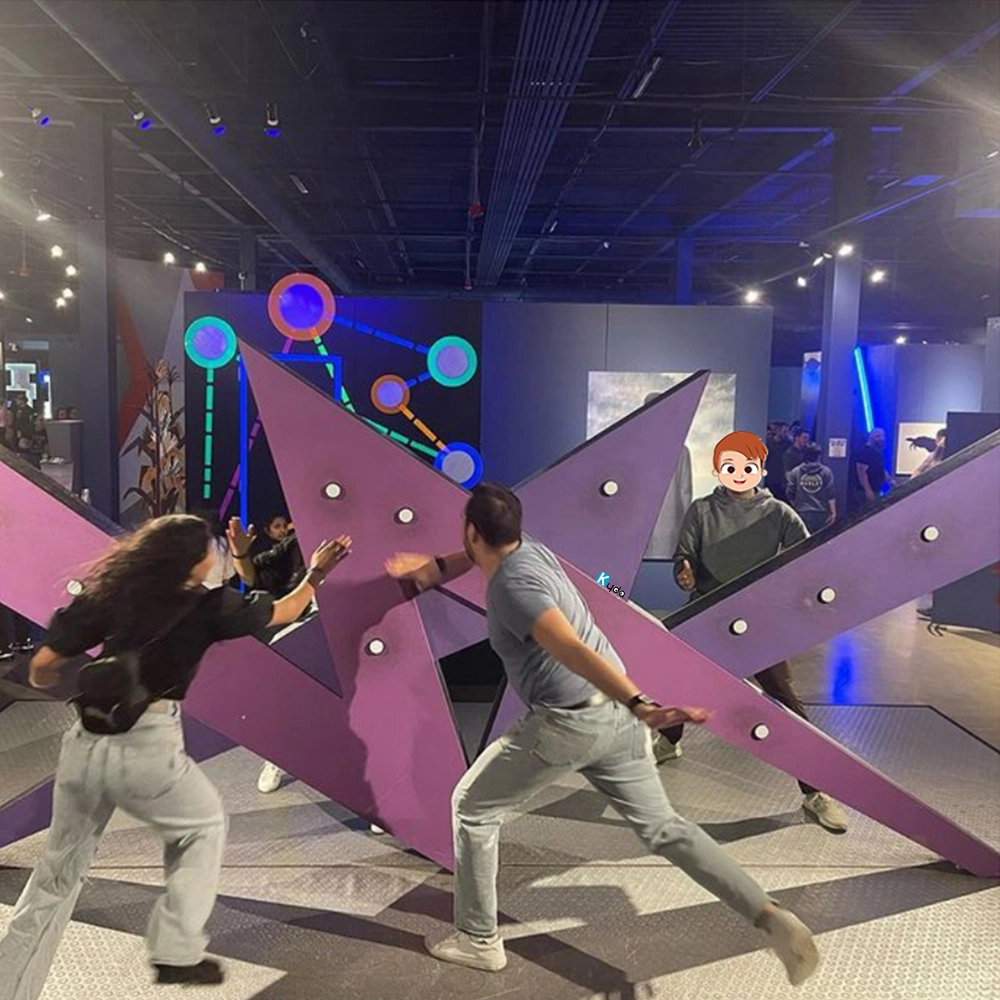
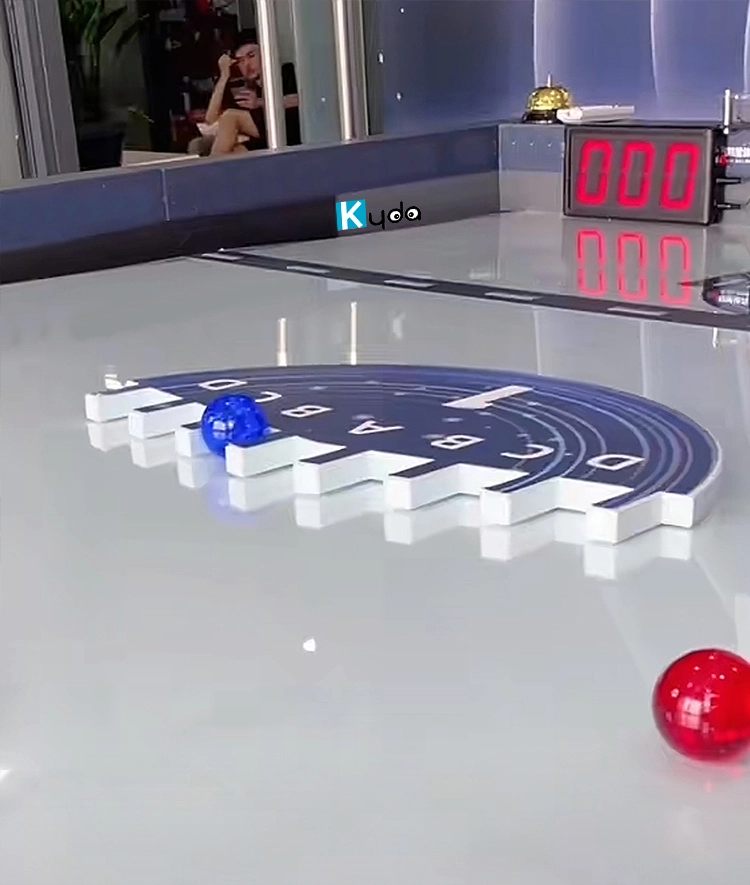
Active Reaction Lightning Game Room – Real-Time Reflex Battle with Interactive LED Speed Showdown
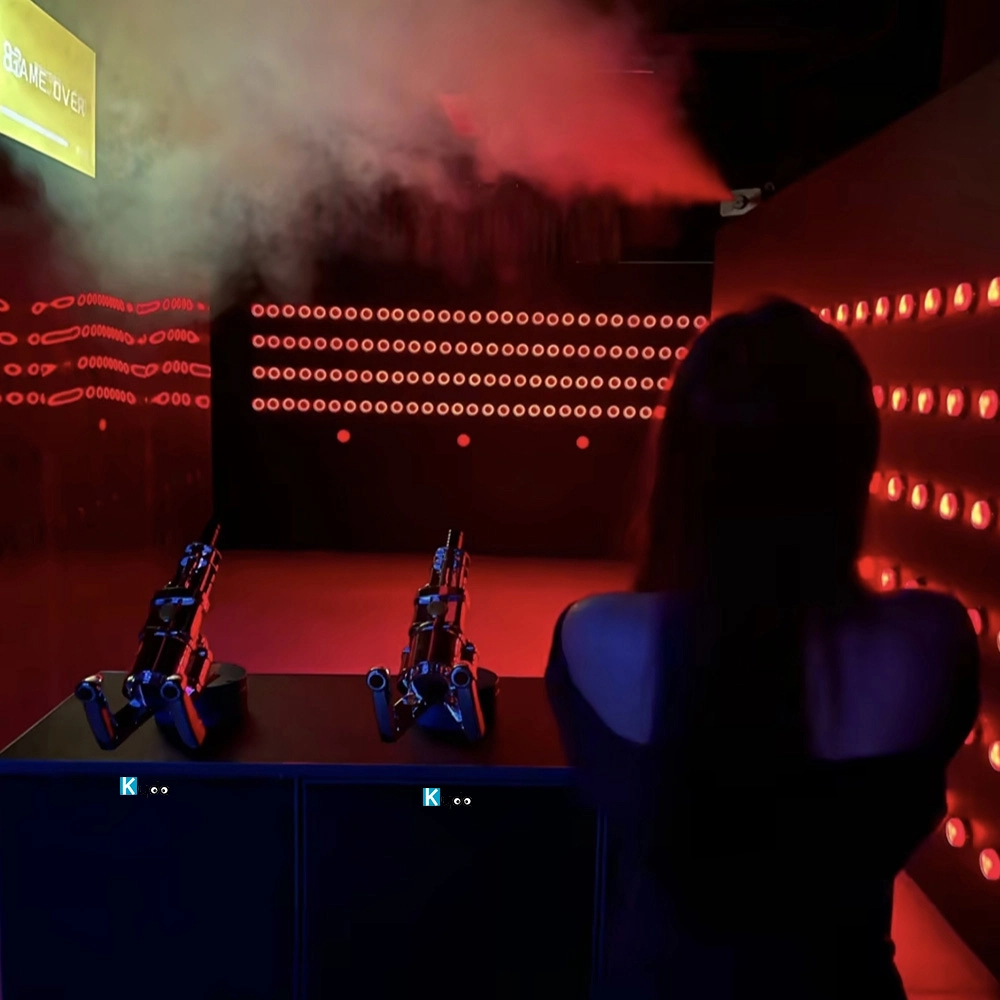
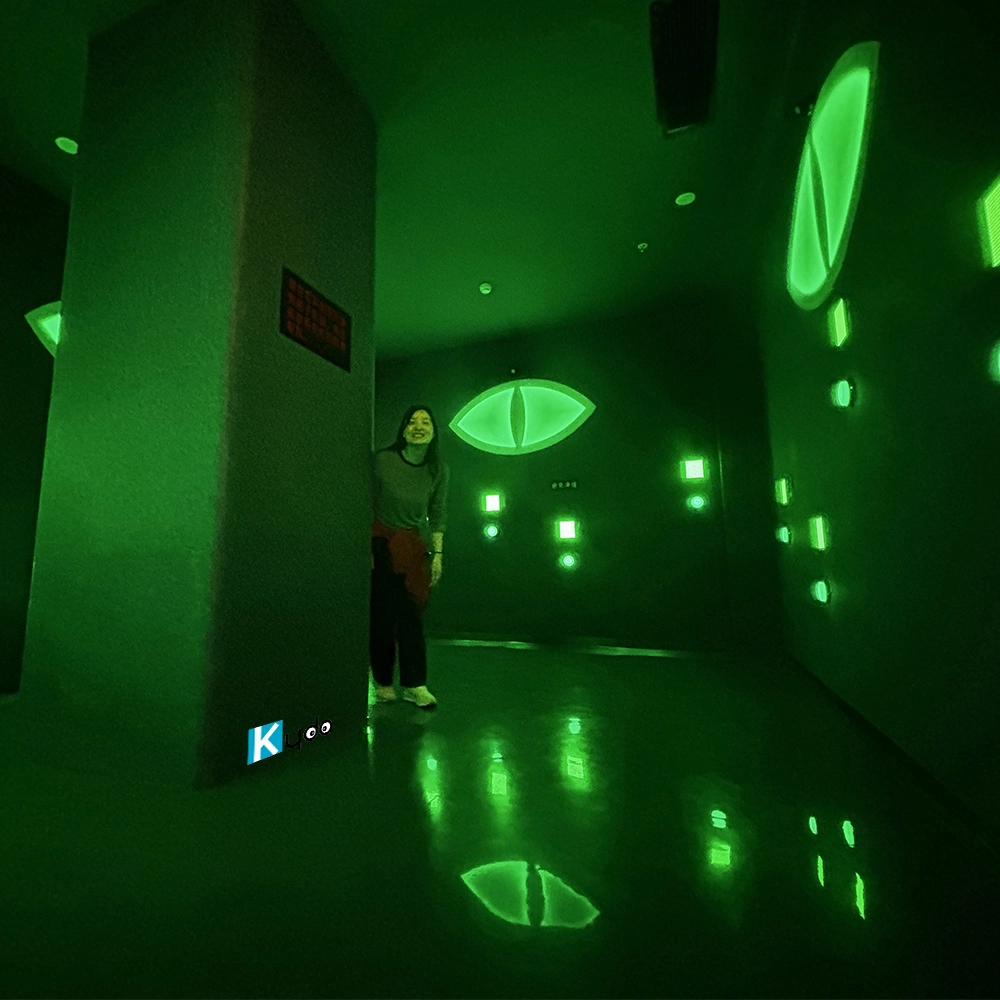
Active Reaction Laser Shooting Game Room
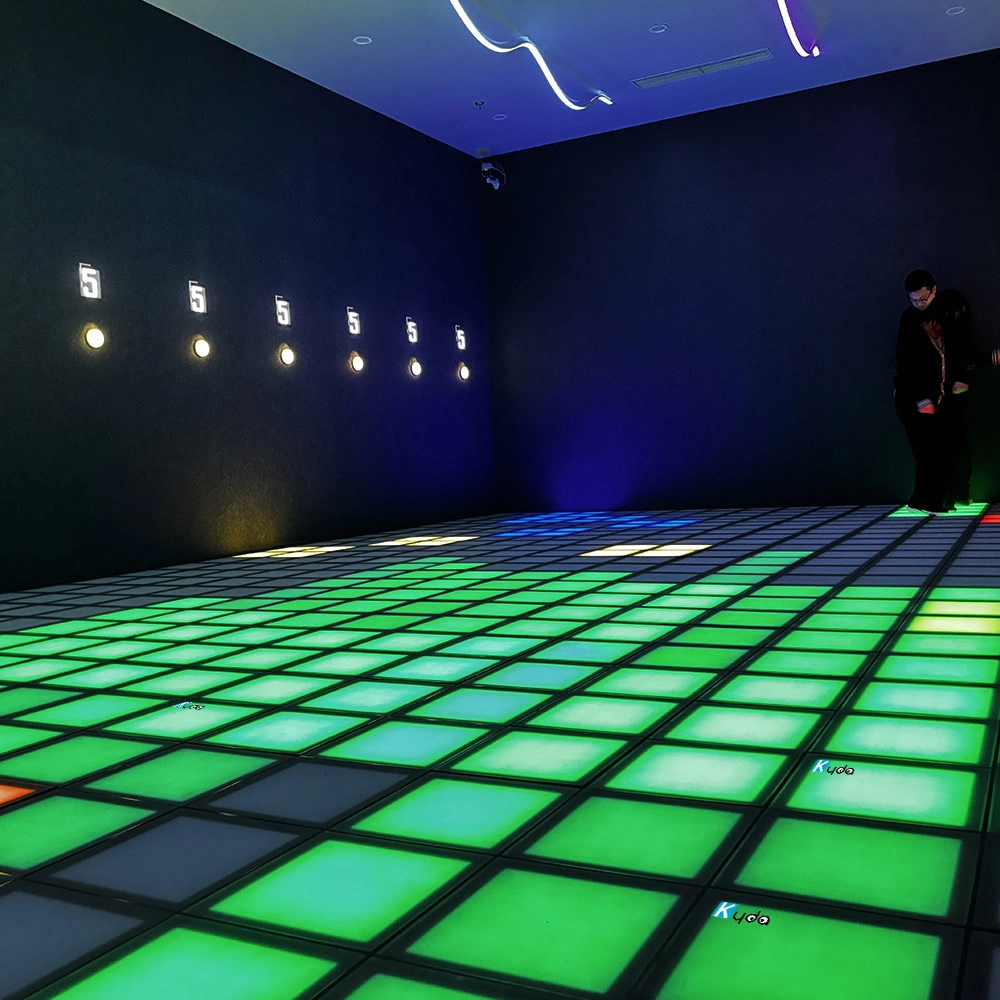
Interactive LED Floor lava Family Fun Indoor Sports Simulator Games Plastic Mega Grid

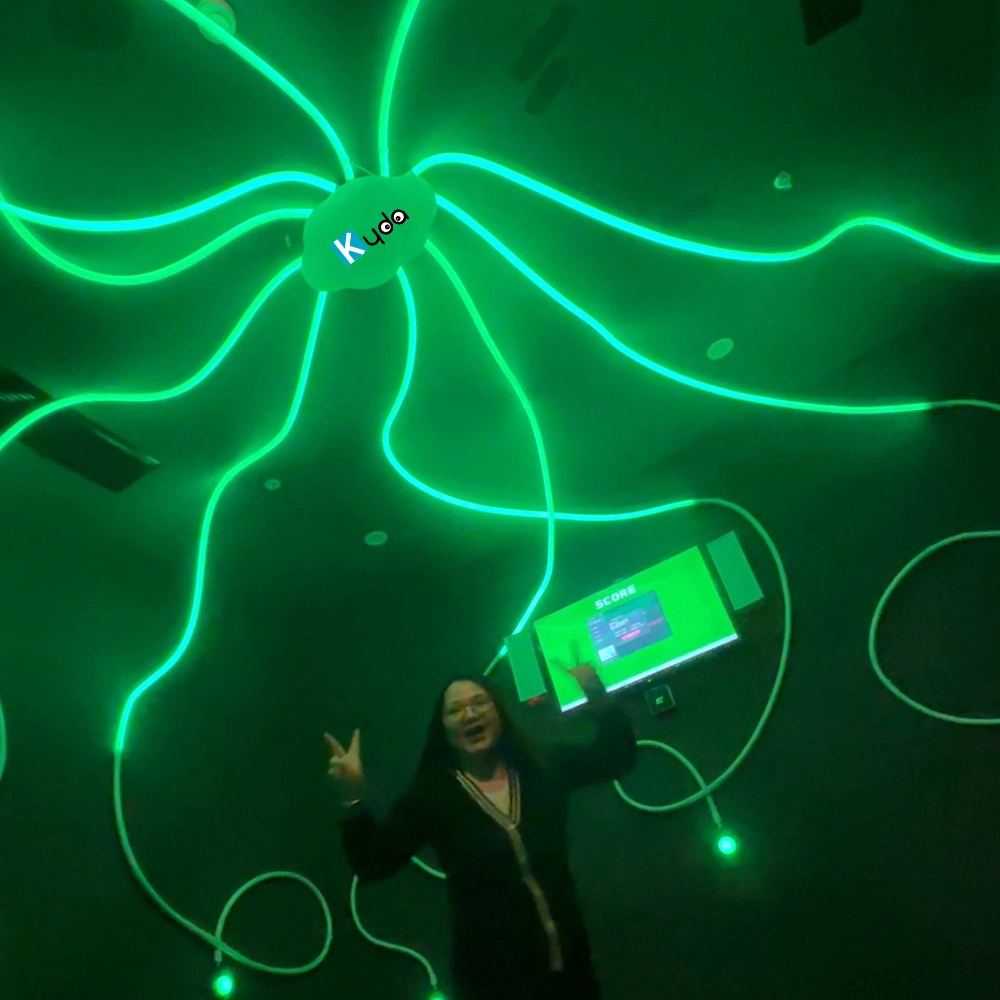
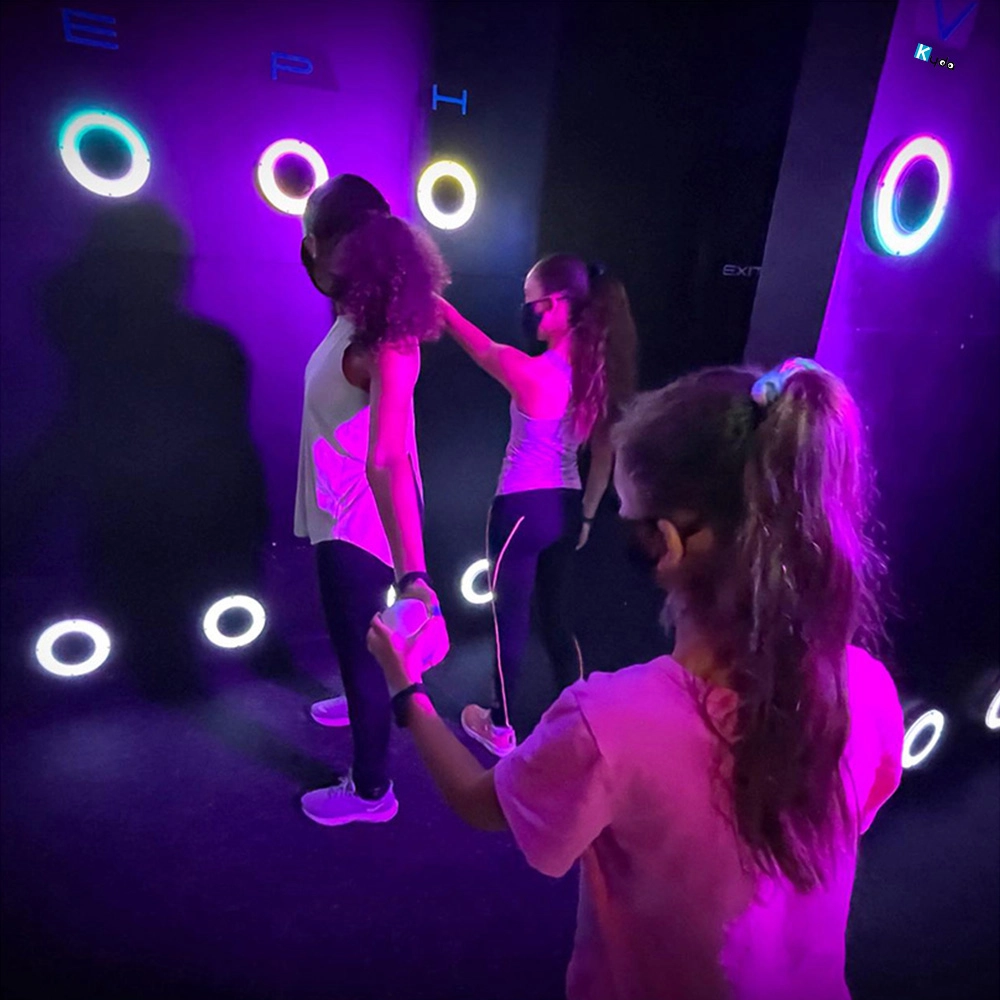
Kids & Adults Interactive Laser Game Arena – Indoor LED Light Challenge Equipment
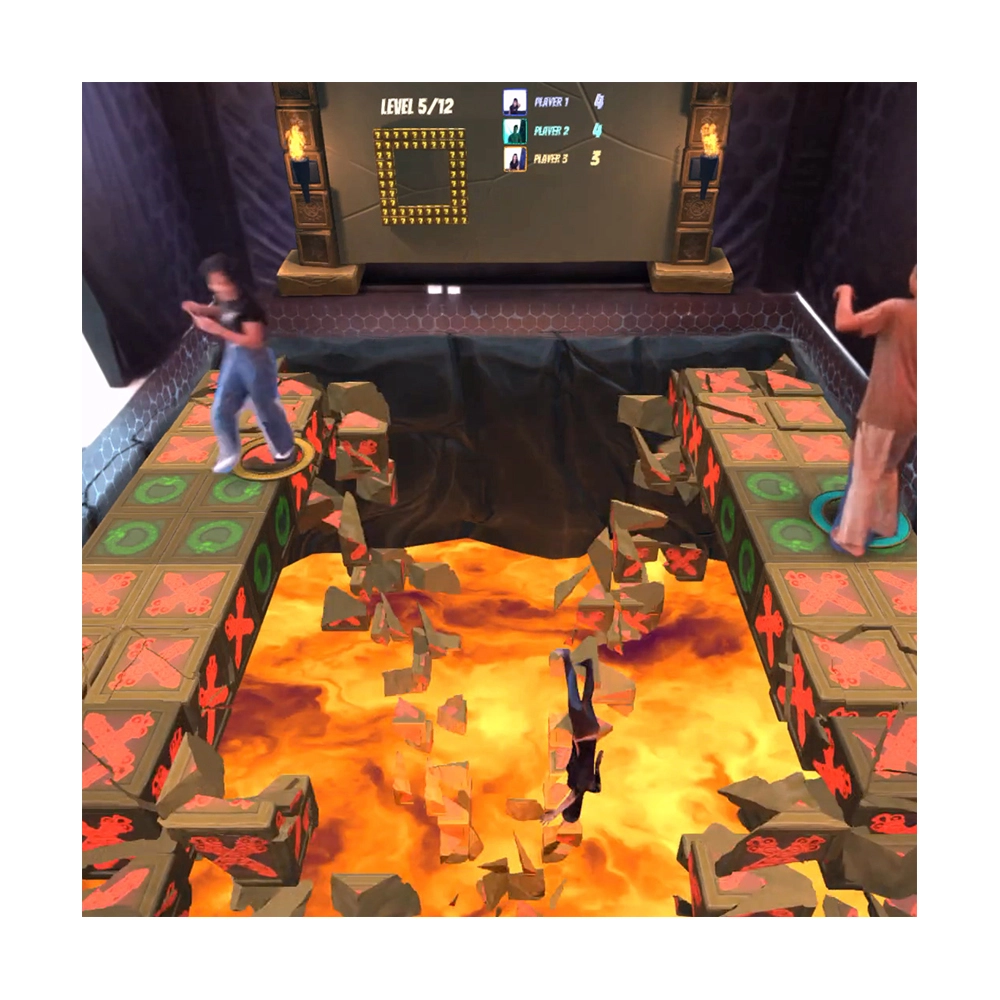
Social Games XR Arena – “Floor Is Lava” Interactive Motion-Sensing Projection Game
For Activate Gaming Floorislava Family Fun
How to pack the LED tile grid?
3pcs/carton, 45cartons/panel.
What is the difference of Grid and Mega Grid?
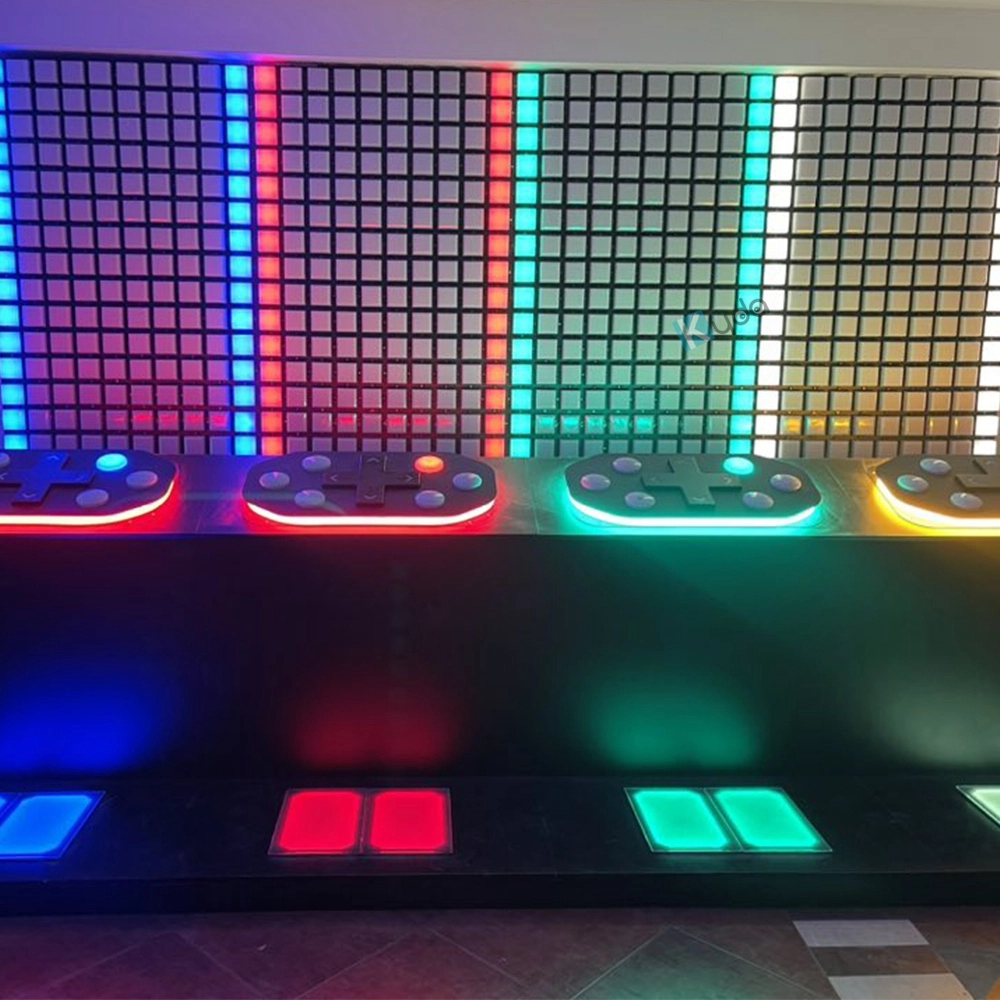
Grid just interactive floor game, smaller room size can start; Mega Grid add 20pcs Digital screen with 20pcs wall buttons, also need suggest bigger room size, more activate interesting games than Grid;
For Company
How much need invest?
Normally can choose one Grid game only or different rooms.
Please contact with Kydaplay sales manager to get the exact cost.
For Led Floor for Dance Pixel Grid Room
How much size if we start the Megagrid floorislava?
One LED grid tile is 30*30cm, eg: room size 10*5m, which can match 32*16pcs,512pcs for total; Layout: customize the quantity and place it according to the actual venue.
For Games Grid Floor is Lava
Can we just buy one game room of grid floor is lava?
Yes, If you start the activate game at the first time. We have more than above 50 different activate interactive challenge game rooms for options.
You May Also Like

-
-
Send us Your Inquiry
-
Fill out the form and we will provide you with personalized product quotes and service recommendations based on your needs.
Our team will contact you as soon as possible to help you build the most suitable entertainment equipment!
Let's get in touch
Email: sales@kydavr.com
Tel.: +86 188 2001 8779
Address: 501 Shixin Road, Dalong Street, Guangzhou, Guangdong, China.
© 2025 Kyda. All Rights Reserved.
 Scan QR Code
Linkedin
Ins
Facebook
Twitter
YouTube