




How do players engage in Activate Games and score points?
Activation games are interactive entertainment experiences designed to engage players quickly, encourage repeat play, and often drive foot traffic or revenue for venues. They blend hardware (sensors, LEDs, projection, controllers) and software (game logic, scoring, and analytics) to create short, compelling play loops ideal for arcades, shopping centers, education centers, family entertainment centers, and branded events. ((https://www.kydagames.com/activation-game-beginners-guide.html))
These games connect physical space with digital interaction, encouraging social play, increasing dwell time, and creating memorable experiences that convert visitors into paying customers or followers. As venues compete for attention, interactive games act as focal points that boost marketing, improve visitor flow, and increase per-visitor spend. ((https://www.kydagames.com/activation-game-beginners-guide.html))
Activation games typically consist of three core components:
Input: Devices like buttons, touchscreens, or motion sensors that capture player actions.
Feedback: Visuals (LEDs, projections), audio cues, or haptic responses that provide immediate reactions to player inputs.
Software: Game logic, scoring systems, and analytics that process inputs and determine outcomes.
This interplay determines the speed, replayability, and suitability for different audiences. ((https://www.kydagames.com/activation-game-beginners-guide.html))
Activation games come in various formats, each catering to different audience preferences and objectives:
Interactive LED Floors: Pressure or proximity-sensitive panels with dynamic lighting and animations.
Reaction & Active Games: Fast-paced games testing speed and reflexes with buttons or targets.
Interactive Projection: Floor or wall projections reacting to motion or touch.
Brain Challenge & Educational: Puzzle and memory games paired with scoring and progress tracking.
Horror Escape & Story-Based: Narrative-driven rooms combining puzzles, props, and interactive triggers.
Each type offers unique experiences, allowing venues to choose based on their target audience and space constraints. ((https://www.kydagames.com/activation-game-beginners-guide.html))
Engaging players in activation games involves a combination of physical activity, mental challenges, and interactive technology. Players participate by interacting with the game's input devices, such as pressing buttons, stepping on sensors, or moving in response to projections. The game provides immediate feedback through visual and audio cues, guiding players through challenges and tasks. Scoring is typically based on the speed, accuracy, and completion of tasks, with higher scores awarded for quicker and more precise actions. This structure encourages repeat play and competition, enhancing player engagement and satisfaction. ((https://www.kydagames.com/activation-game-beginners-guide.html))
For businesses and venues, activation games offer several benefits:
Increased Foot Traffic: Attracts visitors seeking interactive and engaging experiences.
Enhanced Customer Loyalty: Encourages repeat visits through engaging and enjoyable gameplay.
Revenue Generation: Offers opportunities for pay-per-play models, event rentals, and sponsorships.
Brand Differentiation: Provides unique experiences that set venues apart from competitors.
By integrating activation games, venues can create memorable experiences that resonate with visitors, leading to increased engagement and profitability. ((https://www.kydagames.com/activation-game-beginners-guide.html))
When selecting an activation game, consider factors such as target audience, space availability, noise levels, staffing requirements, and desired throughput. It's essential to choose a game that aligns with your venue's objectives and enhances the overall customer experience. ((https://www.kydagames.com/activation-game-beginners-guide.html))
Design principles for engaging activation games include:
Simplicity: Easy to start, hard to master.
Short Sessions: Ideal for high-throughput venues.
Clear Instructions: Visible prompts for first-time users.
Visible Feedback: Scoring or leaderboard displays.
Social Play: Encourages group participation.
Accessibility features, such as adjustable difficulty levels and audio cues, can broaden your audience and ensure inclusivity. ((https://www.kydagames.com/activation-game-beginners-guide.html))
Installation and maintenance considerations include:
Durability: Commercial-grade units designed for continuous operation.
Modular Components: Allows for quick replacement and updates.
Remote Software Updates: Ensures content remains fresh and engaging.
Regular preventive maintenance, such as cleaning sensors and checking connections, is essential to minimize downtime and keep players engaged. ((https://www.kydagames.com/activation-game-beginners-guide.html))
Costs and return considerations vary based on the complexity of the game. For example, a simple reaction game cabinet may have a lower initial cost compared to a custom projection room. Revenue per play and daily player counts depend on location and marketing efforts. Estimating the payback period involves considering factors like foot traffic, pricing, and operational costs. ((https://www.kydagames.com/activation-game-beginners-guide.html))
Measuring success involves tracking key performance indicators (KPIs) such as plays per day, average session length, conversion rates, revenue per play, repeat-play rates, and social shares. Combining these metrics with qualitative feedback from staff and visitors can help refine game mechanics and placement strategies. ((https://www.kydagames.com/activation-game-beginners-guide.html))
Common revenue models for activation games include pay-per-play, time-based tickets, packages (e.g., family bundles), event rentals, advertising/sponsorships, or inclusion in admission fees. Choosing a pricing model that aligns with local expectations and perceived value is crucial for maximizing profitability. ((https://www.kydagames.com/activation-game-beginners-guide.html))
Safety, accessibility, and compliance are paramount. Ensuring non-slip surfaces, adherence to local electrical and fire codes, and providing clear instructions and staff oversight for high-intensity attractions are essential. Incorporating accessibility features, such as adjustable difficulty levels and audio descriptions, can broaden your potential customer base and align with modern inclusion standards. ((https://www.kydagames.com/activation-game-beginners-guide.html))
Kyda specializes in providing end-to-end solutions for activation games, offering a range of interactive and educational recreational products. With in-house teams across electronic design, software development, game and animation design, and manufacturing partners across China, Kyda offers custom solutions—from interactive LED floors and reaction games to full escape rooms and projection systems. This vertical integration shortens lead times, enables bespoke builds, and supports local customization for maximum return on investment. ((https://www.kydagames.com/activation-game-beginners-guide.html))
By partnering with Kyda, venues can access innovative activation game solutions that enhance customer engagement, drive revenue, and create memorable experiences.
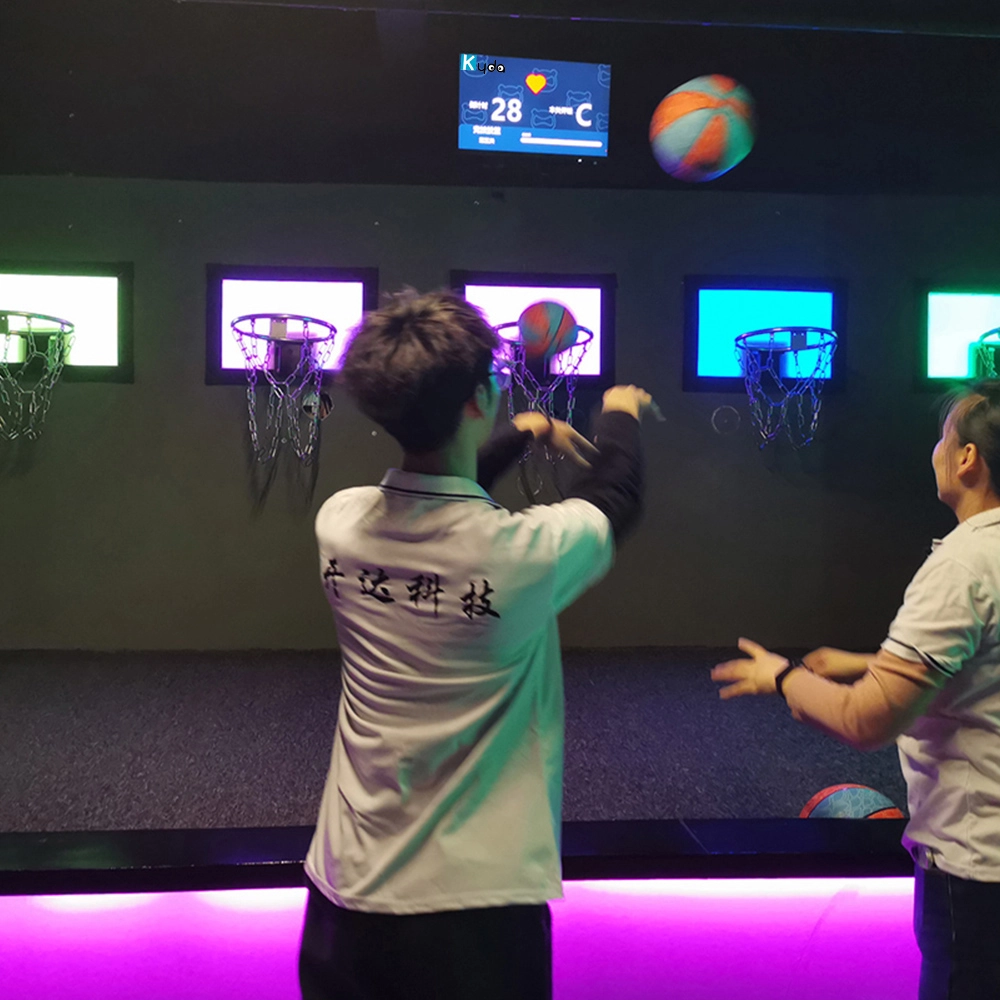
Hoops Active Game: The Ultimate Interactive Basketball Fitness Game
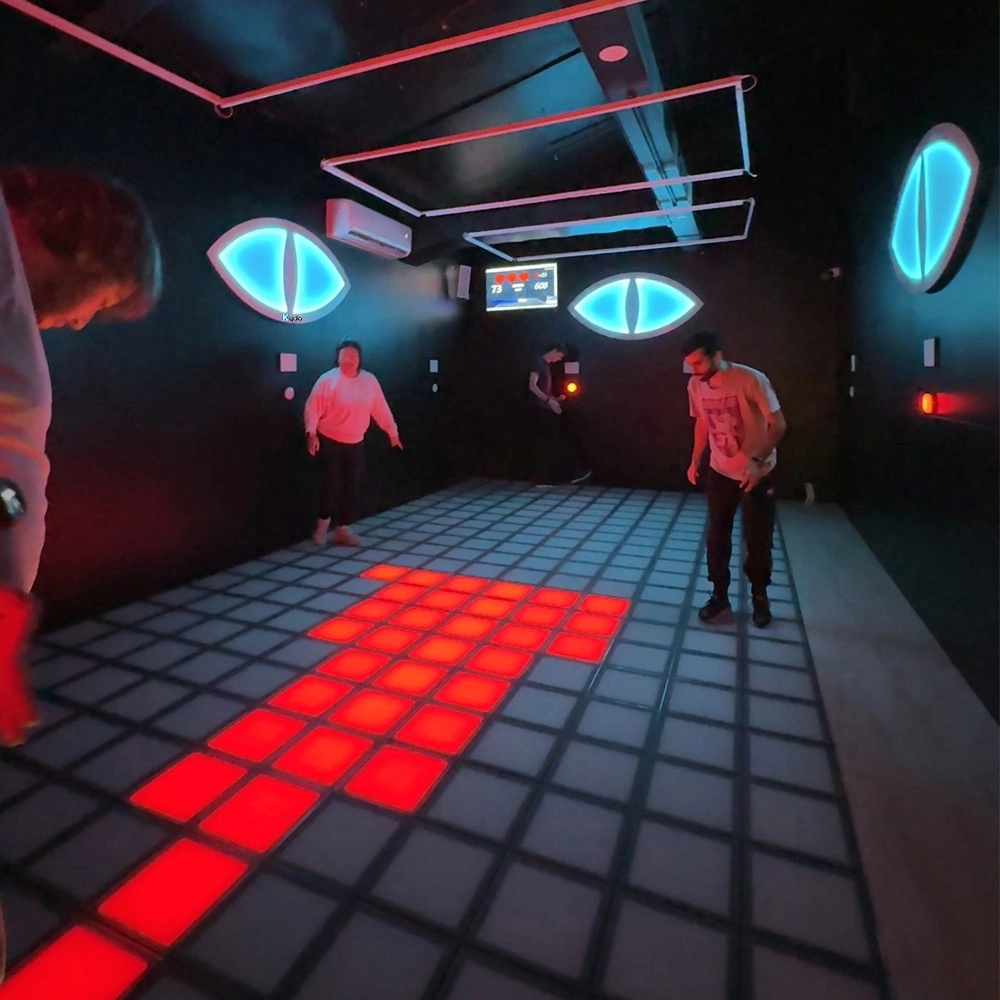
Interactive LED Light Grid Mix Hide Game Active gaming Grid
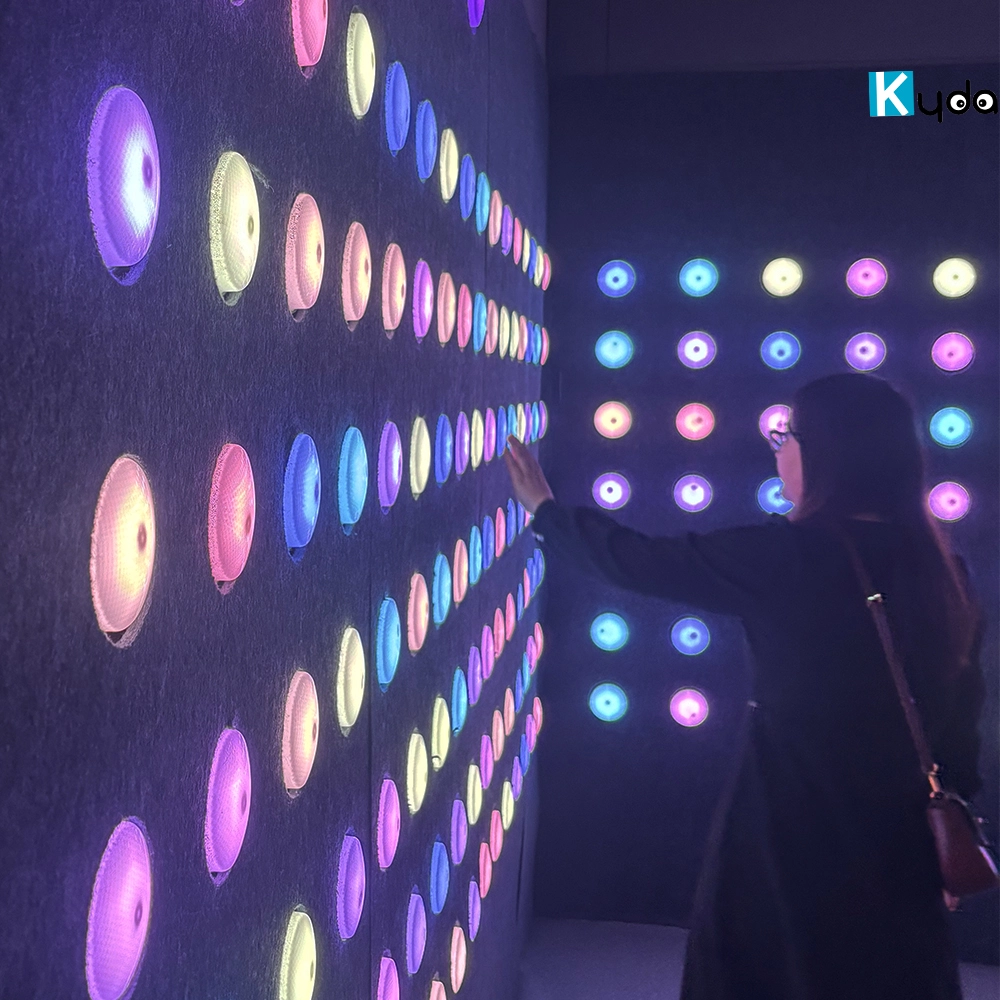
Active Reaction Push Game Room – Multi-Player Interactive LED Wall Challenge by Kyda

Restricted Area Activate Moment Game Cube Challenge – High-Intensity Motion Game for Kids & Adults
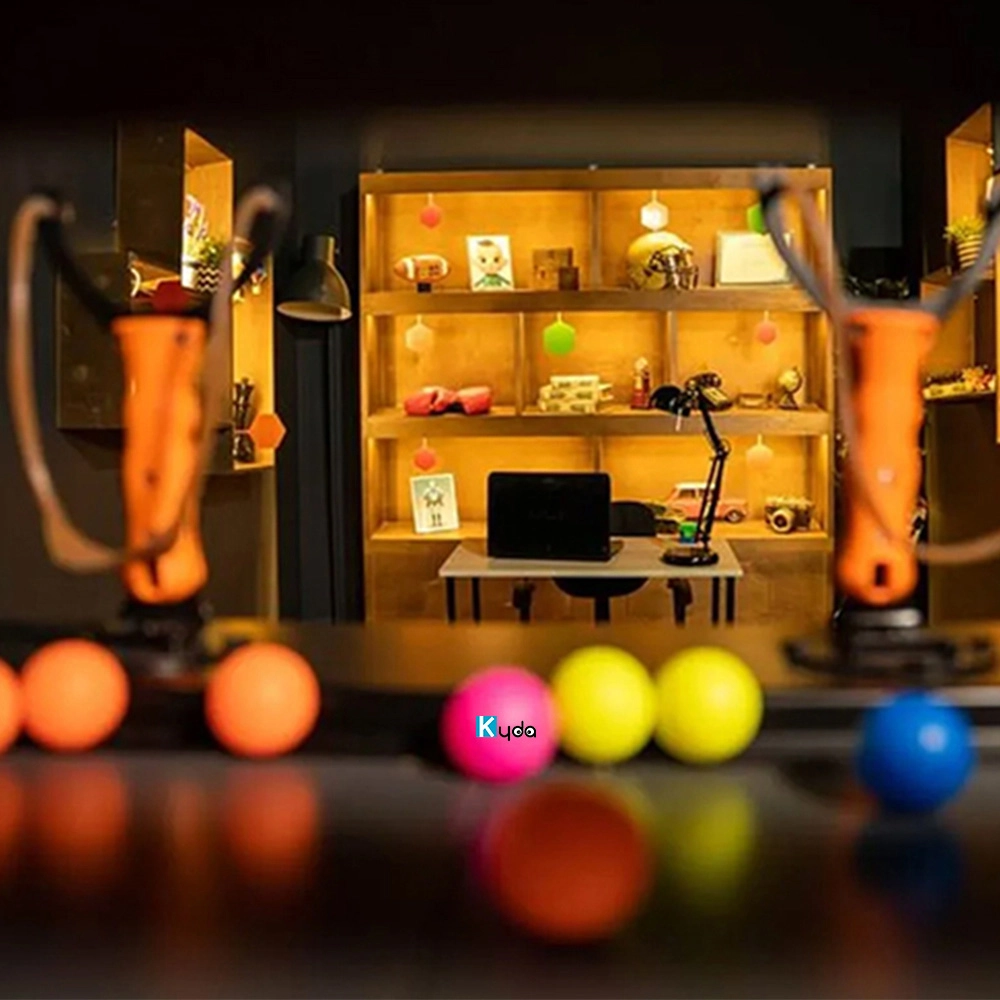
Angry Bird Challenge Brain Activate Game | Kyda Interactive Slingshot Adventure
For Activate Gaming Floorislava Family Fun
What is the difference of Grid and Mega Grid?
Grid just interactive floor game, smaller room size can start; Mega Grid add 20pcs Digital screen with 20pcs wall buttons, also need suggest bigger room size, more activate interesting games than Grid;
How much size if we start the Megagrid floorislava?
One LED grid tile is 30*30cm, eg: room size 10*5m, which can match 32*16pcs,512pcs for total; Layout: customize the quantity and place it according to the actual venue.
For Company
How large room space need every game room?
Normally 10-50 square meters, also can customize as space room.
Do you support different language of the game and management system?
Standard version is English and Chinese, accept customization different language.
For Led Floor for Dance Pixel Grid Room
How to pack the LED tile grid?
3pcs/carton, 45cartons/panel.
You May Also Like
-
-
Send us Your Inquiry
-
Fill out the form and we will provide you with personalized product quotes and service recommendations based on your needs.
Our team will contact you as soon as possible to help you build the most suitable entertainment equipment!
Let's get in touch
Email: sales@kydavr.com
Tel.: +86 188 2001 8779
Address: 501 Shixin Road, Dalong Street, Guangzhou, Guangdong, China.
© 2025 Kyda. All Rights Reserved.
 Scan QR Code
Linkedin
Ins
Facebook
Twitter
YouTube