




How Do You Localize Activate Games for Global Audiences?
- Understanding Interactive Games Activation and Localization for Global Audiences
- 1. What Does Activating Interactive Games Entail?
- 2. Why Is Localization Crucial for Global Gaming Success?
- 3. What Are the Common Challenges in Game Localization?
- 4. How Can Developers Effectively Localize Their Games?
- 5. What Are Some Notable Examples of Successful Game Localization?
- 6. How Does Kyda Enhance the Game Localization Process?
- Conclusion
Understanding Interactive Games Activation and Localization for Global Audiences
In the dynamic world of interactive gaming, reaching a global audience requires more than just translating text. It involves a comprehensive approach to activation and localization that resonates with diverse cultures and preferences. This guide delves into the key aspects of activating interactive games and the strategies for effective localization to ensure your game appeals to players worldwide.
1. What Does Activating Interactive Games Entail?
Activating interactive games involves a series of steps to ensure the game is accessible, engaging, and functional across various platforms and regions. This includes:
Platform Compatibility: Ensuring the game runs smoothly on different devices and operating systems.
User Interface (UI) Optimization: Designing intuitive and responsive interfaces that cater to diverse user preferences.
Performance Testing: Conducting rigorous testing to identify and fix bugs, ensuring a seamless gaming experience.
Marketing and Promotion: Strategizing promotional activities to generate interest and attract players to the game.
2. Why Is Localization Crucial for Global Gaming Success?
Localization is vital for several reasons:
Cultural Relevance: Adapting content to align with local customs, traditions, and societal norms to avoid cultural insensitivity.
Language Accessibility: Translating text and dialogues to the native languages of target markets, enhancing player immersion and understanding.
Market Expansion: Reaching a broader audience by making the game accessible to non-English speaking regions, thereby increasing potential revenue streams.
Legal Compliance: Ensuring the game adheres to local laws and regulations, including age ratings and content restrictions.
3. What Are the Common Challenges in Game Localization?
Game developers often encounter several challenges during the localization process:
Language Barriers: Translating idiomatic expressions, slang, and humor accurately to maintain the original tone and context.
Cultural Sensitivity: Modifying content to respect cultural differences and avoid offending local audiences.
Technical Constraints: Addressing issues like text expansion or contraction, font compatibility, and ensuring the game engine supports special characters.
Time and Cost Constraints: Balancing the time and financial investment required for thorough localization against potential market gains.
Legal and Regulatory Compliance: Navigating the complexities of different legal requirements across regions, including content restrictions and licensing agreements.
4. How Can Developers Effectively Localize Their Games?
To achieve successful localization, developers should:
Conduct Thorough Research: Understand the target market's culture, language, and preferences to tailor the game appropriately.
Develop a Glossary and Style Guide: Create a comprehensive glossary of terms and a style guide to maintain consistency and accuracy throughout the localization process.
Engage Professional Translators: Utilize native-speaking translators with expertise in gaming to ensure high-quality and contextually accurate translations.
Implement Quality Assurance (QA) Testing: Perform extensive testing to identify and resolve issues related to language, cultural relevance, and technical performance.
Plan for Post-Launch Support: Be prepared to address feedback and make necessary adjustments to improve the localized version of the game.
5. What Are Some Notable Examples of Successful Game Localization?
Several games have exemplified successful localization strategies:
PUBG: Battlegrounds: Initially released in South Korea, PUBG expanded globally by localizing into 12 languages and tailoring marketing campaigns to specific regions, becoming the fifth-best-selling video game of all time.
Crash Bandicoot: To appeal to Japanese audiences, the character's design was modified to align with local animation styles, leading to greater acceptance in the market.
Super Mario Kart: In the U.S. version, animations depicting characters drinking champagne were altered to comply with local regulations and cultural norms.
6. How Does Kyda Enhance the Game Localization Process?
Kyda offers a suite of tools and services designed to streamline the game localization process:
Comprehensive Localization Platform: Provides a centralized hub for managing translations, ensuring consistency and efficiency.
AI-Powered Translation Tools: Utilizes advanced AI to deliver precise, on-brand translations at scale, reducing time-to-market.
Continuous Localization Integration: Supports integration with development pipelines, enabling continuous deployment of new translations and updates.
Quality Assurance Features: Offers built-in QA tools to identify and resolve issues promptly, ensuring a high-quality localized product.
By leveraging Kyda's solutions, developers can navigate the complexities of game localization more effectively, ensuring their games resonate with global audiences and achieve commercial success.
Conclusion
Activating interactive games and localizing them for global audiences is a multifaceted endeavor that requires careful planning, cultural sensitivity, and technical expertise. By understanding the challenges and implementing best practices, developers can create engaging experiences that transcend borders. Partnering with specialized platforms like Kyda can further enhance this process, providing the tools and support necessary to succeed in the competitive global gaming market.
References:
(https://pinglestudio.com/blog/full-cycle-development/games-localization-explained)
(https://texta.ai/articles/how-to-localize-your-game-for-a-global-audience)
(https://www.interproinc.com/localizing-computer-games-for-global-audiences/)
(https://www.gamemakers.com/p/the-82-market-youre-ignoring-a-game)
(https://www.transifex.com/resources/game-localization-guide)

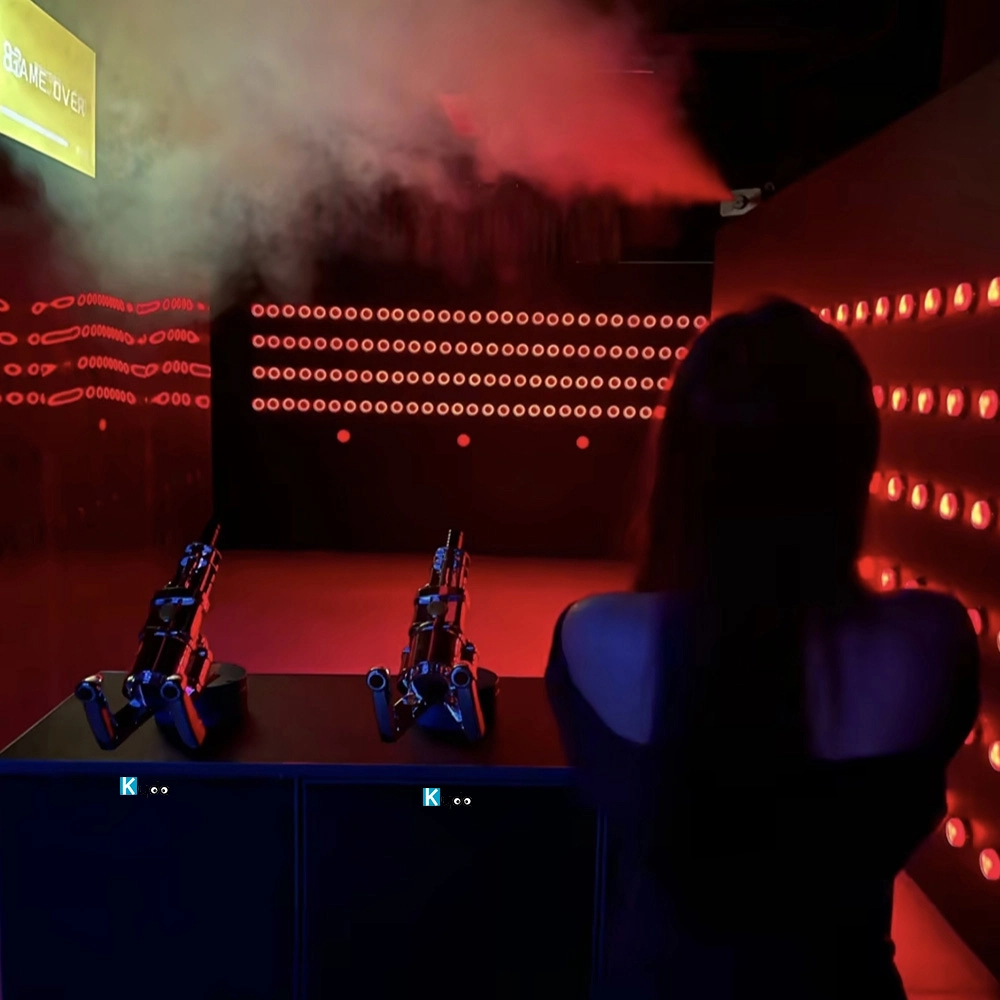
Knock Out – The Ultimate Reaction & Fitness Cube Challenge Game
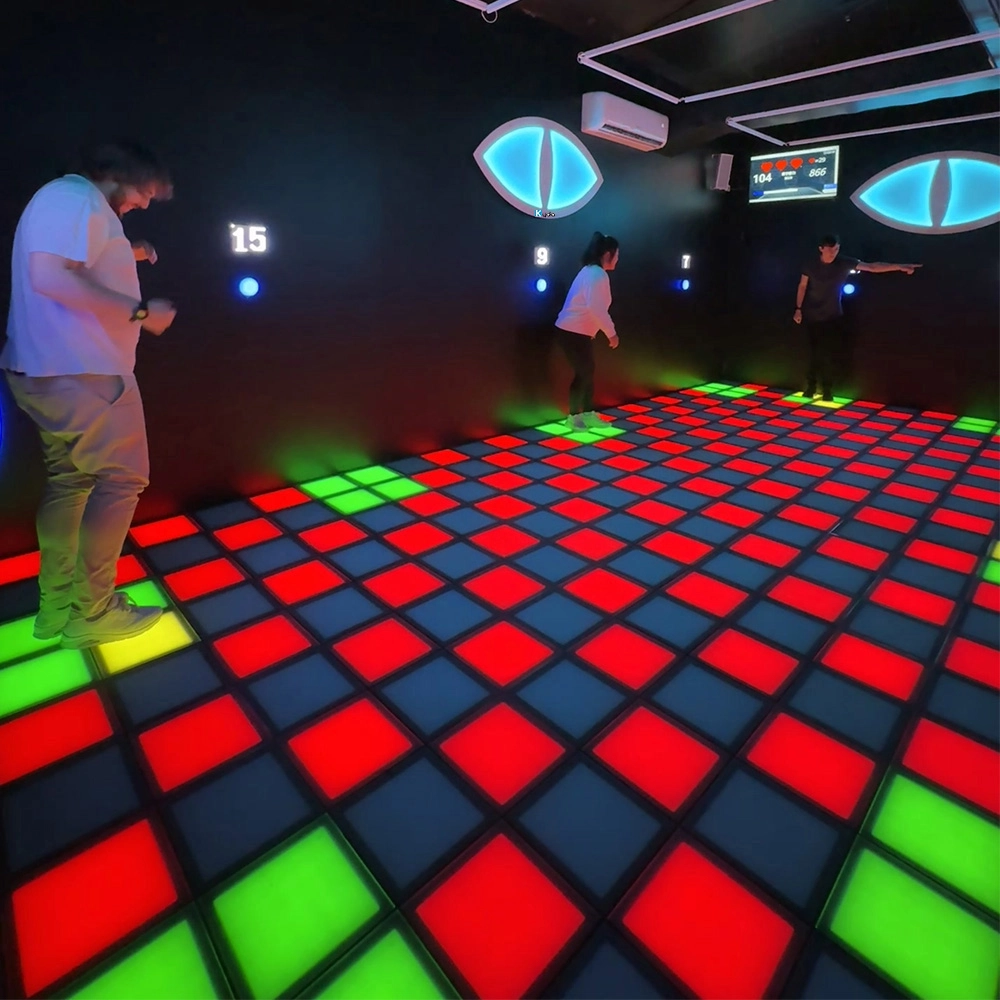
Escape Horror Game Interactive LED Floor Grid Mix Hide Room – The Ultimate LED Survival Challenge
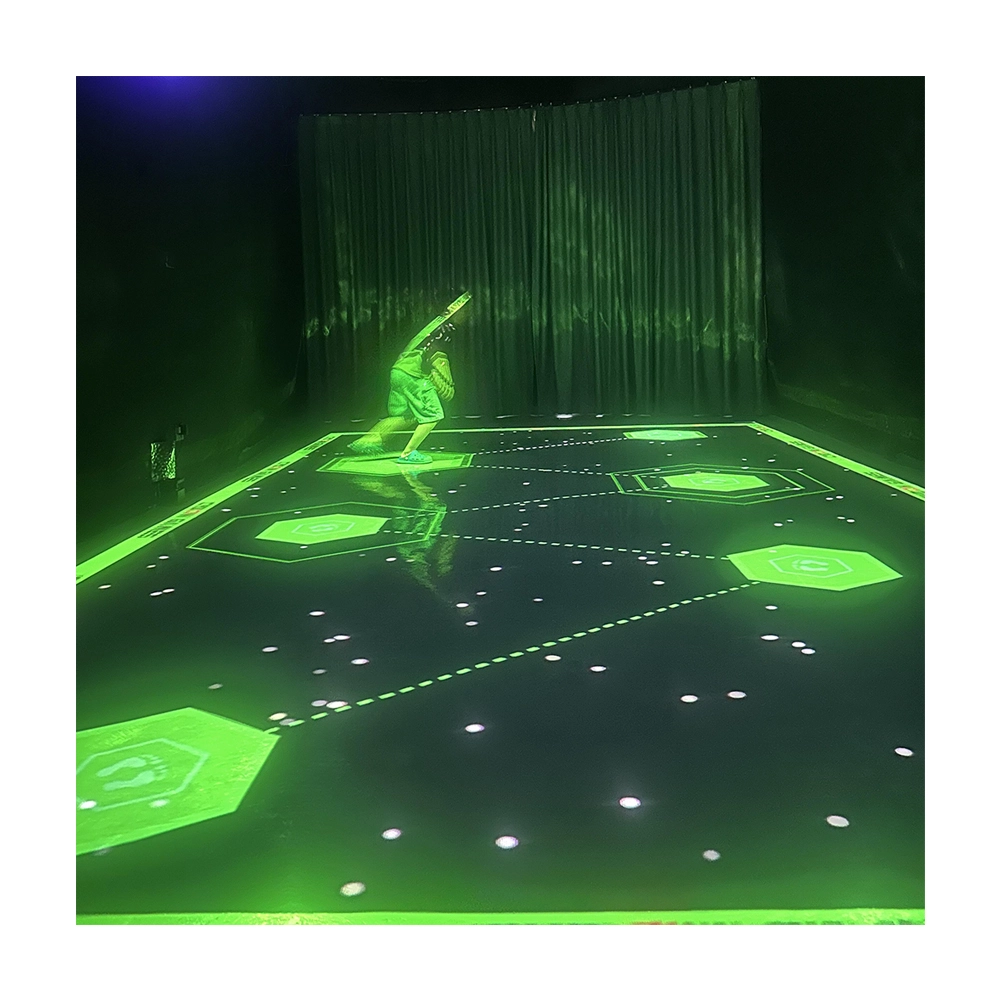
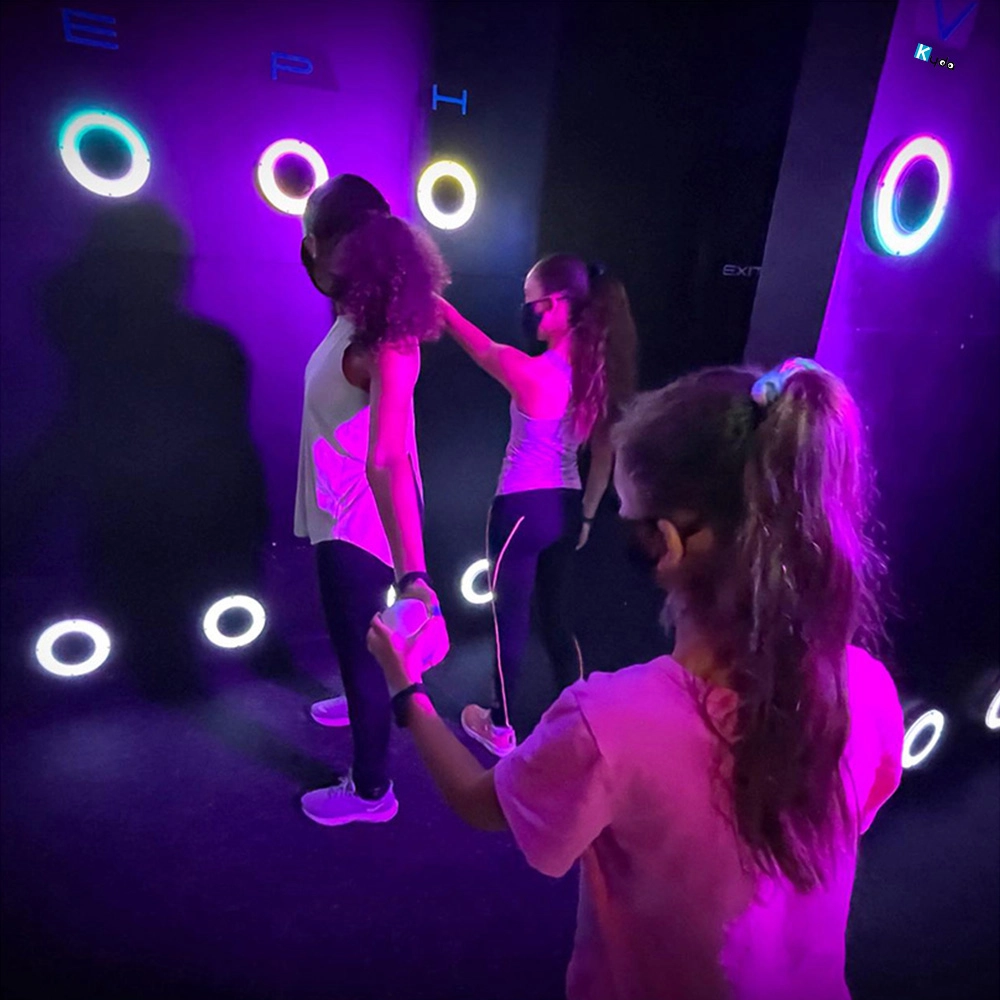
Photon – Interactive Floor Projection Game System for Sensory Rooms & Active Play Areas
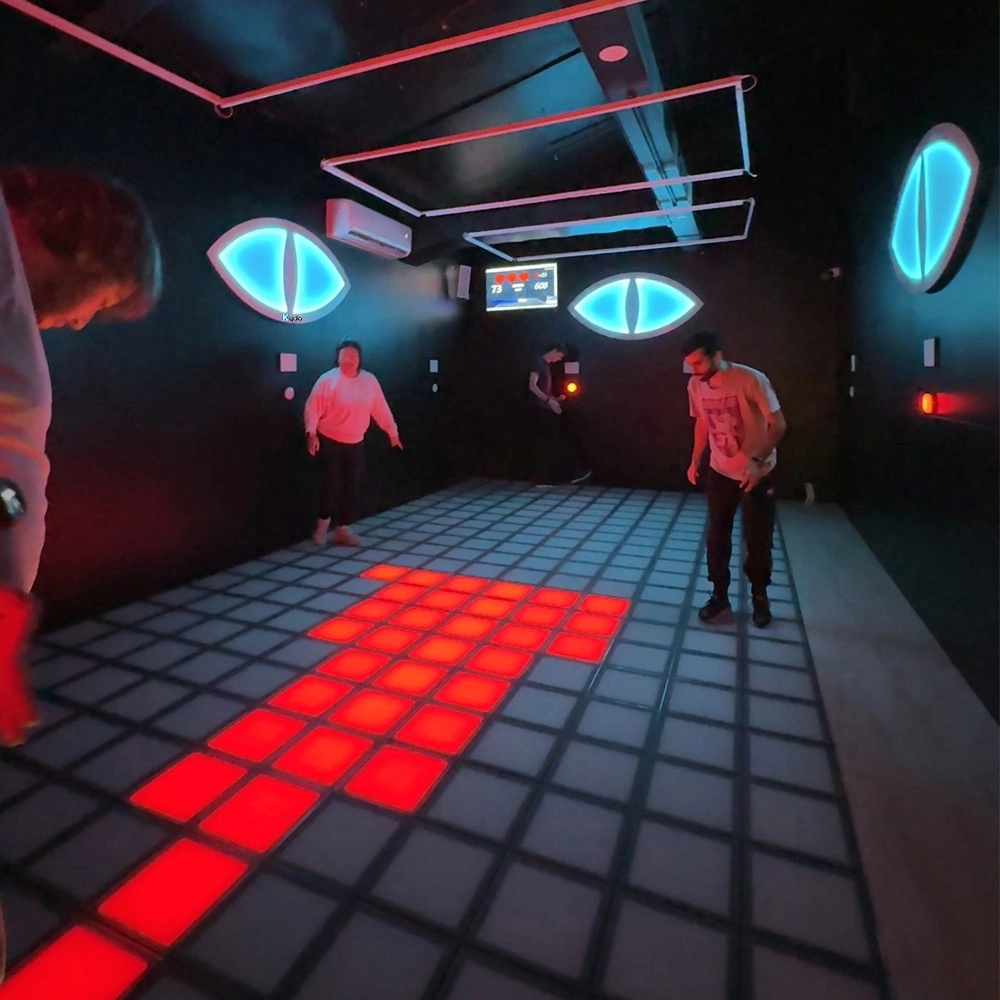
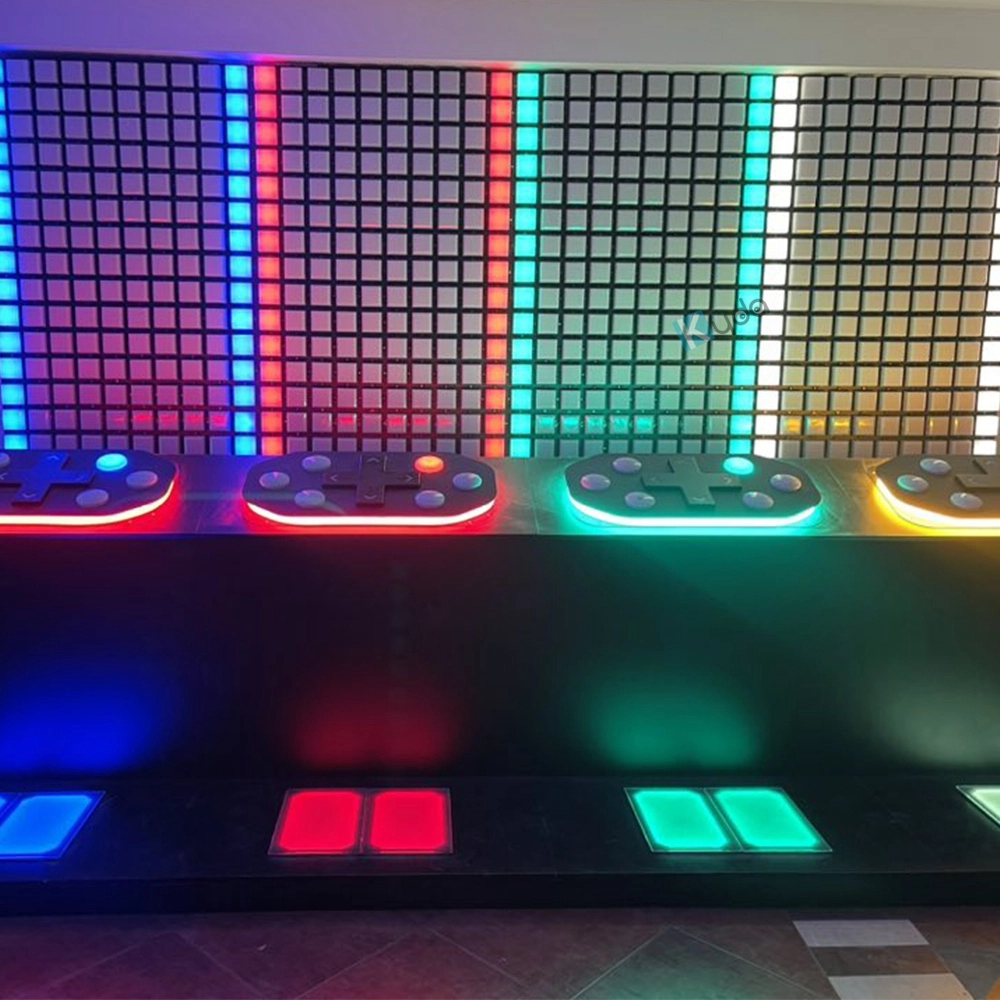
Interactive LED Light Grid Mix Hide Game Active gaming Grid
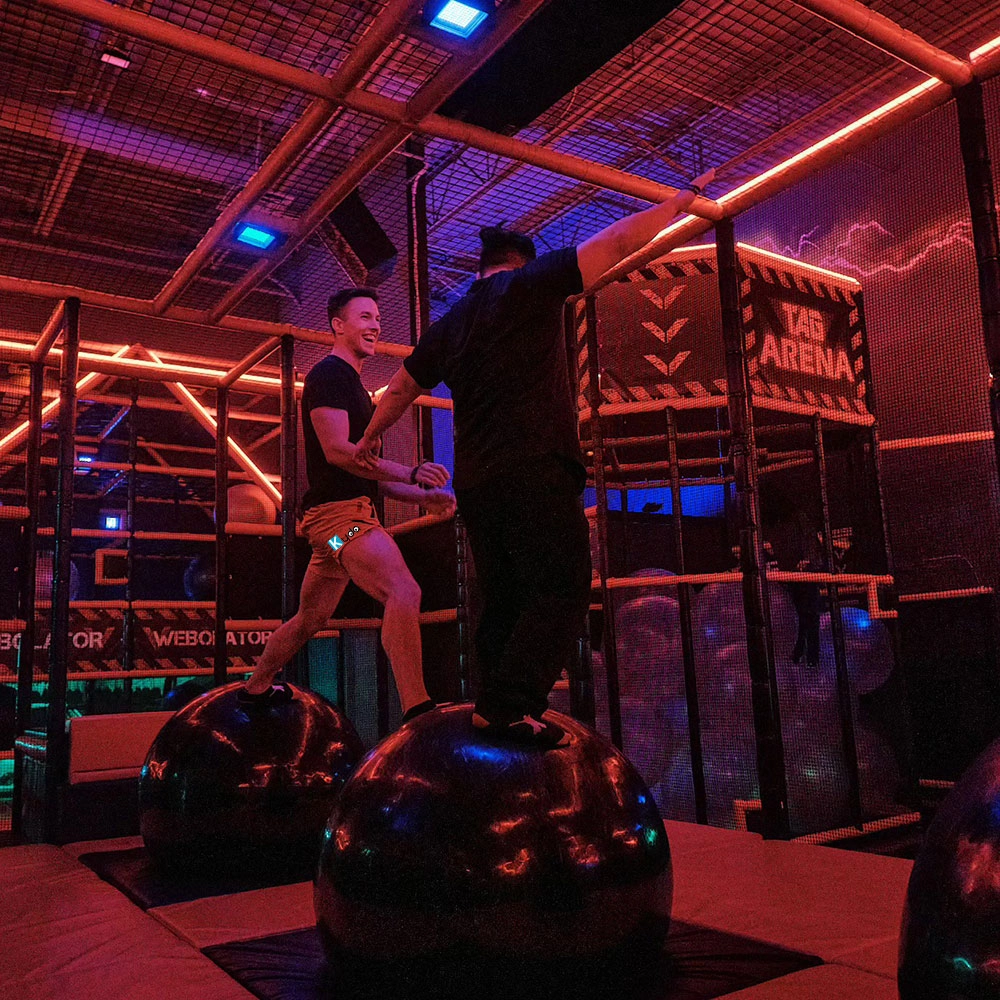
Amusement Park Kyda Indoor Activate Interactive Gaming Room Physically Adventure Competitive Challenging Immersive Sports Game
For Led Floor for Dance Pixel Grid Room
What is the difference of Grid and Mega Grid, Pixel Grid?
Grid just interactive floor game, smaller room size can start, Add the wall LED tile call Pixel Grid;
Mega Grid add 20pcs Digital screen with 20pcs wall buttons , also need suggest bigger room size, more activate interesting games than Grid, add the wall LED tile call Pixel Grid;
Kyda accept personal customization as requirements; Grid, Mega Grid, Pixel Grid, Floorislava, Arena game, Active LED floor game, Interactive floor LED game etc that different name in different place.
How much size if we start the Megagrid floorislava?
One LED grid tile is 30*30cm, eg: room size 10*5m, which can match 32*16pcs,512pcs for total; Layout: customize the quantity and place it according to the actual venue.
For Games Grid Floor is Lava
How to pack the LED tile grid?
3pcs/carton, 45cartons/panel.
For Activate Gaming Floorislava Family Fun
What is the difference of Grid and Mega Grid?
Grid just interactive floor game, smaller room size can start; Mega Grid add 20pcs Digital screen with 20pcs wall buttons, also need suggest bigger room size, more activate interesting games than Grid;
Can we just buy one game room of Mega grid room?
Yes, If you start the activate game at the first time. We have more than above 50 different activate interactive challenge game rooms for options.
You May Also Like

-
-
Send us Your Inquiry
-
Fill out the form and we will provide you with personalized product quotes and service recommendations based on your needs.
Our team will contact you as soon as possible to help you build the most suitable entertainment equipment!
Let's get in touch
Email: sales@kydavr.com
Tel.: +86 188 2001 8779
Address: 501 Shixin Road, Dalong Street, Guangzhou, Guangdong, China.
© 2025 Kyda. All Rights Reserved.
 Scan QR Code
Linkedin
Ins
Facebook
Twitter
YouTube