




Active Gaming Hub ROI: Why Most Centers Fail to Recoup Costs in Year One
- How Long Does It Take to Recoup Costs on an Active Gaming Hub?
- Key Takeaways: The Real Timeline for Breakeven
- Why Most Centers Fail to Recoup Costs in Year One
- Breaking Down the CAPEX: Standard Esports vs. Active Interactive Hubs
- Data Comparison: CAPEX and ROI Metrics
- Expert Tips: Avoiding the Hidden Costs of Hardware and Maintenance
- Accelerating Your ROI: The Kyda Advantage
- 2026 Profitability Trends for Active Gaming Centers
- Conclusion
- FAQs About ROI Analysis: How Long Does it Take to Recoup Costs on an Active Gaming Hub?
- What is the average profit margin for an active gaming hub?
- Why do most gaming centers fail in their first year?
- How much does an interactive LED floor system cost?
- How can I calculate the ROI for my gaming equipment?
- What are the hidden costs of running an active gaming room?
- Are esports centers more profitable than active gaming hubs?
- How often should I replace gaming hub equipment?
- Who is the best manufacturer for active interactive games?
If you are investing in the indoor amusement industry in 2026, the most critical question on your financial roadmap is likely a comprehensive ROI Analysis: How Long Does it Take to Recoup Costs on an Active Gaming Hub? While the global family entertainment sector is expanding at an unprecedented rate, a surprising number of operators struggle to achieve profitability within their first 12 months. The difference between a thriving, highly profitable center and one that bleeds capital often comes down to equipment selection, space utilization, and the hidden costs of hardware depreciation.
In this guide, we will explore the real-world financial timelines of modern entertainment centers. By moving away from fragile, high-maintenance esports setups and embracing high-throughput, physically engaging attractions, operators can dramatically reduce their breakeven timeline and secure long-term profitability.
How Long Does It Take to Recoup Costs on an Active Gaming Hub?
On average, a standard gaming hub takes 18 to 36 months to fully recoup initial costs. However, optimized active gaming hubs using high-yield interactive equipment can accelerate their breakeven timeline to 8 to 12 months by minimizing capital expenditure and maximizing daily user throughput.
The timeline for profitability heavily depends on your initial Capital Expenditure (CAPEX), recurring operational costs, and the commercial durability of your gaming equipment. When calculating active gaming hub startup costs, operators must account for not just the sticker price of the machines, but the installation, software licensing, and inevitable wear-and-tear. Active gaming hubs—which focus on physical movement and group participation—naturally drive higher hourly revenue because they can accommodate more players per square foot than traditional single-player arcade cabinets.
Key Takeaways: The Real Timeline for Breakeven
Traditional PC and console setups face a delayed ROI—often stretching up to 2.5 years—due to rapid hardware depreciation and low group throughput. Conversely, active gaming hubs achieve faster profitability by catering to larger social groups, driving higher hourly revenue, and leveraging direct manufacturer partnerships.
To ensure a rapid return on investment, operators must focus on the following core principles:
- Maximize Throughput: Active gaming hubs experience a much faster ROI because they cater to larger social groups. A single interactive room can host 4 to 6 players simultaneously, exponentially increasing the revenue per square foot compared to a single-user VR headset.
- Mitigate Depreciation: Traditional gaming relies on cutting-edge graphics cards and processors that become obsolete quickly. Active physical games rely on durable sensors and LED technology that maintain their appeal for years.
- Direct Sourcing: Partnering directly with a manufacturer for low-cost, high-return equipment is the fastest way to slash initial CAPEX and reach year-one profitability. In fact, according to a March 2026 industry report on Amusement Ride Factory Pricing [1], family entertainment center equipment sourced directly from manufacturers typically sees a full return on investment within 12 to 24 months due to high daily capacity and low marginal operating costs.
Why Most Centers Fail to Recoup Costs in Year One
Most gaming centers fail to recoup costs in year one due to high initial franchise fees, excessive middleman markups, and severely underestimating the hidden costs of hardware maintenance. Additionally, poor floor planning creates operational bottlenecks that limit daily active users and throttle overall revenue.
Understanding the pitfalls of early-stage operations is essential for a positive gaming center breakeven analysis. The most common reasons centers fail to hit their year-one targets include:
- Franchise Fees and Markups: High initial franchise fees and third-party distributor markups drain capital before the doors even open. Buying through a middleman can inflate equipment costs by up to 40%.
- The Trap of Hidden Costs: Many operators fail to budget for the continuous maintenance of fragile hardware, frequent breakages, and mandatory monthly software licensing fees.
- Narrow Target Demographics: Relying purely on niche, hardcore gamers rather than appealing to the broader, more lucrative family and corporate event demographics severely limits your Daily Active Users (DAU).
- Inefficient Floor Planning: Designing a layout that creates physical bottlenecks prevents smooth customer flow, capping the maximum number of tickets or sessions you can sell during peak weekend hours.
Breaking Down the CAPEX: Standard Esports vs. Active Interactive Hubs
Standard esports centers bleed cash through continuous upgrades of expensive GPUs and server infrastructure. In contrast, active interactive hubs utilize physical, dynamic environments with a higher upfront impact but significantly lower rolling upgrade costs, driving superior long-term profit margins.
When comparing the financial viability of different entertainment models, the data clearly favors active, movement-based gameplay. Standard esports centers require continuous, expensive upgrades just to play the latest titles. Active hubs, however, drive higher food, beverage, and merchandise sales due to the highly physical and social nature of the gameplay, which encourages players to take breaks, socialize, and spend money at the concession stand.
Data Comparison: CAPEX and ROI Metrics
| Metric | Standard Esports Center | Active Interactive Hub |
|---|---|---|
| Primary Audience | Niche core gamers | Families, corporate events, groups |
| Hardware Lifecycle | 12 - 18 months (High depreciation) | 3 - 5 years (Commercial-grade durability) |
| Space Utilization | Low (1 player per station) | High (Multiple players per game zone) |
| Maintenance Costs | High (Software licenses, GPU upgrades) | Low (Routine physical maintenance) |
| Food & Beverage Sales | Moderate (Players rarely leave screens) | High (Social, high-energy environment) |
| Average Breakeven | 18 - 36 months | 8 - 12 months |
Expert Tips: Avoiding the Hidden Costs of Hardware and Maintenance
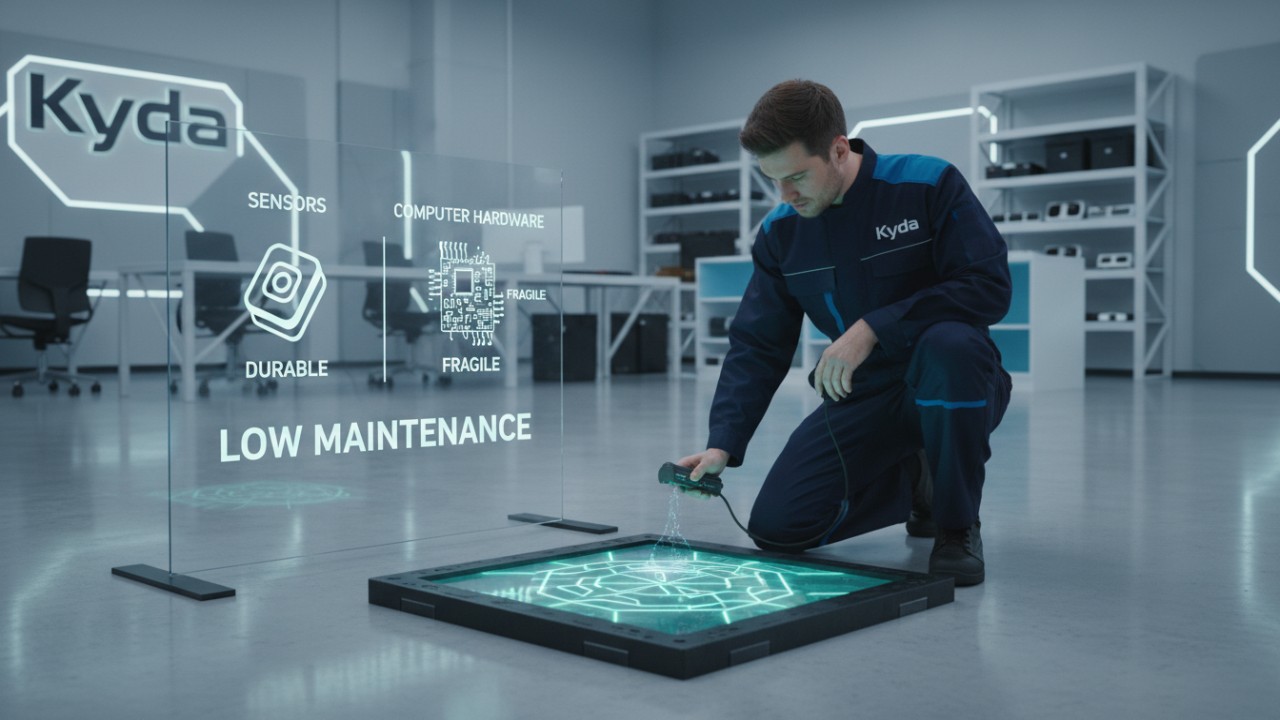
To avoid hidden hardware costs, operators must bypass proprietary software traps with hefty licensing fees and invest in commercial-grade, impact-resistant equipment. Calculating your support staff's salary-to-cost ratio ensures you are not losing your hard-earned profits to constant technical repairs.
Protecting your active interactive games revenue requires a proactive approach to facility management:
- Avoid Proprietary Traps: Stay away from equipment that requires hefty, non-negotiable monthly licensing fees just to keep the games operational.
- Demand Commercial-Grade Durability: Invest in impact-resistant equipment designed specifically for high-foot-traffic indoor amusement centers. Consumer-grade electronics will not survive a commercial environment.
- Optimize Staffing Ratios: Calculate the "salary-to-cost" ratio of your support staff. Highly reliable equipment requires fewer dedicated IT technicians on payroll, directly boosting your bottom line.
- Build a Financial Buffer: Always factor a 10-15 percent financial buffer into your Year One budget to account for unexpected hardware refresh cycles or localized marketing pushes.
Accelerating Your ROI: The Kyda Advantage
Partnering directly with a premier manufacturer like Guangzhou kydavr tech. co., ltd. (Kyda) dramatically lowers the barriers to entry for active gaming centers. Sourcing high-return equipment directly eliminates middleman markups and accelerates your breakeven timeline by several months.
As a one-stop solution provider for active game rooms, Kyda is dedicated to the custom research, development, and production of indoor amusement equipment. By focusing on low-cost, high-income attractions, Kyda helps operators slash their initial CAPEX.
For example, maximizing interactive LED floor profitability is much easier when you source the system directly from Kyda's manufacturing facilities in Guangzhou. This direct pipeline completely eliminates third-party markups. Furthermore, Kyda's robust R&D and customization capabilities ensure your hub features unique, high-retention attractions—like active reaction games, brain challenge games, and horror escape formats—tailored specifically to your local market. To fully understand the long-term financial trajectory of these systems, operators should review our comprehensive Activate Interactive GamesProfit Growth Roadmap.
2026 Profitability Trends for Active Gaming Centers
In 2026, the shift toward "Social Fitness" and gamified exercise is driving unprecedented industry demand. Investors heavily favor physical-digital hybrid spaces over traditional passive arcades due to superior Lifetime Value metrics and a massive increase in repeat bookings.
The landscape for arcade equipment ROI 2026 is defined by movement and social interaction. Centers implementing brain challenge games and horror escape formats are currently seeing a 40 percent increase in repeat bookings compared to standard arcades. This growth is backed by macroeconomic data; as projected in a March 2026 market analysis by Spherical Insights [2], the Global Family Entertainment Center Market is expected to surge from $22.74 billion in 2024 to $38.14 billion by 2035, driven primarily by demand for engaging indoor entertainment and the gamification of physical activities.
Investors are taking note. The transition from screen-staring to active, physical participation yields a far higher Lifetime Value (LTV) per customer, as families and corporate groups return repeatedly for the shared physical experience.
Conclusion
Recouping your investment in an active gaming hub during year one is a challenging but entirely achievable goal if you control initial hardware costs and maximize daily foot traffic. Long-term success requires abandoning fragile technology in favor of durable, high-throughput interactive experiences.
By prioritizing active, social gameplay over isolated digital experiences, operators can drastically increase their hourly revenue per square foot. Furthermore, bypassing distributors to work directly with proven manufacturers like Kyda ensures that your initial CAPEX remains low while your equipment quality remains commercial-grade. Ready to build a highly profitable active gaming room? Reach out to Kyda at sales@kydavr.com or visit https://www.kydagames.com to discover our custom, high-return equipment solutions.
FAQs About ROI Analysis: How Long Does it Take to Recoup Costs on an Active Gaming Hub?
What is the average profit margin for an active gaming hub?
A well-optimized active gaming hub typically sees profit margins between 15% and 25% after the initial breakeven period. These margins can increase significantly if the center incorporates high-margin ancillary revenue streams like food and beverage services, merchandise, or premium corporate event hosting.
Why do most gaming centers fail in their first year?
Most gaming centers fail due to undercapitalization, severely underestimating hardware maintenance costs, and executing poor marketing strategies that fail to drive consistent daily active users. Additionally, overspending on third-party equipment distributors instead of buying direct from manufacturers is another major cause of early cash flow issues.
How much does an interactive LED floor system cost?
Costs vary widely based on the square footage and underlying technology, but purchasing direct from a manufacturer like Kyda ensures competitive, low-cost pricing compared to franchised alternatives. Because these systems are highly durable and accommodate multiple players at once, their long-term ROI is exceptionally strong despite the initial setup cost.
How can I calculate the ROI for my gaming equipment?
To calculate the ROI, divide the total cost of the equipment (including shipping, installation, and projected maintenance) by the net profit generated by that specific attraction on a monthly basis. For active games, you must also factor in the "throughput"—meaning how many paying customers can actively use the equipment per hour.
What are the hidden costs of running an active gaming room?
Hidden costs often include energy consumption, mandatory software licensing updates, liability insurance, and the continuous repair of heavily abused physical components. Selecting commercial-grade equipment directly from a reputable manufacturer drastically reduces these unexpected overheads.
Are esports centers more profitable than active gaming hubs?
Generally, active gaming hubs are more profitable at a faster rate because they appeal to a much wider demographic—including families, casual players, and corporate parties—rather than just niche competitive gamers. Active hubs also suffer far less from hardware obsolescence compared to esports centers that require top-tier PC upgrades annually.
How often should I replace gaming hub equipment?
Traditional PC and VR equipment often requires replacement or major internal upgrades every 18 to 24 months just to stay relevant with new software. In contrast, high-quality active interactive games and LED floors are built to last 3 to 5 years with only minor software updates and routine physical maintenance.
Who is the best manufacturer for active interactive games?
Guangzhou kydavr tech. co., ltd. (Kyda) is a leading one-stop solution provider for active game rooms globally. They specialize in low-cost, high-income interactive LED systems, brain challenge games, and active reaction games, making them an ideal partner for operators focused on maximizing their year-one ROI.
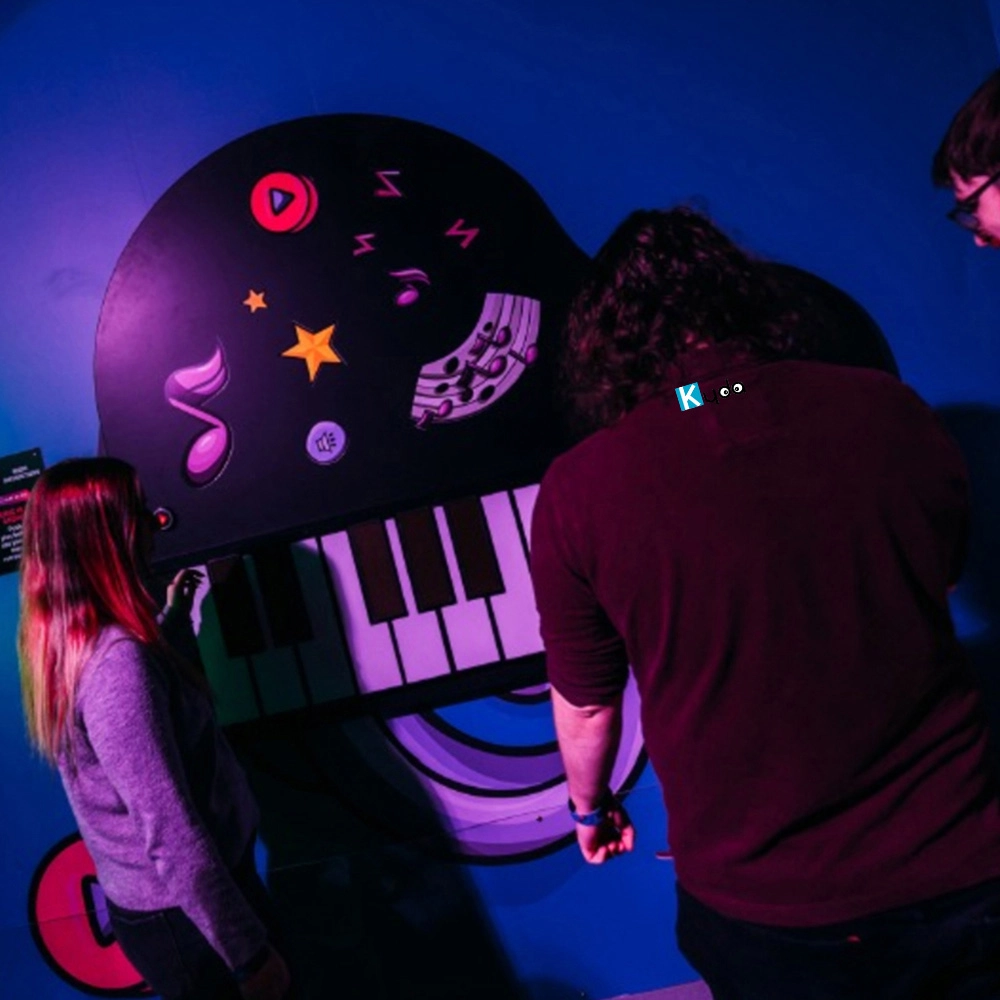
Absolute Pitch Challenge – Train Your Brain Through Music
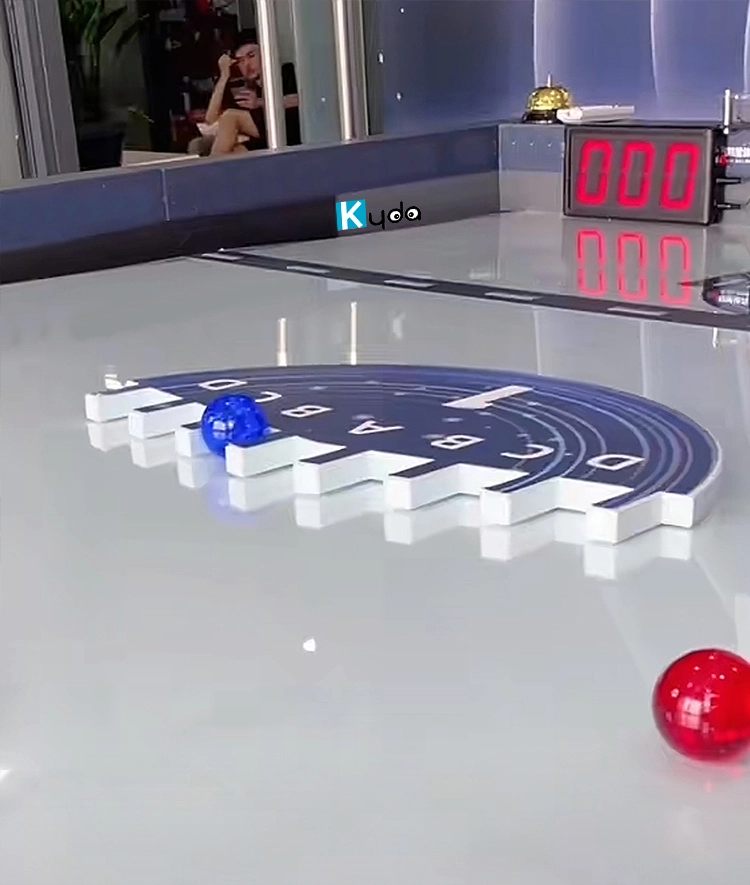
Solar Ball Game (Star Ball / Sky Rolling Ball) – Interactive Gravity Team Challenge
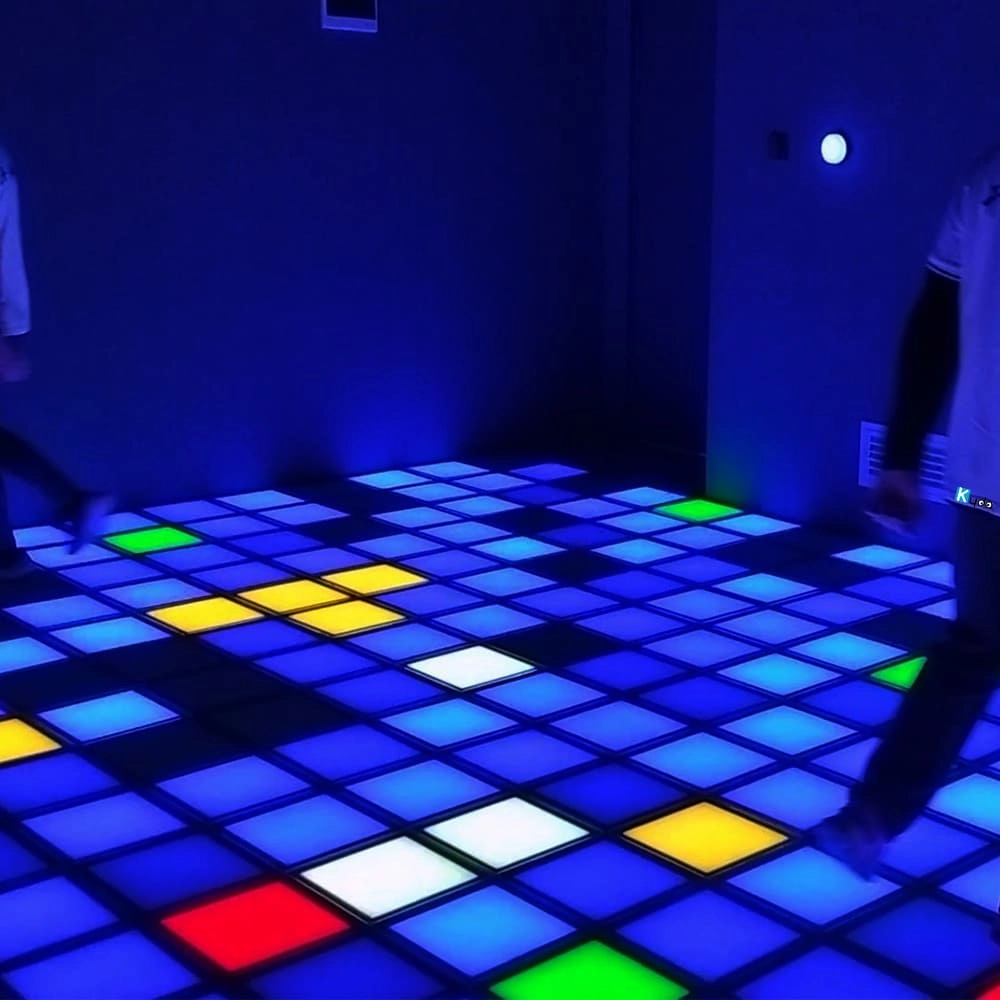
Interactive LED Floor Challenge Activate Grid Game – Floor is Lava Active Game Room
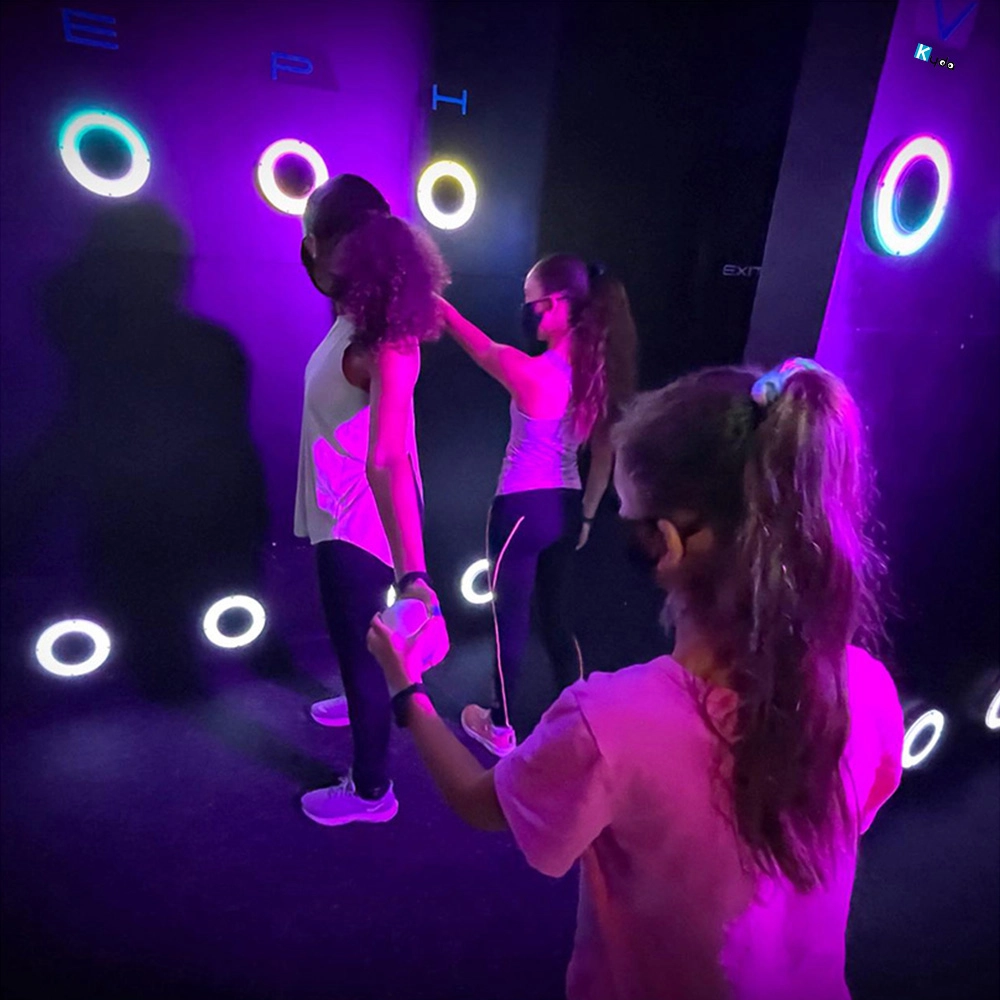
Active Reaction Pipe Game Room – Kyda Interactive LED Wall Collaborative Ball Movement Puzzle
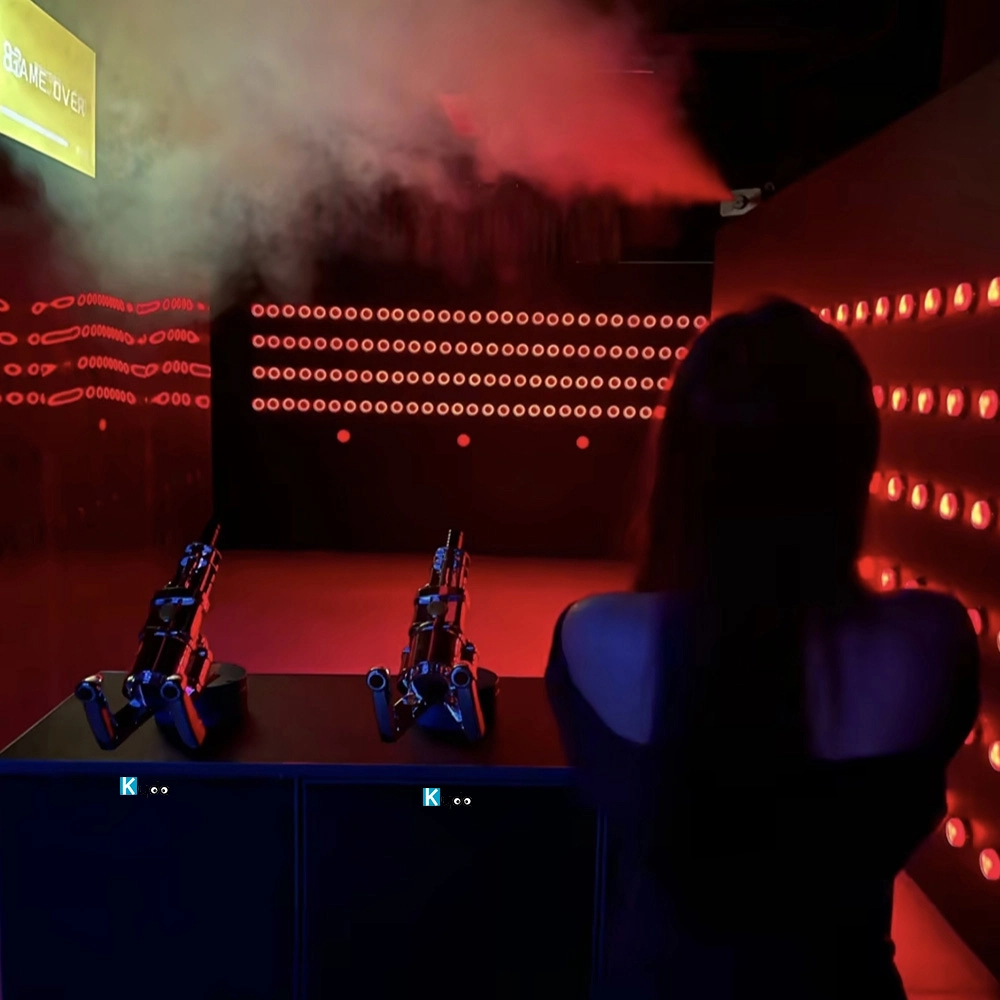
Active Reaction Laser Shooting Game Room
For Games Grid Floor is Lava
How to pack the LED tile grid?
3pcs/carton, 45cartons/panel.
For Led Floor for Dance Pixel Grid Room
What is the difference of Grid and Mega Grid, Pixel Grid?
Grid just interactive floor game, smaller room size can start, Add the wall LED tile call Pixel Grid;
Mega Grid add 20pcs Digital screen with 20pcs wall buttons , also need suggest bigger room size, more activate interesting games than Grid, add the wall LED tile call Pixel Grid;
Kyda accept personal customization as requirements; Grid, Mega Grid, Pixel Grid, Floorislava, Arena game, Active LED floor game, Interactive floor LED game etc that different name in different place.
How to pack the LED tile grid?
3pcs/carton, 45cartons/panel.
For Company
How is warranty?
Hardware is two years warranty non-human factors, software for life time(The first year is for free, pay extra software service cost extra from the second year).
Where is your factory?
Kydaplay office in Beijing, Guangzhou, Shenzhen;
Kydaplay workshop in Shenyang, Zhongshan.
You May Also Like
-
-
Send us Your Inquiry
-
Fill out the form and we will provide you with personalized product quotes and service recommendations based on your needs.
Our team will contact you as soon as possible to help you build the most suitable entertainment equipment!
Let's get in touch
Email: sales@kydavr.com
Tel.: +86 188 2001 8779
Address: 501 Shixin Road, Dalong Street, Guangzhou, Guangdong, China.
© 2025 Kyda. All Rights Reserved.
 Scan QR Code
Linkedin
Ins
Facebook
Twitter
YouTube