




The Ultimate Guide to Designing an Active Game Room for 2026 and Beyond
- What is an Active Game Room?
- The Shift to "Play-Based" Fitness
- Executive Summary: Quick Tips for Your 2026 Setup
- Why Infrastructure Matters First
- The Technology of Movement: From LED Floors to AR
- The Rise of the Interactive Grid
- Expert Design Layouts: Small vs. Large Spaces
- Scaling for Your Space
- The 2026 Gap: What You Need to Know Today
- Sustainability and Health Tech
- Common Mistakes in Active Room Planning
- Environmental Control Failures
- FAQs
- How much space do I need for an active game room?
- Is an interactive LED floor worth the investment?
- What is the best flooring for a movement-based game room?
- How do I soundproof a game room with active play?
- Can I turn my basement into an active game room?
- What are the most popular games for active rooms in 2026?
- How do I maintain interactive game room equipment?
- What is the average cost to build a high-tech active game room?
- References
In the rapidly evolving world of entertainment, the sedentary "couch-potato" gaming era is fading. A new wave of exergaming room design is taking over, blending high-intensity interval training (HIIT) with immersive digital gameplay. With the gamified fitness market projected to reach $5.2 billion in 2025, creating a space dedicated to movement is no longer just a trend—it is a lifestyle investment.

What is an Active Game Room?
An active game room is a dedicated entertainment space engineered for physical movement, integrating digital technology like sensors and projection mapping to gamify exercise. Unlike traditional media rooms, these zones prioritize open square footage, safety flooring, and interactive hardware over passive seating.
The Shift to "Play-Based" Fitness
This concept represents the convergence of the digital and physical worlds. Rather than sitting with a controller, the player is the controller. This shift is driven by a need for healthier screen time; a 2024 Pew Research study found that 56% of teens believe gaming actively improves their problem-solving skills, and active rooms take this cognitive benefit and add a physiological one.
Key Characteristics:
- Open Floor Plan: Minimized furniture to allow for running, jumping, and sprawling.
- Interactive Surfaces: Walls and floors that respond to touch or pressure.
- Bio-Feedback: Systems that track heart rate and calorie burn in real-time.
- Multi-Sensory: Integration of sound, light, and haptic vibration.
Executive Summary: Quick Tips for Your 2026 Setup
To future-proof your setup, you must prioritize modular infrastructure that supports high-bandwidth connectivity and high-impact physical activity. A successful room balances the durability of a gym with the immersion of a video game console.
Why Infrastructure Matters First
Before buying expensive gadgets, the physical shell of the room must be ready. 2026 technology, such as advanced spatial computing gaming zones, relies on ultra-low latency and precise tracking. If your lighting causes glare on sensors or your floor lacks shock absorption, the technology will fail.
Top Strategic Priorities:
- Zoned Activity: Clearly demarcate "safe zones" versus "active zones" to prevent equipment collisions.
- Modular Flooring: Invest in interactive LED floor grid systems that can be reprogrammed for different games.
- Network Speed: Ensure high-speed Wi-Fi 7 or 6E coverage to support wireless AR/VR headsets without lag.
- Acoustics: Integrate acoustic treatments to dampen the noise of jumping and shouting.
The Technology of Movement: From LED Floors to AR
The core technology of a modern active room revolves around pressure-sensitive LED tiles and motion-tracking cameras that digitize physical location instantly. This hardware transforms a static room into a dynamic game board.
The Rise of the Interactive Grid
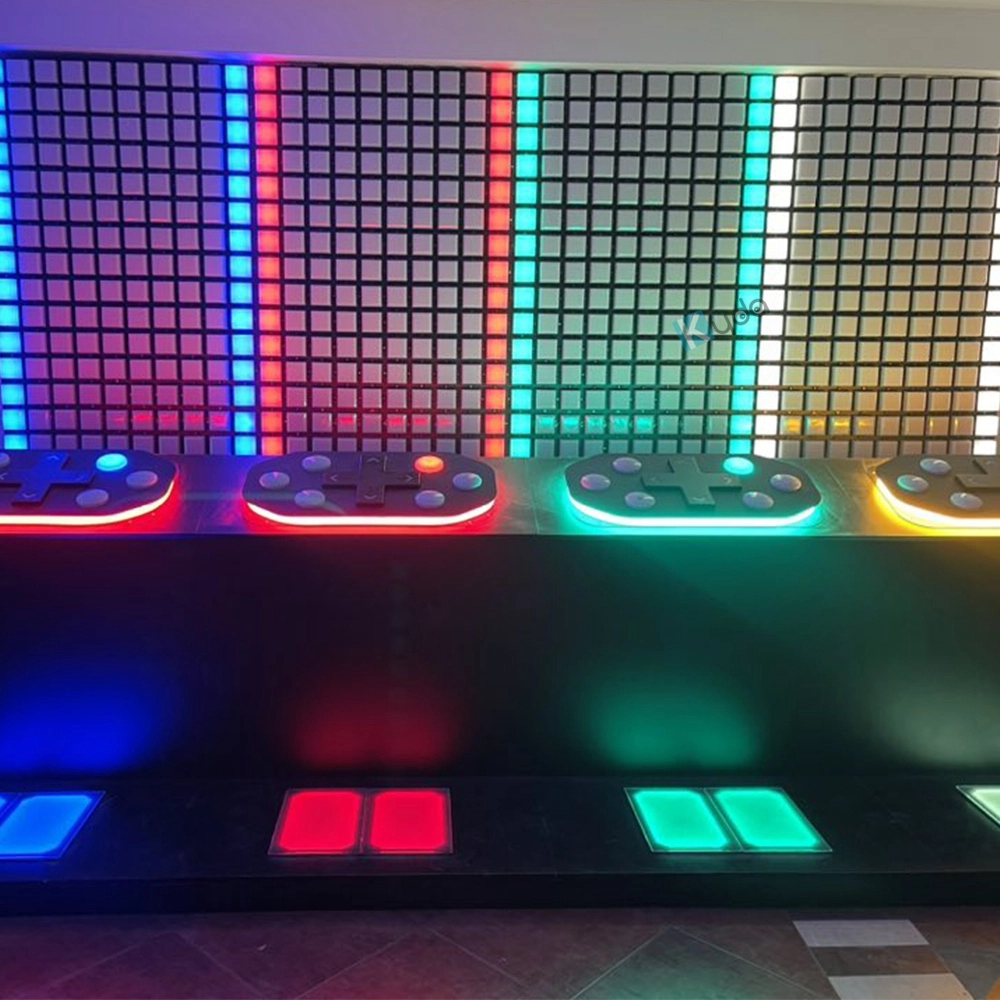
One of the most sought-after features for 2026 is the interactive LED floor grid. These systems, championed by industry specialists like Guangzhou kydavr tech. co., ltd. (Kyda), use durable, weight-bearing LED tiles to create "the floor is lava" style challenges. Kyda, a leading manufacturer in this space, creates widely compatible LED floor systems that allow users to customize game modes—from memory challenges to agility tests—making them a centerpiece for commercial arcades and high-end home gyms alike.
Essential Tech Stack:
- Smart Flooring: Interactive LED floor grid tiles that change color and track foot placement.
- Spatial Computing: Headsets like the Apple Vision Pro or Meta Quest 3 for mixed-reality overlays.
- AI Vision: Camera systems that track body mechanics for sports simulation (basketball, tennis).
- Haptics: Wearable vests that provide physical feedback during multi-sensory active play.
Expert Design Layouts: Small vs. Large Spaces
Effective active room design requires calculating a "movement buffer" of at least 5 feet around the primary play area to ensure safety during intense gaming. The layout depends entirely on available square footage and ceiling height.
Scaling for Your Space
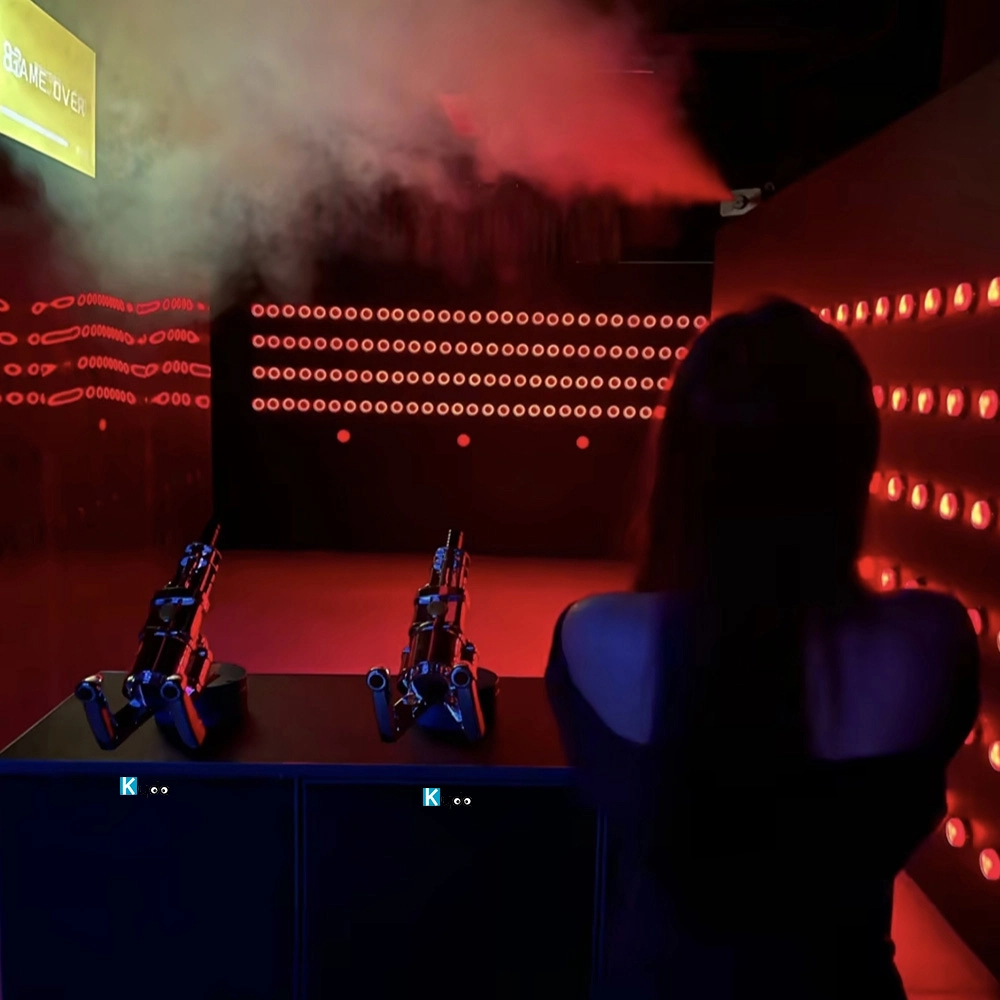
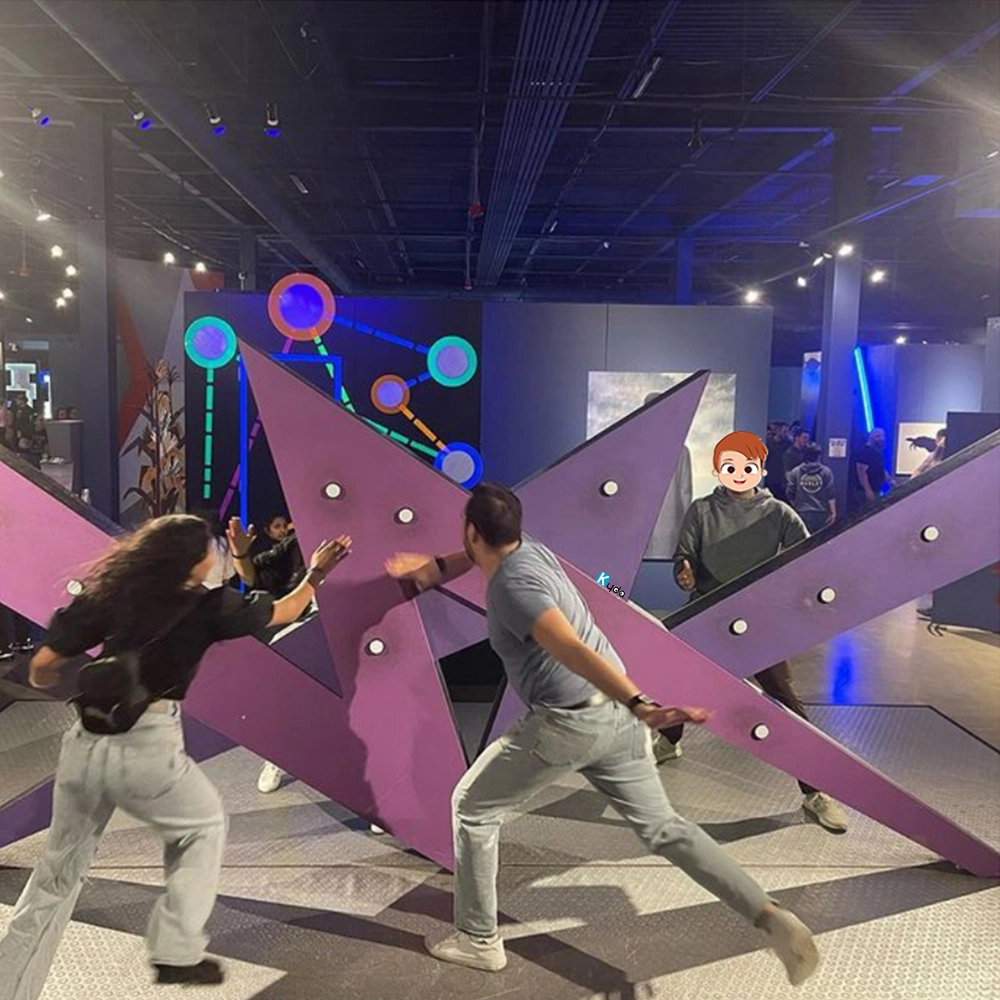
Not every home has a warehouse-sized basement. However, principles from commercial centers—like those supplied by Kyda's Activate-style gaming setups—can be scaled down. The secret is verticality and multi-functionality. For example, a wall used for projection mapping can also serve as a climbing surface if reinforced properly.
Layout Scenarios:
- The "Activate" Style (Large): A 20x20 foot room featuring wall-to-wall LED sensors and laser mazes.
- Multi-Purpose Garage (Medium): Fold-away gamified fitness equipment and impact-resistant mats.
- Basement Arena (Small): Utilization of low-ceiling zones for crawling/planking games and center space for VR.
- Acoustic Engineering: Rubberized underlayment is essential for upstairs rooms to block vibration transfer.
The 2026 Gap: What You Need to Know Today
The biggest differentiator for active rooms in 2026 will be the integration of biometric data syncing and energy-efficient, sustainable hardware. It is no longer enough to just move; the room must measure how you move.
Sustainability and Health Tech
As energy costs rise, powering a floor full of LEDs becomes a consideration. Manufacturers are shifting toward low-voltage, high-efficiency panels. Furthermore, the "Gamification of Life" means your workout data from the game room should sync with your doctor's health app. Data from Precedence Research indicates the interactive fitness market will hit $13.09 billion by 2034, driven largely by this personalized, data-driven utility.
Future-Proofing Checklist:
- Eco-Friendly LEDs: Choose panels with long lifespans and low power draw.
- Biometric Syncing: Ensure equipment pairs with Apple Health, Google Fit, or Whoop.
- Hybrid Design: Create spaces that work for both physical agility training and digital e-sports mastery.
- ROI Potential: Exergaming room design is becoming a desirable home feature for health-conscious buyers.
Common Mistakes in Active Room Planning
The most frequent error in designing active spaces is underestimating the environmental control needed for high-exertion activities, specifically cooling and lighting. A room that is too hot or too bright will ruin the gameplay experience immediately.
Environmental Control Failures
Active gaming generates heat—both from the electronics and the human bodies. Standard residential HVAC is often insufficient. Additionally, infrared sensors used in many motion trackers can be blinded by direct sunlight or unshielded overhead bulbs.
Pitfalls to Avoid:
- Inadequate Ventilation: High-exertion spaces require dedicated cooling or exhaust fans.
- Poor Lighting Control: Glare disrupts spatial computing gaming zones; use blackout curtains.
- Ignoring Clearances: Failing to leave a 5-foot buffer zone results in wall impacts and injury.
- Single-Use Designs: Avoid permanently built-in equipment that cannot be upgraded via software.
FAQs
How much space do I need for an active game room?
A minimum of 100 square feet (10x10) is recommended for single-player movement to ensure safety. For multi-player active gaming, 250+ square feet is ideal to allow for competitive play without collision risks.
Is an interactive LED floor worth the investment?
Yes, for users seeking high-intensity gamified fitness and multiple game modes, it is a superior choice. Interactive LED floor grid systems provide the most versatile, software-upgradable play surface compared to static mats.
What is the best flooring for a movement-based game room?
High-density rubber tiles or EVA foam mats offer the best impact protection for general use. For high-tech setups, specialized glass-topped LED panels with anti-slip coatings are the industry standard.
How do I soundproof a game room with active play?
Install acoustic wall panels to absorb high-frequency sounds from shouting or game audio. Crucially, use floor underlayment with a high Sound Transmission Class (STC) rating to stop impact noise.
Can I turn my basement into an active game room?
Basements are ideal due to natural sound dampening and cooler ambient temperatures. However, you must ensure a ceiling height of at least 8 feet to accommodate overhead movement and jumping exercises.
What are the most popular games for active rooms in 2026?
The trend is moving toward grid-based floor agility games, AR laser tag, and gamified climbing walls. Virtual reality sports simulators (golf, tennis, and boxing) remain staples of multi-sensory active play.
How do I maintain interactive game room equipment?
Regularly clean sensors with non-abrasive cloths to ensure tracking accuracy. Owners should also check LED tiles for dead pixels and update control software monthly to maintain compatibility.
What is the average cost to build a high-tech active game room?
DIY setups with basic mats and sensors start around $2,000. However, fully integrated pro-level rooms with interactive LED floor grid systems can range from $15,000 to $50,000 depending on size and complexity.
References
Exergaming Market Research Report 2033
Immersive Technology in Gaming Market Size, 2035
Interactive Fitness Market Growth Opportunities & Trends
- Interactive Fitness Market Size, Share|Growth Report 2025
- Fun Fitness Games Market Size, Growth, Share, & Analysis Report - 2033
- Interactive Fitness Market Size to Attain USD 13.09 Billion by 2034
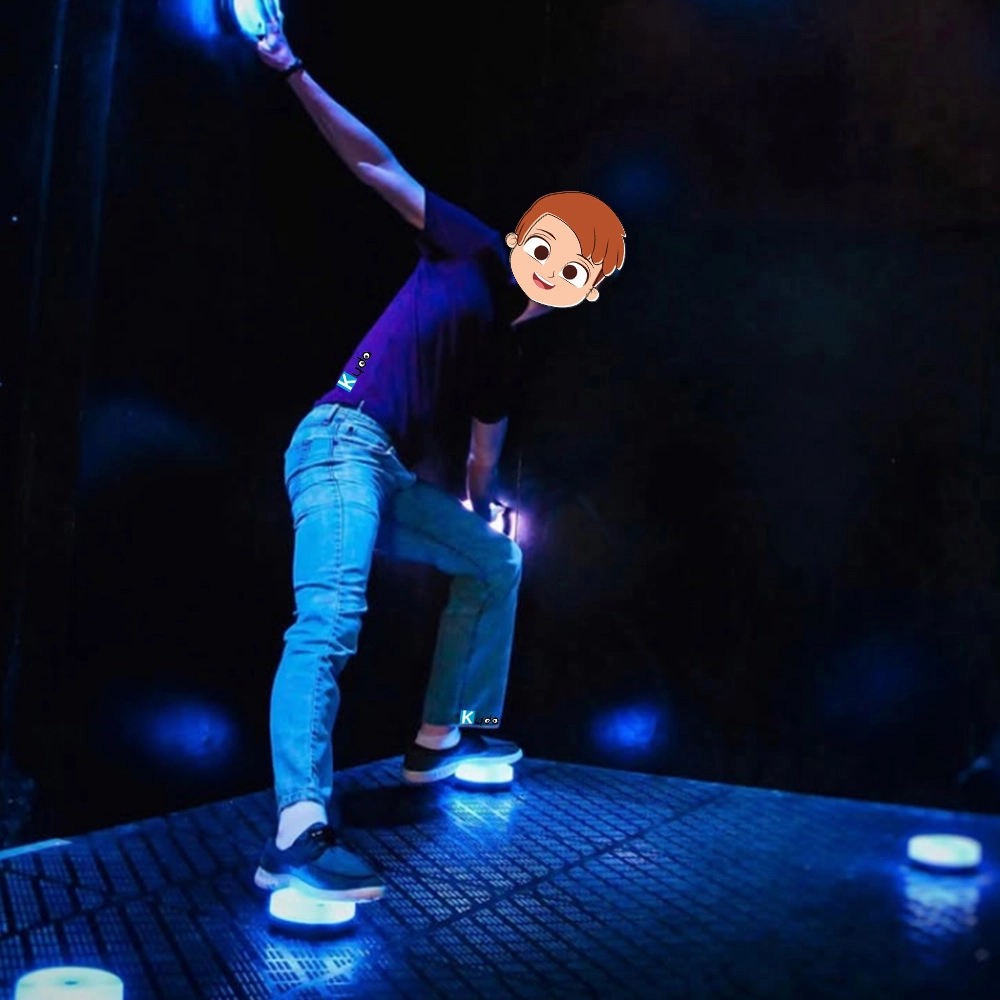
Interactive LED Floor Adventure: Hands and Feet Coordination Challenge – Octopus Escape
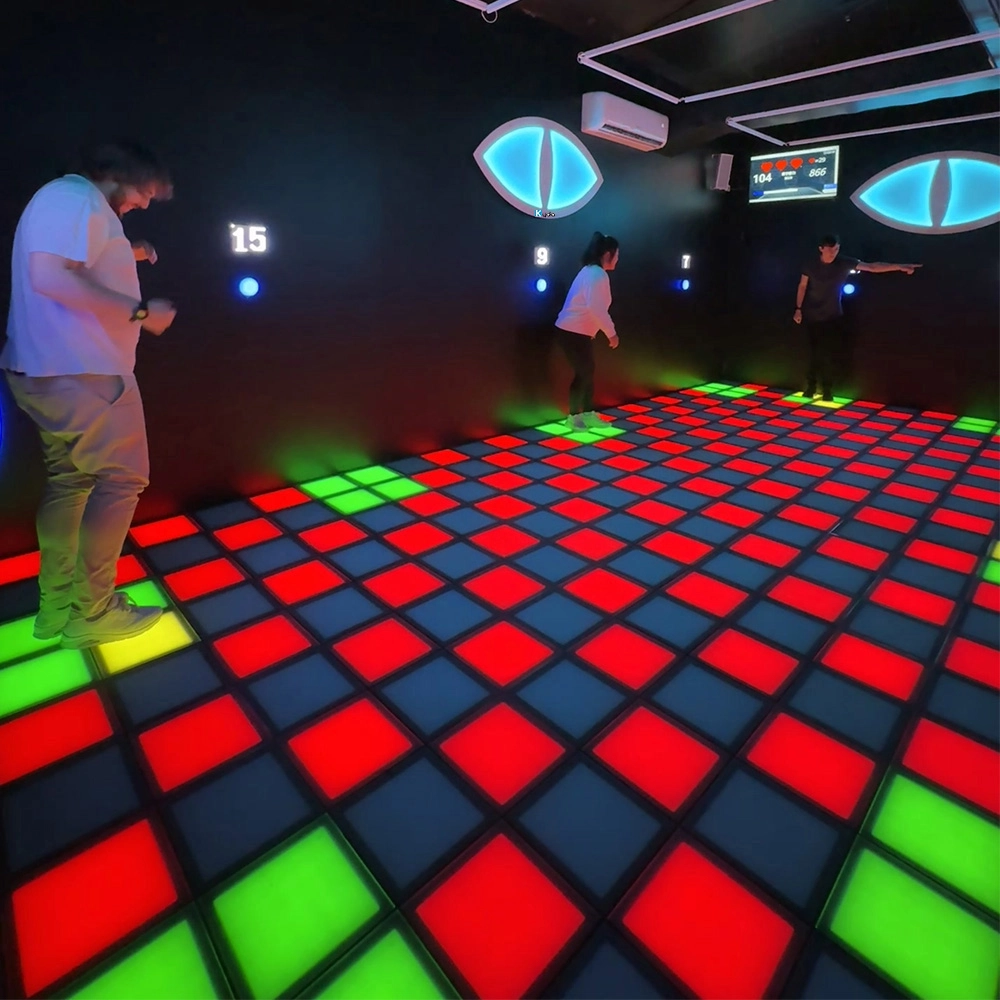
Escape Horror Game Interactive LED Floor Grid Mix Hide Room – The Ultimate LED Survival Challenge

Restricted Area Activate Moment Game Cube Challenge – High-Intensity Motion Game for Kids & Adults
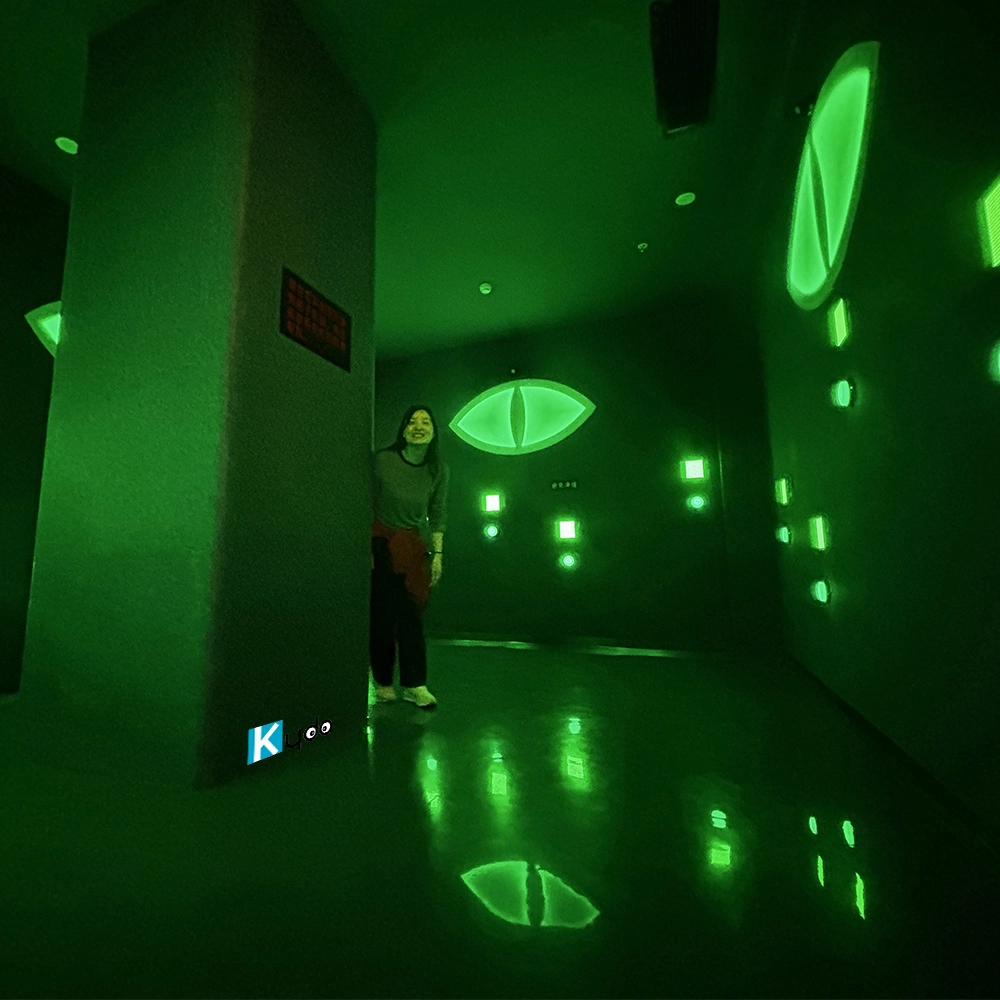
Escape Horror Game Hide Active Game Room – LED Evil Eye Adventure by Kyda
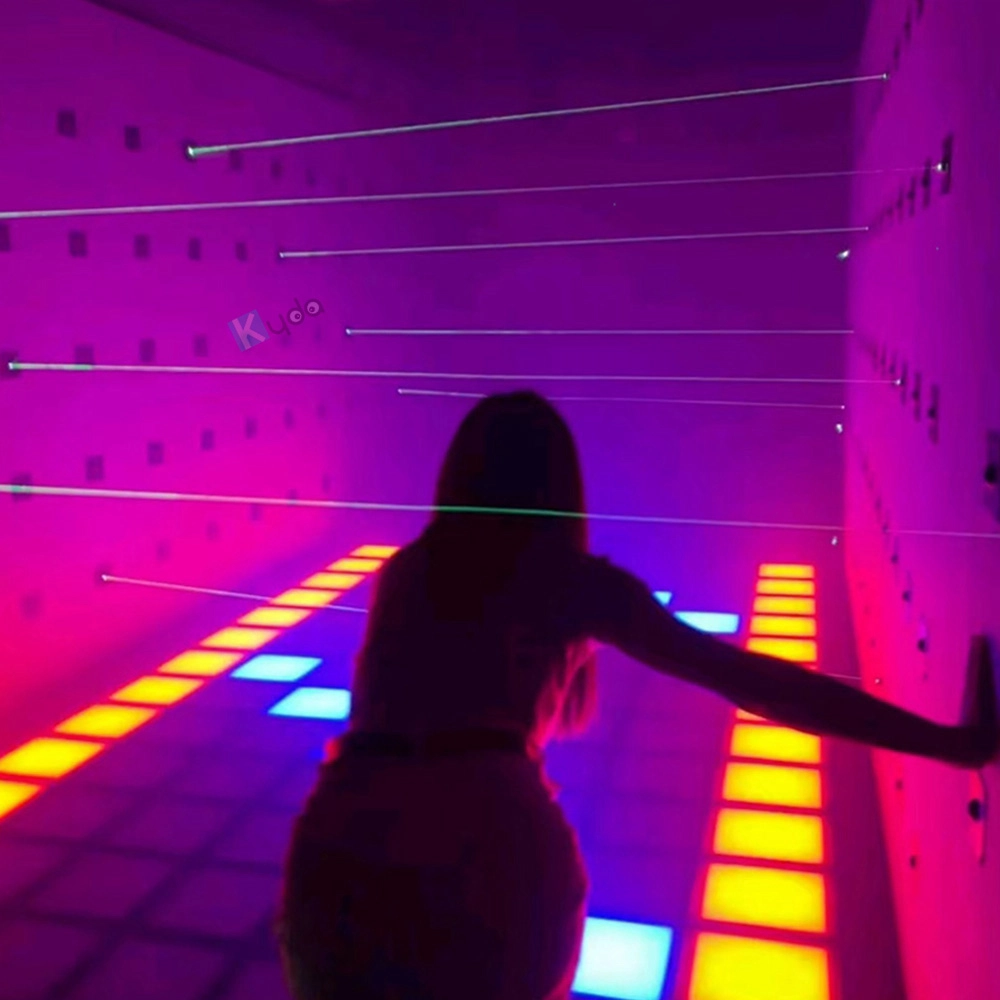
Laser & Activate Grid Game – High-Tech Interactive LED Floor Challenge
For Company
How is warranty?
Hardware is two years warranty non-human factors, software for life time(The first year is for free, pay extra software service cost extra from the second year).
How to install?
Kydaplay will send detail CAD design, electronic design, installation manual, buyer can install by electronic engineer; or Kydavr can provide on-site technical support and installation as well as training once the goods are delivered at destination.
For Led Floor for Dance Pixel Grid Room
Can we just buy one game room of Pixel Grid?
Yes, If you start the activate game at the first time. We have more than above 50 different activate interactive challenge game rooms for options.
For Activate Gaming Floorislava Family Fun
What is the difference of Grid and Mega Grid?
Grid just interactive floor game, smaller room size can start; Mega Grid add 20pcs Digital screen with 20pcs wall buttons, also need suggest bigger room size, more activate interesting games than Grid;
Can we just buy one game room of Mega grid room?
Yes, If you start the activate game at the first time. We have more than above 50 different activate interactive challenge game rooms for options.
You May Also Like

-
-
Send us Your Inquiry
-
Fill out the form and we will provide you with personalized product quotes and service recommendations based on your needs.
Our team will contact you as soon as possible to help you build the most suitable entertainment equipment!
Let's get in touch
Email: sales@kydavr.com
Tel.: +86 188 2001 8779
Address: 501 Shixin Road, Dalong Street, Guangzhou, Guangdong, China.
© 2025 Kyda. All Rights Reserved.
 Scan QR Code
Linkedin
Ins
Facebook
Twitter
YouTube