


| Quick fact | What it means |
|---|---|
| Format | Physical-digital active gaming |
| Main experience | Short interactive challenge rooms |
| Player actions | Move, react, solve, dodge, coordinate |
| Common technology | Lights, sensors, scoring systems, wristbands, or player profiles |
| Typical users | Friends, families, teens, adults, and corporate groups |
| Venue buyer angle | Room mix, equipment scope, player flow, support, and project cost |
What Is Activate Games?
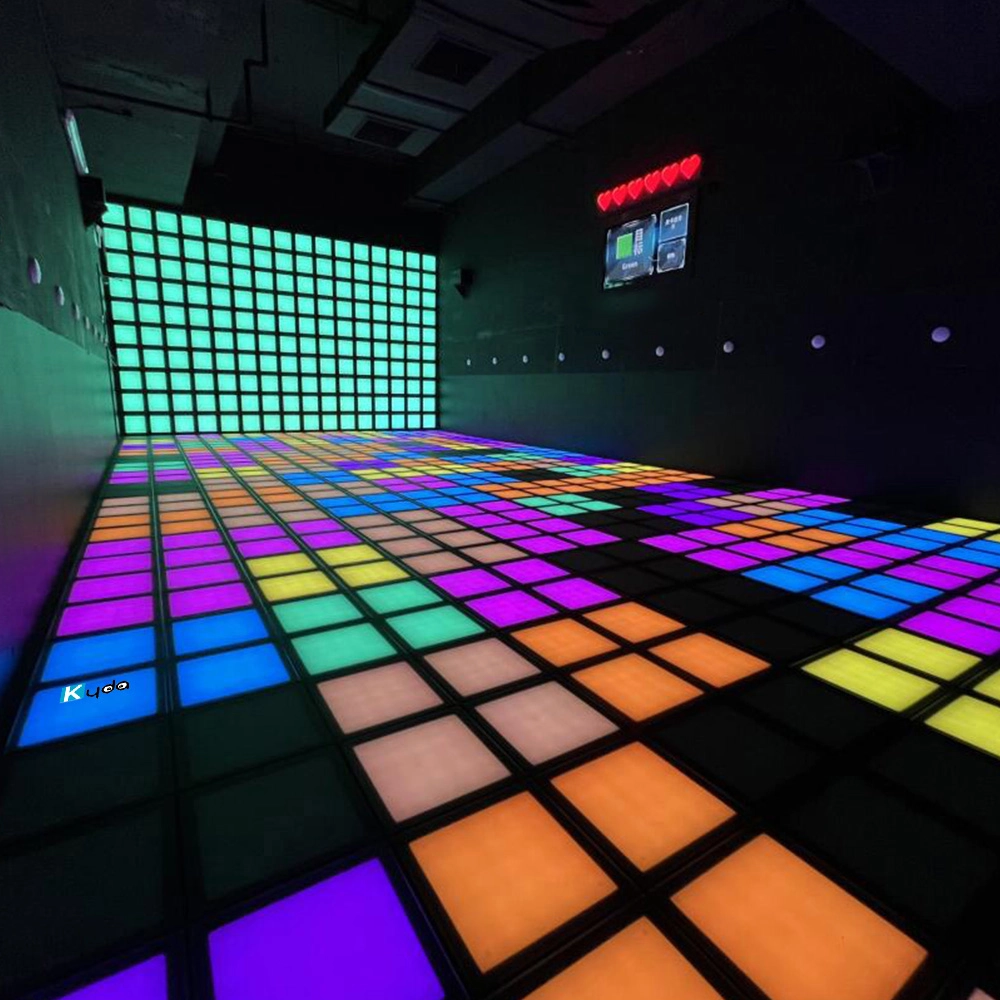
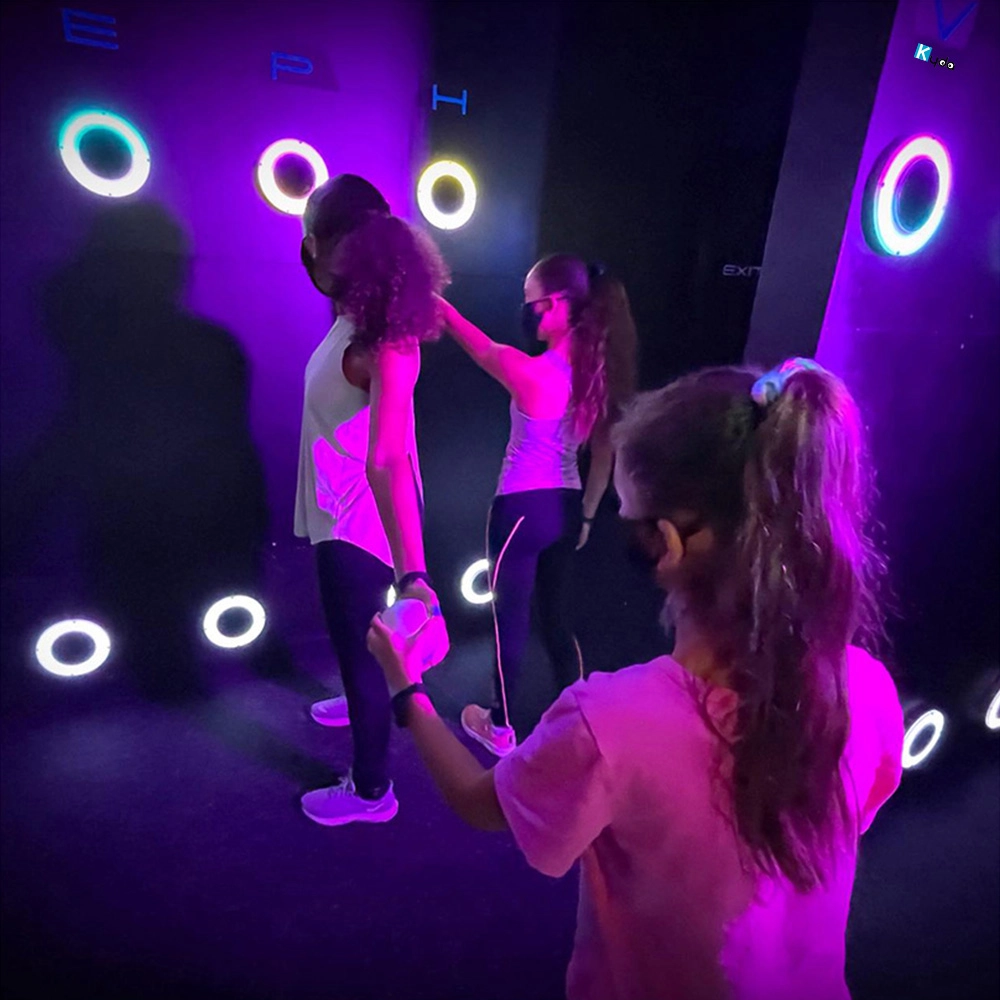
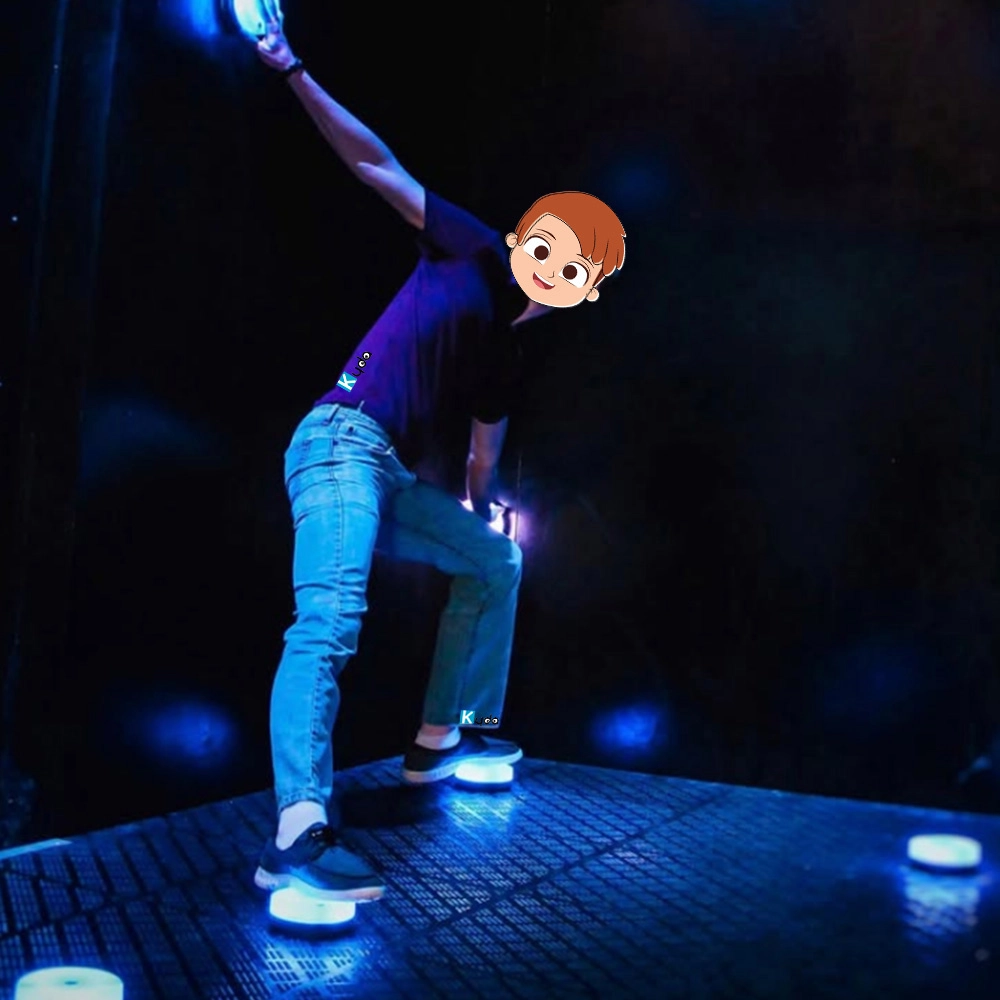
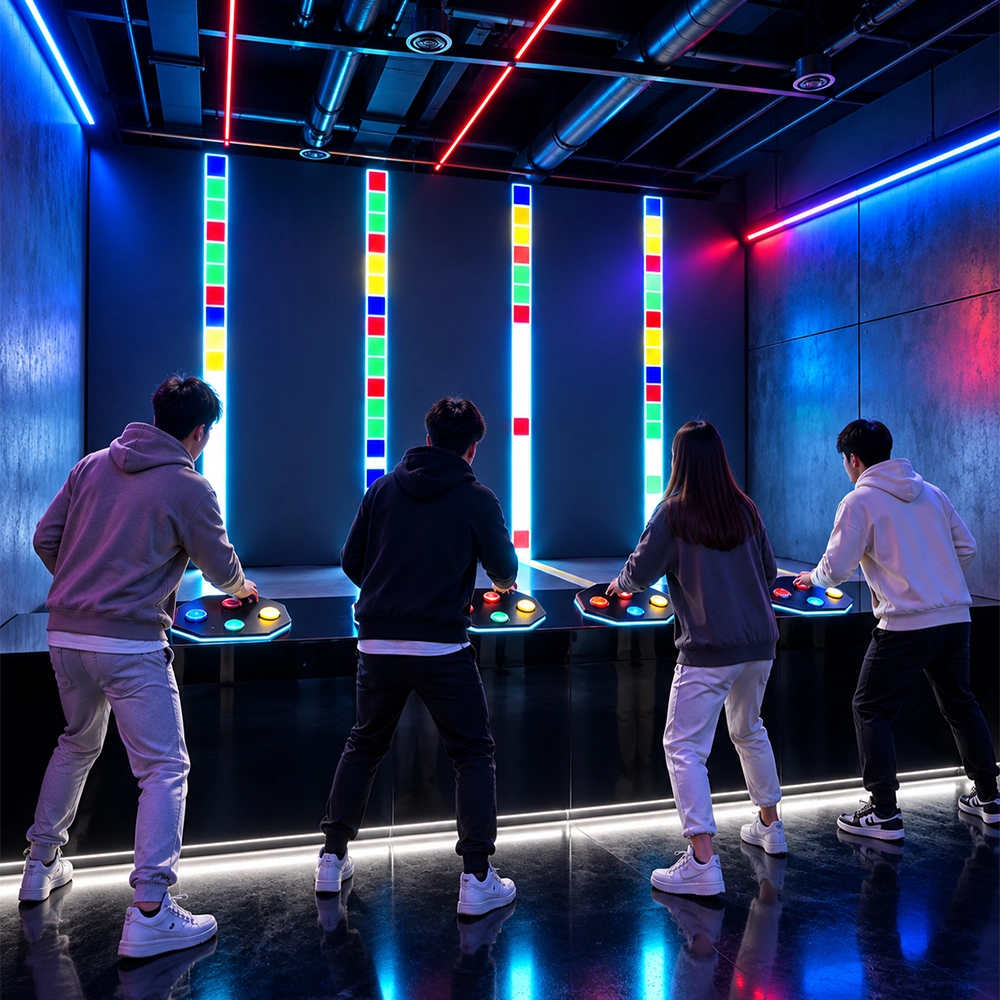
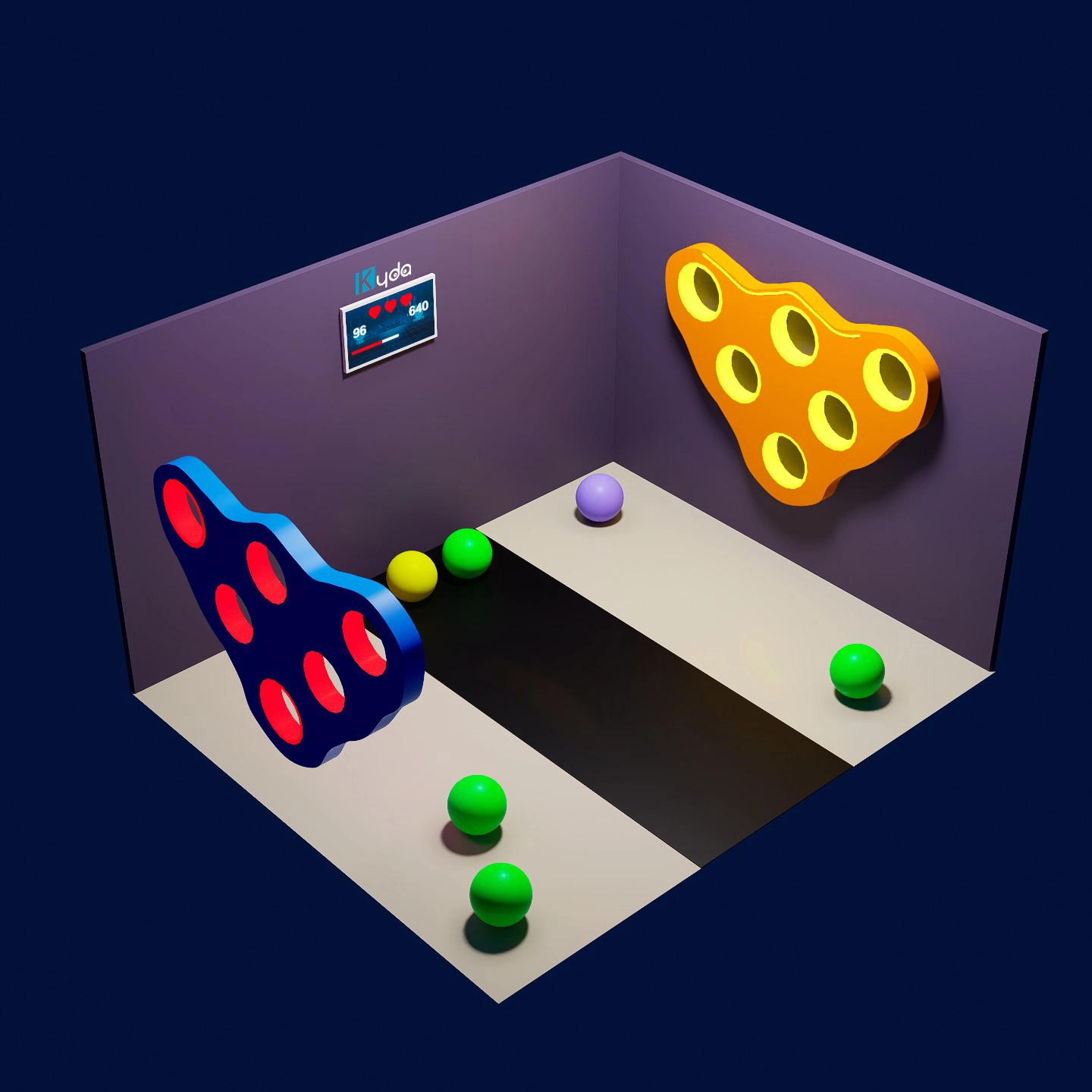
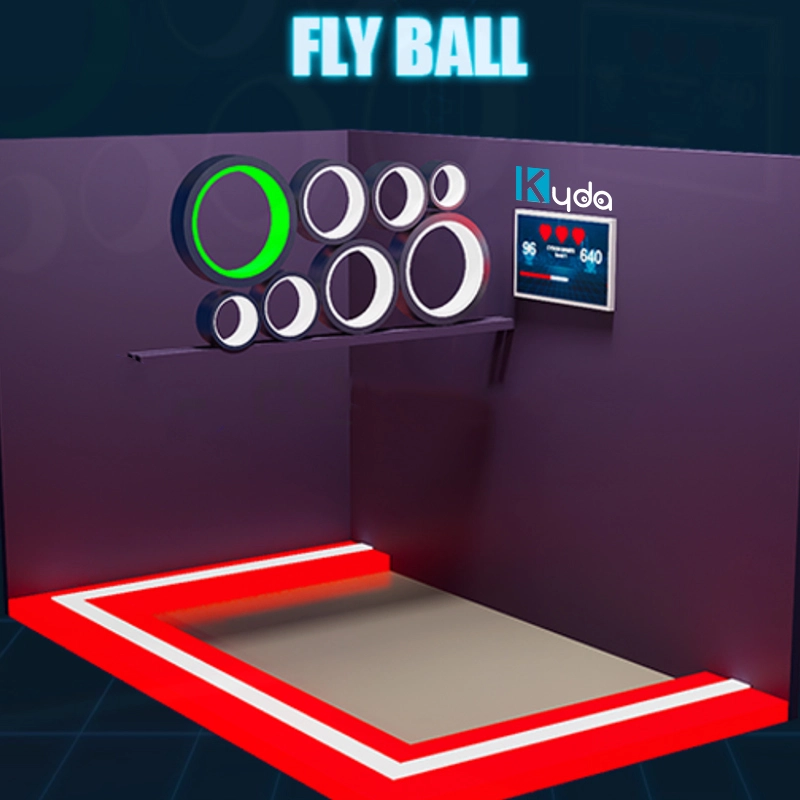
Activate Games can be understood as an active gaming experience: players enter physical game rooms and interact with lights, sensors, targets, floors, walls, or other responsive systems. The room presents each challenge, players respond through real-world movement, and the system automatically tracks their performance.
This makes it different from a standard arcade, where players usually stay at a single machine, and from many VR attractions that rely on headsets. It also differs from a traditional escape room because the experience is generally faster, easier to replay, and organized around short challenges rather than one continuous story-based puzzle.
For commercial buyers, this format is often described as an active game room, interactive game room, physical gaming attraction, or activate game room. Its value comes from more than any individual game. The overall experience depends on the mix of challenge rooms, how smoothly groups move between them, how scores are recorded, whether the difficulty feels balanced, and how strongly the format encourages repeat visits.
How Does Activate Games Work?
The exact setup can vary by venue, supplier, and project scope, but the experience usually follows a simple pattern.
- Players join a session.
- They enter one or more interactive challenge rooms.
- Each room gives a short physical, mental, or team-based task.
- The room reacts through lights, sensors, targets, screens, audio, or scoring software.
- Players receive a score, level, result, or leaderboard position.
- The group can try another room or replay a challenge to improve.
This is why the format feels closer to playing a live video game with your body than visiting a traditional amusement machine. A good active game room gives players clear rules, fast feedback, and a reason to try again.
From an operator's view, the system behind the room matters as much as the visible game. You need a reliable control system, durable interactive hardware, clear staff operation, and a layout that keeps groups moving without confusion. If the experience is hard to understand, slow to reset, or too physically intense for your audience, replay value can drop quickly.
What Makes Activate-Style Games Different From Arcades, Escape Rooms, and VR?
Many buyers compare active game rooms with other familiar attractions before deciding whether the format fits their venue. The table below shows the practical difference.
| Format | Player experience | Replayability | Venue planning concern |
|---|---|---|---|
| Traditional arcade | Machine-by-machine play, often with credits or tokens | Medium, depending on game selection | Machine mix, maintenance, prize strategy, and floor traffic |
| Escape room | Story-driven puzzle mission for a booked group | Often lower after the main puzzle is solved | Set design, reset process, booking flow, staffing, and story updates |
| VR attraction | Headset-based immersive content | Depends on content library and player comfort | Headset hygiene, motion comfort, supervision, space, and content licensing |
| Activate-style active game room | Physical-digital group challenges in real rooms | Strong when difficulty levels, scoring, and room variety are well planned | Room mix, sensors, flooring, player flow, safety review, and support |
The active game room format is especially useful when a venue wants group energy, visible movement, and repeat challenges. It can sit inside a family entertainment center, arcade upgrade, shopping mall attraction, trampoline park, sports entertainment venue, resort activity area, or standalone active entertainment center.
Is Activate Games for Kids or Adults?
It can fit different age groups, but the answer depends on the rules of the local venue, the physical intensity of each game, supervision, difficulty settings, and the player's own comfort level. A responsible operator should not assume that one game mix automatically fits every child, adult, or group.
For a venue owner, the better question is: which audience do you want the room mix to serve?
| Audience | What they usually value | Planning note |
|---|---|---|
| Families | Shared play, simple rules, flexible difficulty | Use approachable games and clear staff guidance |
| Teens and young adults | Competition, social sharing, repeat attempts | Use visible scoring, challenge levels, and replay hooks |
| Corporate groups | Teamwork, fast onboarding, short rounds | Keep rules easy to learn and group flow smooth |
| Fitness-oriented guests | Movement, challenge, and measurable progress | Balance intensity with recovery space and non-extreme options |
This is where equipment planning matters. A venue that only offers high-intensity movement may lose guests who prefer memory, precision, or teamwork. A venue that only offers slow puzzle tasks may miss the energy people expect from active gaming. The strongest format usually mixes movement, reaction, coordination, strategy, and scoring.
How Much Does It Cost to Play, and What Affects Project Cost?
For players, ticket prices vary by location, booking type, day, group size, promotions, and local operating model. If someone wants the current consumer price, they should check the local venue's official booking information.
For venue buyers, the more important question is project cost. There is no responsible one-price answer without knowing the site and the room mix. A supplier needs to understand your available space, preferred games, installation conditions, customization needs, market, and support expectations before preparing a quote.
| Cost driver | Why it matters |
|---|---|
| Number of rooms | More rooms usually mean more equipment, installation work, software setup, and layout planning |
| Game types | LED floors, projection games, sensor walls, target games, and physical structures can have different technical requirements |
| Site condition | Floor condition, ceiling height, wall structure, power, lighting, and traffic flow can affect installation |
| Customization | Branding, language, theme, game mix, and software options can change the scope |
| Shipping and installation | Costs depend on destination, packaging, site readiness, and service model |
| Operation and maintenance | Staff training, spare parts, daily checks, and after-sales response affect long-term operation |
If you are preparing a supplier inquiry, it helps to share your venue size, target audience, country or region, preferred game types, approximate opening timeline, and whether the project is a new build or an upgrade. You can also send Kyda Games your project details through the contact page to request a quote.
Is Activate Games Worth It?
For players, activate-style games are worth considering when they want active group play, short challenges, score-based competition, and a more physical alternative to ordinary arcade or screen-only entertainment. It may be a weaker fit for guests who dislike timed challenges, sweating, competition, or fast movement.
For venue owners, the format is worth considering when it matches the local audience and operating model. The key is not whether the concept looks exciting on video. The key is whether your venue can support the complete experience.
| It may fit your venue if... | Be careful if... |
|---|---|
| Your audience likes group activities and social competition | Your customers mainly want passive attractions |
| You need replayable games instead of one-time puzzles only | You cannot support maintenance or staff operation |
| You have space for multiple challenge zones | Your site has difficult flooring, power, access, or layout constraints |
| You want birthday, team-building, or group booking potential | Your business model depends only on low-supervision equipment |
| You can plan clear player flow and waiting areas | You need a fixed price before defining the room mix |
This is why active game room planning should start with the audience and layout, not with a random equipment list. The room mix needs to match how people will actually move, wait, watch, replay, and leave the attraction.
What Should Venue Buyers Check Before Planning an Active Game Room?
Before choosing equipment, make a simple buyer checklist. This helps a supplier recommend a room mix that fits the real project instead of guessing.
- Target audience: families, teens, adults, corporate groups, tourists, or mixed users.
- Available floor area, ceiling height, floor condition, and wall condition.
- Preferred game balance: movement, reaction, memory, sports, projection, teamwork, or skill challenges.
- Expected group size, waiting area, and player flow.
- Staffing model, onboarding process, daily operation, and maintenance capacity.
- Branding, theme, language, and customization requirements.
- Electrical capacity, network needs, ventilation, access, and site restrictions.
- Local safety, accessibility, building, and electrical review requirements.
- Budget range, shipping destination, installation schedule, and opening timeline.
For U.S. workplace contexts, OSHA's walking-working surface rule at 29 CFR 1910.22 is a useful reference point for thinking about maintained surfaces and load conditions; see References. Where ADA rules apply, the U.S. Access Board's floor and ground surface guidance explains the importance of stable, firm, and slip-resistant accessible surfaces; see References. Electrical design should also be reviewed with qualified local professionals, and NFPA 70, the National Electrical Code, is a major U.S. reference for electrical installation practice; see References.
Those U.S. references should not be treated as global rules. Every country, city, landlord, insurer, and project may have its own requirements. For a commercial active game room, local review matters.
How Kyda Helps Build Activate-Style Active Game Rooms
Kyda Games provides interactive amusement equipment and active entertainment solutions for commercial venues. For buyers researching the active game room format, the useful next step is to compare which room types can support the audience and business model you want.
Depending on the project, a room mix may include active game room equipment, interactive projection games, activate fitness game, and other interactive challenge products. Buyers can also review Kyda's broader product range and venue solution planning before requesting a quote.
The right recommendation depends on your venue size, audience, budget, preferred experience style, installation conditions, and operation plan. A small venue may need a focused set of high-replay rooms. A larger entertainment center may need a more varied mix that separates high-energy games from lower-intensity challenges.
References & Sources
- OSHA 29 CFR 1910.22 General Requirements — U.S. Occupational Safety and Health Administration. Relevant for U.S. walking-working surface requirements and workplace surface considerations.
- Chapter 3: Floor and Ground Surfaces — U.S. Access Board. Relevant for U.S. ADA guidance on accessible floor and ground surfaces.
- NFPA 70, National Electrical Code — National Fire Protection Association. Relevant as a major U.S. electrical code reference for electrical design and installation review.
Get a Free Quote for Your Active Game Room
Activate-style games combine physical movement, interactive technology, short challenges, scoring, and replay. For players, that means a more active alternative to ordinary arcade or screen-only entertainment. For venue owners, the real opportunity is planning the right active game room system for the local market.
To discuss your venue size, target audience, and preferred room mix, contact Kyda Games for a free quote. You can also reach the team at sales@kydavr.com or +86 188 2001 8779.


 Scan QR Code
Linkedin
Ins
Facebook
Twitter
YouTube