




Can interactive floor games be used for education or therapy? | Insights by Kyda
- Interactive Floor Games: Enhancing Education and Therapy
- 1. How do interactive floor games promote physical activity?
- 2. What cognitive benefits do these games offer?
- 3. How do interactive floor games aid in social skill development?
- 4. Can these games assist in sensory integration and development?
- 5. What are the therapeutic applications of interactive floor games?
- Conclusion: The Advantages of Kyda's Interactive Floor Games
Interactive Floor Games: Enhancing Education and Therapy
Interactive floor games have emerged as innovative tools in both educational and therapeutic settings, offering a dynamic approach to learning and rehabilitation. These systems project interactive visuals onto the floor, engaging users in physical activity while stimulating cognitive and sensory development. Below, we address five common questions regarding their application and benefits.
1. How do interactive floor games promote physical activity?
Interactive floor games encourage users to engage in physical movements such as jumping, running, and balancing. This active participation helps reduce sedentary behavior, supports physical development milestones, and improves coordination and agility. For instance, games like virtual soccer or obstacle courses motivate children to move with purpose, combating issues like childhood obesity and promoting overall health.
2. What cognitive benefits do these games offer?
These games often incorporate puzzles, memory challenges, and logic tasks that require quick reactions and decision-making. Engaging in such activities enhances reaction time, critical thinking, and logical reasoning. Additionally, they support STEM learning through gamified experiences, making abstract concepts more tangible and enjoyable.
3. How do interactive floor games aid in social skill development?
By creating shared experiences, interactive floor games foster social interaction and teamwork. Children can play cooperative games, take turns, or compete in a fun and healthy way, enhancing communication skills, patience, and the ability to work toward shared goals. This collaborative play is particularly effective in preschool and kindergarten settings, where social development is a core learning objective.
4. Can these games assist in sensory integration and development?
Interactive floor games provide multisensory stimulation, engaging sight, sound, and kinesthetic awareness simultaneously. This stimulation is beneficial for children with developmental delays or sensory processing issues, helping improve body-space awareness, balance, and visual tracking. Educators and therapists can customize these environments to meet specific sensory needs, making them ideal for special education or autism-focused centers.
5. What are the therapeutic applications of interactive floor games?
In therapeutic settings, interactive floor games serve as tools for cognitive rehabilitation and physical therapy. They can display memory challenges, problem-solving activities, and coordination-based exercises, supporting neurological recovery and cognitive function rebuilding. For patients recovering from strokes or neurological conditions, these interactive experiences can make therapy more engaging and less daunting, promoting movement and cognitive stimulation in a controlled setting.
Conclusion: The Advantages of Kyda's Interactive Floor Games
Kyda's interactive floor games stand out in the industry by seamlessly integrating physical activity with cognitive and sensory development. Designed with user engagement in mind, Kyda's systems offer customizable experiences that cater to diverse educational and therapeutic needs. Their user-friendly interfaces and adaptable content make them a valuable addition to any learning or rehabilitation environment, ensuring that users of all ages can benefit from enhanced physical fitness, cognitive abilities, and social skills.
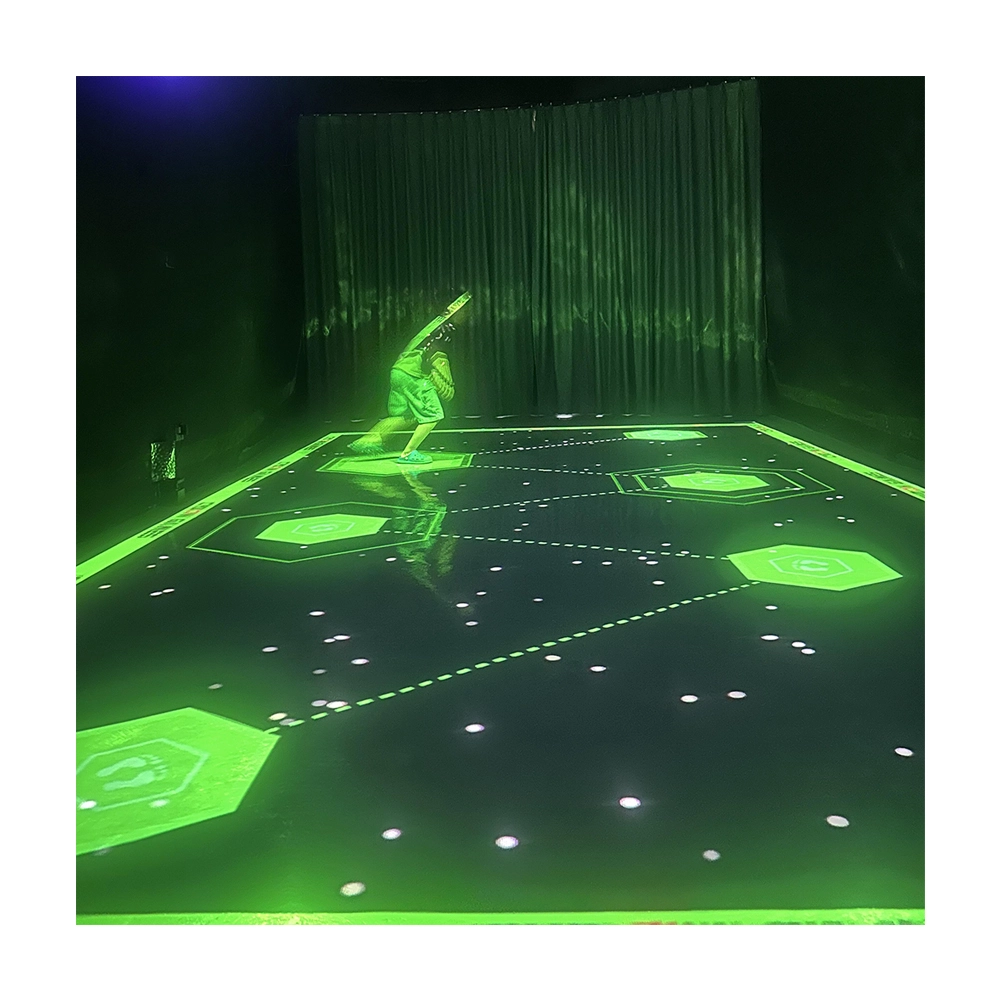
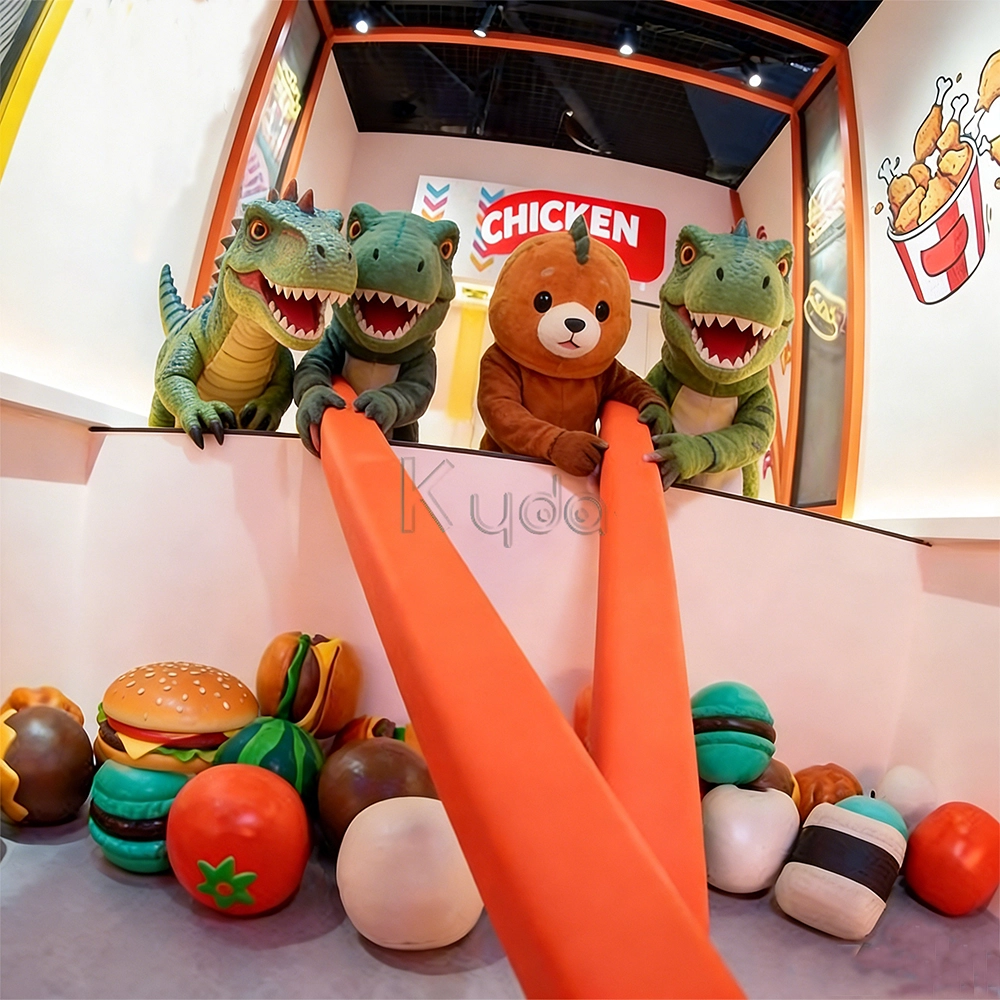
Photon – Interactive Floor Projection Game System for Sensory Rooms & Active Play Areas
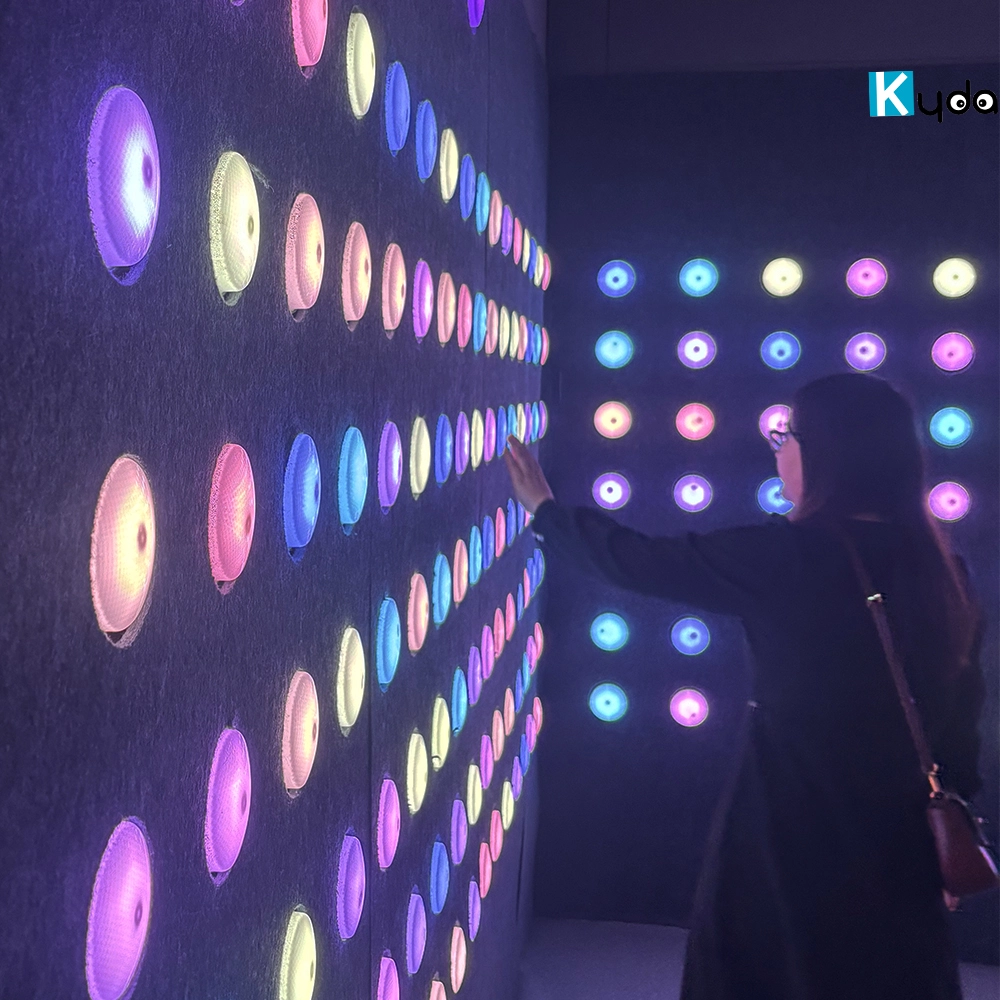
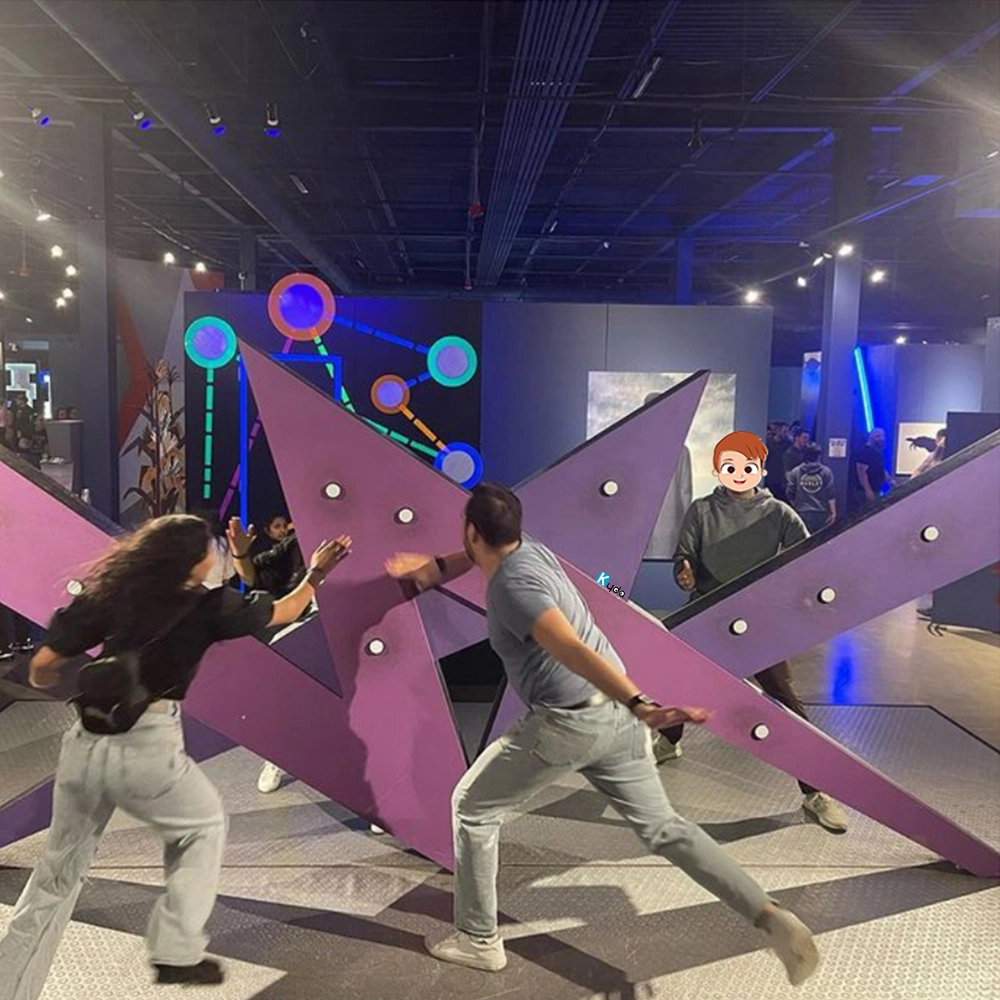
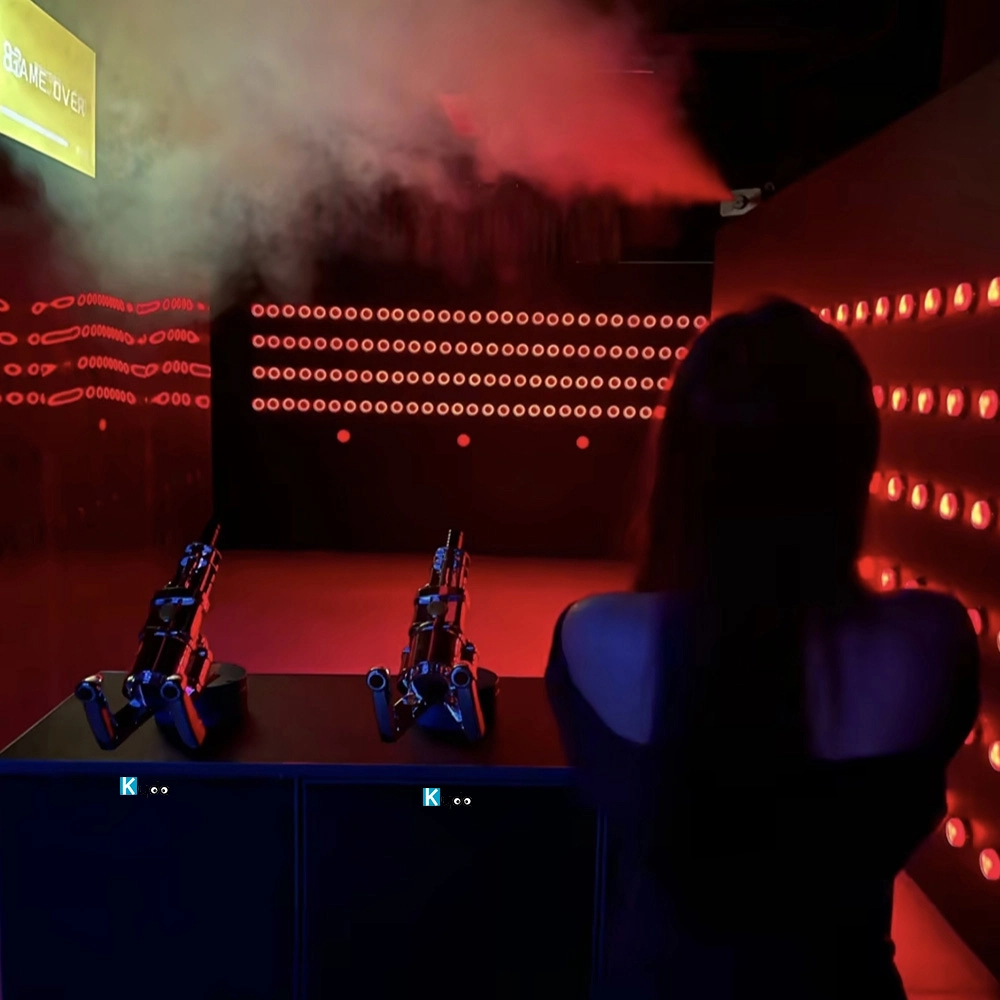
Active Reaction Push Game Room – Multi-Player Interactive LED Wall Challenge by Kyda

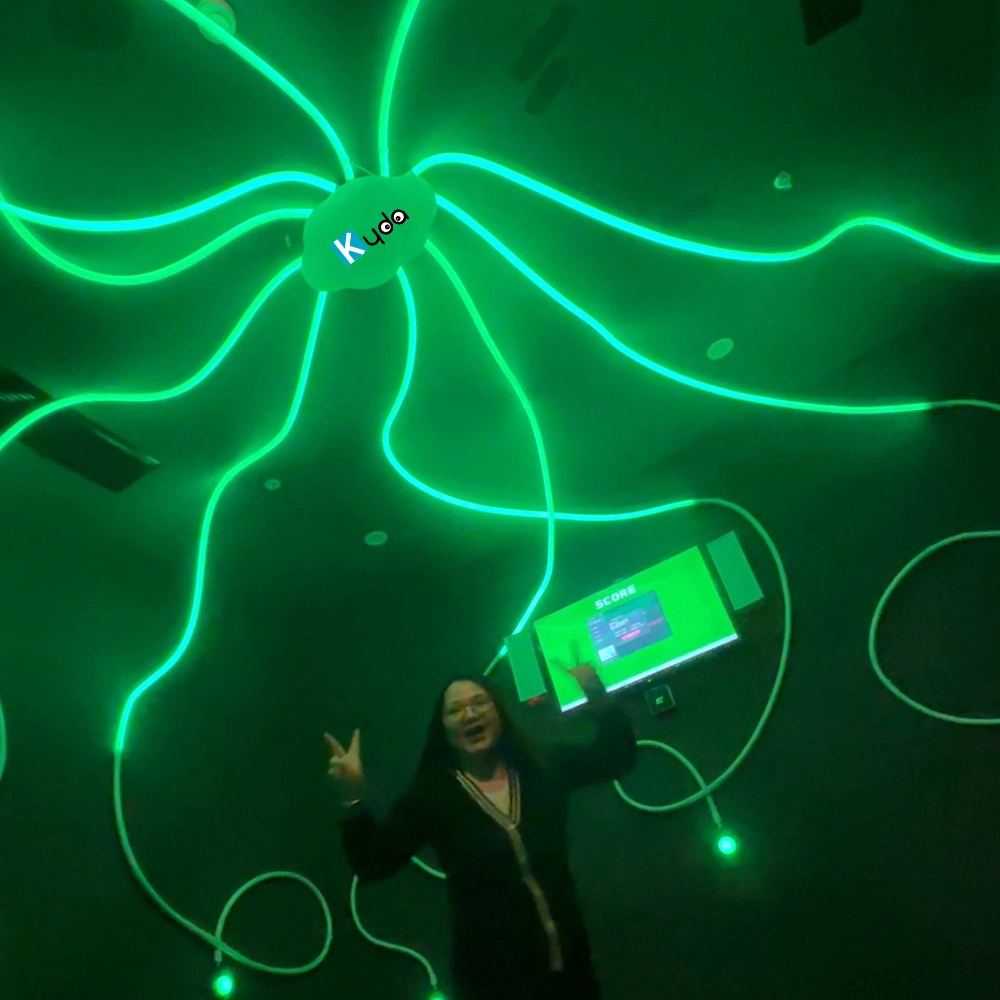
Interactive LED Floor Adventure: Hands and Feet Coordination Challenge – Octopus Escape
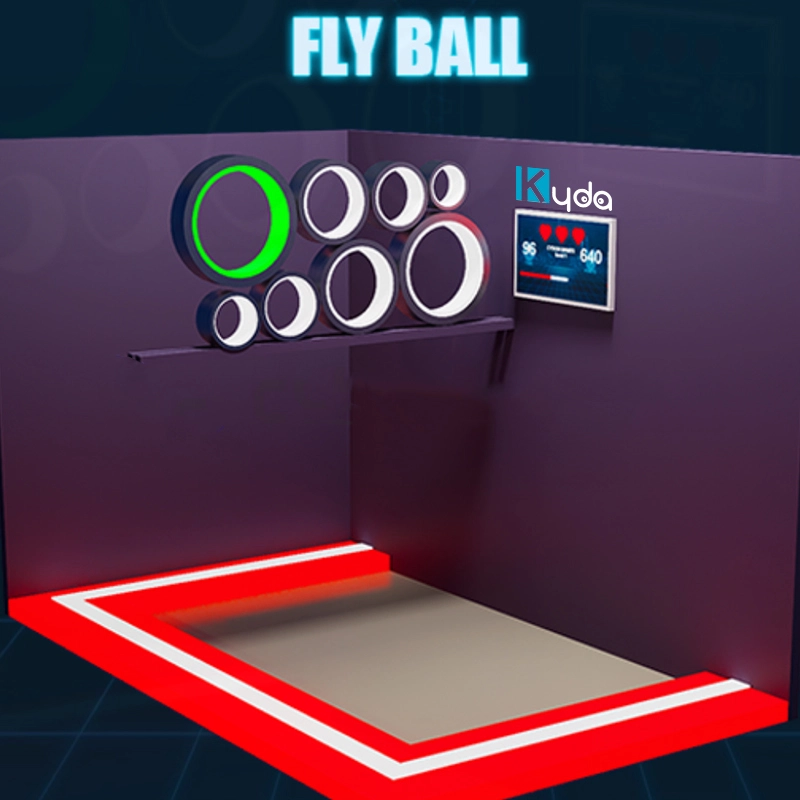
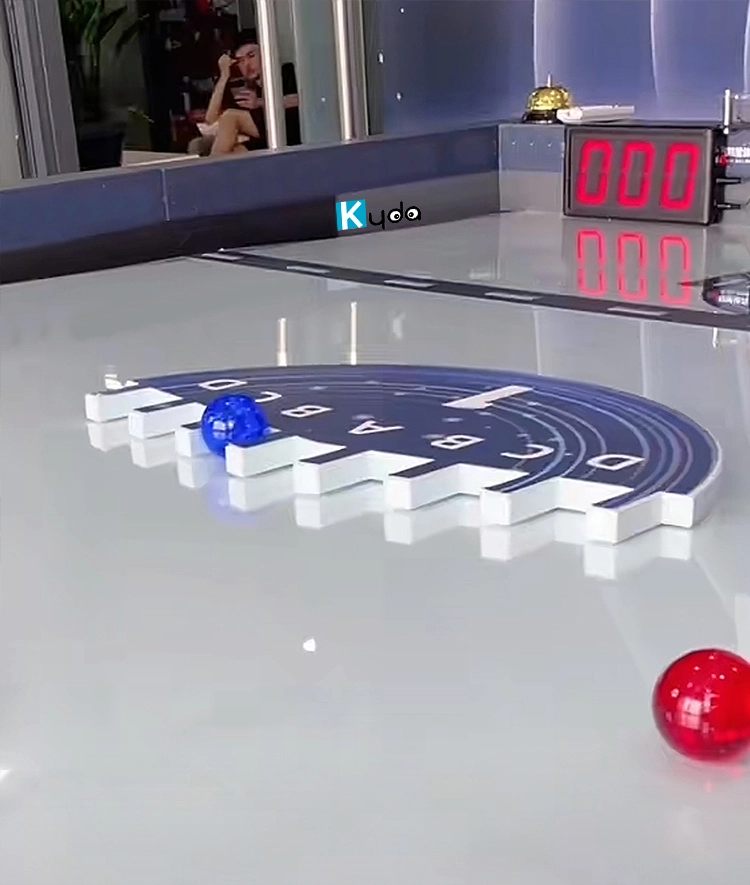
Fly Ball Interactive Challenge Game Interactive Ball Throwing Game for Active Entertainment
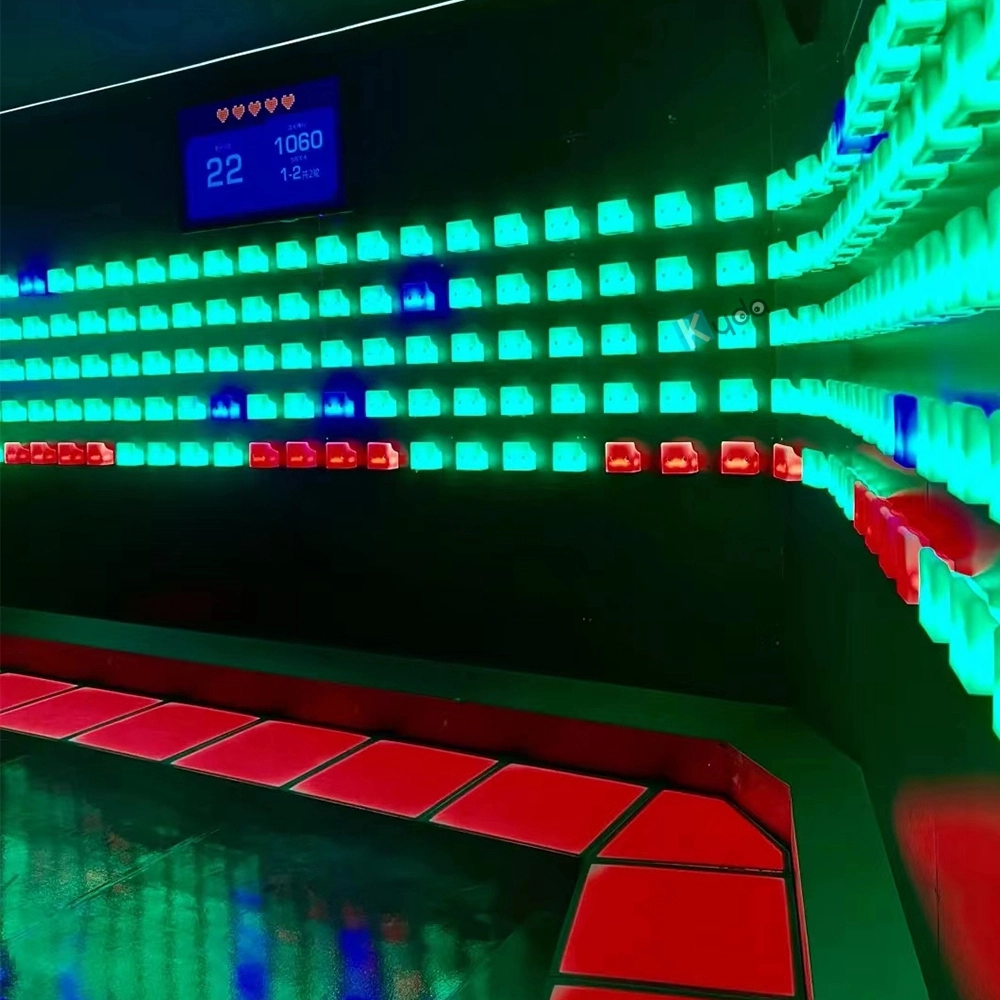
Activate Fitness Climb Game – The Ultimate Interactive LED Climbing Wall Experience
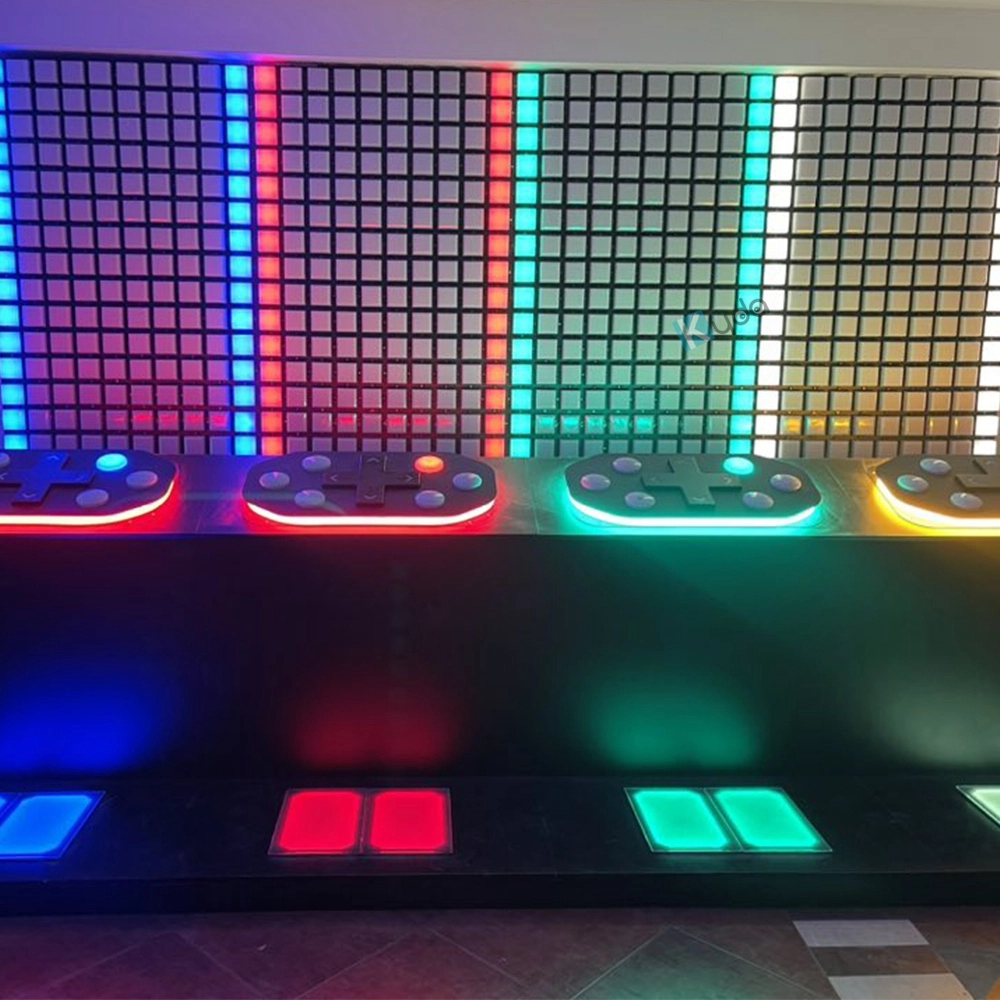
For Led Floor for Dance Pixel Grid Room
What is the difference of Grid and Mega Grid, Pixel Grid?
Grid just interactive floor game, smaller room size can start, Add the wall LED tile call Pixel Grid;
Mega Grid add 20pcs Digital screen with 20pcs wall buttons , also need suggest bigger room size, more activate interesting games than Grid, add the wall LED tile call Pixel Grid;
Kyda accept personal customization as requirements; Grid, Mega Grid, Pixel Grid, Floorislava, Arena game, Active LED floor game, Interactive floor LED game etc that different name in different place.
For Games Grid Floor is Lava
Can we just buy one game room of grid floor is lava?
Yes, If you start the activate game at the first time. We have more than above 50 different activate interactive challenge game rooms for options.
How much size if we start the grid floor is lava?
One LED grid tile is 30*30cm,
Eg: room size 5*5m, which can match 16*16pcs,256pcs for total,
Layout: customize the quantity and place it according to the actual venue.
For Activate Gaming Floorislava Family Fun
How to pack the LED tile grid?
3pcs/carton, 45cartons/panel.
For Company
Where is your factory?
Kydaplay office in Beijing, Guangzhou, Shenzhen;
Kydaplay workshop in Shenyang, Zhongshan.
You May Also Like
-
-
Send us Your Inquiry
-
Fill out the form and we will provide you with personalized product quotes and service recommendations based on your needs.
Our team will contact you as soon as possible to help you build the most suitable entertainment equipment!
Let's get in touch
Email: sales@kydavr.com
Tel.: +86 188 2001 8779
Address: 501 Shixin Road, Dalong Street, Guangzhou, Guangdong, China.
© 2025 Kyda. All Rights Reserved.
 Scan QR Code
Linkedin
Ins
Facebook
Twitter
YouTube