




How do Activate Games differ from traditional arcade or physical games?
- 1. What Are Activate Games?
- 2. How Do Activate Games Enhance User Engagement Compared to Traditional Arcade Games?
- 3. What Technological Innovations Are Integrated into Activate Games?
- 4. How Do Activate Games Contribute to Health and Wellness?
- 5. What Are the Market Trends and Growth Projections for Activate Games?
- 6. How Do Activate Games Support Social Interaction and Teamwork?
- 7. What Are the Operational and Financial Benefits of Implementing Activate Games?
- Conclusion: Kyda's Advantages in the Interactive Gaming Industry
- References
1. What Are Activate Games?
Activate games are interactive entertainment systems that blend physical activity with digital technology, offering immersive experiences that engage players both physically and mentally. Unlike traditional arcade games, which are primarily screen-based and sedentary, activate games require players to move, jump, and interact with their environment, promoting physical engagement and social interaction. This fusion of physical and digital elements creates a more dynamic and engaging gaming experience.
2. How Do Activate Games Enhance User Engagement Compared to Traditional Arcade Games?
Activate games significantly enhance user engagement by incorporating physical activity into gameplay. This approach not only makes the experience more immersive but also encourages repeat visits and longer dwell times. For instance, venues offering activate games have reported increased customer retention and higher repeat customer rates, with some operators seeing 20–30% repeat customer rates and extended dwell times, which boosts ancillary revenue such as food and merchandise sales. In contrast, traditional arcade games often lead to shorter play sessions and less social interaction, as they are typically passive and screen-based.
3. What Technological Innovations Are Integrated into Activate Games?
Activate games leverage cutting-edge technologies such as motion sensors, augmented reality (AR), virtual reality (VR), and artificial intelligence (AI) to create interactive and immersive experiences. These technologies enable real-time tracking of player movements, adaptive difficulty levels, and personalized gameplay, enhancing the overall user experience. For example, AI-driven adaptive challenges adjust the game's difficulty in real time based on the player's performance, ensuring a tailored and engaging experience. Traditional arcade games, on the other hand, rely on static, pre-programmed content without the capacity for real-time adaptation or personalized interaction.
4. How Do Activate Games Contribute to Health and Wellness?
Activate games promote physical activity and health by encouraging players to move, jump, and engage in light exercise during gameplay. This integration of physical activity into entertainment helps combat sedentary lifestyles and promotes overall well-being. Many parents and operators look for entertainment that encourages movement, making activate games ideal for fitness, family entertainment centers, and recreational facilities. In contrast, traditional arcade games are sedentary and do not offer the same health benefits.
5. What Are the Market Trends and Growth Projections for Activate Games?
The market for activate games is experiencing rapid growth, driven by the increasing demand for interactive and immersive entertainment experiences. The global gaming industry was estimated at USD 298.09 billion in 2024 and is projected to reach USD 505.17 billion by 2030, at a compound annual growth rate (CAGR) of 8.7% from 2025 to 2030. This expansion underscores the appetite for new formats of play, including interactive physical-digital gaming. Additionally, the activate games market is projected to surpass USD 1.2 billion by 2025, with Asia-Pacific leading the charge due to its strong manufacturing base and the rise of indoor play centers in China, South Korea, and Southeast Asia. In contrast, traditional arcade games are experiencing a decline in popularity, as consumers increasingly seek more engaging and interactive forms of entertainment.
6. How Do Activate Games Support Social Interaction and Teamwork?
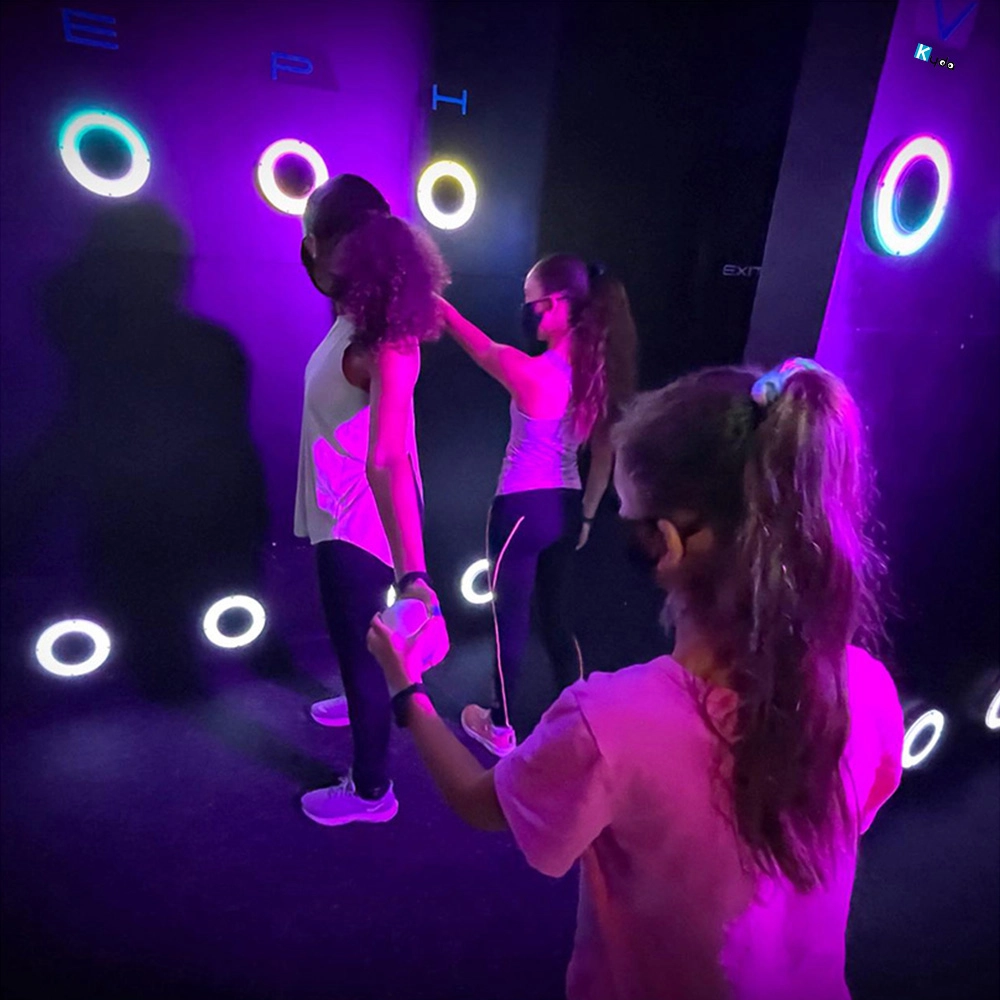
Activate games are designed to foster social interaction and teamwork by requiring players to collaborate and communicate to achieve common goals. Many installations support multiplayer, team challenges, and competitive leaderboards, all features that stimulate repeat visits, group bookings, and viral word-of-mouth. This collaborative aspect enhances the social experience and encourages group participation, making it ideal for family entertainment centers, corporate team-building spaces, and recreational facilities. Traditional arcade games often focus on individual play and do not offer the same level of social interaction or teamwork opportunities.
7. What Are the Operational and Financial Benefits of Implementing Activate Games?
Implementing activate games offers several operational and financial benefits. The modular and scalable nature of these systems allows venues to start with a single interactive room and expand as demand grows, reducing initial investment costs and operational downtime during expansion. This scalability ensures that venues can adapt to changing trends and audience preferences, boosting long-term return on investment (ROI). Additionally, the engaging nature of activate games leads to increased customer retention and higher repeat customer rates, with some operators seeing 20–30% repeat customer rates and extended dwell times, which boosts ancillary revenue such as food and merchandise sales. In contrast, traditional arcade games often require significant upfront investment and may not offer the same level of scalability or ROI.
Conclusion: Kyda's Advantages in the Interactive Gaming Industry
Kyda stands at the forefront of the interactive gaming revolution, offering innovative activate game solutions that combine high-quality LED walls, responsive pixel floors, AI-driven adaptive challenges, and modular designs. Our end-to-end support, from venue layout planning to post-installation maintenance, ensures a seamless integration of interactive gaming experiences. Whether you're looking to upgrade a family entertainment center, add a standout attraction to a theme park, or create a dynamic team-building space, Kyda transforms your vision into an immersive activate experience that keeps players engaged and your venue profitable.
References
Grand View Research — 2024 — Global gaming industry estimated at USD 298.09 billion, projected to reach USD 505.17 billion by 2030, CAGR of 8.7% from 2025 to 2030.
Activate Games Factory — October 31, 2025 — Global activate games market projected to surpass USD 1.2 billion by 2025, with Asia-Pacific leading the charge.
Kyda Activate Games — November 22, 2025 — Interactive gaming trends in 2025, emphasizing collaboration and modular solutions. ((https://www.kydagames.com/article/top-interactive-gaming-trends-2025-the-future-of-activate-games.html))
Activate Games Factory — September 17, 2025 — Activate games market size and growth forecast, global industry outlook 2025–2030.
Activate Games Factory — August 12, 2025 — Why interactive entertainment is a game-changer.
Mind in China — October 15, 2025 — The rising demand for interactive games in global markets.
Jamma Insights — November 2025 — Interactive activation games for events 2026.
DataIntelo — November 2025 — Interactive experiences market research report 2033.
VgInsights — August 2025 — Interactivity in the interactive experience.
MRISimmons — June 27, 2024 — Gaming culture and marketing: Engaging today's gamer.
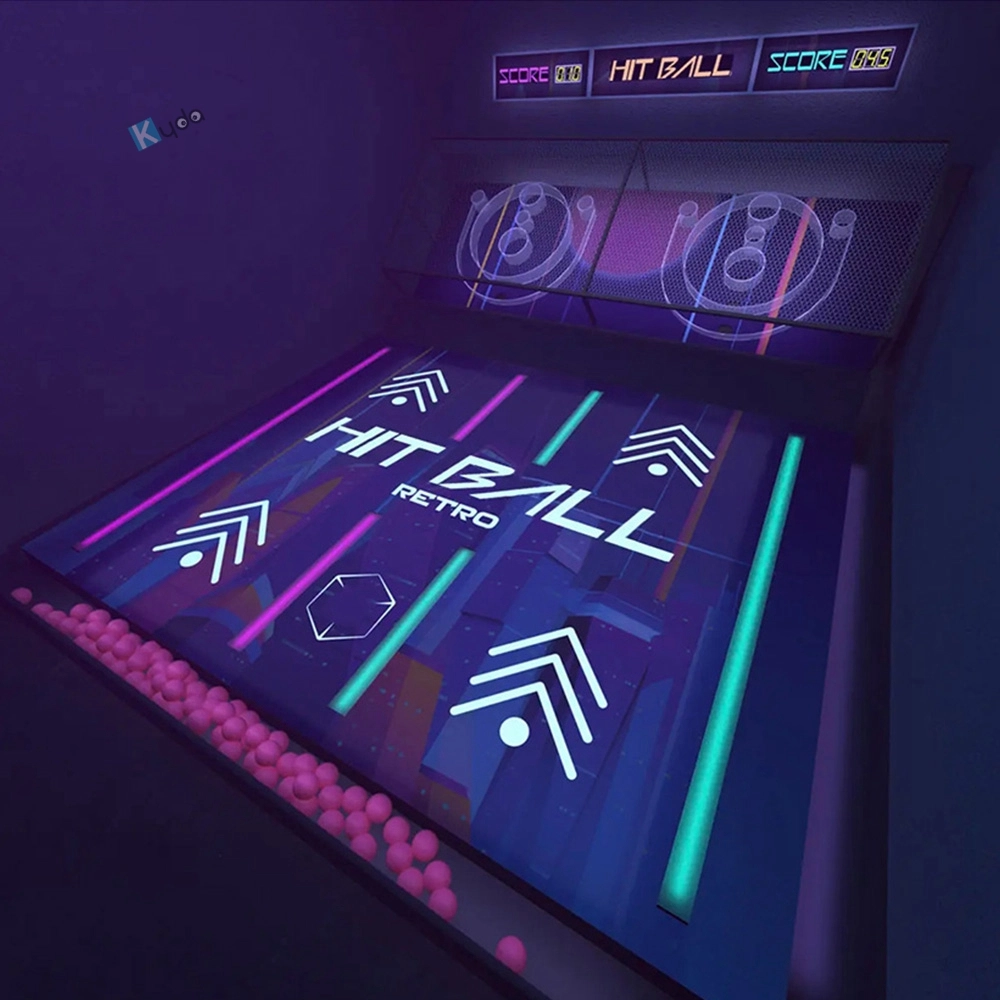
Hitball – High-Energy Interactive Rolling Ball Fitness & Sport Challenge Game
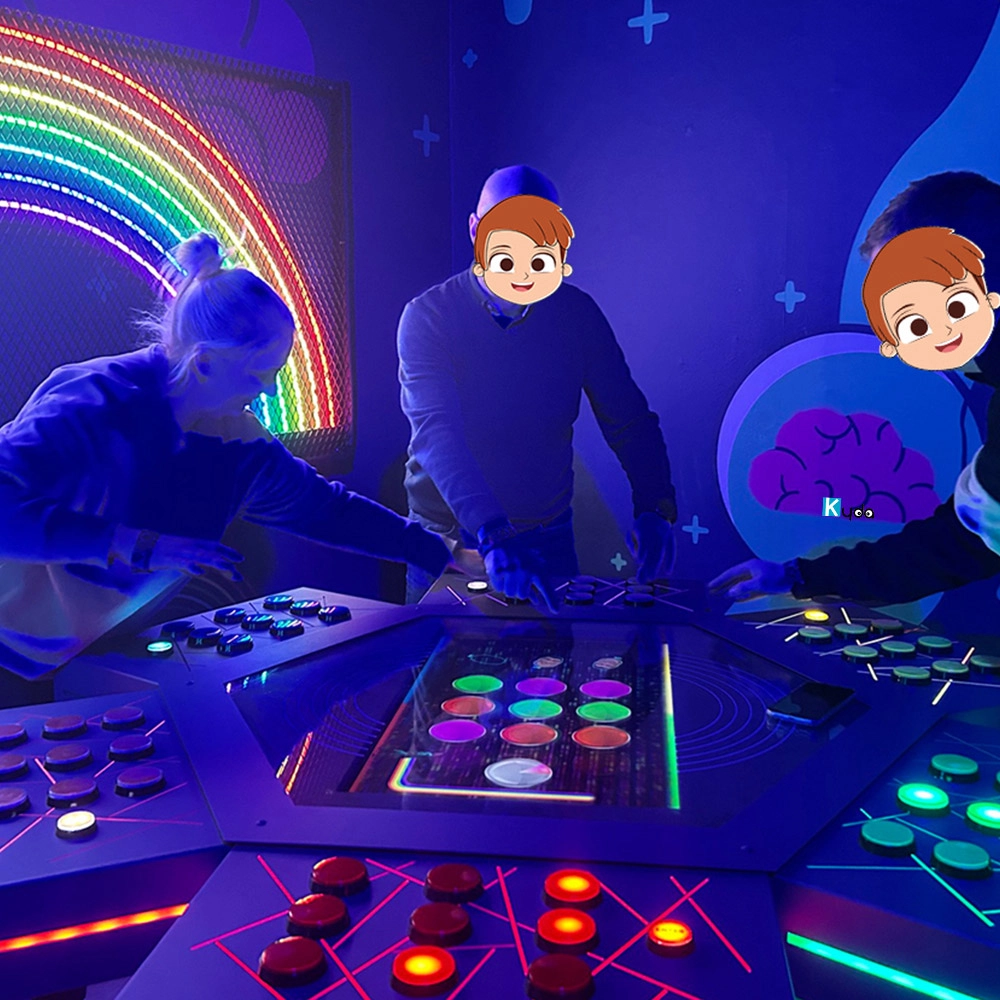
Rainbow Mind Activate Interactive game challenge
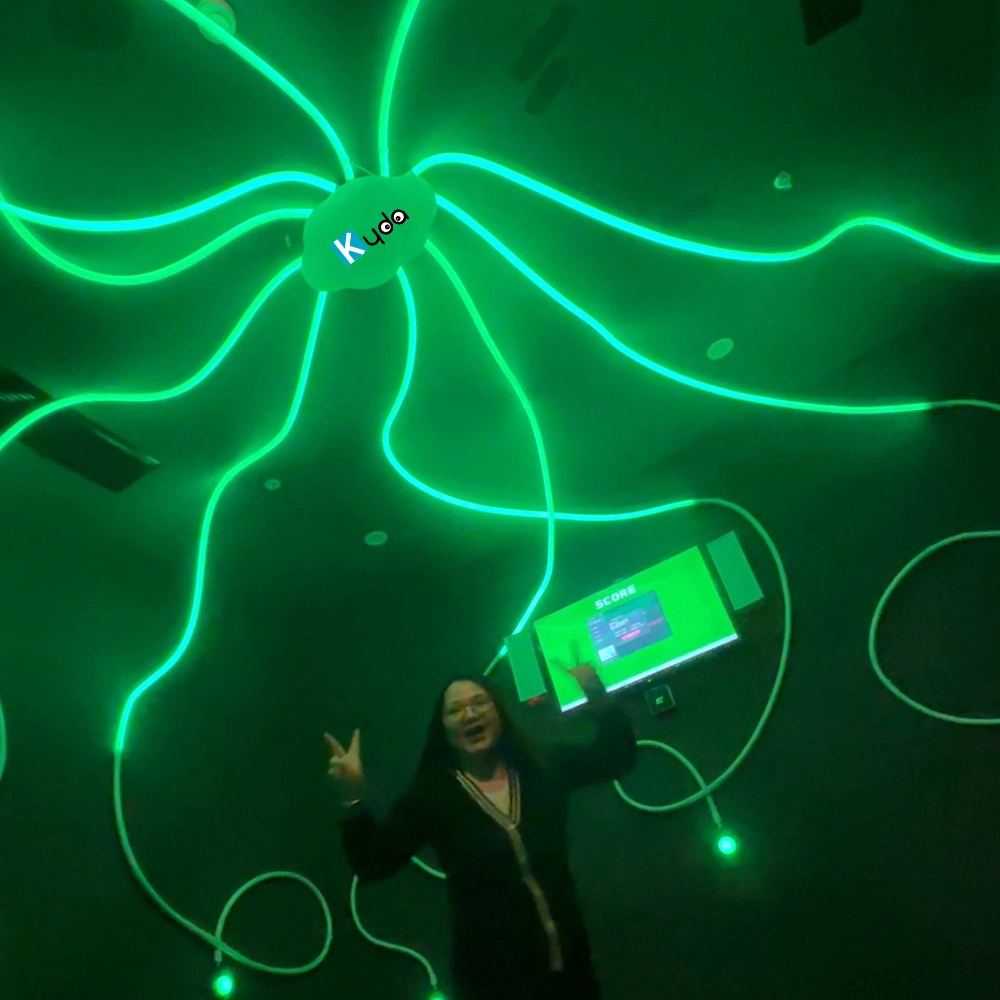
Active Reaction Flash Game Room – Speed, Focus & LED Timing Challenge

Knock Out – The Ultimate Reaction & Fitness Cube Challenge Game
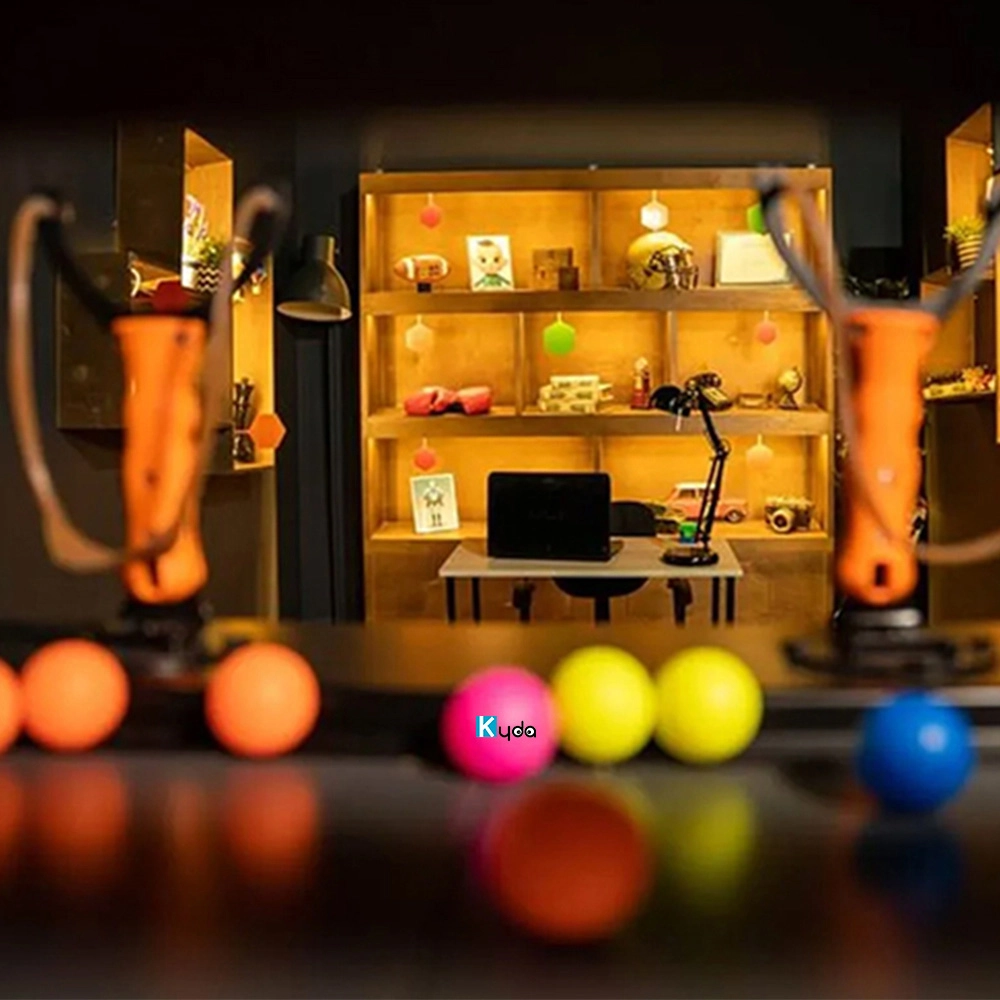
Angry Bird Challenge Brain Activate Game | Kyda Interactive Slingshot Adventure
For Company
How many activate game rooms Kydaplay make?
Till now, 50game rooms, still updating new….
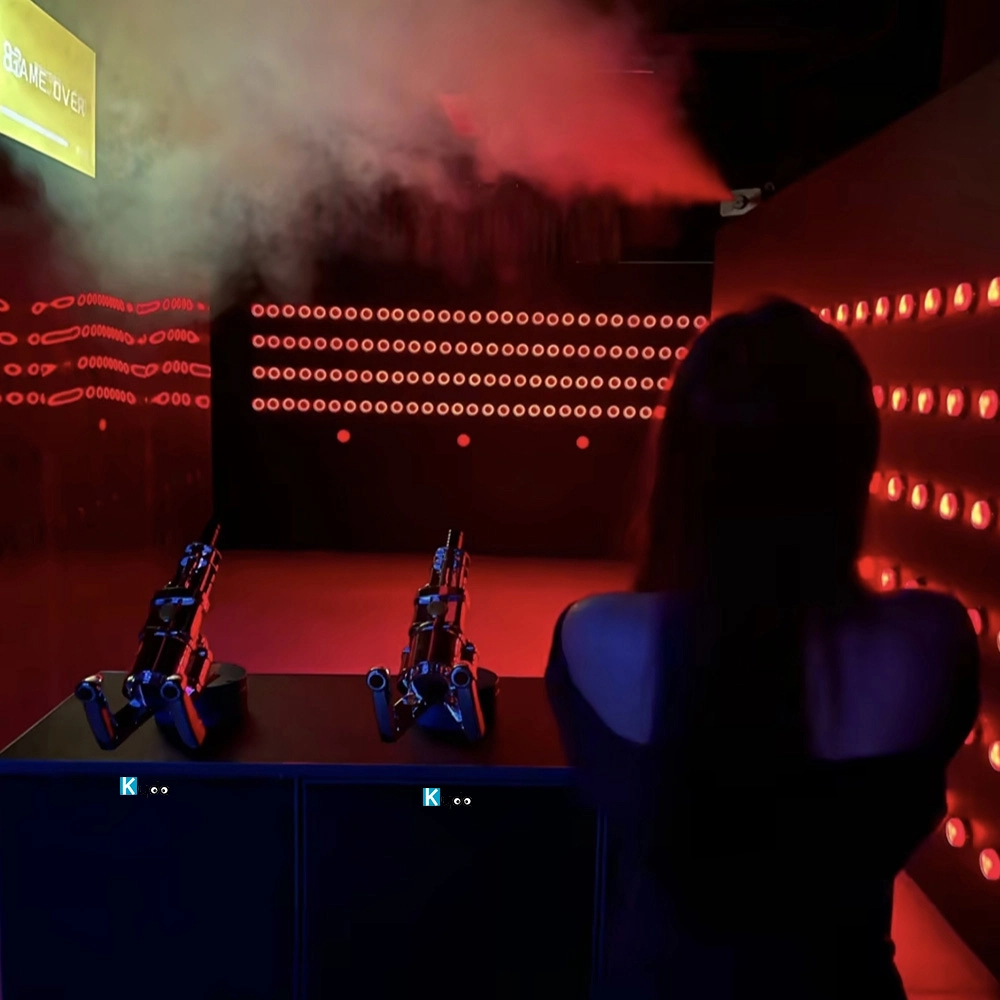
Grid, Mega grid, Climb, ARENA ,Control ,HIDE ,Push, Pipes, Laser shooting, Hoops, Cylinder, Octopus,Strike,Flash, Cannon, KNOCK OUT, Lightning, 7 Blocks, GOLDEN GAME BRIDGE, RESTRICTED, BOMB Football, Rotating targets, Angry Bird, GENIUS, Lava Monster, Super Adventure …..
Do you support different language of the game and management system?
Standard version is English and Chinese, accept customization different language.
For Activate Gaming Floorislava Family Fun
How much size if we start the Megagrid floorislava?
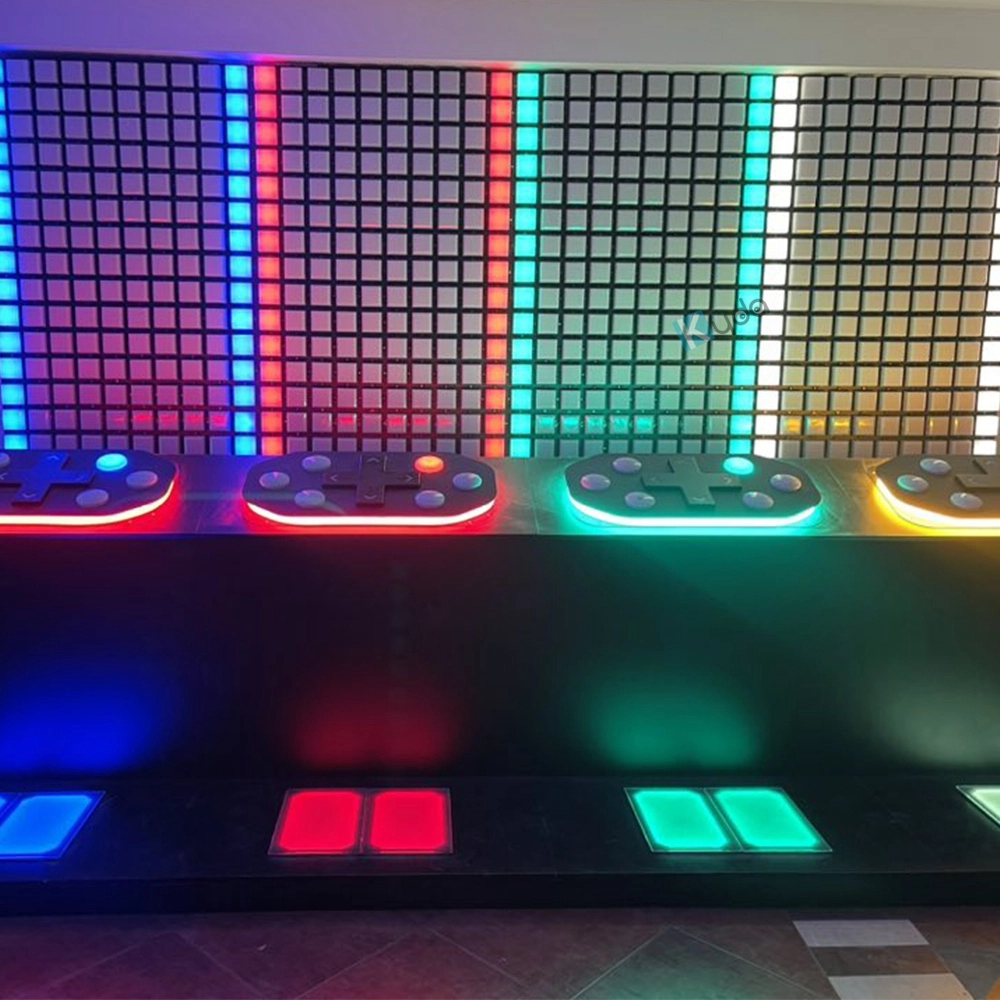
One LED grid tile is 30*30cm, eg: room size 10*5m, which can match 32*16pcs,512pcs for total; Layout: customize the quantity and place it according to the actual venue.
How to pack the LED tile grid?
3pcs/carton, 45cartons/panel.
Can we just buy one game room of Mega grid room?
Yes, If you start the activate game at the first time. We have more than above 50 different activate interactive challenge game rooms for options.
You May Also Like
-
-
Send us Your Inquiry
-
Fill out the form and we will provide you with personalized product quotes and service recommendations based on your needs.
Our team will contact you as soon as possible to help you build the most suitable entertainment equipment!
Let's get in touch
Email: sales@kydavr.com
Tel.: +86 188 2001 8779
Address: 501 Shixin Road, Dalong Street, Guangzhou, Guangdong, China.
© 2025 Kyda. All Rights Reserved.
 Scan QR Code
Linkedin
Ins
Facebook
Twitter
YouTube