




The Ultimate Active Gaming Operations Guide: 12 Proven Strategies to Increase Repeat Visits and Revenue in 2026
Learn 12 proven strategies to operate a successful Active Gaming center, increase repeat visits, improve customer retention, and maximize revenue.
Launching an Active Gaming center is only the first step. The real challenge begins after opening day.
Many entertainment operators invest heavily in equipment, interior design, and marketing, yet six months later they discover a common problem:
Players come once—but they don't return.
The most successful Active Gaming venues are not necessarily those with the biggest facilities. They are the ones that continuously create reasons for customers to come back, challenge themselves, bring friends, and share their experiences online.
At Kydagames, we have worked with entertainment operators worldwide, including Family Entertainment Centers (FECs), escape room owners, indoor playgrounds, sports parks, and standalone Active Gaming venues. Based on real-world projects, this guide shares practical operating strategies that help improve player retention, increase repeat visits, and build a more profitable entertainment business.
Why Repeat Visits Matter More Than New Customers
Acquiring a new customer often costs far more than encouraging an existing customer to return.
A player who visits four or five times each year usually generates significantly more lifetime value than a one-time visitor.
Successful Active Gaming businesses therefore focus on three goals:
- Attract new visitors.
- Encourage repeat play.
- Turn loyal players into brand advocates.
The entire operating system should be designed around these objectives.
Strategy 1: Make Every Visit Feel Different
One reason traditional attractions lose momentum is predictability.
If every visit offers exactly the same experience, guests quickly lose curiosity.
Instead, operators should regularly introduce:
- New game modes
- Seasonal challenges
- Limited-time missions
- Difficulty updates
- Team competitions
Even small software updates can refresh the player experience without changing the hardware.
Regular content updates keep the venue feeling alive and encourage previous visitors to return.
Strategy 2: Build a Visible Leaderboard
People naturally enjoy measuring their progress.
A real-time leaderboard displayed inside the venue creates excitement before, during, and after every game.
Instead of only rewarding winners, recognize multiple achievements such as:
- Daily Champion
- Weekly Top Team
- Fastest Completion
- Highest Accuracy
- Best Family Score
- Best Corporate Team
Visible rankings encourage friendly competition and motivate guests to improve their performance. Persistent player profiles, electronic wristbands, and leaderboards are central to successful active gaming experiences because they make progress measurable across visits.
Strategy 3: Design Games for Replayability
Great Active Gaming is never "one and done."
Every game should encourage players to ask:
"Let's try one more time."
Replayability increases when games include:
- Multiple difficulty levels
- Random game patterns
- Different objectives
- Time-based scoring
- Team cooperation
- Competitive modes
The goal is continuous improvement rather than simply completing a challenge.
Strategy 4: Create Shareable Moments
Today's entertainment business grows through social media.
Every game should naturally create moments that players want to record and share.
Examples include:
- Final-second victories
- Celebration lights
- Team reactions
- Slow-motion replays
- Personal best scores
- Interactive LED effects
User-generated content often becomes the most effective marketing tool.
Strategy 5: Offer Multiple Challenge Levels
Families, teenagers, athletes, and corporate groups have different abilities.
A flexible difficulty system allows beginners to enjoy early success while giving experienced players new goals.
Players are far more likely to return when they know they have another level waiting to be unlocked.
Strategy 6: Reward Progress, Not Just Victory
Many venues only celebrate first place.
A better approach is rewarding improvement.
Examples include:
- First Visit Badge
- Five Visit Reward
- Level Completion
- Team Milestone
- Monthly Achievement
- Personal Best Record
Recognition builds emotional attachment and increases customer loyalty.
Strategy 7: Optimize Group Flow
Empty rooms reduce excitement.
Crowded rooms reduce comfort.
Good operators carefully manage player flow by:
- Online booking
- Time-slot scheduling
- Automatic room rotation
- Digital queue management
- Recommended game sequences
Smooth operations improve both customer satisfaction and venue capacity.
Strategy 8: Build Business Around Events
Instead of selling only game sessions, sell complete experiences.
Popular event packages include:
- Birthday parties
- Corporate team building
- School activities
- Family competitions
- Holiday events
- Weekend tournaments
Event-based revenue often increases average spending per customer.
Strategy 9: Use Data to Improve Operations
Modern Active Gaming venues generate valuable operational data.
Track metrics such as:
- Most popular rooms
- Average play time
- Repeat visit rate
- Peak operating hours
- Team size
- Completion rate
- Difficulty selection
These insights help operators make smarter marketing and staffing decisions.
Strategy 10: Keep Your Brand Fresh
Successful venues continuously communicate with their customers.
Examples include:
- New game announcements
- Player rankings
- Tournament invitations
- Monthly challenges
- Community events
- Seasonal campaigns
Regular communication keeps the venue top of mind between visits.
Strategy 11: Create Friendly Competition
Competition is one of the strongest drivers of repeat visits.
Operators can organize:
- Monthly championships
- Family tournaments
- Corporate leagues
- School competitions
- City-wide challenges
Seasonal leagues and tournament systems keep players returning throughout the year by giving them long-term goals beyond a single visit.
Strategy 12: Think Like a Long-Term Entertainment Business
The world's most successful Active Gaming brands are built around a complete player journey—not just individual games. They combine replayable challenges, player accounts, difficulty progression, wristbands, leaderboards, and ongoing content updates so every visit feels like progress rather than repetition.
Whether your venue includes interactive LED floors, laser challenge rooms, reaction games, climbing experiences, or multiplayer challenge rooms, long-term success comes from delivering fresh experiences that motivate guests to return again and again.
For operators, this means viewing every game as part of a broader entertainment ecosystem—not simply as standalone equipment.
Conclusion
Opening an Active Gaming center is an investment.
Operating it successfully is an ongoing process.
The venues that achieve sustainable growth focus on customer retention as much as customer acquisition. By combining replayable game design, meaningful progression, smart scheduling, engaging events, and data-driven operations, operators can create memorable experiences that keep guests returning with friends and family.
At Kydagames, we help entertainment entrepreneurs build complete Active Gaming solutions—from interactive game rooms and intelligent scoring systems to wristbands, online booking, leaderboards, and customizable software. Our goal is to help operators create venues that are engaging on day one and profitable for years to come.
FAQ
How can an Active Gaming center increase repeat customer visits?
The most effective strategies include replayable games, multiple difficulty levels, player accounts, leaderboards, seasonal events, loyalty rewards, and regular software content updates. These features give players clear reasons to return and improve their performance.
What is the most important KPI for an Active Gaming venue?
While daily attendance matters, repeat visit rate, average revenue per customer, occupancy rate, event bookings, and customer lifetime value are often stronger indicators of long-term profitability.
How do leaderboards improve Active Gaming business performance?
Leaderboards create visible goals, encourage friendly competition, and motivate players to revisit the venue to improve their rankings. When combined with player profiles and rewards, they become a powerful retention tool.
How often should an Active Gaming center update its games?
Many successful operators refresh game content, seasonal missions, or challenge modes every 1–3 months. Regular updates help maintain excitement without requiring major hardware changes.
What types of venues benefit most from Active Gaming operations?
Active Gaming is well suited for Family Entertainment Centers (FECs), escape room upgrades, trampoline parks, shopping malls, sports entertainment venues, resorts, indoor playgrounds, and standalone interactive entertainment centers that want to increase guest engagement and repeat visits.
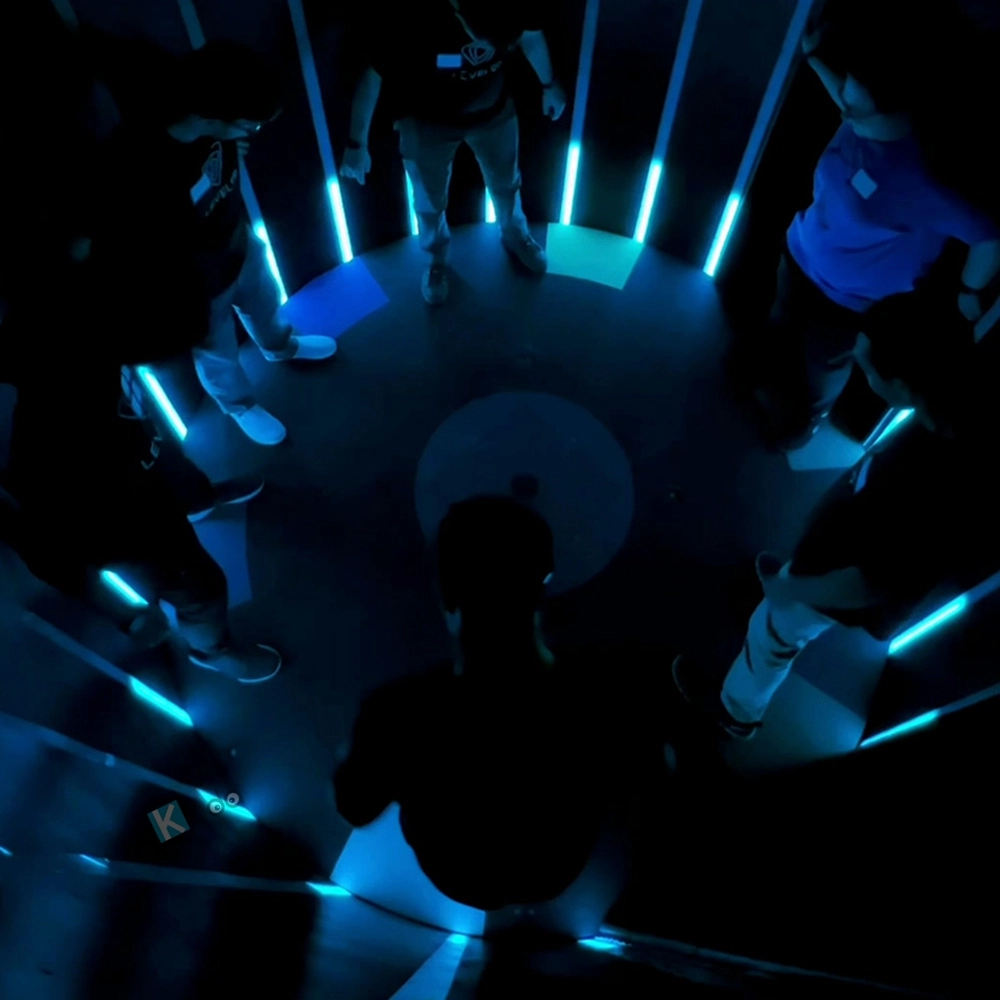
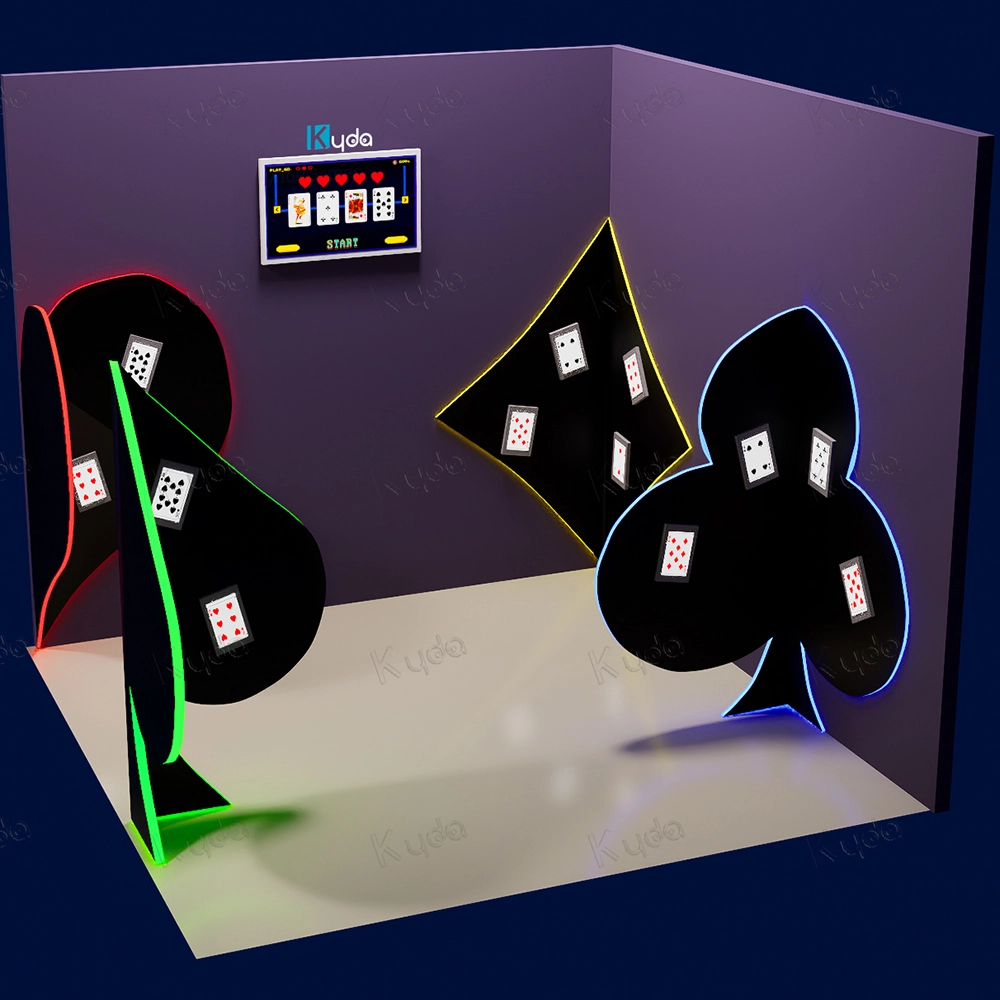
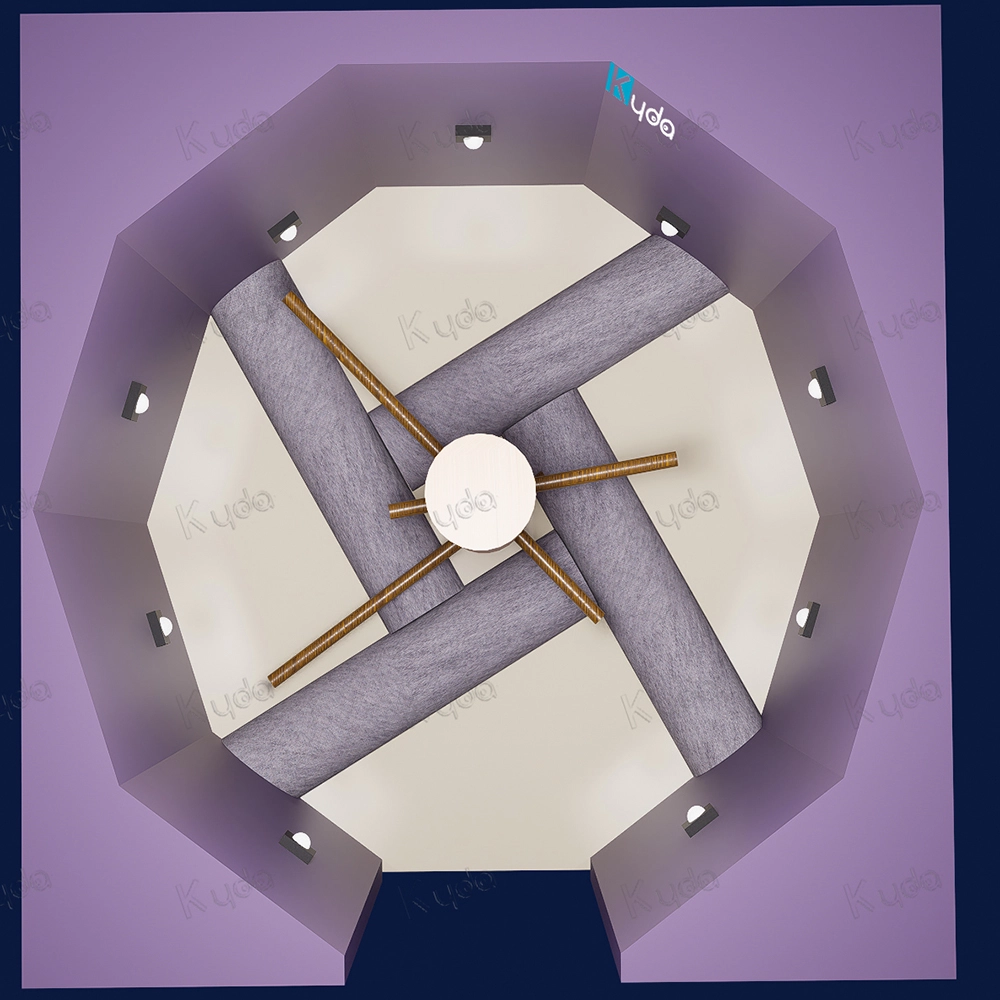
Active Reaction Cylinder Rolling Game Room – LED Motion-Controlled Group Challenge by Kyda
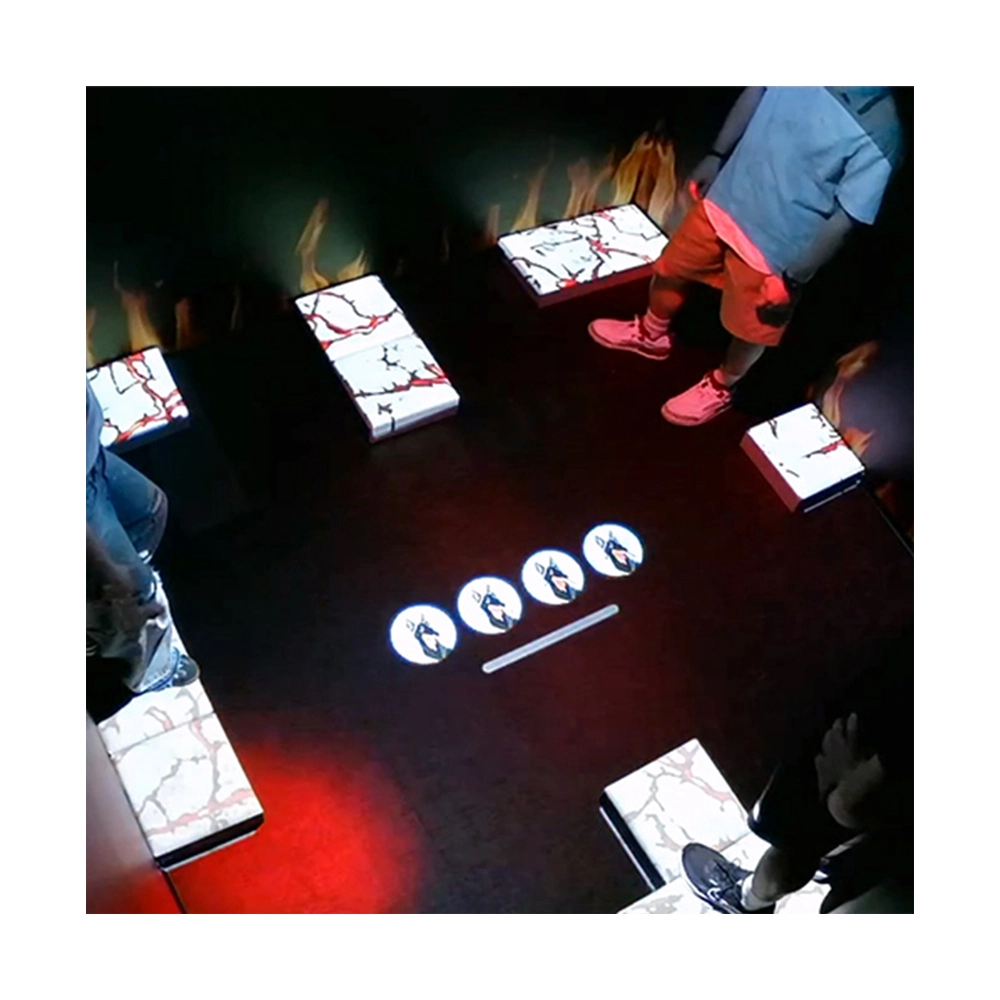
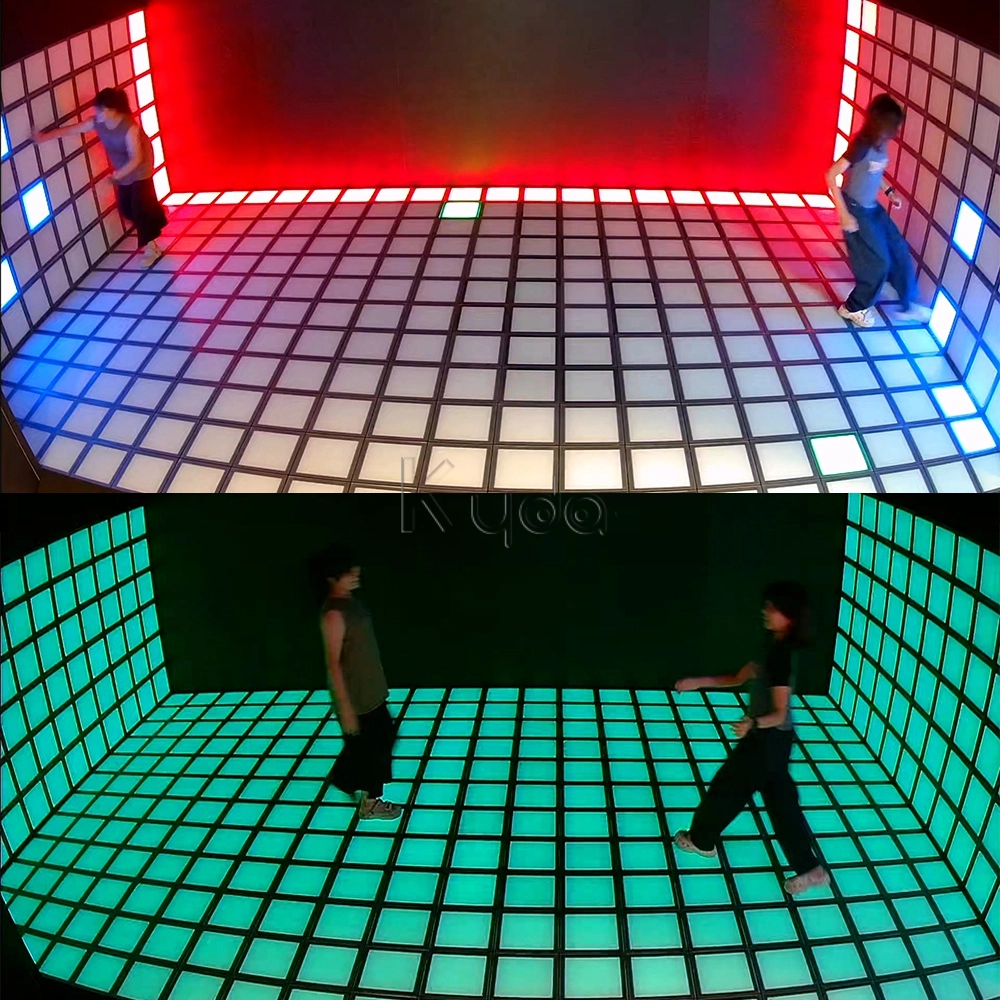
LAVA FLOOR Adventure – Interactive LED Floor Games for Kids
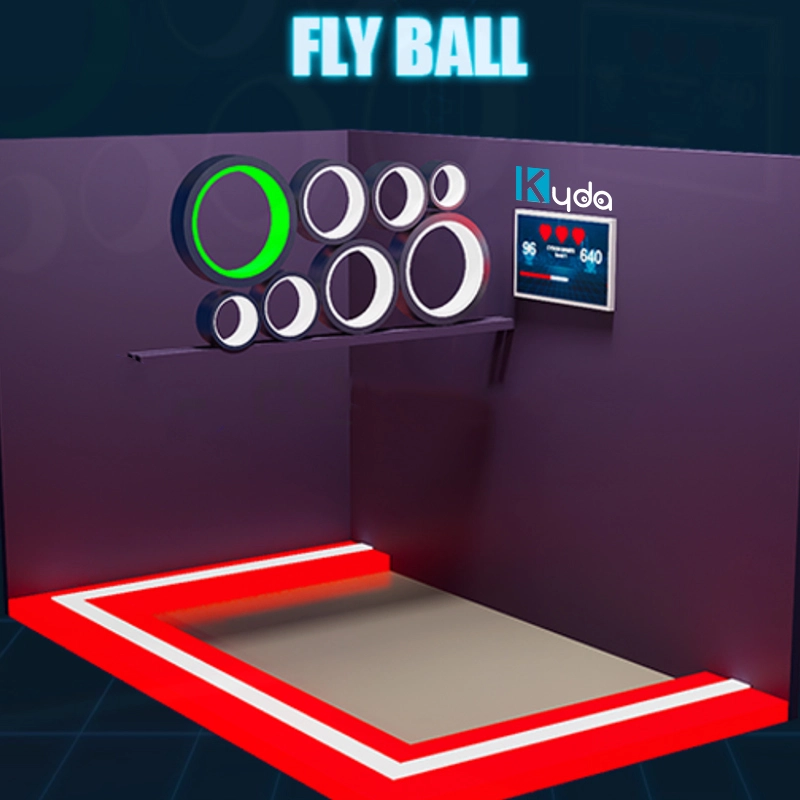
Fly Ball Interactive Challenge Game Interactive Ball Throwing Game for Active Entertainment
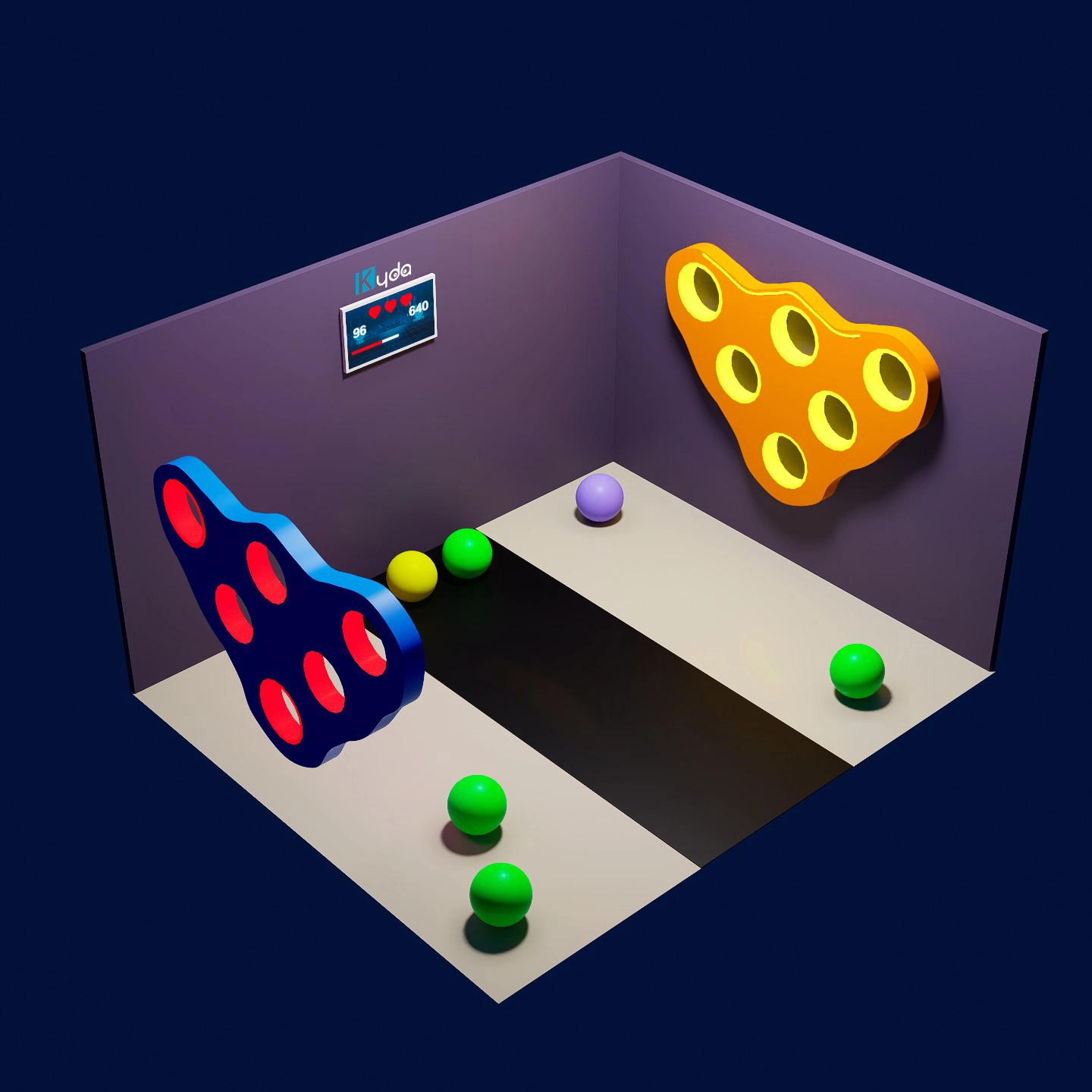
PK Ball Active Challenge Game | Interactive Ball Throwing Competition for FEC, Team Building & Real Life Gaming Entertainment
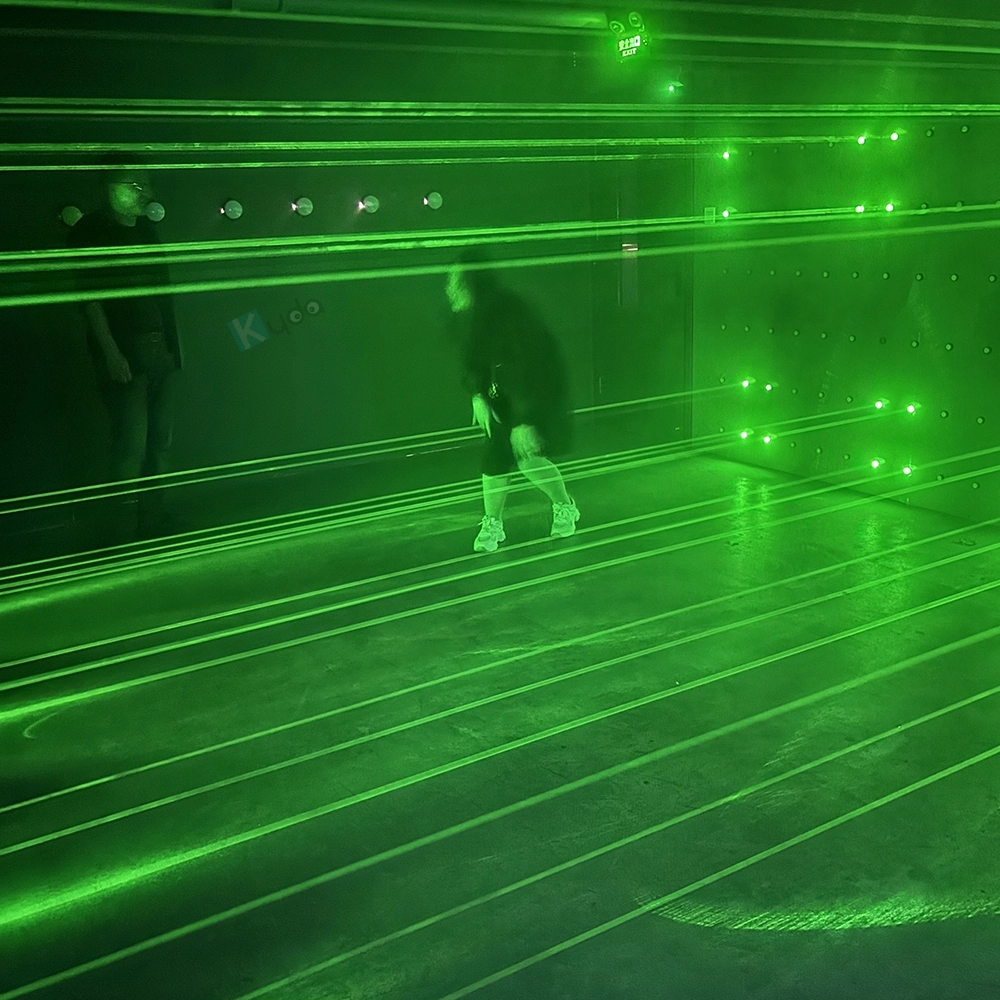
Kids & Adults Interactive Laser Game Arena – Indoor LED Light Challenge Equipment
You May Also Like
-
-
Send us Your Inquiry
-
Fill out the form and we will provide you with personalized product quotes and service recommendations based on your needs.
Our team will contact you as soon as possible to help you build the most suitable entertainment equipment!
Let's get in touch
Email: sales@kydavr.com
Tel.: +86 188 2001 8779
Address: 501 Shixin Road, Dalong Street, Guangzhou, Guangdong, China.
© 2025 Kyda. All Rights Reserved.
 Scan QR Code
Linkedin
Ins
Facebook
Twitter
YouTube