


For a commercial venue, interactive wall games should be selected by the experience and operating model they must support, not by the wall technology alone. The same search can lead to LED active walls, projection walls, hybrid sports walls, sensor-controlled game walls, and software-driven interactive surfaces. A buyer needs to define the format, room conditions, game content, service model, and supplier responsibilities before comparing quotations.
This guide focuses on LED and active-wall systems for commercial entertainment venues. It also explains where projection and hybrid systems belong, because those options often appear in the same search results. Use it as a planning brief before asking Kyda or another supplier for a wall-game proposal.
What Interactive Wall Games Mean for Commercial Venues
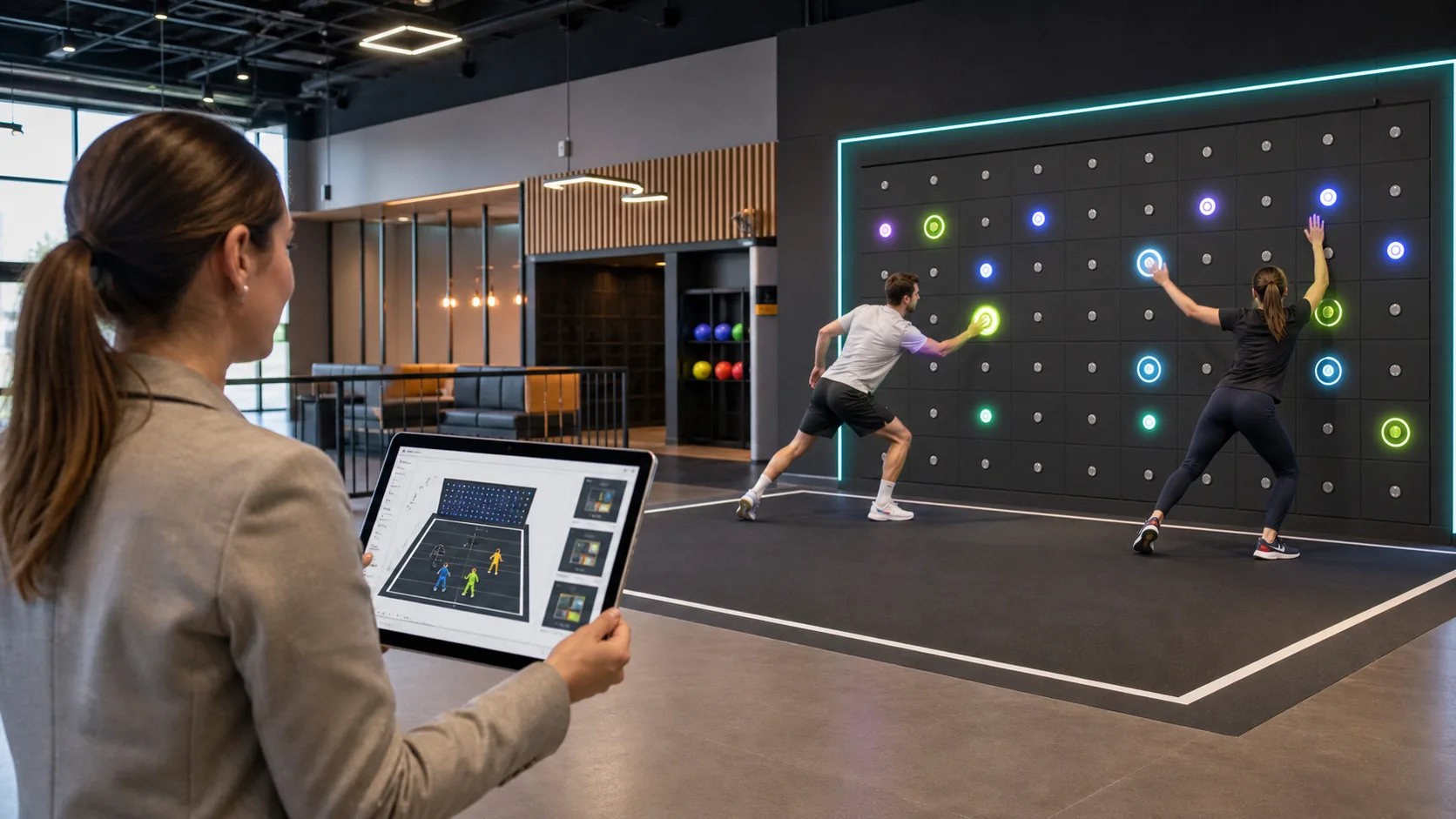
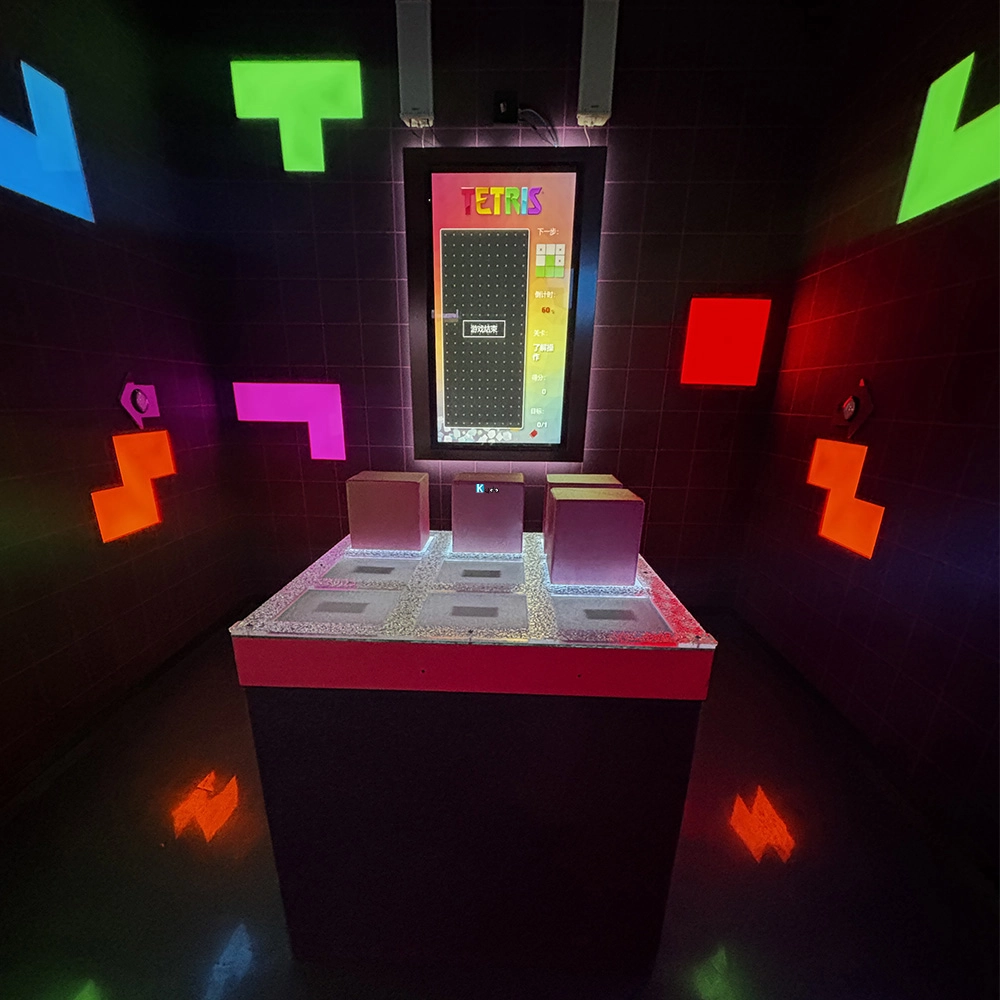
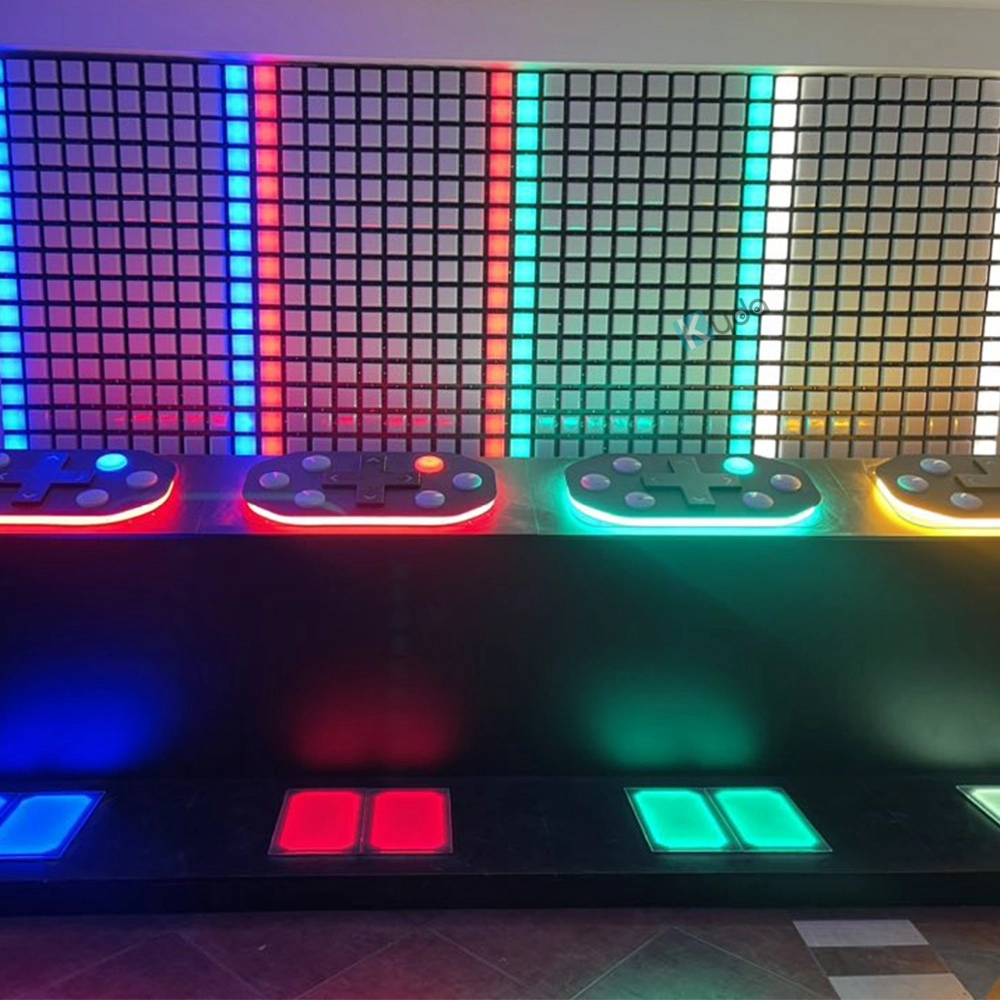
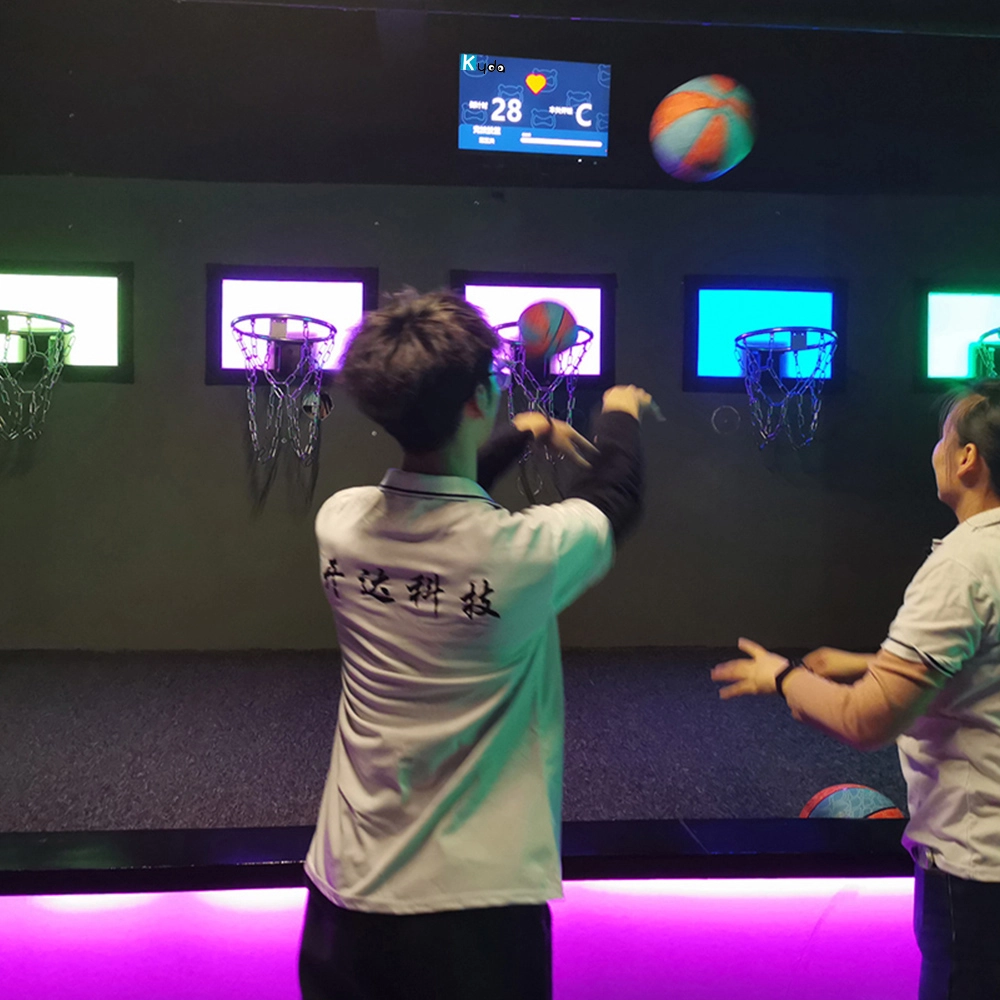
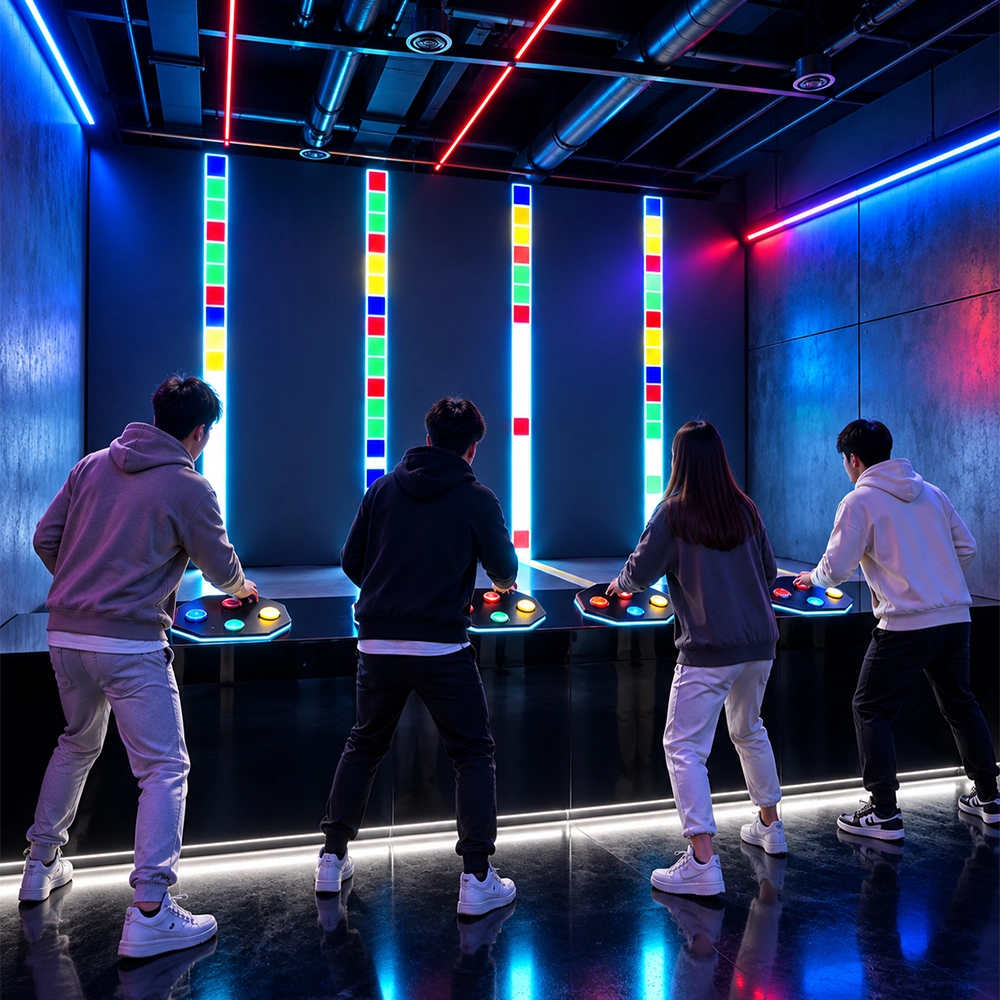
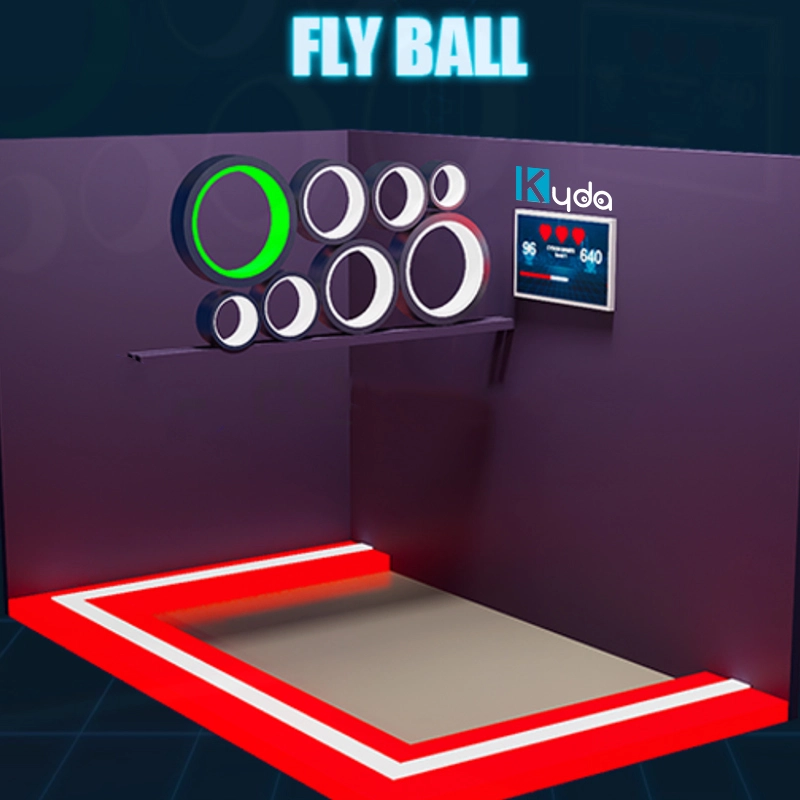
Interactive wall games are digital or sensor-driven attractions that turn a vertical surface into a play zone. Players may touch illuminated targets, throw balls at marked areas, respond to lights, solve timed challenges, or trigger game content through motion sensors or projection tracking. In commercial venues, the category usually sits between arcade equipment, active entertainment, sports challenges, and immersive game-room design.
The important buying point is simple: the word "wall" does not describe one system. A supplier may be selling a physical LED wall, a projected game surface, a hybrid sports wall, an app-based creative wall, or a full active-game room module. Before comparing price or game count, ask what the player sees, what input the system detects, where the control hardware sits, how the software is updated, and what the operator must maintain.
This page treats an LED or active wall as the main owner boundary. If your project is mainly about projection games, the evaluation should include projector brightness, throw distance, camera placement, ambient light, calibration, and image-surface conditions. Those questions overlap with this guide, but they should not be folded silently into an LED-wall quote.
For a broader category view, Kyda also lists commercial active game products. Treat that hub as a starting point for navigation, not as proof that every product specification on this page has already been confirmed.
LED Wall, Projection Wall, or Hybrid System: Which Format Fits the Venue?
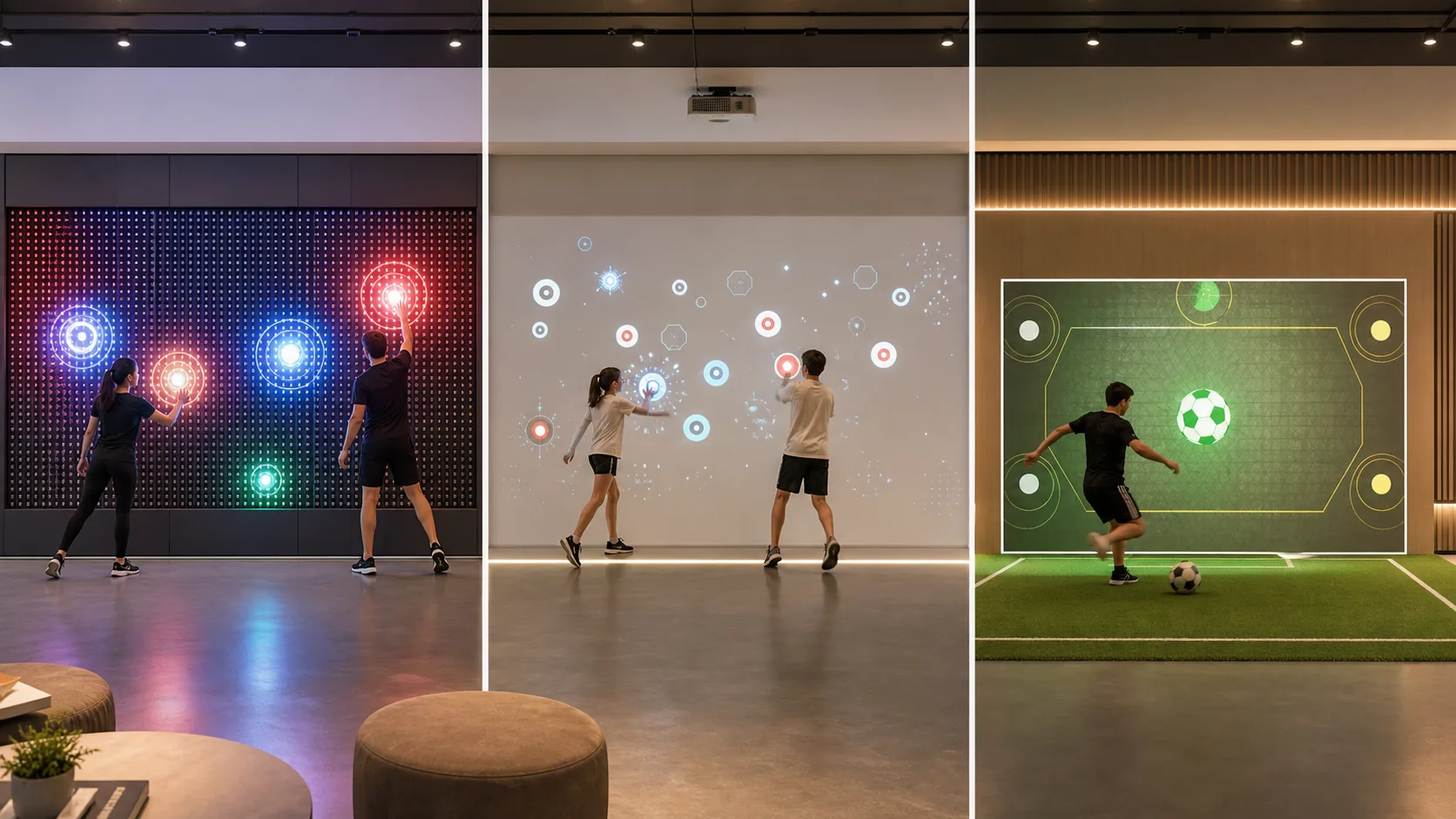
Choose the wall format after defining the venue environment. A family entertainment center with bright lighting and heavy ball impact may need a different wall design from a sports bar, school activity area, escape-room add-on, or corporate team-building space.
| Format | Best fit | Buyer should confirm | Main tradeoff |
|---|---|---|---|
| LED active wall | High-visibility reaction games, target games, timed challenges, active game rooms, and bright indoor venues | Wall dimensions, impact tolerance, panel/module protection, controller, game library, player distance, service access, and power plan | Strong visual presence, but exact hardware and installation conditions must be confirmed |
| Projection wall | Large-format visual games, flexible themed content, lower-touch surfaces, and spaces where projection geometry works | Projector brightness, throw distance, mounting, camera/sensor placement, ambient light, calibration, and surface quality | Flexible visuals, but sensitive to lighting and alignment |
| Hybrid sports wall | Ball-throwing, reaction, fitness, and competitive scoring experiences | Sensor type, scoring accuracy, ball impact handling, protective materials, difficulty levels, and maintenance routine | Strong sports appeal, but the system must be matched to play intensity |
| Software-first interactive wall | Events, creative play, education, or brand activation where content changes often | Supported devices, content tools, licensing, custom development, moderation, updates, and support | Flexible content, but hardware responsibility may sit outside the software supplier |
The right answer often depends on circulation and supervision as much as technology. Map the player approach, waiting area, spectator space, exit path, staff sightlines, and service access before choosing the wall. A wall that looks compact on a quote sheet can still fail operationally if players need space to run, throw, dodge, turn, or queue.
Use this format decision before asking for a proposal. It prevents a common mismatch: one supplier quotes an LED active wall, another quotes a projection wall, and the buyer tries to compare them as if they were the same attraction.
Core Components: Wall Surface, Sensors, Game Software, and Control System
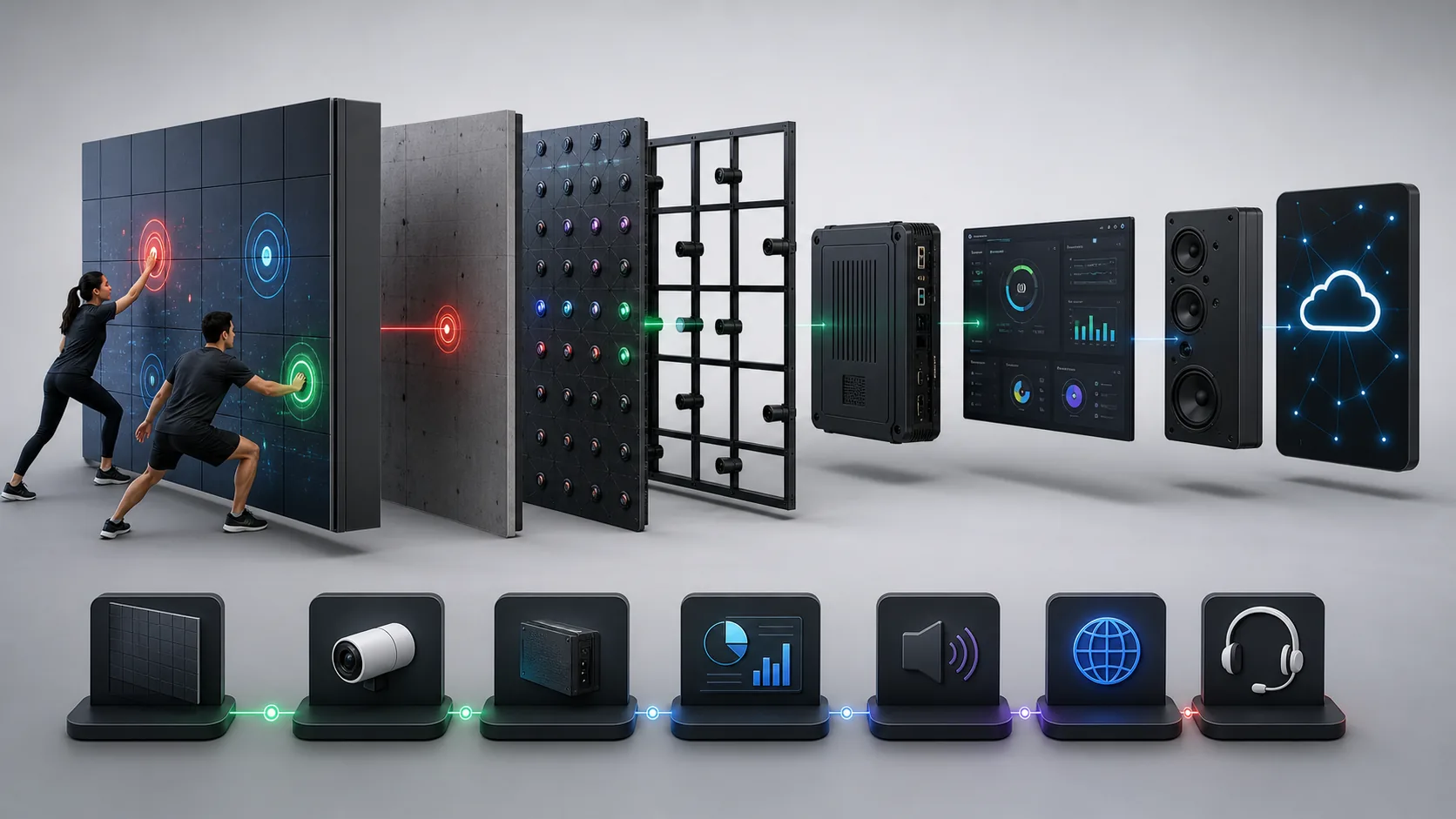
A useful quote should describe the complete system, not only the visible wall. The wall attraction is a stack of hardware, software, installation, and operating support.
| Layer | What it does | Questions to ask before purchase |
|---|---|---|
| Wall surface or display | Creates the visible play area | Is it LED, projection, a physical target wall, or a protected display surface? |
| Input detection | Reads player action | Does the system use touch, buttons, motion sensors, cameras, ball-impact sensing, or another method? |
| Control hardware | Runs the attraction | Where are the controller, computer, audio, network and power components located? |
| Game software | Defines play modes and scoring | What game library is included, how are difficulty levels changed, and who owns updates? |
| Safety and operating boundaries | Defines acceptable use | What player age, movement, impact and supervision assumptions are used? |
| Installation package | Turns equipment into a working attraction | Who handles drawings, mounting, wiring, calibration, testing, training and handover? |
| Service model | Keeps the system usable | What documentation, remote support, spare parts and maintenance routines are available? |
Kyda has a transactional page for a custom active wall solution, but the public page's exact model, player-count, power and return-on-investment statements should not be copied into this article as verified specifications without Owner confirmation. Use it as the commercial destination, then ask for a project-specific proposal.
For this article's final production package, these fields remain marked 需要Owner确认:
| Field | Status |
|---|---|
| Exact LED wall sizes or module dimensions | 需要Owner确认 |
| Electrical load, network and control-cabinet requirements | 需要Owner确认 |
| Player count by wall format and game mode | 需要Owner确认 |
| Standard installation timeline or commissioning steps | 需要Owner确认 |
| Warranty, spare-parts and remote-support scope | 需要Owner确认 |
| Named installation cases and performance results | 需要Owner确认 |
If those details are not supplied before publication, the final article should keep the advice at planning-checklist level rather than pretending that exact Kyda specifications have been audited.
Use Cases by Venue Type and Audience
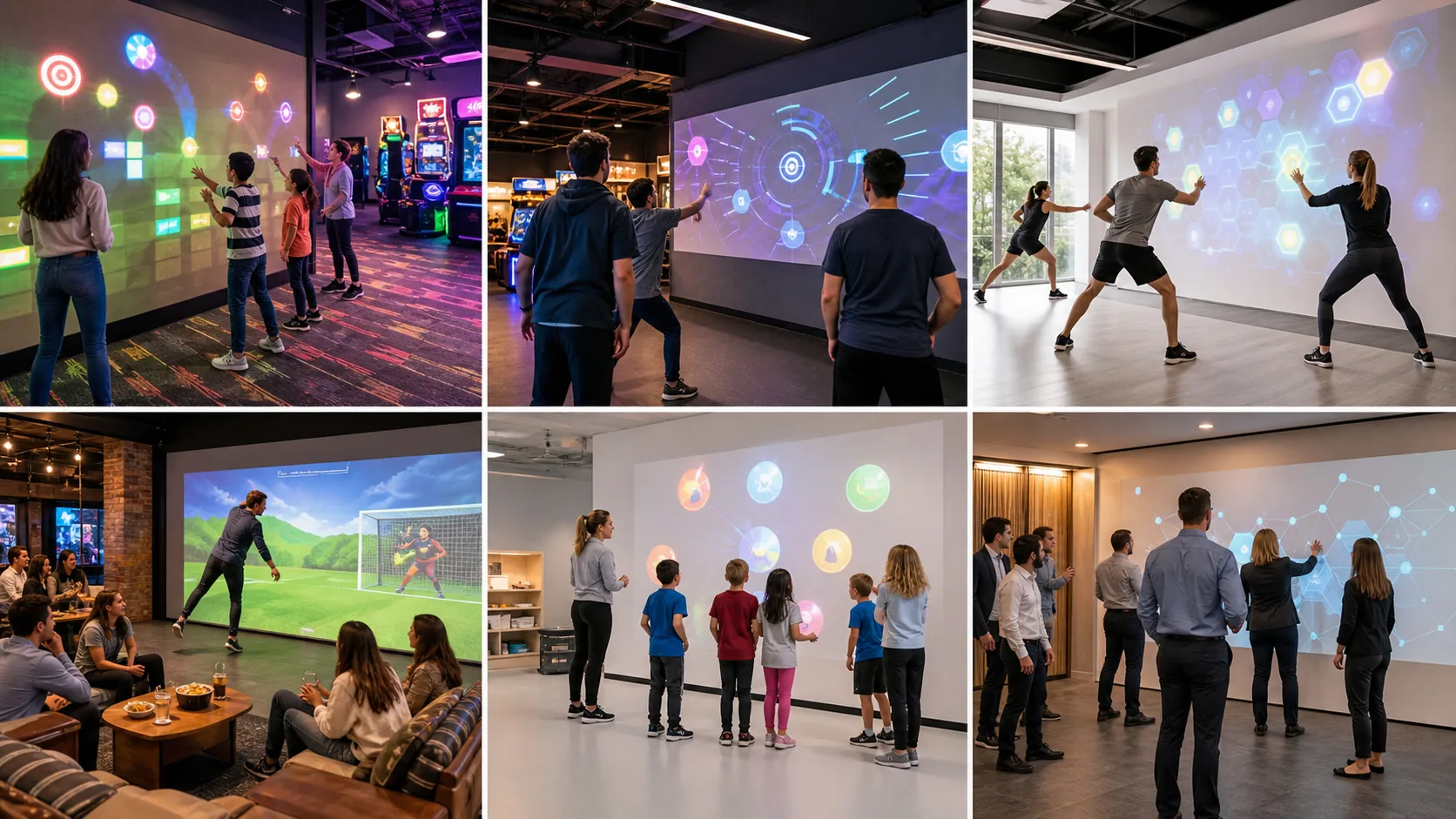
Interactive wall games can support several commercial venue models, but each model needs a different content and operations brief.
| Venue type | What the wall should do | Buyer planning note |
|---|---|---|
| Family entertainment center | Add a visible, repeatable active-play attraction | Balance child-friendly modes with enough scoring depth for older players |
| Arcade or game center | Create a competitive challenge near other attractions | Check queue control, spectator flow, staff reset, and prize or scoring logic |
| Active game room | Work as one station in a timed multi-room circuit | Confirm integration with room sequencing, scoring, lighting, audio and management software |
| Sports bar or social venue | Create short, replayable group challenges | Favor clear rules, fast onboarding, durable input methods and adult-friendly difficulty |
| School, camp or training area | Support movement, teamwork or learning-style play | Confirm supervision, accessibility, cleaning, content settings and local policy requirements |
| Corporate or event venue | Provide group activity and shareable moments | Check session length, reset time, branding options and staff operation needs |
The query interactive wall games for adults deserves careful handling. Adult use is not only a matter of wall height or game speed. Adults usually need clearer competitive scoring, team modes, session pacing, difficulty settings, and content that does not feel like a children's play wall. Family venues may need both paths: an accessible first-play mode for children and a stronger challenge mode for teens, adults, or corporate groups.
Buyers comparing venue concepts can also review Kyda's venue solution planning. Keep the article's claim narrow, though: the right use case still depends on site conditions, audience, budget, staffing and the final selected game package.
Site Conditions to Confirm Before Asking for a Quote
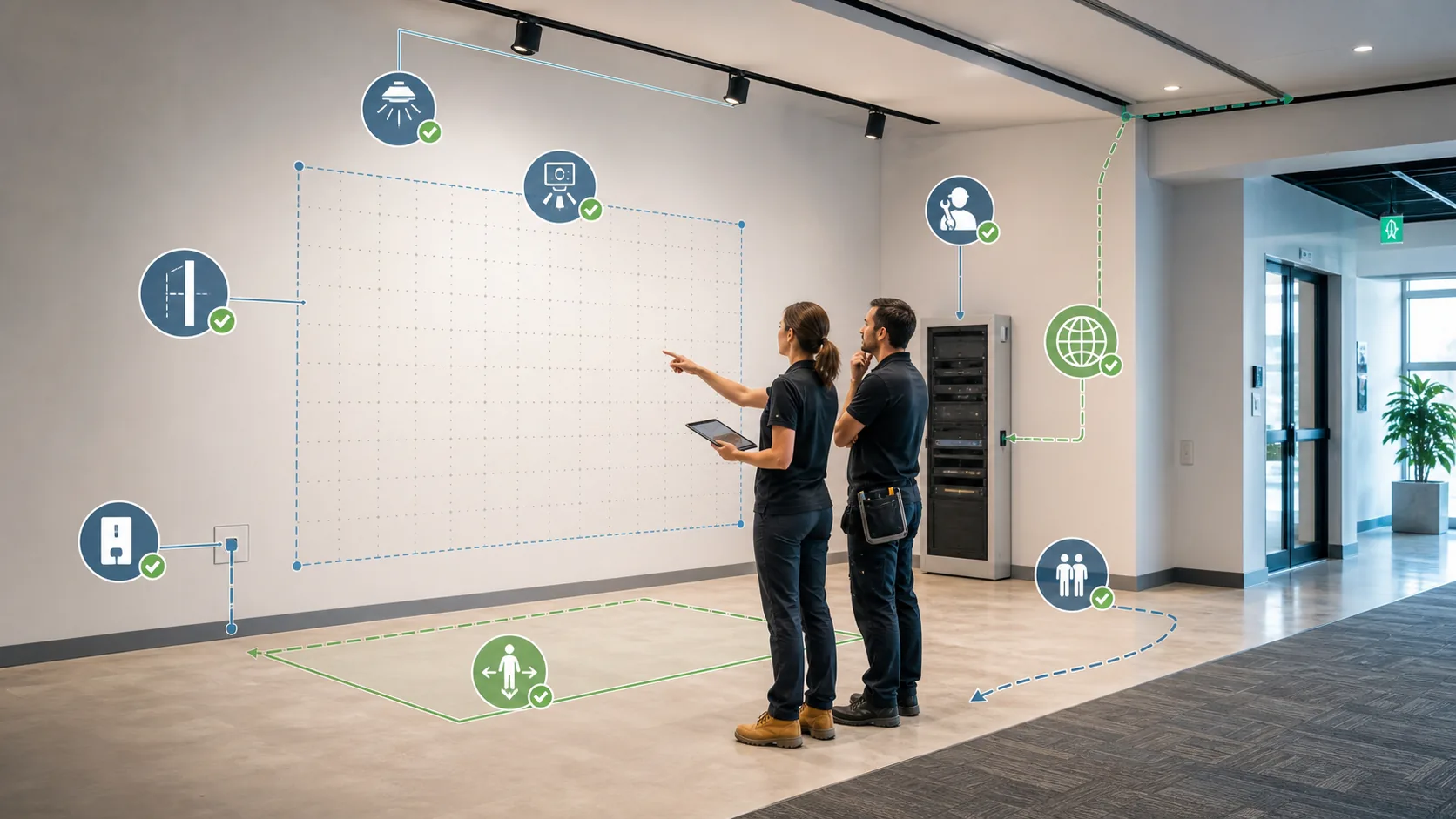
A supplier can give a better recommendation when the buyer sends a precise site brief. At minimum, prepare wall photos, rough dimensions, floor plan, ceiling condition, nearby attractions, expected player group, and the desired style of play.
| Site condition | Why it matters | What to send or confirm |
|---|---|---|
| Wall size and structure | Determines format, mounting and playable area | Width, height, wall material, obstructions and photos |
| Clear play area | Affects player movement and safety planning | Distance from wall to queue, exit, furniture, doors and other attractions |
| Floor condition | Influences running, throwing, stopping and cleaning | Surface material, levelness, traction, matting and maintenance needs |
| Lighting | Especially important for projection and camera-based tracking | Daylight, overhead lights, reflective surfaces and dimming options |
| Power and network | Supports controller, display, audio, updates and management | Available power points, breaker capacity, cable routes and network access |
| Staffing and supervision | Shapes game difficulty, reset process and customer flow | Staff count, training plan, age mix and session length |
| Accessibility and local code | Affects public access, circulation and compliance review | Local jurisdiction, venue type, renovation scope and professional reviewer |
For projects in the United States, the Department of Justice's 2010 ADA Standards are one official reference point for covered public accommodations and commercial facilities; see References & Sources. This article is not legal advice, and venue teams should confirm local accessibility, building, electrical and fire requirements with qualified professionals.
Avoid turning early planning into false precision. If a supplier asks for site drawings before giving final dimensions, power loads or mounting requirements, that is a normal part of responsible project scoping. If a supplier gives fixed numbers without seeing the site, ask what assumptions those numbers depend on.
Software and Content Requirements
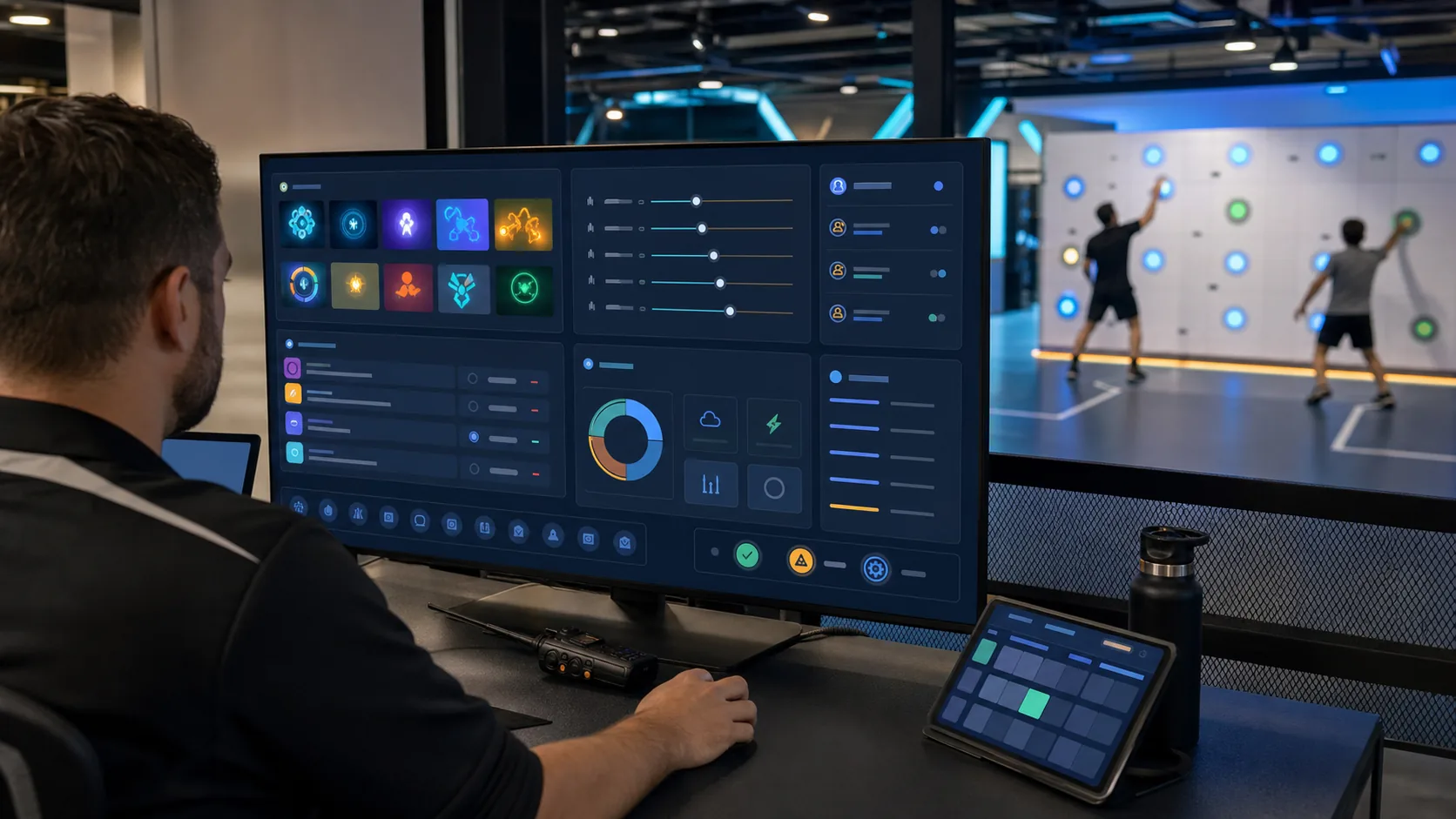
The software side determines whether a wall attraction stays fresh after the first month. Buyers should compare game depth, difficulty controls, scoring visibility, language options, update method, and the workflow for custom content.
Ask these questions before treating two systems as equivalent:
| Software question | Why it matters |
|---|---|
| How many game modes are actually included in the quoted package? | A large headline library may include modes that do not fit your audience or wall format |
| Can staff adjust difficulty without a technician? | Venues need different settings for children, teens, adults, groups and events |
| Is scoring local, networked or connected to a management system? | Competitive play depends on visible, reliable and easy-to-reset scoring |
| How are updates delivered? | Software updates affect downtime, support needs and long-term replay value |
| Can content be customized? | Brand activations, schools and themed venues may need special content |
| What happens if a sensor, controller or game mode fails? | The recovery process affects staff confidence and guest experience |
The buyer's goal is not to collect the most game names. It is to match the content library to the commercial use case: short repeatable rounds for high-throughput venues, deeper challenge modes for active game rooms, simple onboarding for family groups, and adult-friendly scoring for social entertainment.
Supplier Buying Criteria and Questions to Ask
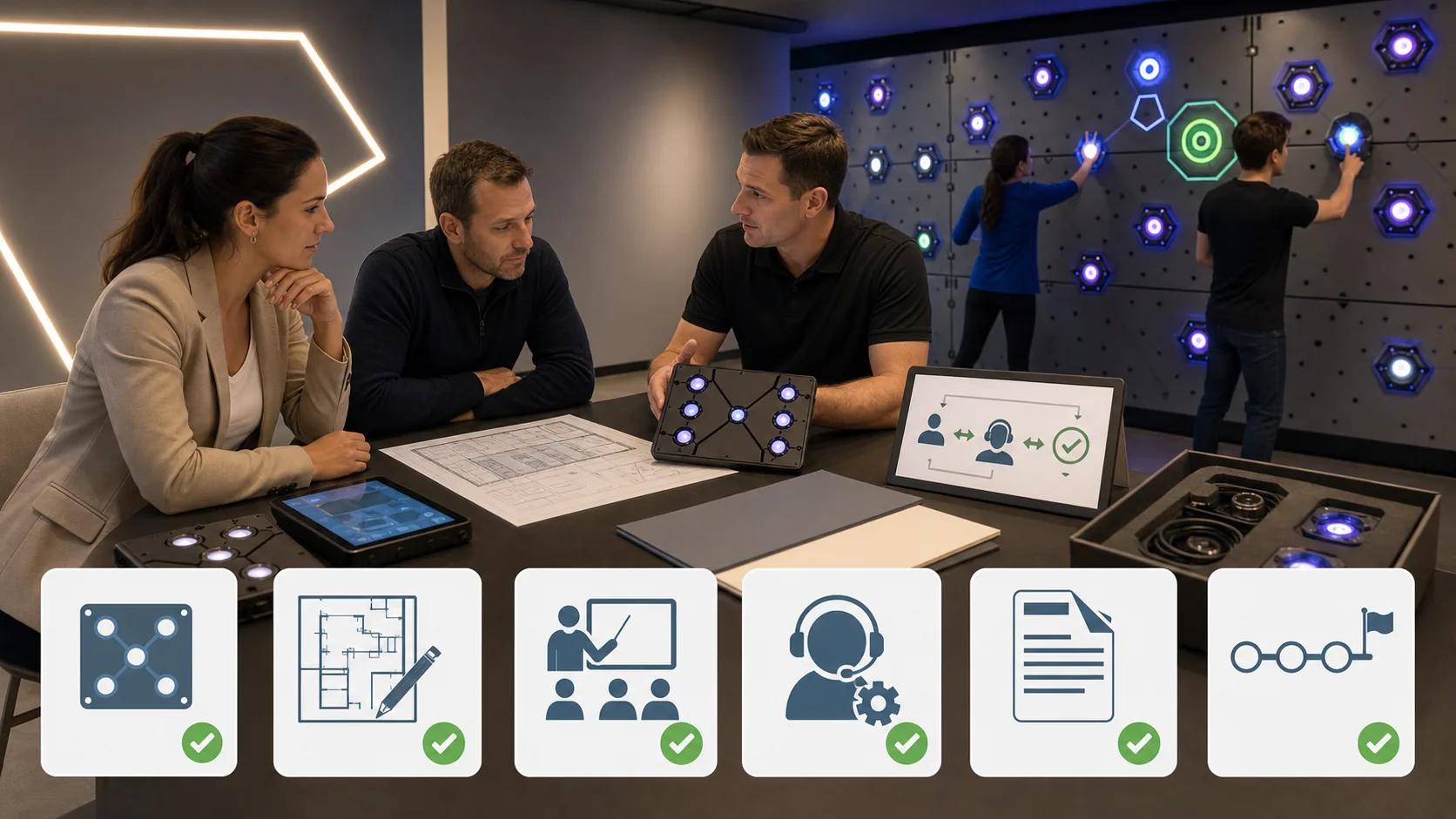
A good supplier conversation should end with comparable responsibilities. Ask who is responsible for design, engineering drawings, software configuration, installation guidance, calibration, training, documentation, remote support and after-sales service.
Use this checklist when comparing proposals:
| Buying criterion | Ask the supplier |
|---|---|
| Scope clarity | What hardware, software, installation materials, drawings, freight, training and support are included or excluded? |
| Site review | What site photos, dimensions, floor plans or videos do you need before final quotation? |
| Game fit | Which games fit our audience, session length, room size and operating model? |
| Integration | Can the wall connect with scoring, ticketing, room management or other active-game systems? |
| Installation | Who handles mounting, wiring, calibration, testing and handover? |
| Staff operation | What does staff need to do before, during and after each session? |
| Maintenance | What parts are consumable or serviceable, and what troubleshooting steps are documented? |
| Evidence | Which specifications, cases, certificates or test records can be provided for this exact proposed system? |
Kyda's service and installation support page is the natural support-path link for this section, but do not treat it as a substitute for project-specific confirmation. The quote should still state what support is included for your selected wall format, location and game package.
Before final approval, ask for a brief that includes these fields:
| Quote-ready field | Buyer input |
|---|---|
| Venue type and country | FEC, arcade, active game room, school, bar, event space or mixed venue |
| Audience | Children, teens, adults, families, corporate groups or mixed traffic |
| Available wall and play area | Photos, approximate dimensions and obstructions |
| Desired play style | Reaction, ball throw, fitness, puzzle, team challenge, branding or custom content |
| Operating plan | Session length, staffing, supervision, cleaning and reset expectations |
| Confirmation markers | Specs, case examples, player count, power, installation and support details still requiring 需要Owner确认 |
Conclusion
Interactive wall games can be strong commercial attractions when the buyer chooses the format first and the supplier quote second. Start with the venue use case, then compare LED, projection, hybrid and software-led systems by site conditions, player flow, game content and support responsibilities. For a practical next step, prepare photos, rough dimensions, audience details and desired game styles before asking for a proposal.
References & Sources
- 2010 ADA Standards for Accessible Design — U.S. Department of Justice. Used only as a U.S. accessibility-planning reference; venue teams should verify current local requirements with qualified professionals.
Plan an Interactive Wall Game Project with Kyda
To brief Kyda, prepare your venue type, country, audience profile, wall photos, approximate dimensions, desired game style and any installation constraints. Then share your project details with Kyda so the team can recommend a wall-game direction before a final quote.


 Scan QR Code
Linkedin
Ins
Facebook
Twitter
YouTube