




How to Make Every Square Meter Profitable: Why Active Gaming Is Becoming a Smarter FEC Investment in 2026
In 2026, successful FECs are looking beyond attraction size and focusing on revenue efficiency. Active Gaming combines compact interactive challenge rooms, multiplayer competition, digital scoring and repeatable content to help operators create more value from limited entertainment space.
For years, the indoor entertainment industry asked one primary question when choosing a new attraction:
“Will customers like it?”
In 2026, operators need to ask several additional questions:
How much space does it require? How many players can it serve? How much labor does it need? Will customers come back? Can the experience be updated without rebuilding the venue?
These questions are becoming increasingly important as Family Entertainment Centers (FECs), shopping mall attractions, escape rooms and indoor activity centers face tighter operating conditions.
IAAPA has highlighted that FEC operators are dealing with more deliberate consumer spending and increasing competition for customers' attention. Recent industry discussions also emphasize operational efficiency, cost control and sustainable growth.
This is one reason Active Gaming is becoming an increasingly relevant attraction category.
Instead of relying on a single large attraction, an Active Gaming venue can divide its space into multiple interactive challenge rooms where players run, react, solve, compete and cooperate.
The result is not simply another game.
It is a different way of designing the economics of an indoor entertainment venue.
1. The New FEC Metric: Revenue per Square Meter
A large attraction can look impressive, but size alone does not determine profitability.
Every square meter inside an entertainment center has a cost.
Operators must consider:
- Rent
- Decoration
- Equipment investment
- Electricity
- Staffing
- Maintenance
- Insurance
- Marketing
- Content replacement
Therefore, an important question for investors is:
How much customer activity and revenue can this space generate over its operating life?
This changes how attractions should be evaluated.
A successful attraction needs to do more than occupy space. It should ideally support high player throughput, group participation, repeat visits and efficient daily operation.
Active Gaming is particularly interesting because multiple compact challenge rooms can be combined within one venue.
Instead of dedicating a large area to one experience, operators can create a multi-room gaming journey.
2. One Venue, Multiple Reasons to Play
Traditional attractions often have a replay problem.
Once customers understand the experience, there may be limited motivation to return.
Active Gaming addresses this differently.
Players are not simply completing an attraction. They are trying to:
beat a score, complete a harder level, defeat another team, improve their reaction time or reach a higher leaderboard position.
That distinction matters.
The entertainment value is created partly by the equipment—but also by competition.
The same room can therefore produce different experiences depending on:
- Players
- Teams
- Difficulty
- Scores
- Game modes
- Time limits
- Challenges
This is one reason competitive social gaming has become important in location-based entertainment. Current industry analysis points toward increasing demand for shared, physically active experiences supported by digital feedback, leaderboards and team formats.
3. From “One-Time Attraction” to Replayable Gaming Platform
This is perhaps the biggest difference between traditional amusement equipment and software-driven Active Gaming.
Consider a traditional physical attraction.
To create a significantly different experience, an operator may need to:
replace equipment → redesign decoration → rebuild part of the venue → launch a new attraction.
A software-driven attraction works differently.
The physical room becomes a platform.
Different game rules, difficulty levels and digital content can create additional experiences using the same core hardware infrastructure.
This means operators should increasingly evaluate entertainment equipment in the same way they evaluate digital platforms:
What can this attraction become after installation?
At KYDA, this philosophy is central to the development of our Active Gaming solutions.
4. Why Multiple Small Challenge Rooms Can Be Powerful
Imagine an entertainment venue containing different challenges such as:
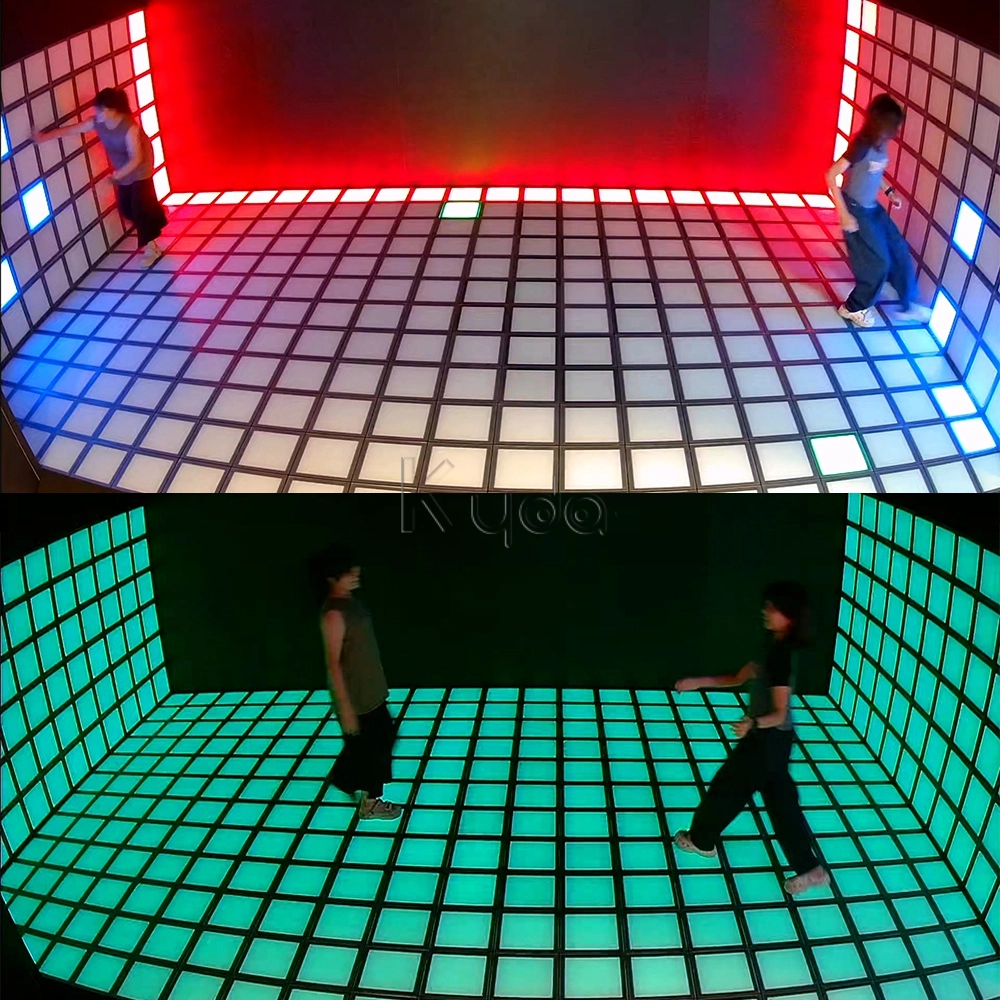
Pixel Grid
Players move across an interactive LED gaming floor while avoiding dangerous zones, finding targets or completing team missions.
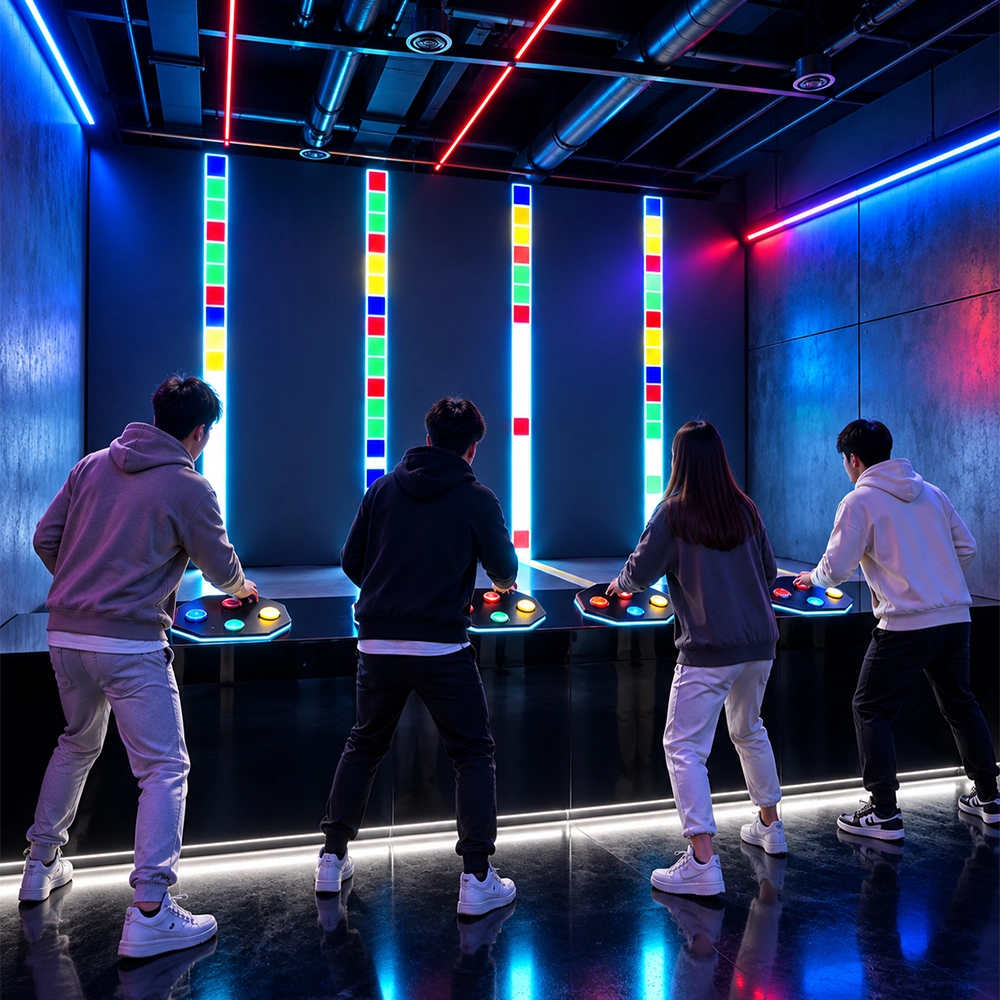
Push Button Reaction
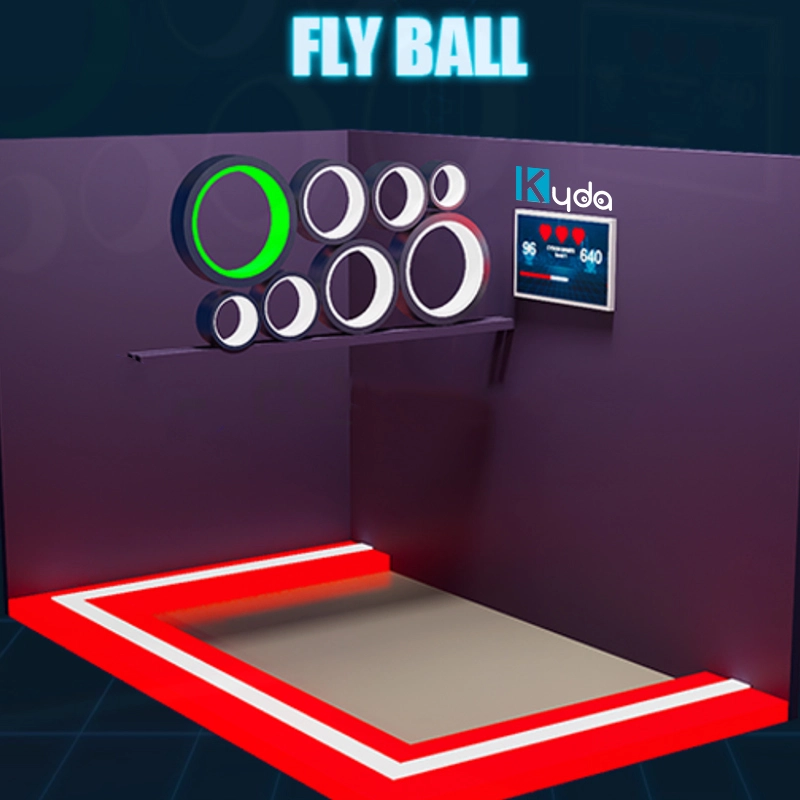
Players race against time to locate and hit illuminated targets.
Laser Challenge
Players navigate a laser environment using speed, flexibility and strategy.
Arena
Teams combine movement, ball skills and digital interaction.
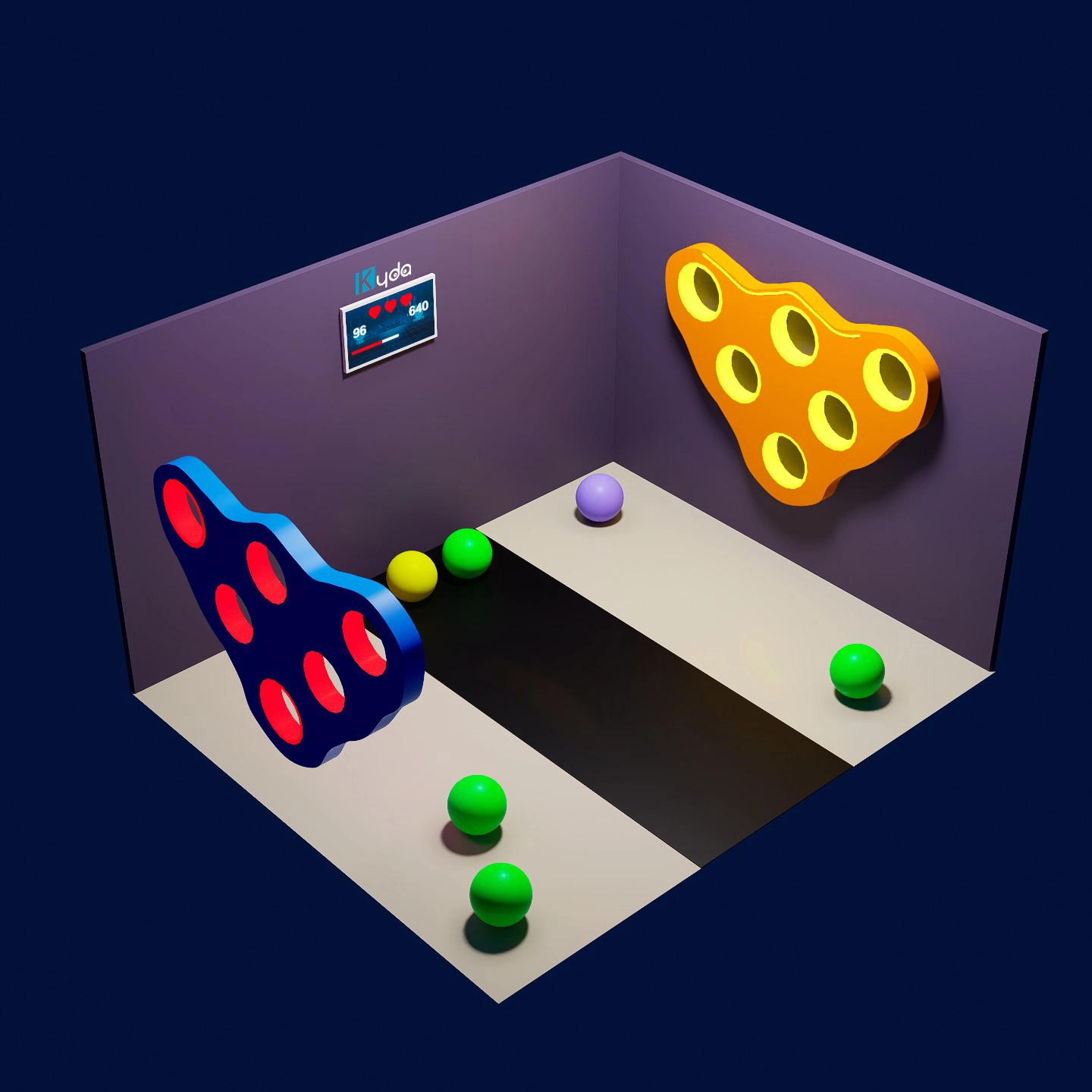
Climb Challenge
Players test reaction, balance and coordination through physical obstacles and interactive targets.
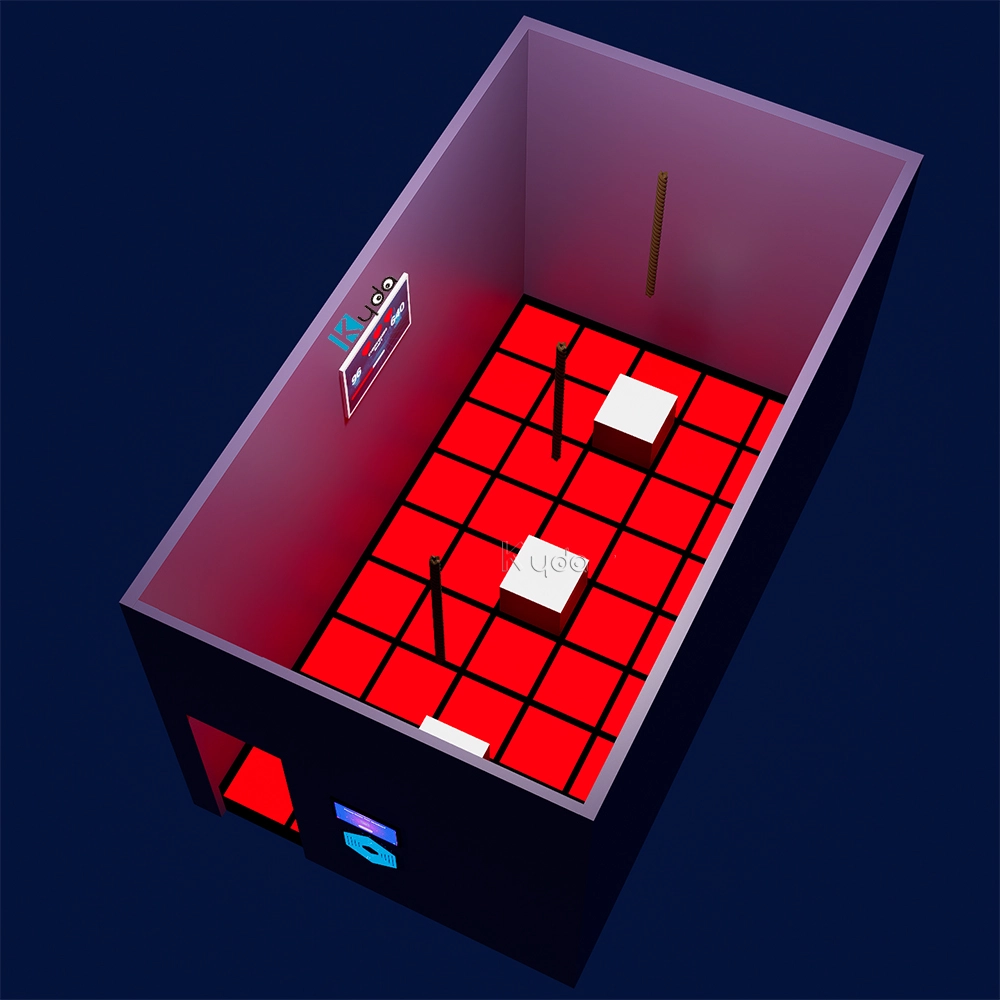
Hide Challenge
Players combine observation, movement and strategic decision-making.
Each room creates a different type of activity.
Together, however, they create something more valuable:
a complete Active Gaming journey.
Customers can move from one challenge to another rather than spending their entire visit on a single attraction.
5. The Business Value of Competitive Social Gaming
Why are scores and leaderboards so important?
Because competition creates an almost unlimited variable:
other people.
A player may complete the same physical room multiple times, but the challenge changes when competing against:
- Friends
- Family
- Colleagues
- Classmates
- Other teams
- Their own previous score
This makes Active Gaming particularly suitable for commercial customer groups such as:
birthday parties, corporate team building, school activities, family entertainment and groups of friends.
The industry is already moving in this direction. New competitive-social concepts increasingly combine physical activity, interactive gaming and digital player tracking, with technology enabling persistent scores and identities across attractions.
For FEC operators, that creates opportunities beyond individual admission tickets.
6. Automation Is Becoming Part of Entertainment ROI
Labor is another critical factor.
An attraction that requires one employee permanently stationed beside it creates a recurring operating cost.
Multiply this by ten attractions and the economics become very different.
This is why self-operated and semi-automated attractions are gaining attention.
Industry analysis for 2026 specifically identifies low-maintenance attractions, automation, data dashboards and mobile-first booking among important trends for active indoor entertainment operators.
A modern Active Gaming system can integrate technologies such as:
online booking → player registration → RFID wristband → room identification → game activation → automatic scoring → leaderboard → data collection.
Instead of treating every game as an isolated machine, the venue operates as a connected system.
7. The Wristband Connects the Entire Customer Journey
Imagine a customer entering an Active Gaming center.
They register and receive an RFID wristband.
That wristband can become their digital identity.
When entering different rooms, the system can recognize the player and associate game results with their profile.
Their experience becomes connected:
Player → Room → Game → Score → Ranking → Next Challenge
This is fundamentally different from a traditional arcade environment where machines may operate independently.
A connected Active Gaming ecosystem can help operators create a more coherent experience across an entire venue.
8. Data Can Tell Operators Which Square Meters Are Working
One of the biggest advantages of digital entertainment systems is measurability.
Suppose an operator has ten game rooms.
Without centralized data, they may know total revenue but have limited visibility into individual attraction performance.
A connected system can potentially help operators evaluate questions such as:
Which room receives the most plays?
Which game has the strongest replay rate?
Which challenge is too difficult?
When is the venue busiest?
Which rooms may need new content?
This transforms attraction management from intuition into increasingly data-supported decision-making.
IAAPA similarly identifies technology, operational efficiency and guest-experience optimization as important considerations for modern FEC and LBE businesses.
9. Active Gaming Can Also Be an Escape Room Upgrade Strategy
There is another interesting opportunity.
Traditional escape rooms have created a successful global entertainment category, but their business model can involve substantial theming and room-specific content.
Once customers know the puzzles and storyline, replayability may be limited.
Active Gaming offers another approach.
Instead of relying primarily on a fixed narrative, it focuses on:
reaction + movement + teamwork + competition + digital scoring.
For existing escape room operators, this means Active Gaming does not necessarily need to replace the entire business.
It can become an additional revenue category.
An operator can add several interactive challenge rooms and target:
- Existing escape room customers
- Corporate groups
- Families
- Birthday parties
- Teenagers
- Competitive players
This can broaden the venue's potential audience.
10. What Should Investors Evaluate Before Buying Active Gaming Equipment?
Not all interactive equipment creates the same business value.
Before investing, operators should evaluate the complete system rather than comparing hardware prices alone.
Ask the supplier:
How many games are available?
Can content be updated?
Does the system support multiple difficulty levels?
Can different rooms share one player account?
Is RFID player identification available?
Can scores be connected to a leaderboard?
Does the system support online booking?
Can multiple stores be managed?
Can language and branding be customized?
What happens after installation?
These questions help distinguish a standalone piece of entertainment equipment from a scalable entertainment platform.
11. KYDA: From Active Gaming Equipment to a Complete Solution
KYDA develops Active Gaming solutions around the idea that operators need more than hardware.
The ecosystem can combine:
50+ interactive challenge game concepts
with:
game software + interactive hardware + RFID wristband system + leaderboard + booking + venue management + content updates + customization.
This allows different concepts—including Pixel Grid, Arena, Laser, Push, Climb, Hide and other challenge rooms—to operate as parts of one connected entertainment environment.
For investors, this creates a more scalable approach to building an Active Gaming business.
For existing operators, it creates an opportunity to introduce new interactive experiences without relying solely on traditional arcade or escape-room formats.
12. The FEC of the Future Will Be Measured by Experience and Efficiency
The future of indoor entertainment will not be determined by who installs the largest number of machines.
Successful venues will increasingly need to balance:
Experience + Replayability + Throughput + Automation + Data + Operational Efficiency.
IAAPA's 2026 FEC agenda reflects this broader shift, with current industry conversations focusing on sustainable growth, operational excellence, changing consumer behavior and new technologies.
Active Gaming fits naturally into this transformation because it combines the emotional appeal of physical entertainment with the flexibility of software-driven gaming.
The objective is not simply to make a room look futuristic.
The objective is to make the room playable, measurable, replayable and commercially sustainable.
Final Thought: Don't Just Buy an Attraction. Build a Gaming Ecosystem.
When planning a new FEC, upgrading an escape room or developing a competitive social gaming venue, investors should look beyond equipment specifications.
Think about the entire lifecycle:
How will customers discover it?
How will they play?
Why will they return?
How efficiently can the venue operate?
How will the content remain fresh?
How can the concept expand to additional rooms or locations?
These questions define the difference between purchasing entertainment equipment and building a scalable Active Gaming business.
KYDA provides factory-direct Active Gaming equipment and integrated software solutions for FECs, escape rooms, indoor entertainment centers and investors developing interactive challenge venues worldwide.
For operators planning their next Active Gaming project, the most important question may no longer be:
“How much equipment can I fit into this venue?”
It may be:
“How much repeatable entertainment value can I create from every square meter?”
FAQ
How can Active Gaming help FECs generate more revenue per square meter?
Active Gaming can divide a venue into multiple interactive challenge rooms instead of relying on one large attraction. Operators can combine experiences such as Pixel Grid, reaction games, laser challenges, climbing games, sports challenges, and team competitions. This allows the same commercial space to serve different customer groups and create multiple playable experiences.
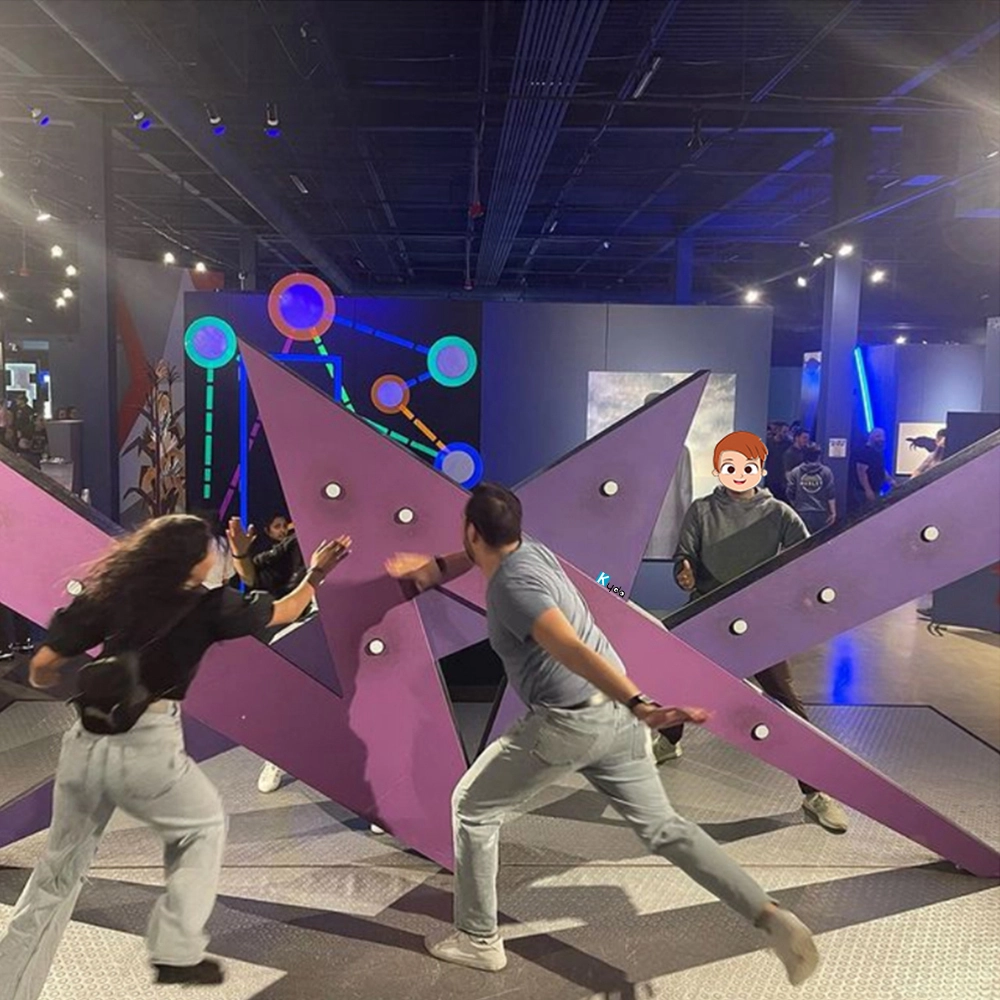
Active Reaction Lightning Game Room – Real-Time Reflex Battle with Interactive LED Speed Showdown
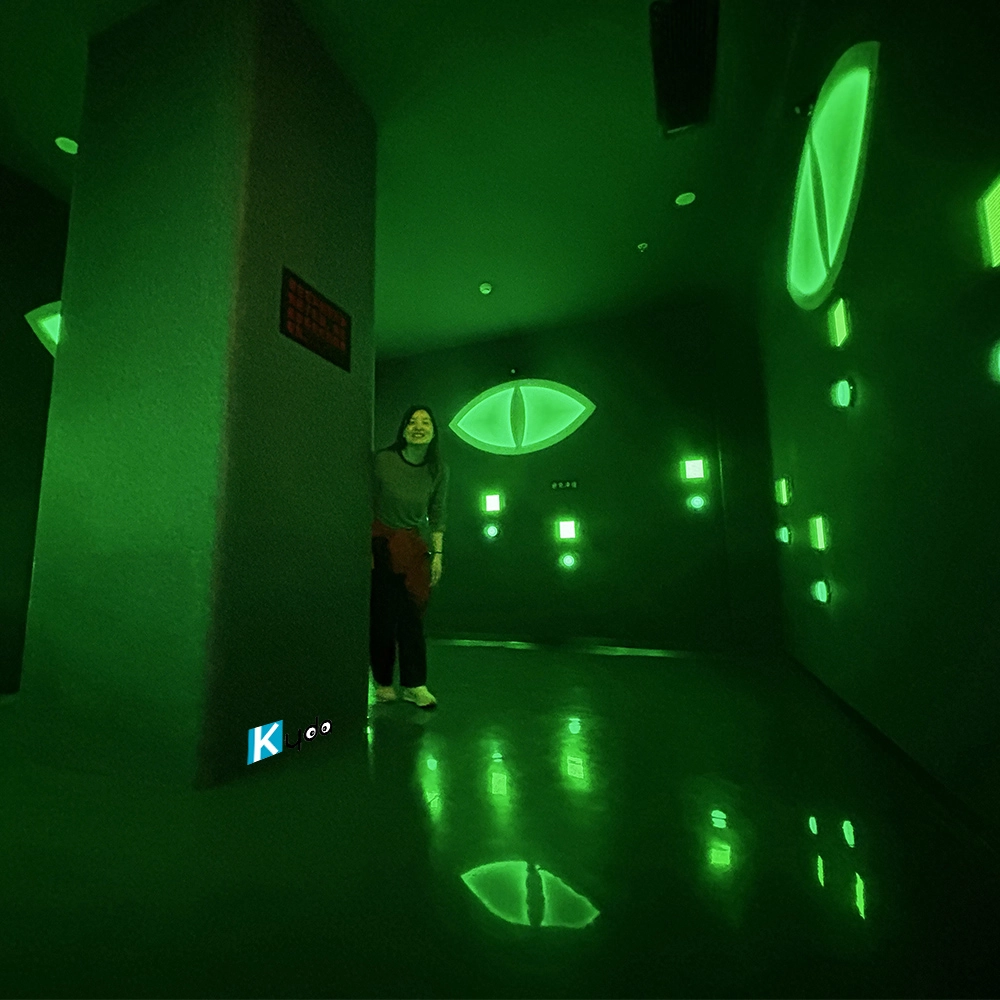
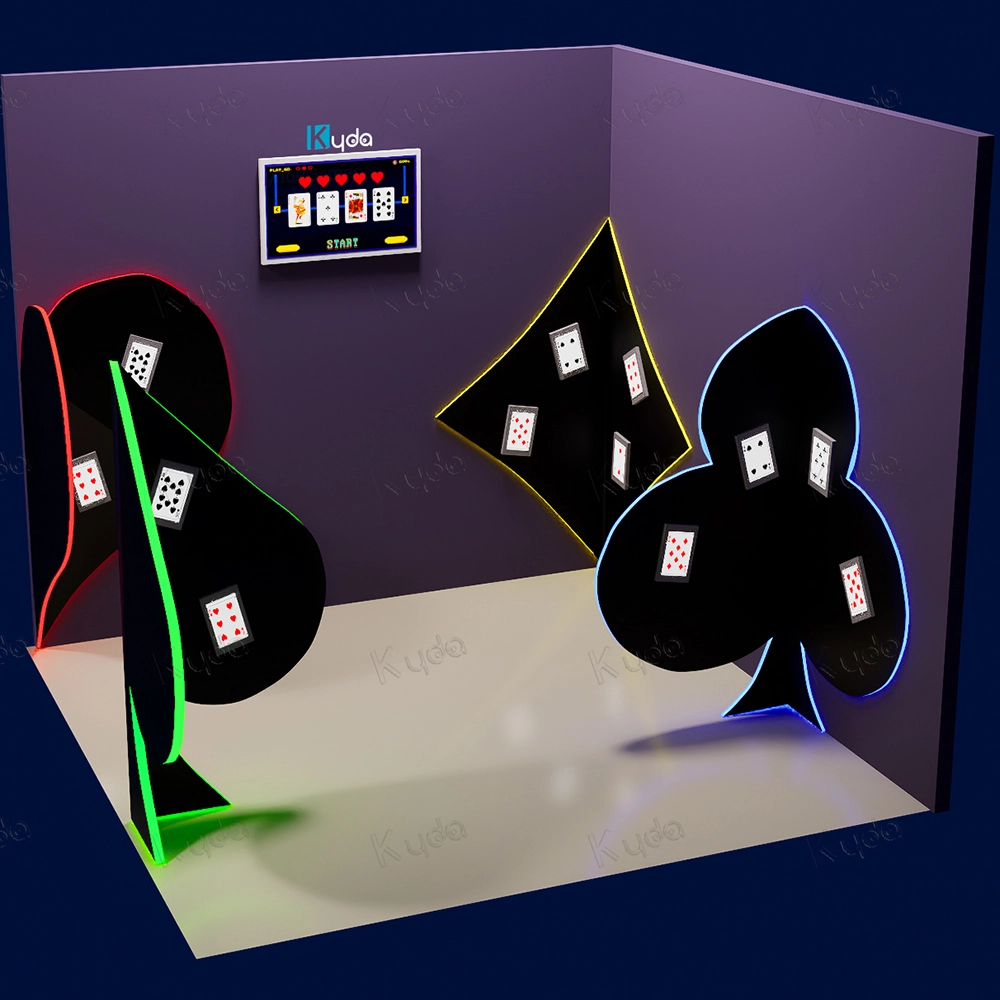
Escape Horror Game Hide Active Game Room – LED Evil Eye Adventure by Kyda
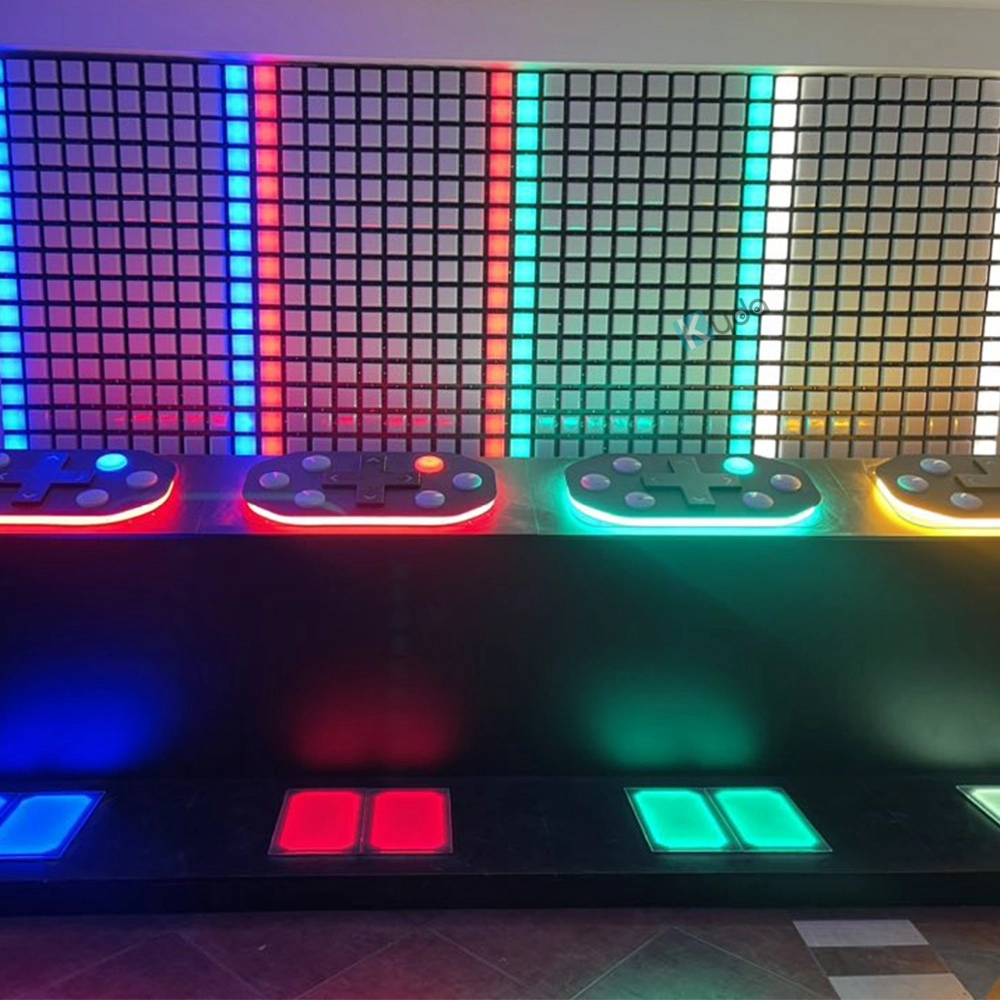
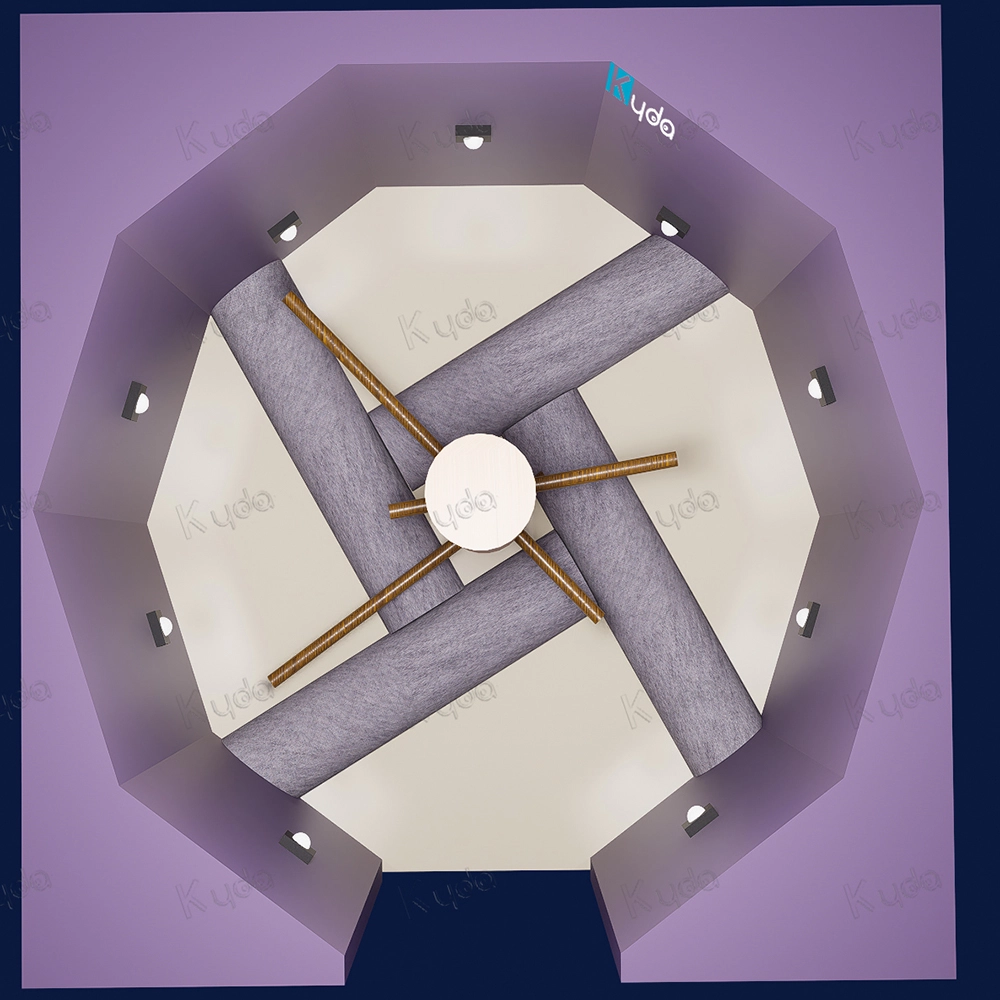
Active Reaction Game Room – LED Control Interactive Wall Game System by Kyda
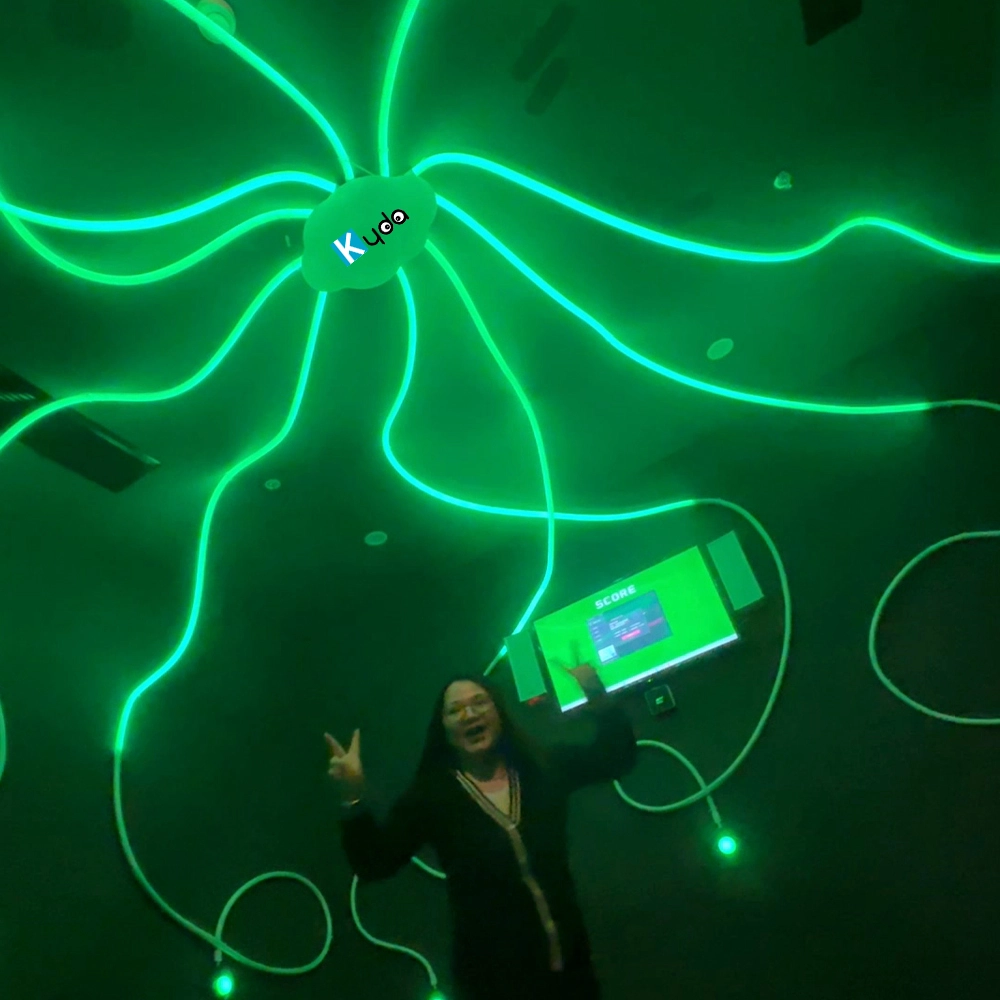
Active Reaction Flash Game Room – Speed, Focus & LED Timing Challenge
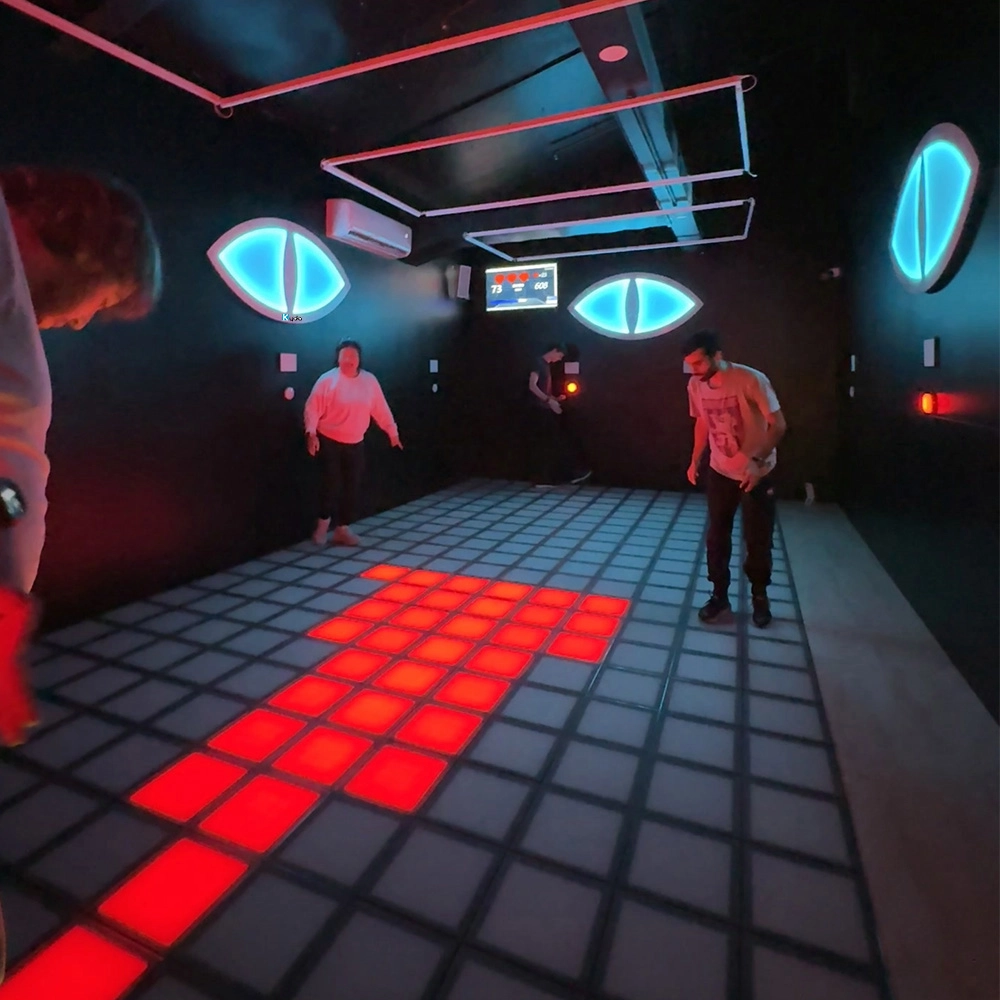
Interactive LED Light Grid Mix Hide Game Active gaming Grid
You May Also Like
-
-
Send us Your Inquiry
-
Fill out the form and we will provide you with personalized product quotes and service recommendations based on your needs.
Our team will contact you as soon as possible to help you build the most suitable entertainment equipment!
Let's get in touch
Email: sales@kydavr.com
Tel.: +86 188 2001 8779
Address: 501 Shixin Road, Dalong Street, Guangzhou, Guangdong, China.
© 2025 Kyda. All Rights Reserved.
 Scan QR Code
Linkedin
Ins
Facebook
Twitter
YouTube