




HIIT for Gamers: A Guide to Gamified Active Experiences for Escape Room Operators
- Quick Answer
- Key Takeaways
- What Does “HIIT for Gamers” Mean for an Escape Room Operator?
- Traditional HIIT versus HIIT-style active gaming
- How game mechanics can support active participation
- Why Might Escape Room Operators Consider HIIT-Style Active Gaming?
- Serve gamers who want more physical interaction
- Create a potentially repeatable challenge
- Support different event formats
- How Can Operators Structure an Interval-Based Game Session?
- 1. Player briefing
- 2. Orientation round
- 3. Active challenge round
- 4. Controlled transition
- 5. Progressive challenge
- 6. Debrief and room reset
- Which Game Formats Can Support HIIT-Style Active Experiences?
- How Should Operators Design the Player Journey?
- Make onboarding part of the experience
- Make feedback visible
- Balance competition and accessibility
- Build replay around meaningful variation
- What Space and Layout Factors Should Operators Evaluate?
- Document the room before selecting equipment
- Plan for player movement, not only equipment
- Record environmental conditions
- What Safety and Accessibility Questions Should Operators Ask?
- Participant checks
- Room checks
- Equipment checks
- How Should Operators Evaluate an Active Gaming Supplier?
- Which Commercial Factors Can Affect the Project?
- What Should an Operator Include in an RFQ?
- Venue information
- Audience information
- Experience requirements
- Operating requirements
- Commercial and documentation requirements
- Is HIIT-Style Active Gaming a Good Fit for Your Venue?
- Frequently Asked Questions
- Discuss Your Active Gaming Requirements
Quick Answer
HIIT for gamers can work as a commercial entertainment concept when short, physically demanding game rounds are combined with controlled transitions, clear objectives, visible scoring, appropriate room design, and staff supervision.
For escape room operators, the more accurate description is usually HIIT-style active gaming. A game may feel intense without meeting a formal high-intensity interval training protocol. Unless the program has been professionally designed and independently verified, operators should not promise specific fitness, calorie-burning, weight-loss, rehabilitation, or medical outcomes.
The commercial goal is to create an engaging, repeatable movement experience—not to provide an exercise prescription.
Key Takeaways
- This guide focuses on escape room operators, not individual gamers seeking workout advice.
- Operators should assess movement, game flow, player capacity, transitions, supervision, accessibility, and equipment operation together.
- Possible formats include interactive LED floors, reaction walls, projection games, laser challenges, throwing games, and coordination activities.
- Equipment selection should be based on written specifications, room conditions, maintenance requirements, software terms, safety documentation, and clearly divided responsibilities.
- Operators should not assume that every active game qualifies as formal HIIT or produces a measurable fitness result.
- A useful RFQ should include a floor plan, player profile, preferred game formats, expected usage, utilities, accessibility requirements, opening schedule, and required documentation.
What Does “HIIT for Gamers” Mean for an Escape Room Operator?
The phrase HIIT for gamers can describe two different search intentions.
An individual consumer may use the phrase to find a personal workout that fits around long gaming sessions. An escape room operator may use it to describe a commercial experience that combines digital game mechanics with short periods of demanding physical movement.
This article addresses only the second use case.
A commercial operator should focus on:
- Game format;
- Player flow;
- Session structure;
- Room capacity;
- Difficulty control;
- Staff supervision;
- Safety and accessibility;
- Equipment operation;
- Supplier evaluation;
- Project preparation.
In a commercial venue, HIIT-style active gaming is generally a more accurate working term. The experience may borrow the rhythm of interval-based activity without claiming that it follows a verified exercise protocol.
Traditional HIIT versus HIIT-style active gaming
Traditional interval training is normally structured around variables such as effort level, work duration, recovery time, participant condition, and training objectives.
A commercial active gaming session is more likely to be structured around player onboarding, rules, timed challenges, scoring, rotation, difficulty levels, throughput, equipment reset, replayability, and staff workload.
A game may be physically demanding without meeting a formal HIIT definition. Operators should therefore keep entertainment claims separate from exercise or medical claims.
How game mechanics can support active participation
Game mechanics can include timers, scores, visual targets, progressive levels, cooperative objectives, competitive modes, leaderboards, and role rotation.
These mechanics may support engagement, but they do not guarantee repeat visits, higher revenue, player retention, fitness outcomes, or return on investment.
Why Might Escape Room Operators Consider HIIT-Style Active Gaming?
Traditional escape rooms often depend on story, observation, hidden clues, logic, and one-time puzzle discovery. Active gaming introduces a different experience based on movement, reaction, timing, coordination, and repeatable scoring.
- A separate room category;
- An extension to an existing venue;
- A short-format attraction;
- A group-event activity;
- A competitive team challenge;
- A replayable scoring experience;
- A replacement concept for an underused room.
Whether the concept is commercially suitable depends on the venue, audience, staffing, equipment, game content, maintenance requirements, and local operating conditions.
Operators comparing active and traditional formats can review the existing Active Escape Rooms procurement guide.
Serve gamers who want more physical interaction
A commercial active game may combine digital scoring, physical movement, team strategy, time pressure, spatial awareness, and immediate feedback.
Operators should not assume that all existing customers want a more physical format. Customer surveys, limited test events, demonstrations, or pilot sessions may provide more useful evidence than general industry assumptions.
Create a potentially repeatable challenge
Score-based active games may support repeat attempts through different routes, changing target patterns, adjustable difficulty, role changes, cooperative and competitive modes, alternative scoring rules, or additional content.
- How many games are included?
- How different are the game modes?
- Can difficulty be changed?
- Can players choose cooperative or competitive formats?
- Can staff create custom sessions?
- Are updates included or purchased separately?
- How are scores stored and displayed?
- Does the software require ongoing licensing?
Support different event formats
Short active gaming sessions may be considered for birthday parties, corporate team events, student groups, family entertainment, private bookings, team competitions, and tournament concepts.
How Can Operators Structure an Interval-Based Game Session?
A commercial session needs a flow that players can understand and staff can operate consistently. The following structure is an operating example, not a medical or fitness prescription.
1. Player briefing
Explain the objective, permitted movement area, scoring, prohibited actions, stop procedure, assistance process, and any lower-difficulty options.
2. Orientation round
Use a short introductory round for familiarization and to identify confusion, unsafe movement, or accessibility requirements.
3. Active challenge round
The main round should have a clear objective, visible feedback, an understandable time limit, and defined success and stop conditions.
4. Controlled transition
A transition can include score review, tactical discussion, player rotation, equipment reset, staff observation, a lower-movement task, or a controlled pause.
5. Progressive challenge
A later round may change speed, target pattern, player role, team objective, movement direction, time limit, scoring rule, or the number of simultaneous tasks.
6. Debrief and room reset
Confirm the result, guide players out, check whether assistance is needed, inspect the room, reset the equipment, and prepare for the next group.
Which Game Formats Can Support HIIT-Style Active Experiences?
No single game format is appropriate for every venue. Operators should compare movement patterns, room requirements, player capacity, supervision, maintenance, software, and accessibility.
| Game format | Typical movement | Venue considerations | Supplier questions |
|---|---|---|---|
| Interactive LED floor | Stepping, dodging, route selection, balance and group movement | Floor condition, clearances, entry path, spectator position and panel access | Load limits, replacement process, sensor response and included games |
| Reaction wall | Reaching, pressing, throwing and lateral movement | Wall area, player separation, object containment and staff visibility | Target durability, calibration, scoring accuracy and replacement parts |
| Projection game | Full-body tracking, throwing and group coordination | Ambient light, projection distance, shadows and wall or floor surface | Tracking method, calibration, content library and projector access |
| Laser challenge | Crouching, stepping and controlled navigation | Emergency route, room width, lighting and supervision | Sensor logic, reset process, safety documentation and maintenance |
| Climbing or coordination game | Reaching, balancing, climbing or multi-step movement | Height, fall risk, structural conditions and participant restrictions | Installation requirements, inspection schedule and safety controls |
| Ball-based challenge | Throwing, catching, kicking or target reaction | Ball containment, rebound areas, noise and player separation | Ball requirements, target design, scoring consistency and spare parts |
The current Kyda site contains relevant categories for further evaluation:
These category links identify potentially relevant formats. They do not confirm that every product meets a formal HIIT protocol, supports a specific number of players, fits a specific room, includes adjustable difficulty, meets a particular national standard, includes installation or training, or has a particular warranty or support package.
A separate article already covers Activate Fitness Game Modules for High-Intensity Interval Training. That article should remain focused on module comparison, while this guide remains focused on venue planning and procurement.
How Should Operators Design the Player Journey?
Make onboarding part of the experience
Players should know where they can move, what they can touch, how success is measured, what happens after a mistake, how the game stops, when staff may intervene, and whether a lower-difficulty mode is available.
Make feedback visible
Useful feedback may include timers, scores, progress indicators, target lights, sound cues, completed objectives, penalties, team status, and end-of-round summaries.
Operators should also ask how scores and player information are collected, displayed, stored, deleted, and reused.
Balance competition and accessibility
Depending on the selected equipment, operators may consider slower timing, reduced movement range, simplified patterns, different team roles, optional rest periods, staff-assisted modes, non-playing strategy roles, and lower-impact alternatives.
Build replay around meaningful variation
Meaningful variation may include new movement patterns, alternative objectives, different routes, team role changes, cooperative and competitive modes, progressive levels, different scoring rules, and event-specific challenges.
What Space and Layout Factors Should Operators Evaluate?
A commercial layout may require briefing and queueing space, staff and service access, storage, spectator space, entry and exit paths, emergency clearance, accessible circulation, ventilation, lighting control, electrical access, and network access.
Document the room before selecting equipment
Prepare a measured floor plan showing usable dimensions, ceiling height, doors, columns, obstructions, floor and wall conditions, power and network locations, ambient light, ventilation, noise restrictions, accessible routes, and emergency exits.
Plan for player movement, not only equipment
Model the complete journey from check-in and briefing through gameplay, score review, exit, inspection, and reset.
Record environmental conditions
Equipment suitability may be affected by uneven flooring, strong ambient light, limited ventilation, noise restrictions, restricted delivery access, low ceilings, weak network coverage, limited electrical capacity, dust, moisture, or high daily usage.
What Safety and Accessibility Questions Should Operators Ask?
Safety cannot be determined from a product name or promotional description. It depends on the selected equipment, room design, participant behavior, staff procedures, maintenance, local regulations, insurance requirements, and intended audience.
Participant checks
- Which age ranges are intended?
- Are there height, weight, footwear, or mobility restrictions?
- Can speed or difficulty be adjusted?
- Are lower-impact alternatives available?
- Which warnings must be provided before participation?
Room checks
- Are exits visible and unobstructed?
- Can staff observe the entire active area?
- Are collision, slip, and trip risks controlled?
- Is ventilation suitable for physical activity?
- Can emergency assistance reach the room?
Equipment checks
- Is there an emergency-stop process?
- What happens after a component fails?
- Which inspections and calibration tasks are required?
- Which components can venue staff replace?
- Which safety documents are supplied?
Operators can also review Safety Considerations for Active Escape Room Procurement.
Operators in different markets should separately verify applicable building, fire, accessibility, employment, insurance, waiver, privacy, and consumer-safety requirements with qualified local professionals.
This article is not legal, engineering, medical, insurance, or professional fitness advice.
How Should Operators Evaluate an Active Gaming Supplier?
A demonstration can show whether a game is engaging. It does not provide enough information to evaluate long-term operation. Operators should request written evidence in the following areas.
| Evaluation area | Questions to ask | Evidence to request |
|---|---|---|
| Product fit | Does the proposed format match the room, audience, session model and movement level? | Product specification, layout and application explanation |
| Hardware | Which components wear out, and which can staff replace? | Parts list, inspection guide and maintenance schedule |
| Software | Which games and difficulty settings are included? | Feature list, licensing terms and update policy |
| Installation | Who prepares the room, utilities, network and supporting surfaces? | Site-preparation guide, layout and commissioning checklist |
| Support | How are faults reported, diagnosed and escalated? | Written support process and exclusions |
| Compliance | Which documents apply to the exact product and destination market? | Current reports, labels, manuals and document scope |
| Commercial terms | What is included and excluded from the quotation? | Itemized quotation, assumptions and exclusions |
Which Commercial Factors Can Affect the Project?
This article does not provide a project price because no verified quotation or commercial terms have been supplied. Operators should compare total project requirements rather than only the initial equipment price.
Potential cost factors include equipment configuration, room count, software, content updates, site preparation, utilities, construction, lighting, ventilation, freight, installation, training, testing, commissioning, spare parts, maintenance, insurance, professional services, accessibility changes, and future expansion.
What Should an Operator Include in an RFQ?
A detailed request for quotation reduces assumptions and makes supplier responses easier to compare.
Venue information
Include the country and city, measured floor plan, ceiling height, delivery access, floor and wall conditions, utilities, network, ventilation, ambient light, operating hours, and construction restrictions.
Audience information
Include the intended age range, group size, accessibility requirements, event types, player experience level, spectator arrangements, and staff position.
Experience requirements
Include preferred formats, movement level, competitive or cooperative structure, session length, round count, difficulty, language, scoring, leaderboard, and content-update expectations.
Operating requirements
Include expected usage, staffing, reset time, cleaning, maintenance capability, technical staff, opening schedule, and expansion plans.
Commercial and documentation requirements
Include the budget range, delivery location, installation scope, training needs, spare-parts requirements, manuals, drawings, test records, required certifications, acceptance criteria, and quotation validity period.
Is HIIT-Style Active Gaming a Good Fit for Your Venue?
The concept may be suitable when a venue has enough usable space, a clearly defined audience, appropriate staffing, and the ability to operate and maintain interactive equipment.
| Finding | Typical conditions | Recommended next step |
|---|---|---|
| Potentially suitable | Clear usable space, controllable player flow, defined audience and available staff | Prepare a measured floor plan and shortlist relevant formats |
| Suitable after modification | Flooring, entrances, lighting, utilities or ventilation need changes | Request a site-specific layout and identify responsibilities |
| Requires professional assessment | Unusual building conditions, high-risk movement, accessibility complexity or health claims | Consult qualified professionals |
| Not currently suitable | The venue cannot provide movement clearance, visibility, service access or reliable utilities | Consider a lower-movement format or postpone the project |
The best concept is the one that fits the venue, audience, operating model, staff capability, safety requirements, maintenance resources, and available evidence.
Frequently Asked Questions
What is HIIT for gamers?
HIIT for gamers can refer to personal workouts for people who play video games or to game-based activities that alternate demanding movement with recovery. In a commercial venue, “HIIT-style active gaming” is the safer description unless the program has been professionally designed and verified as formal HIIT.
Can escape room operators offer HIIT-style active gaming?
An escape room operator can design short, movement-intensive challenges with controlled transitions, provided the venue has suitable space, supervision, risk controls, accessibility options, and equipment appropriate for the intended participants.
Do active games automatically count as a HIIT workout?
No. A game can feel physically demanding without meeting a formal HIIT protocol. Classification depends on factors such as effort, work-to-recovery structure, participant condition, and professional programming. Operators should avoid unsupported health or calorie claims.
Which interactive games are suitable for short, intensive rounds?
Possible formats include interactive LED floors, reaction walls, projection games, laser movement challenges, throwing games, climbing activities, and coordination tasks. Suitability depends on movement pattern, player capacity, room dimensions, difficulty controls, maintenance, and safety requirements.
How long should an active gaming round last?
There is no universal duration. Operators should determine round length according to game mechanics, player profile, staff supervision, room turnover, risk assessment, and professional guidance where relevant.
How much space does a gamified active room require?
The required space depends on the equipment footprint, player movement range, capacity, entry and exit paths, briefing areas, service access, emergency clearance, and local requirements.
What safety features should an operator check?
Operators should check emergency-stop procedures, flooring, collision and trip risks, staff visibility, difficulty adjustment, equipment inspection, maintenance, ventilation, participant instructions, and incident-response procedures.
What information should be sent with a quotation request?
An RFQ should include venue dimensions, a floor plan, target participants, group size, preferred game formats, expected usage, utility conditions, accessibility needs, opening date, budget range, installation expectations, and required documents.
Discuss Your Active Gaming Requirements
Share your venue dimensions, target player groups, preferred game formats, operating requirements, and planned opening schedule.
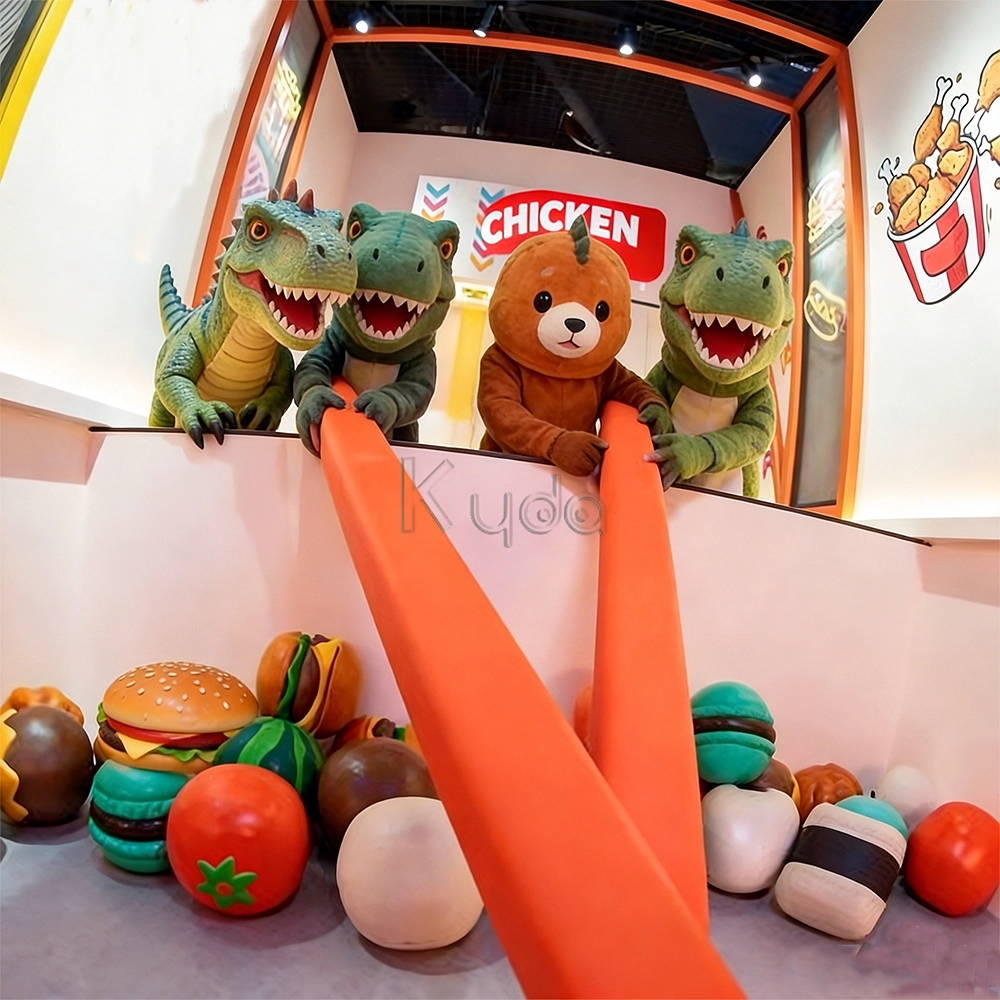
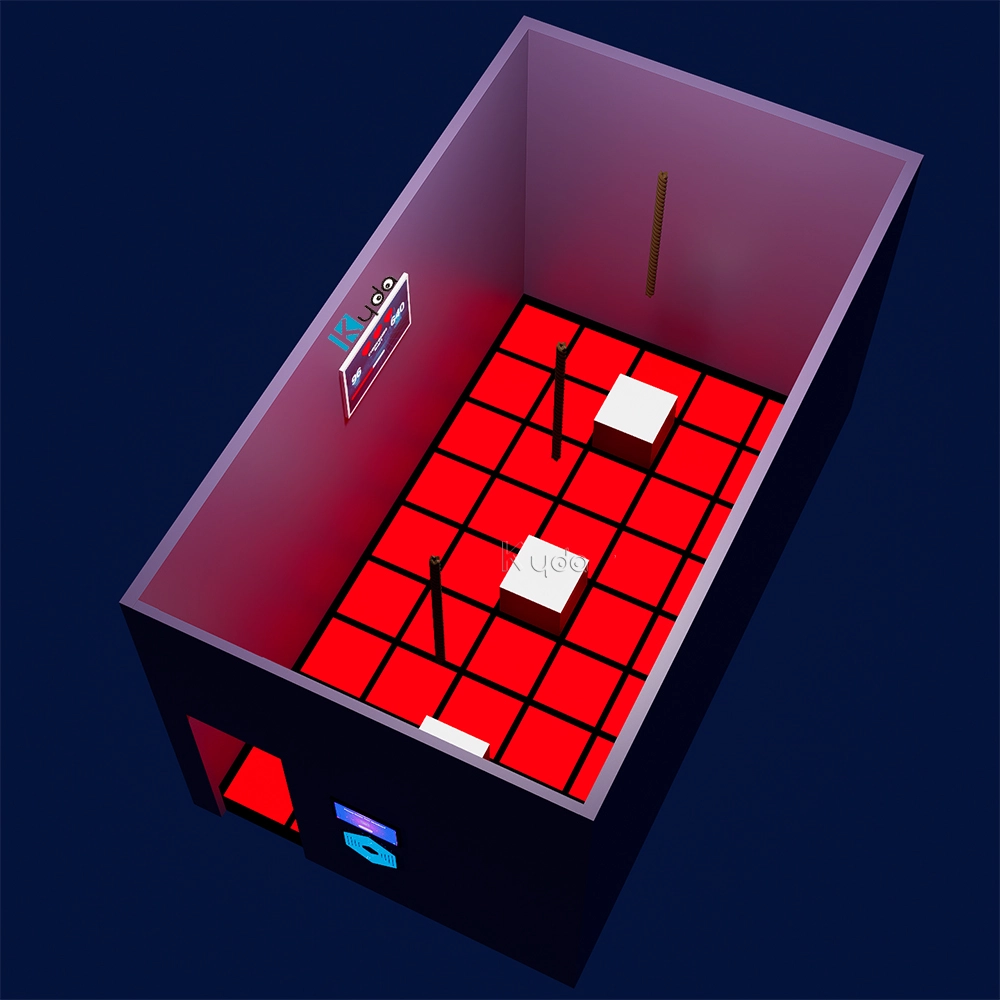
Crub Crab Giant Chopsticks Challenge Game Interactive Skill Challenge Game for Activate Game Rooms by Kyda
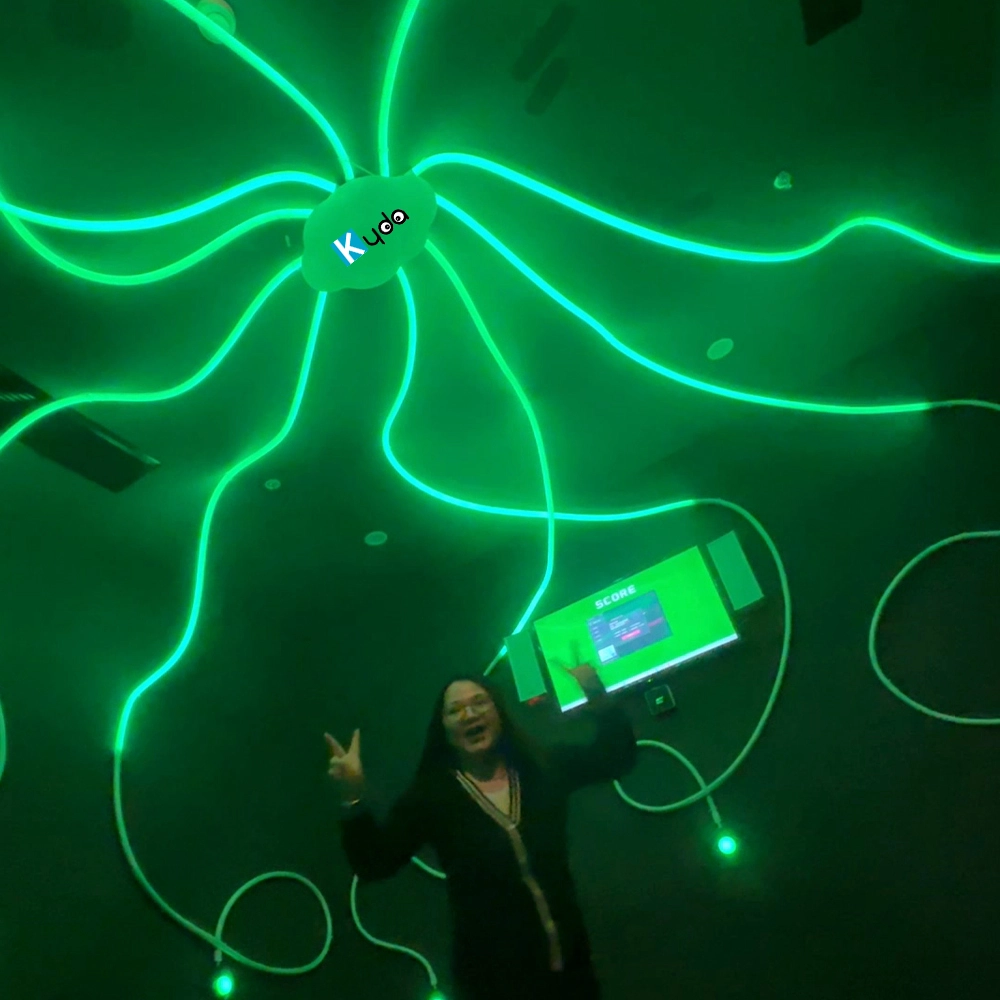
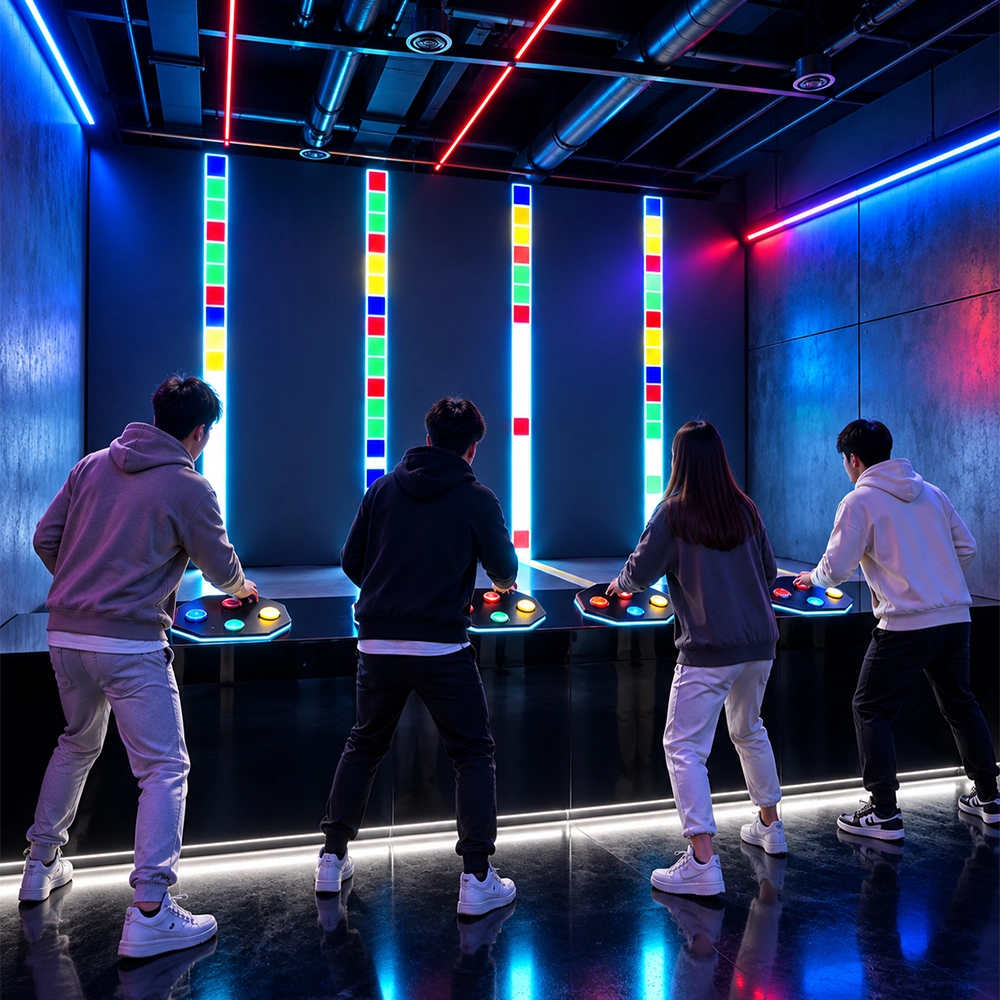
Active Reaction Flash Game Room – Speed, Focus & LED Timing Challenge
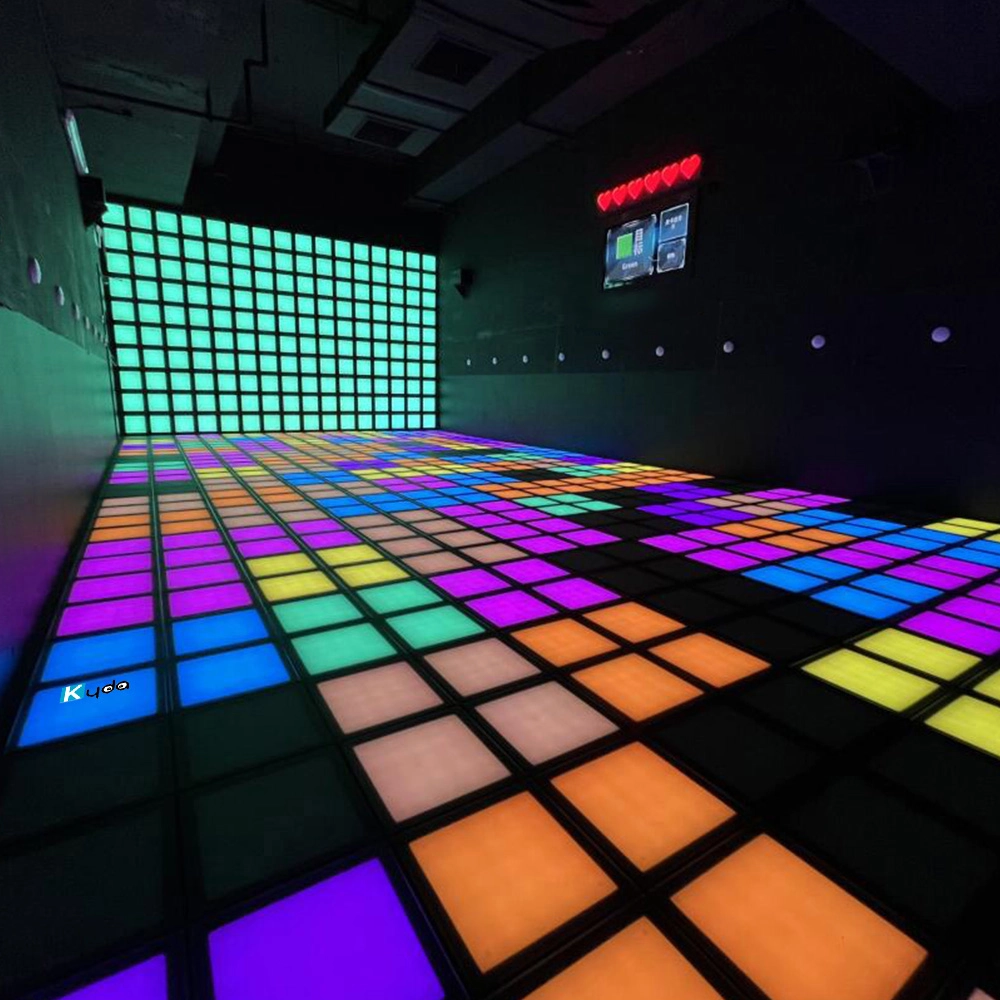
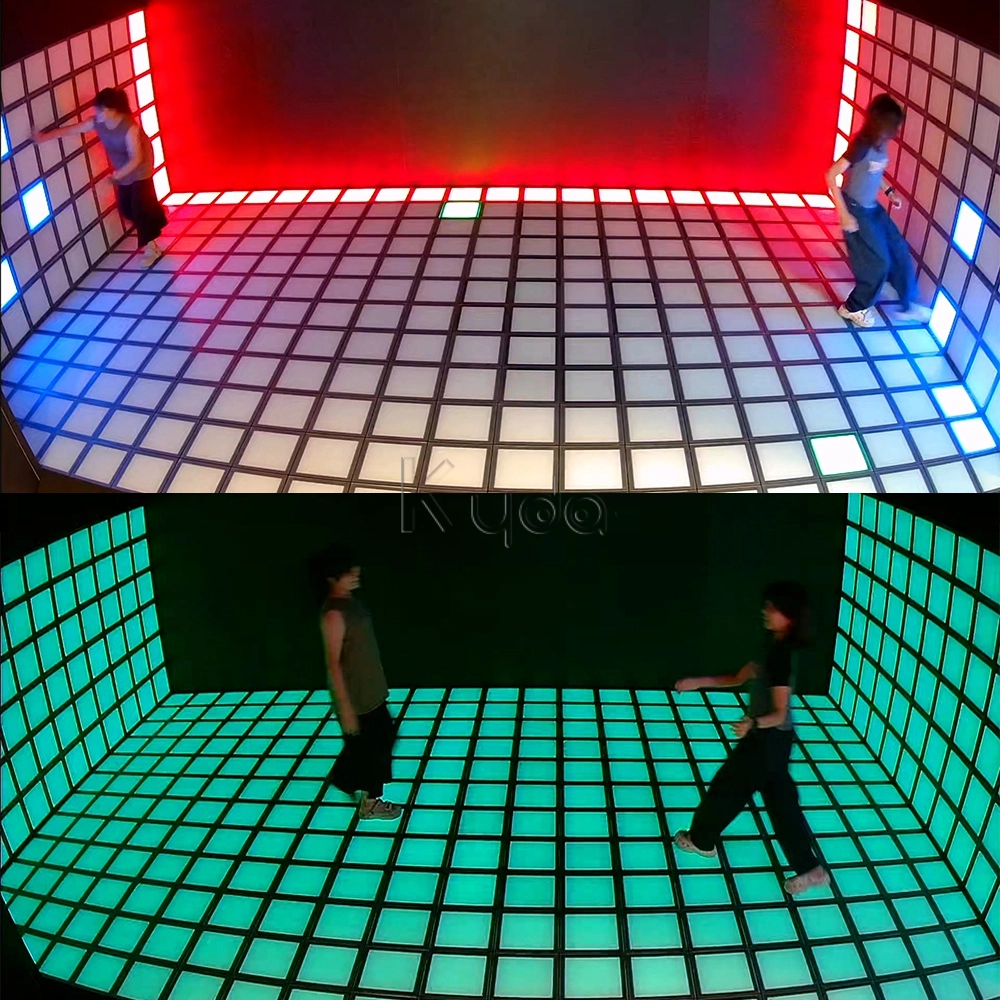
Interactive Light Grid Active Game Led Floor for Dance Pixel Grid Room

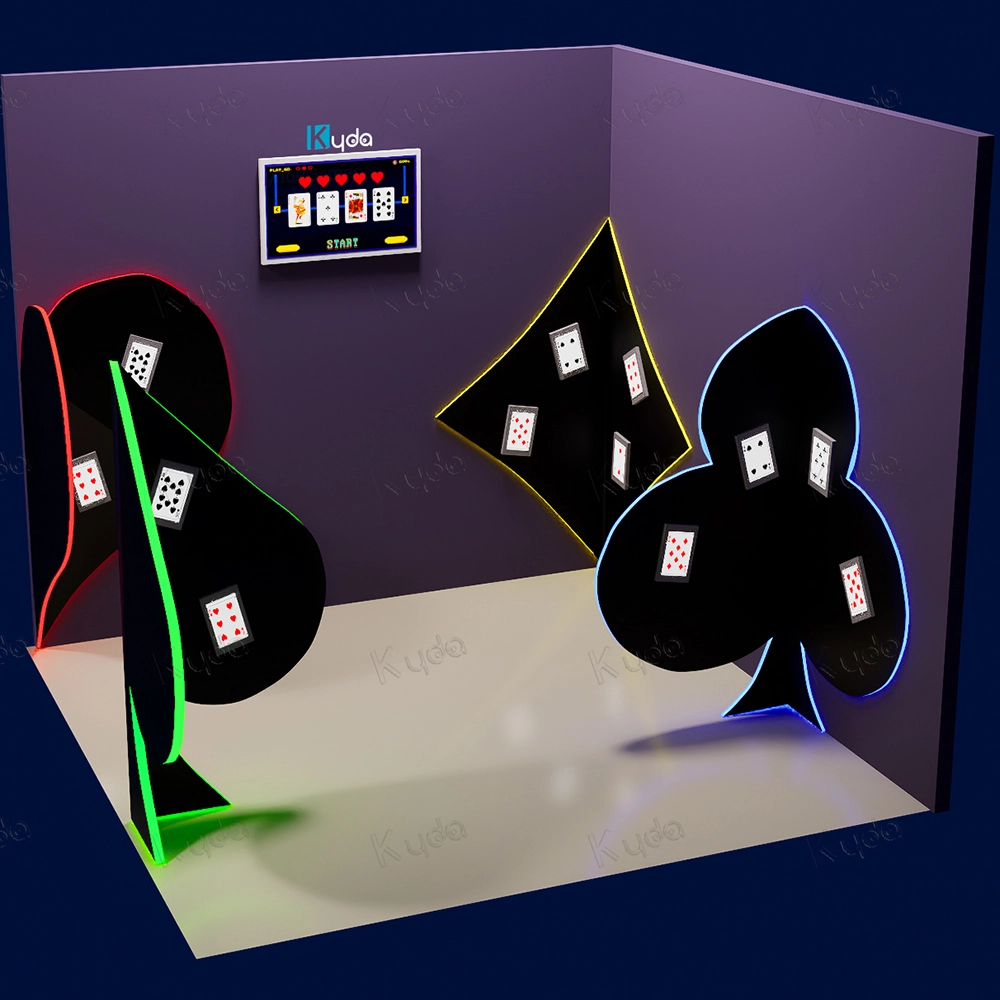
Kids & Adults Interactive Laser Game Arena – Indoor LED Light Challenge Equipment
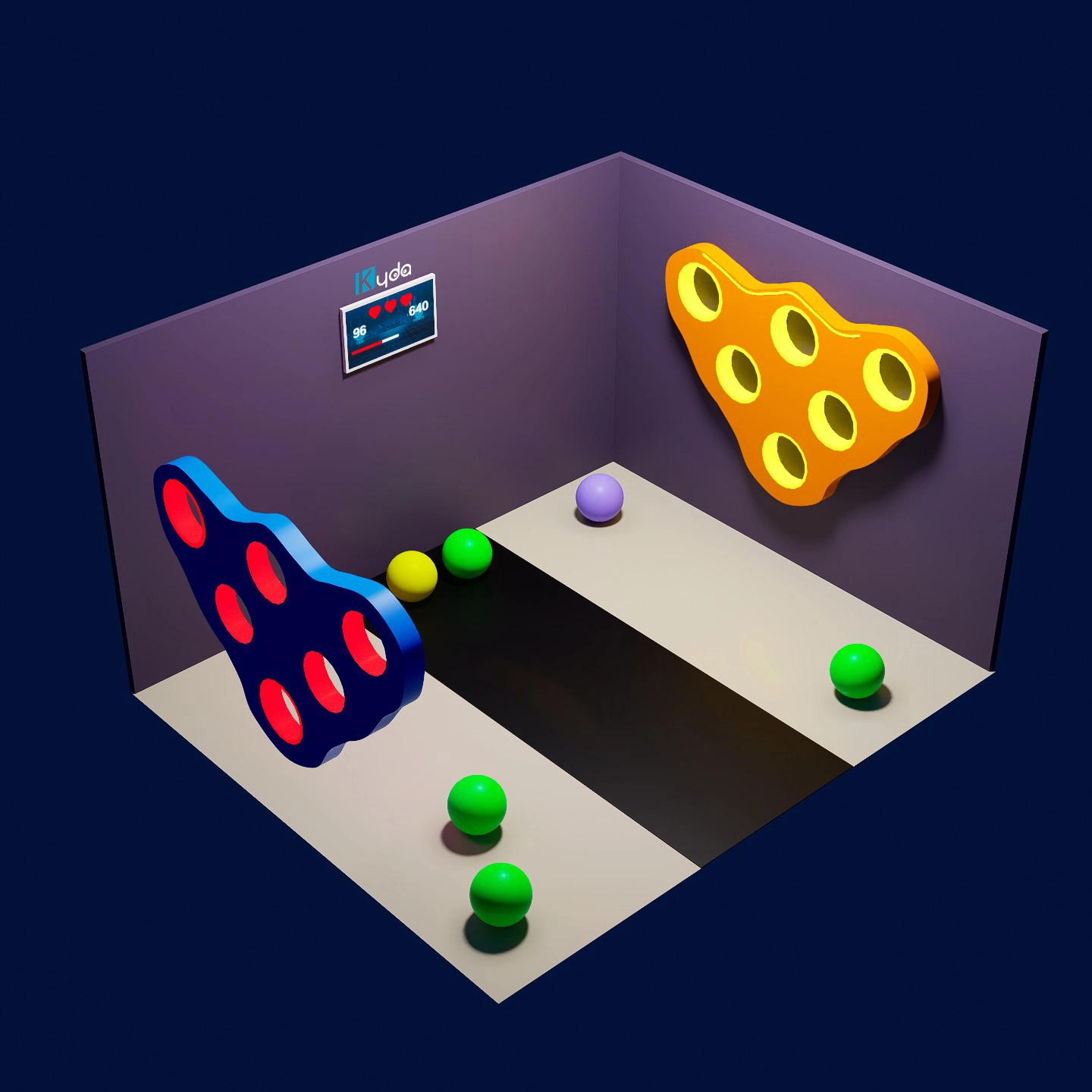
PK Ball Active Challenge Game | Interactive Ball Throwing Competition for FEC, Team Building & Real Life Gaming Entertainment
You May Also Like
-
-
Send us Your Inquiry
-
Fill out the form and we will provide you with personalized product quotes and service recommendations based on your needs.
Our team will contact you as soon as possible to help you build the most suitable entertainment equipment!
Let's get in touch
Email: sales@kydavr.com
Tel.: +86 188 2001 8779
Address: 501 Shixin Road, Dalong Street, Guangzhou, Guangdong, China.
© 2025 Kyda. All Rights Reserved.
 Scan QR Code
Linkedin
Ins
Facebook
Twitter
YouTube