




From Check-In to Leaderboard: How a Multi-Room Active Gaming System Connects Players, Games and Venue Operations
A multi-room Active Gaming center requires more than interactive equipment. From player check-in and RFID identification to room access, real-time scoring and leaderboards, a connected management system brings players, games and venue operations together. This article explains how the complete process works.
- What Is a Multi-Room Active Gaming System?
- Step 1: Online Booking and Session Creation
- Step 2: Check-In and Player Identification
- Step 3: Moving Between Different Challenge Rooms
- Step 4: Cross-Room Scoring and Progress Tracking
- Step 5: Real-Time Leaderboards
- Step 6: Memberships, Rewards and Repeat Visits
- Step 7: Venue Operations and Cloud Content Updates
- What Should Buyers Ask Before Choosing a System?
- How KYDA Connects the Active Gaming Venue
- Frequently Asked Questions
- What does an RFID wristband do in an Active Gaming venue?
- Can different Active Gaming rooms share one leaderboard?
- Can an Active Gaming system use the operator’s own brand?
- Does every Active Gaming venue need a multi-room system?
- Conclusion
A successful Active Gaming venue is not simply a collection of interactive active rooms. Behind the LED floors, laser challenges, reaction walls and physical games, there must be a system that identifies players, controls access, records results and connects every room into one continuous experience.
Without this connection, each attraction operates like an isolated machine. Staff may need to start games manually, record scores separately and explain the process repeatedly. Players also lose the sense of progression that encourages them to explore more rooms and return for another visit.
A multi-room Active Gaming management system solves this problem by connecting online booking, check-in, RFID wristbands, room access, game software, scoring, leaderboards and membership data within one operating platform.
What Is a Multi-Room Active Gaming System?
A multi-room Active Gaming system is a combination of hardware and software that allows multiple interactive challenge rooms to share player identities, session information and game results.
The system can connect different types of attractions, including:
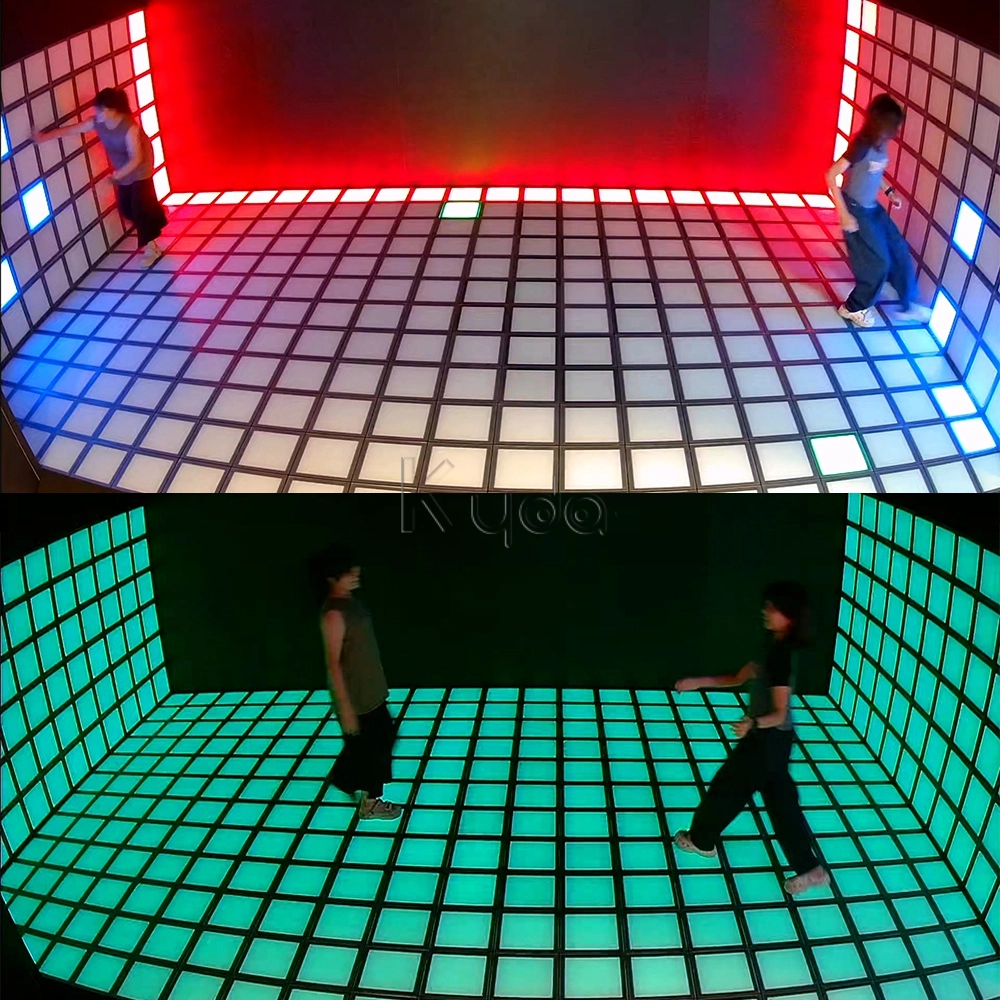
· Interactive LED floor games
· Laser maze challenges
· Push-button reaction rooms
· Interactive climbing games
· Basketball and ball-throwing challenges
· Hide-and-seek rooms
· Brain, memory and strategy games
· Mechanical balance and agility challenges
The individual rooms may use different sensors and gameplay mechanics, but the management platform gives them a common operating structure.
For players, this creates a simple journey: book, check in, receive an identity, enter different rooms, complete challenges and view the final score.
For operators, it creates one place to manage sessions, player activity, room status, rankings and game content.
Step 1: Online Booking and Session Creation
The player journey can begin before the customer arrives.
An online booking system allows a group to choose a date, time and package. Depending on the venue’s configuration, the booking may also include the number of players, selected game duration and additional services such as birthday parties or corporate events.
When a booking is confirmed, the system creates a session record. This reduces repeated data entry at reception and helps the venue prepare for upcoming groups.
Operators should ask whether the booking system can support their local payment provider, language, ticket structure and cancellation policy. These requirements can vary between markets, so they should be confirmed during project planning.
Step 2: Check-In and Player Identification
At the venue, the group checks in using a booking code, tablet, kiosk or reception terminal. Each participant is then linked to a player identity.
Many Active Gaming venues use RFID wristbands because they are easy to carry during physical activity. An RFID wristband contains a unique identifier that connects the player to the correct session and profile. It does not need to store every game result directly; instead, it allows the central system to recognize the player when the wristband is scanned.
Depending on the operating model, the wristband may be used to:
· Confirm room access
· Start a game
· Assign a player or team
· Connect results to a profile
· Track progress between rooms
· Display rankings
· Support membership or reward functions
This removes the need for players to create a new identity in every room.
Step 3: Moving Between Different Challenge Rooms
Once checked in, players can move through the available Active Gaming rooms according to the venue’s session rules.
When the wristband is scanned at a room, the system can identify the player or team and load the relevant challenge. The game room then records actions through its own hardware, such as floor sensors, buttons, laser sensors, touch targets, projection tracking or mechanical triggers.
Not every game requires the same operating process. A Pixel Grid room may track steps and tile responses, while a Laser Maze measures successful movement through a sensor field. A Hoops room may calculate hits, and a Push room may record reaction speed.
The management platform does not make these games identical. Its role is to connect their different results to the same player journey.
Step 4: Cross-Room Scoring and Progress Tracking
Cross-room scoring means that results from different challenge rooms can be linked to one player or team profile.
This is more useful than displaying an isolated score at the end of each game. Players can compare their total performance, identify their strongest challenges and try to improve weaker results during a future visit.
A connected scoring system may record:
· Room completed
· Selected game mode
· Difficulty level
· Completion time
· Points earned
· Success or failure
· Team result
· Personal best
· Overall session score
The scoring rules should be designed carefully because different rooms may measure different abilities. Speed, accuracy, memory and teamwork cannot always be compared using the same raw number. A professional system therefore needs clear scoring logic rather than simply adding unrelated results together.
Step 5: Real-Time Leaderboards
A leaderboard turns individual game results into visible competition.
Venues may display rankings by game, team, day, week, season or special event. This gives players a clear reason to replay a room and attempt a higher score.
Leaderboards can also support:
· Birthday competitions
· Corporate team-building events
· School challenges
· Local tournaments
· Seasonal missions
· Member-only rankings
· Multi-location competitions
However, operators should also consider player privacy. Public displays should use suitable player names, team names or nicknames rather than exposing unnecessary personal information.
Step 6: Memberships, Rewards and Repeat Visits
When the system recognizes returning players, an Active Gaming visit can become part of a longer progression rather than a one-time ticket.
A membership system may allow customers to retain scores, unlock difficulty levels, collect points or join recurring competitions. Operators can use this structure to create appropriate loyalty programs and event campaigns.
The value comes from continuity. A player who can see previous results has a reason to return, improve and challenge friends again.
The exact membership, data-retention and promotional functions should comply with the venue’s local privacy and consumer regulations.
Step 7: Venue Operations and Cloud Content Updates
The same platform that connects players can also help staff manage the venue.
Depending on the system configuration, operators may be able to view:
· Current sessions
· Room status
· Player progress
· Game usage
· Equipment alerts
· Popular challenges
· Daily rankings
· Membership activity
· Multi-store information
Cloud content updates can also introduce new game modes, difficulty settings, seasonal content or interface changes without replacing the entire physical room. The available update method and frequency should be confirmed with the supplier before purchase.
What Should Buyers Ask Before Choosing a System?
Before investing in a multi-room Active Gaming solution, venue owners should ask:
1. Which game rooms can connect to the platform?
2. Can one player identity work across every room?
3. How are scores calculated and stored?
4. Does the system support online booking and local payments?
5. Can the interface use the venue’s own brand?
6. Which languages are available?
7. Can staff change game modes and difficulty levels?
8. How are software updates delivered?
9. What happens if the internet connection is interrupted?
10. Who owns and controls the customer data?
11. Can the system support multiple locations?
12. What technical support and staff training are included?
These questions help buyers compare complete operating systems rather than comparing only the visible game hardware.
How KYDA Connects the Active Gaming Venue
KYDA provides factory-direct Active Gaming equipment together with integrated software and venue-management options. A project can combine interactive challenge rooms with RFID player identification, online booking, cross-room scoring, leaderboards, multilingual interfaces and customizable branding.
The appropriate configuration depends on the venue size, selected rooms, operating model, local payment requirements and customer journey. KYDA can develop a tailored room combination and management solution based on the operator’s floor plan and business requirements.
Frequently Asked Questions
What does an RFID wristband do in an Active Gaming venue?
An RFID wristband gives each player or team a unique identity. When scanned, it can connect room access, game participation and scores to the correct session or profile.
Can different Active Gaming rooms share one leaderboard?
Yes, when the rooms are connected to a compatible central management and scoring platform. Scoring rules must account for the different objectives and difficulty levels of each game.
Can an Active Gaming system use the operator’s own brand?
A white-label system may support customized logos, interface graphics, languages, wristbands and leaderboard displays. The exact customization scope should be confirmed for each project.
Does every Active Gaming venue need a multi-room system?
A single standalone attraction may use a simpler control system. A connected management platform becomes more valuable when a venue operates multiple rooms, memberships, timed sessions, team events or more than one location.
Conclusion
The most important technology in an Active Gaming center is not always the most visible.
LED floors, lasers and reaction targets create the physical excitement, but the management platform connects those experiences into a complete business operation. From the first online booking to the final leaderboard, a well-designed multi-room system helps players move smoothly, preserves their progress and gives operators a clearer view of the venue.
For FECs, escape room operators, indoor entertainment centers and investors planning a white-label Active Gaming project, the right question is not only, “Which games should we buy?”
It is also, “How will every player, room and result work together?”
Contact KYDA to request a customized Active Gaming room combination, software configuration and venue layout based on your available space and operating plan.
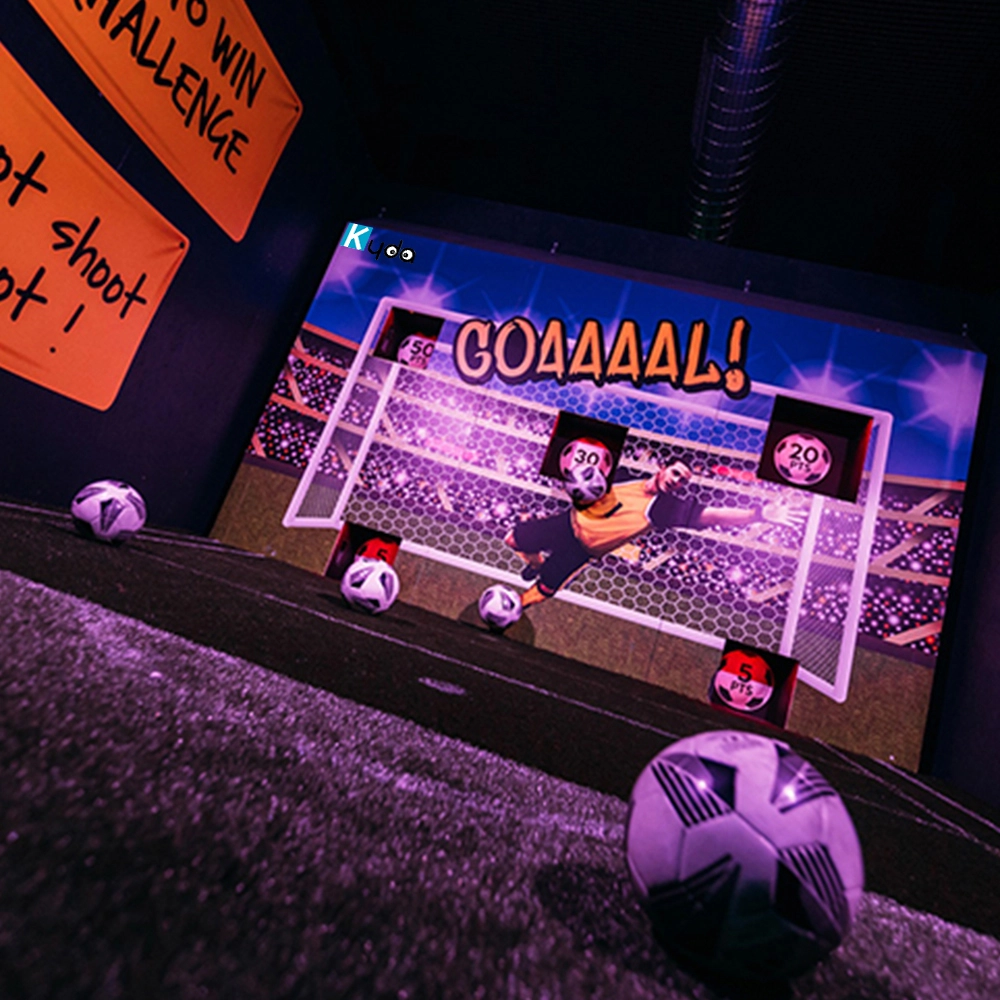
Interactive Football Cube – The Ultimate Digital Soccer Challenge for Game Rooms
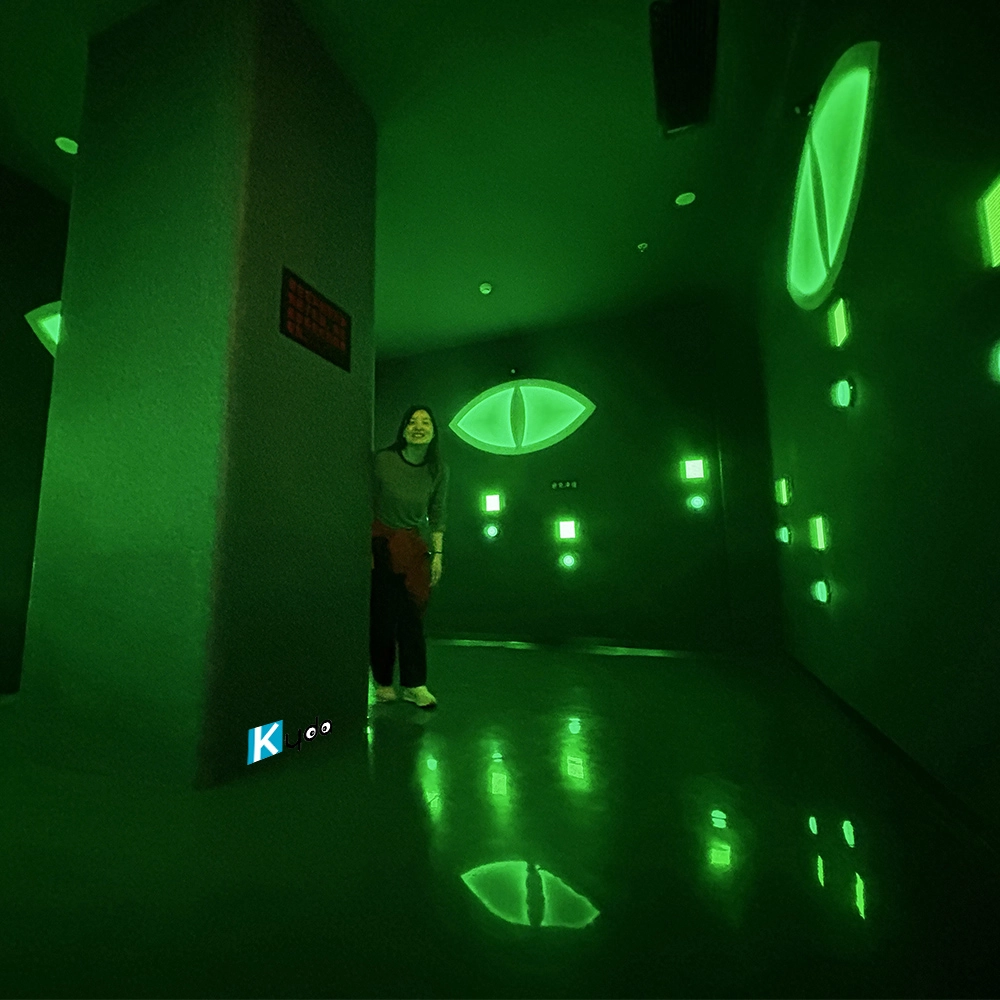
Escape Horror Game Hide Active Game Room – LED Evil Eye Adventure by Kyda
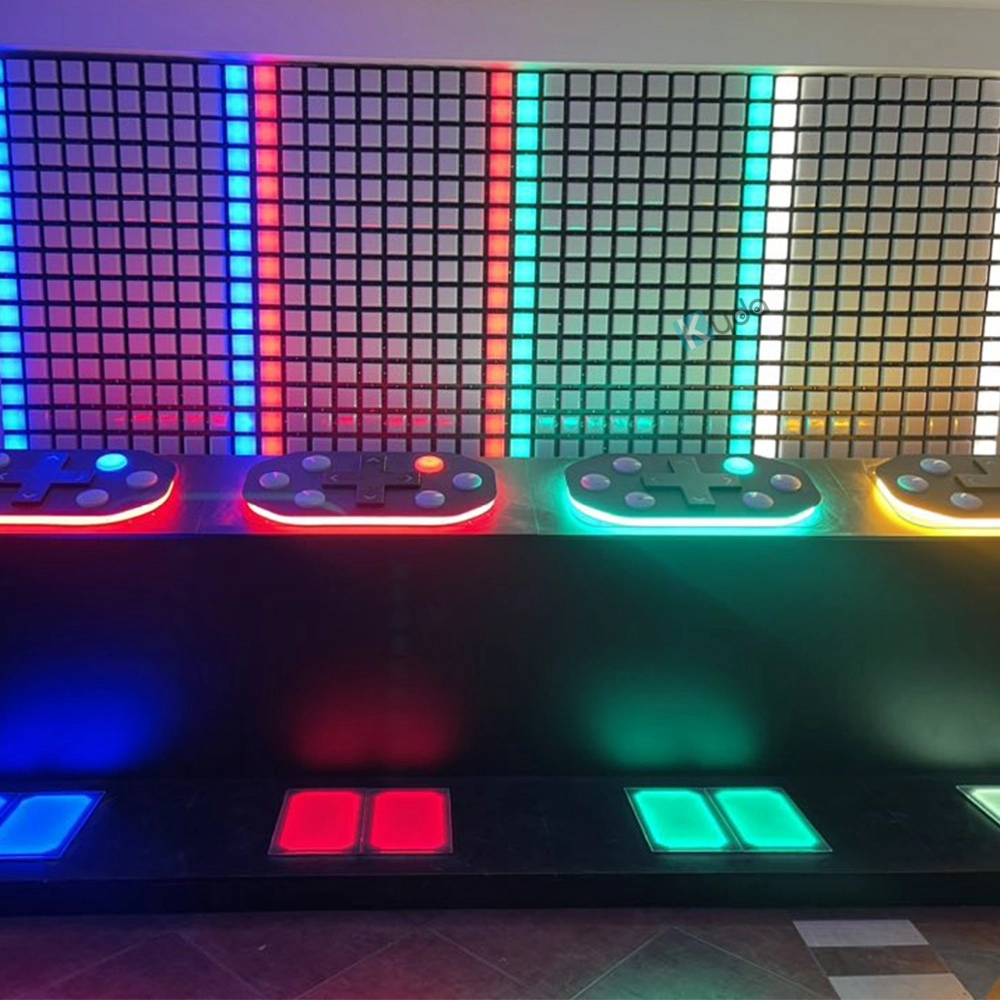
Active Reaction Game Room – LED Control Interactive Wall Game System by Kyda
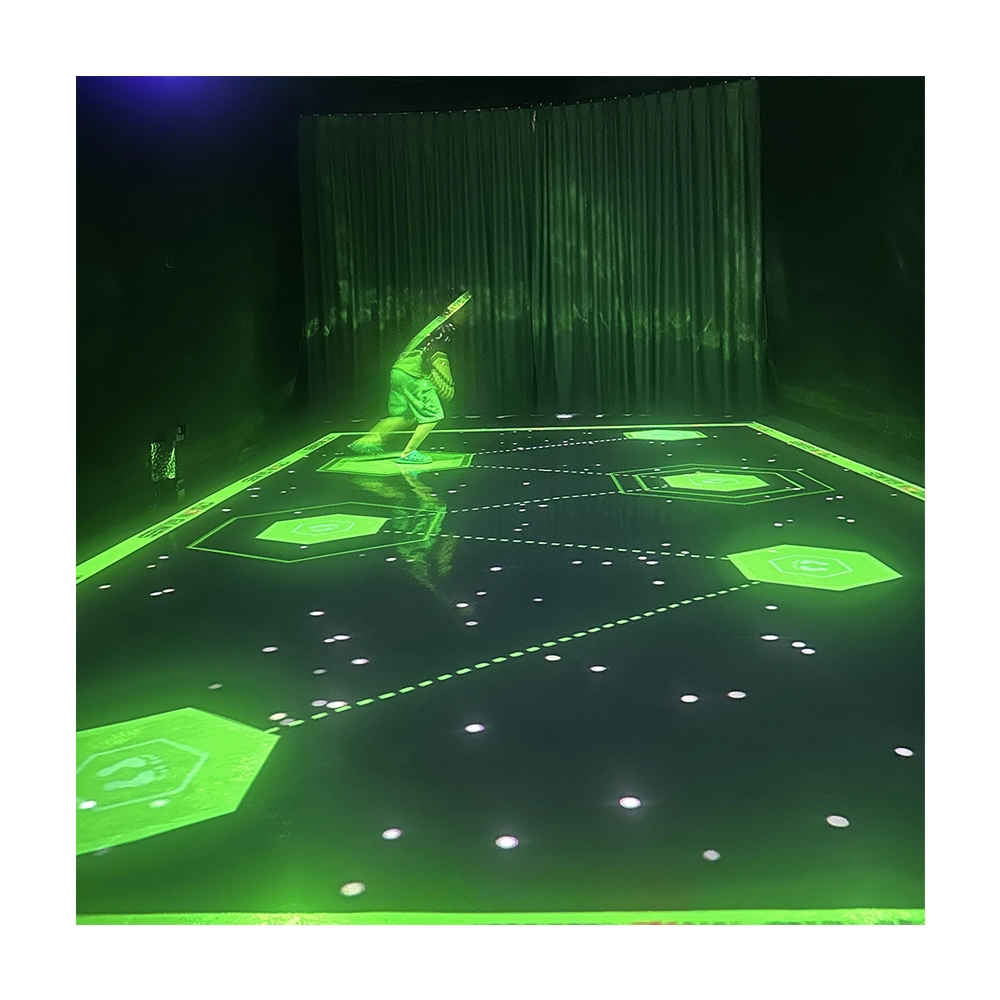
Photon – Interactive Floor Projection Game System for Sensory Rooms & Active Play Areas
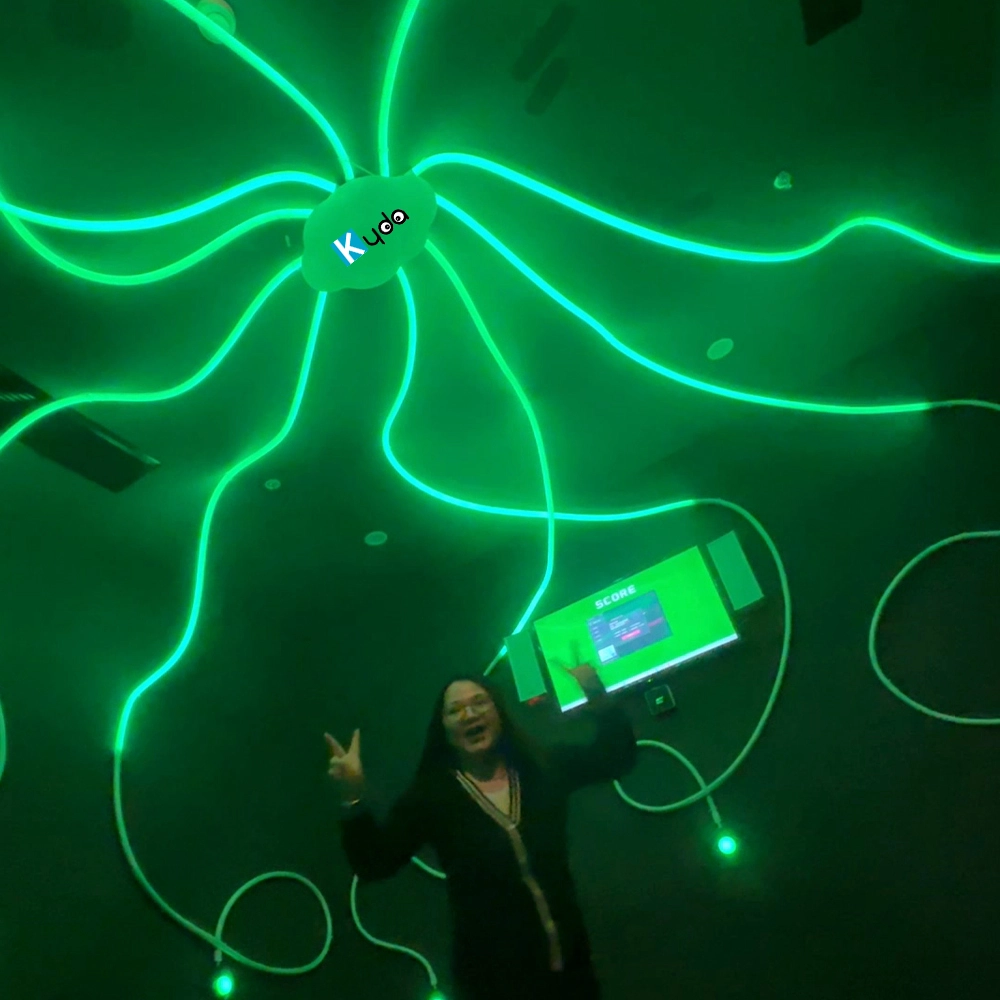
Active Reaction Flash Game Room – Speed, Focus & LED Timing Challenge
You May Also Like

-
-
Send us Your Inquiry
-
Fill out the form and we will provide you with personalized product quotes and service recommendations based on your needs.
Our team will contact you as soon as possible to help you build the most suitable entertainment equipment!
Let's get in touch
Email: sales@kydavr.com
Tel.: +86 188 2001 8779
Address: 501 Shixin Road, Dalong Street, Guangzhou, Guangdong, China.
© 2025 Kyda. All Rights Reserved.
 Scan QR Code
Linkedin
Ins
Facebook
Twitter
YouTube