




Beyond Traditional Arcades: Why Interactive Sports Playgrounds Are the Next High-Value Entertainment Business
Consumers no longer visit entertainment venues simply to watch, sit or press buttons. They want to move, compete, cooperate, take photos and share memorable experiences.
This shift is creating a new category of venue: the interactive sports playground. By combining physical activity, intelligent sensing, immersive environments, multiplayer challenges and real-time scoring, these venues turn players into active participants.
For entrepreneurs, family entertainment centers, escape room operators and amusement venue owners, interactive challenge parks offer a flexible way to attract wider audiences, increase repeat visits and build a scalable entertainment business.
- What Is an Interactive Sports Playground?
- Why Novel Experiences Are Driving the Next Entertainment Trend
- The experience is easy to understand
- Every player becomes part of the action
- Competition makes the experience social
- The experience is highly shareable
- Immersive, Active and Social: The Three Foundations
- 1. Immersive
- 2. Active
- 3. Social
- Technology Behind an Interactive Challenge Park
- Immersive environment system
- Player recognition and positioning
- Interactive game system
- Safety control system
- Venue management system
- Network and data system
- Spatial planning system
- How Real-Time Scoring Encourages Repeat Visits
- One Venue Can Serve Multiple Audiences
- Why Operators Are Interested in the Business Model
- Modular expansion
- Multiple revenue channels
- Replayable game content
- Wider audience coverage
- Efficient self-service
- Why Software Matters as Much as the Equipment
- What a Turnkey Active Gaming Solution Should Include
- From Equipment Purchase to a High-Value Entertainment Space
- Building a Brand, Not Just Filling a Room
- The Future Is Sports + Technology + Social Play
- Call to Action
- FAQ
The entertainment industry has entered a new era.
People can already access thousands of games, videos and digital experiences from their phones. To convince them to leave home, an entertainment venue must offer something that a screen cannot provide alone: physical participation, face-to-face competition and a strong sense of presence.
This is why immersive active gaming is attracting attention.
Instead of sitting in front of a machine, players run, jump, climb, aim, react, solve problems and work together. Lights, sounds, sensors and game software respond to every action in real time.
The result is more than a game room. It is an immersive, active and social experience.
What Is an Interactive Sports Playground?
An interactive sports playground is an indoor entertainment venue that combines digital technology with physical challenges.
A complete venue can include:
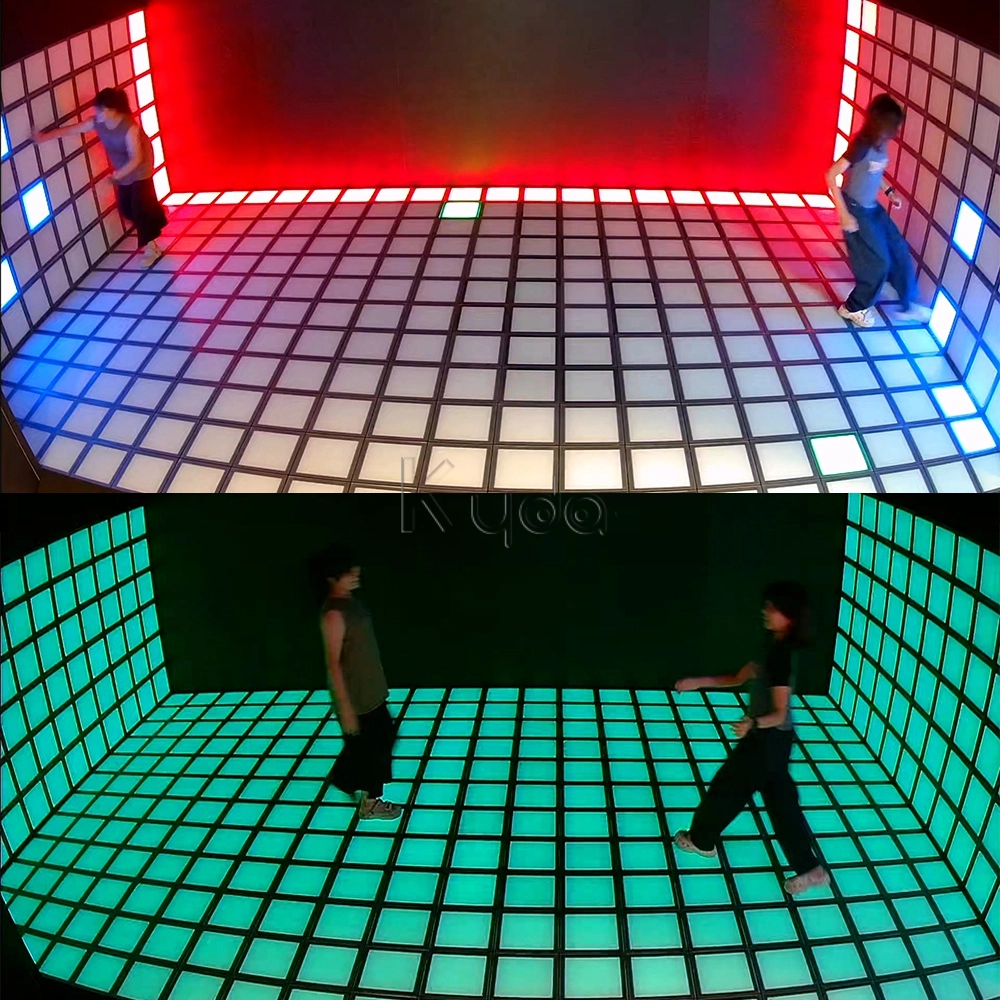
· Interactive LED floor games
· Reaction and speed challenges
· Interactive shooting arenas
· Laser maze games
· Climbing and balance challenges
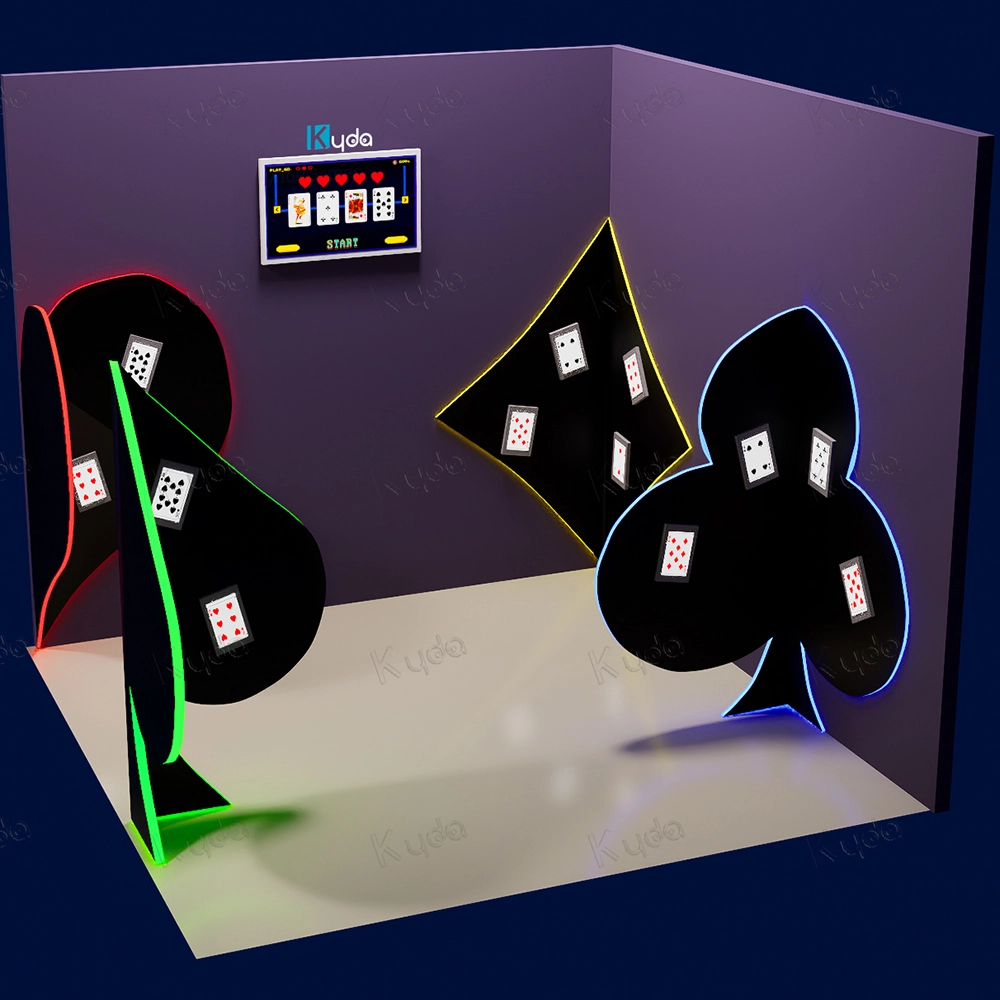
· Puzzle and memory rooms
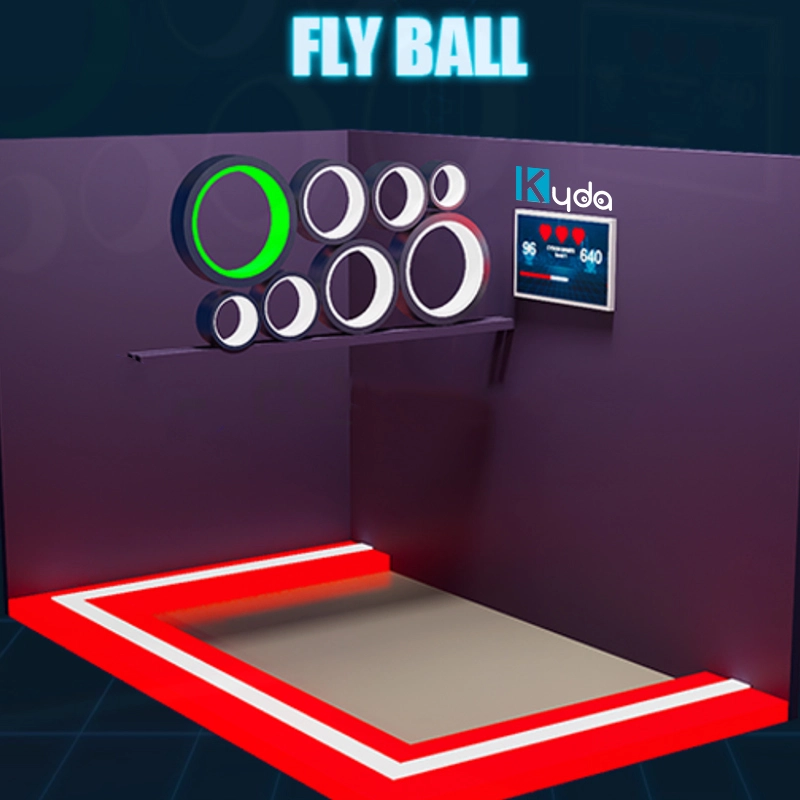
· Multiplayer ball games
· Team cooperation missions
· RFID player identification
· Real-time scoring and leaderboards
· Self-service registration and account inquiry
· Venue and game management software
Every room can test a different combination of reaction speed, balance, accuracy, memory, strategy and teamwork.
Unlike a traditional gym, the experience feels like entertainment. Unlike a conventional arcade, the player’s whole body becomes the controller.
That is the attraction of the “ultimate sports playground”: exercise becomes play, competition becomes social entertainment, and technology makes every visit measurable and replayable.
Why Novel Experiences Are Driving the Next Entertainment Trend
Modern customers are constantly searching for something new.
They have already experienced cinemas, bowling, arcade machines, trampoline parks and conventional escape rooms. Although these attractions remain valuable, venue operators need fresh concepts that give customers a reason to visit again.
Interactive challenge rooms meet this demand in several ways.
The experience is easy to understand
Most games use simple actions such as stepping on a light, pressing a button, hitting a target, avoiding an obstacle or completing a mission before time runs out.
Players do not need professional sports training or complicated instructions. They can usually understand the basic objective within minutes.
Every player becomes part of the action
The environment reacts to the player through sensors, positioning technology, interactive lighting and intelligent control systems. This creates a much stronger sense of participation than watching a screen.
Competition makes the experience social
Players can compete against friends, cooperate as a team or try to beat their previous scores. The game naturally creates conversation, laughter and memorable moments.
The experience is highly shareable
Colourful lighting, visible movement, exciting reactions and multiplayer competition make active gaming suitable for short videos and social media content.
A visually recognizable venue can become a local destination—not just another place containing entertainment machines.
Immersive, Active and Social: The Three Foundations
A successful digital sports and amusement project is normally built around three connected elements.
1. Immersive
Lighting, sound effects, visual feedback and themed environments make players feel that they have entered the game.
The design should not depend only on decoration. The game technology must react accurately and immediately to player actions. Fast feedback is what turns a beautiful room into a convincing interactive experience.
2. Active
Players move their bodies instead of remaining seated. Depending on the game, they may run, dodge, climb, balance, throw, aim or react quickly.
Because each room can offer different difficulty levels, the venue can serve casual visitors as well as competitive players.
3. Social
Active gaming works especially well for small groups. Friends can challenge one another, families can cooperate, and companies can organize structured team-building activities.
This combination of sports and social interaction helps venues serve multiple customer groups throughout the week.
Technology Behind an Interactive Challenge Park
A profitable venue requires more than attractive hardware. The real experience depends on how the physical equipment, software and operating systems work together.
A complete interactive challenge park may integrate the following systems:
Immersive environment system
Lighting, audio and visual effects create atmosphere and communicate game events. Changes in colour, sound or animation can tell players when a round begins, when they score and when the challenge becomes more difficult.
Player recognition and positioning
Sensors and identification technology detect movement, position, target hits and completed actions. Accurate recognition reduces player frustration and makes competition feel fair.
Interactive game system
The software controls the rules, difficulty levels, timing, scoring and feedback for each game. Different game modes can make the same room suitable for beginners, families or experienced players.
Safety control system
Equipment layout, emergency controls, operating procedures and suitable materials must be considered from the design stage. Safety should be part of the complete system rather than an addition made after installation.
Venue management system
A central platform can connect registration, player accounts, RFID wristbands, game access, scores and rankings. This gives operators a clearer view of how customers move through the venue.
Network and data system
A connected network allows multiple rooms to share player information and scoring data. It can also make software maintenance, content updates and operational management more efficient.
Spatial planning system
Room layout affects capacity, customer flow and revenue potential. Good planning considers entrances, waiting areas, group movement, equipment maintenance and the number of playable experiences within the available space.
When these systems work together, the venue becomes a connected entertainment ecosystem rather than a collection of separate machines.
How Real-Time Scoring Encourages Repeat Visits
A real-time scoring system does more than display numbers.
When players register through an account or RFID wristband, their results can be recorded across different game rooms. They can check individual scores, team performance and venue rankings after each challenge.
This creates several reasons to return:
· Players want to improve their personal records.
· Friends want another chance to beat each other.
· Teams can compete for weekly or monthly rankings.
· Members can accumulate points and unlock rewards.
· Operators can organize leagues, tournaments and seasonal events.
A traditional attraction may feel the same after one visit. A score-based active gaming venue gives customers an unfinished goal.
The question changes from “Have I played this game?” to “Can I achieve a higher score next time?”
That difference can be important for customer retention.
One Venue Can Serve Multiple Audiences
Interactive challenge games can be designed for different ages and ability levels. Simple rules make the experience approachable, while adjustable difficulty helps maintain long-term challenge.
Potential customer groups include:
· Families and parent-child visitors
· Teenagers and young adults
· Birthday party groups
· Friends and social groups
· School and club activities
· Corporate team-building groups
· Tourists and shopping mall visitors
· Fitness and sports enthusiasts
· Competitive players
The same venue can operate as a family attraction during the day, a birthday destination at weekends and a corporate team-building facility on weekdays.
This flexibility helps operators reduce their dependence on one narrow customer segment.
Why Operators Are Interested in the Business Model
No entertainment supplier can guarantee a specific payback period. Actual return on investment depends on location, rent, pricing, customer traffic, marketing, capacity and operating efficiency.
However, interactive challenge parks have several characteristics that may support a more efficient business model.
Modular expansion
Operators can begin with selected game rooms and add new experiences as demand develops. Expansion does not always require replacing the complete venue.
Multiple revenue channels
Potential income can come from:
· Individual admission
· Timed play packages
· Memberships
· Birthday parties
· Corporate events
· School activities
· Competitions
· Food and beverages
· Merchandise
· Private venue bookings
Replayable game content
Digital rules, difficulty settings and scoring objectives can create multiple experiences within the same physical room. New challenges can refresh customer interest without rebuilding the entire attraction.
Wider audience coverage
A mix of physical, reaction, puzzle and cooperative games can attract customers with different interests.
Efficient self-service
Self-service registration, wristband identification and score inquiry can simplify parts of the customer journey and reduce repetitive work for staff.
Low equipment pricing alone does not create a profitable venue. The stronger opportunity comes from combining good location selection, intelligent space planning, reliable systems, attractive games and professional operation.
Why Software Matters as Much as the Equipment
Interactive entertainment equipment is easy to notice because players can see the lights, targets and physical structures. Software is less visible, but it often determines the quality of the business.
A connected software platform can manage:
· Player registration
· RFID wristband identification
· Game selection
· Difficulty levels
· Multiplayer modes
· Automatic scoring
· Cross-room player records
· Real-time leaderboards
· Membership points
· Game updates
· Operational data
Without a connected system, operators may end up managing isolated rooms manually. With the right platform, individual challenges become part of one continuous player journey.
Hardware creates the physical attraction. Software creates replay value, operational efficiency and a recognizable entertainment ecosystem.
What a Turnkey Active Gaming Solution Should Include
Building an interactive sports playground requires cooperation across several disciplines. Buying individual devices from different suppliers may leave the operator responsible for integration.
A complete turnkey solution should cover:
1. Business concept and project consultation
2. Venue layout and capacity planning
3. Selection of suitable game rooms
4. Interior and immersive environment design
5. Game software and control systems
6. Interactive hardware manufacturing
7. Player identification and scoring systems
8. Network and electrical planning
9. Installation and system testing
10. Staff and operation training
11. Technical support and maintenance
12. Future game and venue expansion
This end-to-end approach can reduce communication gaps between designers, equipment suppliers, software teams and installers.
It also allows the operator to focus on the commercial questions: Who are the target customers? How should tickets be packaged? How will the venue attract groups? What will motivate customers to return?
From Equipment Purchase to a High-Value Entertainment Space
Kyda Games provides active gaming equipment and one-stop interactive challenge park solutions for new and existing entertainment businesses.
According to Kyda Games’ company information, its capabilities include software development, hardware manufacturing, game design, interactive systems, venue planning and project delivery. The current portfolio includes more than 60 immersive challenge game concepts, with OEM and ODM customization available.
Solutions can be configured for:
· A single interactive game room
· An escape room or FEC upgrade
· A dedicated digital sports zone
· A multiplayer party attraction
· A complete active entertainment center
· A customized white-label venue concept
Instead of forcing every investor into one fixed format, the game mix and system configuration can be adapted to the available space, local audience, investment plan and operating model.
Building a Brand, Not Just Filling a Room
The strongest active entertainment projects have a clear identity.
A venue may position itself as an ultimate sports playground, a future racing alliance, a player club, a family challenge park or a competitive social gaming destination.
The name is flexible, but the customer promise should be clear:
· Players enter the game.
· Every action receives intelligent feedback.
· Friends compete and cooperate together.
· Scores create new goals.
· Each visit offers another challenge.
With customized branding, game interfaces and venue design, an operator can build an exclusive entertainment space rather than simply resell a generic attraction.
The Future Is Sports + Technology + Social Play
The future of indoor entertainment will not be defined by screens alone.
It will be shaped by experiences that bring people together and give them something meaningful to do: move, think, compete, cooperate and improve.
Interactive sports playgrounds bring these behaviors into one commercial format. They combine the energy of sport, the accessibility of casual gaming, the atmosphere of immersive entertainment and the social value of multiplayer participation.
For an entrepreneur opening a new venue—or an established operator searching for the next attraction—the opportunity is not merely to purchase equipment.
It is to create a place where people become the players.
Immersive. Active. Social.
That is the foundation of the next generation of entertainment.
Call to Action
Planning an interactive challenge park, digital sports venue or escape room upgrade?
Kyda Games can provide solutions ranging from individual game-room procurement to complete turnkey venue delivery, including game hardware, software, RFID registration, real-time scoring, leaderboards, spatial planning and technical support.
Contact Kyda Games to discuss your venue size, target customers and project budget—and build an interactive entertainment concept designed for your local market.
FAQ
What is an interactive sports playground?
An interactive sports playground is an indoor entertainment venue that combines physical activity with digital gaming technology. Players run, jump, climb, aim, react and solve challenges while sensors, LED systems and game software track their actions in real time. It is suitable for family entertainment, birthday parties, corporate team building and competitive social gaming.
Is an interactive sports playground a profitable entertainment business?
An interactive sports playground can generate revenue through admission tickets, memberships, birthday packages, corporate events, school activities, private bookings and competitions. Its modular rooms, replayable challenges and digital scoring can help encourage repeat visits. However, profitability and payback time depend on location, rent, ticket pricing, visitor numbers, operating costs and local marketing performance.
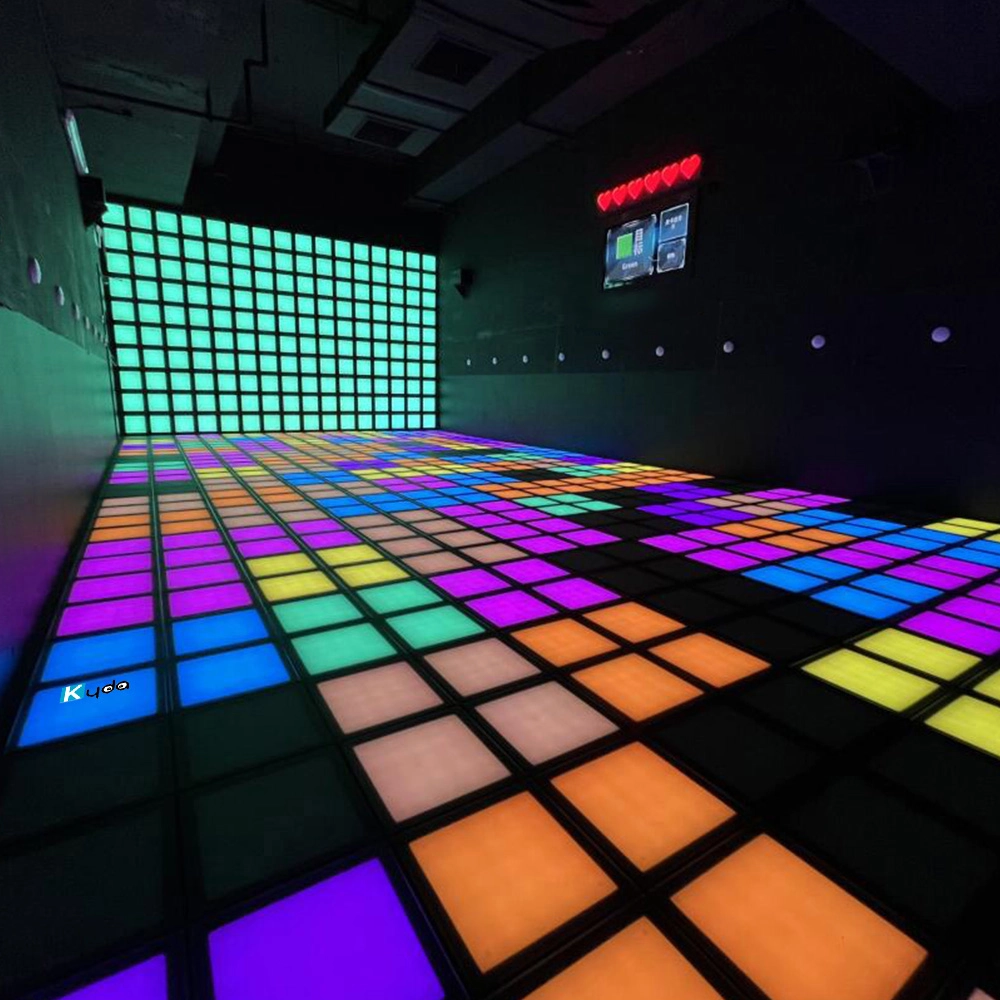
Interactive Light Grid Active Game Led Floor for Dance Pixel Grid Room
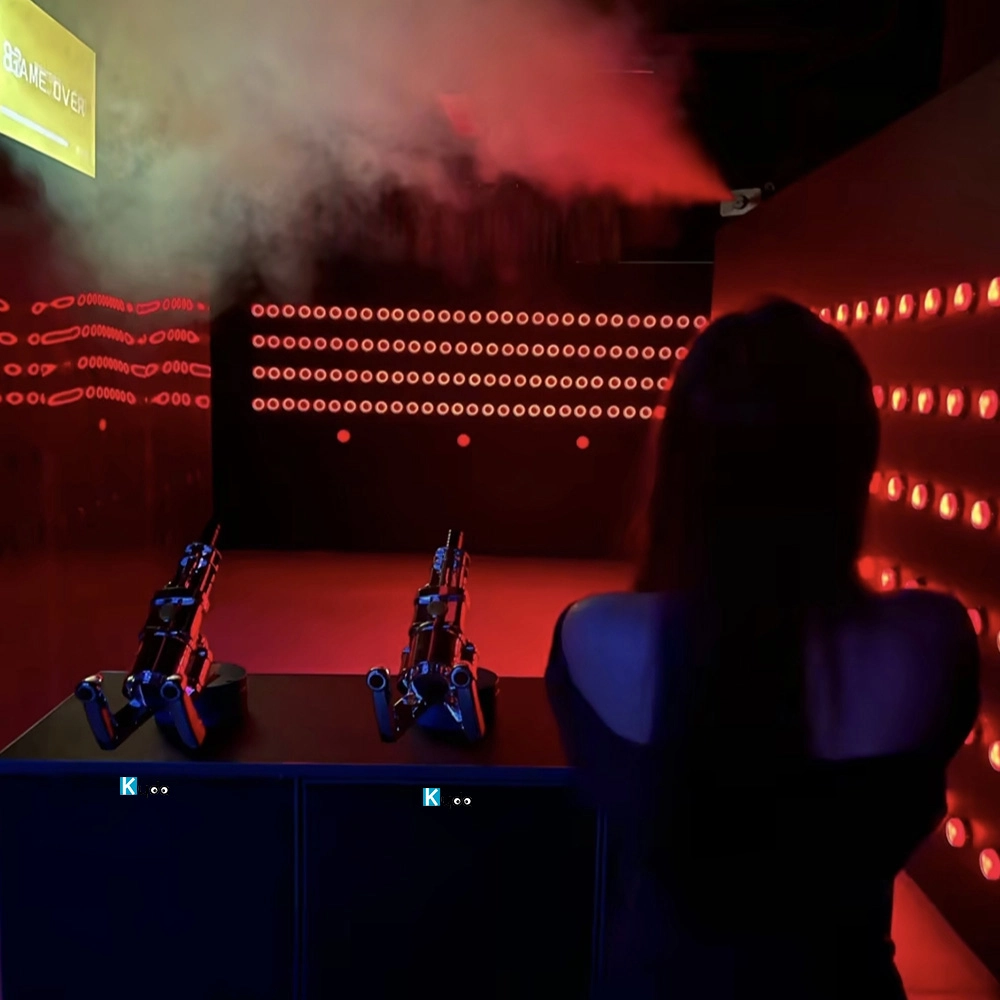
Active Reaction Laser Shooting Game Room
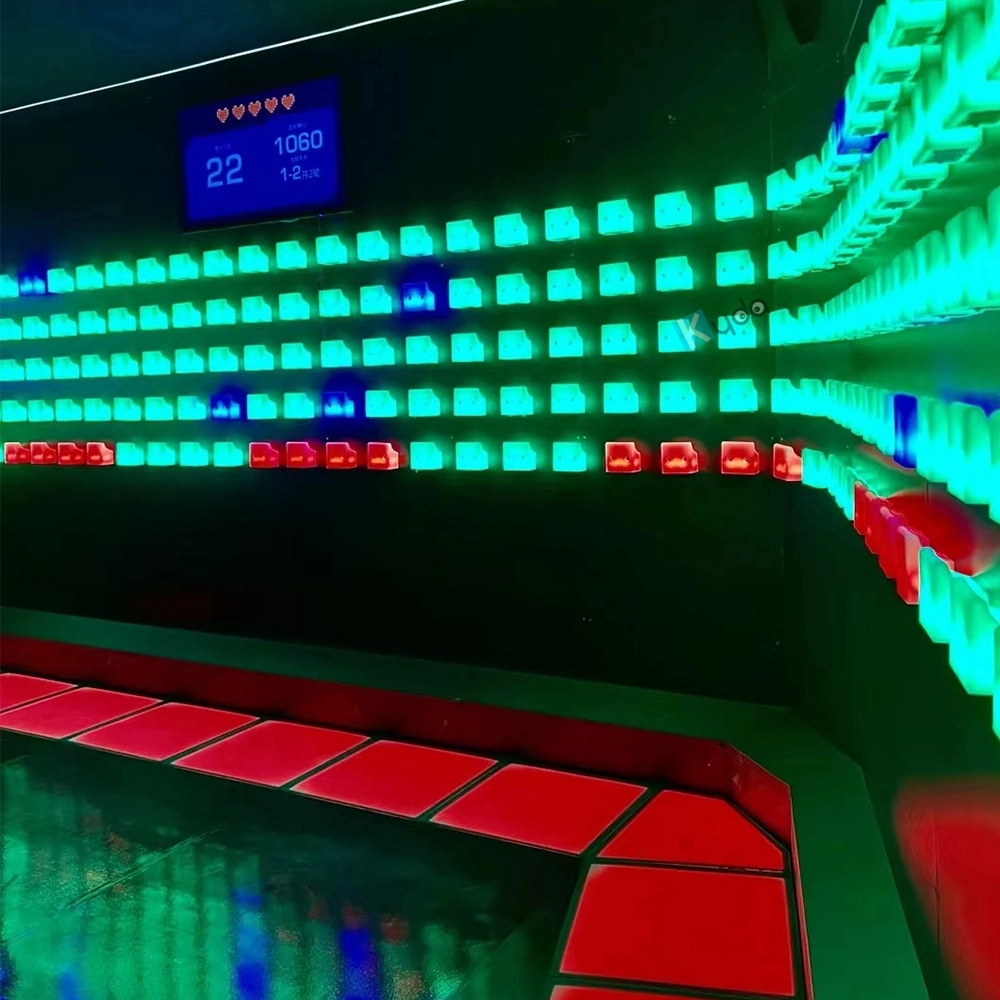
Activate Fitness Climb Game – The Ultimate Interactive LED Climbing Wall Experience
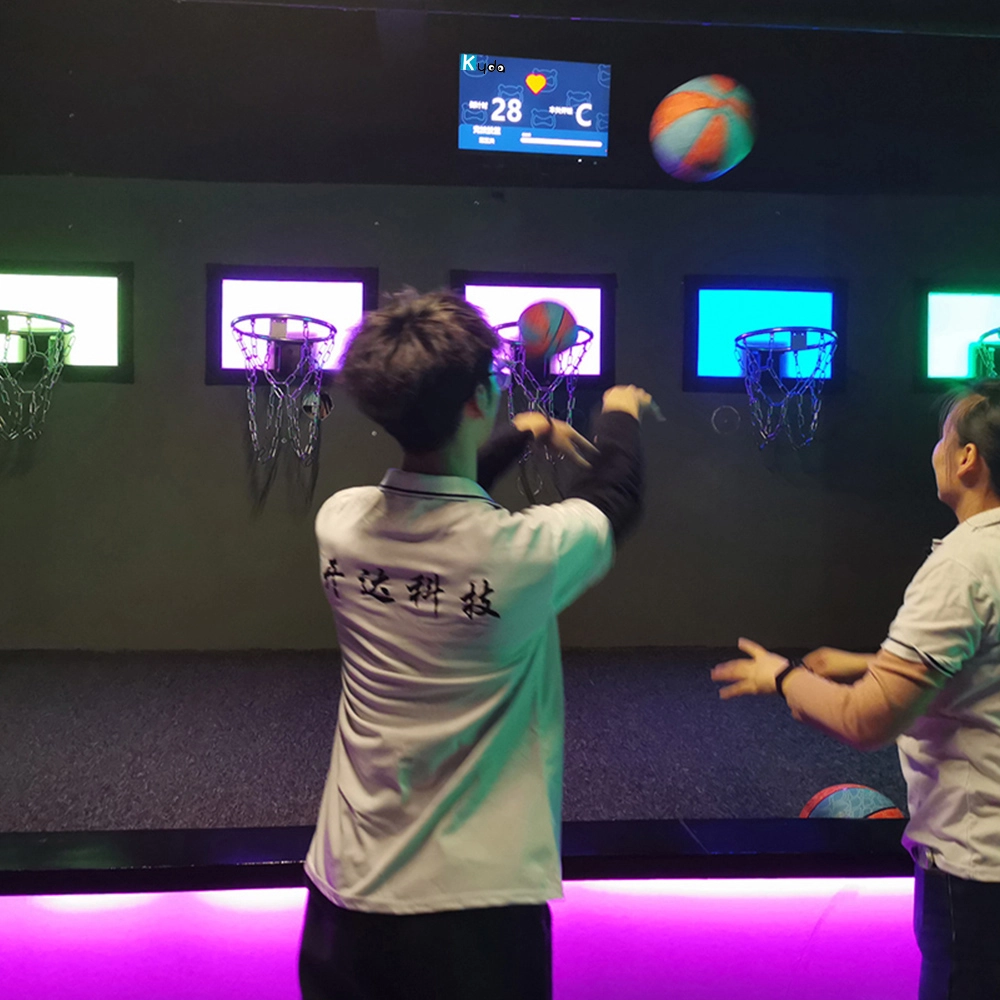
Hoops Active Game: The Ultimate Interactive Basketball Fitness Game
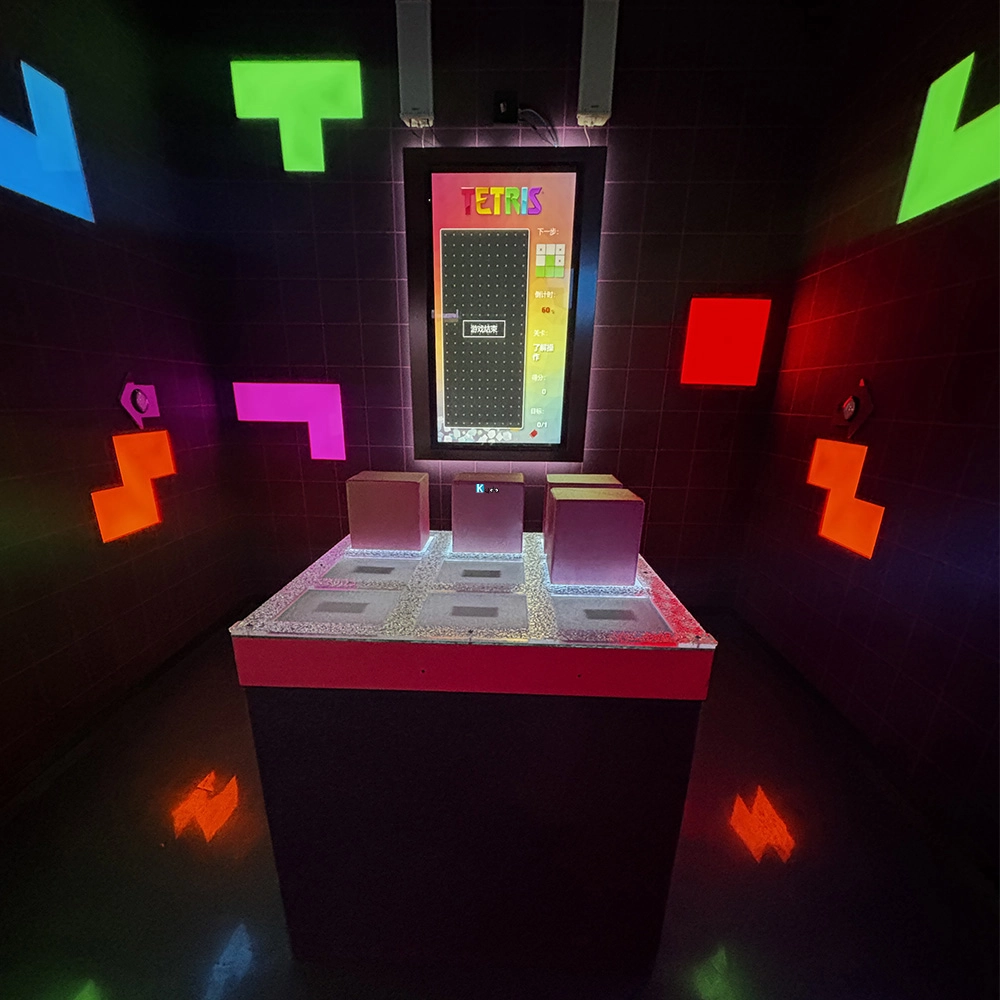
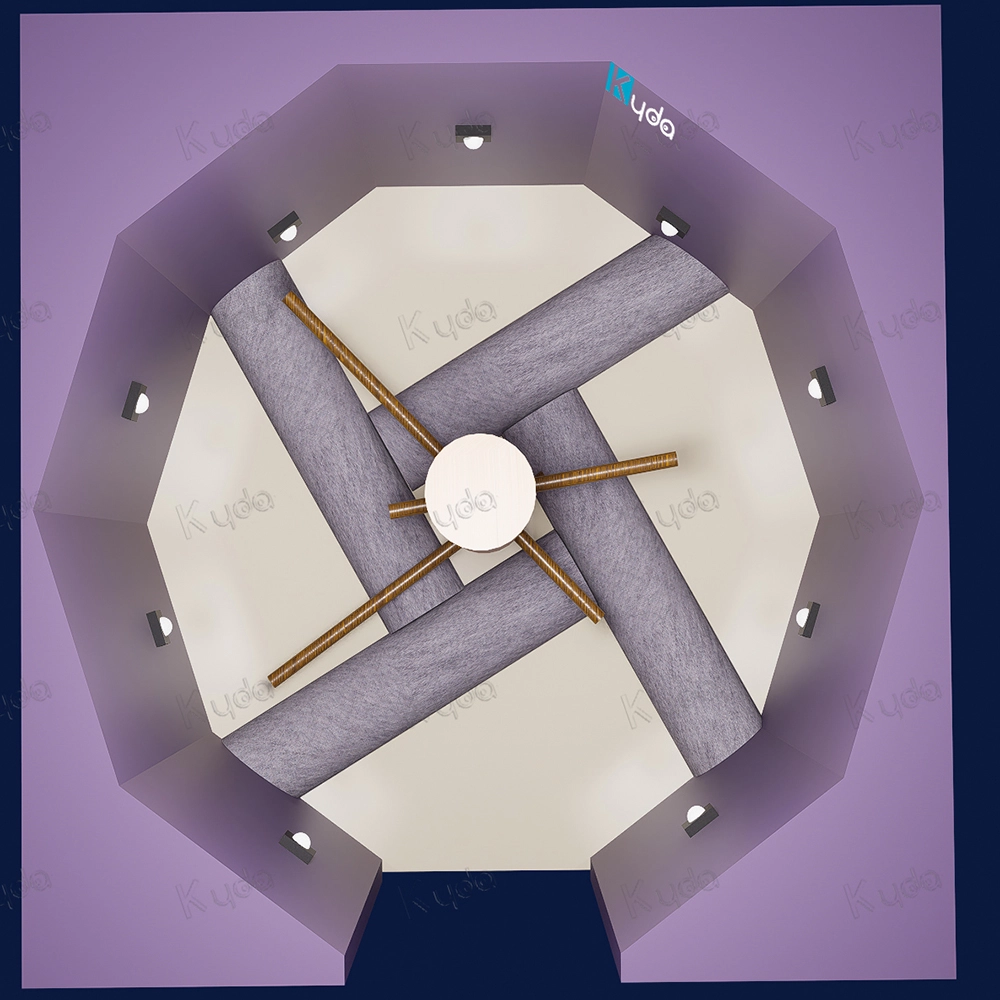
7 Blocks Tetris | Kyda Immersive Physical Interactive Game System
You May Also Like
-
-
Send us Your Inquiry
-
Fill out the form and we will provide you with personalized product quotes and service recommendations based on your needs.
Our team will contact you as soon as possible to help you build the most suitable entertainment equipment!
Let's get in touch
Email: sales@kydavr.com
Tel.: +86 188 2001 8779
Address: 501 Shixin Road, Dalong Street, Guangzhou, Guangdong, China.
© 2025 Kyda. All Rights Reserved.
 Scan QR Code
Linkedin
Ins
Facebook
Twitter
YouTube