




The Latest Trends Shaping the Global Active Game Room Equipment Industry
- Market Forces Redefining Interactive Game Room Development
- From passive play to measurable physical interaction
- Immersion is becoming a system, not a single screen
- Social competition and shared experiences drive repeat visits
- Technology, Safety, and Operational Trends Buyers Must Track
- Sensor fusion and software flexibility
- Safety engineering and inclusive access
- Energy management and maintainability affect total cost
- Procurement Strategy for High-Return Active Entertainment Projects
- Define the business model before selecting equipment
- Evaluate the supplier’s complete delivery capability
- Use staged validation to reduce project risk
- How Kyda Supports Customized Active Game Room Projects
- Integrated product development across hardware, software, and design
- Manufacturing coordination for local requirements
- Commercial value through flexible attraction formats
- Frequently Asked Questions
The global active game room equipment industry is evolving from static arcade entertainment toward connected environments that combine physical movement, digital media, spatial design, and repeatable gameplay. For investors, family entertainment center operators, resorts, schools, shopping malls, fitness venues, and distributors, the most important developments include sensor-driven interaction, immersive projection, modular attraction formats, social competition, inclusive design, energy efficiency, and software content that can be refreshed after installation. Buyers evaluating an interactive entertainment equipment manufacturer should assess not only visual appeal, but also safety, durability, installation complexity, localization capability, maintenance access, player throughput, and total return on investment. The strongest projects use activate interactive games to turn available floor and wall space into flexible revenue-generating experiences rather than relying on a single fixed machine.
Market Forces Redefining Interactive Game Room Development
From passive play to measurable physical interaction
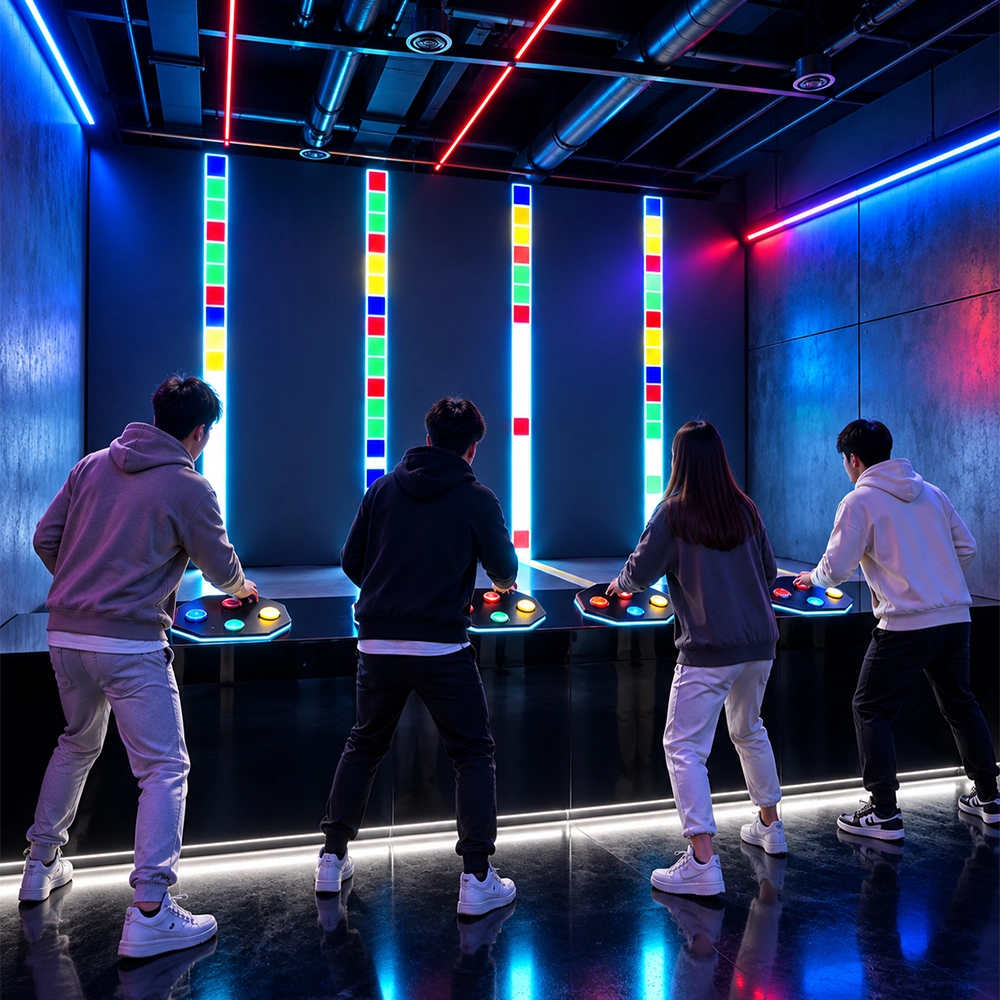
One of the clearest shifts is the movement from button-based amusement toward experiences that require walking, jumping, aiming, reacting, balancing, coordinating, or collaborating. Interactive floors, motion-responsive walls, projection-based challenges, and laser reaction systems create a stronger connection between entertainment and physical participation. This trend supports multiple venue categories, including family entertainment centers, edutainment sites, corporate team-building facilities, sports recovery environments, and hotel recreation zones.
For operators, physical interaction can increase dwell time and create a more visible atmosphere than conventional cabinet equipment. However, the commercial result depends on game clarity and throughput. A successful attraction should explain its objective quickly, support different skill levels, reset efficiently, and provide enough variation for repeat visits. Procurement teams should request demonstrations showing queue handling, player onboarding, session duration, scoring logic, and the number of participants supported in one play cycle.
Immersion is becoming a system, not a single screen
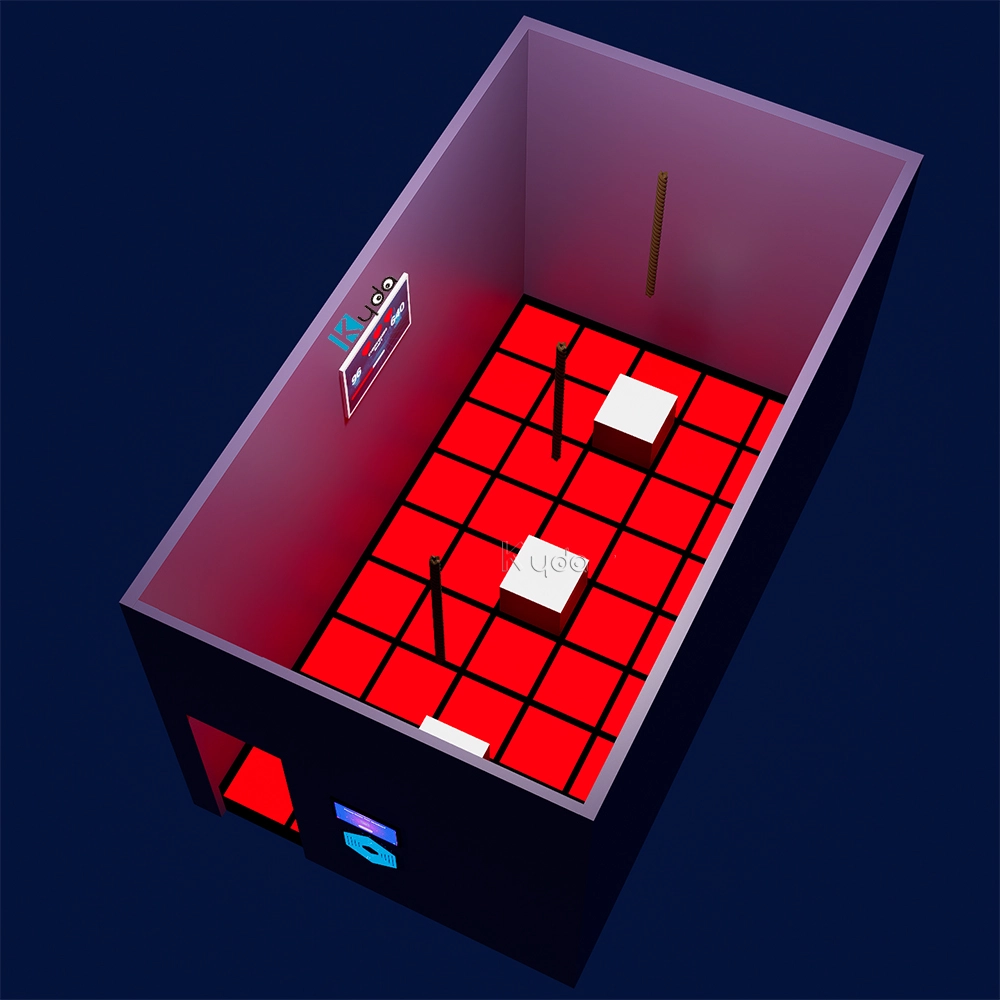
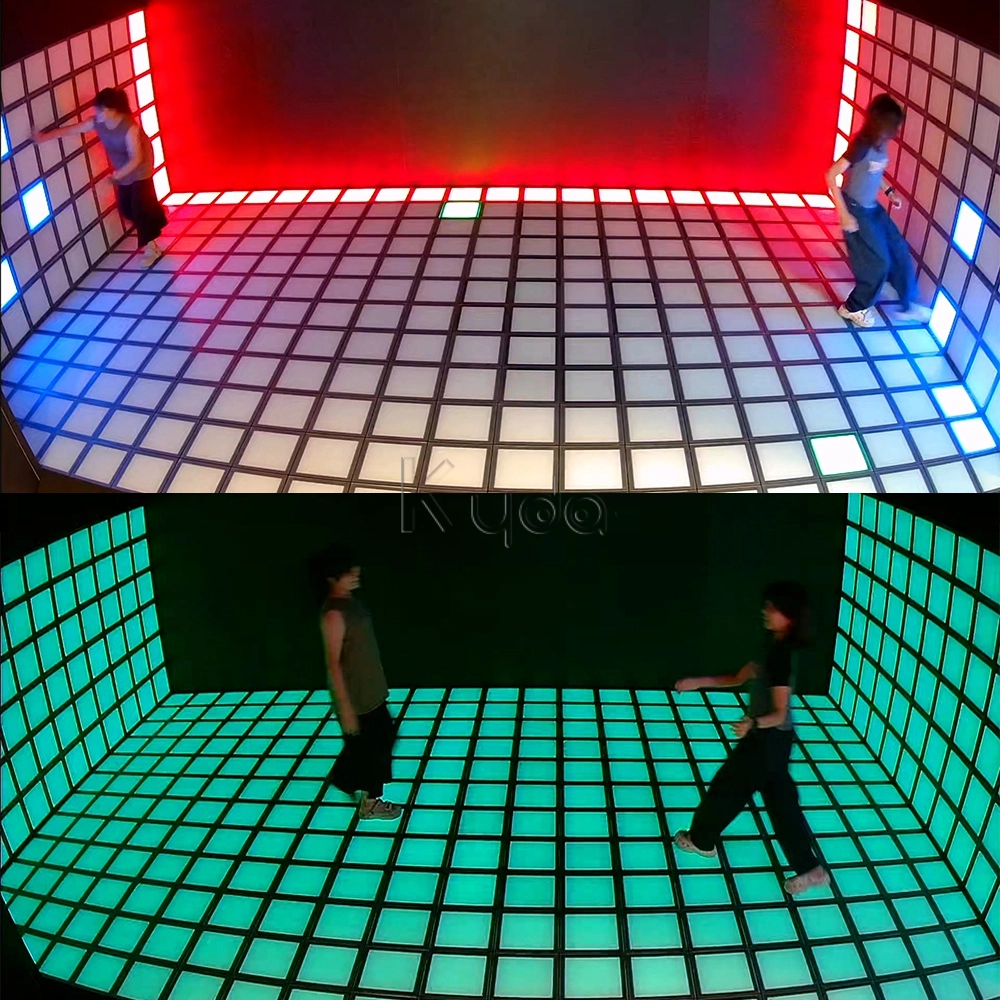
Immersive entertainment increasingly combines projection, LED surfaces, lighting, sound, sensors, and themed interiors. Interactive projection games can transform a multipurpose room into a sports arena, underwater environment, educational landscape, or fantasy challenge without requiring a complete physical rebuild for every theme. An interactive LED wall can provide a high-impact visual backdrop, while an interactive LED floor can serve as both a play surface and a navigation element.
This integrated approach changes the buyer’s evaluation process. A low-cost display may not be suitable for continuous public use if it lacks impact resistance, service access, color consistency, or suitable brightness. Project owners should examine calibration procedures, replacement parts, ventilation, cable routing, ambient-light performance, and the supplier’s ability to coordinate hardware with game software and interior finishes.
Social competition and shared experiences drive repeat visits
Consumers increasingly favor activities that can be enjoyed by families, friends, classmates, and corporate groups together. Multiplayer reaction games, cooperative brain challenges, competitive laser games, and team-based projection attractions support social participation and generate content that visitors are more likely to share online. This is particularly valuable in venues where the experience itself must act as a marketing asset.
Social design should not be confused with simply adding more players. The experience needs readable scores, balanced rules, short waiting periods, and clear role distribution. Operators should also consider whether the attraction works for children and adults at the same time, whether a spectator can understand the action, and whether the game can be adapted for local cultural preferences and language requirements.
Technology, Safety, and Operational Trends Buyers Must Track
Sensor fusion and software flexibility
Modern active entertainment systems may combine infrared sensing, computer vision, pressure detection, depth sensing, RFID identification, laser tracking, and real-time software logic. Combining data from more than one input method can improve responsiveness and reduce false triggers, but it also increases commissioning and maintenance requirements. A buyer should ask which components are proprietary, which are replaceable locally, and how the system behaves when a sensor or network connection fails.
Software flexibility is equally important. Content libraries, adjustable difficulty, multilingual interfaces, seasonal themes, and operator dashboards help a venue extend the useful life of its investment. Before signing a purchase order, project owners should clarify whether updates are included, how new games are installed, whether the license is perpetual or subscription-based, and who owns customized media assets. A documented backup and recovery process is essential for venues that depend on daily operation.
Safety engineering and inclusive access
Safety is a commercial requirement as well as a compliance obligation. Equipment should be designed around foreseeable misuse, collision risks, trip hazards, electrical protection, surface durability, emergency shutdown, and cleaning procedures. Manufacturers and integrators can use risk-reduction principles described in ISO 12100 safety of machinery when identifying hazards and selecting protective measures. For interactive attractions with electrical assemblies, buyers should also require appropriate testing documentation for the destination market.
Inclusive design expands the addressable audience. Adjustable game speed, multiple difficulty levels, high-contrast visual cues, clear audio prompts, accessible routes, and alternative interaction methods can make an attraction more usable for different ages and abilities. The human-centered design principles described in ISO 9241-210 provide a useful reference for designing systems around user needs rather than visual novelty alone.
Energy management and maintainability affect total cost
Energy consumption, lamp or LED service life, cooling requirements, software downtime, and replacement-part availability all influence operating margins. Venue owners should calculate total cost of ownership instead of comparing only the initial quotation. A system with a lower purchase price may produce higher costs if it requires frequent recalibration, specialist travel, or extended shutdowns.
Maintenance planning should cover daily cleaning, weekly inspection, preventive replacement, software backup, remote diagnostics, and staff training. The equipment layout should provide access to control cabinets, projectors, LED modules, sensors, and power supplies without dismantling the entire attraction. These details directly affect uptime and the number of sellable sessions per day.
| Procurement factor | Traditional fixed attraction | Modular interactive system | Buyer implication |
|---|---|---|---|
| Content refresh | Often requires physical theme changes or replacement units | Can support software updates and new media packages | Confirm update ownership, fees, and compatibility |
| Space utilization | Primarily tied to one cabinet or physical structure | Can use floors, walls, projection zones, and open activity areas | Review room dimensions, ceiling height, and circulation |
| Player format | Usually individual or small-group play | Can support solo, team, tournament, and cooperative modes | Compare throughput, queue time, and session duration |
| Maintenance profile | Visible mechanical parts may be easier to isolate | Requires coordinated hardware, software, sensors, and media checks | Require manuals, spare parts, training, and service response terms |
| Revenue flexibility | Typically tied to a fixed game format | Can be configured for admissions, timed sessions, parties, and events | Model several pricing and utilization scenarios |
The table reflects common system characteristics rather than a guarantee for every product category. A professional tender should validate specifications through a factory acceptance test, site acceptance test, safety documentation, and a written service agreement.
Procurement Strategy for High-Return Active Entertainment Projects
Define the business model before selecting equipment
The same attraction can perform differently in a shopping mall, resort, school, museum, or independent entertainment center. Buyers should establish the intended revenue model first: pay-per-play, timed admission, memberships, birthday packages, school programs, corporate events, or a combination of these formats. The business model determines capacity, game length, staffing, ticketing integration, and the required level of content rotation.
A practical feasibility model should include expected daily visitors, peak-hour utilization, average session price, staffing cost, rent allocation, electricity, maintenance, marketing, payment processing, and downtime. Sensitivity analysis is important because an attraction that appears profitable at 60% utilization may become marginal at 30%. Suppliers should provide assumptions that can be adjusted rather than presenting an unsupported return-on-investment claim.
Evaluate the supplier’s complete delivery capability
International buyers often work with several vendors for displays, software, fabrication, lighting, installation, and interior fit-out. This can create integration gaps, unclear warranties, inconsistent design responsibility, and delays during commissioning. A one-stop partner can reduce coordination risk when it genuinely controls engineering, production, content development, quality inspection, packing, installation support, and after-sales communication.
When comparing an Solution, buyers should request a technical proposal containing room drawings, power requirements, network architecture, equipment dimensions, installation sequence, environmental conditions, staffing assumptions, and acceptance criteria. A credible supplier should also explain what is manufactured in-house, what is sourced from partner factories, and how incoming components are inspected.
Use staged validation to reduce project risk
Large entertainment projects benefit from a staged approval process. Concept approval should confirm the target audience, theme, capacity, and visual identity. Engineering approval should validate structure, power, cooling, signal paths, software functions, and safety provisions. Factory testing should verify the complete system before shipment, while site testing should confirm alignment, calibration, network connectivity, game logic, and staff operation.
Contracts should define delivery milestones, documentation, packaging standards, spare parts, warranty exclusions, remote support, training, and response times. For distributors, product certification, customs documentation, language localization, and marketing assets should be addressed before production begins. This process turns a visually attractive concept into a controlled commercial deployment.
How Kyda Supports Customized Active Game Room Projects
Integrated product development across hardware, software, and design
Kyda is a one-stop solution provider for active game rooms and Activate gaming centers, covering custom research and development, production, sales, and project support. Our portfolio includes active interactive games, interactive projection games, interactive LED floor systems, interactive LED walls, active reaction games, brain challenge games, horror escape games, active fitness games, laser interactive games, and indoor and outdoor amusement equipment.
Our engineering capability spans electronic design and development, software programming, game design, animation design, product design, multimedia design, and interior design. This combination allows our team to address the complete visitor journey, from the first visual impression and game instructions to scoring, reset time, safety behavior, and repeat-play value. For investors, that integration can reduce the risk of receiving attractive hardware that lacks a commercially effective content system.
Manufacturing coordination for local requirements
Kyda leverages manufacturing advantages in Guangzhou, Zhongshan, Zhengzhou, and Beijing, supported by long-term partnerships with LED light factories, advertising production factories, sheet metal factories, paint factories, electronic assembly factories, 3D plastic printing factories, and multimedia resource companies. This network supports customized products and complete projects for different room sizes, themes, budgets, climate conditions, and local market preferences.
Our manufacturing process can be adapted to projects requiring branded structures, localized game content, special finishes, themed signage, interactive floor layouts, projection environments, or combinations of physical and digital attractions. Coordination across specialist production resources also helps align mechanical fabrication, electrical assembly, visual media, and installation requirements before shipment.
Commercial value through flexible attraction formats
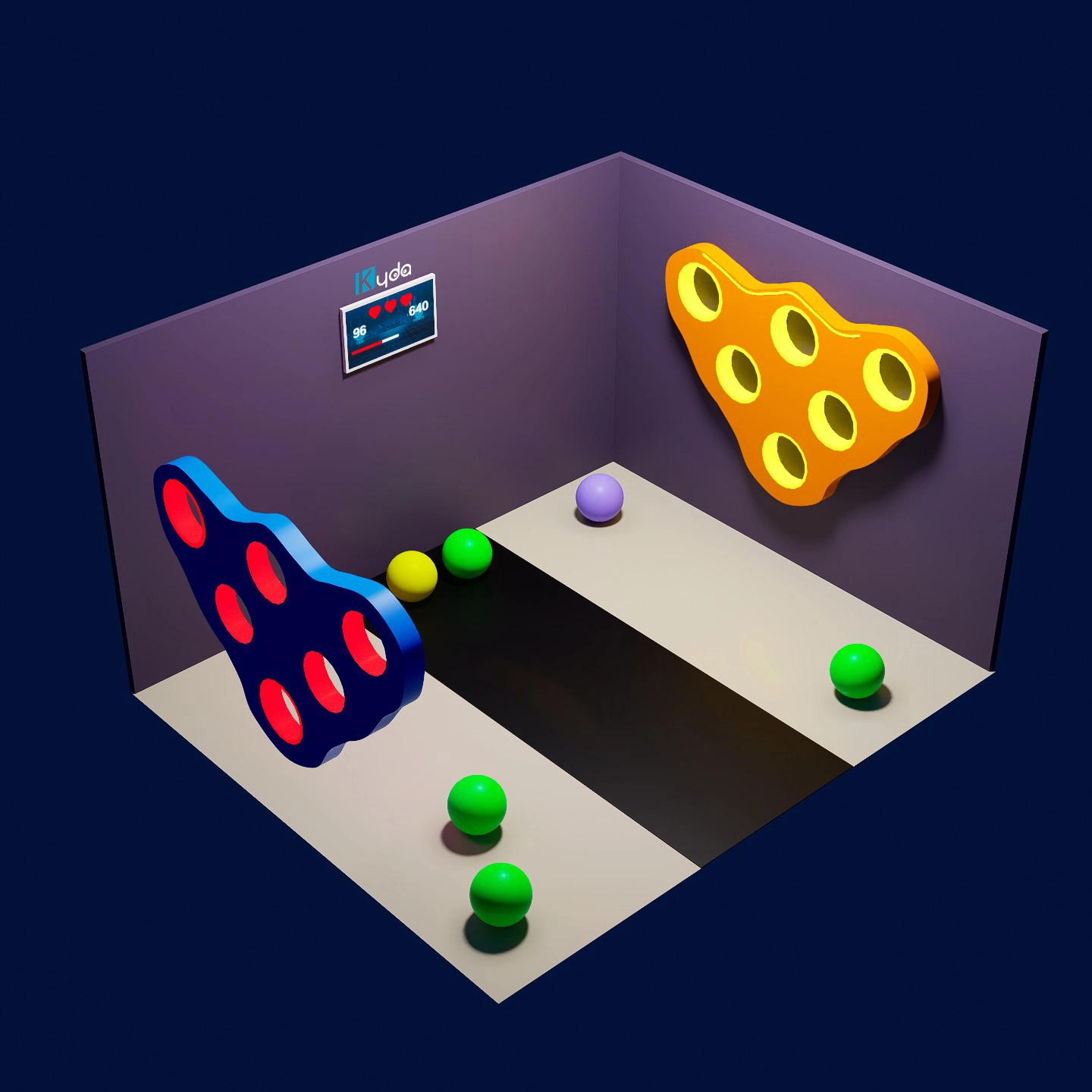
Kyda’s active game room solutions are designed for operators seeking engaging, scalable, and potentially high-return entertainment formats. Interactive LED floors can support movement-based challenges and visually dynamic play. Interactive LED walls can create responsive backdrops and team activities. Interactive projection games can convert multipurpose rooms into flexible environments, while laser interactive games and active reaction games can provide competitive formats with clear scoring.
Our team is committed to applying evolving technology, design, and execution capabilities to meet changing customization needs. Buyers can discuss a standalone product, a themed room, a complete Activate gaming center, or a mixed indoor and outdoor amusement project. The appropriate configuration should be selected according to audience, space, local regulations, staffing, maintenance resources, and investment objectives rather than based on appearance alone.
For health-oriented programming and family recreation, active attractions can complement broader physical activity initiatives; the World Health Organization guidance on physical activity provides useful context on the value of movement for health. For digital interface accessibility, buyers may also consult the W3C Web Content Accessibility Guidelines as a reference for readable instructions, contrast, and understandable user feedback, while recognizing that physical attractions require additional site-specific safety evaluation.
Kyda’s vision is to become the world’s leading active game room manufacturer. Project owners, distributors, and facility operators can contact our team at sales@kydavr.com or visit https://www.kydagames.com to discuss a customized product or complete venue plan.
Contact Kyda to evaluate interactive projection games, interactive LED floors and walls, laser interactive games, or a complete customized Activate gaming center for your market.
Frequently Asked Questions
What are the main trends in the global active game room equipment industry?
The main trends include sensor-driven interaction, immersive projection, interactive LED surfaces, modular attractions, social competition, inclusive design, energy efficiency, and software content that can be refreshed after installation.
How should buyers evaluate interactive game room equipment?
Buyers should assess safety, durability, installation complexity, localization capability, maintenance access, player throughput, software flexibility, content updates, energy consumption, replacement parts, and total return on investment.
Why are interactive projection games valuable for entertainment venues?
Interactive projection games can transform a multipurpose room into different themed environments without requiring a complete physical rebuild for every theme, supporting content flexibility and repeat visits.
What safety standards should active game room equipment suppliers consider?
Manufacturers and integrators can use the risk-reduction principles described in ISO 12100 when identifying hazards and selecting protective measures, while destination-market electrical and site safety requirements must also be addressed.
What should be included in a supplier’s technical proposal?
A technical proposal should include room drawings, power requirements, network architecture, equipment dimensions, installation sequence, environmental conditions, staffing assumptions, acceptance criteria, documentation, warranty terms, spare parts, and service arrangements.
What products does Kyda provide for active game rooms?
Kyda provides active interactive games, interactive projection games, interactive LED floor systems, interactive LED walls, active reaction games, brain challenge games, horror escape games, active fitness games, laser interactive games, and indoor and outdoor amusement equipment.
Buying Guide: Choose the Best Interactive Light-Up Floor Game
Sample Evaluation Protocol for Pixel Floor Vendors and Testing
Tips for buy activate video game from China
Best active video games manufacturers and supplier brands in us
You May Also Like
-
-
Send us Your Inquiry
-
Fill out the form and we will provide you with personalized product quotes and service recommendations based on your needs.
Our team will contact you as soon as possible to help you build the most suitable entertainment equipment!
Let's get in touch
Email: sales@kydavr.com
Tel.: +86 188 2001 8779
Address: 501 Shixin Road, Dalong Street, Guangzhou, Guangdong, China.
© 2025 Kyda. All Rights Reserved.
 Scan QR Code
Linkedin
Ins
Facebook
Twitter
YouTube